Loch Kelly: Pointers to Open-Hearted Awareness, Part 2

    —
October 14, 2015

Loch Kelly: Pointers to Open-Hearted Awareness, Part 2

Loch Kelly October 14, 2015

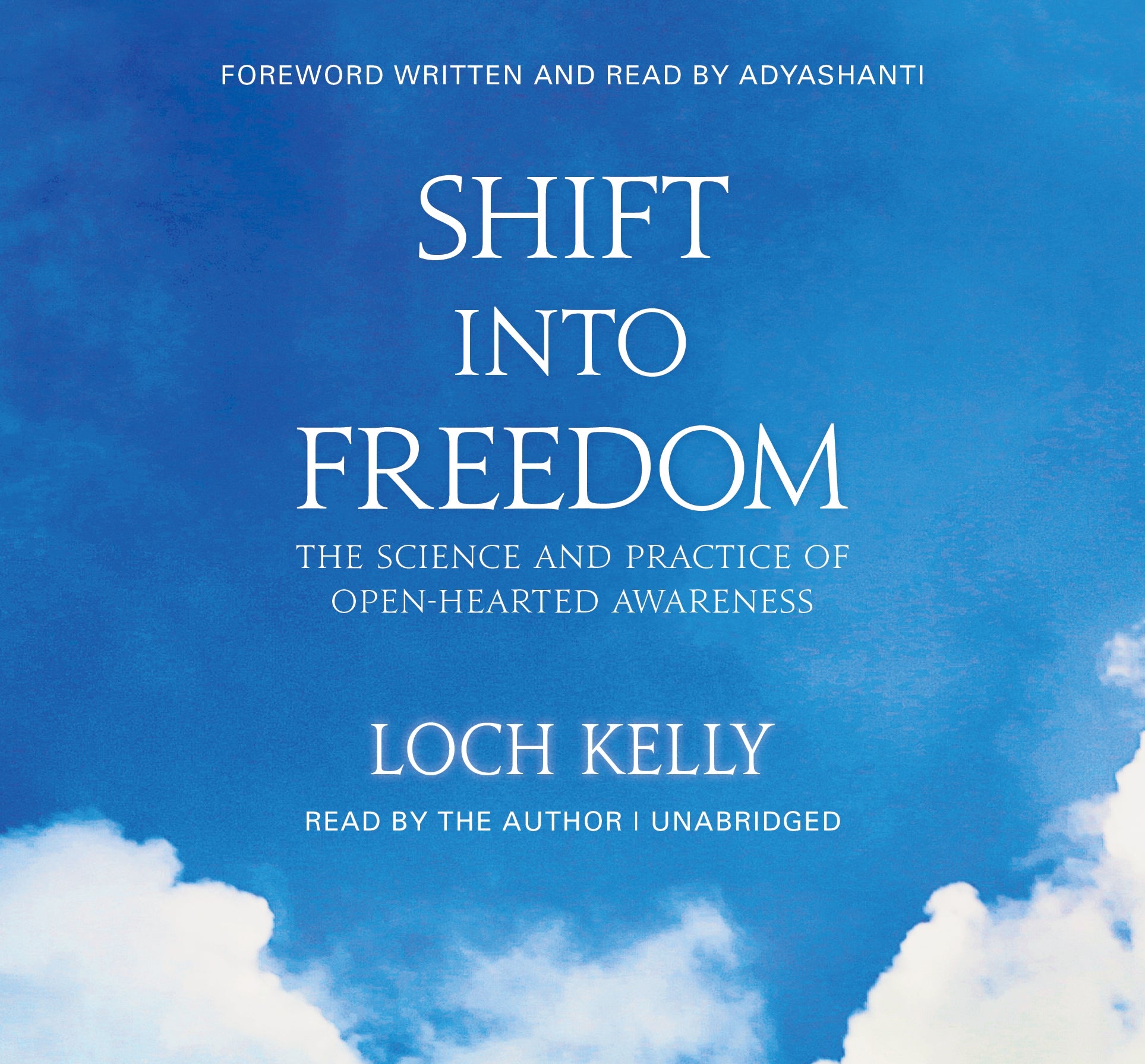
Loch Kelly is an author, psychotherapist, meditation teacher, and founder of the Open-Hearted Awareness Institute. With Sounds True, he has released the book and companion audio program Shift into Freedom: The Science and Practice of Open-Hearted Awareness. In this episode of Insights at the Edge—which comprises the second part of the conversation that began on August 18 of this year—Loch leads Tami and the audience through three “doorways” toward unhooking from the flow of thought and entering the deeper realm of “awake awareness.” They also speak on using the senses as jumping-off points to a greater intuitive knowing. Finally, Tami and Loch speak on waking up, waking in, and waking out—and how this process is important to the next steps in humanity’s evolution. (69 minutes)

Loch Kelly, MDiv, LCSW, is a teacher, consultant, and leader in the field of meditation and psychotherapy who is affiliated with Adyashanti. The founder of the Open-Hearted Awareness Institute, he is an emerging voice in modernizing meditation, social engagement, and collaborating with neuroscientists to study how awareness training can enhance compassion and well-being.

Author photo © Ari Espay


Listen to Tami Simon's in-depth audio podcast interviews with Loch Kelly:
The Way of Effortless Mindfulness »
Pointers to Open-Hearted Awareness, Part 1 »
Pointers to Open-Hearted Awareness, Part 2 »

600 Podcasts and Counting…

Subscribe to Insights at the Edge to hear all of Tami’s interviews (transcripts available too!), featuring Eckhart Tolle, Caroline Myss, Tara Brach, Jack Kornfield, Adyashanti, and many more.

Meet Your Host: Tami Simon

Founded Sounds True in 1985 as a multimedia publishing house with a mission to disseminate spiritual wisdom. She hosts a popular weekly podcast called Insights at the Edge, where she has interviewed many of today's leading teachers. Tami lives with her wife, Julie M. Kramer, and their two spoodles, Rasberry and Bula, in Boulder, Colorado.

Photo © Jason Elias

Also By Author

Open-Eye Meditation (And Why You Should Be Doing It)

Open-Eyed Meditation Blog Header Image

It can be helpful to begin with some retraining of the relationship between our eyes, our small mind, and our small self. We can begin to return our eyes to their natural condition and have the information move to awake awareness.

According to the American Foundation for the Blind, “vision is the product of a complex system of which the eyes are only one part. The processing of visual information—the receipt of visual stimuli through the eyes, its interpretation by various brain centers, and its translation into visual images—has been estimated to involve as much as 40 percent of the brain.”

When our eyes are darting around or scanning for a specific threat, we are on alert. Sometimes our attempts to focus ourselves by narrowing our eyes and concentrating can keep our brain in a fixed, task-positive mode. Our goal in practicing effortless mindfulness is to be able to shift to another operating system, the end point of which is open-hearted awareness, in which all our senses and systems—including vision—are functioning in their natural state: open, relaxed, clear, and integrated. To do this, we need to learn how to shift our awareness and live with our eyes open.

Here are some helpful hints for sustaining an open gaze while shifting awareness. You don’t necessarily need to experience all of them as I describe them. Use any of the following hints that work for you:

  • Relax your eyes and soften your gaze so that your eyesight is not dominant and all your senses are experienced equally.
  • Instead of looking through a narrow tunnel of vision or in a pinpointed way at one object, see the forest as well as one tree. Put your pointer fingers together up above your head in front of you and then part them to either side, drawing a big circle in front of your body. Let your gaze open to include the entire circular area all at once so that you are seeing in a more open way.
  • Rather than looking at one object, create a diffused view like a soft lens of a camera by looking to the wider scene of what’s in front of you.
  • Extend one hand in front of you with your palm facing you at the distance you would be looking at a friend’s face. Look at your hand and the space around it. Now drop your hand and look at the open space. If your eyes habitually focus on the first object you see, repeat the previous steps until you get a feel for resting your eyes on objectless space.
  • Notice that your eyes do not operate like your hands. You do not go out to see something as your hands go out to pick something up. Your eyes work in a similar way as your ears. Just as your ears are receiving sound, light is reflecting off objects and coming into your eyes. What does it feel like when seeing is receiving?
  • Rest back as the light comes to your eyes and then goes to open-hearted awareness while all your senses are open. Feel like you are equally aware of all your senses rather than focusing on seeing or thinking as primary.
  • Feel like you are receiving light as you soften your eyes while having a wide-open view of the periphery.

This is an excerpt from The Way of Effortless Mindfulness: A Revolutionary Guide for Living an Awakened Life by Loch Kelly.

Loch Kelly HeadshotWay of Effortless Loch KellyLoch Kelly, MDiv, LCSW, is a leader in the field of meditation and psychotherapy. He is author of the award-winning Shift into Freedom and founder of the Open-Hearted Awareness Institute. Loch is an emerging voice in modernizing meditation, social engagement, and collaborating with neuroscientists. For more, visit lochkelly.org.

Buy your copy of The Way of Effortless Mindfulness at your favorite bookseller!

Sounds True | Amazon | Barnes & Noble | Indiebound

Effortless Mindfulness for Pain Relief

Effortless Mindfulness For Pain ReliefWhat Is Pain?

Pain is a normal part of human life. And pain hurts. Although pain feels like a threat, pain is not attacking us. Pain is designed to help us survive. Pain and pleasure are signals. Pain is a signal that something is out of balance in your emotional, mental, spiritual, or physical life and that something needs attention. It is meant to be unpleasant, for a good reason: to bring our attention to a potentially dangerous situation until the issue is treated. The sharp, unpleasant signal is designed that way to make sure we drop everything else and attend to the situation immediately. When pain continues unabated after our best healthy efforts to tend to it in a physical way, we look for ways of stopping it, reducing it, or escaping it in any way we can.

For example, if you’re walking barefoot, thoroughly engaged in a conversation with a friend, and you step on a piece of wood and get a splinter, the strong unpleasant pain signal is meant to get you to immediately stop all other interests and attend to the wound. If you had a sharp piece of wood in your foot and it didn’t cause pain, you might not bother to take it out, resulting in infection or worse. Once you take care of the immediate problem, or source, the nature of pain is to eventually go away. Pain by itself is not an entity or an enemy that has any motivation of hurting you. It is an important survival mechanism of our body—a communication tool.

By way of our senses, we have contact with experience in and outside of our body that tends to feel either pleasant, unpleasant, or neutral. We tend to like pleasant sensations, which leads to craving what we like and trying to get more pleasure, and we tend to dislike unpleasant sensations, which leads to rejecting what we don’t like. When that strong craving or rejection happens, there is a contraction of our greater sense of self into a specific identity of “craver” or “rejecter”: we configure our consciousness into a “me” that is a “thinker” or “manager” that has a strategy to get its goals and desires met, and believes that that strategy is real and right. Craving and rejection are a normal part of our physical survival, like craving food when we’re hungry, but they also become our primary source of suffering when they become our identity.

Rather than reacting to the pain, we must treat the underlying condition that is causing pain in order for it to subside. It is important to first check out the cause of the pain in every way possible so as not to ignore, overlook, or deny a potentially dangerous condition. In some types of chronic pain that we know the cause of, like arthritis or sciatica, the nerve signal system is alerting us of an issue, but there’s no splinter to be removed from our back or foot. If we’ve attended to all the medical and alternative diagnoses and treatments, and the pain still persists, we still have the opportunity to learn some approaches using our own consciousness to relate to pain differently. Effortless mindfulness is a wonderful approach that does not in any way attempt to replace or deny diagnosing the cause of pain and working to cure it through any and all means. I am simply sharing this practice as a suggestion of what can be done in conjunction with any medical treatment.

With effortless mindfulness, we can learn to become present with the unpleasant—an important skill that we often avoid learning until we experience inescapable pain. We may already have experienced, through effortless mindfulness, how chattering thoughts recede into background awareness or can be met by open-hearted awareness. The great news is that we can do this with pain signals as well! They can become like thoughts and go into the background of awake awareness. When the pain signals recede to the background or significantly lessen, we no longer have to suffer silently or try to escape the pain through behaviors of shutting down, numbing, addiction, or acting out. By changing how we relate to pain, we can find a doorway to a freedom that allows us to respond to pain from courage and intimacy. We can learn to be present with the unpleasant, remain sensitive without being defensive, and be responsive but not reactive. When the intelligence of awake awareness knows directly that there is no immediate danger, the pain signal can go into the background.

In this video below, join me as I guide you through this practice of using effortless mindfulness to help you be present and work with your pain for lasting relief.

This is an excerpt from The Way of Effortless Mindfulness: A Revolutionary Guide for Living an Awakened Life by Loch Kelly.

Loch Kelly HeadshotWay of Effortless Loch KellyLoch Kelly, MDiv, LCSW, is a leader in the field of meditation and psychotherapy. He is author of the award-winning Shift into Freedom and founder of the Open-Hearted Awareness Institute. Loch is an emerging voice in modernizing meditation, social engagement, and collaborating with neuroscientists. For more, visit lochkelly.org.

Buy your copy of The Way of Effortless Mindfulness at your favorite bookseller!

Sounds True | Amazon | Barnes & Noble | Indiebound


Effortless Mindfulness Pain Relief Pinterest

Effortless Mindfulness: A Universal Practice for Every...

Effortless Mindfulness: A Universal Practice for Everyone Blog Header Image

My introduction to the immediate effects of effortless mindfulness in Nepal allowed me to see that I did not need to remain in the East, join a monastery, or practice in a cave to discover the well-being, clarity, and open-hearted awareness that were already within me. I returned to the United States to continue to train with eyes open in the midst of my day-to-day life.

I have no doubt, as I look back now, that it was the natural compassion of open-hearted awareness revealed by effortless mindfulness that propelled me to pursue a second master’s degree in clinical social work. As I felt a deeper connection to everyone, I wanted to train for a life of service to those most in need. I also got sober, went to weekly psychotherapy, continued psychotherapist training, and got married to the love of my life, Paige. At this time, I was also asked to join the Teachers Council of the New York Insight Meditation Center, where I taught deliberate mindfulness practices. I continued to attend teachings and retreats to develop and deepen my practices and studies with a variety of nondual and effortless mindfulness teachers.

Right after graduate school, I went to work in New York City at the Brooklyn Mental Health Clinic. This was an outpatient community center that provided psychotherapy for people who had been psychiatrically hospitalized or were living in a halfway house and attending a psychiatric day-treatment program. It was during breaks or when clients missed sessions that I began exploring and developing the mindful glimpses found in my book, The Way of Effortless Mindfulness, that are versions of the ancient wisdom practices I learned during my travels.

As I gazed out the window into the open sky from my seventeenth-floor office, I began to explore my own mind to see how suffering was created and relieved. I noticed how identification with a thought, feeling, and parts of my personality collapsed my thinking into a narrow perception of both myself and others. I practiced shifting my awareness from a contracted small self to a new way of seeing and being, which was more open-minded and open-hearted. I also noticed how, when I intentionally separated awareness from thinking, I could awaken to an already spacious and interconnected view that was free of a deep kind of suffering.

For example, if I was feeling upset, I would acknowledge my feelings and shift awareness out of the cloud of stormy emotions and then, from this open mind and open heart, return to the emotions with a new view. This brought such relief and joy! It was like emerging from a dark tunnel to a beautiful view, except I was not only seeing the view. It was as if I were viewing from an open, quiet, loving intelligence that was connected to everything. How could this freedom be so close and yet so hidden from most people’s day-to-day experience? How was it that despite all the progress humanity has made in other areas—like medicine, communication, and technology—that shifting into awake awareness was not something that was recognized and taught to everyone?

I approached these explorations of the anatomy of awareness with curiosity and wonder. It was exciting to experiment and reverse-engineer practices from the wisdom traditions I had studied in India, Sri Lanka, and Nepal. One of the approaches to awakening that I draw from, Sutra Mahamudra, originated in North India. It is a tradition that is like a bridge between the three main traditions of Buddhism: Theravada, Mahayana, and Vajrayana (Tibetan). One reason I was drawn to it is that it focuses on practices for everyday people, not just monastics, to awaken in the midst of their daily life. One of my teachers, Dzogchen Ponlop Rinpoche, wrote that Sutra Mahamudra “is seen as a profound method because it does not require any of the sophisticated and complex tantric rituals, deity yoga visualization practices, or samayas [vows]. Sutra Mahamudra has a tradition of skillful means that contains profound methods of directly pointing out the selfless and luminous nature of mind.” I began to try to translate ancient practices I had learned from many teachers and texts into accessible, contemporary language and forms. I checked in with teachers such as Traleg Rinpoche to make sure the practices were staying true to the essence of the teachings as I translated them. I also began to notice that if I remained receptive, it was as if awake awareness started showing me the anatomy and principles of awakening. I started calling these contemporary versions of ancient wisdom practices “Brooklyn Mahamudra.”

This is an excerpt from The Way of Effortless Mindfulness: A Revolutionary Guide for Living an Awakened Life by Loch Kelly.

Loch Kelly HeadshotWay of Effortless Loch KellyLoch Kelly, MDiv, LCSW, is a leader in the field of meditation and psychotherapy. He is author of the award-winning Shift into Freedom and founder of the Open-Hearted Awareness Institute. Loch is an emerging voice in modernizing meditation, social engagement, and collaborating with neuroscientists. For more, visit lochkelly.org.

Buy your copy of The Way of Effortless Mindfulness at your favorite bookseller!

Sounds True | Amazon | Barnes & Noble | Indiebound


Effortless Mindfulness: A Universal Practice for Everyone Blog Pinterest

You Might Also Enjoy

What Is Reverse Meditation? A Counterintuitive Path to...

Many people begin meditation hoping to quiet the mind, reduce stress, or create a sense of inner peace. Reverse meditation takes a different approach by encouraging people to turn toward the thoughts, emotions, and experiences they usually avoid. Instead of escaping discomfort, the practice invites awareness of it. Although this approach may feel unfamiliar at first, it can lead to deeper self-understanding, emotional honesty, and presence.

At Sounds True, we have spent decades sharing wisdom from leading spiritual teachers, meditation practitioners, and contemplative voices through books, audio programs, podcasts, and transformational learning experiences. Our mission has always been to support meaningful inner growth through teachings that are grounded, compassionate, and accessible.

Here, we discuss what reverse meditation is, how it differs from traditional mindfulness practices, and how it can support awakening through awareness, shadow work, and emotional openness.

Key Takeaways:

  • Emotional Awareness: Reverse meditation encourages people to stay present with difficult emotions instead of avoiding them.
  • Spiritual Insight: The practice helps uncover unconscious patterns that shape fear, identity, and emotional reactions.
  • Inner Freedom: Reverse meditation and shadow meditation support greater compassion, honesty, and emotional resilience.

Discover the Power of Daily Meditation and Inner Stillness

What Is Reverse Meditation and Why Is It So Counterintuitive?

Reverse meditation challenges the привычка to avoid discomfort during spiritual practice. Instead of trying to quiet difficult emotions or achieve constant calm, practitioners learn how to stay present with fear, uncertainty, and emotional tension. Thoughts and uncomfortable feelings are not treated as distractions but as part of the practice itself.

This counterintuitive approach encourages greater self-awareness and emotional honesty. Rather than chasing ideal spiritual states, reverse meditation focuses on presence, openness, and a deeper relationship with inner experience.

The Origins of Reverse Meditation in Spiritual and Contemplative Traditions

Reverse meditation draws from contemplative traditions that emphasize awareness without resistance. Although the language surrounding the practice may vary, the central principle remains similar across many teachings. Freedom develops when people stop struggling against their inner experience.

Ancient Teachings on Turning Toward Experience

Many contemplative traditions teach practitioners to observe thoughts and emotions without immediately reacting to them. In Tibetan Buddhism and nondual teachings, awareness is seen as spacious enough to include discomfort, confusion, and emotional intensity.

Rather than viewing difficult emotions as obstacles, these traditions suggest they can lead to deeper understanding. Reverse meditation reflects this approach by encouraging awareness of the emotions and patterns people usually avoid.

Why Modern Practitioners Are Drawn to Reverse Meditation

Many people are drawn to meditation practices that feel emotionally honest and grounded. While traditional mindfulness can be meaningful, some practitioners realize they are using meditation to avoid discomfort instead of understanding it.

Reverse meditation creates space for vulnerability, uncertainty, and difficult emotions without judgment. Rather than pretending discomfort does not exist, the practice encourages a more open and honest relationship with inner experience.

Andrew Holecek Reverse Meditation Teachings on Awareness and Awakening

The growing conversation around reverse meditation has been influenced by Andrew Holecek, whose teachings combine Tibetan Buddhism, dream yoga, and nondual contemplative wisdom. His work often focuses on the patterns people use to avoid discomfort and reinforce identity.

Reversing Habitual Patterns of Avoidance

Andrew Holecek reverse meditation teachings emphasize how deeply conditioned people are to seek comfort and avoid emotional pain. Fear, anxiety, and uncertainty are usually treated as problems that need immediate resolution.

Reverse meditation interrupts this pattern. Instead of escaping difficult emotions, practitioners learn how to remain present with them long enough to observe what exists beneath the surface. Fear may reveal vulnerability. Anger may uncover grief. Emotional resistance may expose attachment to control.

The practice does not encourage emotional overwhelm. Instead, it develops the capacity to remain aware without immediately turning away from discomfort.

Awakening Through Openness and Curiosity

A central insight within reverse meditation is that awakening begins through openness rather than control. Many people spend years trying to perfect themselves spiritually while remaining disconnected from unresolved emotional experience.

Reverse meditation shifts that orientation. Curiosity replaces judgment. Awareness becomes less focused on fixing experience and more focused on understanding it directly.

This creates a different relationship with meditation itself. Practitioners stop measuring progress according to how peaceful they feel. Instead, they begin developing the ability to remain present with changing emotional states without becoming consumed by them.

Over time, this openness can create greater emotional resilience, compassion, and clarity.

How a Reverse Meditation Practice Changes Your Relationship With Fear

Fear often becomes one of the central doorways within a reverse meditation practice. Most people instinctively move away from emotional discomfort as quickly as possible. Reverse meditation asks practitioners to slow down and examine that impulse instead of following it automatically.

Learning to Stay Present With Discomfort

One of the first things practitioners notice is how quickly the mind reaches for distraction. Restlessness, analysis, and mental storytelling often appear when vulnerability begins surfacing.

Reverse meditation encourages practitioners to remain present with those reactions rather than immediately escaping them. Fear is no longer treated as something that must disappear before peace can emerge.

This shift can feel uncomfortable at first. Yet many practitioners discover that difficult emotions become less overwhelming once they are approached with awareness instead of resistance.

Fear as a Gateway to Deeper Insight

Fear often protects deeper emotional experiences that have not been fully acknowledged. Beneath anxiety, there may be grief, loneliness, uncertainty, or attachment to identity and control.

A reverse meditation practice creates space to observe these hidden layers more clearly. Instead of reacting automatically, practitioners begin recognizing how much emotional energy is spent avoiding vulnerability.

This awareness can gradually transform the relationship with fear itself. Fear becomes less of an enemy and more of a signal pointing toward areas that require compassion, honesty, and attention.

Awaken Your Inner Healing Power: Your Wellness Journey Starts Now

Why Counterintuitive Meditation Challenges Traditional Mindfulness

Counterintuitive meditation often challenges familiar ideas about what meditation is supposed to accomplish. Many people begin meditation expecting calmness, focus, or emotional relief. Reverse meditation introduces another possibility by encouraging awareness of all experience, including discomfort.

  • Traditional mindfulness practices often emphasize concentration on the breath or bodily sensations, while counterintuitive meditation opens awareness toward thoughts, emotions, and emotional tension.
  • Counterintuitive meditation encourages practitioners to notice resistance itself rather than immediately trying to eliminate uncomfortable feelings.
  • Emotional difficulty is not viewed as failure within the practice. Difficult emotions become opportunities for deeper awareness and self-understanding.
  • The practice shifts attention away from spiritual achievement and toward emotional honesty.
  • Practitioners learn how to remain present with uncertainty instead of constantly seeking resolution or control.
  • Counterintuitive meditation encourages greater compassion by helping people recognize the shared vulnerability within human experience.

Although this approach may feel challenging, many practitioners eventually develop a more grounded relationship with meditation. Awareness becomes less dependent on achieving ideal states and more connected to direct experience as it unfolds naturally.

The practice reminds people that awakening does not require perfection. It begins through willingness to remain present with reality in all its complexity.

The Connection Between Shadow Meditation and Reverse Meditation

Shadow meditation and reverse meditation encourage awareness of the hidden parts of the self, including fear, grief, shame, anger, and emotional pain. These emotions often surface during meditation through thoughts, physical sensations, or emotional reactions that are usually avoided.

Instead of suppressing those experiences, reverse meditation invites practitioners to meet them with compassion and curiosity. Over time, this process can reduce emotional resistance and create a greater sense of wholeness, honesty, and self-understanding.

Common Challenges That Arise During a Reverse Meditation Practice

A reverse meditation practice can feel emotionally intense, especially for people who are accustomed to avoiding vulnerability through distraction or control. Difficult emotions may become more visible once awareness slows down and becomes more attentive.

One common challenge involves expectations. Many people believe meditation should always feel peaceful or calming. Reverse meditation asks practitioners to reconsider that assumption. Emotional discomfort does not necessarily mean something is wrong. In many cases, it reflects a growing willingness to encounter inner experience honestly.

Impatience can also become part of the process. People often want immediate transformation or clarity, yet reverse meditation unfolds gradually through consistent awareness and self-compassion.

Support can be valuable during this process. Teachers, contemplative communities, and trusted spiritual resources can help practitioners navigate emotionally complex experiences with steadiness and care.

How Reverse Meditation and Shadow Meditation Support Inner Freedom

Reverse meditation and shadow meditation encourage a more compassionate relationship with difficult emotions and inner experiences. Instead of resisting fear, vulnerability, or uncertainty, practitioners learn how to remain present with them in a more open and grounded way.

Over time, this awareness can create greater emotional freedom and self-understanding. Rather than escaping pain or discomfort, reverse meditation supports a deeper sense of clarity, steadiness, and connection with human experience.

Discover how your mind really works

Final Thoughts

Reverse meditation offers a different relationship with awareness. Instead of moving away from discomfort, practitioners learn how to meet fear, uncertainty, and emotional complexity with openness and compassion. Through this counterintuitive practice, difficult experiences become opportunities for greater clarity rather than obstacles to awakening.

By turning gently toward the parts of ourselves we often resist, reverse meditation and shadow meditation can support a deeper sense of presence, honesty, and inner freedom.

Frequently Asked Questions About What Is Reverse Meditation?

Can reverse meditation help with emotional overwhelm?

Reverse meditation may help people develop a healthier relationship with overwhelming emotions by encouraging awareness instead of immediate avoidance. The practice focuses on observing emotional experiences with patience and compassion.

Is reverse meditation suitable for daily practice?

Yes. Many practitioners incorporate reverse meditation into daily routines through short periods of self-inquiry, mindful observation, or reflective awareness. Consistency is often more important than duration.

Does reverse meditation require silence?

Not necessarily. While quiet environments can support concentration, reverse meditation can also involve awareness during ordinary daily experiences, emotional reactions, or moments of discomfort.

How is reverse meditation different from positive thinking?

Positive thinking often focuses on replacing difficult thoughts with encouraging ones. Reverse meditation does not attempt to replace or fix emotions. Instead, it encourages awareness of experience exactly as it appears.

Can reverse meditation improve self-awareness?

Yes. The practice can deepen self-awareness by helping practitioners notice unconscious habits, emotional patterns, and reactions that often operate automatically.

Is reverse meditation connected to nondual teachings?

Many reverse meditation teachings share similarities with nondual traditions because both emphasize direct awareness and reduced identification with thoughts and emotions.

What role does the body play in reverse meditation?

The body often becomes an important source of awareness during reverse meditation. Emotional tension, fear, and stress frequently appear as physical sensations that practitioners learn to observe more consciously.

Can reverse meditation support spiritual growth without religion?

Yes. Although some teachings draw from Buddhist and contemplative traditions, reverse meditation can be practiced in a nonreligious way focused on awareness, emotional honesty, and inner reflection.

Why do some people resist reverse meditation at first?

The practice challenges the instinct to avoid discomfort. Remaining present with difficult emotions can initially feel unfamiliar, especially for people accustomed to distraction or emotional suppression.

How long does it take to understand reverse meditation?

Understanding develops gradually through experience rather than intellectual study alone. Many practitioners notice subtle shifts in awareness over time as they continue practicing with openness and consistency.

Michelle Cassandra Johnson is an author, activist, spiritual teacher, racial equity consultant, and intuitive healer. She is the author of six books, including Skill in Action and Finding Refuge. Amy Burtaine is a leadership coach and racial equity trainer. With Robin DiAngelo, she is the coauthor of The Facilitator's Guide for White Affinity Groups. For more, visit https://www.michellecjohnson.com/wisdom-of-the-hive.

Wim Hof on Cold as a Noble Force: How Cold Exposure Re...

Many people spend their lives avoiding discomfort. Cold weather sends us indoors, stress pushes us toward distraction, and physical tension becomes something we ignore until it feels impossible to avoid. Wim Hof approaches discomfort differently. Through cold exposure and breathwork, he teaches that moments of intensity can become opportunities to reconnect with the body, calm the mind, and build greater resilience. His methods have sparked global interest because they encourage people to experience awareness directly rather than simply think about it.

At Sounds True, we have spent decades sharing transformational teachings from respected spiritual teachers, wellness experts, and visionaries who help people deepen self awareness and reconnect with meaningful practices for inner growth. Conversations with voices like Wim Hof continue that mission by offering grounded approaches to resilience, presence, and the connection between body and mind.

Here, we discuss Wim Hof method benefits, the role of cold exposure and breathwork, and how these practices may support resilience, focus, and emotional balance.

Key Takeaways:

  • Nervous System Response: Learn how cold exposure and conscious breathing may influence stress regulation and emotional resilience.
  • Mind-Body Awareness: Understand how the Wim Hof method encourages greater presence, focus, and connection with physical sensations.
  • Adaptation Through Discomfort: See how controlled cold exposure can help strengthen mental steadiness and the body’s natural adaptability.

Discover the Power of Daily Meditation and Inner Stillness

Why Wim Hof Calls Cold a Noble Force

Wim Hof sees cold as a way to reconnect with the body and sharpen awareness. The moment people encounter cold, breathing changes, attention focuses, and distractions fade. He believes modern comfort has weakened the body’s natural resilience, while cold exposure helps restore that connection. For Hof, learning to stay calm in the cold can also help people respond to stress and discomfort with greater steadiness in everyday life.

Wim Hof Method Benefits for Body and Mind

The Wim Hof method combines conscious breathing, cold exposure, and mental focus. Together, these practices are designed to strengthen the connection between body and mind while encouraging resilience under stress. Many people are drawn to the method because it feels deeply experiential rather than theoretical.

Before discussing specific benefits, it helps to understand that the method is rooted in adaptation. The body constantly responds to its environment, and Hof believes intentional exposure to manageable stress can help restore physical and emotional balance.

Physical Energy and Nervous System Support

One of the most discussed Wim Hof method benefits is increased energy and mental clarity. Many people report feeling more alert and refreshed after cold exposure practices. Cold immersion also activates the nervous system, encouraging people to regulate their breathing instead of reacting automatically to stress. Over time, this may support better focus, emotional steadiness, and recovery from stress.

Emotional Resilience Through Discomfort

The emotional side of the Wim Hof method is just as important as the physical practice. Through controlled discomfort, people learn to notice fear and stress without immediately reacting to them. By focusing on the breath and staying present, many practitioners develop greater emotional resilience and feel calmer during stressful situations in daily life. 

How Wim Hof Breathing Supports Mental Clarity and Focus

Wim Hof breathing forms the foundation of the method and serves as a bridge between physical sensation and mental awareness. The breathing exercises involve deep rhythmic breathing followed by periods of breath retention, creating noticeable shifts within the body and mind.

For many people, breathing becomes shallow and unconscious during stressful moments. Tension accumulates quietly, and the nervous system remains in a reactive state without conscious awareness. Hof’s breathing practices encourage people to reconnect with the breath in a more intentional way.

How Conscious Breathing Influences Stress

The breath has a direct relationship with the body’s stress response. Rapid, shallow breathing can reinforce anxiety and tension, while slower and more deliberate breathing often encourages relaxation and stability.

Wim Hof breathing teaches people to become aware of those patterns rather than remaining trapped inside them unconsciously. During the breathing exercises, many people experience a sense of release as physical tension softens and attention becomes more grounded in the present moment.

This shift may help support emotional regulation throughout daily life. When stressful situations arise, conscious breathing can become an anchor that creates space between reaction and response.

Breathwork as a Practice of Presence

Breathwork also supports greater awareness and presence in everyday life and relationships. Many people describe Wim Hof breathing as both calming and energizing because it encourages deeper attention to the body, emotions, and mental patterns. Rather than avoiding discomfort, the breath becomes a tool for moving through it with greater awareness and steadiness.

Cold Exposure Benefits for Stress and Emotional Resilience

Cold exposure benefits extend beyond physical endurance or athletic recovery. Many people become interested in cold showers or ice baths because of the emotional and psychological effects associated with the practice.

Building Calm During Intensity

Stepping into cold water immediately activates the body’s stress response. Muscles tighten, breathing becomes rapid, and the mind often searches for escape. Hof teaches people to notice these reactions without becoming consumed by them.

By consciously slowing the breath and remaining present, practitioners begin training the nervous system to stay calmer under stress. This practice may gradually influence emotional resilience outside the cold itself. Situations that once triggered panic or overwhelm can begin to feel less consuming.

The experience also encourages patience and trust. Instead of reacting impulsively, people learn how to remain steady within intensity.

Reconnecting With Bodily Awareness

Cold exposure also creates a stronger relationship with physical awareness. Many people move through daily life disconnected from bodily sensation, carrying stress without fully recognizing it.

Cold immersion interrupts that disconnection. The body becomes impossible to ignore, and attention naturally returns to breathing, sensation, and presence. For many practitioners, this creates a renewed appreciation for the body’s intelligence and adaptability.

Awaken Your Inner Healing Power: Your Wellness Journey Starts Now

Ice Bath Benefits Beyond Physical Recovery

Ice bath benefits are often associated with athletic recovery, but the practice can influence mental and emotional well being as well.

  • Ice baths may support circulation and physical recovery after intense activity.
  • Many people report increased alertness and energy following cold immersion.
  • Ice baths encourage awareness of breathing and stress patterns.
  • Cold exposure creates opportunities to practice calmness under pressure.
  • Some practitioners describe greater emotional steadiness through regular practice.
  • Ice baths may strengthen resilience by teaching the body and mind to adapt together.

Although the physical effects often receive the most attention, many people continue the practice because of the emotional clarity it creates. Ice baths become less about endurance and more about awareness, patience, and presence.

The Wim Hof Method and the Science of Adaptation

A central principle within the Wim Hof method is that the human body is naturally designed to adapt. Hof often speaks about modern comfort as something that has weakened this connection with innate resilience.

Controlled exposure to cold challenges the body in manageable ways, encouraging adaptation without overwhelming the system. This process reflects a broader truth about human growth. People often become stronger not by avoiding difficulty entirely, but by learning how to remain present within challenge.

The method encourages a different relationship with stress. Instead of treating discomfort as something purely negative, practitioners begin viewing it as an opportunity for awareness and transformation.

How Wim Hof Breathing and Cold Exposure Benefits Work Together

Breathing exercises and cold exposure are deeply connected within Hof’s teachings. The breath prepares the body and mind for intensity, while the cold creates an immediate environment in which those tools can be practiced.

Together, these methods encourage people to slow reactive patterns and remain grounded during stress. Breathwork supports nervous system regulation, while cold exposure strengthens the ability to apply that regulation in real situations.

Many practitioners describe this combination as empowering because it creates direct experience rather than abstract theory. The lessons are felt physically, emotionally, and mentally all at once.

Bringing Wim Hof Method Benefits Into Everyday Life

Wim Hof often emphasizes that transformation does not require extreme challenges. Small, consistent practices can create meaningful shifts over time. Brief cold showers, intentional breathing exercises, and moments of conscious stillness during stressful situations may gradually strengthen resilience in everyday life.

The Wim Hof method invites people to become more aware of how they relate to discomfort, stress, and uncertainty. Rather than immediately resisting difficult experiences, the practices encourage curiosity, presence, and adaptability.

For many people, the deeper value of the method is not simply enduring cold temperatures. It is learning how to remain connected to awareness during moments that would normally trigger fear, tension, or emotional reactivity. Through breath and cold, people may begin developing a steadier relationship with both the body and the mind.

Discover how your mind really works

Final Thoughts

Wim Hof’s teachings invite people to reconsider their relationship with discomfort, stress, and the body itself. Through conscious breathing and cold exposure, the Wim Hof method encourages greater awareness, resilience, and presence in everyday life. What begins as a physical practice often becomes something deeper: a reminder that the body and mind are capable of far more balance, adaptability, and inner strength than many people realize.

Frequently Asked Questions About Wim Hof Method Benefits

Is the Wim Hof method meant only for athletes?

No. While athletes often use cold exposure for recovery, the Wim Hof method is practiced by people from many different backgrounds who are interested in stress management, focus, and overall well being.

How long does it take to feel Wim Hof method benefits?

Some people notice increased alertness or energy after a single session, while others experience more gradual changes over several weeks of consistent practice.

Can beginners practice the Wim Hof method at home?

Yes. Many beginners start with short cold showers and simple breathing exercises before progressing to longer or more advanced practices.

Does Wim Hof breathing require special equipment?

No. Wim Hof breathing can be practiced without equipment, though it should always be done in a safe environment and never in water or while driving.

Why do people feel energized after cold exposure?

Cold exposure activates the body’s alertness response, which may increase circulation and create a feeling of heightened energy afterward.

Can the Wim Hof method help with daily stress?

Many practitioners use the method to support emotional balance and stress management by learning how to regulate breathing and remain calmer during challenging situations.

What makes ice baths mentally challenging?

Ice baths trigger an immediate stress response in the body, including rapid breathing and tension. Learning to stay calm within that discomfort is part of the practice.

Is the Wim Hof method connected to mindfulness?

Yes. The method encourages awareness of breathing, bodily sensation, and mental reactions, which aligns with many mindfulness-based practices.

How cold should beginners start with cold exposure?

Beginners are often encouraged to begin gradually with cool or cold showers rather than extreme temperatures, allowing the body to adapt slowly.

Can cold exposure improve focus and concentration?

Some people report improved mental clarity after cold exposure because the experience requires immediate attention and presence.

Michelle Cassandra Johnson is an author, activist, spiritual teacher, racial equity consultant, and intuitive healer. She is the author of six books, including Skill in Action and Finding Refuge. Amy Burtaine is a leadership coach and racial equity trainer. With Robin DiAngelo, she is the coauthor of The Facilitator's Guide for White Affinity Groups. For more, visit https://www.michellecjohnson.com/wisdom-of-the-hive.

Thomas Hubl on Healing Collective Trauma: How Intergen...

Many people carry emotional patterns they cannot fully explain. Anxiety, fear, and emotional distance can sometimes be rooted in experiences passed down through generations. Thomas Hübl’s teachings on collective trauma healing bring awareness to how unresolved pain continues shaping families, communities, and human connection.

At Sounds True, we have spent decades sharing transformational teachings that support mindfulness, healing, and conscious living. Thomas Hübl’s work on intergenerational trauma and collective wound work offers a compassionate perspective on inherited emotional pain and healing.

Here, we discuss how intergenerational wounds are passed down and how awareness can support collective trauma healing.

Key Takeaways:

  • Trauma Transmission: Collective and intergenerational trauma can influence emotional patterns, relationships, and nervous system responses across generations.
  • Healing Through Presence: Thomas Hübl’s teachings emphasize awareness, emotional regulation, and compassionate connection as essential parts of healing.
  • Collective Repair: Healing inherited wounds involves both personal reflection and shared conversations that restore trust, empathy, and human connection.

Discover how your mind really works

Collective Trauma Healing and the Hidden Patterns We Inherit

Collective trauma healing begins with recognizing that unresolved pain can continue shaping families and communities across generations. Thomas Hübl teaches that inherited emotional patterns, fear, and disconnection often stem from trauma that was never fully processed. Healing starts with awareness, compassion, and the willingness to acknowledge difficult experiences without turning away from them. 

How Intergenerational Trauma Shapes Families and Communities

Intergenerational trauma is often passed down through emotional patterns, behaviors, and nervous system responses that children absorb long before they fully understand language or history. Families communicate survival strategies in countless unconscious ways, including silence, emotional withdrawal, hypervigilance, or fear around intimacy and trust.

Emotional Patterns Learned Through Survival

Children are highly sensitive to the emotional states of caregivers. When parents or grandparents carry unresolved trauma, younger generations frequently adapt themselves around those conditions. A child may become overly responsible in response to instability within the home. Another may learn to suppress emotion because vulnerability feels unsafe within the family system.

Thomas Hübl teaches that trauma transmission often occurs not only through direct experiences but through emotional environments. Unspoken grief, unresolved fear, or chronic stress can quietly shape a child’s nervous system over time. These inherited responses may continue into adulthood, affecting relationships, work, communication, and emotional regulation.

The Community Impact of Intergenerational Trauma

Intergenerational trauma also appears collectively within communities shaped by historical suffering. Entire groups may carry inherited distrust, shame, or disconnection after generations of violence, discrimination, or displacement. These experiences can influence educational systems, economic opportunities, social structures, and cultural identity.

Hübl’s work encourages people to understand trauma through both personal and collective lenses. Healing becomes more meaningful when individuals recognize they are not isolated from larger social and historical experiences. Awareness creates the possibility for compassion rather than judgment, both toward oneself and toward others carrying visible or invisible pain.

Thomas Hübl Teachings on Trauma, Presence, and Emotional Repair

Thomas Hübl’s teachings often focus on the relationship between awareness, embodiment, and healing. Rather than approaching trauma as something to quickly fix or overcome, he encourages people to develop the inner capacity to remain present with difficult emotions and sensations.

Presence as a Foundation for Healing

According to Hübl, healing begins with the ability to stay connected to the present moment without becoming overwhelmed. Trauma frequently disrupts this capacity by pulling people into cycles of emotional reactivity, numbness, or dissociation. Developing presence allows individuals to observe these patterns with greater clarity and steadiness.

Practices such as meditation, conscious breathing, and relational dialogue can support nervous system regulation while helping people reconnect with parts of themselves that may have been suppressed for survival. Hübl emphasizes that healing is not about perfection. It is about increasing one’s ability to remain connected during moments of discomfort or vulnerability.

Why Emotional Repair Requires Connection

Hübl also speaks about the importance of relational healing. Trauma often creates separation, both internally and between people. Emotional repair becomes possible through authentic connection, compassionate witnessing, and shared humanity.

This perspective challenges the idea that healing happens entirely alone. While personal reflection matters, collective healing also requires supportive relationships and communities where people feel emotionally safe enough to tell the truth about their experiences. Through open dialogue and mindful listening, individuals begin rebuilding trust in themselves and others.

Ancestral Trauma Healing and the Stories Carried Through Generations

Ancestral trauma healing involves recognizing that emotional pain can move through generations in ways that are both visible and invisible. Families often carry stories of migration, loss, violence, or survival that continue shaping descendants long after the original events occurred.

How Ancestral Trauma Lives in the Body

Many people experience inherited trauma physically before they fully understand it intellectually. Chronic anxiety, emotional shutdown, tension, or heightened stress responses may reflect nervous system adaptations connected to earlier generations. Hübl teaches that the body often carries unfinished emotional experiences that were never fully processed.

This understanding helps people approach healing with greater compassion. Instead of viewing emotional struggles as personal failures, individuals can begin recognizing the deeper historical and relational contexts influencing their experiences.

Reconnecting With Compassion and Awareness

Ancestral trauma healing does not require romanticizing the past or becoming trapped in it. Instead, it invites people to acknowledge inherited pain while developing the awareness needed to respond differently in the present.

Thomas Hübl encourages practices that support reflection, emotional honesty, and embodied awareness. Through conscious attention, people can begin interrupting inherited cycles of fear, shame, or disconnection. This process creates space for healthier forms of connection that future generations may continue building upon.

Discover the Power of Daily Meditation and Inner Stillness

Why Collective Wound Work Requires Nervous System Awareness

Collective wound work asks people to engage trauma without becoming consumed by it. Thomas Hübl frequently highlights the importance of nervous system awareness because healing cannot happen when individuals remain in constant overwhelm or emotional shutdown.

Key elements of nervous system awareness within collective wound work include:

  • Recognizing physical signs of stress, such as tension, rapid breathing, or emotional numbness
  • Learning to pause before reacting impulsively during emotionally charged conversations
  • Developing practices that support grounding and emotional regulation
  • Building the capacity to stay present with discomfort instead of immediately avoiding it
  • Creating relationships and communities where emotional honesty feels safer
  • Understanding how unresolved trauma can shape perception, communication, and behavior
  • Allowing moments of rest and integration throughout the healing process

Hübl’s teachings remind people that collective wound work is not about endlessly revisiting pain. The goal is to create enough internal stability for difficult emotions and historical realities to be acknowledged without causing further fragmentation. Nervous system awareness supports this balance by helping individuals remain connected to themselves while engaging in meaningful healing work.

Thomas Hübl on Healing Silence, Grief, and Historical Trauma

Silence often becomes one of trauma’s most enduring legacies. Families and communities may avoid speaking about painful experiences because the emotions connected to them feel overwhelming or unresolved. Thomas Hübl teaches that what remains unspoken does not disappear. Instead, silence can deepen disconnection across generations.

Historical trauma frequently leaves emotional gaps where stories should exist. Children may sense grief or fear within a family system without fully understanding its origins. This uncertainty can create confusion, anxiety, or emotional distance that persists over time. Hübl encourages compassionate dialogue as a way of bringing awareness to these hidden dynamics while honoring the emotional weight they carry.

Grief also plays a central role in healing. Many collective wounds remain unresolved because people were never given the space or support needed to process profound loss. Allowing grief to be acknowledged collectively can help restore connection and humanity within communities shaped by suffering.

Collective Trauma Healing Through Connection and Shared Humanity

Collective trauma healing becomes more possible when people move beyond isolation and reconnect through honest conversation, compassionate presence, and shared humanity. Thomas Hübl’s teachings remind us that healing happens through connection, helping individuals, families, and communities rebuild trust and emotional understanding together. 

Intergenerational Trauma, Collective Wound Work, and the Path Forward

Intergenerational trauma and collective wound work require awareness, compassion, and presence. Thomas Hübl’s teachings help people understand how inherited pain shapes individuals and communities while offering a path toward healing. Through honest reflection and meaningful connection, collective trauma healing can help restore relationships and reconnect people with their shared humanity. 

Awaken Your Inner Healing Power: Your Wellness Journey Starts Now

Final Thoughts

Thomas Hübl’s teachings remind us that healing does not happen in isolation. The emotional wounds carried through families, communities, and cultures ask for awareness, compassion, and presence. By recognizing the ways intergenerational trauma shapes human experience, collective trauma healing becomes an opportunity to create a deeper connection with ourselves and with one another. Through conscious attention and shared humanity, it becomes possible to interrupt inherited cycles of pain and move toward greater understanding, resilience, and repair.

Frequently Asked Questions About Collective Trauma Healing

What is the difference between collective trauma and personal trauma?

Personal trauma relates to distressing experiences affecting an individual directly, while collective trauma impacts larger groups such as families, communities, or entire cultures. Collective trauma often shapes shared emotional patterns and social behaviors over time.

Can intergenerational trauma affect people who did not experience the original event?

Yes. Emotional responses, survival behaviors, and nervous system patterns can be passed down through generations, even when descendants did not directly experience the original trauma.

Why are people becoming more aware of ancestral trauma healing?

Many people are beginning to recognize connections between inherited emotional patterns and unresolved family histories. Increased awareness around mental health and nervous system regulation has also expanded conversations around ancestral trauma healing.

How does Thomas Hübl describe the role of the nervous system in healing?

Thomas Hübl teaches that the nervous system plays a central role in how people process stress, connection, and emotional experiences. Healing often involves developing greater capacity to remain grounded and present during difficult emotions.

Can collective wound work happen without revisiting painful memories?

Collective wound work does not always require reliving traumatic experiences in detail. Many healing approaches focus on creating safety, awareness, and emotional regulation while acknowledging the impact of past events.

What are some signs of unresolved intergenerational trauma?

Signs may include chronic anxiety, emotional numbness, difficulty trusting others, intense fear responses, people-pleasing behaviors, or patterns of emotional avoidance repeated within families.

How can mindfulness support collective trauma healing?

Mindfulness practices can help people become more aware of emotional reactions, physical stress responses, and unconscious patterns. This awareness creates space for more intentional responses instead of automatic survival behaviors.

Why is community important in trauma healing?

Supportive relationships can help restore a sense of safety and connection. Healing often deepens when people feel seen, heard, and emotionally supported within healthy communities.

Is collective trauma healing connected to social change?

Yes. Greater awareness of collective trauma can influence how societies approach justice, education, mental health, and community care. Healing often involves both personal transformation and broader cultural awareness.

How does Thomas Hübl’s teachings approach emotional accountability?

Thomas Hübl encourages people to meet emotional pain with honesty, presence, and compassion. His teachings focus on recognizing inherited patterns while taking responsibility for how individuals respond and grow in the present.

Michelle Cassandra Johnson is an author, activist, spiritual teacher, racial equity consultant, and intuitive healer. She is the author of six books, including Skill in Action and Finding Refuge. Amy Burtaine is a leadership coach and racial equity trainer. With Robin DiAngelo, she is the coauthor of The Facilitator's Guide for White Affinity Groups. For more, visit https://www.michellecjohnson.com/wisdom-of-the-hive.