Dream Tending

November 27, 2012

Tami Simon speaks with Dr. Stephen Aizenstat, the founding president of Pacifica Graduate Institute and a pioneer in the study of dreams. Dr. Aizenstat has explored the power of dreams using depth psychology and his own research for 35 years. With Sounds True, he has created the audio program DreamTending: Techniques for Uncovering the Hidden Intelligence of Your Dreams. In this episode, Tami and Stephen speak about why he believes dreams are not just conceived in our personal subconscious but are living expressions of the mind of the universe itself, how we can have a relationship with the images that we encounter in dreams, and what it might mean to say that the body is always dreaming. (69 minutes)

Author Info for Dr. Stephen Aizenstat Coming Soon

600 Podcasts and Counting…

Subscribe to Insights at the Edge to hear all of Tami’s interviews (transcripts available too!), featuring Eckhart Tolle, Caroline Myss, Tara Brach, Jack Kornfield, Adyashanti, and many more.

Meet Your Host: Tami Simon

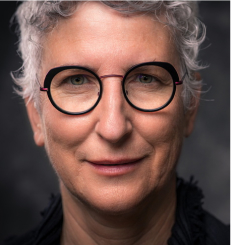
Founded Sounds True in 1985 as a multimedia publishing house with a mission to disseminate spiritual wisdom. She hosts a popular weekly podcast called Insights at the Edge, where she has interviewed many of today's leading teachers. Tami lives with her wife, Julie M. Kramer, and their two spoodles, Rasberry and Bula, in Boulder, Colorado.

Photo © Jason Elias

Also By Author

Dream Tending

Tami Simon speaks with Dr. Stephen Aizenstat, the founding president of Pacifica Graduate Institute and a pioneer in the study of dreams. Dr. Aizenstat has explored the power of dreams using depth psychology and his own research for 35 years. With Sounds True, he has created the audio program DreamTending: Techniques for Uncovering the Hidden Intelligence of Your Dreams. In this episode, Tami and Stephen speak about why he believes dreams are not just conceived in our personal subconscious but are living expressions of the mind of the universe itself, how we can have a relationship with the images that we encounter in dreams, and what it might mean to say that the body is always dreaming. (69 minutes)

You Might Also Enjoy

Inside the Mind of Temple Grandin: What Neurodivergent...

Temple Grandin has expanded how people think about autism by sharing her experiences with neurodivergent thinking and autism visual thinking. Her perspective highlights the value of different cognitive strengths and encourages greater appreciation for the many ways people learn, solve problems, and experience the world.

At Sounds True, we share conversations and teachings that deepen awareness, foster personal growth, and bring forward diverse perspectives that inspire lasting change. What Temple Grandin shares goes beyond the academic. Her insights offer a lens that benefits neurotypical and neurodivergent readers alike, inviting all of us to reconsider what intelligence looks like and how we support one another in a world that holds every kind of mind.

Key Takeaways:

  • Different Minds Contribute Unique Insights: Temple Grandin explains how different thinking styles contribute valuable insights and practical problem-solving abilities.
  • Cognitive Diversity Should Be Celebrated: Neurodivergent thinking highlights the importance of recognizing cognitive diversity instead of expecting everyone to think the same.
  • Visual Thinking Shapes Innovation and Learning: Autism visual thinking offers unique strengths that can benefit education, workplaces, innovation, and everyday life.

Who Is Temple Grandin?

Mary Temple Grandin is an American academic, inventor, and ethologist who has dedicated her career to animal behavior science and autism advocacy. She has authored more than 60 scientific papers, serves as a faculty member in Animal Sciences at Colorado State University, and is one of the first autistic people to document her own experience with autism, offering a rare, first-person look into how a different kind of mind works.

At the core of her work is the concept of autism visual thinking. Rather than relying on words, Grandin thinks in detailed mental images, a cognitive approach that allows her to recognize patterns, imagine designs, and solve practical problems in ways many people have never considered. Also, that same visual processing shaped her work in animal behavior, where picturing environments from an animal’s perspective transformed an entire industry.

In our podcast Insights at the Edge, Tami Simon and Temple discuss the differences between verbal and visual thinkers, her lifelong kinship with animals, and the importance of helping people on the autism spectrum invest their energy in what they love.

Center Yourself With Meditative Teachings by Sounds True

How Neurodivergent Thinking Shapes Everyday Life

Temple Grandin’s experiences highlight how neurodivergent thinking can influence learning, communication, and decision-making. Rather than expecting every mind to work the same way, she encourages greater appreciation for cognitive diversity. History bears this out. 

For example, Albert Einstein, widely believed to have been neurodivergent, transformed our grasp of physics through a way of thinking the world had never quite seen before. His capacity for abstract spatial reasoning and his tendency to think in thought experiments rather than equations were not obstacles to greatness. 

When we create space for different cognitive styles to flourish, we open the door to discoveries and contributions that a single dominant way of thinking would miss entirely. We are committed to bringing forward teachings that reflect this, conversations that honor every kind of mind on its journey toward growth and connection.

Listeners curious about neurodivergent thinking can go deeper in our conversation with Temple Grandin on Insights at the Edge, where she and Tami Simon trace the full shape of what it means to think differently and why that matters for all of us.

The Strengths of Autism Visual Thinking According to Temple Grandin

Autism visual thinking often supports careful observation, strong attention to detail, and the ability to notice patterns that others may miss. Temple Grandin explains that visual thinkers process information differently, allowing them to identify relationships, solve practical challenges, and approach problems from unique angles.

These strengths can be especially valuable in fields such as design, engineering, animal behavior, architecture, and other areas that benefit from spatial reasoning and creative problem-solving. A visual thinker may walk into a new environment and immediately register its layout, potential hazards, and flow in ways that others process more slowly or not at all. That kind of perception is a cognitive gift and not an incidental quirk.

When we focus on what individuals can do rather than what they struggle with, we can foster greater inclusion and create opportunities for neurodivergent people to contribute their talents in lasting and impactful ways.

Awaken Something Greater Within You. Find Teachings that Speak to You With Sounds True.

Why Neurodivergent Thinking Deserves Greater Understanding

Greater awareness of neurodivergent thinking encourages more inclusive schools, workplaces, and communities where different cognitive styles are recognized and valued. Temple Grandin emphasizes the importance of identifying individual strengths.

Grandin also advocates strongly for early intervention, not to reshape who a child is, but to channel their focus and fixations in healthy, productive directions. A child fascinated by trains might grow into an engineer or designer. A child drawn to animals might find a calling in veterinary science or ethology, as Grandin herself did. The key is never to dismiss what captures a young person’s attention, but to follow it toward possibility.

When educators, employers, and families recognize each person’s unique abilities, they can create opportunities that allow individuals to contribute in lasting ways. This perspective also encourages practical accommodations that help people thrive without asking them to change who they are. As recognition grows, so does the potential to build environments where everyone can develop their talents, participate fully, and reach their potential.

What Temple Grandin Teaches About Neurodivergent Thinking and Autism Visual Thinking

Temple Grandin’s insights continue to inspire conversations about autism, learning, and human potential. Her work encourages a broader view of how people think and contribute, and what we might be missing when we design the world around only one type of mind. Some of the most powerful lessons cognitive diversity teaches us.

We All See the World Differently

Cognitive styles exist on a spectrum, and there is no single correct way to process information or solve problems. When we accept this, we stop measuring people against a standard they were never built to meet and start seeing the full range of what they bring. For neurotypical readers, this shift alone can quietly transform how we design classrooms, workplaces, and conversations.

Neurodivergent Strengths Are Real and Transferable

Visual thinking, pattern recognition, deep focus, and innovative problem-solving are abilities that translate directly into fields ranging from design to science to advocacy. Grandin’s own career is proof that cognitive difference, when supported rather than suppressed, can reshape entire industries. Her livestock facility designs are now used worldwide, and they began with a mind that saw what others overlooked.

Empathy Grows When We Learn How Others Think

Engaging with perspectives like Temple Grandin’s deepens our capacity to connect. When we understand how another person’s mind works, we relate to them more fully and design systems and conversations that include everyone. This is at the heart of what we do at Sounds True.

Cognitive Diversity Sparks Innovation

Some of history’s greatest breakthroughs came from minds that worked differently. Celebrating cognitive diversity is not about lowering expectations. The goal is raising the ceiling on what becomes possible when we stop asking everyone to think the same way.

Growth Belongs to Every Kind of Mind

The path toward greater awareness, healing, and connection is open to everyone, regardless of how their mind processes the world. Temple Grandin’s journey reminds us that following your strengths rather than conforming to someone else’s standard is where real growth begins, and that every kind of mind has something to teach the rest of us.

Build Relationships That Nourish And Sustain

Final Thoughts

Temple Grandin’s perspective reminds us that different ways of thinking bring valuable insights and abilities. By better recognizing neurodivergent thinking and autism visual thinking, we can foster greater appreciation for cognitive diversity and create spaces where every individual has the opportunity to thrive. Want to learn more? The Sounds True One membership offers an ongoing home for learning what it means to be human.

Frequently Asked Questions About Inside the Mind of Temple Grandin

What is Temple Grandin best known for?

Temple Grandin is best known for her work as an animal behavior expert, author, and autism advocate. She has helped increase public understanding of autism by sharing her personal experiences and professional insights.

Why is Temple Grandin an important voice in autism advocacy?

Temple Grandin has helped challenge misconceptions about autism by encouraging people to recognize the diverse strengths, abilities, and perspectives of autistic individuals.

What is visual thinking?

Visual thinking is a cognitive style that relies on mental images to process information, solve problems, and remember details. Some autistic individuals describe this as their primary way of understanding the world.

Does every autistic person think visually?

No. Autism is a spectrum, and thinking styles vary from person to person. While some individuals are visual thinkers, others may think primarily through words, patterns, music, or abstract concepts.

How has Temple Grandin influenced education?

Her work has encouraged educators to recognize different learning styles and provide teaching methods that support students with diverse cognitive strengths.

What industries have benefited from Temple Grandin’s work?

Temple Grandin has made significant contributions to livestock handling and facility design while also influencing conversations about education, psychology, and workplace inclusion.

What are some common strengths associated with neurodivergent individuals?

Many neurodivergent individuals demonstrate strengths such as creativity, attention to detail, pattern recognition, innovation, and deep focus, though these qualities differ from person to person.

How can employers better support neurodivergent employees?

Employers can provide clear communication, flexible work environments, accessible accommodations, and opportunities that allow employees to apply their unique skills effectively.

Where can I learn more about Temple Grandin’s work?

Temple Grandin has written several books, delivered educational talks, and appeared on podcasts that discuss autism, animal behavior, and neurodiversity from both personal and professional perspectives.

Why is understanding different thinking styles important?

Recognizing different thinking styles encourages greater inclusion, improves collaboration, and helps create environments where people with diverse abilities can contribute their strengths.

Michelle Cassandra Johnson is an author, activist, spiritual teacher, racial equity consultant, and intuitive healer. She is the author of six books, including Skill in Action and Finding Refuge. Amy Burtaine is a leadership coach and racial equity trainer. With Robin DiAngelo, she is the coauthor of The Facilitator's Guide for White Affinity Groups. For more, visit https://www.michellecjohnson.com/wisdom-of-the-hive.

The Psychology of Renewal: Joan Borysenko on Resilienc...

What does renewal look like once loss has reshaped your life? On this episode of our podcast, Tami Simon talks with Joan Borysenko, a psychologist and longtime pioneer in mind body medicine, about resilience, grief, and the practice of life review. 

For 40 years, Sounds True has gathered the world’s largest living library of spiritual teachings, bringing voices like Borysenko’s straight into your hands through books, courses, and conversation. 

Here, we’ll walk through her perspective on healing, connection, and what it means to grow through change. 

Key Takeaways:

  • Resilience Grows From Awareness: Self-awareness and compassion build the flexibility we need to move through change.
  • Mind and Body Are Linked: Emotional experience shapes physical health, a connection at the heart of psychoneuroimmunology.
  • Grief Opens a Path to Growth: Reflecting on loss through life review can bring fresh meaning and renewed purpose.

The Psychology of Renewal: Joan Borysenko on Healing and Transformation

On this episode of our Insights at the Edge Podcast, we speak with Joan Borysenko about resilience, healing, and the transformative power of renewal. Drawing on decades of experience in psychology, spirituality, and medicine, Borysenko shares how people can move through life’s hardest chapters while still finding depth and purpose.

If Borysenko’s reflections resonate with you, our online courses offer more ways to keep learning alongside teachers like her, at your own pace and on your own time.

Awaken Something Greater Within You. Find Teachings that Speak to You With Sounds True.

Mind Body Medicine and the Science Behind Lasting Well-Being

Borysenko helped shape the field of mind-body medicine by expanding what we know about emotional and physical health. Wellness reaches beyond treating symptoms alone, into the ways our thoughts, relationships, and beliefs shape how we feel day to day. This whole-person view invites a kind of healing that honors mind, body, and spirit together. If you’d like to keep exploring this connection, our Health & Healing collection has more resources built around it.

Psychoneuroimmunology: Understanding the Connection Between Mind, Body, and Health

Borysenko was among the first voices to bring attention to psychoneuroimmunology, the study of how our thoughts and emotions interact with the nervous and immune systems. Her early work pointed to something researchers continue to confirm: what we feel can shape how our bodies respond to stress, illness, and healing. In this conversation, she reflects on how connection, purpose, and emotional steadiness all play a role in the body’s ability to cope with hard seasons of life. 

Resilience Psychology and the Human Capacity to Grow Through Change

A key theme of the discussion is resilience psychology and the ability to adapt during times of uncertainty. Borysenko emphasizes that resilience does not mean avoiding hardship. Instead, it involves engaging fully with life, even in the presence of difficulty. She points to a few qualities that tend to build resilience over the course of a life:

  • Self-awareness: Recognizing our own patterns, like the tendency to withdraw during stress, helps us respond with more choice rather than reacting on autopilot.
  • Compassion: Extending the same kindness we’d offer a friend, especially toward our own missteps, softens the harshness we often direct inward.
  • Willingness to learn: Treating a setback, like a job loss or a strained relationship, as information rather than failure opens the door to real change.

If you’re drawn to this kind of inner work, our Self-Compassion collection offers guidance for building these same qualities in daily life.

Uncover How Your Mind Works with Valuable Resources

Grief and Renewal: Finding Meaning and Growth After Loss

This conversation also turns to grief and renewal, and how loss can become a doorway rather than a dead end. Borysenko frames grief as a natural response to change, not something to fix or rush through. While grief carries real pain, it can also open space for reflection. Many people, in time, discover a renewed sense of purpose and a fuller appreciation for the life still ahead of them. 

Borysenko’s well-known work, Minding the Body Mending the Mind, echoes many of the themes she discusses here. She connects those ideas to life review, the practice of looking back on significant relationships, choices, and lessons across a lifetime. Revisiting our own story with honesty and compassion can bring fresh insight into where we’ve been and what’s still possible. 

Center Yourself With Meditative Teachings by Sounds True

Final Thoughts

As we’ve learned, Joan Borysenko’s reflections on mind-body medicine, resilience, and grief and renewal offer a grounded look at what it means to live wide awake, even through loss and change. That’s the spirit behind everything we do here: giving you a portal to presence through teachings that meet you where you are. Borysenko is one of many voices in our Teachers & Authors library, alongside others who can walk with you through your own season of growth.

Frequently Asked Questions About The Psychology of Renewal

Who is Joan Borysenko?

Joan Borysenko is a psychologist, author, and internationally recognized pioneer in integrative medicine. Her work combines science, psychology, spirituality, and personal growth to help people better understand health and human development.

What topics does Joan Borysenko discuss in this podcast episode?

The conversation covers resilience, personal transformation, aging, healing, spirituality, grief, and the process of reflecting on one’s life experiences through life review.

What is a life review?

A life review is a reflective practice that involves looking back on significant experiences, relationships, and milestones to gain perspective, meaning, and greater self-understanding.

Why is resilience important during major life transitions?

Resilience helps people adapt to change, recover from setbacks, and maintain a sense of purpose during challenging periods of life.

How does mind body medicine differ from traditional medical approaches?

Mind body medicine emphasizes the relationship between emotional, mental, and physical health, recognizing that thoughts, behaviors, and relationships can influence overall well-being.

What role does psychoneuroimmunology play in health research?

Psychoneuroimmunology examines how the mind, nervous system, and immune system interact, providing insight into how stress and emotions may affect physical health.

What is the significance of Minding the Body Mending the Mind?

The book helped introduce a broader audience to the principles of mind body medicine and remains an influential resource on the connection between emotional and physical well-being.

Who can benefit from Joan Borysenko’s teachings?

Her teachings can benefit anyone interested in personal growth, emotional resilience, holistic health, spirituality, or navigating life transitions with greater awareness.

Michelle Cassandra Johnson is an author, activist, spiritual teacher, racial equity consultant, and intuitive healer. She is the author of six books, including Skill in Action and Finding Refuge. Amy Burtaine is a leadership coach and racial equity trainer. With Robin DiAngelo, she is the coauthor of The Facilitator's Guide for White Affinity Groups. For more, visit https://www.michellecjohnson.com/wisdom-of-the-hive.

Gretchen Rubin On Why Willpower Isn’t The Answer...

Have you ever noticed that the same advice can transform one person’s life and do nothing for another’s? Maybe you tried the thirty-day challenge or the resolution you made on January first, and it worked for a friend while it quietly fizzled for you. Treating that as a personal failing is a very human response, but it rarely tells the whole story. 

At Sounds True, we have spent more than forty years creating space for honest conversations about how real change happens. In a conversation on Insights at the Edge, Tami Simon sits down with Gretchen Rubin, the New York Times bestselling author of The Happiness Project, Better Than Before, and The Four Tendencies.

We walk through what this conversation reveals about the real architecture of habit change, from the four ways people respond to expectations to the surprising link between clutter and clarity.

Key Takeaways:

  • Your Wiring Decides What Sticks: Gretchen Rubin’s research shows that most habit advice reflects what worked for the person giving it, not a universal truth. Knowing whether you are an Upholder, Questioner, Obliger, or Rebel reveals which strategies will take root.
  • Outer Accountability Is Not a Weakness: If you are an Obliger, the largest of the four tendencies, Rubin is clear that relying on outer accountability for your own goals is not a shortcoming to overcome but simply the way you are built to succeed.
  • Clarity Often Starts With Clutter: Rubin found that clearing physical clutter, even something as small as making your bed, tends to create a mental clarity that makes every other habit change feel more possible.

The Four Tendencies: Why One-Size-Fits-All Habit Advice Doesn’t Work

Many of us have felt the quiet frustration of trying a productivity approach that worked beautifully for someone else and watching it fall flat in our own lives. Gretchen Rubin’s habit research offers a kinder explanation than “you just need more willpower.” Rubin explains that most of us already know what we should be doing. Habit advice stems from someone describing what worked for them, as if it must work for everyone.

This is where Rubin’s Four Tendencies framework helps clear the air. How we respond to expectations, both from others and from ourselves, sorts most people into one of four patterns.

Upholder: Inner and Outer Expectations Met

Upholders meet expectations placed on them by others and by themselves with relative ease. A morning run scheduled for 6 a.m. gets done whether anyone is watching or not, because the commitment itself is enough to carry them through.

Questioner: Logic First, Then Action

Questioners meet inner expectations and outer ones, but only once the reasoning makes sense to them. Before committing to a new habit, a Questioner wants to know exactly why it matters and whether the evidence holds up.

Obliger: Reliable for Others, Harder for Themselves

Obligers, the largest of the four tendencies, reliably meet expectations others place on them but often fall short of the promises they make only to themselves. A class with attendance requirements or a workout partner waiting at the gym creates the outer structure an Obliger needs to follow through.

Rebel: Resistance to All Expectation 

Rebels resist expectations from others and from themselves, which means telling a Rebel to “do this every day” can often produce the opposite effect. However, when given freedom and framed as a personal choice, Rebels can engage deeply with a habit on their own terms.

Which of these feels most true of you? For Rubin, this has nothing to do with discipline. The real work is recognizing the pattern you already live inside, so you can build a path suited to how you are wired. 

Uncover How Your Mind Works with Valuable Resources

Outer Accountability: The Key To Changing Habits As An Obliger

Among Gretchen Rubin habits, one insight stands out for how many people it applies to: the Obliger tendency. Obligers meet the expectations others place on them with real reliability, yet they often struggle to follow through on the promises they make only to themselves. Recognizing this pattern changes everything about how you might approach changing habits.

Why Obligers Need Outer Accountability

If you have tried and failed to keep a promise to yourself, you may be an Obliger, and Rubin is clear that the solution is not more self-discipline. It is outer accountability, even for a goal that lives entirely inside you. A workout partner, a class that takes attendance, or a commitment made to someone else can turn an inner expectation into one you will actually meet.

Recognizing Obliger Rebellion Before It Builds

Rubin describes a pattern she calls Obliger rebellion, when someone who has quietly met expectation after expectation suddenly refuses, sometimes in small ways and sometimes in ways that upend a relationship or a job. It surfaces when an Obliger feels overlooked or overextended, and it is worth noticing the resentment building long before it erupts.

Building Accountability Into Everyday Life

The remedy is often simpler than it sounds. An example is a couple who began making weekend lists together, one for each partner, so both sets of needs stayed visible and supported. These kinds of small, structural shifts are often at the heart of changing habits in ways that hold, turning accountability from an afterthought into a built-in part of daily life.

Build Relationships That Nourish And Sustain

Uncluttering Your Space, Uncluttering Your Mind

Rubin also points to something unexpected in her research on habit formation psychology. Clearing clutter consistently made people feel more capable of tackling other habits in their life. This has nothing to do with perfection or minimalism as a lifestyle, and everything to do with removing what truly gets in your way.

The Surprising Power Of Uncluttering

Rubin did not expect clutter to matter as much as it does, yet she heard it again and again from the people she studied. Making your bed each morning was the single habit people mentioned most often as making an outsized difference. It is not the size of the task that matters, but the sense of order it creates.

Honoring Different Relationships To Stuff

Rubin distinguishes between simplicity lovers, who prefer bare surfaces and few choices, and abundance lovers, who thrive with more around them. Neither is wrong. What both share is a dislike of true clutter: the broken, unused, unclaimed things that quietly drain energy rather than serve a purpose in your life.

Using Transitions As A Clean Slate

A big life transition, a move, a new job, a new relationship, temporarily wipes away old habits and makes new ones easier to establish. If you are starting something new, she suggests building the habit you want from day one, rather than waiting until you feel settled in.

Center Yourself With Meditative Teachings by Sounds True

Final Thoughts

What stays with us most from this conversation is Gretchen Rubin’s gentle insistence that there is no failure in struggling with a method that was never built for you. Real change begins with knowing your own nature and working with it. For some, that means building in outer accountability. For others, it is clearing the clutter that quietly drains focus, or starting a new habit the day a fresh chapter begins. 

Those who want to go deeper into Gretchen’s warmth and insight will find more in her full conversation with Tami Simon on Insights at the Edge. And for anyone drawn to more conversations like this one, our Sounds True One membership offers an ongoing home for that kind of journey.

Frequently Asked Questions About Gretchen Rubin Habits

What are Gretchen Rubin habits based on?

They come from her Four Tendencies framework, which looks at how you respond to outer and inner expectations. It helps explain why certain strategies work for you and others do not.

How do I know which of the Four Tendencies I am?

Rubin says most people recognize their tendency from a brief description of how they respond to expectations from others versus themselves. If you keep promises to your team but not to yourself, that is a clue.

Why is willpower not the answer to changing habits?

Rubin’s insight is that lasting change comes from working with your natural tendency, not fighting it. Once your life matches how you actually respond to expectations, willpower matters far less.

What is Obliger rebellion?

It is a pattern Rubin describes where someone who has consistently met others’ expectations suddenly refuses to continue. It tends to build quietly, often from feeling overlooked or overburdened.

Does uncluttering really help with changing habits?

Rubin found a real connection between clearing physical clutter and feeling ready for other changes. Even a small habit like making your bed can support that clarity.

Do these ideas apply to relationships and work too?

Yes. Rubin explains how understanding your tendency, and the tendencies of people around you, eases friction at home and at work. A Questioner and an Obliger, for instance, may need different kinds of support.

Michelle Cassandra Johnson is an author, activist, spiritual teacher, racial equity consultant, and intuitive healer. She is the author of six books, including Skill in Action and Finding Refuge. Amy Burtaine is a leadership coach and racial equity trainer. With Robin DiAngelo, she is the coauthor of The Facilitator's Guide for White Affinity Groups. For more, visit https://www.michellecjohnson.com/wisdom-of-the-hive.