The Body Awake

February 15, 2011

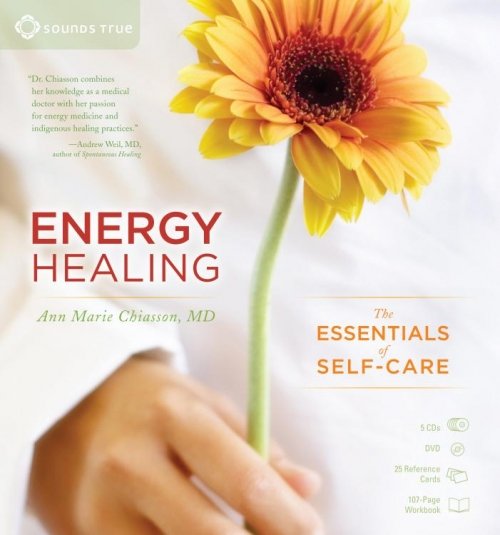
Tami Simon speaks with Ann Marie Chiasson, a teacher, author, and a practitioner of energy medicine. She holds a master’s degree in public health, a doctorate in family medicine, and has worked as a primary care physician. Ann Marie currently lives in Arizona, where she has a private integrative medicine practice, and also teaches at the Arizona Center for Integrative Medicine at the University of Arizona. Ann Marie coauthored a Sounds True program with Dr. Andrew Weil called Self-Healing with Energy Medicine and will be releasing the home study course Energy Healing, as well as a video program called Energy Healing for Beginners. She is also teaching a six-session online course on energy healing at SoundsTrue.com. (55 minutes)

Ann Marie Chiasson, MD, is Canadian Board Certified in family practice. She has a private integrative and energy medicine practice in Tucson, Arizona, where she offers consultations, treatments,seminars, and retreats. She also teaches through the Center for Integrative Medicine at the University of Arizona.

Author photo © Echo Chanel


Listen to Tami Simon's interview with Ann Marie Chiasson: A Fast Track to Awakening: Activating the Three Dan Tians »

600 Podcasts and Counting…

Subscribe to Insights at the Edge to hear all of Tami’s interviews (transcripts available too!), featuring Eckhart Tolle, Caroline Myss, Tara Brach, Jack Kornfield, Adyashanti, and many more.

Meet Your Host: Tami Simon

Founded Sounds True in 1985 as a multimedia publishing house with a mission to disseminate spiritual wisdom. She hosts a popular weekly podcast called Insights at the Edge, where she has interviewed many of today's leading teachers. Tami lives with her wife, Julie M. Kramer, and their two spoodles, Rasberry and Bula, in Boulder, Colorado.

Photo © Jason Elias

Also By Author

The Body Awake

Tami Simon speaks with Ann Marie Chiasson, a teacher, author, and a practitioner of energy medicine. She holds a master’s degree in public health, a doctorate in family medicine, and has worked as a primary care physician. Ann Marie currently lives in Arizona, where she has a private integrative medicine practice, and also teaches at the Arizona Center for Integrative Medicine at the University of Arizona. Ann Marie coauthored a Sounds True program with Dr. Andrew Weil called Self-Healing with Energy Medicine and will be releasing the home study course Energy Healing, as well as a video program called Energy Healing for Beginners. She is also teaching a six-session online course on energy healing at SoundsTrue.com. (55 minutes)

You Might Also Enjoy

The Inner Tarot: Using Tarot For Self-Compassion And T...

Inner tarot offers a gentle way to turn inward and listen to what is often left unspoken. Instead of seeking answers outside of yourself, the practice invites reflection, curiosity, and emotional awareness. The imagery of the cards can help bring clarity to thoughts and feelings that may feel unclear or overwhelming, creating space to meet your experience with greater compassion.

At Sounds True, we have spent decades sharing transformational teachings from trusted voices in spirituality, psychology, and personal growth. Our work is rooted in preserving authentic, heart-led wisdom in its original voice, supporting a global community seeking deeper healing, presence, and self-understanding.

Here, we look at how inner tarot supports self-compassion and trauma healing, along with simple ways to engage the cards as a reflective practice.

Key Takeaways:

  • Self-Compassion Practice: Inner tarot supports a more understanding and patient relationship with your thoughts and emotions.
  • Healing Through Awareness: Tarot healing helps recognize emotional patterns and process experiences at a manageable pace.
  • Trauma-Sensitive Approach: Tarot for trauma emphasizes safety, pacing, and grounding while engaging with difficult feelings.

Awaken Your Inner Healing Power: Your Wellness Journey Starts Now

Inner Tarot as a Foundation for Self-Compassion

Inner tarot offers a quiet way to connect with yourself through reflection and care. Rather than seeking answers, the cards act as a mirror, helping you notice thoughts, emotions, and patterns as they arise. This process encourages tarot self-compassion by shifting attention away from judgment and toward understanding.

Over time, this practice softens the inner dialogue. You begin to respond with more patience and less criticism, supporting steady tarot healing. For those working with difficult experiences, tarot for trauma provides a gentle structure, allowing you to move at a pace that feels manageable while building trust in your ability to stay present.

Inner tarot becomes a foundation for self-compassion by changing how you relate to yourself, both during readings and in everyday life. Those looking to explore the cards as a practical tool may find How to Use Tarot for Problem-Solving & Decision-Making a helpful companion for bringing this reflective awareness into everyday choices.

Tarot Self-Compassion as a Daily Reflective Practice

Building tarot self-compassion into your daily life begins with a willingness to pause and check in with yourself. This practice is not about doing it perfectly or consistently in a rigid way. It is about creating small, meaningful moments where you can listen inwardly and respond with care.

Creating space for reflection

A simple daily draw can become a steady point of connection. You might sit quietly for a few moments, pull a card, and notice what comes up. Instead of asking what the card means in a fixed sense, you might ask what it reflects within you. This creates a shift from seeking answers to cultivating awareness.

As you reflect, you may notice emotional responses, physical sensations, or memories surfacing. These are not interruptions. They are invitations. Tarot healing often begins in these subtle recognitions, where something previously unspoken is gently brought into awareness.

Letting go of perfection in practice

It is natural to wonder if you are interpreting the cards in the right way. Inner tarot offers a different perspective. Your experience is the interpretation. There is no need to arrive at a single correct meaning.

Tarot self-compassion grows when you allow yourself to trust your responses, even when they feel uncertain. Some days the connection may feel clear, while other days it may feel distant. Both are part of the practice. Meeting each experience with patience helps build a more supportive and understanding relationship with yourself. For those wanting to develop this quality more intentionally, The Power of Self-Compassion offers guided teachings for cultivating a kinder, more patient inner voice.

Tarot Healing for Emotional Awareness and Growth

Tarot healing unfolds through awareness. It invites you to notice patterns, emotions, and beliefs that shape how you move through your life. This process does not happen all at once. It builds gradually, through repeated moments of reflection and recognition.

Recognizing emotional patterns

As you continue working with the cards, you may begin to see recurring themes. Certain feelings or reactions may appear again and again. Tarot offers a way to observe these patterns without becoming overwhelmed by them. The imagery creates a sense of space, allowing you to look at your experiences from a slightly different perspective. This distance can make it easier to recognize what is happening beneath the surface. Awareness becomes a quiet form of clarity, helping you understand your responses with greater depth.

Supporting inner growth with compassion

Growth often involves facing parts of yourself that feel uncomfortable or unfamiliar. Tarot supports this process by offering a gentle entry point. The symbolic language of the cards allows you to explore difficult emotions without becoming consumed by them.

Through tarot healing, growth becomes less about changing yourself and more about understanding yourself. The Self-Acceptance Summit explores this theme in depth, bringing together teachings on how genuine acceptance becomes the ground for lasting inner growth. Each insight is an opportunity to respond with compassion. Over time, this approach creates a sense of stability and trust in your own inner process.

Tarot for Trauma and Gentle Inner Work

Tarot for trauma invites a slower, more attentive approach to inner work. It emphasizes safety, pacing, and the importance of listening to your own boundaries. This creates a supportive environment where healing can unfold naturally.

Creating safety within the practice

Safety begins with intention. You might choose to work with one card at a time or set clear limits around your practice. These small decisions help create a container where you can explore your inner world without feeling overwhelmed. Grounding can also play an important role. Taking a few moments to notice your breath or your surroundings can help you stay connected to the present moment. Tarot healing is most supportive when it includes this sense of stability.

Navigating triggers with awareness

At times, a card may bring up strong emotions or memories. This is a natural part of engaging with tarot for trauma. When this happens, the focus shifts from interpretation to care. You might pause your reading, step away, or simply take a few deep breaths. Listening to your body is essential. This reinforces trust and helps you build a relationship with your practice that feels supportive rather than overwhelming.

Discover the Power of Daily Meditation and Inner Stillness

Kate Van Horn and the Philosophy of Inner Tarot

The teachings of Kate van Horn offer a compassionate and grounded approach to inner tarot, emphasizing the importance of relationship, presence, and self-awareness.

  • Tarot is approached as a relational practice, where meaning develops through your personal connection with the cards.
  • Tarot healing includes awareness of the body, encouraging you to notice how insights are felt as well as understood.
  • Tarot self-compassion is central, shaping how you respond to your own thoughts and emotions.
  • Tarot for trauma is approached with care, emphasizing pacing and personal boundaries.
  • Integration is key, allowing insights from tarot to inform daily life in a practical and supportive way.

These teachings create a framework where inner tarot becomes a space for honest reflection. It is not about reaching conclusions. It is about staying present with your experience and meeting it with care.

Tarot Healing for Trauma Integration and Recovery

Tarot healing can support trauma integration by offering a way to engage with complex emotions in a structured and manageable way. The imagery of the cards helps bring shape to experiences that may feel unclear or fragmented. As you work with tarot for trauma, you may begin to notice connections between past experiences and present responses. This awareness develops gradually, allowing you to process emotions at a pace that feels supportive. Each reading becomes a small step toward understanding.

Over time, this process can create a greater sense of stability. You begin to trust your ability to stay present with your emotions, even when they feel challenging. Tarot healing supports this by providing a consistent space for reflection and care. For those seeking additional support alongside this practice, the Healing Trauma Online Course offers structured guidance for processing difficult experiences with care and intention.

Deepening Tarot Self-Compassion Through Personal Rituals

Personal rituals can deepen tarot self-compassion by adding intention to your practice. Simple actions like a quiet moment, a candle, or journaling help create a space for reflection. Over time, this rhythm strengthens your connection to yourself. Inner tarot becomes a practice you return to with care, supporting more patience, understanding, and presence in your daily life.

Using Inner Tarot for Long-Term Healing and Self-Understanding

Inner tarot supports healing and self-understanding by helping you stay connected to your inner world as it evolves. Tarot healing is not about reaching an endpoint, but about building a relationship with yourself over time. As you continue, you may notice more space in how you respond to thoughts and emotions. There is less urgency to resolve everything at once. Tarot for trauma encourages a steady, present-focused approach. With time, inner tarot becomes a reliable companion, supporting both clarity and uncertainty while deepening trust in your experience.

Discover how your mind really works

Final Thoughts

Inner tarot offers a steady, compassionate way to stay connected to your inner experience. Through simple reflection and honest awareness, the cards become a mirror for growth, healing, and understanding. Over time, this practice supports a more patient and supportive relationship with yourself, one that honors both where you are and how you continue to unfold.

Frequently Asked Questions About Inner Tarot for Self-Compassion

What is inner tarot, and how is it different from traditional tarot?

Inner tarot focuses on self-reflection rather than prediction. Instead of looking for external answers, it uses the cards as a mirror to better understand your thoughts, emotions, and inner experiences.

Can beginners practice inner tarot without prior knowledge of tarot meanings?

Yes. Inner tarot does not rely on memorizing traditional meanings. It encourages you to respond to the imagery and symbolism in a personal way, making it accessible even if you are new to tarot.

How often should I practice inner tarot for self-compassion?

There is no fixed schedule. Some people engage daily, while others return to the cards when they need reflection. What matters is approaching the practice with intention rather than frequency.

Is inner tarot connected to spirituality, or can it be used in a practical way?

It can be both. Some approach it as a spiritual practice, while others use it as a tool for emotional awareness and reflection. It adapts to your personal beliefs and needs.

Can tarot healing replace therapy or professional support?

Tarot healing can support self-awareness, but it does not replace professional care. It works best as a complementary practice alongside other forms of emotional or psychological support.

What if I feel overwhelmed while using tarot for trauma?

If strong emotions arise, it is important to pause and return to grounding practices. Inner tarot encourages listening to your limits and stepping back when needed.

Do I need a specific tarot deck for inner tarot practice?

No. Any tarot deck can be used. What matters most is that the imagery resonates with you and feels comfortable to engage with.

How can I stay objective when reflecting on my own tarot readings?

Instead of aiming for objectivity, focus on awareness. Inner tarot is about noticing your responses honestly, rather than analyzing them from a distance.

Can journaling improve my inner tarot practice?

Yes. Writing after a reading can help clarify your thoughts and track patterns over time. It creates a record of your reflections and supports deeper understanding.

How long does it take to see benefits from inner tarot?

The benefits build gradually. With consistent reflection, you may begin to notice shifts in awareness, emotional understanding, and self-compassion over time.

Michelle Cassandra Johnson is an author, activist, spiritual teacher, racial equity consultant, and intuitive healer. She is the author of six books, including Skill in Action and Finding Refuge. Amy Burtaine is a leadership coach and racial equity trainer. With Robin DiAngelo, she is the coauthor of The Facilitator's Guide for White Affinity Groups. For more, visit https://www.michellecjohnson.com/wisdom-of-the-hive.

Stephen Cope on How Yoga Changes Your Brain and Emotio...

Have you ever noticed how quickly your mind reacts to stress, emotion, or even a passing thought? Many of these responses feel automatic, as if they happen before we have a chance to choose. Yoga offers another way of meeting these moments. Through breath, movement, and attention, we begin to slow down and notice what is happening within us. With practice, this awareness creates space, allowing for more clarity, steadiness, and a deeper connection to our emotional life.

At Sounds True, we have spent decades sharing the living wisdom of transformational teachers in their own authentic voice. Our work is rooted in making these teachings accessible and meaningful for everyday life. Through conversations with teachers like Stephen Cope, we bring forward insights that bridge ancient practice with modern understanding of the mind.

Here, we look at how yoga brain science shapes emotional health through Stephen Cope’s teachings on awareness, neuroplasticity, and mental well-being.

Key Takeaways:

  • Neuroplasticity in Action: Yoga brain science shows that repeated awareness and breathwork can reshape neural pathways over time.
  • Emotional Awareness: Yoga’s psychological benefits include recognizing and responding to emotions with greater clarity and steadiness.
  • Mind-Body Connection: Practices rooted in yoga and mental health strengthen the relationship between physical sensations and emotional experience.

Awaken Your Inner Healing Power with Guided Practices by Sounds True

Stephen Cope on Yoga Brain Science and Emotional Transformation

In conversation with Stephen Cope, yoga brain science is not a general idea, but something lived and felt in the body and mind. Cope draws from decades of practice to highlight a simple truth: the brain is shaped by where we place our attention. Through yoga, we begin to notice our patterns, how reactions form, and how awareness can gently shift them.

Many of us move through life on autopilot, reacting quickly to stress and emotion. Yoga invites a slower pace. It encourages us to pause, feel, and stay present. Over time, this creates space between impulse and action, allowing for new ways of responding.

This transformation is not about becoming someone else. It is about becoming more aware of our own experience. Yoga brain science helps us understand this process, but the real change happens through practice, moment by moment.

Yoga Neuroplasticity: How Practice Rewires the Brain

Yoga offers a direct experience of neuroplasticity, showing us that change is not only possible but natural. Through steady practice, the brain begins to reorganize in response to new patterns of attention and presence.

Repetition and Awareness in Yoga Neuroplasticity

In yoga, repetition is not about perfection. It is about returning. Each time we bring awareness back to the breath or body, we are strengthening pathways in the brain that support presence. These moments may seem small, yet they accumulate in meaningful ways. Over time, the familiar pull of distraction or reactivity begins to shift.

This is how yoga neuroplasticity unfolds. The brain learns from experience. When we repeatedly choose awareness, the brain adapts to that choice. Patterns of calm, clarity, and steadiness become more accessible. What once required effort begins to feel more natural.

From Conditioned Patterns to Conscious Choice

Many of our emotional habits are deeply conditioned. They arise quickly and often without conscious awareness. Yoga creates an opportunity to see these patterns more clearly. As awareness deepens, we begin to recognize the early signs of reaction. A tightening in the body, a shift in breath, a familiar thought pattern.

In that recognition, there is a pause. That pause is significant. It allows for choice. Instead of being carried forward by habit, we can respond with intention. Cope points to this as a turning point in practice. It reflects a movement toward greater freedom, supported by the brain’s inherent capacity to change.

Yoga Psychological Benefits for Emotional Awareness and Resilience

The psychological benefits of yoga are grounded in the development of awareness and the cultivation of a steady relationship with inner experience. Through practice, we begin to understand our emotions in a more direct and embodied way.

Developing Emotional Awareness Through Practice

Yoga invites us to listen closely to what is happening within. Emotions are not abstract ideas. They are felt experiences that move through the body. By paying attention to sensations, breath, and subtle shifts, we begin to recognize emotional states as they arise.

This awareness changes our relationship with emotion. Instead of being swept away, we learn to stay present. We can name what is happening without becoming overwhelmed by it. This creates a sense of clarity that supports emotional balance.

Building Resilience Through Presence

Resilience is often thought of as strength in the face of difficulty. In yoga, resilience is cultivated through presence. When discomfort arises in practice, we are invited to stay with it, to observe it without immediately trying to change it.

This builds capacity. Over time, we develop the ability to remain steady even when emotions are intense. This steadiness carries into daily life. Challenges are still present, yet our way of meeting them shifts. There is more space, more patience, and a deeper sense of grounding.

Stephen Cope on Yoga and Mental Health in Daily Life

For Stephen Cope, yoga and mental health are inseparable. Practice is not limited to a specific time or place. It is woven into the fabric of daily living.

Attention as a Tool for Mental Health

Attention shapes experience. When attention is scattered or pulled into repetitive thought patterns, the mind can feel unsettled. Yoga trains attention in a gentle and consistent way. By returning to the breath or body, we begin to anchor awareness in the present moment.

This shift has a meaningful impact on mental health. Patterns of rumination begin to soften. The mind becomes less caught in loops of worry or self-judgment. There is a growing sense of stability that comes from being present with what is here.

Integrating Practice Into Daily Living

Integration is at the heart of yoga. The insights gained in practice are meant to be lived. This can be as simple as pausing before responding in a conversation or noticing the breath during a moment of stress.

These small moments matter. They reinforce the same patterns of awareness cultivated during practice. Over time, yoga becomes less about doing and more about being. Mental health is supported not through isolated efforts, but through a continuous relationship with awareness.

Discover the Hidden Power of Daily Meditation

How Yoga Brain Science Supports Mental Health and Well-Being

Yoga brain science offers a grounded understanding of how practice supports well-being on multiple levels. It reflects the connection between body, mind, and attention, showing how each influences the other.

  • Yoga supports the regulation of the nervous system by encouraging slower, more conscious breathing
  • It brings awareness to habitual thought patterns, allowing for a different relationship with them
  • It creates space for emotional processing by inviting presence rather than avoidance
  • It strengthens the capacity for focused attention, which supports clarity and stability
  • It deepens the connection between body and mind, helping us recognize early signals of stress

These elements work together to support mental health in a way that feels both practical and accessible. As practice continues, many people notice a shift toward greater balance. There is a growing sense of ease in how emotions are experienced and expressed.

This is not about removing difficulty from life. It is about developing the capacity to meet life as it unfolds. Yoga brain science helps us understand how this capacity is built through consistent, mindful engagement with our inner world.

Exploring Yoga Neuroplasticity and Long-Term Habit Change

Habit change is often seen as effort-driven, but yoga offers another approach. Through yoga neuroplasticity, habits are shaped and reshaped by attention and repetition.

Each moment of awareness, whether noticing the breath or a reactive thought, supports new patterns. These small shifts build over time, creating lasting change.

As practice continues, old habits loosen, and the mind becomes more flexible, allowing for greater freedom in how we respond.

The Psychological Benefits of Yoga for Stress and Emotional Balance

Stress is part of life, but yoga can change how we relate to it. By grounding attention in the body and breath, we create an anchor that helps us stay steady during intense or uncertain moments.

Instead of reacting automatically, we learn to remain present. This builds a sense of balance where emotions can move without overwhelming us. Over time, this steadiness becomes more natural, rooted in a deeper connection to awareness.

Integrating Yoga and Mental Health Practices Through Stephen Cope’s Teachings

Through the teachings of Stephen Cope, yoga and mental health become a lived practice grounded in both tradition and modern insight. He encourages approaching experience with curiosity rather than judgment, creating space for meaningful change.

Through attention, breath, and presence, yoga offers tools to meet ourselves more fully and support greater clarity, connection, and emotional well-being.

Learn How your Mind Really Works with Sounds True

Final Thoughts

Yoga brain science reminds us that meaningful change begins with awareness. Through the teachings of Stephen Cope, we see how steady practice can reshape the way we meet our thoughts, emotions, and daily experiences. At Sounds True, we hold this work as a living process, one that invites patience, presence, and a deeper relationship with ourselves over time.

Frequently Asked Questions About Yoga, Brain Science, and Emotional Health

What is yoga brain science in simple terms?

Yoga brain science refers to how yoga practices like breathing, movement, and meditation influence brain function. It explains how consistent practice can shape attention, emotional patterns, and overall mental well-being.

How long does it take for yoga to affect the brain?

Changes can begin with a single session, especially in stress reduction. However, lasting shifts in brain patterns and emotional responses typically develop through consistent practice over weeks or months.

Can yoga replace therapy for mental health concerns?

Yoga can support mental health, but it is not a replacement for therapy. It works well alongside professional care by helping individuals build awareness, regulate emotions, and stay grounded.

Is yoga effective for anxiety and overthinking?

Yes, many people find yoga helpful for anxiety. Practices that focus on breath and body awareness can calm the nervous system and reduce cycles of overthinking.

Do you need physical flexibility to gain mental benefits from yoga?

No. The mental and emotional benefits of yoga come from awareness and attention, not physical ability. Anyone can experience these benefits regardless of flexibility.

What type of yoga is best for brain and emotional health?

Slower, mindful practices such as Hatha, restorative, or gentle flow yoga tend to support emotional regulation and awareness. The key factor is consistency and presence, not intensity.

How does breathing in yoga affect the brain?

Breathing practices influence the nervous system by signaling safety to the body. Slow, steady breathing can reduce stress responses and support clearer thinking.

Can yoga help with emotional burnout?

Yoga can help individuals reconnect with their body and internal state, which is often disconnected during burnout. This reconnection supports recovery and emotional balance over time.

Is meditation necessary to experience yoga’s brain benefits?

Meditation can deepen the effects, but it is not required. Many of the benefits come from mindful movement and breath awareness practiced during yoga itself.

How often should someone practice yoga for mental health support?

Even a few minutes daily can be helpful. Regular, consistent practice tends to be more beneficial than occasional longer sessions.

Michelle Cassandra Johnson is an author, activist, spiritual teacher, racial equity consultant, and intuitive healer. She is the author of six books, including Skill in Action and Finding Refuge. Amy Burtaine is a leadership coach and racial equity trainer. With Robin DiAngelo, she is the coauthor of The Facilitator's Guide for White Affinity Groups. For more, visit https://www.michellecjohnson.com/wisdom-of-the-hive.

Richard Schwartz on IFS: Why There Are No Bad Parts In...

Many people experience moments of inner conflict. One part may want to take action, while another feels cautious or protective. Internal Family Systems offers a way to understand these experiences by recognizing that the mind is made up of different parts, each shaped by life experiences and emotional needs.

At Sounds True, we are dedicated to sharing transformational teachings from leading spiritual teachers in their authentic voices. Through our books, audio programs, and podcasts, we help bring wisdom from teachers such as Richard Schwartz to people seeking deeper self-understanding and personal growth.

Here, we discuss Richard Schwartz’s perspective on Internal Family Systems and the idea that there are no bad parts within us.

Key Takeaways:

  • The Core Idea of IFS: Internal Family Systems explains the mind as a system of inner parts that influence thoughts, emotions, and behaviors.
  • The Meaning of No Bad Parts: Richard Schwartz teaches that every part develops for a reason and often serves a protective role within a person’s inner system.
  • The Purpose of Parts Work Therapy: IFS therapy helps people build awareness and compassion toward their inner parts, supporting emotional healing and self-understanding.

Learn How your Mind Really Works with Sounds True

What Is Internal Family Systems and How Does It Work

Internal Family Systems is a therapeutic model developed by Richard Schwartz that views the mind as made up of different inner parts, each with its own perspective, emotions, and intentions. Instead of seeing these parts as problems, IFS therapy understands them as meaningful aspects of our inner world that developed to help us navigate life. Many people recognize this experience in moments of inner conflict, when one part of them wants to move forward while another part feels afraid or hesitant. In parts work therapy, these inner dynamics are approached with curiosity and compassion. By learning to listen to and understand these parts, people can begin to relate to themselves with greater awareness and balance.

Richard Schwartz and the Origins of Internal Family Systems

Internal Family Systems grew out of the work of family therapist Richard Schwartz. While listening to clients describe their inner struggles, he noticed that many spoke about different parts of themselves with distinct voices and roles.

How Richard Schwartz Developed IFS Therapy

During his clinical work in the 1980s, Schwartz began inviting clients to speak directly with these inner parts. He observed that the parts often had clear intentions and were trying to help in some way. This insight became the foundation of IFS therapy.

The Insight Behind “No Bad Parts”

Over time, Schwartz realized that even the most difficult reactions were protective in nature. This understanding led to the core idea in Internal Family Systems that there are no bad parts, only parts that need understanding and care.

The Core Idea Behind IFS Therapy and Inner Parts

Internal Family Systems teaches that the mind contains different parts, each shaped by life experiences. IFS therapy views these parts as meaningful aspects of the inner system that try to help a person cope, protect themselves, or manage emotional pain.

How Inner Parts Form in IFS Therapy

In parts work therapy, inner parts often develop during difficult or overwhelming experiences. These parts adopt roles that help a person handle stress, avoid pain, or maintain stability.

The Role of the Self in Internal Family Systems

IFS also describes a core presence called the Self. When people connect with the Self, they can approach their parts with calmness and compassion, allowing the inner system to move toward greater balance.

Why Richard Schwartz Says There Are No Bad Parts

Richard Schwartz teaches that many reactions we judge harshly are actually parts trying to protect us. In Internal Family Systems, these behaviors are understood as strategies that formed in response to difficult experiences. The idea of “no bad parts” invites people to look at their inner world with curiosity rather than criticism.

Why Protective Parts Form

Protective parts develop to help manage emotional pain or prevent past wounds from being triggered again. They step in to keep the person safe, even if their methods later create tension.

Seeing Difficult Reactions Through the Lens of IFS Therapy

IFS therapy encourages people to understand the intention behind their reactions. When parts are approached with compassion, it becomes easier to build trust within the inner system and support healing.

Awaken Your Inner Healing Power with Guided Practices by Sounds True

Understanding the Roles of Parts in Parts Work Therapy

In Internal Family Systems, parts are often grouped into different roles based on how they try to protect a person’s emotional system. Richard Schwartz observed that these roles help explain why certain thoughts, reactions, and behaviors appear in stressful situations. In parts work therapy, recognizing these roles helps people understand how their inner system has been working to keep them safe.

Common Roles in Internal Family Systems

  • Managers Managers try to keep life organized and under control. These parts often focus on planning, perfectionism, or staying responsible so that painful emotions do not surface.
  • Firefighters Firefighters react quickly when emotional pain breaks through. They try to stop overwhelming feelings by distracting, numbing, or pushing their minds away from distress.
  • Exiles Exiles carry deeper emotional wounds, often connected to past hurt, rejection, or shame. Because these feelings can be intense, other parts work hard to keep them hidden or protected.

In IFS therapy, these roles are not viewed as problems. Each part was developed to help the system survive difficult experiences. As people begin to understand these roles with curiosity and compassion, they can start building a healthier relationship with every part of their inner world.

Understanding the Roles of Parts in Parts Work Therapy

In Internal Family Systems, parts take on different roles to protect a person from emotional pain. Richard Schwartz identified three common roles in IFS therapy: managers, firefighters, and exiles.

Managers try to keep life organized and controlled, often pushing people to perform well or avoid situations that may trigger painful emotions. Firefighters respond when distress surfaces and attempt to quickly reduce emotional intensity through distraction or other coping behaviors. Exiles carry deeper emotional wounds, such as shame, fear, or sadness that formed during difficult experiences.

In parts work therapy, healing begins when people approach these parts with curiosity and compassion, allowing the inner system to gradually move toward balance.

How IFS Therapy Helps You Build a Relationship With Your Parts

IFS therapy teaches people to relate to their inner parts with curiosity rather than judgment. Instead of trying to control or silence difficult reactions, Internal Family Systems encourages listening to what each part is trying to communicate.

Through this process, people begin to recognize the concerns and intentions behind their parts. As trust develops within the inner system, protective parts can relax and allow deeper healing to take place. This relationship between the Self and the parts is a central element of growth in parts work therapy.

Healing Through Internal Family Systems and the “No Bad Parts” Principle

A key teaching in Internal Family Systems is the understanding that every part has a positive intention. Richard Schwartz describes this idea as the principle of “no bad parts.” In IFS therapy, even reactions that seem unhelpful are viewed as protective strategies that developed in response to pain or stress.

By approaching these parts with compassion instead of criticism, people can begin to understand their purpose. As trust grows within the inner system, these parts often relax their roles, creating space for healing and greater inner balance.

Why Parts Work Therapy Is Transforming Modern Psychology

Parts work therapy has gained widespread attention because it offers a compassionate way to understand inner conflict. Instead of viewing difficult emotions as problems to eliminate, Internal Family Systems helps people recognize the protective roles behind their reactions. Through the teachings of Richard Schwartz and the principle of “no bad parts,” many individuals are finding a more respectful and healing relationship with their inner world. This approach continues to influence therapists, researchers, and people seeking deeper self-understanding.

Discover the Hidden Power of Daily Meditation

Final Thoughts

Internal Family Systems offers a compassionate way to understand our inner world. Through the work of Richard Schwartz and the practice of IFS therapy, many people are learning that the thoughts and reactions they struggle with are parts that formed to protect them. The principle of “no bad parts” invites a shift from self-judgment to curiosity and care. As people begin to listen to their inner system with respect, parts work therapy can open the door to deeper healing and a more balanced relationship with themselves.

Frequently Asked Questions About Internal Family Systems

What is the main goal of Internal Family Systems therapy?

The main goal of Internal Family Systems is to help individuals develop a healthier relationship with their inner parts. IFS therapy encourages people to approach their thoughts and emotions with curiosity so they can better understand the intentions behind them and create more balance within their internal system.

Who created Internal Family Systems?

Internal Family Systems was developed by Richard Schwartz, a family therapist who began noticing that clients often described their inner experiences as different parts interacting with one another. His observations led to the development of IFS therapy as a structured approach to understanding and healing these inner dynamics.

How is IFS therapy different from traditional talk therapy?

IFS therapy focuses on direct communication with inner parts rather than only discussing experiences at a surface level. This approach helps people understand the roles their parts play and encourages internal dialogue that can lead to deeper emotional insight and healing.

What does the phrase “no bad parts” mean in Internal Family Systems?

The phrase “no bad parts” reflects the belief that every part of the mind developed for a reason. Even parts that lead to difficult behaviors are often trying to protect a person from emotional pain or past experiences.

Can Internal Family Systems be practiced outside of therapy?

Many people apply principles of Internal Family Systems in their daily lives by paying attention to their thoughts and emotional reactions. While professional guidance can be helpful, practicing awareness and curiosity about inner parts can support personal reflection and growth.

Is Internal Family Systems useful for personal development?

Yes. Beyond clinical therapy, Internal Family Systems is widely used for personal growth. The model helps people understand their emotional patterns, strengthen self-awareness, and develop a more compassionate relationship with themselves.

Why do people experience internal conflict, according to IFS?

In IFS, internal conflict happens when different parts of the mind have competing goals or fears. One part may want safety and stability, while another may seek change or expression. Understanding these differences can help people respond to conflict with greater clarity.

Is Internal Family Systems supported by modern psychology?

Internal Family Systems has gained increasing recognition among therapists and mental health professionals. Many practitioners integrate parts work therapy into their practice because it provides a structured way to understand complex emotional patterns.

What role does self-awareness play in IFS therapy?

Self-awareness allows people to notice when different parts are active. By observing these inner reactions without immediate judgment, individuals can begin to understand the needs and motivations of their parts more clearly.

Who can benefit from Internal Family Systems therapy?

IFS therapy can benefit a wide range of people, including those interested in emotional healing, mindfulness, and personal insight. It is often helpful for individuals who want to better understand their inner experiences and build a more compassionate relationship with themselves.

Michelle Cassandra Johnson is an author, activist, spiritual teacher, racial equity consultant, and intuitive healer. She is the author of six books, including Skill in Action and Finding Refuge. Amy Burtaine is a leadership coach and racial equity trainer. With Robin DiAngelo, she is the coauthor of The Facilitator's Guide for White Affinity Groups. For more, visit https://www.michellecjohnson.com/wisdom-of-the-hive.

Leave a Reply

Your email address will not be published. Required fields are marked *