Calling Team Earth: Ending the Climate Crisis in One Generation

    —
September 28, 2021

Calling Team Earth: Ending the Climate Crisis in One Generation

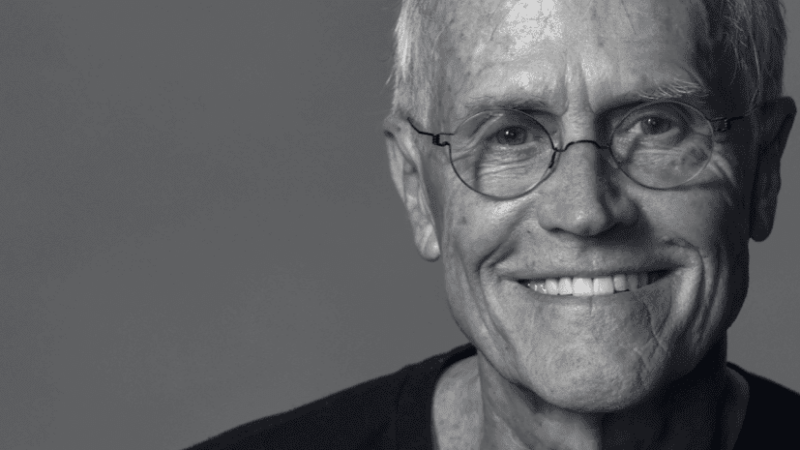
Paul Hawken September 28, 2021

Paul Hawken is a world-renowned environmentalist, activist, and author. His works include Blessed Unrest, Drawdown, and Sustainable Revolution. In this episode of Insights at the Edge, Tami Simon speaks with Paul about the call to action in his newest book, Regeneration: Ending the Climate Crisis in One Generation. Paul and Tami discuss the accelerating effects of climate change and how global society might respond. Paul comments on the lack of public engagement with the situation, emphasizing that old and entrenched human behavioral patterns won’t solve the problem. Tami and Paul talk about the nature of social change, resources for everyday climate action, and the fascinating climate-shifting possibilities of the Azolla fern. Finally, they speak on the importance of staying active and joyous even when the scale of the crisis feels overwhelming.

Paul Hawken is an environmentalist, entrepreneur, and bestselling author who is one of the leading voices calling for the regeneration of nature and humanity. He has authored and edited eight books published in thirty languages in over fifty countries that have sold over two million copies, including “Drawdown,” “Blessed Unrest,” and “Regeneration.” He is a renowned lecturer who has keynoted conferences and led workshops on the impact of commerce on the environment and consults with NGOs, governments, and corporations worldwide.

600 Podcasts and Counting…

Subscribe to Insights at the Edge to hear all of Tami’s interviews (transcripts available too!), featuring Eckhart Tolle, Caroline Myss, Tara Brach, Jack Kornfield, Adyashanti, and many more.

Meet Your Host: Tami Simon

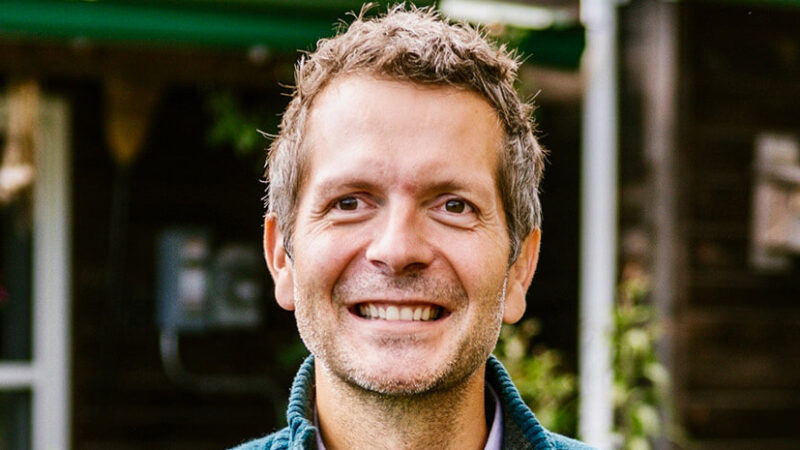
Founded Sounds True in 1985 as a multimedia publishing house with a mission to disseminate spiritual wisdom. She hosts a popular weekly podcast called Insights at the Edge, where she has interviewed many of today's leading teachers. Tami lives with her wife, Julie M. Kramer, and their two spoodles, Rasberry and Bula, in Boulder, Colorado.

Photo © Jason Elias

Also By Author

Paul Hawken: A Love Letter to the Flow of Life

The realities of human-driven climate change are only just starting to hit home for many of us. Meanwhile, activists like Paul Hawken—along with the people who have endured the devastating impacts of environmental degradation in the places they call home—continue to raise the alarm for a planet in peril. In this podcast, Tami Simon speaks with the renowned environmentalist and entrepreneur about his latest work, Carbon: The Book of Life, an awe-inspiring read that Tami dubs “a love letter to the flow of life.”

Give a listen to their conversation on: why the climate is never really in crisis (and who is); the narratives of disconnection that perpetuate a sense of separation from life; why “the only way forward is regeneration”; how humanity’s “othering” in order to get ahead just puts us all behind; the concept of flow in the natural world; the extraordinary complexity of life and the trillions of creatures communicating with each other every day; tapping into the power of curiosity and wonder; overcoming the overwhelming inertia of the existing capitalist system; why our grief is a measure of our love; embodying the timeless qualities of compassion, cooperation, and respect; the connection between the loss of Indigenous languages and species loss; apocalypse—the revelation of that which is hidden; how the discovery of fire impacted human evolution; mystical experiences in nature; leadership—listening to all the voices; and more.

Note: This episode originally aired on Sounds True One, where these special episodes of Insights at the Edge are available to watch live on video and with exclusive access to Q&As with our guests. Learn more at join.soundstrue.com.

Calling Team Earth: Ending the Climate Crisis in One G...

Paul Hawken is a world-renowned environmentalist, activist, and author. His works include Blessed Unrest, Drawdown, and Sustainable Revolution. In this episode of Insights at the Edge, Tami Simon speaks with Paul about the call to action in his newest book, Regeneration: Ending the Climate Crisis in One Generation. Paul and Tami discuss the accelerating effects of climate change and how global society might respond. Paul comments on the lack of public engagement with the situation, emphasizing that old and entrenched human behavioral patterns won’t solve the problem. Tami and Paul talk about the nature of social change, resources for everyday climate action, and the fascinating climate-shifting possibilities of the Azolla fern. Finally, they speak on the importance of staying active and joyous even when the scale of the crisis feels overwhelming.

Paul Hawken: A Regenerative World

Paul Hawken is an author, entrepreneur, and environmentalist whose books include Natural Capitalism, The Ecology of Commerce, and the New York Times bestselling Drawdown. In this episode of Insights at the Edge, Tami Simon speaks with Paul about the spiritual origins of his lifelong devotion to the natural environment. They talk about Project Drawdown—Paul’s far-reaching plan to reverse global warming—and the fact that climate change is an alarm bell telling humanity it needs to transform itself. Paul explains that dealing successfully with climate change won’t just involve phasing out fossil fuels, but also reorganizing the systems of labor, culture, and economics that led us to this point. Finally, Paul and Tami discuss why life regenerates life and how we as a species can rise to the challenge of our present crises. (73 minutes)

Tami’s Takeaway
Most of the time, when I hear people talk about climate change, I feel some combination of fear, helplessness, and resignation. Listening to Paul Hawken, I felt activated and turned on. As he says, it’s not about “game over” for the human race, but “game on” . . . and how this is a time when we are called to step forward into our greatest human capacities and possibilities. Paul Hawken transmits the beauty, flow, and regenerative power of the natural world in a way that is contagious. When the interview was over, I felt like everything around me was in a shimmering fluid state, in unstoppable regenerative flow.

You Might Also Enjoy

What Is Conscious Business? Purpose-Driven Leadership ...

Work has always been about more than productivity and profit. The way people lead, communicate, and make decisions shapes workplace culture in lasting ways. As more individuals seek meaning and alignment in their professional lives, conscious business continues to gain attention as a more human-centered approach to leadership and growth.

At Sounds True, we have spent decades sharing teachings on mindfulness, emotional awareness, conscious living, and personal transformation. Through books, courses, podcasts, and conversations with respected spiritual teachers, we continue to support people seeking wisdom that can guide both personal and professional life.

Below, we discuss what is conscious business, the conscious business definition, and how purpose driven leadership, conscious capitalism, and spiritual leadership at work are influencing modern organizations.

Key Takeaways

  • Conscious Leadership: Learn how awareness, empathy, and accountability shape healthier workplace cultures and stronger leadership practices.
  • Purpose Driven Business: Understand how businesses align financial success with values, sustainability, and meaningful contribution.
  • Conscious Capitalism: See how ethical leadership and stakeholder-focused decision-making support long-term organizational growth.

Center Yourself With Daily Meditation and Wisdom Teachings

What Is Conscious Business and Why Is It Growing?

A conscious business recognizes that work affects more than financial outcomes. It influences relationships, well-being, creativity, and the ways people experience purpose in everyday life. Many employees no longer want to separate their personal values from their professional lives. Customers are also paying closer attention to how businesses treat people, contribute to communities, and respond to social and environmental concerns.

This shift has encouraged organizations to rethink leadership, workplace culture, and long-term success. A growing number of companies are moving away from purely profit-centered models and asking how business can support both sustainability and human well-being. Conscious business continues to gain attention because it speaks to a deeper desire for alignment, responsibility, and meaningful contribution in modern work environments.

The Conscious Business Definition and Its Core Principles

The conscious business definition centers on awareness, responsibility, and long-term thinking. A conscious business considers how its decisions affect employees, customers, communities, and the environment alongside financial success.

Businesses that follow this approach often value transparency, collaboration, accountability, and human connection while creating healthier workplace cultures.

Leadership Rooted in Awareness

Conscious leadership begins with self-awareness. Leaders who understand their values and communication styles are often better prepared to guide teams through change with trust, openness, and shared responsibility.

This approach can strengthen workplace relationships because employees are more likely to engage and contribute when they feel supported and heard.

Business as a Relationship

A conscious business sees relationships as an important part of success. Employees and customers are treated with care and respect, not simply as resources or transactions.

This mindset can influence communication, hiring, customer service, and decision-making. Businesses that lead with awareness often consider the long-term impact of their actions on people and workplace culture.

How a Purpose Driven Business Creates Meaningful Work

A purpose driven business helps employees connect their work to something meaningful beyond daily tasks or financial goals. Purpose can strengthen motivation, collaboration, and workplace engagement.

Purpose Beyond Financial Success

Financial growth remains important, but purpose driven businesses also focus on values, community impact, and long-term contribution. Success is measured through both performance and positive influence.

Creating Cultures of Belonging

Employees are more likely to stay engaged when they feel respected and supported. Leaders who encourage open communication and shared purpose often create stronger workplace cultures.

Conscious Capitalism and the Evolution of Ethical Leadership

Conscious capitalism encourages businesses to consider the well-being of employees, customers, communities, and investors alongside financial success. This approach supports leadership that values long-term impact, ethical decision-making, and accountability.

Moving Beyond Shareholder-Only Thinking

Traditional business models often focus heavily on short-term profit. Conscious capitalism encourages leaders to think more broadly about sustainability, trust, and the long-term effects of business decisions.

The Human Side of Leadership

Ethical leadership depends on communication, empathy, and emotional awareness. Leaders who practice accountability and compassion often create stronger workplace relationships and healthier organizational cultures.

Insight Is the First Step Toward Transformation: Expand Your Understanding Today

Spiritual Leadership at Work and the Importance of Self-Awareness

Spiritual leadership at work does not depend on a particular belief system or religious practice. Instead, it reflects qualities such as compassion, mindfulness, integrity, and presence within professional environments. Many people spend a large portion of their lives working, so the emotional atmosphere of a workplace can have a lasting effect on well-being and relationships.

Some examples of spiritual leadership at work include:

  • Encouraging respectful and honest communication
  • Supporting employee well-being alongside performance goals
  • Creating space for reflection before major decisions
  • Leading with empathy during conflict or organizational change
  • Valuing collaboration instead of excessive competition
  • Practicing accountability and humility in leadership roles
  • Recognizing the emotional impact workplace culture has on people

These practices can help employees feel more connected to themselves and one another. Spiritual leadership at work is not about perfection or constant positivity. Leaders still face pressure, make mistakes, and navigate difficult situations. The difference is that awareness and responsibility remain part of the process. Over time, these qualities can strengthen trust, deepen engagement, and support healthier workplace culture.

Building a Conscious Business Culture Through Purpose Driven Business Practices

Building a conscious business culture requires consistency between values and action. Employees quickly recognize when leadership language does not align with organizational behavior. For this reason, many businesses focus on daily practices that reinforce trust, accountability, and care.

Purpose driven business practices may include transparent communication, ethical sourcing, flexible work structures, and leadership development centered on emotional intelligence. These actions help employees feel valued beyond productivity alone. Over time, workplace culture becomes shaped by lived experience rather than mission statements.

Organizations committed to conscious leadership also remain open to feedback and reflection. Instead of resisting change, they recognize that growth often requires listening, learning, and adaptation. This willingness to evolve can strengthen relationships across every level of the business.

Common Challenges in Conscious Capitalism and Purpose-Driven Leadership

Conscious leadership can be challenging because businesses still face financial pressure, operational demands, and complex decisions. Some leaders struggle to balance profitability with ethical responsibility, particularly in competitive industries.

There can also be skepticism when companies speak about purpose without making meaningful changes. Employees and customers often recognize when values are used more for branding than genuine action.

Purpose-driven leadership requires honesty, accountability, and self-awareness. While the process is not always easy, many organizations find it helps build stronger cultures and more trusting relationships over time.

How Spiritual Leadership at Work Supports Long-Term Business Growth

Long-term growth depends on more than financial success alone. Businesses often thrive when employees feel respected, connected, and supported through conscious leadership and clear communication. Organizations that value both well-being and performance can build stronger trust, collaboration, and resilience over time.

Conscious business reminds leaders that organizations are shaped by people, relationships, and daily decisions. Rather than rejecting ambition, this approach expands success to include integrity, responsibility, and meaningful contribution.

Start Your Wellness Journey With Sounds True By Your Side

Final Thoughts

Conscious business invites leaders to approach work with greater awareness, responsibility, and care. By aligning purpose with action, organizations can create environments that support both meaningful contribution and sustainable success. As workplace values continue to evolve, conscious leadership offers a more human-centered way to build trust, encourage growth, and strengthen connection within business and beyond.

Frequently Asked Questions About What Is Conscious Business

Is conscious business only relevant for large companies?

No. Businesses of any size can apply conscious business principles. Small businesses often build strong relationships and values-driven cultures because they work closely with employees and local communities.

Can a conscious business still focus on growth?

Yes. Conscious business supports growth while encouraging leaders to think about long-term impact, ethical practices, and sustainable decision-making alongside financial success.

How does conscious business affect employee retention?

Employees are more likely to stay with organizations where they feel respected, supported, and connected to a meaningful mission. Healthy workplace culture can improve engagement and reduce burnout.

Is conscious capitalism connected to social responsibility?

Conscious capitalism includes social responsibility, but it also focuses on leadership awareness, workplace culture, and the well-being of all stakeholders connected to the business.

What industries can benefit from purpose driven business practices?

Purpose driven business practices can benefit nearly every industry, including healthcare, education, technology, retail, wellness, hospitality, and creative services.

Does spiritual leadership at work mean discussing spirituality openly in the office?

Not necessarily. Spiritual leadership at work often focuses more on qualities like empathy, integrity, mindfulness, and compassionate communication rather than specific spiritual beliefs.

How can leaders introduce conscious business practices gradually?

Leaders can begin with transparent communication, employee feedback initiatives, ethical decision-making, and creating healthier workplace boundaries and expectations.

What is the difference between conscious business and traditional leadership?

Traditional leadership models may prioritize hierarchy and short-term results, while conscious business emphasizes collaboration, awareness, relationship-building, and long-term sustainability.

Can conscious leadership improve customer relationships?

Yes. Customers often respond positively to businesses that communicate honestly, operate ethically, and demonstrate genuine care for people and communities.

Why are younger generations drawn to conscious business models?

Many younger professionals value purpose, flexibility, authenticity, and ethical leadership. Conscious business models often reflect these priorities more closely than traditional workplace structures.

Final Thoughts

Conscious business invites leaders to approach work with greater awareness, responsibility, and care. By aligning purpose with action, organizations can create environments that support both meaningful contribution and sustainable success. As workplace values continue to evolve, conscious leadership offers a more human-centered way to build trust, encourage growth, and strengthen connection within business and beyond.

Frequently Asked Questions About What Is Conscious Business

Is conscious business only relevant for large companies?

No. Businesses of any size can apply conscious business principles. Small businesses often build strong relationships and values-driven cultures because they work closely with employees and local communities.

Can a conscious business still focus on growth?

Yes. Conscious business supports growth while encouraging leaders to think about long-term impact, ethical practices, and sustainable decision-making alongside financial success.

How does conscious business affect employee retention?

Employees are more likely to stay with organizations where they feel respected, supported, and connected to a meaningful mission. Healthy workplace culture can improve engagement and reduce burnout.

Is conscious capitalism connected to social responsibility?

Conscious capitalism includes social responsibility, but it also focuses on leadership awareness, workplace culture, and the well-being of all stakeholders connected to the business.

What industries can benefit from purpose driven business practices?

Purpose driven business practices can benefit nearly every industry, including healthcare, education, technology, retail, wellness, hospitality, and creative services.

Does spiritual leadership at work mean discussing spirituality openly in the office?

Not necessarily. Spiritual leadership at work often focuses more on qualities like empathy, integrity, mindfulness, and compassionate communication rather than specific spiritual beliefs.

How can leaders introduce conscious business practices gradually?

Leaders can begin with transparent communication, employee feedback initiatives, ethical decision-making, and creating healthier workplace boundaries and expectations.

What is the difference between conscious business and traditional leadership?

Traditional leadership models may prioritize hierarchy and short-term results, while conscious business emphasizes collaboration, awareness, relationship-building, and long-term sustainability.

Can conscious leadership improve customer relationships?

Yes. Customers often respond positively to businesses that communicate honestly, operate ethically, and demonstrate genuine care for people and communities.

Why are younger generations drawn to conscious business models?

Many younger professionals value purpose, flexibility, authenticity, and ethical leadership. Conscious business models often reflect these priorities more closely than traditional workplace structures.

Michelle Cassandra Johnson is an author, activist, spiritual teacher, racial equity consultant, and intuitive healer. She is the author of six books, including Skill in Action and Finding Refuge. Amy Burtaine is a leadership coach and racial equity trainer. With Robin DiAngelo, she is the coauthor of The Facilitator's Guide for White Affinity Groups. For more, visit https://www.michellecjohnson.com/wisdom-of-the-hive.

Liberatory Technology: Ancient Wisdom Meets Future Inn...

Technology continues to shape how people connect, learn, and experience daily life. While innovation brings real opportunity, it can also create distraction, exhaustion, and disconnection from what matters most. Liberatory technology offers a more mindful path by bringing together ancient wisdom, conscious innovation, and human-centered design.

At Sounds True, we have spent decades sharing transformational teachings from spiritual teachers, contemplatives, and visionaries through podcasts, digital courses, and learning experiences that cultivate awareness, compassion, and inner growth.

Here, we discuss liberatory technology, contemplative tech, wisdom technology, and the role conscious innovation can play in shaping a more humane digital future.

Key Takeaways:

  • Technology That Centers the Human: Liberatory technology encourages digital systems that honor emotional well-being, mindfulness, and ethical responsibility, placing people at the heart of every innovation.
  • Old Wisdom, New Digital World: Contemplative practices and spiritual teachings can help shape healthier relationships with technology, attention, and daily life in a connected age.
  • Conscious Innovation, Collective Healing: Wisdom technology and contemplative tech open pathways toward more compassionate, connected, and heart-led digital cultures.

Insight Is the First Step Toward Transformation: Expand Your Understanding Today

Liberatory Technology and the Search for Future Liberation

Technology has become woven into nearly every aspect of human life, shaping communication, attention, learning, creativity, and even spiritual practice, yet many people sense an increasing imbalance beneath constant connectivity. 

Digital systems designed for convenience can also create exhaustion, fragmentation, and emotional distance. Liberatory technology emerges from the desire to create a different relationship with innovation, one rooted in awareness rather than endless consumption.

Future liberation does not require rejecting technology or romanticizing the past. Rather, it asks deeper questions about intention and impact. Does innovation honor human flourishing? Does it deepen compassion, clarity, and connection? Ancient contemplative traditions remind us that external progress alone cannot create fulfillment. 

Wisdom must evolve alongside technological advancement. As conversations around artificial intelligence, immersive media, and digital culture continue expanding, liberatory technology offers a framework grounded in ethical reflection and human dignity. 

Ancient Wisdom Traditions in the Age of Conscious Innovation

Modern innovation often moves at extraordinary speed. New platforms, tools, and systems appear constantly, shaping culture in ways that can feel both inspiring and overwhelming. Conscious innovation introduces a more reflective approach, encouraging people to examine not only what technology can do but also how it influences human consciousness and emotional life. 

The Wisdom of Slowing Down

Ancient contemplative traditions have long emphasized stillness, silence, and mindful awareness. These teachings offer valuable guidance in a culture driven by constant stimulation. Attention is fragmented by notifications, algorithms, and endless streams of information. Many people struggle to remain present with themselves, their relationships, and the world around them. That fragmentation is often the natural result of systems designed to pull attention away rather than return it to what is real.

Practices such as meditation, mindful breathing, and reflective listening create space for clarity and emotional grounding. They help restore balance within environments designed to compete for attention. Conscious innovation recognizes that healthier technology begins with a healthier relationship to awareness itself.

Why Ancient Teachings Still Resonate

Spiritual traditions across cultures remind us that compassion, humility, and interconnection are essential parts of human growth. These values remain deeply relevant in conversations about digital ethics and technological development. Innovation without wisdom can amplify division, anxiety, and emotional disconnection.

Ancient teachings also encourage responsibility. Every action creates consequences that ripple outward into communities and future generations. Applying this perspective to technology changes the conversation from efficiency alone to deeper questions of care and accountability. Conscious innovation becomes as much a human and spiritual pursuit as a technical one. 

How Contemplative Tech Can Restore Human Connection

Contemplative tech reflects a growing desire for digital experiences that support awareness instead of constant distraction. Rather than maximizing engagement at any cost, contemplative technologies are designed to encourage reflection, emotional balance, and intentional interaction.

Creating Space for Reflection

Many online spaces reward speed and reactivity. Contemplative tech introduces pauses that help people respond more consciously. Some digital tools encourage mindful breathing before stressful conversations or create moments of silence before users publish emotional responses online. These simple shifts can reduce impulsive communication and foster greater self-awareness. 

Reflection also builds emotional resilience. Nowadays, constant digital stimulation can leave people mentally scattered and emotionally depleted, but technologies designed with mindfulness in mind encourage healthier rhythms of attention and rest. For example, The Power of Awareness, led by Tara Brach and Jack Kornfield, goes deep into present-moment awareness and offers tools that translate into how we navigate digital life.

Rebuilding Meaningful Community

Digital culture often creates pressure to perform rather than connect authentically. Contemplative tech encourages environments where curiosity, vulnerability, and thoughtful dialogue are valued. Online meditation gatherings, learning communities, and intentional discussion spaces demonstrate that technology can still foster genuine human connection when designed with care.

Human beings long to feel seen and heard. Technologies that prioritize empathy and presence help restore trust within digital spaces. They remind people that connection is not measured by the number of interactions, but by the depth and sincerity of those interactions.

Wisdom Technology and the Evolution of Digital Culture

Wisdom technology represents a shift away from innovation focused solely on productivity and consumption. It recognizes that intelligence without wisdom cannot address humanity’s deeper challenges. As digital culture evolves, many people are seeking tools and practices that support emotional health, discernment, and conscious living.

Moving Beyond Information Saturation

Access to information has expanded dramatically, yet many people feel increasingly overwhelmed. Constant exposure to news, media, and online content can create mental fatigue and emotional numbness. Wisdom technology encourages intentional engagement rather than endless accumulation.

Practices such as mindful media consumption and regular digital pauses help create healthier boundaries with technology. These rhythms support focus, creativity, and emotional clarity. They also remind people that wisdom grows through reflection and lived experience, not simply through consuming more information.

Inviting Ethics Into Innovation

Technology reflects the priorities of the culture that created it. When profit and growth become the only measures of success, human well-being often suffers. Wisdom technology encourages developers, educators, and leaders to consider the emotional and social effects of the systems they build. This is not a small ask. It requires a willingness to place people above performance metrics.

Ethical innovation values transparency, accessibility, and respect for human attention. It also recognizes the broader impact of technological systems on communities and the environment. A healthier digital culture emerges when innovation is guided by compassion and responsibility alongside technical achievement. 

Our Conscious Business Summit brings together leaders doing exactly this work, showing what it looks like to build organizations grounded in both wisdom and integrity.

Center Yourself With Daily Meditation and Wisdom Teachings

Conscious Innovation as a Path Toward Collective Healing

Let’s explore how conscious innovation recognizes that technology influences emotional health, relationships, and social connection.

  • Technology Built Around Empathy: Conscious innovation builds technologies that strengthen empathy and genuine dialogue, creating space for real human exchange rather than surface-level interaction. When people feel heard and respected online, they are more likely to bring their full, honest selves to those conversations.
  • Learning That Sparks Real Transformation: Educational tools can be designed to nurture curiosity, emotional intelligence, and reflection, moving learning beyond information transfer into genuine transformation. This is the kind of learning we have always believed in at Sounds True.
  • Wisdom for Every Community: Accessibility matters deeply, so contemplative resources can reach diverse communities regardless of location, income, or background. Wisdom should not be reserved for those with the most resources.
  • Work That Restores, Not Drains: Healthier work environments that honor rest and emotional balance are possible when organizations choose people over relentless productivity. Real creativity flows from spaces that replenish rather than drain. Our The Great Transformation online course addresses exactly this kind of collective shift, guiding participants through the inner and outer changes reshaping our world.
  • Honest Spaces for Deeper Growth: Digital spaces where honesty and considered communication are prioritized over outrage and division can become places of real healing and growth. The conversations taking root in those spaces become the building blocks of a more compassionate culture.
  • A Path Back to Yourself: Practices that help people navigate stress, uncertainty, and information overload with greater resilience are increasingly essential in modern life. 

Future Liberation Through Ethical and Heart-Led Technology

Future liberation depends on the values guiding innovation. Ethical and heart-led technology recognizes that every digital system influences the emotional and spiritual fabric of society. Technologies created without care can increase anxiety, comparison, and disconnection. Technologies developed with awareness can nurture healing, creativity, and community.

Heart-led innovation begins by recognizing human vulnerability. People are not machines designed for constant productivity and stimulation. They need reflection, rest, connection, and meaning. Ethical technology honors those needs rather than exploiting them. 

That shift, from exploitation to care, may be the most courageous act of innovation we can pursue. Our Embracing the Unknown online course offers a grounded companion for exactly this terrain, helping people move through uncertainty with courage and an open heart. When innovation is guided by compassion and integrity, technology becomes more capable of nurturing human flourishing rather than undermining it.

The Role of Contemplative Tech in Shaping Human Awareness

Contemplative tech reminds us that attention is one of the most valuable human resources. The quality of attention influences emotional health, relationships, creativity, and spiritual growth. In environments built around distraction, technologies that encourage awareness become increasingly essential.

Contemplative tech also challenges assumptions about progress. Faster systems and greater efficiency do not automatically create wiser societies. Human awareness must grow alongside technological capability. Otherwise, innovation can outpace the emotional maturity needed to use it responsibly. Speed is not the same as depth, and efficiency is not the same as wisdom.

As contemplative practices become more integrated into digital spaces, technology gains the potential to nurture deeper forms of learning, healing, and self-understanding. 

Awaken Your Inner Healing Power with Future Innovation

Final Thoughts

Liberatory technology invites a more conscious relationship with innovation, one grounded in compassion, presence, and ethical awareness. As digital culture continues evolving, ancient wisdom traditions offer valuable guidance for creating technology that nurtures human connection rather than fragmentation. 

Through contemplative tech, conscious innovation, and wisdom technology, the future of innovation can become more heart-led, reflective, and deeply aligned with collective well-being. We believe the most transformative technology is the kind that brings people closer to themselves and to each other, and that has always been at the heart of what we do. 

Frequently Asked Questions About Liberatory Technology

What is liberatory technology?

Liberatory technology refers to digital tools and systems designed to support human freedom, awareness, connection, and collective well-being instead of manipulation or dependence.

How does liberatory technology differ from traditional technology?

Traditional technology often prioritizes efficiency and engagement, while liberatory technology focuses on ethical impact, emotional health, and mindful human interaction.

Can technology support spiritual growth?

Yes. Technology can provide access to meditation practices, spiritual teachings, reflective communities, and educational resources that encourage personal growth and self-awareness.

Why is contemplative tech becoming more important?

Many people experience digital fatigue and emotional overwhelm. Contemplative tech helps create healthier digital habits through mindfulness, reflection, and intentional communication.

Is liberatory technology only related to meditation apps?

No. Liberatory technology can include educational platforms, ethical social networks, mindful communication tools, wellness technologies, and community-centered digital spaces.

How can people practice mindful technology use at home?

Simple habits such as limiting notifications, creating device-free spaces, taking digital breaks, and practicing intentional media consumption can support mindful technology use.

What role does emotional intelligence play in innovation?

Emotional intelligence helps creators design technologies that respect human needs, encourage empathy, and support healthier relationships within digital environments.

Why are ancient wisdom traditions relevant to future technology?

Ancient teachings emphasize awareness, compassion, and interconnectedness, offering valuable guidance for creating technology that supports humanity instead of overwhelming it.

Michelle Cassandra Johnson is an author, activist, spiritual teacher, racial equity consultant, and intuitive healer. She is the author of six books, including Skill in Action and Finding Refuge. Amy Burtaine is a leadership coach and racial equity trainer. With Robin DiAngelo, she is the coauthor of The Facilitator's Guide for White Affinity Groups. For more, visit https://www.michellecjohnson.com/wisdom-of-the-hive.

Theory U Explained: How To Lead From The Emerging Futu...

Change does not always arrive with clear answers. Often, it asks for a different kind of attention. Theory U offers a way to meet that moment by shifting from reacting to what has already happened toward sensing what is beginning to emerge. It invites us to listen more deeply, to pause, and to engage with leadership as a practice of awareness rather than control.

At Sounds True, we have spent decades sharing the living wisdom of teachers in their own voices, capturing insights as they unfold in real time. Our work supports a deeper connection to presence, transformation, and the inner dimensions of change that shape how we live and lead.

Here, we look at Theory U, including presencing, awareness-based systems change, and what it means to lead in times of disruption.

Key Takeaways:

  • Awareness Shift: Theory U shows how inner awareness shapes leadership and drives meaningful change across systems and relationships.
  • Presencing Practice: Presencing connects presence with sensing future possibilities, guiding action from deeper clarity and alignment.
  • Leadership Evolution: Leading in disruption becomes more grounded through listening, reflection, and responding to what is emerging.

Awaken Your Inner Healing Power: Your Wellness Journey Starts Now

Understanding Theory U and Otto Scharmer’s Vision

Theory U begins with a simple question: how do we meet change with clarity instead of habit? Developed by Otto Scharmer, it shows that the quality of our attention shapes what emerges in our lives and systems. At Sounds True, we resonate with this living transmission of wisdom. Theory U is not just a framework. It is an invitation to listen, sense, and engage with the future as it unfolds. Those looking to explore how these principles apply in professional and organizational contexts may find the Conscious Business Summit a valuable resource for bringing this awareness into leadership practice.

Awareness-Based Systems Change and Why It Matters

Awareness-based systems change begins with a gentle but meaningful shift in where we place our attention. Instead of focusing only on external outcomes, we begin to notice the inner place from which our actions arise. This section explores how that shift changes the way we understand transformation.

Moving from Reaction to Awareness

In many environments, action is driven by speed and pressure. Decisions are made quickly, often shaped by past experience or immediate demands. Awareness-based systems change invites us to pause and notice what is happening beneath the surface. This includes our thoughts, emotions, and assumptions. As we bring awareness to these inner dynamics, we begin to see more clearly. That clarity allows for responses that feel more intentional and less reactive. Over time, this shift supports a deeper sense of presence in how we engage with challenges and opportunities.

Why Systems Reflect Inner States

Every system reflects the people who participate in it. The way we communicate, make decisions, and relate to one another shapes the structures around us. Awareness-based systems change recognizes that lasting transformation begins within. When individuals cultivate awareness, it naturally influences the collective. Teams begin to listen more deeply. Organizations begin to align around shared purpose. In this way, inner awareness becomes the foundation for meaningful and sustainable change.

The U Process and the Practice of Presencing

The U Process offers a pathway for engaging with change in a more conscious and connected way. At the center of this process is presencing, a term that brings together presence and sensing. It points to a way of being that allows us to connect with what is emerging before it fully takes form.

Moving Down the U: Letting Go

The first movement of the U invites us to let go. This can include releasing old habits of thinking, suspending judgment, and opening ourselves to new perspectives. Letting go does not mean rejecting what has come before. It means creating space. As we move down the U, we begin to listen more deeply to others and to the larger context we are part of. This listening helps us see beyond our usual patterns and prepares us to engage with something new.

Moving Up the U: Letting Come

As the process begins to turn upward, a different quality of action emerges. Instead of pushing for solutions, we begin to act from a place of deeper knowing. Presence becomes the turning point where insight and intention meet. From here, ideas are brought into the world through small experiments and thoughtful action. This upward movement reflects a growing alignment between inner awareness and outer expression.

Presencing as the Inner Shift in Leadership

Presencing invites a quiet but powerful shift in how we understand leadership. Rather than focusing only on external results, it brings attention to the inner state of the leader. This section explores how that shift transforms the way we lead and relate to others.

Being Fully Present to What Is Emerging

To practice presencing is to be fully here. This includes listening without distraction, noticing subtle changes, and being open to what is unfolding in the moment. When leaders cultivate this level of presence, they create an environment where others feel seen and heard. Conversations become more meaningful, and new ideas have space to arise. Presence supports clarity, and that clarity influences every decision that follows.

Allowing the Future to Inform Action

Presence also invites us to sense the future as it begins to take shape. This does not require certainty. It asks for openness and trust. For those finding this quality of openness difficult to sustain, Embracing the Unknown offers practical support for staying present when clarity has not yet arrived. Leaders who engage in presencing learn to act from a place that feels connected to both present reality and emerging possibility. This creates a sense of alignment that guides action in a more natural and responsive way.

Discover how your mind really works

Leading in Disruption with Theory U

Disruption can feel disorienting. It often brings rapid change, uncertainty, and a sense that familiar approaches are no longer enough. Theory U offers a way to meet these moments with steadiness and awareness.

  • Deep listening becomes a foundation for navigating change. By taking time to hear different perspectives, leaders can access insights that might otherwise remain hidden.
  • Suspending immediate judgment creates space for new ideas. This openness allows for responses that are more creative and less constrained by past patterns.
  • Reconnecting with intention provides direction. In times of disruption, returning to what matters most helps guide meaningful action.
  • Prototyping small steps encourages learning. Rather than waiting for clarity to arrive all at once, leaders can explore possibilities through action and reflection.
  • Staying present supports resilience. When attention remains grounded, it becomes easier to engage with complexity without becoming overwhelmed.

Through these practices, disruption becomes a space for growth. Leadership rooted in awareness allows us to meet uncertainty with curiosity and care. As we remain connected to presence, we begin to see new pathways forward. For those ready to go deeper into this process, The Great Transformation offers teachings that guide practitioners through the full arc of awareness-based change.

Awareness-Based Systems Change in Organizations

Within organizations, awareness-based systems change often begins with how people come together. Meetings, conversations, and shared decisions all reflect the level of awareness present in the group. When individuals practice listening and reflection, the collective begins to shift. There is often a greater sense of alignment, along with a willingness to engage with complexity rather than avoid it. Over time, this creates a culture where learning is ongoing, and change feels more integrated. Organizations that embrace this approach tend to respond to challenges with greater flexibility, as their foundation is rooted in awareness rather than rigid structure.

Applying Presencing in Everyday Life and Work

Presence can be woven into daily life in simple and meaningful ways. It may begin with noticing how we listen during a conversation or taking a moment to pause before responding. In work settings, presencing might involve creating space for reflection within a team or approaching challenges with openness instead of urgency. In personal life, it can show up as being fully present with loved ones or reconnecting with what feels most meaningful. These small practices build over time, supporting a deeper sense of awareness and connection. The Power of Awareness provides a structured path for developing this capacity, offering teachings that help make presence a reliable foundation in both daily life and leadership. As presencing becomes more familiar, it begins to shape how we experience both ordinary and significant moments.

Otto Scharmer on Leading from the Emerging Future

Otto Scharmer speaks of leadership as a process of sensing and shaping the future as it unfolds. This perspective invites us to move beyond control and into participation. Leading from the emerging future involves listening deeply, staying open, and allowing insight to guide action. At Sounds True, this approach resonates with our commitment to sharing teachings that support inner growth and collective transformation. When we lead from awareness, we begin to experience the future not as something distant but as something we are already in relationship with. Through presence, curiosity, and care, leadership becomes a living practice that continues to evolve.

Discover the Power of Daily Meditation and Inner Stillness

Final Thoughts

Theory U reminds us that meaningful change begins with how we show up. As we deepen our awareness, practice presencing, and learn to listen for what is emerging, leadership becomes less about control and more about connection. In this way, we participate in shaping the future with intention, clarity, and care.

Frequently Asked Questions About Theory U and Leadership

What makes Theory U different from other leadership models?

Theory U places attention on the inner state of the leader as a starting point for change. While many leadership models focus on strategy or execution, Theory U emphasizes awareness, perception, and the ability to sense emerging possibilities before they fully form.

Is Theory U only relevant for organizations?

No. While it is often applied in organizational settings, Theory U can be practiced in personal life, creative work, and community engagement. Its principles support any context where growth, learning, and change are present.

How long does it take to see results with Theory U?

The experience varies. Some people notice shifts in how they listen and respond almost immediately, while deeper transformation unfolds over time through consistent practice and reflection.

Can beginners understand and apply Theory U easily?

Yes. Although the concepts may feel abstract at first, they become more accessible through practice. Simple steps like mindful listening and pausing before reacting can begin the process.

What role does reflection play in Theory U?

Reflection allows individuals to become aware of their patterns and assumptions. It creates space for insight, which is essential for moving through the deeper stages of the U process.

Is presencing the same as mindfulness?

Presencing and mindfulness share similarities, especially in cultivating presence. However, presencing also includes sensing future possibilities and allowing those insights to inform action.

How does Theory U relate to innovation?

Theory U supports innovation by encouraging openness, curiosity, and experimentation. It creates conditions where new ideas can emerge from deeper levels of awareness rather than surface-level problem-solving.

Can Theory U help during times of uncertainty?

Yes. Theory U offers a way to stay grounded and responsive during uncertainty by focusing on awareness, listening, and thoughtful action instead of reacting out of fear or urgency.

Do you need formal training to practice Theory U?

Formal training can be helpful, but it is not required. Many people begin by engaging with the concepts through reading, listening, and applying small practices in daily life.

How does Theory U support collaboration?

By encouraging deep listening and openness, Theory U helps individuals connect more authentically. This leads to stronger collaboration, shared understanding, and more aligned action within groups.

Michelle Cassandra Johnson is an author, activist, spiritual teacher, racial equity consultant, and intuitive healer. She is the author of six books, including Skill in Action and Finding Refuge. Amy Burtaine is a leadership coach and racial equity trainer. With Robin DiAngelo, she is the coauthor of The Facilitator's Guide for White Affinity Groups. For more, visit https://www.michellecjohnson.com/wisdom-of-the-hive.