Most people feel trapped in a thousand ways. But more often than not, this sense of entrapment us into putting our heads down and getting the things we are expected to get done, done. We can’t often see the entrapment, especially if it looks like the result of our own choices in life. But were they truly our own choices? What if some of the choices we made in life have never really been ours to begin with?
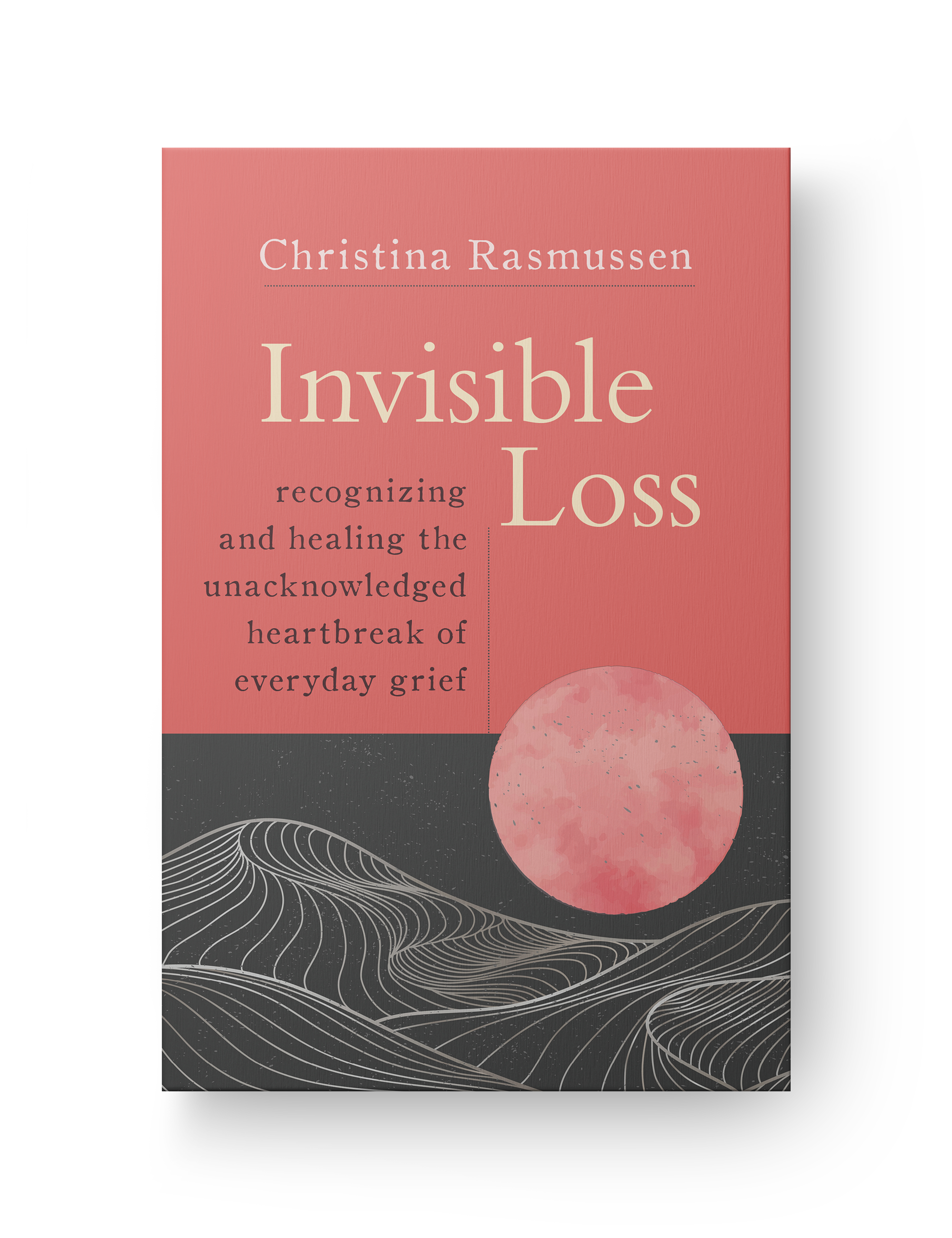
I want to take us back a little. Back to when we were younger. When we had to rely on the wisdom of our elders, and those who have been in this life much longer than us. In my upcoming book Invisible Loss, I write about that time in our lives when we were at our most rebellious:
Disobedience—as a child, as a teen, as an adult in the world of work and home—is an act that creates invisible suffering. We learn to survive that repeated pattern of being commanded by our elders to be “good.” In order to be good and obey, we may create a life closer to that command but further away from our Original Self. We may work hard trying to be good, trying to please and fit into the mold created for us, but that only helps to build our Waiting Room life.
But time in the Waiting Room doesn’t need to last forever. And you don’t have to die inside it. There are parts within you that can bring forth a life worthy of your human existence. Places within yourself that have no shame.
As long as we have been alive, creating a life that aligns closest to the wishes of our caregivers and protectors blinds us to the life that we could choose for ourselves. That life is completely hidden even if we think we know our wishes. Often, only when we go through tragic or invisible losses, do we start to question those choices. Dare I say, these moments are opportunities to exit the loop of being “good.”
It is time to interrupt our regular transmission. It is time to be clear when it comes to what it is we are trying to communicate to the people in our lives. It starts from no longer trying so hard to fit into the mold that was created for us. No matter how old we are, we can always break outside this mold and align our choices with our true values and desires.
This is not an easy task. I understand that. At the core of my book, Invisible Loss, I’ve created tjos easy practice to help set you on the right path to your Original Self. I call it Mental Stacking:
What Is Mental Stacking?
Mental Stacking is the ability to intentionally layer your thoughts to replace unconscious, Survivor-based
thinking with Wisdom-based thinking. In doing so, these Wisdom-based thoughts can more easily be converted into real-life action. This Stacking practice allows you to access your true and authentic self (your Original Self) and entrust it with the controls of your life. Here is what a basic Stack looks like:
The Cleanse:Transcribing the automatic, routine-based, unconscious thoughts. Write them down. Don’t stop writing until you feel you are done.
The Pattern:Subtracting from that first layer the thoughts of fear and doubt. Once you write everything you are feeling and thinking down, read it back to yourself and find a sentence or two that comes from a place of fear or doubt. For example, somewhere in your long cleanse you may find yourself saying: “I feel trapped in my marriage and I don’t dare tell anyone about it because he is the nicest guy. All of my friends always tell me how lucky I am to be married to someone who takes such good care of me.”
The Reframe: Writing the consciously reframed thought layer in the Stack. Take that sentence and reframe it. For example: “I feel trapped in my marriage and feel ashamed for feeling this way because my partner is such a good guy,” to, “even though I may feel shame about how I feel, I need to share these feelings with my partner even though it may not be expected or understood. This is my life, after all.”
The Plug-In: Translating the reframed thought into action. Once you have that reframed thought, think of a low-risk action you can take that can stem from that newly scripted thought. For example, you can suggest to your partner to go for dinner at a brand new place where you can bring up what is on your mind in a new environment. You can act on your right to express yourself regardless of what the response might be or how others view your situation.
Your Mental Stack leads you to a specific next step that may not always be easy to see without the power of each previous layer in the Stack.
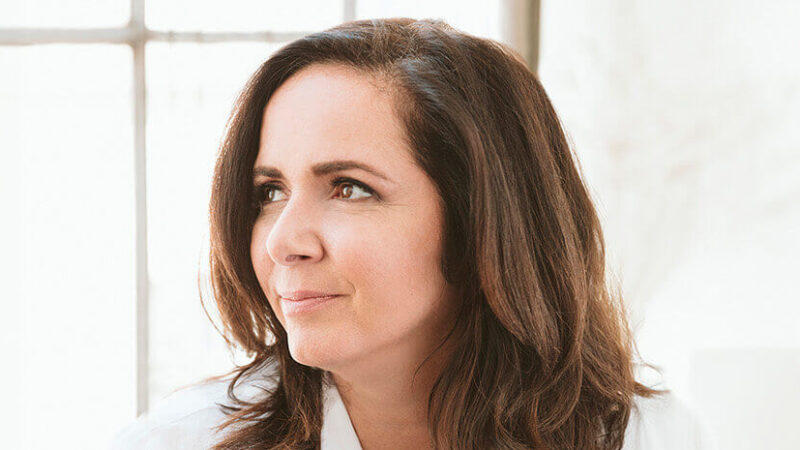
Christina Rasmussen is an acclaimed grief educator and the author of Second Firstsand Where Did You Go? She is the founder of the Life Reentry Institute and has helped countless people break out of what she coined the “waiting room” of grief to rebuild their lives through her Life Reentry® Model, a new paradigm of grief, based on the science of neuroplasticity. She lives in Austin, Texas. For more, visit christinarasmussen.com.
Christina Rasmussen is an acclaimed grief educator and the author of Second Firstsand Where Did You Go? She is the founder of the Life Reentry Institute and has helped countless people break out of what she coined the “waiting room” of grief to rebuild their lives through her Life Reentry® Model, a new paradigm of grief, based on the science of neuroplasticity. She lives in Austin, Texas. For more, visit christinarasmussen.com.
There are certain experiences that are completely and utterly devastating, yet seemingly impossible to articulate and share. Grief educator and author Christina Rasmussen calls these our “invisible losses”—and they are often more perplexing and difficult to navigate than the overt tragedies we all endure in life. In this podcast, join Sounds True’s founder, Tami Simon, in conversation with Christina Rasmussen about her new book, Invisible Loss: Recognizing and Healing the Unacknowledged Heartbreak of Everyday Grief.
Filled with unique perspective and compassionate insight, this dialogue explores the place of uncertainty and stagnation known as “the waiting room”; the original self, and how we get disconnected from it; the impacts of an “us vs. them” experience; how to identify your primary invisible loss; three inner narrators—the survivor, the watcher, and the thriver; reclaiming our forgotten “thriver memories”; the cost of seeking approval; saying yes to what you’ve always wanted to do; cleansing our patterns of fear; the practice of mental stacking; the Life Reentry model; reframing our experiences and taking action from our wisdom; why the place of death is also the place of creation; and more.
Most people feel trapped in a thousand ways. But more often than not, this sense of entrapment us into putting our heads down and getting the things we are expected to get done, done. We can’t often see the entrapment, especially if it looks like the result of our own choices in life. But were they truly our own choices? What if some of the choices we made in life have never really been ours to begin with?
I want to take us back a little. Back to when we were younger. When we had to rely on the wisdom of our elders, and those who have been in this life much longer than us. In my upcoming book Invisible Loss, I write about that time in our lives when we were at our most rebellious:
Disobedience—as a child, as a teen, as an adult in the world of work and home—is an act that creates invisible suffering. We learn to survive that repeated pattern of being commanded by our elders to be “good.” In order to be good and obey, we may create a life closer to that command but further away from our Original Self. We may work hard trying to be good, trying to please and fit into the mold created for us, but that only helps to build our Waiting Room life.
But time in the Waiting Room doesn’t need to last forever. And you don’t have to die inside it. There are parts within you that can bring forth a life worthy of your human existence. Places within yourself that have no shame.
As long as we have been alive, creating a life that aligns closest to the wishes of our caregivers and protectors blinds us to the life that we could choose for ourselves. That life is completely hidden even if we think we know our wishes. Often, only when we go through tragic or invisible losses, do we start to question those choices. Dare I say, these moments are opportunities to exit the loop of being “good.”
It is time to interrupt our regular transmission. It is time to be clear when it comes to what it is we are trying to communicate to the people in our lives. It starts from no longer trying so hard to fit into the mold that was created for us. No matter how old we are, we can always break outside this mold and align our choices with our true values and desires.
This is not an easy task. I understand that. At the core of my book, Invisible Loss, I’ve created tjos easy practice to help set you on the right path to your Original Self. I call it Mental Stacking:
What Is Mental Stacking?
Mental Stacking is the ability to intentionally layer your thoughts to replace unconscious, Survivor-based
thinking with Wisdom-based thinking. In doing so, these Wisdom-based thoughts can more easily be converted into real-life action. This Stacking practice allows you to access your true and authentic self (your Original Self) and entrust it with the controls of your life. Here is what a basic Stack looks like:
The Cleanse:Transcribing the automatic, routine-based, unconscious thoughts. Write them down. Don’t stop writing until you feel you are done.
The Pattern:Subtracting from that first layer the thoughts of fear and doubt. Once you write everything you are feeling and thinking down, read it back to yourself and find a sentence or two that comes from a place of fear or doubt. For example, somewhere in your long cleanse you may find yourself saying: “I feel trapped in my marriage and I don’t dare tell anyone about it because he is the nicest guy. All of my friends always tell me how lucky I am to be married to someone who takes such good care of me.”
The Reframe: Writing the consciously reframed thought layer in the Stack. Take that sentence and reframe it. For example: “I feel trapped in my marriage and feel ashamed for feeling this way because my partner is such a good guy,” to, “even though I may feel shame about how I feel, I need to share these feelings with my partner even though it may not be expected or understood. This is my life, after all.”
The Plug-In: Translating the reframed thought into action. Once you have that reframed thought, think of a low-risk action you can take that can stem from that newly scripted thought. For example, you can suggest to your partner to go for dinner at a brand new place where you can bring up what is on your mind in a new environment. You can act on your right to express yourself regardless of what the response might be or how others view your situation.
Your Mental Stack leads you to a specific next step that may not always be easy to see without the power of each previous layer in the Stack.
Christina Rasmussen is an acclaimed grief educator and the author of Second Firsts and Where Did You Go? She is the founder of the Life Reentry Institute and has helped countless people break out of what she coined the “waiting room” of grief to rebuild their lives through her Life Reentry® Model, a new paradigm of grief, based on the science of neuroplasticity. She lives in Austin, Texas. For more, visit christinarasmussen.com.
What if the greatest battle you’ll ever face is the one happening inside your own mind?
This week, Tami Simon speaks with Shi Heng Yi—a 35th generation Shaolin master, founder of the Shaolin Temple Europe, and author of Shaolin Spirit: The Way to Self-Mastery—about what it truly means to master yourself from the inside out.
Born in Germany to Vietnamese immigrant parents, Master Shi Heng Yi began martial arts training at age four and has spent decades making the profound teachings of Shaolin Buddhism accessible to modern seekers worldwide.
Join Tami and Shi Heng Yi to explore:
What self-mastery actually means—and why it has nothing to do with control
The difference between the self and the persona, and why most suffering comes from confusing the two
The concept of elevation—how life becomes lighter when we stop grasping
How the body becomes a doorway to discovering what lies beyond it
The mind lessons hidden inside the Shaolin horse stance (mabu)
Why the heart of a Buddha and the fight of a warrior are not opposites
The yin dimension within one of the world’s most physically demanding traditions
Whether you’re carrying the weight of a heavy identity, stuck in a cycle of suffering, or simply curious about what ancient wisdom has to say to the modern world, listen in to discover the freedom that comes from turning inward.
This conversation offers genuine transmission—not just concepts about awakening, but the palpable presence of realized teachers exploring the growing edge of spiritual understanding together. Originally aired on Sounds True One.
Trauma is a word we hear often, yet many of us still wonder what it truly means. Is it only about extreme events, or can it take root in quieter moments of disconnection? Why do patterns like anxiety, addiction, or emotional shutdown persist even when we genuinely want change? Gabor Maté invites us to look beneath behaviors and symptoms to the deeper emotional wounds that shape how we relate to ourselves and others. His perspective reframes trauma not as a flaw in our character, but as an adaptation to experiences that once felt overwhelming.
At Sounds True, we have been recording and sharing the living wisdom of transformative teachers since 1985. With a library of thousands of titles and conversations with leading voices in psychology, spirituality, and human development, we are devoted to preserving teachings in their authentic, unscripted voice. Our mission is to support awakening and healing by offering resources that speak to the heart as well as the mind.
Here, we will discuss Gabor Maté’s insights on trauma, the connection between addiction and trauma, and how understanding the roots of healing can guide meaningful trauma healing grounded in compassion and awareness.
Key Takeaways:
Trauma Defined: Gabor Maté describes trauma as the internal impact of overwhelming experiences, not simply the event itself.
Addiction and Trauma Link: Addictive behaviors often serve as coping mechanisms for unresolved emotional pain rooted in early attachment wounds.
Roots of Healing: Compassionate awareness and relational safety form the foundation of sustainable trauma healing.
Gabor Maté on Trauma: A New Understanding of Emotional Wounds
In this conversation, Gabor Maté reframes trauma as an inner wound rather than a single external event. Trauma is not only what happened to us. It is what occurred inside us when we felt overwhelmed, unseen, or unsafe.
From this perspective, many of our adult patterns began as intelligent adaptations. A child who suppresses emotion to preserve attachment is not dysfunctional. That child is surviving. Over time, these survival strategies can become anxiety, self-criticism, emotional numbness, or people-pleasing.
Understanding Gabor Mate’s trauma means recognizing that these patterns are rooted in protection. When we ask, “What happened to you?” instead of “What is wrong with you?” shame loosens its grip. Compassion becomes possible.
At Sounds True, we have long been devoted to preserving the living wisdom of teachers like Dr. Maté. His work points us toward the roots of healing by inviting awareness, honesty, and self-compassion. Trauma healing begins with understanding how we adapted and gently reconnecting with the parts of ourselves that had to go into hiding.
Addiction and Trauma: Why Coping Mechanisms Begin in Childhood
Gabor Maté explains that addiction and trauma often begin long before adulthood. Coping mechanisms form in childhood as intelligent responses to emotional stress or disconnection.
Addiction as an Attempt to Regulate Pain
Addiction is not primarily about substances or behaviors. It is about relief. When children lack consistent emotional attunement, they may suppress overwhelming feelings. Later in life, compulsive behaviors can become ways to regulate what was never safely processed.
Seeing addiction through this lens shifts the focus from blame to understanding and supports meaningful trauma healing.
Attachment Wounds and the Roots of Healing
Children prioritize attachment over authenticity. If expressing anger, fear, or sadness threatens connection, those emotions are pushed aside. Over time, this creates internal disconnection that can fuel addiction and trauma patterns.
Recognizing these early attachment wounds reveals the roots of healing. With awareness and compassion, survival strategies can gradually give way to healthier forms of connection.
The Roots of Healing: How Trauma Shapes the Developing Self
Gabor Maté explains that trauma shapes not only behavior, but identity. A child adapts to their environment in order to preserve attachment. Over time, these adaptations influence how the developing self relates to emotion, stress, and connection.
Adaptation and the Loss of Authenticity
When certain emotions threaten belonging, a child learns to suppress them. Anger, sensitivity, or fear may be hidden to maintain closeness with caregivers. These strategies protect attachment, yet they can create a lasting split between authenticity and connection.
Trauma healing begins by recognizing these patterns without judgment. As awareness grows, the parts of the self that were once silenced can gradually return.
Reclaiming the Self and the Roots of Healing
Healing involves reconnecting with the authentic self beneath survival strategies. With compassionate attention, individuals begin to see how early experiences shaped their beliefs and coping mechanisms. Trauma and the Embodied Brain offers a deeper look at how trauma lives in the nervous system and body, providing a somatic foundation for understanding why healing requires more than insight alone. As these insights unfold, the roots of healing become grounded in self-understanding, presence, and renewed connection.
Compassionate Inquiry: A Pathway to Trauma Healing
Gabor Maté presents Compassionate Inquiry as a gentle method for uncovering the beliefs and emotional patterns shaped by trauma. Rather than focusing only on symptoms, it brings awareness to the deeper wounds beneath them.
What Is Compassionate Inquiry?
This approach uses careful, attuned questioning to help individuals recognize how past experiences shape present reactions. By slowing down and listening inwardly, hidden narratives come into awareness, creating space for trauma healing.
Professionals seeking formal training can learn this modality through the Compassionate Inquiry Professional Training.
Compassion and the Roots of Healing
Compassion is central to this work. When shame softens, the nervous system feels safer, and authentic expression becomes possible. In this way, compassionate inquiry supports the roots of healing by restoring connection to the self. The Trauma Skills Program builds on this foundation, offering structured tools for developing the practical skills that support lasting nervous system regulation and emotional resilience.
Trauma Healing Through Presence, Awareness, and Self-Compassion
In this portion of the conversation, Gabor Maté emphasizes that trauma healing is not a technique to master but a way of relating to ourselves differently. Healing unfolds through steady awareness, nervous system regulation, and compassionate self-observation.
Core Elements of Trauma Healing
Presence with bodily experience: Trauma is stored in the body. Healing begins when we learn to notice physical sensations without immediately reacting or suppressing them.
Awareness of triggers: Emotional reactions often point to unresolved wounds. By observing triggers with curiosity, we trace them back to their origins in earlier experiences.
Understanding addiction and trauma patterns: Recognizing how coping behaviors once protected us allows those patterns to soften rather than intensify.
Safe relational support: Healing deepens in the presence of attuned connection, where authenticity no longer threatens attachment.
Dr. Maté reminds us that trauma healing is gradual. It is not about erasing the past but about building capacity to stay present with ourselves. Through awareness and compassion, the nervous system learns that it no longer has to remain in survival mode.
Addiction and Trauma in Adults: Recognizing the Hidden Pain
In adulthood, addiction and trauma often show up as chronic stress, compulsive behaviors, or emotional numbness. What appears to be self-sabotage is frequently an attempt to regulate unresolved pain rooted in early attachment wounds. Gabor Maté invites us to look beneath the behavior and ask what the nervous system is trying to soothe. When addiction is seen as an adaptation rather than a failure, space for trauma healing opens.
For deeper insight and practical guidance, the Trauma Skills Summit brings together leading experts on trauma healing. Those seeking a structured approach to understanding how trauma lives in the body can turn to the Healing Trauma Online Course. Through awareness and informed support, the hidden pain beneath addiction and trauma can be met with compassion and clarity.
The Roots of Healing in Relationships and Community
Gabor Maté reminds us that trauma often forms in relationships and healing unfolds there as well. Early attachment patterns shape how we connect as adults, influencing trust, boundaries, and emotional expression.
When we experience safe, attuned relationships, the nervous system begins to settle. Authenticity no longer feels threatening to belonging. In a supportive community, addiction and trauma can be understood with compassion rather than shame.
The roots of healing deepen when we are seen, heard, and accepted as we are.
Compassionate Inquiry and the Future of Trauma Healing
In closing, Gabor Maté points toward a future of trauma healing grounded in compassion rather than pathology. If trauma is an adaptive response to disconnection, healing must center on reconnection to self and others.
Compassionate Inquiry reflects this shift. Instead of labeling symptoms, it listens beneath them. It recognizes that addiction and trauma arise from unmet needs and suppressed emotions. With awareness, long-held beliefs begin to soften.
The roots of healing are found in presence, relational safety, and authenticity. As we continue sharing these conversations at Sounds True, our intention remains clear: to support trauma healing that honors the whole person and restores connection at every level.
Final Thoughts
Gabor Maté reminds us that trauma is not a personal flaw but an adaptive response to pain and disconnection. When we understand the link between addiction and trauma, self-judgment begins to soften, and compassion takes its place.
The roots of healing are found in awareness, relational safety, and the courage to gently face what once felt overwhelming. Through compassionate inquiry and embodied presence, trauma healing becomes less about fixing ourselves and more about returning to who we have always been beneath survival patterns.
At Sounds True, we remain devoted to sharing conversations that support this return to wholeness.
Frequently Asked Questions About Gabor Maté Trauma and the Roots of Healing
What does Gabor Maté mean by trauma?
Gabor Maté defines trauma as the internal wound that forms when a person feels overwhelmed and unsupported. It is less about the event itself and more about the lasting impact on the nervous system and sense of self.
How does Gabor Maté connect trauma to physical health?
He suggests that chronic stress rooted in early trauma can affect the body over time. Emotional suppression and prolonged survival states may contribute to illness by keeping the nervous system in constant activation.
Is trauma always caused by extreme events?
No. Gabor Maté emphasizes that trauma can result from subtle, repeated experiences such as emotional neglect, lack of attunement, or pressure to suppress authentic feelings.
What role does authenticity play in trauma?
According to Maté, many people sacrifice authenticity to preserve attachment in childhood. This split between the true self and the adapted self becomes a core element of trauma.
How does Gabor Maté approach trauma differently from traditional models?
Rather than focusing only on symptoms or diagnoses, he looks at the emotional and relational roots beneath behaviors. His approach centers on compassion and curiosity rather than correction.
Can trauma exist even in loving families?
Yes. Trauma can occur even when caregivers have good intentions. Stress, distraction, or unresolved wounds in parents can limit emotional attunement, affecting a child’s development.
How does trauma affect decision-making in adulthood?
Unresolved trauma can influence choices through unconscious beliefs about worth, safety, and belonging. These beliefs may shape relationships, work patterns, and self-perception.
What is the relationship between stress and trauma?
Trauma often creates a heightened stress response. The body may remain on alert long after the original threat has passed, leading to chronic tension or emotional reactivity.
Is trauma healing a linear process?
No. Healing tends to unfold gradually and sometimes unevenly. Progress often involves increased awareness and capacity rather than a simple elimination of symptoms.
Why is compassion central to Gabor Maté’s view of trauma?
Compassion helps regulate shame and defensiveness. When individuals feel safe and understood, they are more willing to face painful memories and long-held beliefs.
Michelle Cassandra Johnson is an author, activist, spiritual teacher, racial equity consultant, and intuitive healer. She is the author of six books, including Skill in Action and Finding Refuge. Amy Burtaine is a leadership coach and racial equity trainer. With Robin DiAngelo, she is the coauthor of The Facilitator’s Guide for White Affinity Groups. For more, visit https://www.michellecjohnson.com/wisdom-of-the-hive.
Love is one of the deepest forces we know. When someone we love dies, it can feel as though that bond has been broken beyond repair. Yet many spiritual traditions suggest something different. They point to the possibility that love after death is not a fantasy or a coping mechanism, but a mystery woven into the fabric of existence itself. The question is not only what happens to us when we die, but what happens to the love we have shared.
For more than four decades, we have been devoted to sharing the living wisdom of the world’s great spiritual teachers. From contemplative Christianity to Buddhist psychology and beyond, our work preserves authentic, heart-led teachings in the voices of those who embody them. Through our books, audio programs, and podcasts, we offer a trusted space for seekers to engage life’s most profound questions with depth and clarity.
Here, we will reflect on love after death through Cynthia Bourgeault’s mystical understanding of eternal connection, and consider how spiritual practice reshapes our experience of grief, relationships, and enduring love.
Key Takeaways:
Divine Source: Love after death is rooted in divine life, not limited to physical existence.
Inner Communion: Spiritual connection with the deceased may be experienced through prayer and contemplative awareness.
Transformative Grief: Mystical love reshapes grief, allowing sorrow to deepen trust in eternal love.
Love After Death: A Spiritual Vision of Eternal Love
What does love after death truly mean? For Cynthia Bourgeault, it is not sentimentality or denial of loss. It is a spiritual insight rooted in the Christian mystical tradition.
Mystics teach that love does not originate in personality or physical presence. Love arises from the divine ground itself. If love is rooted in God, then it is not subject to decay. Death may change the form of a relationship, but it does not erase the essence of what was shared.
This vision reframes grief. We still mourn the absence of voice, touch, and daily companionship. Yet beneath that sorrow, there can be a quiet recognition that the bond continues in another way. Eternal love is not about clinging to memory. It is about trusting that what was real in love participates in something timeless.
In Love Is Stronger Than Death, we share teachings that echo this truth: love belongs to a deeper order of reality than mortality. When two people meet in authentic love, they participate in a current of divine life that does not end at the grave.
Cynthia invites us to see death not as a severing, but as a threshold. The outer form changes. The inner communion remains. In this sense, mystical love reveals that what is grounded in God cannot be undone by death.
How Love Transcends Death in the Christian Mystical Tradition
Cynthia Bourgeault approaches love after death through the lens of Christian mysticism. In this tradition, love is not limited to emotion or memory. It is participation in divine life. If love arises from God, then love transcends death because its source is eternal.
Love as Participation in Divine Being
Mystics teach that our deepest identity is rooted in God. When we love from that depth, the bond is more than attachment. It becomes communion grounded in being itself.
In Is There Life After Death, we reflect on what continues beyond the body. Cynthia shifts the focus toward the quality of love we share. If it is rooted in divine presence, it already belongs to eternity.
The Contemplative Path and Spiritual Connection with the Deceased
Contemplative practice helps us experience this truth directly. In silence, we rest in the presence that holds both the living and the departed. Through Centering Prayer Course, many begin to sense a peaceful spiritual connection with the deceased. This is not about clinging or attempting to retrieve the past. It is about recognizing shared participation in eternal love. Grief remains, but it is held within a wider field of trust.
Mystical Love and the Ongoing Spiritual Connection with the Deceased
Cynthia Bourgeault teaches that mystical love is not confined to time. When someone dies, the outer relationship changes, but the deeper communion remains. Love rooted in God continues because its source is eternal.
Moving from Memory to Living Presence
Grief often begins in memory, yet mystical love invites us beyond recollection into living presence. A spiritual connection with the deceased is not about imagination or clinging. It arises from shared participation in divine life. Whatever Arises, Love That reflects this same invitation — to meet every experience, including loss and grief, with unconditional openness rather than resistance. That inner transformation does not disappear at death. What love has formed within us continues.
Love Transcends Death Through Inner Transformation
Love changes our being. When we have loved deeply, we are altered at the core. That change remains part of us.
In this sense, love transcends death because its imprint endures. The beloved’s physical absence is real, yet the communion grounded in eternal love continues to unfold within the heart.
Eternal Love as a Living Reality, Not a Memory
In Cynthia Bourgeault’s teaching, eternal love is not confined to the past. It is not something we visit only through recollection. It is a present reality grounded in divine life.
When we reduce love after death to memory alone, we unintentionally limit it. Memory can comfort us, but mystical love points to something deeper. Love that is rooted in God continues to live and move, even when the beloved is no longer physically here.
Beyond Sentimentality Toward Spiritual Maturity
There is a difference between holding onto sentiment and growing into spiritual maturity. Sentimentality can keep us tethered to what was. Spiritual maturity invites us to trust what still is. The Great Transformation speaks directly to this deepening, offering a framework for the kind of inner shift that allows grief to open the heart rather than close it. As we mature spiritually, we begin to sense that eternal love is not fragile. It does not depend on circumstances. It abides because it participates in divine being.
Living in Relationship Across the Threshold
To live in a relationship across the threshold of death requires inner stillness and trust. It does not mean attempting to recreate the old dynamic. Instead, it means allowing the relationship to assume a new form. Presence Online Course supports this quality of awareness, cultivating the steady inner attentiveness through which love after death becomes a quiet companionship carried in prayer, silence, and daily awareness of God’s presence. The connection is no longer defined by physical exchange, yet it remains real.
The Spiritual Connection Deceased Loved Ones Continue to Offer
Cynthia Bourgeault reminds us that a spiritual connection with the deceased is not a one-sided longing. Love continues to shape and guide us. While the physical presence is gone, the inner bond often deepens in subtle and meaningful ways.
This ongoing connection may express itself through:
A deepened capacity for compassion, as the love you shared softens your heart toward others
Inner guidance that arises in prayer or quiet reflection, reflecting the wisdom of the relationship
A renewed commitment to live with integrity, inspired by the life and values of the one who has passed
A sense of companionship in solitude, especially during moments of contemplationA widening trust in eternal love, as grief gradually opens into surrender
These expressions are not fantasies. They are signs that love after death continues to bear fruit. The relationship evolves, yet its spiritual essence remains active. In this way, love transcends death by continuing to shape who we are and how we walk our path.
Love Transcends Death: Insights from Contemplative Prayer
Cynthia Bourgeault teaches that contemplative prayer reveals how love transcends death. In silence, we shift from surface thoughts into deeper awareness. From that depth, separation feels less absolute.
Prayer does not attempt to prove what happens after death. Instead, it grounds us in the divine presence that holds both the living and the departed. As we rest there, grief is steadied by trust.
Through this contemplative awareness, love after death becomes less an idea and more a lived knowing that what is rooted in God endures.
Mystical Love and the Transformation of Grief
Cynthia Bourgeault does not dismiss grief. In the mystical path, grief is honored as the natural response to deep love. The pain of loss reflects the depth of the bond.
Over time, mystical love reshapes how grief is carried. Sorrow may soften into gratitude and quiet companionship. The relationship is no longer expressed through physical presence, yet it continues inwardly.
In this way, love after death does not erase grief. It transforms it, allowing eternal love to widen the heart even in loss.
Love After Death and the Mystery of Eternal Connection
Love after death invites us into mystery rather than certainty. Cynthia Bourgeault reminds us that eternal love is not something we control or define. It is something we participate in.
The form of the relationship changes at death, yet the deeper bond remains within divine life. What was shared in truth is not erased but gathered into a larger communion.
In this mystery of eternal connection, we are asked to trust that love transcends death because it is rooted in something greater than time.
Final Thoughts
Love after death invites us into mystery. Through Cynthia Bourgeault’s teaching, we see that eternal love is rooted in divine life, not limited by physical form.
Grief remains real, yet mystical love widens our trust. What is grounded in God endures, and the spiritual connection with the deceased continues within that greater communion.
Frequently Asked Questions About Love Beyond Death and Love After Death
What does love after death mean in spiritual terms?
Love after death refers to the understanding that love is not limited to physical existence. Spiritually, it suggests that love continues as a form of connection rooted in divine reality rather than the body alone.
Is love after death a belief or a mystical experience?
For many contemplatives, it is both. Some approach it as a belief grounded in faith, while others describe it as a lived mystical experience of ongoing communion through prayer and inner awareness.
How is eternal love different from romantic attachment?
Eternal love points to a deeper spiritual bond that is not dependent on physical closeness or emotional intensity. It reflects a connection grounded in shared being rather than circumstance.
Can grief coexist with trust in love after death?
Yes. Trusting that love continues does not remove sorrow. Grief and faith can exist together, allowing mourning to unfold within a wider spiritual framework.
What role does prayer play in sensing a continued connection?
Prayer creates inner stillness and receptivity. In that space, some people report a quiet awareness of connection that feels peaceful rather than driven by longing.
Is the idea that love transcends death unique to Christianity?
No. While Cynthia Bourgeault speaks from the Christian mystical tradition, many spiritual paths affirm that love transcends death in different theological languages.
Does believing in love after death prevent healthy grieving?
Not necessarily. When grounded in spiritual maturity, this belief can support healing by offering hope without denying emotional reality.
What is meant by a spiritual connection with the deceased?
It refers to an inward sense of continued relationship that may arise through memory, prayer, intuition, or moral inspiration, without requiring physical interaction.
How does mystical love shape our understanding of mortality?
Mystical love reframes mortality as a transition rather than an absolute ending. It encourages seeing life as participation in something larger than the individual self.
Why does the topic of love after death resonate so deeply?
Because love is central to human identity. Questions about its endurance touch our deepest fears and hopes about meaning, continuity, and belonging.
Michelle Cassandra Johnson is an author, activist, spiritual teacher, racial equity consultant, and intuitive healer. She is the author of six books, including Skill in Action and Finding Refuge. Amy Burtaine is a leadership coach and racial equity trainer. With Robin DiAngelo, she is the coauthor of The Facilitator’s Guide for White Affinity Groups. For more, visit https://www.michellecjohnson.com/wisdom-of-the-hive.
Session expired
Please log in again.
The login page will open in a new tab. After logging in you can close it and return to this page.