
Customer Favorites

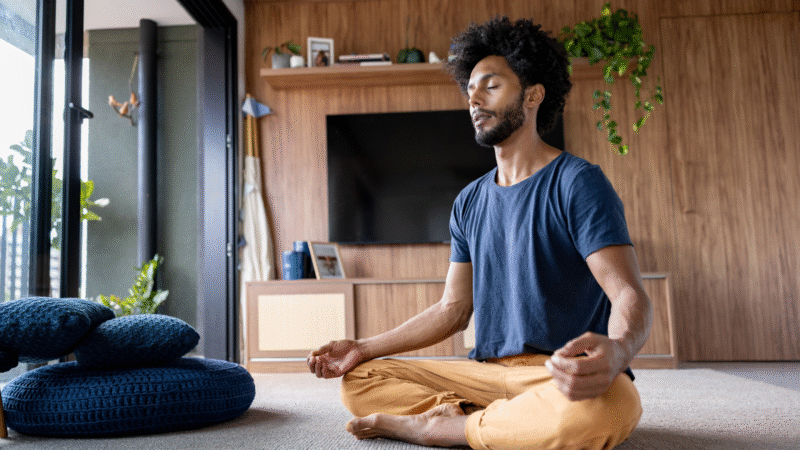
Find Your Center In Just Five Minutes

Meditation doesn’t have to be long to be life-changing. While many assume that deep spiritual practice requires extended silence or hours of dedication, the truth is that 5 intentional minutes can offer profound shifts. Whether you’re pausing between meetings, sitting at the edge of your bed, or simply needing a moment to breathe, a 5 minute meditation can become a sacred space, a chance to return to yourself.

For more than 40 years, Sounds True has been a trusted source of spiritual wisdom, offering teachings from some of the world’s most respected voices in mindfulness, personal growth, and embodied awakening, including Eckhart Tolle, Pema Chödrön, and Tara Brach. Our digital courses and audio programs are created to guide people not just to information but to a direct experience of presence, peace, and inner transformation.

We live in a culture that celebrates doing, often at the expense of being. But even amidst the noise, your breath remains, and within it, the doorway to stillness. This piece explores how brief, heart-centered practices like a 5 minute guided meditation can ease anxiety, set the tone for your day, support sleep, and provide grounding in moments of stress.

In this piece, we will explore the power and purpose of 5 minute meditations and how you can make them part of your daily life.

Key Takeaways:

  • Debunking Misconceptions: You don’t need long sessions to feel the benefits of meditation because presence begins the moment you pause intentionally.
  • Practicality of Quick Meditation Sessions: Whether you’re waking up, winding down, or overwhelmed at your desk, five-minute meditations are often all you need to return to center.
  • Boosting Sessions With Extra Support: While the journey can be stressful, know that you’re not alone. Guided audio, breathwork prompts, and inner rhythm meditations offer structure and support to help you build your practice.

Why Five Minutes Is Enough

The idea that meditation has to be long or formal keeps many people from starting. But the truth is, presence doesn’t take hours, it takes willingness. Here’s why a 5 minute meditation can be more than enough:

Depth Over Duration

A moment of stillness can hold just as much power as a long session. When you enter a 5 minute guided meditation with focus, your awareness deepens quickly, helping you shift out of autopilot and into presence.

Interrupting The Cycle Of Overwhelm

A short pause can stop stress in its tracks. Practicing a 5 minute meditation for anxiety or a 5 minute meditation for stress helps reset your system and return to your breath, especially during chaotic or triggering moments.

Consistency Builds Connection

It’s not about how long, it’s about how often. A consistent 5 minute morning meditation creates a rhythm that supports emotional steadiness and spiritual grounding. Inner rhythm meditations are designed to help you build that kind of daily connection, short, intentional, and deeply supportive.

Gentle Support When You Need It Most

Not every moment calls for silence. A soothing 5 minute guided meditation meets you where you are, offering comfort, structure, and support without feeling like another task on your to-do list.
Explore Teachings From World-Renowned Psychologists And Researchers On Trauma, Mindfulness, Resilience, And Cognitive Growth.

A Gentle Invitation To Presence

Presence isn’t a performance. Presence doesn’t ask you to be still in a perfect way; it simply asks you to show up. A quiet moment, an open breath, a willingness to pause. That’s all it takes to begin again.

When you give yourself even a 5 minute meditation, you’re reclaiming something essential: the ability to be here, now. This short practice can become a sacred threshold, one where doing gives way to being. And in that space, something softens. The breath deepens. The nervous system begins to settle.

You may notice tension loosening its grip or emotions coming forward with less urgency. With practice, these small moments of stillness create a home within, not one you escape to, but one you live from. Whether it’s a pause between tasks or a gentle 5 minute morning meditation to set your tone for the day, this invitation to presence can quietly reshape how you move through the world.

Your Breath As A Bridge: A Simple 5 Minute Meditation

The breath is always here, steady, faithful, and quiet. It doesn’t demand anything from us. And yet, when we return to it, even for a few minutes, we return to something much deeper than air; we return to ourselves. Here’s how to use the breath as a simple and sacred practice:

Begin Where You Are

There’s no need to prepare or perfect anything. Just find a comfortable seat at home and notice your breathing. Feel the rise and fall, and let your awareness rest there, even if just for a few moments.

Follow The Rhythm

Let the breath guide you, slow, steady, and natural. If your attention wanders, gently return to the inhale and the exhale. A short, guided practice can help you stay connected without needing to focus too hard.

Anchor The Day Or Release It

Some days begin best in stillness. A few minutes of mindful breathing in the morning can create space before the day pulls you outward. In the evening, those same few minutes help soften the edges and guide you gently toward rest.

Let It Be Enough

Five minutes of breath awareness may seem small, but it can shift your inner landscape. The more often you return to this simple practice, the more it becomes a familiar path back to peace. You might find that inner rhythm meditations offer just the right structure to support that return, gently, consistently, and with care.

Meeting Anxiety With Compassion

Anxiety often arrives without warning, in the breath, the body, the tightening of thought. When it does, the invitation isn’t to push it away but to meet it gently, with presence and care. A short meditation can become a sacred pause in the swirl of overwhelm:

Begin With Grounding

Start by connecting to your physical body, your feet on the floor, the sensation of sitting, the rhythm of your breath. This small act of awareness can shift your state from spiraling to steady.

Let The Breath Lead

The breath is a natural regulator. A soft inhale, a slow exhale. In a guided practice, this rhythm becomes a refuge, one that allows the nervous system to begin settling without pressure or performance.

Welcome What’s With You

Rather than resisting the anxious energy, notice it. Let it be seen. A few minutes of stillness gives the mind and heart space to respond instead of react, not to fix, but to witness.

Repeat With Kindness

Relief often comes not from doing more, but from returning often. A simple five-minute practice, repeated daily, creates an inner rhythm that’s more steady than reactive, more open than overwhelmed.

Learn To Treat Yourself With The Care You Offer Others

Beginning Your Day With Stillness

The way you begin your day shapes everything that follows. Before the noise, before the lists and the screens, there is a quiet space where you can choose how to meet the world. A few minutes of stillness each morning becomes more than a habit; it becomes a foundation.

A 5 minute morning meditation doesn’t have to be complex. Simply sitting in silence with your breath, placing a hand on your heart, or listening to a soft, guided voice can create a gentle transition from sleep into wakefulness. These early moments of awareness help you move forward with more clarity, intention, and care.

Over time, this simple practice builds trust with yourself, the kind of trust that says, “I will make space for what matters.” Even five minutes each morning can anchor you in your values before the outside world asks you to be everything else.

Releasing The Day And Resting Into Sleep

The transition into night is an opportunity to gently let go of expectations, of effort, of thought. Before sleep, a few minutes of stillness can offer a kind of closure that helps the heart exhale. Here’s how a short practice can support deep rest:

Create Space To Unwind

Before reaching for sleep, pause to acknowledge your inner state. A 5 minute meditation for sleep can create a buffer between your day and your rest, allowing tension to settle and your breath to slow.

Let Go Without Forcing Sleep

Meditation doesn’t need to “make” you sleep but rather it simply invites unravel and rest. A 5 minute guided meditation with gentle imagery or body scanning can help quiet mental loops and soften physical tightness.

Trust The Process Of Unwinding

Not every night will be easy, but consistency builds safety. A few minutes of presence at the end of the day becomes a signal to the body that it’s okay to release, to be still, to receive rest.
Awaken Your Inner Healing Power With Sound True.

Final Thoughts

You don’t need hours of stillness to find peace. Even a few minutes of mindful attention can help you reconnect with what’s real and steady within you. When you slow down long enough to breathe, listen, and feel, the noise of the world begins to soften, and the heart remembers its own rhythm.

At the end of the day, a 5 minute meditation goes beyond achieving perfection and focuses on what matters: returning to presence. Some days will feel easy, and others may feel scattered, but keep returning to your daily practice, and it’ll greet you with kindness. Every time you pause to breathe, you’re strengthening your relationship with stillness and allowing yourself to be met by it.

Over time, this simple act of presence becomes a way of living and a quiet devotion to the truth of who you are. However you choose to practice, let it be gentle, kind, and real. For continued support and inspiration, inner rhythm meditations offer thoughtful, short practices that meet you exactly where you are.

Read More:

Frequently Asked Questions About 5 Minute Meditation

What can I expect to feel after a 5 minute meditation?

Even in just five minutes, you may notice subtle shifts like a calmer breath, less tension, or more clarity. It’s not always dramatic, but often deeply grounding.

Can a 5 minute meditation actually reduce anxiety long-term?

While five minutes won’t resolve anxiety permanently, consistent short sessions can retrain your nervous system to respond with more calm and awareness over time.

Is a 5 minute meditation enough for beginners?

Yes. It’s often the best way to begin. Five minutes allows you to build consistency without feeling overwhelmed, which is essential for developing a long-term practice.

Do I need complete silence for a 5 minute meditation to work?

Not at all. Life isn’t always quiet. The key is attention, not silence. You can meditate with background noise by gently anchoring your focus to the breath or a guided voice.

What’s the best time of day for a 5 minute meditation?

There’s no “best” time because what works for you and your rhythm is enough. Morning meditations set the tone for the day, while evening ones support winding down.

How do I know if I’m doing it right in just five minutes?

There’s no perfect way. If you showed up, breathed, and gave yourself the space to be present, even for a moment, that’s the practice you should be focusing on.

Can I combine multiple 5 minute meditations throughout the day?

Absolutely. In fact, spacing them out can create natural moments of reconnection before a meeting, after a commute, or whenever you need to return to yourself.

Michelle Cassandra Johnson is an author, activist, spiritual teacher, racial equity consultant, and intuitive healer. She is the author of six books, including Skill in Action and Finding Refuge. Amy Burtaine is a leadership coach and racial equity trainer. With Robin DiAngelo, she is the coauthor of The Facilitator’s Guide for White Affinity Groups. For more, visit https://www.michellecjohnson.com/wisdom-of-the-hive.

Yoga’s Gift: Uncovering The Holistic Benefits Of A R...

Yoga is often seen as a way to stretch, strengthen, or reduce stress, but over time, it can become something much deeper. A regular practice slowly invites us into a more honest relationship with our bodies, emotions, and inner wisdom. It helps us feel more rooted during challenging times and more open during moments of connection. The benefits of yoga begin on the mat, but its impact reaches into every part of our daily lives.

At Sounds True, we’ve spent more than 35 years supporting transformational experiences that honor the whole person, mind, body, and spirit. Our digital yoga programs, audio teachings, and practices are led by trusted guides and rooted in spiritual depth. We don’t just teach yoga; we preserve its wisdom and share it in a way that’s alive, embodied, and accessible. For us, yoga is not performance; it’s a practice of remembering.

In this piece, we will be discussing the holistic benefits of a regular yoga practice, what they are, how they unfold, and why they matter in the journey of everyday awakening.

Key Takeaways:

  • Whole-Person Wellness: A regular yoga practice supports physical, emotional, and spiritual balance, not just fitness or flexibility.
  • Sacred Consistency: Consistency reveals deeper transformation over time, reshaping how we breathe, respond, and relate to ourselves and others.
  • Sound Tools For Real Life: Sounds True offers curated programs that meet each practitioner where they are, deepening the benefits of yoga in daily living.

The Sacred Invitation Within A Regular Yoga Practice

Yoga, in its essence, is not merely a form of movement or a collection of poses; it is a sacred return to self. A regular yoga practice offers us a quiet, dependable space to meet the truth of who we are, again and again. Over time, the consistent rhythm of showing up on the mat becomes a grounding force, an invitation into stillness, presence, and wholeness that extends far beyond the physical form.

For many, the regular yoga practice’s impact reveals itself gradually. It might begin as a physical release or a way to manage stress. But in its most authentic expression, yoga becomes a pathway toward reconnection with the breath, the body, and the deeper voice within. In these moments of return, we begin to feel more deeply, listen more attentively, and move through life with greater intention.

To support these subtle but profound inner shifts, Sounds True offers tools designed to help you carry the benefits of yoga into your everyday emotional landscape. The Yoga for your mood deck invites practitioners to explore the connection between movement and mood, offering practices that respond to how you feel in the moment, not just how you wish to feel.

Discover The Power Of Daily Meditation With Sounds True.

Understanding The Holistic Yoga Benefits On And Off The Mat

Yoga is often perceived as a physical discipline, but its gifts unfold across every dimension of our being. The holistic benefits of yoga reach beyond flexibility and strength, guiding us toward deeper harmony within the mind, body, and spirit. What happens on the mat gently transforms what happens off the mat, influencing how we relate to ourselves, to others, and to the world.

One of the clearest expressions of the holistic yoga benefits is the way yoga supports emotional clarity and mental steadiness. The breath becomes an anchor; the body, a teacher; the practice, a mirror. Over time, this integrated awareness fosters greater resilience, equanimity, and openness to life’s challenges.

For those seeking to explore the healing potential of deep rest, the podcast “Yoga Nidra —The Sleep Yoga” offers powerful guidance for moving into conscious relaxation. It supports practitioners in cultivating nervous system balance and surrender, expanding the benefits of yoga into the realm of inner stillness and restoration.

How A Consistent Practice Supports Full-Body Wellness Yoga

A consistent yoga practice offers more than occasional relief or short-term results. Over time, it becomes a foundational part of physical well-being and self-care. This section explores the layered ways that regularity supports full-body wellness yoga, not just in strength and mobility, but in long-term restoration and healing:

Building Strength And Stability Through Repetition

With repeated practice, yoga gently builds muscular strength and joint stability. This is especially meaningful for practitioners seeking to age with confidence and grace. A steady practice helps improve posture, balance, and core integrity, creating a more resilient body over time.

Releasing Tension And Cultivating Flexibility

Tightness in the body often reflects stored stress or unprocessed emotion. Through regular practice, yoga helps unlock these spaces with patience and awareness. As flexibility increases, many people find emotional ease follows, a natural byproduct of embodied mindfulness.

Supporting Long-Term Physical Resilience

Yoga is not just for recovery; it is a practice of prevention. Regular movement nourishes the fascia, promotes circulation, and gently conditions the body to better handle life’s physical demands. This is also where the true benefits of consistent yoga begin to take root, especially when you explore resources like Yoga and Movement that support practitioners with offerings designed to grow alongside their physical needs.

The Spiritual Heartbeat Behind The Benefits Of Yoga

While yoga is often praised for its physical and emotional rewards, its deepest offering lies in the realm of spiritual awakening. Beneath each movement, there is a quiet invitation to remember who we truly are. This section explores how the benefits of yoga extend beyond form and flow, guiding us into greater connection with the sacred.

Yoga As A Return To Inner Stillness

In the silence between breaths and the stillness between poses, yoga becomes a sacred mirror. It reflects the soul’s longing for presence, reminding us that beneath the noise of daily life exists a calm, steady awareness. The more consistently we practice, the easier it becomes to access this inner sanctuary.

Deepening Connection With The Sacred Self

Yoga fosters a space where the spiritual self can be remembered and nurtured. Through devotional movement and mindful breathing, we begin to experience life not as something we control, but as something we participate in fully. This inner alignment can feel subtle at first, yet it becomes the foundation for authentic living.

The Spiritual Dimensions Of The Benefits Of Yoga

Beyond its visible effects, the benefits of yoga include an often-unspoken inner clarity. Many long-term practitioners describe a shift in how they relate to the world, moving with more reverence, humility, and grace. These qualities arise not from discipline alone, but from the spiritual heartbeat that lives inside the practice itself.

Build Relationships That Nourish And Sustain.

Exploring The Regular Yoga Practice Impact On Daily Life

When practiced consistently, yoga stops being something we do and starts becoming part of who we are. Its presence weaves itself into the rhythms of daily life, how we breathe through tension, respond to others, and hold space for our own experience. In this section, we’ll explore the everyday ways the regular yoga practice impact is revealed:

Shifting How We Move Through Challenges

With steady practice, we learn to meet discomfort with breath instead of resistance. This habit transfers into daily life, where stress no longer defines our reactions. Over time, we begin to embody more patience, clarity, and softness, even when things feel uncertain.

Creating Small Moments Of Grounded Awareness

The effects of yoga don’t end when we leave the mat. They show up in the way we pause before speaking, how we carry ourselves in a room, or the presence we bring to everyday tasks. These small changes reflect the deeper impact of regular yoga practice and are subtle yet transformative.

Yoga As A Way To Live, Not Just Practice

As we continue to show up, yoga becomes less about poses and more about intention. It guides how we rest, connect, listen, and heal. This way of being is beautifully honored in International Day of Yoga, which celebrates the role of yoga as a lifelong companion for physical, emotional, and spiritual balance.

How To Begin Or Deepen Your Practice With Sounds True

Whether you’re just starting or returning after time away, establishing a consistent practice begins with choosing the path that meets you where you are. At Sounds True, the invitation is always the same: come as you are, and let the practice guide you home. This section offers ways to begin, sustain, or expand your relationship with yoga:

Start With Accessible Practices That Honor Your Body

You don’t need to be flexible or experienced to begin. What matters most is consistency and the willingness to listen inward. Many of Sounds True’s programs are designed to support full-body wellness yoga by honoring each person’s unique physical landscape with gentleness and clarity.

Explore Programs That Integrate Mind, Body, And Spirit

For those looking to deepen, Sounds True’s digital yoga offerings focus not just on form but on inner experience. These courses are rooted in presence, alignment, and the holistic yoga benefits that evolve when movement and meaning meet. With guidance from respected teachers, these practices become a sacred rhythm in daily life.

Let Consistency Build A Foundation For Transformation

Sustainable growth happens when practice becomes ritual. By showing up regularly, no matter how simple the session, we create space for transformation. This is where the benefits of consistent yoga take hold, forming a deeper relationship with the self that supports healing, clarity, and connection.

Expand Your Consciousness With Sounds True.

Final Thoughts

Yoga is more than a posture or practice; it is a lifelong companion. Through consistency, it becomes a quiet thread woven through our days, a source of steadiness, insight, and healing. Its gifts are cumulative, offering both immediate calm and long-term transformation.

The benefits of consistent yoga touch every aspect of our lives. They show up in how we breathe, relate, recover, and grow. The more regularly we practice, the more naturally we begin to embody the qualities yoga teaches: compassion, awareness, courage, and peace.

Ultimately, the holistic yoga benefits are not measured in what we can do on the mat, but in how we live when we step away from it. Each breath, each pose, each moment of presence becomes an offering to ourselves and to the world.

Read also:

Frequently Asked Questions About Regular Yoga Practice

What are some lesser-known benefits of yoga for the nervous system?

Yoga activates the parasympathetic nervous system, helping to regulate heart rate variability, reduce cortisol levels, and support long-term emotional regulation.

Can yoga positively influence gut health and digestion?

Yes, certain yoga poses gently stimulate digestive organs, improve circulation in the abdominal area, and help calm the nervous system, which supports better digestion.

How does yoga support hormonal balance, especially during menopause?

Gentle, consistent yoga practice can reduce stress-related hormonal fluctuations, ease symptoms like hot flashes or insomnia, and support emotional steadiness.

Is yoga helpful for people managing autoimmune conditions?

Yoga can offer adaptive movement and breathwork that supports the immune system by reducing inflammation triggers and increasing internal regulation and calm.

Can a regular yoga practice improve cognitive function?

Yes, practices that integrate breath, movement, and mindfulness have been shown to improve focus, memory retention, and overall mental clarity over time.

How can yoga support grief and emotional loss?

Yoga offers a nonverbal, embodied way to process grief, creating space for emotional expression, breath-based release, and quiet connection to the heart.

What role does yoga play in supporting sleep quality?

Consistent yoga can relax the nervous system, reduce anxiety, and prepare the body for sleep by slowing down the breath and lowering physical tension.

Are the benefits of yoga different for older adults?

While the foundational benefits remain, older adults often find improved balance, joint support, and gentle cardiovascular stimulation to be especially meaningful.

Can yoga improve respiratory health or lung capacity?

Breath-centered practices such as pranayama can strengthen respiratory muscles, expand lung capacity, and enhance oxygen flow throughout the body.

How long does it take to notice the benefits of yoga?

Some benefits can be felt immediately, such as stress relief, while deeper physical and emotional effects often develop after weeks or months of consistent practice.

Michelle Cassandra Johnson is an author, activist, spiritual teacher, racial equity consultant, and intuitive healer. She is the author of six books, including Skill in Action and Finding Refuge. Amy Burtaine is a leadership coach and racial equity trainer. With Robin DiAngelo, she is the coauthor of The Facilitator’s Guide for White Affinity Groups. For more, visit https://www.michellecjohnson.com/wisdom-of-the-hive.

Damien Echols on Building the Light Body: Practices fr...

Spiritual practice is often framed as something we turn to in moments of calm or curiosity. Damien Echols’ story challenges that assumption. His work with the light body emerged not in comfort, but under the most extreme conditions imaginable. On death row, with time stretched thin and uncertainty ever-present, spiritual practice became a way of staying present, coherent, and alive from the inside out. These teachings invite a deeper look at what practice is truly for and how it functions when life offers no easy ground.

At Sounds True, we’ve spent decades preserving and sharing teachings rooted in direct experience. Our living library is shaped by teachers who have tested their insights through real-world pressure rather than theory alone. Damien Echols stands firmly in that lineage. His teachings on high magick, ceremonial magick, and the light body arise from lived necessity, refined through years of disciplined inner work and shared through our commitment to honoring wisdom in its original voice.

Here, we examine Damien Echols’ approach to building the light body, how spiritual practice on death row shaped his work with high magick and ceremonial magick, and what these teachings offer to those seeking steadiness and clarity in daily life.

Key Takeaways:

  • Lived Origins: Damien Echols’ light body practices were developed under the extreme conditions of death row, shaping their clarity and discipline.
  • Practical High Magick: The teachings focus on training attention and awareness rather than belief, symbolism, or external results.
  • Everyday Application: Light body and ceremonial magick practices can be adapted for modern life to support stability and presence.

Discover the power of daily meditation

Damien Echols and the Light Body Practices Formed on Death Row

Damien Echols’ teachings on the light body are inseparable from the conditions in which they were developed. While incarcerated on death row, he faced prolonged isolation, sensory deprivation, and the constant presence of mortality. Rather than treating spirituality as a concept to think about, he leaned on practice as a way to stay intact. Over time, the light body became something he worked with daily, built through attention, breath, and visualization.

At Sounds True, we’re devoted to preserving living wisdom in a teacher’s own voice, especially when it arises from real-world pressure rather than ideal conditions. Echols’ work carries that unmistakable imprint: it’s precise, grounded, and shaped by necessity.

Spiritual Practice on Death Row as the Foundation of Damien Echols’ Work

The conditions of death row shaped not only what Damien Echols practiced, but how he understood spiritual commitment. Practice was no longer aspirational. It became functional, something that had to meet fear, boredom, grief, and isolation without collapsing under them.

Discipline Without External Support

Spiritual practice on death row offered no reinforcement from the community or environment. Echols practiced alone, without feedback or reassurance. This demanded a level of self-honesty that left little room for self-deception. If a practice didn’t stabilize the mind or regulate emotion, it was abandoned. What remained were methods that could be relied on day after day.

Turning Confinement into Inner Structure

Isolation imposed structure from the outside, but Echols learned to create structure internally. By working with breath and focused attention, he transformed confinement into a container for awareness. Over time, this inner structure became more dependable than external circumstances, forming the backbone of his later teachings.

Understanding the Light Body Through High Magick

The light body sits at the center of Echols’ approach to high magick. Rather than describing it as a belief system, he presents it as something that emerges through repeated inner action. Attention, imagination, and breath work together to form a subtle but stable energetic presence.

The Light Body as an Experiential Reality

In Echols’ framework, the light body is something you come to know through sensation rather than concept. It develops gradually as awareness becomes more unified. Practitioners often describe shifts in perception, a sense of inner brightness, or increased emotional resilience, all of which point to a reorganization of consciousness.

High Magick as Training for Awareness

High magick trains the mind to hold a steady image and intention, which gradually reshapes how we inhabit our own consciousness. Over time, the light body becomes a stabilizing field, supporting presence when emotions surge or attention fractures. Echols shares these foundations in Presence Online Course, where practice is framed as something you can test through experience.

Ceremonial Magick and the Discipline of Building the Light Body

Ceremonial magick brings structure to practice. In Echols’ approach, ceremony isn’t about performance. It’s about training attention through repeated, deliberate forms. Gesture, spoken vibration, and visualization give the mind a clear track to run on, which helps reduce drifting, rumination, and reactivity. Building the light body through ceremonial magick is cumulative. It’s shaped by repetition, not force. The steadier the practice, the steadier the inner field becomes. Echols explores the mechanics and purpose of ceremonial work in Healing with Spiritual Light, emphasizing that discipline can become a doorway to freedom.

High Magick as a Lived Spiritual Practice on Death Row

What makes Echols’ work distinctive is how directly it answers the question: what holds up under pressure? High magick on death row had to be practical. It had to work when the mind was tired, when the body felt constricted, when the future felt unlivable. In that setting, visualization practices served multiple functions at once. They offered focus, steadied emotion, and strengthened the ability to remain present in the face of fear. 

The light body, built through consistent practice, became a way to experience inner space even when outer space was restricted. These principles are further explored in The Power of Shamanism, which shares a similar emphasis on practice as a stabilizing force under pressure.

Awaken Your Inner Healing Power

Ceremonial Magick, Visualization, and the Mechanics of the Light Body

This aspect of Damien Echols’ work focuses on how inner imagery and structured action interact with subtle energy. Ceremonial magick provides a framework that allows visualization to move beyond imagination and become a stabilizing inner process.

  • Visualization trains attention to remain unified rather than scattered, which supports the gradual formation of the light body.
  • Repeated images of light, expansion, or movement condition the nervous system to recognize subtle sensations.
  • Spoken words and gestures give visualization rhythm, helping the mind stay present instead of drifting.
  • Consistent ceremonial form creates predictability, which reduces emotional volatility and mental fatigue.
  • Over time, the light body is experienced less as an idea and more as a felt sense of inner coherence.

Through these mechanics, visualization becomes a method of alignment rather than escape. Echols emphasizes that the goal is not to produce dramatic experiences but to cultivate steadiness. When practiced regularly, ceremonial magick helps anchor awareness in the body, allowing the light body to serve as a stable point of reference during stress, uncertainty, or emotional intensity.

How Spiritual Practice on Death Row Shaped Damien Echols’ Teachings

Spiritual practice on death row forced Damien Echols to confront what actually works when comfort, reassurance, and distraction are stripped away. The conditions demanded honesty. Practices that relied on belief, inspiration, or emotional uplift could not be sustained. What endured were methods that created measurable inner stability and helped him remain oriented when fear and uncertainty were constant.

This environment sharpened Echols’ understanding of discipline. Practice became something precise and deliberate, not expressive or improvisational. Each technique had to serve a clear purpose: stabilizing attention, regulating emotion, or restoring a sense of inner coherence. Over time, this necessity shaped a teaching style that is direct and unsentimental. Instructions are offered plainly, with little emphasis on spiritual identity and more focus on what the practitioner actually does, day after day.

Death row also clarified Echols’ relationship to suffering. Rather than treating pain as something to transcend or bypass, his practices acknowledge it as part of the field of awareness. Spiritual work became a way of relating differently to suffering, not escaping it. This orientation runs throughout his teachings, where presence and responsibility take precedence over transcendental promises.

Applying Light Body, High Magick, and Ceremonial Magick in Daily Life

Although Damien Echols’ practices were developed under extreme conditions, they are designed to be workable in everyday life. His teachings emphasize adaptability, showing how light body work, high magick, and ceremonial magick can be practiced without elaborate setups or extended time commitments. 

Daily practice often begins with simplicity. Brief periods of focused breath, steady visualization, and conscious posture help establish inner stability amid distraction and emotional pressure. Rather than aiming for dramatic experiences, these practices support continuity of awareness and a more regulated relationship with stress. 

Over time, the light body becomes a familiar inner reference point. Ceremonial magick adds structure for those who benefit from rhythm and form. Simple, repeated actions can help mark transitions and reorient attention. Some practitioners also work within devotional frameworks that support focus and reverence, including teachings connected to Royal Science of Angels. Practiced consistently, these methods integrate spiritual work into daily living rather than setting it apart.

Awaken Something Greater

Final Thoughts

Damien Echols’ work on the light body reflects spiritual practice shaped by necessity rather than theory. Developed on death row, these teachings show how high magick and ceremonial magick can foster clarity, stability, and inner agency under extreme conditions. They continue to offer practical guidance for anyone seeking a grounded, disciplined approach to spiritual practice in everyday life.

Frequently Asked Questions About Damien Echols on Building the Light Body: Practices from Death Row

What first drew Damien Echols to magick before his incarceration?

Echols’ interest in magick began in adolescence as a way to understand consciousness, symbolism, and personal agency. His early study laid the groundwork for practices he later relied on more intensively.

Is the light body concept tied to a specific religious tradition?

No. While the light body appears across many mystical systems, Echols presents it as a functional framework that can be practiced without adopting a particular religion.

Does practicing high magick require special tools or ritual objects?

Echols emphasizes that the primary tools are attention, breath, and imagination. Physical tools can support focus, but they are not essential.

Can light body practices be adapted for people with no background in magick?

Yes. The practices are scalable and can be approached gradually, even by those who are new to spiritual or contemplative work.

How does Echols differentiate high magick from manifestation practices?

High magick focuses on transforming consciousness and perception rather than attempting to control external outcomes.

Is ceremonial magick meant to be practiced daily?

While daily practice can be beneficial, Echols encourages consistency over frequency. Even brief, regular sessions can be effective.

What role does imagination play in Echols’ teachings?

Imagination is treated as a perceptual faculty that can be trained, not as escapism or fantasy.

Are these practices meant to replace meditation or mindfulness?

No. They can complement meditation and mindfulness, offering a more structured, symbolic approach to working with attention.

Does Echols teach these practices as therapeutic methods?

They are not positioned as therapy, though many people report increased emotional regulation and clarity as side effects of practice.

Why do Echols’ teachings resonate with people outside spiritual communities?

Because they are grounded in lived experience and focus on practical inner stability rather than abstract belief systems.

Michelle Cassandra Johnson is an author, activist, spiritual teacher, racial equity consultant, and intuitive healer. She is the author of six books, including Skill in Action and Finding Refuge. Amy Burtaine is a leadership coach and racial equity trainer. With Robin DiAngelo, she is the coauthor of The Facilitator’s Guide for White Affinity Groups. For more, visit https://www.michellecjohnson.com/wisdom-of-the-hive.

What Did Jesus Really Say? Discovering the Aramaic Tea...

Many people have heard the words of Jesus repeated for centuries, yet fewer have paused to ask what those words sounded like when they were first spoken. Jesus taught in Aramaic, a language shaped by relationship, breath, and lived experience. When his teachings are heard only through later translations, something essential can be missed. Returning to the Aramaic opens a way of listening that feels closer to everyday life, where meaning arises through connection rather than abstraction.

At Sounds True, we have dedicated our work for decades to preserving and sharing spiritual wisdom in its living form. Since 1985, we have recorded and published the voices of teachers who speak from direct experience, honoring the power of spoken teaching and the transmission that happens beyond written words. Our commitment has always been to offer wisdom as something to be lived, practiced, and embodied, not simply studied.

In this piece, we will be discussing what Jesus really said by listening for the Aramaic roots of his teachings, exploring how language, prayer, and spirituality come alive when heard through their original context.

Key Takeaways:

  • Language Matters: Aramaic reveals layers of meaning in Jesus’ words that are often softened or reshaped in translation.
  • Prayer as Presence: Aramaic prayer emphasizes alignment, breath, and relationship rather than petition or doctrine.
  • Living Teachings: The original teachings of Jesus function as lived guidance, meant to be embodied through daily relationship and awareness.

Awaken Something Greater

What Language Did Jesus Actually Speak? Understanding the Aramaic Jesus

Jesus spoke Aramaic, the everyday language of his community. It was a spoken, relational language used in homes, public life, and prayer. Aramaic carries meaning through rhythm and context, often expressing connection and movement rather than fixed ideas.

Hearing Jesus through Aramaic changes how his teachings are received. What later appears as formal doctrine often began as spoken guidance meant to be lived and practiced. The Aramaic Jesus speaks in invitations, not abstractions, grounding spiritual insight in ordinary human experience.

This way of listening reflects our commitment to preserving wisdom as living transmission, a focus reflected in The Aramaic Jesus Audio, where teachings are encountered through voice, presence, and relationship rather than text alone.

The Aramaic Jesus and the Power of Jesus’ Original Words

Jesus’ original words carry a quality that is difficult to preserve in translation. In Aramaic, words function less as labels and more as gestures. They point toward relationship, movement, and shared life. Meaning is shaped by how something is said, who is present, and what is unfolding in the moment.

Many familiar sayings attributed to Jesus become more spacious when traced back to Aramaic. Statements that later appear moralistic or absolute often began as invitations to awareness. Rather than instructing people what to believe, Jesus’ original words encouraged a way of seeing, listening, and responding to life.

Aramaic speech reflects a worldview where nothing exists in isolation. Words arise from connection to land, community, and breath itself. This is why the teachings feel embodied rather than abstract. They are meant to be practiced through relationship and lived attention, not memorized as doctrine.

Hearing Jesus through his original language restores this sense of immediacy. The Aramaic Jesus speaks as a teacher rooted in shared human experience, offering wisdom that unfolds through participation rather than authority.

Aramaic Prayers and Their Role in the Original Teachings of Jesus

In the Aramaic world Jesus lived in, prayer was understood as a way of aligning with life rather than appealing to a distant authority. Prayer emerged from relationship, breath, and presence, shaping how one listened and responded to the world.

This understanding influences how the original teachings of Jesus are heard. Prayer was not separate from daily living or reserved for special moments. It functioned as a practice of awareness that informed compassion, attention, and action. Through Aramaic prayer, Jesus’ teachings point toward lived participation in the sacred rather than belief alone.

Aramaic Prayers and Their Role in the Original Teachings of Jesus

Prayer sits at the center of Jesus’ teaching, not as a ritual obligation but as a way of living in relationship with the sacred. In Aramaic, prayer reveals how Jesus understood connection, presence, and inner transformation.

Prayer as Alignment and Presence

Prayer in the Aramaic tradition is not framed as a request made to a distant authority. It is an experience of alignment and presence. Aramaic prayers attributed to Jesus arise from a worldview where the sacred is encountered through relationship rather than separation.

In this context, prayer functions as a way of entering into harmony with life. The language emphasizes opening and attunement, shaping awareness rather than attempting to influence outcomes.

How Aramaic Prayer Shapes Jesus’ Teachings

Aramaic prayer language often highlights connection, mutual indwelling, and shared breath. Words that later appear as commands or petitions carry meanings closer to allowing or becoming. This reshapes how the original teachings of Jesus are heard.

Prayer becomes a lived practice that cultivates compassion and attention. It is expressed through voice, body, and daily relationship, reflecting a spirituality grounded in participation rather than belief alone.

Awaken Your Inner Healing Power

The Original Teachings of Jesus Beyond Doctrine and Belief

Many of Jesus’ teachings were later shaped into formal systems of belief, yet their Aramaic roots point to something more immediate. The original teachings of Jesus were spoken as guidance for how to live, relate, and remain present within the realities of daily life.

Teachings Rooted in Practice and Presence

In Aramaic, teachings are rarely abstract. They arise from lived situations and are meant to be practiced rather than interpreted. Jesus spoke in images drawn from land, work, and relationship, grounding spiritual insight in ordinary experience.

This approach invites attentiveness instead of adherence. The teachings encourage a way of inhabiting the moment with care and responsiveness, where understanding grows through action and reflection together.

Community, Compassion, and Embodied Wisdom

The original teachings of Jesus also emphasize shared life. Wisdom unfolds in community, shaped by compassion and mutual responsibility. In Aramaic thought, insight is not separate from how one treats others or participates in collective life. Teaching and embodiment are inseparable. What Jesus offered was a path lived through relationship, where inner awareness and outward action continually inform one another.

Aramaic Spirituality as the Heart of Jesus’ Message

Aramaic spirituality reflects a worldview rooted in relationship rather than separation. Within this framework, Jesus’ teachings arise from an understanding of life as interconnected, animated by breath, and sustained through mutual belonging.

Unity, Breath, and Sacred Relationship

In Aramaic thought, breath is both physical and sacred. Words related to spirit and life share the same linguistic roots, pointing to a lived sense of unity between body, world, and the divine. This understanding shapes how Jesus speaks about God, self, and community.

Spiritual life is not removed from ordinary experience. It is encountered through breathing, speaking, working, and caring for one another. Awareness grows through participation rather than withdrawal.

A Heart-Centered Way of Knowing

Aramaic spirituality places knowing in the heart rather than the intellect alone. Wisdom is felt, sensed, and embodied. Jesus’ teachings reflect this orientation, inviting people to trust inner awareness shaped by compassion and attentiveness.

This heart-centered knowing supports a spirituality grounded in presence. It invites transformation through relationship, where insight unfolds through lived connection rather than abstract belief.

Listening for Meaning Beneath the Words of the Aramaic Jesus

Listening to the Aramaic Jesus asks for a different kind of attention. Meaning is not carried by words alone, but by tone, rhythm, and inner resonance. Teachings are meant to be received with the whole self, engaging awareness as much as understanding.

Hearing the Teachings as Living Wisdom

In Aramaic, teachings function as invitations rather than conclusions. They open space for reflection and practice, allowing meaning to unfold over time. This way of listening supports contemplative prayer forms such as those found in Centering Prayer Meditations, where prayer becomes an act of presence rather than analysis. Listening in this way keeps the teachings alive, responsive to lived experience while remaining rooted in shared wisdom.

Bringing Aramaic Insight into Daily Life

Aramaic listening continues beyond prayer or study and moves into daily relationships. Insight is measured by how awareness shapes compassion, attention, and response. This orientation reflects the approach found in The Wisdom Jesus, where teaching is fulfilled through embodiment rather than belief.

For many, this way of listening opens into direct experience that transcends language. Teachings become thresholds rather than explanations, echoing the contemplative sensibility found in Doorways to the Infinite. Here, meaning is encountered through presence itself.

Listening for Meaning Beneath the Words of the Aramaic Jesus

Listening to the Aramaic Jesus calls for a way of hearing that goes beyond language alone. Meaning emerges through tone, rhythm, and inner response. Teachings are received through presence as much as interpretation, inviting a lived encounter rather than a fixed conclusion.

In this way of listening, Jesus’ words function as openings. They create space for reflection, silence, and practice. Prayer becomes less about explanation and more about attention, where awareness itself becomes the point of contact with the sacred.

This approach carries into daily life. Listening is completed through embodiment, through how insight shapes compassion, choice, and relationship. Wisdom reveals itself through lived response, where teaching is fulfilled through practice rather than belief.

For many, listening beneath the words opens into direct experience. Teachings become thresholds rather than explanations, pointing toward a knowing that arises through presence and relationship rather than language alone.

Discover The Power Of Daily Meditation

Final Thoughts

Hearing Jesus through Aramaic shifts the focus from belief to lived experience. His teachings emerge as relational speech shaped by presence, breath, and shared life rather than fixed doctrine. Listening in this way restores intimacy and immediacy. Meaning unfolds through attention and practice, inviting compassion and awareness in daily life.

The Aramaic Jesus remains a living voice, speaking through relationship and presence to those willing to listen beyond the words.

Frequently Asked Questions About the Aramaic Jesus

What does “Aramaic Jesus” mean?

It refers to understanding Jesus through the Aramaic language he spoke, rather than later Greek or Latin translations that shaped Christian theology.

Why does Aramaic matter when studying Jesus’ teachings?

Aramaic conveys meaning through relationship and action, offering nuances that are often flattened or altered in translation.

Are the Gospels originally written in Aramaic?

No, the canonical Gospels were written in Greek, but many of Jesus’ sayings originated in spoken Aramaic before being recorded.

Does Aramaic change the meaning of well-known sayings of Jesus?

In many cases, yes. Aramaic often shifts emphasis from command or belief toward invitation, process, and lived experience.

Is Aramaic spirituality connected to mysticism?

Aramaic spirituality emphasizes presence, breath, and relational awareness, which aligns with contemplative and mystical traditions.

Can learning about Aramaic help modern spiritual practice?

It can offer new ways of listening, praying, and engaging teachings as lived guidance rather than abstract ideas.

Is Aramaic still spoken today?

Yes, modern forms of Aramaic are still spoken in some Middle Eastern communities, though they differ from ancient dialects.

Does studying Aramaic require linguistic training?

No formal training is required to appreciate Aramaic insights, though scholars and teachers often interpret its deeper meanings.

How is Aramaic prayer different from modern prayer forms?

Aramaic prayer focuses on alignment and presence rather than petition, emphasizing inner participation over request.

Is the Aramaic Jesus relevant beyond Christianity?

Yes, many find these teachings meaningful regardless of religious background due to their focus on presence and relationship.

Michelle Cassandra Johnson is an author, activist, spiritual teacher, racial equity consultant, and intuitive healer. She is the author of six books, including Skill in Action and Finding Refuge. Amy Burtaine is a leadership coach and racial equity trainer. With Robin DiAngelo, she is the coauthor of The Facilitator’s Guide for White Affinity Groups. For more, visit https://www.michellecjohnson.com/wisdom-of-the-hive.

Being Single as Spiritual Practice: An Intentional Exp...

What if being single was not something to move past, but something to meet with awareness? Time alone can reveal patterns, emotions, and inner rhythms that are often missed in the presence of constant connection. In that space, being single can become a meaningful experience rather than an empty one.

For decades, we have shared spiritual wisdom from leading teachers and practitioners, offering a living library of insights that support presence, self-awareness, and transformation. Our work is rooted in real conversations and teachings that invite people to turn inward with honesty and care.

Here, we look at being single as a spiritual growth as an intentional practice, and how intentional singleness, self discovery alone, and spirituality support a deeper connection with yourself.

Key Takeaways:

  • Clarity Through Solitude: Being single, spiritual growth offers space to observe patterns and build deeper self-awareness without external influence.
  • Intentional Living: Intentional singleness supports emotional clarity, personal agency, and a stronger connection to your inner life.
  • Spiritual Alignment: Singleness and spirituality together foster presence, helping you cultivate a grounded sense of wholeness over time.

Awaken Your Inner Healing Power with Guided Practices by Sounds True

Being Single: Spiritual Growth Through Intentional Singleness

Being single, spiritual growth begins with a shift in perspective. Instead of something to move beyond, singleness becomes a space for awareness. Intentional singleness invites direct experience through presence, where we begin to notice our thoughts, emotions, and deeper patterns more clearly.

Without the pull of external expectations, a quiet honesty emerges. We start to see what has been beneath the surface, even when it feels uncomfortable. Staying with these experiences becomes a practice, helping us meet uncertainty and recognize moments of natural ease.

In this way, being single is less about becoming someone new and more about being present with who we already are, steady beneath changing circumstances.

Intentional Singleness as a Path to Self Discovery Alone

Intentional singleness opens a doorway into self discovery alone that feels spacious and grounded. It becomes a time not of isolation, but of listening more closely to the inner life.

Turning Inward with Clarity

As we settle into intentional singleness, attention shifts inward. Thoughts and emotions become clearer, making it easier to notice patterns like seeking approval or avoiding discomfort.

These insights arise through presence, not force. Self discovery alone unfolds naturally when we allow ourselves to simply observe what is here.

Creating Space for Authentic Growth

Growth unfolds differently when it is not shaped by external expectations. Intentional singleness creates room for experimentation, for curiosity, and for rest.

In this space, we can explore what truly feels aligned. This might include creative expression, spiritual practice, or simply learning how to be still. These explorations are not about achieving something. They are about discovering what feels real.

Over time, this kind of growth supports a deeper sense of authenticity. We begin to trust our own experience. We begin to move through life with a little more ease.

Self Discovery Alone in the Context of Singleness and Spirituality

Self discovery alone deepens when it is held within the wider field of singleness and spirituality. It becomes more than a reflection. It becomes a direct encounter with our lived experience.

Meeting Yourself Beyond Roles

Relationships often invite us into roles, some conscious, some not. When we step into singleness, those roles begin to soften. There is less structure around who we are supposed to be.

This can feel unfamiliar at first. Without those familiar identities, we may wonder who we are. Yet this question carries a quiet power. It opens a space where we can meet ourselves more directly.

In singleness and spirituality, this meeting is not about defining ourselves. It is about experiencing ourselves as we are, moment by moment.

Deepening Awareness Through Spiritual Practice

Spiritual practice naturally supports this process of self discovery alone. With more time and space, practices such as meditation or reflective writing can become part of daily life.

These practices invite us to stay with our experience. They help us notice the movement of the mind without becoming caught in it. They support a kind of awareness that is steady and open.

Over time, this awareness begins to extend beyond formal practice. It becomes part of how we live. Singleness and spirituality begin to feel less like separate ideas and more like a shared way of being.

Being Single, Spiritual Growth, and the Power of Being Single by Choice

Being single, spiritual growth takes on a deeper resonance when we are single by choice. There is a sense of alignment that comes from consciously entering this space.

Reclaiming Agency

Choosing to be single shifts the experience from something that is happening to us into something we are participating in. This shift can feel subtle, yet it changes the tone of the entire experience.

There is a sense of ownership in the choice. We begin to feel more grounded in our own lives. This does not mean everything feels certain. It means we are willing to be present with what is here.

This willingness becomes a form of strength. It supports a deeper trust in ourselves.

Honoring Your Own Timing

Being single by choice also allows us to step outside of timelines that may not truly belong to us. There is less pressure to move toward a particular outcome.

Instead, we can listen more carefully to what feels right in this moment. This listening is not always clear or immediate. It unfolds over time.

Honoring our own timing creates space for growth that feels organic. It allows us to move at a pace that supports genuine understanding rather than urgency.

Discover the Hidden Power of Daily Meditation

Single by Choice: A Deeper Look at Intentional Singleness and Spirituality

Choosing to be single by choice within intentional singleness and spirituality creates a supportive and meaningful path for inner work.

  • It offers space to build a steady relationship with your inner world, one that is not shaped by external validation
  • It supports a deeper engagement with spiritual practices that nurture presence and awareness
  • It allows you to observe relational patterns with greater clarity, without being inside them
  • It encourages a sense of wholeness that arises from within rather than from circumstance
  • It invites a compassionate relationship with your emotional experience

These elements come together in a way that feels both grounding and expansive. Intentional singleness is not separate from spirituality. It is an expression of it, a way of meeting life directly and allowing it to teach us.

Singleness and Spirituality as Foundations for Self Discovery Alone

Singleness and spirituality create a natural foundation for self-discovery to unfold on its own. Without the constant movement of relationships, there is more space to notice the subtle layers of experience. Thoughts, emotions, and sensations become easier to observe.

Spirituality, in this sense, is not about reaching for something beyond ourselves. It is about becoming more intimate with what is already here. It invites us to stay present with our experience, even when it feels uncertain or incomplete.

Through this presence, self discovery alone becomes less about finding answers and more about deepening awareness. We begin to trust that understanding will emerge in its own time. This trust creates a sense of ease that supports continued growth.

Intentional Singleness and Being Single: Spiritual Growth in Daily Practice

Intentional singleness and being single spiritual growth unfold through small moments of awareness woven into daily life. Simple pauses, quiet reflection, and mindful attention help you stay connected to your inner experience.

Each moment becomes an opportunity to observe and learn, gradually deepening your connection with yourself. This awareness continues to evolve, supported by the space intentional singleness creates.

Self Discovery Alone While Living Single by Choice with Spiritual Awareness

Self discovery alone while living single by choice with spiritual awareness brings a sense of coherence to the experience of singleness. There is less tension between where we are and where we think we should be.

Spiritual awareness supports us in meeting each moment as it arises. It allows us to stay present with both ease and discomfort. This presence creates a kind of stability that does not depend on external conditions.

As we continue to live in this way, self discovery alone becomes an ongoing process rather than a destination. There is always more to notice, more to understand, more to feel.

Over time, a quiet recognition begins to emerge. There is a sense that nothing essential is missing. There is a feeling of being at home within ourselves, even as life continues to change.

Learn How your Mind Really Works with Sounds True

Final Thoughts

Being single, approached with intention, becomes a space for awareness rather than absence. It invites a quieter kind of attention, where self discovery alone unfolds through presence and honesty, allowing you to meet your inner world with greater clarity and care.

Intentional singleness supports a deeper connection with your inner life, creating a sense of steadiness that is not dependent on circumstance. Singleness and spirituality remind us that growth comes from how we meet our experience, and in that meeting, a grounded sense of wholeness begins to take shape.

Frequently Asked Questions About Being Single: Spiritual Growth

What does being single, spiritual growth actually mean in daily life?

It refers to using your time alone as a space for awareness and reflection. In daily life, this can look like noticing your reactions, spending time in stillness, and building a relationship with your inner experience rather than avoiding it.

Can intentional singleness improve emotional resilience?

Yes, intentional singleness can strengthen emotional resilience by helping you stay present with difficult feelings instead of immediately seeking distraction or reassurance from others.

How is intentional singleness different from simply being single?

Intentional singleness involves a conscious choice to engage with your inner life. It is less about circumstance and more about how you relate to your experience while you are single.

Is self discovery alone possible without spiritual practices?

Self discovery alone can happen without formal practices, but spiritual tools like meditation or journaling often support deeper awareness and consistency in the process.

Does being single by choice affect future relationships?

Being single by choice can lead to healthier future relationships because it allows you to understand your patterns, needs, and boundaries more clearly before entering a partnership.

How do singleness and spirituality influence decision-making?

Singleness and spirituality can create more space to reflect before making decisions. This often leads to choices that feel more aligned with your values rather than reactive or rushed.

What challenges might arise during intentional singleness?

Common challenges include facing loneliness, restlessness, or uncertainty. These experiences are part of the process and can offer insight when approached with awareness.

Can being single support spiritual growth and life purpose?

Yes, it can create the space needed to reflect on what feels meaningful to you, helping clarify your direction without external pressure.

How long should someone practice intentional singleness?

There is no set timeline. The duration depends on your personal needs and what feels supportive for your growth at a given time.

Is self discovery alone a continuous process or a phase?

Self discovery alone is ongoing. Even if your relationship status changes, the awareness you develop continues to evolve over time.

Michelle Cassandra Johnson is an author, activist, spiritual teacher, racial equity consultant, and intuitive healer. She is the author of six books, including Skill in Action and Finding Refuge. Amy Burtaine is a leadership coach and racial equity trainer. With Robin DiAngelo, she is the coauthor of The Facilitator’s Guide for White Affinity Groups. For more, visit https://www.michellecjohnson.com/wisdom-of-the-hive.

The Science of the Heart’s Electromagnetic Field...

The heart is often thought of as a center of emotion, yet it also plays a role in how we perceive and connect with the world. The heart electromagnetic field reflects shifts in feeling and awareness, offering a glimpse into how our inner state shapes our experience. As science continues to study this field, it brings clarity to something many have long sensed: the heart is an active participant in how we live and relate.

For decades, we have shared teachings that bring together spiritual wisdom and modern insight, amplifying voices that guide people toward deeper presence and understanding. Our work is rooted in preserving authentic, living teachings while making them accessible to anyone drawn to inner growth.

Here, we look at the heart electromagnetic field, along with heart coherence, the heart brain connection, and the parallels found in yoga heart science.

Key Takeaways:

  • Heart Intelligence: The heart’s electromagnetic field influences perception, emotion, and how we relate to others
  • Science Meets Wisdom: Modern heart field science aligns with ancient yoga heart science teachings about the heart
  • Coherence in Practice: Heart coherence supports emotional balance, clarity, and nervous system regulation

Learn How your Mind Really Works with Sounds True

The Heart Electromagnetic Field and Heart Field Science Explained

What if the heart is not only responding to life, but quietly shaping how we experience it?

Both science and contemplative traditions point to a deeper role for the heart. The heart electromagnetic field extends beyond the body, shifting with our emotions, attention, and relationships. It reflects what we feel in real time, offering a subtle layer of communication that often goes unnoticed. Heart field science gives language to what many have long sensed: the heart is not silent. It is continuously expressing and responding.

When the heart is steady and coherent, there is often a sense of ease, clarity, and connection with others. When it is unsettled, that change can be felt just as strongly, influencing how we think, react, and relate. This growing understanding invites a more balanced view, where the heart is recognized as an active participant in shaping perception, emotion, and awareness in each moment.

Foundations of Heart Field Science and Human Energy Awareness

Heart field science views the body as both physical and energetic, with the heart playing a central role in this interaction. Its electromagnetic field reflects emotional and physiological states, offering insight into how we experience and connect with the world.

Measuring the Heart Electromagnetic Field

The heart produces a measurable electromagnetic field that extends beyond the body. Its patterns shift with emotional states, becoming more ordered during calm and more irregular during stress.

Awareness Beyond the Physical Body

This field may help explain subtle forms of awareness, such as sensing others or the atmosphere of a space. It suggests that perception extends beyond the physical senses into a shared energetic experience.

The Heart Brain Connection and Its Scientific Basis

The heart and brain are in constant communication, shaping how we think, feel, and respond. This connection highlights the heart as an active contributor to awareness, not just a passive organ.

Neural Pathways Between Heart and Brain

The heart has its own network of neurons that sends signals to the brain. These signals influence emotional processing, attention, and how the body regulates itself.

The Heart’s Influence on Cognition and Emotion

When the heart’s rhythms are steady, thinking often feels clearer and more balanced. When they are irregular, emotions and thoughts can feel more reactive, reflecting the close link between heart and mind.

How the Heart Brain Connection Influences Perception and Intuition

Beyond measurable signals, the heart brain connection touches something more subtle. It shapes how we perceive and how we come to know what we know.

Intuition as a Whole-Body Process

Intuition is often described as a quiet knowing that arises before thought. Within the context of the heart brain connection, this can be understood as a whole-body process.

Signals from the heart contribute to this sense of knowing. When the heart is in a coherent state, this process tends to feel more accessible. There may be a sense of alignment, as if the body and mind are moving together rather than in conflict.

This kind of intuition does not feel dramatic. It is often simple, steady, and clear.

Perception Shaped by Internal State

The way we see the world is deeply influenced by our internal state. When the heart is calm and coherent, perception often feels more open. There is space to respond rather than react.

When the heart is unsettled, perception can narrow. Situations may feel more intense or overwhelming. This shift is not only psychological. It reflects changes in the rhythms of the body.

By bringing awareness to the heart, it becomes possible to gently influence how experience unfolds. Not by forcing change, but by allowing a different state to emerge.

Awaken Your Inner Healing Power with Guided Practices by Sounds True

Heart Coherence and Its Role in Emotional and Physiological Balance

Heart coherence describes a state where the rhythms of the heart become smooth and synchronized with the body’s systems. This state is both measurable and deeply felt.

  • Heart coherence often supports a sense of emotional steadiness, making it easier to respond rather than react
  • It is commonly associated with reduced stress and a greater capacity to navigate challenge
  • Many people experience improved clarity and focus when the heart is in a coherent rhythm
  • The body’s systems tend to work together more harmoniously, supporting overall well-being
  • Feelings such as appreciation, compassion, and care naturally support coherent patterns in the heart

As this state becomes more familiar, it can begin to feel less like something to achieve and more like something to return to. The body already knows how to move toward balance. Attention and intention simply help guide the process.

The Science of Heart Coherence and Nervous System Regulation

Heart coherence is closely connected to the nervous system. When the heart’s rhythms become steady, the body often shifts toward a more balanced state. Breathing deepens. Muscles soften. There is a sense of settling that can be felt throughout the system.

This shift reflects a movement toward regulation rather than activation. It supports restoration and allows the body to recover from stress more effectively. Over time, this can influence both emotional resilience and physical health.

Practices that bring gentle attention to the heart can support this process. Slow breathing, moments of gratitude, and simply pausing to feel can begin to shift the rhythms of the heart. These are small movements, yet they often create meaningful change.

Yoga Heart Science and Ancient Understanding of the Heart Electromagnetic Field

Long before modern instruments could measure the heart’s electromagnetic field, yogic traditions described the heart as a center of energy and awareness. Yoga heart science speaks of the heart as a place where the physical and subtle aspects of being meet.

Practices such as breathwork and meditation were developed to bring harmony to the body’s rhythms. These practices often lead to states that closely resemble what is now described as coherence.

The language may differ, yet the experience is familiar. A steady breath. A calm presence. A sense of connection that arises without effort. These are not new discoveries, but ancient insights expressed in a new form.

How Yoga Heart Science Mirrors Modern Heart Field Discoveries

As science continues to study the heart, many of its findings echo what has long been understood in contemplative traditions. The emphasis on breath, attention, and emotional awareness appears in both perspectives.

Yoga heart science offers practices that naturally support the patterns now being observed in heart field science. This creates a meeting point between disciplines that were once seen as separate.

Rather than choosing one perspective over another, there is an opportunity to hold both. Science offers measurement and validation. Tradition offers lived experience and time-tested practice.

Integrating Yoga Heart Science, Heart Coherence, and the Heart Brain Connection

Integration happens in small, quiet moments. It may begin with a single breath, a shift in attention, or a pause in the middle of a busy day.

The heart brain connection, heart coherence, and yoga heart science all point toward the same possibility. The body is not divided. It is communicating continuously, offering feedback that can guide awareness.

By bringing attention to the heart, it becomes possible to sense these patterns more clearly. Over time, this awareness can shape how we think, feel, and relate to others.

This is not about perfection or constant calm. It is about a relationship. A relationship with the body, with the heart, and with the subtle field that connects inner experience with the world around us.

Discover the Hidden Power of Daily Meditation

Final Thoughts

The heart electromagnetic field reflects how we feel, relate, and perceive each moment. As heart coherence and the heart brain connection come into balance, experience often becomes clearer and more grounded. Ancient yoga heart science and modern research point to the same insight: the heart quietly shapes the way we meet life.

Frequently Asked Questions About the Heart Electromagnetic Field

What makes the heart’s electromagnetic field different from other fields in the body?

The heart produces the largest electromagnetic field in the body, and its signals are more rhythmic and structured compared to other systems. This makes it especially influential in coordinating overall physiological activity.

Can the heart’s electromagnetic field affect other people?

Some researchers suggest that the heart’s field may play a role in subtle interpersonal dynamics, such as feeling at ease or tense around others. While still being studied, many people report sensing emotional states without verbal cues.

Is heart coherence something that can be measured at home?

Yes, certain wearable devices and biofeedback tools can track heart rhythm patterns and give insight into coherence levels, allowing individuals to observe changes in real time.

How quickly can someone shift into heart coherence?

Shifts can happen within minutes. Gentle breathing and focusing on positive emotional states often begin to influence heart rhythms fairly quickly.

Does age or health condition affect the heart’s electromagnetic field?

The field is present in everyone, though its patterns may vary depending on physical health, stress levels, and emotional well-being.

Is the heart brain connection recognized in mainstream science?

Yes, the connection is supported by research in neurocardiology, which studies how the heart and brain communicate through neural, hormonal, and electrical pathways.

How is yoga heart science different from general meditation practices?

Yoga heart science often places specific emphasis on the heart center, combining breath, awareness, and energy practices that directly engage the heart’s rhythms.

Can improving heart coherence impact sleep quality?

Many people find that when the nervous system is more balanced through coherence, sleep becomes deeper and more restorative.

Are there risks to practicing heart-focused techniques?

Most heart-centered practices are gentle and safe. However, individuals with medical conditions should approach any new practice with awareness and consult a professional if needed.

Why is the heart’s electromagnetic field gaining attention now?

Advances in technology have made it possible to measure subtle physiological signals more precisely, allowing science to investigate areas that were once considered purely experiential.

Michelle Cassandra Johnson is an author, activist, spiritual teacher, racial equity consultant, and intuitive healer. She is the author of six books, including Skill in Action and Finding Refuge. Amy Burtaine is a leadership coach and racial equity trainer. With Robin DiAngelo, she is the coauthor of The Facilitator’s Guide for White Affinity Groups. For more, visit https://www.michellecjohnson.com/wisdom-of-the-hive.
