Caroline Myss: Healing Beyond Reason

    —
October 21, 2015

Caroline Myss: Healing Beyond Reason

Caroline Myss October 21, 2015

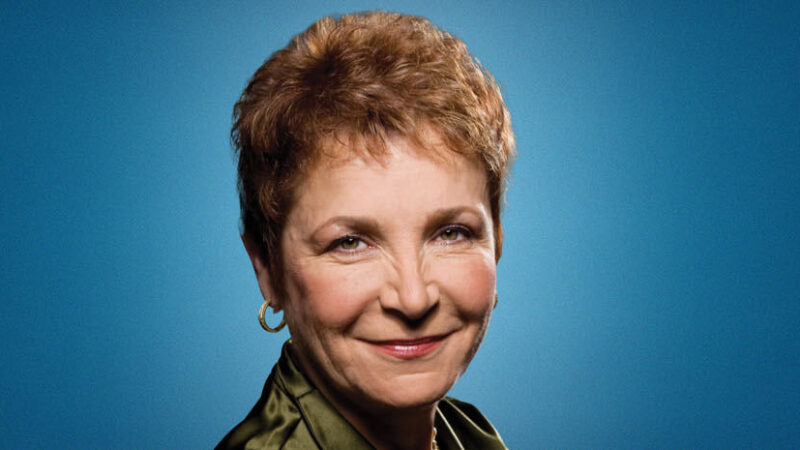
Caroline Myss is an internationally renowned speaker, medical intuitive, mystic, and pioneer in the field of energy medicine. She is the author of five New York Times bestsellers, as well as the Sounds True audio learning programs Energy Anatomy, Sacred Contracts, and Your Creative Soul. In this episode of Insights at the Edge, Tami Simon and Caroline discuss what it means to “heal beyond reason.” They speak on near-death experiences and the nature of the soul. Finally, Tami and Caroline talk about spiritual metamorphosis and the seven graces that can empower a person to live a richer, more authentic life. (56 minutes)

Caroline Myss is a five-time New York Times bestselling author and internationally renowned speaker in the fields of human consciousness, spirituality and mysticism, health, energy medicine, and the science of medical intuition. Her many groundbreaking books include Anatomy of the SpiritSacred ContractsInvisible Acts of Power, and Why People Don’t Heal and How They Can. She holds degrees in journalism, theology, intuition, and energy medicine, and in 2003 established her own educational institute: CMED (Caroline Myss Education). For more information about workshops and seminars with Caroline Myss, please visit myss.com.

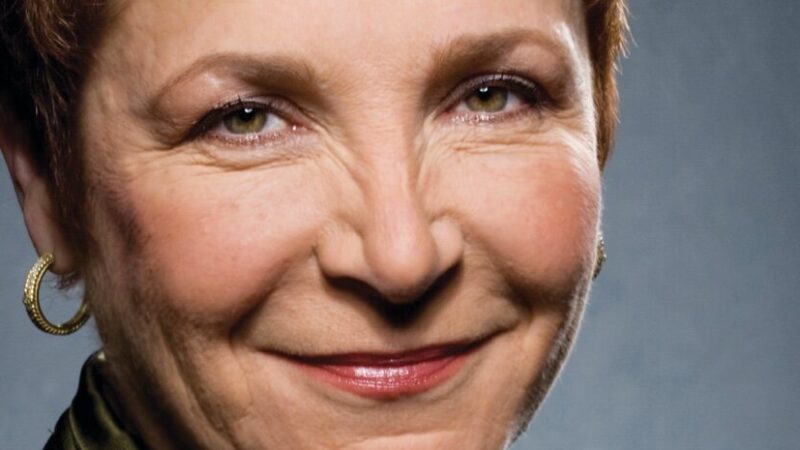
Author photo © David Sutton

600 Podcasts and Counting…

Subscribe to Insights at the Edge to hear all of Tami’s interviews (transcripts available too!), featuring Eckhart Tolle, Caroline Myss, Tara Brach, Jack Kornfield, Adyashanti, and many more.

Meet Your Host: Tami Simon

Founded Sounds True in 1985 as a multimedia publishing house with a mission to disseminate spiritual wisdom. She hosts a popular weekly podcast called Insights at the Edge, where she has interviewed many of today's leading teachers. Tami lives with her wife, Julie M. Kramer, and their two spoodles, Rasberry and Bula, in Boulder, Colorado.

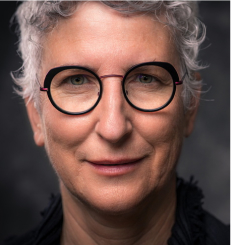
Photo © Jason Elias

Also By Author

Caroline Myss: From the Love of Power to the Power of ...

Few luminaries in modern times have opened the doors to the spiritual dimensions of who we are, why we are here, and how we heal and evolve more profoundly than Caroline Myss. In this podcast, Tami Simon speaks with the longtime Sounds True author and renowned medical intuitive about her new online program, The Way of Guardians and Grace, where Caroline shares for the first time an intimate account of her relationship with unseen allies and the energetic realms they opened to her. 

Listen now as the inimitable Caroline Myss tells us how these turning-point events in her life can inform your own greater path and calling. She and Tami discuss and illuminate: accessing our latent mystical intelligence; forging a partnership with the Divine; how your biography becomes your biology; life—a sacred spiritual adventure; wisdom, faith, love, and light; shifting from the love of power to the power of love; humanity’s collective shadow at this time; cultivating a high-voltage moral conscience; making grace-filled choices; what to pray for (and what not to); turning on your light in service of the world—and keeping it on; and more.

Note: This episode originally aired on Sounds True One, where these special episodes of Insights at the Edge are available to watch live on video and with exclusive access to Q&As with our guests. Learn more at join.soundstrue.com.

Caroline Myss: The Power of Holy Language

Caroline Myss is a five-time New York Times bestselling author and a leading voice in the field of human consciousness, spirituality, mysticism, energy medicine, and the science of medical intuition. A long-time friend of Tami and Sounds True, Caroline has created more than 20 audio learning programs with us. Her latest audio program is called The Power of Holy Language to Change Your Life, which is the topic of this episode of Insights at the Edge. Tami and Caroline talk about how our souls will literally starve without holy language, and how it can both transform us and our understanding of our experiences. They also discuss how prayer, outside of any religious institutions, is the ultimate form of holy language. Finally, Tami and Caroline explore how we can open ourselves to the field of light and grace that is all around us and within us at all times.

Caroline Myss: The Courage to Confront Evil

Caroline Myss is a renowned author, teacher, medical intuitive, and researcher of human consciousness. Her many works include Anatomy of the Spirit, Sacred Contracts, and Why People Don’t Heal and How They Can. A longtime collaborator with Sounds True, Caroline has recently published the audio program The Courage to Confront Evil: The Most Important Challenge of Our Time. In this episode of Insights at the Edge, Tami Simon speaks with Caroline about a subject that’s often divisive: the concept of evil and what we can do to counter it. Caroline defines evil from a number of different angles, emphasizing that it most often arrives when someone intentionally abandons their conscience. Tami and Caroline discuss the existence of both angelic and demonic forces, as well as how the inner workings of the universe are ultimately impersonal. Finally, they consider why looking evil in the face does take considerable courage—a courage we all need to muster during an era of great arrogance and inhumanity.(62 minutes)

You Might Also Enjoy

Trusting the Dawn: How to Choose Freedom After Trauma

Healing after trauma can feel like standing in the dark, unsure if light will return. There may be moments of calm followed by waves of memory or emotion that are hard to make sense of. Many people quietly wonder if life will always carry this weight. Healing does not happen all at once. It unfolds slowly, often through small shifts in awareness, presence, and care.

At Sounds True, we have spent decades sharing transformational teachings from leading spiritual voices, preserving their wisdom in a way that feels real, immediate, and deeply human. Our work supports meaningful inner change, offering guidance that meets you where you are while opening space for healing and growth.

Here, we reflect on healing after trauma through trauma recovery, trusting the dawn, post traumatic growth, and the possibility of freedom after trauma.

Key Takeaways:

  • Healing Pace: Healing after trauma unfolds gradually as the nervous system relearns safety and connection
  • Inner Shift: Trusting the dawn supports trauma recovery by allowing openness without forcing change
  • Growth Potential: Post traumatic growth emerges naturally as freedom after trauma expands your capacity to be present

Discover the Hidden Power of Daily Meditation

Healing After Trauma and Trauma Recovery: Relearning Safety Within

Healing after trauma often begins with a quiet question: is it safe to be here, in this moment? Trauma recovery invites us to stay with that question without rushing to answer it.

Healing is less about becoming someone new and more about returning to what has always been there. Beneath the layers of protection, something in us remains whole. Relearning safety is not about avoiding difficulty, but about meeting our experience with presence.

This shift unfolds in subtle ways: a deeper breath, a softening in the body, a moment without bracing. Trauma recovery grows from these small changes.

Over time, healing after trauma becomes less about changing what we feel and more about how we relate to it, allowing safety to emerge as a lived experience.

Trusting the Dawn in Trauma Recovery: Choosing Hope After Pain

Trusting the dawn reflects a quiet willingness to remain open, even when pain is present. In trauma recovery, this openness can feel uncertain, yet it creates space for something new to emerge.

Trusting the Dawn as a Gentle Willingness

Trusting the dawn begins as a subtle shift, a pause, a breath, a moment of curiosity. It is not about certainty, but about staying present and allowing possibility.

Choosing Hope Without Leaving Ourselves Behind

Hope does not require us to move away from pain. It invites us to hold both pain and tenderness together, creating space for healing after trauma to unfold naturally.

Freedom After Trauma: A Path Toward Post Traumatic Growth

Freedom after trauma is not something we arrive at all at once. It unfolds gradually, often in ways that are quiet and deeply personal. As we move through trauma recovery, our relationship with experience begins to change, and this shift opens the possibility for post traumatic growth.

Redefining Freedom After Trauma

Freedom after trauma does not mean that the past disappears. Memories may still arise. Emotions may still move through the body. What changes is the way we meet these experiences.

There can be a growing sense that we are not completely defined by what has happened. This recognition may feel unfamiliar at first. It may even feel unsettling, especially if identity has been shaped around surviving.

In trauma recovery, freedom emerges as we begin to respond rather than react. There is more space between what we feel and how we move with it. This space allows for choice, and within that choice, a new sense of agency begins to take root.

Post Traumatic Growth as a Natural Unfolding

Post traumatic growth is not something we create through effort. It is something that reveals itself as we make space for our experience.

This growth may appear as a deeper connection to others, a clearer sense of what matters, or a renewed appreciation for life. These shifts do not erase trauma. They exist alongside it, expanding what is possible.

In this way, freedom after trauma is not about leaving the past behind. It is about allowing our lives to become larger than what we have been through.

Post Traumatic Growth and Healing After Trauma: Allowing Meaning to Emerge

There is often a longing to make sense of what has happened. Yet in healing after trauma, meaning is not something we force. It is something that unfolds in its own time.

Letting Meaning Reveal Itself

Post traumatic growth does not follow a predictable path. There may be periods where everything feels unclear or unresolved. In these moments, it can be tempting to search for answers that bring immediate relief.

Trauma recovery invites a different approach. It asks us to stay with the unfolding, even when clarity has not yet arrived. Over time, meaning begins to take shape in ways that feel genuine rather than imposed.

This meaning is often felt rather than explained. It may show up as a quiet sense of alignment or a recognition of what truly matters.

Listening as a Path of Healing

Healing after trauma is supported by a deep form of listening. This listening is not limited to thoughts. It includes sensations, emotions, and subtle shifts in awareness.

As we listen, we begin to notice what brings a sense of ease and what creates contraction. These signals guide us gently, without force.

Post traumatic growth is nurtured through this relationship with our inner world. It grows in the space where we are willing to pay attention and respond with care.

Learn How your Mind Really Works with Sounds True

Trauma Recovery Through Trusting the Dawn: Small Steps Toward Freedom After Trauma

Trauma recovery often unfolds through small, steady movements rather than dramatic change. Trusting the dawn becomes something we live, one moment at a time.

  • Pausing long enough to notice what is happening inside
  • Allowing breath to deepen without trying to control it
  • Recognizing moments of safety, even if they are brief
  • Letting emotions move without needing to resolve them immediately
  • Reaching toward connection when isolation feels familiar
  • Honoring the need for rest and stillness

These simple practices are not separate from healing after trauma. They are the path itself.

Over time, these moments begin to gather. They create a sense of continuity, a feeling that we can remain present with our experience. Freedom after trauma grows from this continuity.

Trusting the dawn becomes less about holding onto hope and more about participating in life as it unfolds. Through this participation, post traumatic growth begins to emerge in ways that feel natural and sustainable.

Trusting the Dawn and Post Traumatic Growth: Living Beyond Survival

Survival is a natural response to overwhelming experience. It protects and helps us endure, yet there comes a time when it no longer needs to carry everything.

Trusting the dawn invites us to sense when there is space for something more, without leaving survival behind. In trauma recovery, this can feel unfamiliar, with moments of ease followed by tension.

Post traumatic growth often appears in these in-between spaces, unfolding as we continue to meet our experience with presence.

Freedom After Trauma and Trauma Recovery: Reclaiming Your Inner Life

Trauma can narrow the field of experience. Attention becomes focused on what feels urgent or threatening. In trauma recovery, this field begins to widen again.

Reclaiming your inner life is part of this widening. It includes reconnecting with curiosity, creativity, and the capacity to rest. These qualities may have been set aside for good reason. Their return is not forced. It is invited.

Healing after trauma supports this invitation by creating space for different aspects of ourselves to come forward. There may be moments of stillness, where nothing needs to be changed. There may be moments of expression, where something new wants to emerge.

Freedom after trauma is not the absence of difficulty. It is the presence of choice within our experience. As this choice becomes more available, we begin to feel less confined by old patterns and more connected to what is alive within us.

Healing After Trauma Through Trusting the Dawn: Opening to Post Traumatic Growth

Healing after trauma invites a quiet openness, even after we have been hurt. Trusting the dawn means meeting each moment without needing certainty.

In trauma recovery, this openness can feel like a risk, yet it is where change begins. Post traumatic growth unfolds naturally within this space.

Freedom after trauma starts with the willingness to stay present, where something within continues to awaken, gently and steadily.

Awaken Your Inner Healing Power with Guided Practices by Sounds True

Final Thoughts

Healing after trauma is an ongoing relationship with yourself, shaped through presence and patience. Trusting the dawn means allowing life to unfold without needing certainty.

Freedom after trauma grows as you expand your capacity to be with what is, and post traumatic growth emerges naturally within that space.

Frequently Asked Questions About Healing After Trauma

What is the difference between healing after trauma and trauma recovery?

Healing after trauma refers to the overall process of reconnecting with yourself and restoring a sense of wholeness. Trauma recovery often focuses more on stabilizing symptoms and building coping capacity. Together, they support both immediate relief and deeper transformation.

Can healing after trauma happen without therapy?

Yes, healing can happen in many ways. While therapy can be deeply supportive, practices like mindfulness, community connection, and self-reflection can also play meaningful roles in trauma recovery. Many people benefit from a combination of approaches.

Why does healing after trauma take so long?

Trauma impacts the nervous system, not just thoughts or memories. Because of this, healing unfolds gradually as the body relearns safety. Time allows integration, which cannot be rushed without creating additional stress.

Is it normal to feel worse before feeling better in trauma recovery?

Yes, this can happen. As awareness grows, previously suppressed emotions may surface. This does not mean you are moving backward. It often reflects that your system feels safe enough to process what was once overwhelming.

What does trusting the dawn mean in practical terms?

Trusting the dawn means allowing for the possibility of change without forcing it. Practically, it can look like staying present during discomfort, noticing small moments of ease, and remaining open to new experiences.

Can post traumatic growth happen to everyone?

Post traumatic growth is possible, but it is not something to pressure or expect in a specific way. It tends to arise when there is enough support, space, and willingness to engage with one’s experience over time.

How do I know if I am experiencing freedom after trauma?

Freedom after trauma often feels like having more choice in how you respond. You may notice less reactivity, greater emotional range, and an increased ability to stay present even during challenging moments.

What role does the body play in trauma recovery?

The body plays a central role. Trauma is stored in the nervous system, so physical awareness, breath, and gentle movement can support healing in ways that thinking alone cannot.

Is it possible to heal after trauma without remembering everything?

Yes. Healing does not require recalling every detail. It focuses more on how the body and mind respond in the present, and how those responses can shift toward greater ease and stability.

How can I support someone else in their healing after trauma?

Offer presence rather than solutions. Listening without trying to fix, respecting their pace, and creating a sense of safety can be more supportive than giving advice.

Michelle Cassandra Johnson is an author, activist, spiritual teacher, racial equity consultant, and intuitive healer. She is the author of six books, including Skill in Action and Finding Refuge. Amy Burtaine is a leadership coach and racial equity trainer. With Robin DiAngelo, she is the coauthor of The Facilitator's Guide for White Affinity Groups. For more, visit https://www.michellecjohnson.com/wisdom-of-the-hive.

Gary Kraftsow on Viniyoga: Why One-Size-Fits-All Yoga ...

Yoga is often taught in a uniform way, with everyone following the same sequence and pace. While this can be helpful for structure, it does not always reflect what each person truly needs. Bodies, energy levels, and life experiences vary, and a single approach cannot account for all of that. Viniyoga offers a different path by focusing on adaptation. Through personalized yoga and breath centric awareness, the practice becomes more responsive and supportive.

We have spent decades sharing the voices of respected teachers and preserving their wisdom in its original, lived form. Our growing library of teachings reflects a commitment to meaningful transformation. Gary Kraftsow’s work in viniyoga and yoga therapy is part of this tradition, offering a practical and thoughtful approach to practice.

Here, we look at Gary Kraftsow’s perspective on viniyoga and why one-size-fits-all yoga does not work.

Key Takeaways:

  • Adaptation Matters: Viniyoga emphasizes tailoring yoga practices to individual needs rather than following a fixed sequence.
  • Breath as a Guide: Breath centric yoga supports awareness, pacing, and overall well-being within each practice.
  • Therapeutic Value: Yoga therapy rooted in viniyoga offers a practical way to support healing and long-term balance.

Awaken Your Inner Healing Power with Guided Practices by Sounds True

Gary Kraftsow on Viniyoga and the Power of Personalized Yoga

Gary Kraftsow’s teaching on viniyoga centers on a simple idea. Yoga should serve the individual, not the other way around. Personalized yoga is not a trend but a core principle, adapting to each person’s needs, condition, and intention.

Viniyoga honors individual differences by meeting practitioners where they are, creating a more accessible and supportive practice. It shifts the focus away from achieving ideal forms and toward building a meaningful, sustainable relationship with oneself.

What Is Viniyoga and How It Supports Breath Centric Yoga Practices

Viniyoga offers a framework that feels both structured and flexible. It provides clear principles while allowing space for adaptation. Breath centric yoga is central to this framework, shaping how each movement is approached and experienced.

The Meaning and Origins of Viniyoga

The word viniyoga points to appropriate application. This idea reflects a deeper understanding that yoga is not static. It is responsive. In this tradition, the teacher observes and listens before offering guidance. Practices are not prescribed in a generic way. They are developed with attention to the individual’s condition and intention.

This approach draws from a lineage that values direct transmission and lived wisdom. It emphasizes the importance of experience over performance. Practitioners are encouraged to develop awareness and to refine their practice gradually. Over time, this creates a sense of trust in one’s own process.

Breath as the Center of Practice

Breath centric yoga shapes the rhythm of viniyoga practice. Movement is guided by the breath, creating a steady and intentional flow. This connection supports both physical ease and mental clarity.

When breath leads, the practitioner gains immediate feedback. A smooth and steady breath suggests that the practice is appropriate. Strain or irregularity signals the need to adjust. This simple awareness helps prevent overexertion and supports sustainability.

Beyond physical movement, breath also influences the nervous system. Gentle, mindful breathing can calm the body, while more active patterns can bring energy and focus. In viniyoga, this relationship is used thoughtfully to support overall well-being.

Why One-Size-Fits-All Yoga Does Not Align with Viniyoga Principles

In many contemporary settings, yoga is offered in a standardized format. While this can make classes widely accessible, it often overlooks the complexity of individual experience. Viniyoga offers a different perspective, one that places adaptation at the center of practice.

The Limits of Standardized Yoga Classes

Group classes often follow a fixed sequence. This structure can be helpful for teaching large numbers of people, yet it leaves little room for individual variation. Students may feel encouraged to keep pace with the group, even when their bodies suggest otherwise.

Over time, this can create a disconnect. The practice may feel less supportive and more demanding. For some, it leads to discomfort or injury. For others, it creates a subtle sense of frustration when the practice does not align with their needs.

Individual Needs and Conditions Matter

Every practitioner brings a unique set of circumstances. These may include physical limitations, health concerns, or emotional stress. Viniyoga recognizes these factors as essential to the practice, not separate from it.

By acknowledging individual needs, yoga becomes more inclusive and responsive. The practice shifts from a generalized routine to a meaningful experience that supports the whole person. This approach allows practitioners to engage more fully and to experience the benefits of yoga in a way that feels relevant to their lives.

The Foundation of Breath Centric Yoga in Viniyoga Teaching

Breath centric yoga serves as a bridge between physical movement and inner awareness. In viniyoga, this connection is cultivated with care and intention. It supports a practice that feels grounded and adaptable.

Linking Breath and Movement

The coordination of breath and movement creates a natural pacing. Each action is supported by inhalation or exhalation, allowing the body to move with greater ease. This reduces strain and encourages fluidity.

This connection also helps maintain focus. Rather than moving mechanically, the practitioner remains engaged in each moment. The practice becomes a continuous flow of attention and awareness.

Breath as a Tool for Regulation

Breath offers a direct pathway to influence the nervous system. In Viniyoga, specific breathing patterns are used to support different outcomes. A longer exhale can encourage relaxation, while a fuller inhale can bring alertness.

This adaptability makes breath centric yoga especially valuable in addressing stress and imbalance. It provides a simple yet effective way to shift internal states. Over time, practitioners learn how to use breath as a resource both on and off the mat.

Discover the Hidden Power of Daily Meditation

How Gary Kraftsow Uses Yoga Therapy to Support Individual Needs

Yoga therapy extends the principles of viniyoga into a more focused and supportive context. Gary Kraftsow’s approach reflects a deep respect for the individuality of each person and the complexity of their experience.

  • Each process begins with careful listening and observation. Understanding the individual’s condition, lifestyle, and goals provides a clear foundation for practice.
  • Practices are designed to be simple and accessible. They often include gentle movement, breathwork, and moments of reflection. This makes them easier to sustain over time.
  • Adaptation remains central. As the individual’s condition evolves, the practice is refined to remain supportive and effective.
  • Education is woven into the process. Individuals learn how to interpret their own experience and make adjustments as needed. This builds confidence and self-awareness.
  • Integration into daily life is emphasized. The goal is not to create a separate activity but to support well-being in a way that fits naturally into everyday routines.

Through yoga therapy, viniyoga becomes a practical tool for healing. It addresses not only physical concerns but also emotional and mental well-being.

This approach also shifts the role of the teacher. Rather than directing from a fixed plan, the teacher becomes a partner in the process. Together, they explore what supports balance and growth, creating a more collaborative and empowering experience.

Personalized Yoga and the Role of Viniyoga in Healing Practices

Personalized yoga invites a more compassionate relationship with practice. Instead of striving toward an external ideal, attention turns inward. What does the body need today? What kind of support feels appropriate? These questions guide the process.

Viniyoga provides a structure for this kind of inquiry. It encourages practitioners to move with awareness and to adjust based on real-time feedback. This creates a sense of safety, which is essential for healing.

For individuals working with injury or ongoing health concerns, this approach can be especially meaningful. It allows them to participate in yoga without pressure or comparison. The practice becomes a space for restoration and gradual progress.

Over time, personalized yoga supports not only physical healing but also a deeper sense of connection. Practitioners begin to trust their own experience and to engage with greater clarity and ease.

Adapting Viniyoga and Yoga Therapy for Different Individuals

One of the defining qualities of viniyoga is its adaptability. This flexibility allows it to serve a wide range of individuals, each with their own needs and circumstances.

A younger practitioner seeking strength and focus may work with more dynamic movement and energizing breath. An older adult may benefit from slower pacing and supportive postures. Someone recovering from illness may begin with very simple practices that emphasize breath and gentle movement.

Even within the same individual, needs can shift from day to day. Viniyoga acknowledges this fluidity and encourages ongoing adjustment. The practice remains responsive rather than fixed.

This adaptability reflects a broader understanding of yoga as a living tradition. It evolves with the practitioner, offering support at each stage of life. In this way, yoga therapy and viniyoga remain accessible, relevant, and deeply supportive.

The Growing Relevance of Breath Centric and Personalized Yoga Today

As more people seek practices that support both body and mind, viniyoga continues to feel relevant. Breath centric and personalized yoga offer a steady alternative to fast-paced, performance-driven approaches.

By honoring individual experience, viniyoga provides a structured yet adaptable path. Gary Kraftsow’s teaching reflects this through listening, breath, and thoughtful adaptation, supporting lasting transformation.

Learn How your Mind Really Works with Sounds True

Final Thoughts

Gary Kraftsow’s teaching on viniyoga points back to an essential truth. Yoga is most effective when it adapts to the individual. Through personalized yoga, breath centric practice, and the supportive framework of yoga therapy, the practice becomes more accessible and meaningful.

Viniyoga offers a way to move with awareness, respond to change, and engage in a practice that supports the whole person over time.

Frequently Asked Questions About Viniyoga and Personalized Yoga

What makes Viniyoga different from other yoga styles

Viniyoga focuses on adapting the practice to the individual rather than following a fixed sequence. It prioritizes function, intention, and personal context over form.

Is Viniyoga suitable for beginners?

Yes, Viniyoga is often well-suited for beginners because it starts with the individual’s current ability and builds gradually with simple, accessible practices.

How does Viniyoga relate to yoga therapy?

Viniyoga provides the foundation for many yoga therapy approaches. Its emphasis on adaptation and breath makes it effective for addressing specific health concerns.

Can Viniyoga be practiced at home without a teacher

While guidance is helpful, many viniyoga practices are designed to be simple and repeatable, making them accessible for home practice once learned.

What role does intention play in Viniyoga

Intention helps shape the direction of the practice. Whether the goal is relaxation, strength, or healing, the practice is designed to support that purpose.

Is breath centric yoga difficult to learn

Breath centric yoga is approachable, though it may feel unfamiliar at first. With practice, coordinating breath and movement becomes more natural.

How often should someone practice Viniyoga

Consistency matters more than duration. Even short, regular sessions can be effective when the practice is tailored to the individual.

Can Viniyoga support mental and emotional well-being

Yes, Viniyoga incorporates breath and mindful awareness, which can help regulate stress and support emotional balance.

Do you need flexibility to practice Viniyoga

No, flexibility is not a requirement. Practices are adapted to each individual, making yoga accessible regardless of physical ability.

How does personalized yoga change over time

As the individual’s needs and conditions shift, the practice evolves. This ensures that it remains supportive and relevant over time.

Michelle Cassandra Johnson is an author, activist, spiritual teacher, racial equity consultant, and intuitive healer. She is the author of six books, including Skill in Action and Finding Refuge. Amy Burtaine is a leadership coach and racial equity trainer. With Robin DiAngelo, she is the coauthor of The Facilitator's Guide for White Affinity Groups. For more, visit https://www.michellecjohnson.com/wisdom-of-the-hive.

Beryl Bender Birch on Yoga for Veterans: Healing Traum...

What does it mean to feel at home in your body again after trauma? For many veterans, the return to everyday life can include tension, restlessness, and a sense of disconnection that lingers beneath the surface. Yoga offers a steady, accessible way to reconnect through movement and breath, creating space to notice what is present and allowing the body to gradually soften its patterns of stress.

At Sounds True, we have spent decades sharing transformational teachings from trusted voices in healing and spirituality. Through conversations with teachers like Beryl Bender Birch, we bring forward practices that support real change, grounded in lived experience and authentic wisdom.

Here, we look at Beryl Bender Birch’s perspective on yoga for veterans, and how movement, breath, and awareness support trauma healing and emotional balance.

Key Takeaways:

  • Body Awareness: Yoga for veterans helps reconnect with the body, supporting regulation and reducing the impact of trauma responses over time.
  • Breath as Support: Ujjayi breathing anxiety techniques offer a steady way to calm the nervous system and manage stress in daily life.
  • Consistent Practice: Veterans healing yoga builds resilience through simple, repeatable practices that encourage long-term healing and presence.

Learn How your Mind Really Works with Sounds True

Yoga for Veterans: A Path to Yoga Trauma Healing Through Movement

What happens when the body holds experiences words cannot express? For many veterans, life after service includes lingering tension and vigilance that do not easily fade. At Sounds True, we share teachings that support real transformation, and Beryl Bender Birch’s approach to yoga for veterans reflects this. Her work invites a return to the body through movement and breath, not as a task, but as a relationship.

Yoga trauma healing begins by shifting from doing to listening. Movements are steady, with space to notice sensation without judgment. This helps the nervous system begin to soften. In this practice, healing is not a destination but a gradual return to steadiness. With consistency and care, veterans healing yoga supports small, meaningful shifts where the body can begin to feel safe again.

Beryl Bender Birch on Yoga, PTSD, and Veterans Healing Yoga

Beryl Bender Birch approaches yoga PTSD with a focus on meeting the body where it is. Her teaching centers on awareness, breath, and steady movement as ways to support healing without pressure or force.

Yoga PTSD as a Whole-Body Experience

PTSD often shows up in the body through tension, shallow breathing, and constant alertness. Yoga for veterans works directly with these patterns by bringing attention to movement and sensation, supporting gradual regulation.

Veterans Healing Yoga as a Supportive Practice

Veterans healing yoga emphasizes choice, simplicity, and consistency. By allowing space to move at an individual pace, the practice helps rebuild trust in the body and creates a foundation for ongoing healing.

Understanding Yoga Trauma Healing and PTSD in Veterans

To appreciate the role of yoga trauma healing, it is important to understand how trauma influences the body and mind. Veterans often carry adaptive responses that were necessary in high-stress environments but can feel overwhelming in daily life.

How Trauma Lives in the Body

Trauma can alter the body’s baseline state. The nervous system may remain in a heightened state of alertness, ready to respond to perceived threats. This can affect sleep, digestion, and overall well-being. These responses are not signs of dysfunction. They reflect the body’s intelligence in protecting itself.

Yoga PTSD practices meet these responses with patience. Slow, deliberate movement helps the body transition from constant activation toward a more regulated state. The emphasis is not on forcing relaxation but on creating conditions where it can arise naturally.

The Role of Awareness in Yoga Trauma Healing

Awareness is at the heart of yoga trauma healing. By bringing attention to breath and sensation, veterans can begin to notice patterns that previously felt automatic. This awareness creates space for choice.

For example, recognizing a moment of tension in the shoulders can become an invitation to soften. Not through force, but through gentle attention. Over time, these small shifts support a broader sense of self-regulation. The practice becomes a way to stay connected, even in challenging moments.

Ujjayi Breathing Anxiety Relief in Yoga for Veterans

Breath is one of the most accessible tools in yoga for veterans. Beryl Bender Birch places particular emphasis on ujjayi breathing anxiety techniques as a way to support nervous system balance.

What Is Ujjayi Breathing

Ujjayi breathing involves a subtle constriction at the back of the throat, creating a soft, steady sound with each inhale and exhale. This sound provides a focal point for attention, making it easier to stay present.

For veterans, this technique offers structure. The breath becomes something that can be followed, moment by moment. It is not about controlling the breath perfectly, but about developing a consistent rhythm that feels supportive.

Ujjayi Breathing Anxiety and Emotional Regulation

Ujjayi breathing anxiety practices can help shift the body out of a heightened stress response. As the breath slows and deepens, signals are sent to the nervous system that it is safe to relax.

This process takes time. Birch encourages practitioners to approach the breath with patience and curiosity. Even a few cycles of steady breathing can create a noticeable shift. Over time, the breath becomes a reliable anchor, something that can be returned to in moments of uncertainty or overwhelm.

Awaken Your Inner Healing Power with Guided Practices by Sounds True

Veterans Healing Yoga: Supporting Recovery from Yoga PTSD

Veterans healing yoga offers practical ways to engage with yoga for PTSD in a supportive and sustainable manner. The emphasis is on creating a practice that feels accessible and meaningful.

  • Consistent practice helps the body recognize patterns of safety. Repetition allows the nervous system to gradually shift toward regulation.
  • Simple movements reduce the likelihood of overwhelm. Focusing on foundational postures creates a sense of familiarity and ease.
  • Personal choice is always respected. Veterans are encouraged to modify or pause, reinforcing a sense of control and agency.
  • Practicing in the community can provide a connection. Sharing space with others who understand similar experiences can feel grounding.
  • Breath practices, such as ujjayi breathing, and anxiety techniques offer a steady point of focus throughout the session.

These elements work together to create a practice that supports healing without pressure. Yoga trauma healing is not about dramatic breakthroughs. It is about steady, compassionate engagement with the body and breath.

In this way, the practice becomes something that can be returned to again and again. Each session builds on the last, creating a foundation of stability that extends beyond the mat.

Yoga for Veterans and PTSD: The Power of Yoga Trauma Healing

Yoga for veterans living with PTSD offers an opportunity to experience the body differently. Instead of being a source of tension or discomfort, the body can become a place of awareness and presence.

Birch speaks to the importance of allowing this shift to happen gradually. There is no need to rush the process. Each moment of connection, no matter how small, contributes to a larger sense of change. Yoga trauma healing supports this by creating space for both effort and rest.

Over time, veterans may begin to notice that they can stay present for longer periods. The breath feels steadier. The body feels more responsive. These changes reflect a deeper level of integration, where past experiences are no longer as overwhelming in the present moment.

Ujjayi Breathing Anxiety Techniques in Veterans Healing Yoga

Within veterans healing yoga, ujjayi breathing anxiety techniques serve as a bridge between movement and stillness. The breath connects each posture, creating continuity throughout the practice.

Birch encourages practitioners to listen to the sound of their breath as a way of staying grounded. This listening is not passive. It is an active engagement with the present moment. The breath becomes a companion, something that is always available.

In moments of stress, returning to this familiar rhythm can provide a sense of stability. It does not remove the experience, but it changes how it is held. There is more space, more awareness, and a greater capacity to remain present.

Integrating Yoga for Veterans, Yoga PTSD, and Trauma Healing into Daily Life

The teachings of yoga for veterans extend beyond structured practice. Birch emphasizes the importance of integrating these tools into everyday life in ways that feel natural and sustainable.

This might look like pausing for a few breaths before responding to a challenging situation. It might be noticing the sensation of the feet on the ground while walking. These small moments of awareness reinforce the connection between body and mind.

Yoga, PTSD, and yoga trauma healing become part of how veterans relate to themselves and their surroundings. The practice supports a shift from constant vigilance toward a more balanced state of being. In this ongoing process, veterans healing yoga offers not only tools for recovery but also a pathway toward greater presence, resilience, and connection.

Discover the Hidden Power of Daily Meditation

Final Thoughts

Healing unfolds through small, steady shifts. Yoga for veterans offers a way to reconnect with the body through movement, breath, and awareness, without pressure to perform or change quickly.

Practices like ujjayi breathing, anxiety techniques, and gentle movement support yoga trauma healing over time. For those living with yoga PTSD, each moment of presence becomes part of rebuilding trust, creating a path toward greater balance, resilience, and connection.

Frequently Asked Questions About Yoga for Veterans

What type of yoga is best for veterans with PTSD?

Gentle and trauma-informed yoga styles are often most supportive. Practices that focus on slow movement, breath awareness, and choice help reduce overwhelm and support a sense of safety.

Can yoga for veterans be practiced without prior experience?

Yes, yoga for veterans is accessible to beginners. Many programs are designed with simplicity in mind, allowing participants to start with basic movements and build confidence gradually.

How often should veterans practice yoga for noticeable benefits?

Consistency matters more than duration. Even short, regular sessions a few times a week can support gradual shifts in physical and emotional well-being.

Is yoga a replacement for therapy in treating PTSD?

Yoga is not a replacement for therapy, but it can be a supportive complement. It works alongside other approaches by addressing the body’s role in stress and recovery.

Are there specific programs designed for veterans healing yoga?

Yes, many organizations offer classes specifically tailored to veterans. These programs are often trauma-informed and led by instructors trained to work with PTSD.

Can yoga help improve sleep for veterans?

Regular practice may support better sleep by calming the nervous system and reducing physical tension, which are common challenges for veterans experiencing stress.

Is Ujjayi breathing safe for everyone?

Ujjayi breathing is generally safe when practiced gently. It should feel comfortable and natural. If dizziness or discomfort arises, it is best to return to normal breathing.

What should veterans expect in their first yoga session?

A typical session may include simple movements, guided breathing, and moments of rest. There is usually an emphasis on moving at a personal pace without pressure.

Can yoga trauma healing be done at home?

Yes, many aspects of yoga trauma healing can be practiced at home. Starting with short sessions and simple techniques can help create a consistent routine.

How long does it take to feel the effects of yoga for veterans?

Some may notice subtle changes after a few sessions, while deeper shifts often develop over time. The process varies for each individual and unfolds gradually.

Michelle Cassandra Johnson is an author, activist, spiritual teacher, racial equity consultant, and intuitive healer. She is the author of six books, including Skill in Action and Finding Refuge. Amy Burtaine is a leadership coach and racial equity trainer. With Robin DiAngelo, she is the coauthor of The Facilitator's Guide for White Affinity Groups. For more, visit https://www.michellecjohnson.com/wisdom-of-the-hive.

>
Share via
Copy link
Powered by Social Snap