
David Brooks: Perception Is an Act of Creation

December 30, 2025

David Brooks: Perception Is an Act of Creation

December 30, 2025

What does it mean to truly see another person—not just their surface, but their soul, their yearning, their infinite dignity?

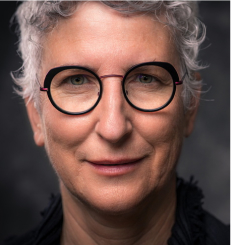
This week, Tami speaks with David Brooks—acclaimed New York Times columnist, author, and PBS NewsHour commentator—about his remarkable journey from emotional guardedness to what he calls “heart vision.” In this profound interview on Insights at the Edge, David shares the mystical experiences that transformed his understanding of human connection, including a pivotal moment in a New York subway when he suddenly perceived everyone around him as souls in motion.

Join Tami and David to explore:

  • David’s emotional awakening and the journey from cerebral detachment to human vulnerability
  • The distinction between diminishers and illuminators—and how we see others
  • Why attention is the ultimate form of generosity and morality
  • The difference between heart intelligence and mental intelligence
  • How perception itself is an act of creation, not passive observation
  • Practical skills for seeing others deeply: the on/off switch of attention, being a loud listener, and avoiding the topper trap
  • Why he identifies as a religious rather than a spiritual person
  • The moral order of the universe and how our yearnings reflect something woven into reality itself
  • How rupture and repair shape us—and why staying in pain can be necessary for growth

David’s wisdom reminds us that in a world increasingly dominated by data and algorithms, the art of truly seeing another human being remains our most sacred—and most practical—capacity.

Listen now to discover how cultivating the illuminator’s gaze can transform every relationship in your life.

This conversation offers genuine transmission—not just concepts about awakening, but the palpable presence of realized teachers exploring the growing edge of spiritual understanding together. Originally aired on Sounds True One.
600 Podcasts and Counting…

Subscribe to Insights at the Edge to hear all of Tami’s interviews (transcripts available too!), featuring Eckhart Tolle, Caroline Myss, Tara Brach, Jack Kornfield, Adyashanti, and many more.

Meet Your Host: Tami Simon

Founded Sounds True in 1985 as a multimedia publishing house with a mission to disseminate spiritual wisdom. She hosts a popular weekly podcast called Insights at the Edge, where she has interviewed many of today's leading teachers. Tami lives with her wife, Julie M. Kramer, and their two spoodles, Rasberry and Bula, in Boulder, Colorado.

Photo © Jason Elias

Also By Author

No Author Available

No other posts by author

You Might Also Enjoy

Serene older woman in nature with hand on heart

What does it mean to listen to the soul when it feels most exposed? In Marion Woodman’s teachings, moments of vulnerability are not interruptions but invitations to pay attention. Soul vulnerability often shows up through the body, through emotion, or through a quiet sense that something within us is asking to be heard. When we stay present, these experiences begin to reveal deeper meaning through the Jungian feminine, aging wisdom, and Jungian psychology depth.

For decades, we have been devoted to sharing the living wisdom of transformative teachers, preserving their voices in ways that remain true to their depth and presence. Our work brings forward teachings from leading spiritual visionaries, offering guidance that supports inner growth, emotional honesty, and a more embodied way of being .

Here, we look at Marion Woodman on the soul’s vulnerability and how listening to our deepest wisdom can guide a more grounded and aware life.

Key Takeaways:

  • Embodied Wisdom: Soul vulnerability reveals insight through the body, emotions, and inner experience.
  • Feminine Awareness: The Jungian feminine supports deeper listening, intuition, and connection to the psyche.
  • Aging Insight: Aging wisdom deepens reflection and helps integrate life experiences with greater clarity.

Discover the Hidden Power of Daily Meditation

Marion Woodman on Soul Vulnerability, Jungian Feminine, Aging Wisdom, and Jungian Psychology Depth

What does it mean to truly listen to the soul, especially in moments when we feel most exposed or uncertain? In the teachings of Marion Woodman, soul vulnerability is not something to avoid or overcome. It is a vital expression of the psyche asking for our attention. At Sounds True, we have long been devoted to sharing living wisdom in the authentic voices of transformative teachers, preserving insights that invite us into deeper presence and self-understanding. Woodman’s work within Jungian psychology offers a compassionate and embodied path toward this kind of listening. She reminds us that the Jungian feminine lives not in abstraction but in the body, in feeling, and in the rhythms of lived experience. As we grow and change, aging wisdom begins to shape how we meet our vulnerability. Rather than turning away, we are invited to stay, to sense, and to trust that something meaningful is unfolding within us.

Understanding Soul Vulnerability Through Jungian Feminine, Aging Wisdom, and Jungian Psychology Depth

Soul vulnerability often appears at the edges of our comfort. It may arise through loss, illness, transition, or moments when our usual ways of coping no longer hold. Within Jungian psychology, these moments are not seen as failures. They are invitations into a deeper relationship with the psyche.

Soul Vulnerability as an Opening to the Jungian Feminine

The Jungian feminine speaks in a language that is often quiet and symbolic. It is present in dreams, in bodily sensations, and in the subtle shifts of emotion that move through us. When we allow ourselves to experience soul vulnerability, we begin to soften the barriers that keep us disconnected from this inner voice. Woodman taught that the body is not separate from the psyche. It carries memory, truth, and intelligence. When we listen closely, we begin to recognize how the Jungian feminine guides us toward wholeness through feeling and presence rather than force or control.

Aging Wisdom and the Deepening of Jungian Psychology Depth

With time, our relationship to vulnerability changes. Aging wisdom brings perspective, allowing us to see how earlier experiences have shaped our inner life. Within Jungian psychology, this is part of the individuation process, a gradual unfolding of the self. Soul vulnerability becomes less overwhelming and more meaningful. We begin to trust that even difficult experiences carry insight. This trust does not remove pain, but it creates space for reflection and integration.

Soul Vulnerability and the Jungian Feminine in Aging Wisdom and Jungian Psychology Depth

As these elements come together, we begin to sense a different way of being with ourselves. There is less urgency to fix and more willingness to understand.

The Body as a Guide in Soul Vulnerability

Woodman’s work consistently returns to the body as a source of wisdom. Physical sensations, fatigue, or tension can reflect deeper emotional truths. When we approach these experiences with curiosity, we open a pathway into soul vulnerability. The Jungian feminine supports this process by inviting us to feel rather than analyze. Aging wisdom allows us to recognize patterns and respond with greater care. Over time, we learn that the body is not an obstacle but a guide.

Integrating Experience Through Jungian Psychology Depth

Integration within Jungian psychology depth involves holding complexity. We are not asked to eliminate contradiction but to remain present with it. Soul vulnerability allows us to acknowledge both strength and fragility. The Jungian feminine encourages us to stay connected to our inner experience, while aging wisdom reminds us that understanding unfolds gradually. This integration creates a sense of groundedness that supports authentic living.

Exploring Soul Vulnerability, Jungian Feminine, Aging Wisdom, and Jungian Psychology Depth

There is a natural rhythm to inner work that cannot be rushed. Woodman’s teachings invite us to honor that rhythm and to trust the unfolding process of the psyche.

The Role of Relationship in Soul Vulnerability

Relationships often bring our vulnerability into focus. They reflect aspects of ourselves that may remain hidden when we are alone. Through connection, we encounter both our capacity for love and our fears of being seen. The Jungian feminine encourages openness in these moments, while aging wisdom helps us respond with patience and understanding. Within Jungian psychology, depth and relationships are understood as essential to growth, offering mirrors that reveal where healing is needed.

Trusting the Unfolding of the Psyche

The psyche moves in cycles rather than straight lines. There are times of clarity and times of uncertainty. Soul vulnerability is part of this movement. The Jungian feminine invites us to remain present with what is emerging, even when it feels unclear. Aging wisdom supports a longer view, helping us recognize that meaning often appears over time. Within Jungian psychology, this unfolding is part of becoming more fully ourselves.

Learn How your Mind Really Works with Sounds True

The Jungian Feminine, Soul Vulnerability, Aging Wisdom, and Jungian Psychology Depth in Practice

Bringing these insights into daily life can begin with small, intentional shifts in attention. We do not need to change everything at once. We can begin by listening more closely.

  • Take time for quiet reflection each day, allowing space for inner awareness to arise naturally
  • Notice bodily sensations without judgment, recognizing them as expressions of the psyche
  • Record dreams or images that stay with you, honoring their symbolic meaning
  • Engage in creative practices that allow feeling and imagination to take form
  • Reflect on life experiences and how they have contributed to your growing aging wisdom

These practices are gentle invitations. They support a relationship with soul vulnerability that is rooted in care rather than pressure. Over time, they help cultivate a deeper connection to the Jungian feminine and the insights of Jungian psychology depth.

Aging Wisdom, Soul Vulnerability, Jungian Feminine, and Jungian Psychology Depth in Inner Work

Inner work asks for honesty and patience. It is not always comfortable, yet it is deeply meaningful. Aging wisdom brings a willingness to reflect rather than react. Soul vulnerability becomes a guide, pointing toward areas that call for attention. The Jungian feminine supports a compassionate approach, one that honors both the body and the emotions that arise. Within the depth of Jungian psychology, this work is essential to individuation. It invites us to engage with unconscious material and bring it into awareness. As we do so, we begin to experience a sense of coherence within ourselves. We are no longer divided between what we show and what we hide. Instead, we move toward a more integrated way of being.

Soul Vulnerability and Aging Wisdom Through the Lens of Jungian Feminine and Jungian Psychology Depth

As we continue to listen to the soul, vulnerability begins to feel less threatening. It becomes a source of guidance. Aging wisdom allows us to recognize patterns and approach them with greater openness. The Jungian feminine deepens our connection to feeling and intuition, helping us navigate the complexities of inner life. Within Jungian psychology, this transformation reflects a growing relationship with the self. Soul vulnerability is no longer something to resist. It is something to honor.

Integrating Soul Vulnerability, Jungian Feminine, Aging Wisdom, and Jungian Psychology Depth

Integration is a living process that unfolds over time. It asks for attention, patience, and a willingness to remain open. Soul vulnerability remains at the center, inviting us to stay connected to our experience. The Jungian feminine offers a way of understanding the body, emotion, and imagination as sources of wisdom. Aging wisdom deepens our capacity to reflect and integrate what we have lived. Within Jungian psychology depth, this movement toward wholeness is ongoing. As we continue to listen, we begin to sense a quiet alignment within ourselves. It is not something we force. It emerges through presence, through care, and through a growing trust in the intelligence of the soul.

Awaken Your Inner Healing Power with Guided Practices by Sounds True

Final Thoughts

Soul vulnerability invites us to stay present with our inner experience, even when it feels uncertain. Through the lens of the Jungian feminine, aging wisdom, and Jungian psychology depth, we begin to recognize this vulnerability as a source of insight rather than something to overcome.

Over time, this way of listening deepens our connection to ourselves, shaping a more grounded and attentive way of being.

Frequently Asked Questions About Marion Woodman and Soul Vulnerability

What is Marion Woodman best known for in spiritual psychology?

Marion Woodman is known for her work in analytical psychology, particularly her focus on embodiment, the feminine psyche, and the relationship between psyche and soma.

How does Marion Woodman define the soul in her teachings?

She often describes the soul as a living presence expressed through the body, dreams, and emotions rather than something abstract or separate from daily life.

What role does the body play in Jungian psychology depth?

The body is seen as an essential messenger of the unconscious, offering signals that reflect deeper psychological and emotional realities.

How is the Jungian feminine different from traditional ideas of femininity?

The Jungian feminine refers to an archetypal energy present in all people, emphasizing receptivity, intuition, and connection to inner life rather than gender roles.

Why is aging wisdom important in inner development?

Aging wisdom brings perspective, helping individuals reflect on life experiences and integrate lessons that support emotional and spiritual maturity.

How can someone begin studying Jungian psychology depth?

Many begin through books, guided courses, therapy, or lectures that introduce core concepts like archetypes, dreams, and the unconscious.

What makes Marion Woodman’s teachings relevant today?

Her emphasis on embodiment and emotional honesty resonates in a time when many feel disconnected from their inner lives and physical experience.

Can soul vulnerability support creative expression?

Yes, being open to vulnerability often allows deeper emotional material to surface, which can enrich creative practices like writing, art, or movement.

How do dreams relate to soul vulnerability?

Dreams can reveal hidden emotions and symbolic messages, offering insight into areas where the psyche seeks attention or healing.

Is Jungian psychology’s depth connected to spiritual practice?

While rooted in psychology, it often intersects with spirituality by addressing meaning, purpose, and the experience of the inner self.

Michelle Cassandra Johnson is an author, activist, spiritual teacher, racial equity consultant, and intuitive healer. She is the author of six books, including Skill in Action and Finding Refuge. Amy Burtaine is a leadership coach and racial equity trainer. With Robin DiAngelo, she is the coauthor of The Facilitator's Guide for White Affinity Groups. For more, visit https://www.michellecjohnson.com/wisdom-of-the-hive.

Mirabai Starr on Ordinary Mysticism: Finding the Sacre...

What if the sacred is not something distant, but something quietly present in everyday life? Ordinary mysticism invites us to notice moments of connection, stillness, and even challenge as meaningful. Through Mirabai Starr’s perspective, mysticism spirituality becomes simple and human, grounded in awareness and the experience of being fully present.

We have spent decades sharing the voices of trusted spiritual teachers and preserving their teachings in their most authentic form. Our work centers on offering living wisdom that supports real transformation and makes spiritual insight accessible to all.

Here, we look at ordinary mysticism, the everyday sacred, and how mysticism, spirituality, and the dark night soul meaning unfold in daily life.

Key Takeaways:

  • Everyday Sacred: Ordinary moments hold spiritual depth when met with presence and awareness.
  • Mysticism Spirituality: Spiritual experience is lived through connection, not limited to tradition.
  • Inner Transformation: Even the dark night soul’s meaning supports growth and deeper understanding.

Awaken Your Inner Healing Power with Guided Practices by Sounds True

Ordinary Mysticism with Mirabai Starr and Mysticism Spirituality

We share living wisdom through the authentic voices of spiritual teachers. In this conversation with Mirabai Starr, ordinary mysticism is revealed as a lived experience, grounded in presence and found within everyday life.

Ordinary mysticism does not require stepping away from daily responsibilities. It recognizes the sacred within each moment, expressed through connection, reflection, and the natural rhythms of being.

This approach reflects a heart-led, accessible path where spirituality is not distant, but something we experience through awareness, honesty, and presence.

Mirabai Starr on Ordinary Mysticism and the Everyday Sacred

Ordinary mysticism begins by noticing the sacred within everyday life. Mirabai Starr invites a simple shift toward presence and awareness.

Recognizing the Everyday Sacred in Simple Moments

The sacred appears in quiet, ordinary moments when we slow down and pay attention. These experiences reveal depth within daily life.

Letting Go of the Need for Extraordinary Spiritual Experiences

Spiritual life does not depend on dramatic experiences. Ordinary mysticism values presence in what is already here.

Exploring Mysticism Spirituality Through the Everyday Sacred

Mysticism spirituality is often associated with distant traditions or specialized practices. Yet within this conversation, it is presented as something deeply accessible, grounded in the shared human experience of connection and awareness.

Mysticism Spirituality Across Traditions and Teachings

Mirabai Starr draws from a wide range of spiritual lineages, yet her approach remains inclusive and open. Mysticism spirituality is not confined to a single belief system. It is a universal thread that runs through many traditions, pointing toward direct experience of the sacred.

This perspective allows us to engage with teachings in a way that feels personal rather than prescriptive. The focus shifts from adherence to doctrine toward an embodied understanding. What matters is not the form the teaching takes, but the depth of connection it invites.

In this way, mysticism spirituality becomes a bridge. It connects different paths through a shared recognition of presence, love, and awareness. It invites us to honor the diversity of spiritual expression while recognizing the common ground beneath it.

Making the Everyday Sacred a Spiritual Practice

The everyday sacred becomes a form of practice when we bring intention and awareness to our actions. Simple activities begin to take on new depth when approached with presence. Preparing a meal, listening fully to another person, or stepping outside for a moment of stillness can all become expressions of ordinary mysticism.

This kind of practice does not require additional time or elaborate structure. It is integrated into the flow of daily life. What changes is not the activity itself, but the quality of attention we bring to it.

Over time, this approach begins to reshape our relationship with experience. We become more attuned to subtle shifts, more responsive to what is unfolding, and more connected to the sense of sacredness that permeates even the simplest moments.

The Dark Night Soul Meaning in Ordinary Mysticism and Spiritual Growth

Spiritual life is not limited to moments of clarity or peace. It also includes periods of uncertainty, loss, and disorientation. Within ordinary mysticism, these experiences are not seen as interruptions but as essential parts of the journey.

Understanding the Dark Night Soul Meaning

The dark night soul meaning refers to a phase in which familiar structures begin to fall away. What once provided a sense of stability may no longer feel reliable. This can create a sense of emptiness or confusion, as if the ground beneath us is shifting.

In mysticism and spirituality, this experience is understood as a process of transformation. It invites us to release attachments and assumptions that no longer serve us. While it can feel challenging, it also opens space for a deeper and more authentic connection to emerge.

Mirabai Starr speaks to this phase with compassion and honesty. She acknowledges the difficulty while also recognizing the potential it holds. The dark night is not something to be avoided. It is something to be met with presence.

Transformation Through Grief and Uncertainty

Grief often plays a central role in the dark night experience. It can arise from loss, change, or the recognition that something important has shifted. Within ordinary mysticism, grief is not something to be pushed aside. It is something to be felt fully.

By allowing grief to move through us, we begin to access a deeper layer of awareness. There is a kind of clarity that emerges when we stop resisting what is present. The everyday sacred becomes visible even within difficulty.

This transformation is not immediate. It unfolds gradually, shaped by patience and willingness. As we remain present to uncertainty, we begin to discover a quiet resilience that supports us through the process.

Discover the Hidden Power of Daily Meditation

Mirabai Starr on the Everyday Sacred and Mysticism Spirituality

Ordinary mysticism is lived through small, consistent acts of awareness and care. Mirabai Starr offers simple yet meaningful ways to remain connected to the everyday sacred within mysticism and spirituality.

  • Presence serves as the foundation. Returning attention to the breath and the body allows us to anchor ourselves in what is real and immediate.
  • Deep listening opens space for genuine connection. When we listen without interruption or judgment, we create room for something sacred to emerge.
  • Devotion appears in daily actions. Acts of kindness, care, and attentiveness become expressions of spiritual practice.
  • Emotional honesty supports growth. Allowing feelings to arise without suppression creates space for deeper understanding.
  • Returning to awareness again and again strengthens the practice. Each moment offers a new opportunity to reconnect with the everyday sacred.

These practices reflect a grounded and compassionate approach to mysticism and spirituality. They remind us that the path is not about achieving perfection but about staying present to life as it unfolds. In this way, the sacred becomes something we live with rather than something we seek outside ourselves.

Ordinary Mysticism, the Everyday Sacred, and Inner Transformation

Inner transformation within ordinary mysticism unfolds through attention and openness. It is not defined by dramatic change but by a gradual deepening of awareness. As we begin to recognize the everyday sacred, we also begin to notice patterns within ourselves.

Mirabai Starr’s teachings encourage a gentle approach to this process. Rather than trying to fix or change what we see, we are invited to meet it with curiosity. This creates space for insight to arise naturally. Over time, this way of relating begins to shift how we experience ourselves and others.

Mysticism spirituality, in this sense, is not about becoming something new. It is about uncovering what has always been present. The layers that once obscured our awareness begin to soften, revealing a deeper sense of connection and presence.

Understanding the Dark Night Soul Meaning in Mysticism and Spirituality

The dark night soul’s meaning is not limited to a single experience. It can appear in different forms throughout life, each time inviting a deeper level of surrender. Within mysticism and spirituality, this process is understood as part of ongoing growth.

During these periods, the everyday sacred may feel less visible. There can be a sense of distance or disconnection. Yet even in these moments, something remains. A quiet presence continues beneath the surface.

Learning to trust this presence becomes an important part of the path. It requires patience and a willingness to remain open, even when clarity is not immediately available. Over time, this trust begins to deepen, supporting a more grounded and resilient sense of being.

Living Ordinary Mysticism Through the Everyday Sacred with Mirabai Starr

Living ordinary mysticism is a practice of returning to the present moment through awareness and intention. The everyday sacred offers ongoing opportunities to reconnect, wherever we are.

Mirabai Starr’s teachings show that mysticism and spirituality unfold within daily life, expressed through how we listen, respond, and care.

Ordinary mysticism invites a way of living rooted in presence, compassion, and connection, where the sacred is found within each moment.

Learn How your Mind Really Works with Sounds True

Final Thoughts

Ordinary mysticism invites us to recognize the sacred within everyday life. Through presence and openness, even moments of challenge and the dark night soul, meaning becomes part of a deeper unfolding.

Over time, the sacred is no longer something distant. It becomes the way we live and experience each moment.

Frequently Asked Questions About Ordinary Mysticism

What is ordinary mysticism in simple terms?

Ordinary mysticism refers to experiencing the sacred within everyday life rather than seeking it in rare or extraordinary moments. It emphasizes awareness, presence, and connection in daily experiences.

How is ordinary mysticism different from traditional mysticism?

Traditional mysticism is often associated with formal practices or religious frameworks. Ordinary mysticism focuses on direct, lived experience and does not require adherence to a specific tradition.

Who is Mirabai Starr, and why is she relevant to this topic?

Mirabai Starr is a contemporary spiritual teacher and author known for making mystical teachings accessible. Her work emphasizes compassion, interspiritual understanding, and embodied spirituality.

Can anyone practice ordinary mysticism?

Yes, ordinary mysticism is accessible to anyone. It does not depend on background, belief system, or level of experience, only a willingness to be present and attentive.

How does mysticism spirituality relate to daily routines?

Mysticism spirituality can be integrated into daily routines by bringing awareness to ordinary actions such as listening, working, or resting, turning them into moments of connection.

What role does silence play in ordinary mysticism?

Silence creates space for awareness and reflection. It allows individuals to notice subtle experiences and deepen their connection to the present moment.

Is ordinary mysticism connected to any religion?

It can be found within many religious traditions, but it is not limited to any single one. It is a universal approach to experiencing the sacred.

How does the dark night soul’s meaning relate to personal growth?

The dark night soul meaning reflects periods of inner difficulty that can lead to deeper understanding, emotional resilience, and spiritual maturity.

What are some signs of experiencing the everyday sacred?

Signs may include a sense of calm, deeper appreciation for simple moments, increased empathy, and a feeling of connection with others and the environment.

Can ordinary mysticism support mental and emotional well-being?

Yes, by encouraging presence and acceptance, ordinary mysticism can help reduce stress, improve emotional awareness, and support a more grounded sense of well-being.

Michelle Cassandra Johnson is an author, activist, spiritual teacher, racial equity consultant, and intuitive healer. She is the author of six books, including Skill in Action and Finding Refuge. Amy Burtaine is a leadership coach and racial equity trainer. With Robin DiAngelo, she is the coauthor of The Facilitator's Guide for White Affinity Groups. For more, visit https://www.michellecjohnson.com/wisdom-of-the-hive.

From Trauma to Awakening: How Crisis Can Become a Cata...

Life can change in an instant. A loss, an ending, or an unexpected event can unsettle everything we thought was stable. In these moments, it is easy to feel lost or overwhelmed. Yet beneath the surface, there can be a quiet shift taking place. What feels like a breaking point can also become an opening, where deeper awareness begins to emerge, and the path from trauma to awakening slowly unfolds.

For more than three decades, we have shared transformational teachings from respected spiritual voices, preserving their insights in real time and in their own words. Through our growing library of audio, books, and learning experiences, we continue to support people in meeting life’s challenges with presence, honesty, and a deeper sense of connection.

Here, we look at how a crisis can become a catalyst for awakening and how healing through crisis can support meaningful inner transformation.

Key Takeaways:

  • Crisis as Catalyst: Difficult experiences can act as a trauma catalyst that opens the door to deeper awareness and transformation.
  • Growth Beyond Pain: Post traumatic growth spiritual perspectives show that healing can include expanded meaning, connection, and purpose.
  • Healing as Practice: Healing through crisis unfolds through presence, compassion, and ongoing integration into daily life.

Learn How your Mind Really Works with Sounds True

From Trauma to Awakening: Understanding Crisis Transformation as a Turning Point

What happens when life breaks open in ways we cannot control? A crisis often feels like something to endure, yet it can also become a threshold. Through lived wisdom shared by teachers and practitioners, we see that transformation is not about making pain positive, but about allowing it to reveal a deeper dimension of being.

Trauma to awakening is not a fixed path, but a possibility that emerges through awareness. Even in disruption, something within us remains steady. As we begin to notice this, our relationship to difficulty shifts, and the first movements of awakening quietly unfold.

Trauma Catalyst Experiences: How Crisis Opens the Door to Awakening

A crisis can disrupt what once felt certain, creating space for deeper awareness. In these moments, trauma can act as a catalyst, inviting us to look beyond surface-level understanding and connect with something more essential.

The Disruption of Identity

Trauma can unsettle the roles and beliefs we rely on, leaving us feeling uncertain. This disruption, while difficult, opens space to question who we are beneath those identities and to discover a deeper sense of self.

Opening to New Awareness

As familiar structures fall away, moments of presence and clarity can arise. By staying with our experience, we begin to recognize a steady awareness within us, allowing awakening to unfold naturally.

Post Traumatic Growth: Spiritual Insights on Transformation

Transformation after trauma is not about returning to who we were before. It can involve growing into a deeper, more aware version of ourselves through direct experience.

Growth Beyond Survival

Post traumatic growth shows that healing can include new meaning, stronger connections, and a clearer sense of what matters, even while acknowledging pain.

Meaning Making and Inner Expansion

By reflecting on our experiences, we begin to see how they shape us. This process supports a broader sense of self that includes both vulnerability and resilience.

Crisis Transformation and the Inner Shift Toward Awareness

Transformation is often quiet. It unfolds in the way we relate to our thoughts, emotions, and sensations from moment to moment.

From Reactivity to Presence

In the early stages of a crisis, it is natural to feel overwhelmed. Thoughts may race. Emotions may surge. The body may hold tension that feels difficult to release. As awareness begins to grow, there can be a gradual shift from reacting to observing.

This does not happen all at once. It may begin with brief moments where we notice what we are feeling without immediately trying to change it. These moments of presence create space. Within that space, we are no longer completely identified with what is happening. We can feel deeply while also remaining aware.

This shift is foundational to crisis transformation. Presence does not remove pain, but it changes how we hold it.

Trusting the Process of Change

As this inner shift continues, we may begin to develop a different relationship with uncertainty. Instead of needing to know how everything will unfold, we learn to stay with what is here. This requires a kind of trust that is not based on outcomes but on experience.

Trust grows as we recognize that even difficult moments can be met with awareness. We begin to see that transformation is not something we create through effort alone. It unfolds through our willingness to remain present. This understanding can bring a sense of steadiness, even in the midst of change.

Awaken Your Inner Healing Power with Guided Practices by Sounds True

Healing Through Crisis: A Pathway to Emotional and Spiritual Growth

Healing through crisis invites us into an ongoing relationship with ourselves, one that deepens over time.

  • Creating space for honest experience Healing begins with acknowledging what is present. This includes emotions that may feel uncomfortable or unfamiliar. Allowing these experiences to be felt without immediately trying to resolve them creates the foundation for transformation.
  • Practicing compassionate attention The way we relate to ourselves matters. Bringing kindness to our experience softens the tendency to judge or withdraw. Compassion allows us to stay connected, even when what we are feeling is intense.
  • Engaging supportive practices Many people find that practices such as meditation, breath awareness, or reflective writing help anchor them during times of crisis. These practices are not about escaping experience. They support our capacity to remain with it.
  • Welcoming connection Healing through crisis is not something we do alone. Sharing our experience with others, whether through community or trusted relationships, can provide support and perspective. Connection reminds us that our experience is part of a larger human story.
  • Allowing integration to unfold Insight often comes in moments, but integration happens over time. As we continue to live with awareness, the understanding we have gained begins to shape our daily lives in meaningful ways.

Healing through crisis is not a fixed destination. It is a living process that continues to evolve, inviting us into greater depth and authenticity.

Trauma Catalyst Moments and Post Traumatic Growth Spiritual Awakening

Within the larger arc of transformation, there are moments that stand out. These trauma catalyst experiences may arrive quietly or with a sense of clarity that feels unmistakable. A realization that changes how we see ourselves. A moment of stillness that reveals a deeper presence. A connection that brings a sense of belonging where there was once isolation.

These moments do not resolve everything. They offer a glimpse of what is possible. In post traumatic growth spiritual awakening, these glimpses begin to gather meaning. They remind us that even within difficulty, there is access to awareness, to connection, and to a sense of being that is not defined solely by what has happened.

Over time, these moments can become anchors. They support us as we continue to navigate life, offering a reference point that is grounded in experience rather than concept.

Healing Through Crisis by Cultivating Presence and Compassion

Presence and compassion are not ideas to adopt. They are qualities that can be cultivated through practice and attention. In the context of healing through crisis, they become essential supports.

Presence invites us to meet each moment as it is. It brings us out of the past and away from imagined futures, returning us to what is actually here. Compassion adds warmth to this awareness. It allows us to meet ourselves with care rather than judgment.

Together, they create an inner environment where healing can unfold naturally. We begin to respond rather than react. We become more attuned to our needs and more able to honor them. This does not mean that difficulty disappears. It means that we are better equipped to meet it with steadiness and openness.

Living the Integration: Crisis Transformation and Lasting Awakening

Integration is where the insights we have touched begin to shape how we live. It is reflected in small, everyday moments. The way we pause before responding. The way we listen more fully. The way we recognize when we need rest or support.

Crisis transformation continues to unfold as we move through life. Awakening is not separate from our daily experience. It is expressed through it. Over time, we may notice a greater sense of ease in being present, even when circumstances are challenging.

Trauma to awakening is not a single event. It is an ongoing process of returning to awareness, again and again. In that returning, we begin to live from a place that is both deeply human and quietly expansive, shaped by experience yet not limited by it.

Discover the Hidden Power of Daily Meditation

Final Thoughts

Crisis can reshape us in ways we never expected. When we meet these moments with awareness and compassion, they can become openings rather than endings. The movement from trauma to awakening unfolds through small, honest returns to presence, revealing a deeper way of being with ourselves and with life.

Frequently Asked Questions About Trauma to Awakening

What does trauma to awakening actually mean?

Trauma to awakening refers to the process where difficult or painful experiences lead to a deeper awareness of self, life, and consciousness. It is less about the event itself and more about how one relates to and grows from it over time.

Can everyone experience awakening after trauma?

Not everyone experiences awakening in the same way. While the potential is present, it depends on factors such as support systems, inner readiness, and the willingness to engage with one’s experience consciously.

Is trauma necessary for spiritual growth?

Trauma is not required for growth. Many people evolve through practices like meditation, reflection, or meaningful relationships. However, for some, a crisis becomes a powerful turning point that accelerates inner change.

How long does crisis transformation usually take?

Crisis transformation does not follow a set timeline. It can unfold over months or years, depending on the individual and the nature of the experience. It often happens in layers rather than in a single shift.

What are the signs of post traumatic growth and spiritual development?

Some signs include a deeper sense of meaning, increased empathy, stronger emotional awareness, and a shift in priorities toward what feels truly important in life.

Can healing through crisis happen without professional help?

While some people navigate healing on their own, support from therapists, spiritual teachers, or community can provide guidance and stability, especially during more intense phases of healing.

What role does the body play in trauma and awakening?

The body holds and processes stress and emotional experiences. Practices that involve the body, such as mindful movement or breathwork, can support both healing and greater awareness.

Is awakening a permanent state after trauma?

Awakening is often an ongoing process rather than a fixed state. People may move in and out of deeper awareness as they continue to integrate their experiences.

How can someone support a loved one going through a crisis transformation?

Offering presence, listening without judgment, and respecting their process can be more helpful than trying to fix or advise. Support is often about being with rather than doing.

Can trauma catalyst experiences happen more than once?

Yes, individuals may encounter multiple moments in life that act as catalysts for growth. Each experience can deepen awareness and contribute to ongoing transformation.

Michelle Cassandra Johnson is an author, activist, spiritual teacher, racial equity consultant, and intuitive healer. She is the author of six books, including Skill in Action and Finding Refuge. Amy Burtaine is a leadership coach and racial equity trainer. With Robin DiAngelo, she is the coauthor of The Facilitator's Guide for White Affinity Groups. For more, visit https://www.michellecjohnson.com/wisdom-of-the-hive.

>
Share via
Copy link
Powered by Social Snap
