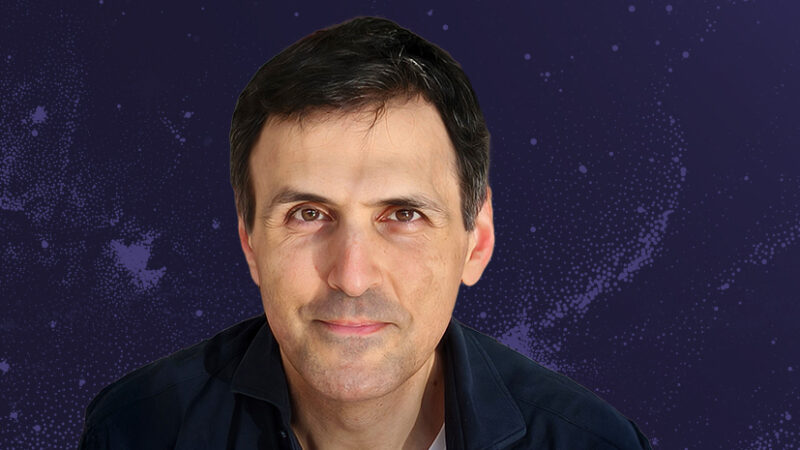
Shai Tubali: Why We Need Heart Intelligence Now

    —
October 28, 2025

Shai Tubali: Why We Need Heart Intelligence Now

Shai Tubali PhD October 28, 2025

Tami Simon and renowned spiritual teacher Shai Tubali explore the intriguing concept of the flexible heart and delve into how emotional flexibility can be pivotal for trauma healing and personal evolution in today’s changing and challenging world.

This episode is sponsored by BetterHelp. Listeners of Insights At The Edge get 10% off their first month at www.betterhelp.com/soundstrue.

Note: This interview originally aired on Sounds True One, where these special episodes of Insights at the Edge are available to watch live on video and with exclusive access to Q&As with our guests. Learn more at join.soundstrue.com.

600 Podcasts and Counting…

Subscribe to Insights at the Edge to hear all of Tami’s interviews (transcripts available too!), featuring Eckhart Tolle, Caroline Myss, Tara Brach, Jack Kornfield, Adyashanti, and many more.

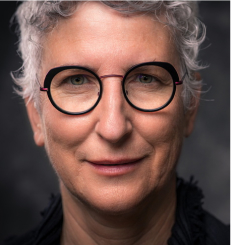
Meet Your Host: Tami Simon

Founded Sounds True in 1985 as a multimedia publishing house with a mission to disseminate spiritual wisdom. She hosts a popular weekly podcast called Insights at the Edge, where she has interviewed many of today's leading teachers. Tami lives with her wife, Julie M. Kramer, and their two spoodles, Rasberry and Bula, in Boulder, Colorado.

Photo © Jason Elias

Also By Author

Shai Tubali: Why We Need Heart Intelligence Now

Tami Simon and renowned spiritual teacher Shai Tubali explore the intriguing concept of the flexible heart and delve into how emotional flexibility can be pivotal for trauma healing and personal evolution in today’s changing and challenging world.

This episode is sponsored by BetterHelp. Listeners of Insights At The Edge get 10% off their first month at www.betterhelp.com/soundstrue.

Note: This interview originally aired on Sounds True One, where these special episodes of Insights at the Edge are available to watch live on video and with exclusive access to Q&As with our guests. Learn more at join.soundstrue.com.

You Might Also Enjoy

Shi Heng Yi: The Shaolin Shift: This Is It


What if the greatest battle you’ll ever face is the one happening inside your own mind?

This week, Tami Simon speaks with Shi Heng Yi—a 35th generation Shaolin master, founder of the Shaolin Temple Europe, and author of Shaolin Spirit: The Way to Self-Mastery—about what it truly means to master yourself from the inside out.

Born in Germany to Vietnamese immigrant parents, Master Shi Heng Yi began martial arts training at age four and has spent decades making the profound teachings of Shaolin Buddhism accessible to modern seekers worldwide.

Join Tami and Shi Heng Yi to explore:

  • What self-mastery actually means—and why it has nothing to do with control
  • The difference between the self and the persona, and why most suffering comes from confusing the two
  • The concept of elevation—how life becomes lighter when we stop grasping
  • How the body becomes a doorway to discovering what lies beyond it
  • The mind lessons hidden inside the Shaolin horse stance (mabu)
  • Why the heart of a Buddha and the fight of a warrior are not opposites
  • The yin dimension within one of the world’s most physically demanding traditions

Whether you’re carrying the weight of a heavy identity, stuck in a cycle of suffering, or simply curious about what ancient wisdom has to say to the modern world, listen in to discover the freedom that comes from turning inward.

This conversation offers genuine transmission—not just concepts about awakening, but the palpable presence of realized teachers exploring the growing edge of spiritual understanding together. Originally aired on Sounds True One.

Gabor Maté on Trauma: Understanding the Roots of Heal...

Trauma is a word we hear often, yet many of us still wonder what it truly means. Is it only about extreme events, or can it take root in quieter moments of disconnection? Why do patterns like anxiety, addiction, or emotional shutdown persist even when we genuinely want change? Gabor Maté invites us to look beneath behaviors and symptoms to the deeper emotional wounds that shape how we relate to ourselves and others. His perspective reframes trauma not as a flaw in our character, but as an adaptation to experiences that once felt overwhelming.

At Sounds True, we have been recording and sharing the living wisdom of transformative teachers since 1985. With a library of thousands of titles and conversations with leading voices in psychology, spirituality, and human development, we are devoted to preserving teachings in their authentic, unscripted voice. Our mission is to support awakening and healing by offering resources that speak to the heart as well as the mind.

Here, we will discuss Gabor Maté’s insights on trauma, the connection between addiction and trauma, and how understanding the roots of healing can guide meaningful trauma healing grounded in compassion and awareness.

Key Takeaways:

  • Trauma Defined: Gabor Maté describes trauma as the internal impact of overwhelming experiences, not simply the event itself.
  • Addiction and Trauma Link: Addictive behaviors often serve as coping mechanisms for unresolved emotional pain rooted in early attachment wounds.
  • Roots of Healing: Compassionate awareness and relational safety form the foundation of sustainable trauma healing.

Build relationships that nourish and sustain

Gabor Maté on Trauma: A New Understanding of Emotional Wounds

In this conversation, Gabor Maté reframes trauma as an inner wound rather than a single external event. Trauma is not only what happened to us. It is what occurred inside us when we felt overwhelmed, unseen, or unsafe.

From this perspective, many of our adult patterns began as intelligent adaptations. A child who suppresses emotion to preserve attachment is not dysfunctional. That child is surviving. Over time, these survival strategies can become anxiety, self-criticism, emotional numbness, or people-pleasing.

Understanding Gabor Mate’s trauma means recognizing that these patterns are rooted in protection. When we ask, “What happened to you?” instead of “What is wrong with you?” shame loosens its grip. Compassion becomes possible.

At Sounds True, we have long been devoted to preserving the living wisdom of teachers like Dr. Maté. His work points us toward the roots of healing by inviting awareness, honesty, and self-compassion. Trauma healing begins with understanding how we adapted and gently reconnecting with the parts of ourselves that had to go into hiding.

Addiction and Trauma: Why Coping Mechanisms Begin in Childhood

Gabor Maté explains that addiction and trauma often begin long before adulthood. Coping mechanisms form in childhood as intelligent responses to emotional stress or disconnection.

Addiction as an Attempt to Regulate Pain

Addiction is not primarily about substances or behaviors. It is about relief. When children lack consistent emotional attunement, they may suppress overwhelming feelings. Later in life, compulsive behaviors can become ways to regulate what was never safely processed.

Seeing addiction through this lens shifts the focus from blame to understanding and supports meaningful trauma healing.

Attachment Wounds and the Roots of Healing

Children prioritize attachment over authenticity. If expressing anger, fear, or sadness threatens connection, those emotions are pushed aside. Over time, this creates internal disconnection that can fuel addiction and trauma patterns.

Recognizing these early attachment wounds reveals the roots of healing. With awareness and compassion, survival strategies can gradually give way to healthier forms of connection.

Awaken Your Inner Healing Power

The Roots of Healing: How Trauma Shapes the Developing Self

Gabor Maté explains that trauma shapes not only behavior, but identity. A child adapts to their environment in order to preserve attachment. Over time, these adaptations influence how the developing self relates to emotion, stress, and connection.

Adaptation and the Loss of Authenticity

When certain emotions threaten belonging, a child learns to suppress them. Anger, sensitivity, or fear may be hidden to maintain closeness with caregivers. These strategies protect attachment, yet they can create a lasting split between authenticity and connection.

Trauma healing begins by recognizing these patterns without judgment. As awareness grows, the parts of the self that were once silenced can gradually return.

Reclaiming the Self and the Roots of Healing

Healing involves reconnecting with the authentic self beneath survival strategies. With compassionate attention, individuals begin to see how early experiences shaped their beliefs and coping mechanisms. Trauma and the Embodied Brain offers a deeper look at how trauma lives in the nervous system and body, providing a somatic foundation for understanding why healing requires more than insight alone. As these insights unfold, the roots of healing become grounded in self-understanding, presence, and renewed connection.

Compassionate Inquiry: A Pathway to Trauma Healing

Gabor Maté presents Compassionate Inquiry as a gentle method for uncovering the beliefs and emotional patterns shaped by trauma. Rather than focusing only on symptoms, it brings awareness to the deeper wounds beneath them.

What Is Compassionate Inquiry?

This approach uses careful, attuned questioning to help individuals recognize how past experiences shape present reactions. By slowing down and listening inwardly, hidden narratives come into awareness, creating space for trauma healing.

Professionals seeking formal training can learn this modality through the Compassionate Inquiry Professional Training.

Compassion and the Roots of Healing

Compassion is central to this work. When shame softens, the nervous system feels safer, and authentic expression becomes possible. In this way, compassionate inquiry supports the roots of healing by restoring connection to the self. The Trauma Skills Program builds on this foundation, offering structured tools for developing the practical skills that support lasting nervous system regulation and emotional resilience.

Trauma Healing Through Presence, Awareness, and Self-Compassion

In this portion of the conversation, Gabor Maté emphasizes that trauma healing is not a technique to master but a way of relating to ourselves differently. Healing unfolds through steady awareness, nervous system regulation, and compassionate self-observation.

Core Elements of Trauma Healing

  • Presence with bodily experience: Trauma is stored in the body. Healing begins when we learn to notice physical sensations without immediately reacting or suppressing them.
  • Awareness of triggers: Emotional reactions often point to unresolved wounds. By observing triggers with curiosity, we trace them back to their origins in earlier experiences.
  • Self-compassion instead of self-judgment: Harsh inner criticism reinforces trauma patterns. Gentle acknowledgment helps restore internal safety.
  • Understanding addiction and trauma patterns: Recognizing how coping behaviors once protected us allows those patterns to soften rather than intensify.
  • Safe relational support: Healing deepens in the presence of attuned connection, where authenticity no longer threatens attachment.

Dr. Maté reminds us that trauma healing is gradual. It is not about erasing the past but about building capacity to stay present with ourselves. Through awareness and compassion, the nervous system learns that it no longer has to remain in survival mode.

Addiction and Trauma in Adults: Recognizing the Hidden Pain

In adulthood, addiction and trauma often show up as chronic stress, compulsive behaviors, or emotional numbness. What appears to be self-sabotage is frequently an attempt to regulate unresolved pain rooted in early attachment wounds. Gabor Maté invites us to look beneath the behavior and ask what the nervous system is trying to soothe. When addiction is seen as an adaptation rather than a failure, space for trauma healing opens.

For deeper insight and practical guidance, the Trauma Skills Summit brings together leading experts on trauma healing. Those seeking a structured approach to understanding how trauma lives in the body can turn to the Healing Trauma Online Course. Through awareness and informed support, the hidden pain beneath addiction and trauma can be met with compassion and clarity.

The Roots of Healing in Relationships and Community

Gabor Maté reminds us that trauma often forms in relationships and healing unfolds there as well. Early attachment patterns shape how we connect as adults, influencing trust, boundaries, and emotional expression.

When we experience safe, attuned relationships, the nervous system begins to settle. Authenticity no longer feels threatening to belonging. In a supportive community, addiction and trauma can be understood with compassion rather than shame.

The roots of healing deepen when we are seen, heard, and accepted as we are.

Compassionate Inquiry and the Future of Trauma Healing

In closing, Gabor Maté points toward a future of trauma healing grounded in compassion rather than pathology. If trauma is an adaptive response to disconnection, healing must center on reconnection to self and others.

Compassionate Inquiry reflects this shift. Instead of labeling symptoms, it listens beneath them. It recognizes that addiction and trauma arise from unmet needs and suppressed emotions. With awareness, long-held beliefs begin to soften.

The roots of healing are found in presence, relational safety, and authenticity. As we continue sharing these conversations at Sounds True, our intention remains clear: to support trauma healing that honors the whole person and restores connection at every level.

Discover the power of daily meditation

Final Thoughts

Gabor Maté reminds us that trauma is not a personal flaw but an adaptive response to pain and disconnection. When we understand the link between addiction and trauma, self-judgment begins to soften, and compassion takes its place.

The roots of healing are found in awareness, relational safety, and the courage to gently face what once felt overwhelming. Through compassionate inquiry and embodied presence, trauma healing becomes less about fixing ourselves and more about returning to who we have always been beneath survival patterns.

At Sounds True, we remain devoted to sharing conversations that support this return to wholeness.

Frequently Asked Questions About Gabor Maté Trauma and the Roots of Healing

What does Gabor Maté mean by trauma?

Gabor Maté defines trauma as the internal wound that forms when a person feels overwhelmed and unsupported. It is less about the event itself and more about the lasting impact on the nervous system and sense of self.

How does Gabor Maté connect trauma to physical health?

He suggests that chronic stress rooted in early trauma can affect the body over time. Emotional suppression and prolonged survival states may contribute to illness by keeping the nervous system in constant activation.

Is trauma always caused by extreme events?

No. Gabor Maté emphasizes that trauma can result from subtle, repeated experiences such as emotional neglect, lack of attunement, or pressure to suppress authentic feelings.

What role does authenticity play in trauma?

According to Maté, many people sacrifice authenticity to preserve attachment in childhood. This split between the true self and the adapted self becomes a core element of trauma.

How does Gabor Maté approach trauma differently from traditional models?

Rather than focusing only on symptoms or diagnoses, he looks at the emotional and relational roots beneath behaviors. His approach centers on compassion and curiosity rather than correction.

Can trauma exist even in loving families?

Yes. Trauma can occur even when caregivers have good intentions. Stress, distraction, or unresolved wounds in parents can limit emotional attunement, affecting a child’s development.

How does trauma affect decision-making in adulthood?

Unresolved trauma can influence choices through unconscious beliefs about worth, safety, and belonging. These beliefs may shape relationships, work patterns, and self-perception.

What is the relationship between stress and trauma?

Trauma often creates a heightened stress response. The body may remain on alert long after the original threat has passed, leading to chronic tension or emotional reactivity.

Is trauma healing a linear process?

No. Healing tends to unfold gradually and sometimes unevenly. Progress often involves increased awareness and capacity rather than a simple elimination of symptoms.

Why is compassion central to Gabor Maté’s view of trauma?

Compassion helps regulate shame and defensiveness. When individuals feel safe and understood, they are more willing to face painful memories and long-held beliefs.

Michelle Cassandra Johnson is an author, activist, spiritual teacher, racial equity consultant, and intuitive healer. She is the author of six books, including Skill in Action and Finding Refuge. Amy Burtaine is a leadership coach and racial equity trainer. With Robin DiAngelo, she is the coauthor of The Facilitator's Guide for White Affinity Groups. For more, visit https://www.michellecjohnson.com/wisdom-of-the-hive.

Donna Eden’s Energy Medicine: Simple Techniques ...

Have you ever noticed how your energy can change in a matter of minutes? A tense moment can leave you feeling scattered, while a simple shift in breath or movement can restore steadiness. Donna Eden’s energy medicine is grounded in the understanding that the body is an energetic system. By learning a few practical energy healing techniques and establishing a daily energy routine, it becomes possible to uplift your energy and support balance in everyday life.

At Sounds True, we have been dedicated since 1985 to sharing living spiritual wisdom in the authentic voices of transformative teachers. Our library of thousands of titles and conversations with leading visionaries reflects our commitment to teachings that are experiential, grounded, and accessible. Working with pioneers like Donna Eden allows us to bring forward energy medicine practices that invite direct participation in your own healing process.

Here, we’ll discuss the foundations of Donna Eden energy medicine, outline simple techniques you can apply right away, and look at how a consistent daily energy routine can uplift your energy and support lasting well-being.

Key Takeaways:

  • Self-Healing Focus: Donna Eden energy medicine teaches practical techniques you can use daily to support your body’s natural balance.
  • Daily Practice Matters: A consistent daily energy routine strengthens resilience and helps uplift your energy over time.
  • Whole-Body Awareness: Energy healing techniques work with meridians, chakras, and subtle systems to support physical and emotional well-being.

Awaken Your Inner Healing Power

What Is Donna Eden Energy Medicine?

Donna Eden’s energy medicine teaches that the body is not only physical but energetic. Beneath organs and tissues flows a network of meridians, chakras, and subtle systems that shape how we feel and function. When energy is balanced, we feel steady and clear. When it is disrupted, we feel depleted or overwhelmed.

In this podcast conversation, Donna shares practical energy healing techniques such as tracing meridians and holding specific points on the body to restore flow. Practiced consistently, these methods form a daily energy routine that helps uplift your energy and strengthen resilience.

For guided instruction, Energy Healing provides foundational tools for working directly with your energy system. In The Science of Medical Intuition, the connection between subtle energy awareness and physical well-being is explored in greater depth, offering a compelling look at how the body communicates through its energetic systems.

Her message is simple: small, consistent actions can shift your state and reconnect you with your body’s natural healing capacity.

The Foundations of Energy Medicine Practices

Energy medicine practices are based on the understanding that the body’s energies respond to touch, movement, and focused attention. In our conversation with Donna Eden, she explains that stress can disrupt these systems, but simple interventions can help restore balance.

Understanding the Body’s Energy Systems

Donna highlights key systems such as meridians and chakras. Meridians distribute energy throughout the body, while chakras influence physical and emotional stability. When these systems are supported, the body functions with greater ease. For deeper work with these subtle layers, The Subtle Body Online Training Program provides guided instruction for understanding and balancing the energetic architecture that underlies physical and emotional health.

Practical Tools for Daily Support

Donna Eden’s energy medicine is designed for everyday use. Techniques like tracing meridians or holding calming points can quickly shift your state. Practiced consistently as a daily energy routine, these methods help uplift your energy and strengthen resilience over time.

How Energy Healing Techniques Restore Balance in the Body

Energy healing techniques work by helping the body correct energetic disruptions caused by stress, fatigue, or emotional strain. When specific points or pathways are stimulated, the nervous system begins to settle and reorganize.

Calming Stress Through the Energy System

Simple practices such as holding neurovascular points or tracing meridians can calm the stress response within minutes. As energy flow improves, breathing steadies, and mental clarity increases. Over time, these techniques support a more regulated and resilient system.

Rebalancing Energy to Uplift Your Energy

Movements like cross crawl exercises help coordinate energy patterns and support brain integration. When energy pathways are aligned, you feel more grounded and alert. Practiced consistently, these tools help uplift your energy and restore balance naturally.

Why a Daily Energy Routine Can Transform Your Well-Being

Donna Eden teaches that consistency matters more than intensity. A daily energy routine creates stability in the body’s energetic systems, helping prevent imbalance before it escalates.

Building Resilience Through Repetition

When practiced each day, even for a few minutes, energy medicine practices strengthen the body’s capacity to respond to stress. Simple movements, meridian tracing, and grounding exercises reinforce healthy energy flow.

Over time, this repetition builds resilience. Instead of reacting automatically to stress, the body learns to reset more efficiently. Many people notice improved focus, steadier moods, and increased vitality.

Creating Space to Uplift Your Energy

A daily energy routine also becomes a moment of intentional pause. Rather than pushing through fatigue or tension, you actively uplift your energy with tools that reconnect you to your body. For those who want to experience a range of teachers and approaches in this field, The Energy Healing Summit offers expanded insight into how energy work supports transformation and well-being. Practiced regularly, these techniques become less of a task and more of a way of living in partnership with your own vitality.

Discover the power of daily meditation

Simple Energy Healing Techniques to Uplift Your Energy

In our podcast conversation, Donna Eden shares that you do not need complex rituals to shift how you feel. Small, intentional movements can quickly restore flow and clarity. These energy healing techniques are designed to be simple enough for daily use.

  • Trace your meridians with your hands to stimulate energy pathways and encourage circulation throughout the body.
  • Hold neurovascular points on the forehead to calm stress and support emotional balance.
  • Practice cross crawl movements to integrate brain function and coordinate energy patterns.
  • Thump key meridian end points gently to awaken sluggish energy and increase alertness.
  • Smooth the aura with sweeping hand motions to settle scattered or tense energy.

Practiced consistently, these tools become part of a steady rhythm of care. Over time, they support a stronger daily energy routine and help uplift your energy in ways that feel tangible and grounded.

How to Build Energy Medicine Practices Into Everyday Life

Integrating Donna Eden energy medicine into daily life does not require large blocks of time. In our conversation, Donna emphasizes weaving energy medicine practices into ordinary moments. A few minutes in the morning can set the tone for the day. Tracing meridians before getting out of bed, practicing cross crawl movements while taking a break, or holding calming points during a stressful conversation can shift your internal state quickly.

Consistency is what transforms these tools into a lived daily energy routine. Rather than waiting for exhaustion or imbalance, you begin to check in with your body regularly. This awareness helps you uplift your energy before stress accumulates. Over time, the practices become intuitive. You notice when your energy dips and naturally reach for a technique that restores steadiness.

Energy medicine becomes less about adding something new to your schedule and more about changing how you move through the day. Small, repeated actions build trust in your body’s ability to rebalance and support your overall well being.

The Connection Between Chakras and Uplift Your Energy Work

Chakras play an important role in emotional and spiritual balance. These energy centers influence physical health, relationships, creativity, and purpose. When they are aligned, energy moves more smoothly throughout the body.

Donna explains that stress and unresolved emotions can disrupt chakra function. Simple energy healing techniques such as focused breathing, holding specific points, or directing awareness to a center can help restore balance. Even small shifts often lead to greater clarity and steadiness.

Working with the chakras strengthens your ability to uplift your energy intentionally. As chakra awareness becomes part of your daily energy routine, you build resilience while supporting both physical and emotional well-being.

Integrating Donna Eden Energy Medicine Into Your Spiritual Path

Donna Eden’s energy medicine is not only a set of techniques. It is a way of relating to your body as an intelligent partner in your spiritual life. In our conversation, Donna speaks about energy awareness as a bridge between physical vitality and deeper presence.

As you work consistently with energy medicine practices, you begin to notice subtle shifts in perception. You may feel more grounded during meditation, more centered in relationships, and more attuned to your intuition. A steady daily energy routine supports spiritual growth by stabilizing the body’s systems so awareness can expand without overwhelm.

This integration also reflects our larger mission at Sounds True. We are devoted to sharing living wisdom that invites direct experience. Energy healing techniques offer a practical entry point. They help uplift your energy so that inner work becomes embodied rather than abstract.

Over time, these practices become part of how you listen inwardly. You sense when something is off balance and respond with care. In that responsiveness, energy medicine becomes a spiritual discipline rooted in daily life.

Build relationships that nourish and sustain

Final Thoughts

Donna Eden’s energy medicine offers a practical way to care for your body’s natural intelligence. Through simple energy medicine practices and consistent attention, you can restore balance and uplift your energy in everyday moments.

A steady daily energy routine builds resilience over time, supporting both physical vitality and spiritual growth. These energy healing techniques remind us that healing is participatory, embodied, and available to us each day.

Frequently Asked Questions About Donna Eden Energy Medicine

What makes Donna Eden energy medicine different from other energy healing approaches?

Donna Eden’s energy medicine focuses on practical, body-based techniques that individuals can use on themselves. Rather than relying solely on a practitioner, it emphasizes daily self-care methods that support long-term balance and awareness.

Do I need prior experience in energy work to practice Donna Eden energy medicine?

No prior experience is required. The techniques are designed to be accessible to beginners while still offering depth for those familiar with energy healing techniques or other holistic modalities.

How long does it take to see results from energy medicine practices?

Many people report subtle shifts, such as feeling calmer or more alert, within minutes of practicing. Long-term benefits tend to develop through consistency and a steady daily energy routine.

Is Donna Eden’s energy medicine connected to a specific religion?

The work draws from multiple healing traditions but is not tied to any one religion. It can complement a wide range of spiritual paths or be practiced independently as a wellness modality.

Can energy medicine practices support emotional well-being?

Yes. Many techniques are designed to help regulate stress responses and encourage emotional steadiness by working directly with the body’s energetic patterns.

Is there scientific research supporting energy healing techniques?

While research in subtle energy fields is still evolving, related studies in stress reduction, nervous system regulation, and mind-body practices offer a supportive context for how these methods may benefit overall health.

How is a daily energy routine different from meditation?

Meditation often emphasizes stillness and awareness. A daily energy routine involves physical movements and touch-based techniques that actively stimulate and balance the body’s energy systems.

Can children or older adults practice Donna Eden energy medicine?

Yes. The techniques are generally gentle and adaptable, making them suitable for a wide range of ages when practiced mindfully.

Does practicing energy medicine replace medical treatment?

Energy medicine practices are intended to complement, not replace, appropriate medical care. They support the body’s natural balance alongside conventional treatment when needed.

What is the long-term benefit of learning to uplift your energy?

Over time, learning to uplift your energy fosters greater self-awareness, resilience, and responsiveness. It strengthens your ability to recognize imbalance early and respond with practical tools.

Michelle Cassandra Johnson is an author, activist, spiritual teacher, racial equity consultant, and intuitive healer. She is the author of six books, including Skill in Action and Finding Refuge. Amy Burtaine is a leadership coach and racial equity trainer. With Robin DiAngelo, she is the coauthor of The Facilitator's Guide for White Affinity Groups. For more, visit https://www.michellecjohnson.com/wisdom-of-the-hive.

>
Share via
Copy link
Powered by Social Snap