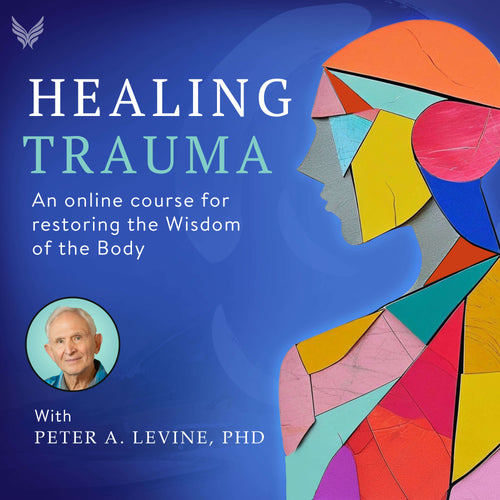
To start, trauma courses often begin by naming the many ways trauma can appear across a lifetime. Trauma can shape how we think, feel, and connect with others, and clear language helps readers find the right path forward.
Acute Trauma
As for acute trauma, a single overwhelming event can set it in motion. Common examples include a car accident, medical emergency or surgery, natural disaster, assault, or sudden grief. The event may be over in minutes or hours, but its impact lingers, inviting us to look gently at what we’ve gone through and how we might care for ourselves moving forward. Our trauma healing courses introduce grounding, gentle orientation practices, and mindfulness and trauma tools you can begin today.
Chronic Trauma
Depending on circumstances, repeated exposure to harm can create chronic patterns. For example, ongoing abuse, persistent bullying, neighborhood violence, long-term illness, caregiver burnout, or systemic discrimination are frequent sources. With chronic trauma, there may not be one moment you can point to. Instead, it’s a climate you’ve been forced to breathe in day after day, leaving behind patterns that can be difficult to see and even more difficult to break. Healing here often asks for patience and permission to move at your own safe pace.
Developmental Trauma
Developmental trauma digs even deeper, planting its roots early in life when relationships and environments should feel safe and stabilizing. Attachment disruptions, neglect, household substance use, volatile conflict, or frequent moves can shape nervous system responses that persist into adulthood. Thankfully, gentle reparenting skills, relational repair, and body-based regulation feature throughout our somatic trauma practices modules and comprehensive trauma recovery courses.
Core Principles Of Trauma-Informed Care
In any treatment journey, a few guiding lights help create a path toward wholeness. At the center of trauma-informed care are principles meant to foster safety, trust, and meaningful connection, each one an invitation to meet ourselves with gentleness and compassion.
- Safety comes first: Trauma can leave us feeling untethered, so establishing physical and emotional safety is the cornerstone of any practice or support system. This means creating spaces, internal and external, where people feel protected, respected, and anchored.
- Trustworthiness and transparency: Feeling heard, seen, and truly understood paves the road to recovery. When practitioners and teachers communicate openly, set clear boundaries, and uphold consistency, the sense of trust deepens.
- Empowerment and choice: Healing is never a one-size-fits-all experience. People are invited to reclaim agency, learning that they, rather than their trauma, hold the reins.
- Collaboration and mutuality: Relationships marked by compassion, humility, and co-creation nurture recovery. Healing often flourishes when wisdom is shared between a teacher and participant.
- Cultural, historical, and gender awareness: Every person carries unique stories and identities. Honoring these experiences keeps the journey inclusive, respectful, and attuned to the diverse ways trauma can shape a life.
Finding The Trauma Course That Speaks To Your Healing Path
Selecting a trauma course is less about following a checklist and more about listening inward, allowing yourself to move toward offerings that feel safe, resonant, and deeply aligned with your story. Along the way, you may discover paths that teach skills for daily grounding, guide you into somatic awareness, open space through meditation, or weave heart-based practices into your healing.
Courses That Build Trauma Skills
For those just beginning, trauma skills programs can be a steady starting point. These courses focus on coping strategies and foundational knowledge, giving language to experiences that may have once felt indescribable. With compassionate teaching, participants learn simple tools to anchor themselves in moments of overwhelm and build resilience for the road ahead.
Heart-Based Trainings For Connection
As for those yearning for deeper emotional resonance, heart-centered trainings bring healing into the realm of connection and compassion. These offerings encourage authentic presence, guiding learners to relate with themselves and others in more nurturing ways. Many find that heart-based teachings spark a sense of belonging that supports long-term trauma healing courses.
Somatic Therapy Paths
Trauma often lingers in the body, and somatic-focused courses gently invite awareness back into physical presence. In these spaces, participants explore practices such as breathwork, mindful movement, and grounding techniques that restore a sense of safety within. For many, these teachings form a bridge between past wounds and present vitality, making somatic therapy a meaningful step in their trauma recovery courses.
Meditation For Grounding And Inner Clarity
Meditation-based courses offer another pathway into healing, inviting stillness and spaciousness where old patterns can soften. Guided practices often include breath awareness, body scans, and visualization, creating gentle ways to meet difficult emotions without overwhelm. These offerings support both beginners and seasoned practitioners in cultivating presence, which can become a steady anchor throughout their journey in trauma-informed care courses.
Honoring Your Own Time
Above all, the most aligned course is the one that honors your pace. Some will find solace in self-paced online programs that create room for privacy and reflection, while others may feel called to live workshops or group circles where honest conversation fosters connection. Whatever format feels safe, remember that healing does not follow a race but rather it unfolds step by step, in tune with your own intuition.
Integrating Trauma Course Teachings Into Daily Life And Relationships
The wisdom of a trauma course truly unfolds in the moments beyond the classroom. Healing takes root in everyday rhythms, like at the breakfast table, during a long commute, in the quiet of a late-night conversation. Each practice becomes a thread, slowly weaving resilience and tenderness into the fabric of daily life.
Bringing Awareness Into Your Own Body
Integration often begins with the body. A tightness across your chest before a difficult meeting, the restless tapping of your foot in line, or the shallow breath that sneaks in during an argument, all of these are signals. Teachings from trauma-informed care courses invite you to pause here, to return to your breath, and to honor your body’s quiet calls for compassion.
Nurturing Relationships At Home And With Family
Within the home, the impact of trauma healing courses can ripple gently but powerfully. A parent might soften their tone with a child after pausing for one deep breath. A partner may practice presence, allowing space for silence rather than rushing to fill it. These small shifts cultivate a household where love feels steady, boundaries are honored, and communication grows more authentic.
Applying Skills In Friendships And Social Circles
Friendships become fertile ground for practice, too. When a friend shares a painful memory, instead of rushing to fix it, you might offer a grounded presence, listening with your whole being. Or perhaps you reach for a friend’s hand, letting simple touch speak volumes. These gestures echo the heart of trauma recovery courses, reminding us that healing thrives in connection.
Carrying Practices Into The Workplace
Even within professional spaces, the teachings of trauma treatment can quietly transform the atmosphere. A mindful pause before replying to a tense email, a moment of embodied grounding before leading a meeting, or a choice to listen openly when a colleague feels unheard, all of these create subtle shifts. Over time, workplaces touched by these practices may become kinder, more humane environments.
Meeting The Journey With Compassion
Of course, integration is rarely seamless. Old patterns resurface, and certain days feel heavier than others. Yet the beauty lies in the return and your willingness to breathe, to repair, to begin again. Every attempt, however imperfect, sows seeds of resilience. In this way, the teachings of trauma courses remind us that healing is not a single destination, but an unfolding practice of presence, courage, and tenderness.
Read More: