Jeffrey Rutstein, PsyD: You Can Shift the State of Your Nervous System

    —
December 31, 2024

Jeffrey Rutstein, PsyD: You Can Shift the State of Your Nervous System

Jeffrey Rutstein — December 31, 2024

Our understanding of the human nervous system has grown exponentially in recent years, thanks to astounding discoveries from neuroscience, Polyvagal Theory, trauma research, Attachment Theory, and other emerging fields. No longer do we see the functioning of the nervous system as an unconscious process outside of our control. Today, we know that you can actually befriend and work with your nervous system to self-regulate in the face of emotionally triggering situations, release unresolved trauma from the “stuck places” inside, and reclaim a life of integration and wholeness. Sounds True’s annual training, The Healing Trauma Program, was designed expressly for these purposes. In this podcast, Tami Simon speaks with psychotherapist and lead teacher of the program Dr. Jeffrey Rutstein. 

Tune in for an eye-opening conversation on: the connection between unhealed trauma and nervous system dysregulation; raising self-awareness around your personal triggers and conditioned responses; shifting from defensiveness to feelings of safety and belonging; chronic dysregulation; accurately discerning when you’re in danger; the vagus nerve, the ventral vagal response, and the “tend and befriend” zone where we can be fully present; the interplay of genetics and your upbringing in the formation of your “go-to nervous system states”; a nervous system approach to transforming self-blame and shame into self-compassion and worthiness; three pools of energy—hyperarousal, hypoarousal, and the Window of Tolerance; the empowering firsthand experience of changing your nervous system states; why there are no “bad” nervous system states; why being in a regulated state is so critical to healthy relationships; neuroception; simple, on-the-spot techniques (or “nervous system hacks”) you can use to self-regulate, from breathwork to gentle stretching and more; the shortcomings of talk therapy; co-regulation and the social engagement zone; the four key questions of the aspiring nervous system co-regulator; severe trauma and how “the state drives the story”; meditation practice, the true self, and the inner “hijacker”; and more.


Note: This episode originally aired on Sounds True One, where these special episodes of Insights at the Edge are available to watch live on video and with exclusive access to Q&As with our guests. Learn more at join.soundstrue.com. 

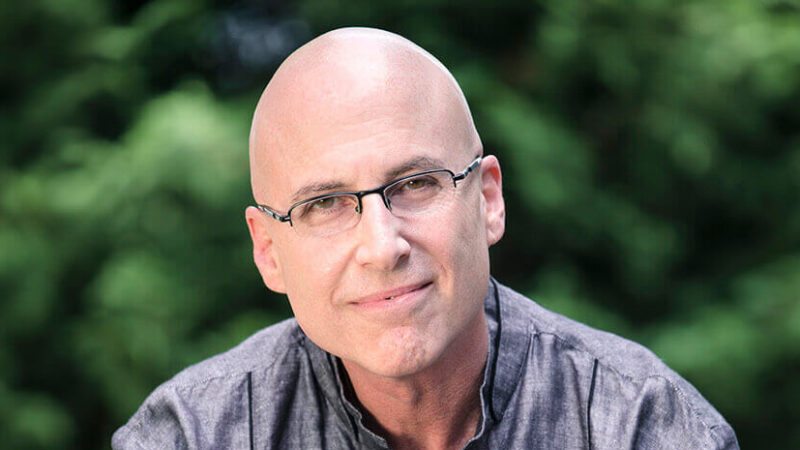
Dr. Jeffrey Rutstein is a clinical psychologist, an expert in the treatment of trauma, a certified Hakomi Mindfulness-Centered Somatic psychotherapist, and a meditation teacher who has been in private practice for over 35 years. He has practiced meditation for over 50 years. He has devoted his professional life to helping people reduce their suffering and struggle while empowering them to claim their strengths, their talents, and their unique abilities to live a more fulfilling and rich life.

Author photo © Josh Hailey

900 Episodes and Counting…

Subscribe to Insights at the Edge to hear all of Tami’s interviews (transcripts available too!), featuring Eckhart Tolle, Caroline Myss, Tara Brach, Jack Kornfield, Adyashanti, and many more.

Meet Your Host: Tami Simon

Each week on Insights at the Edge, Tami Simon interviews leading voices in the Mind/Body/Spirit space about a vast spectrum of fascinating ideas. Since 2009, Tami and her guests have been exploring the edge of understanding, nearly 1,000 episodes on the honest work of change, including spiritual discovery, awakening, intuition, purpose, trauma, and grief.

Photo © Jason Elias

Also By Author

Jeffrey Rutstein, PsyD: You Can Shift the State of You...

Our understanding of the human nervous system has grown exponentially in recent years, thanks to astounding discoveries from neuroscience, Polyvagal Theory, trauma research, Attachment Theory, and other emerging fields. No longer do we see the functioning of the nervous system as an unconscious process outside of our control. Today, we know that you can actually befriend and work with your nervous system to self-regulate in the face of emotionally triggering situations, release unresolved trauma from the “stuck places” inside, and reclaim a life of integration and wholeness. Sounds True’s annual training, The Healing Trauma Program, was designed expressly for these purposes. In this podcast, Tami Simon speaks with psychotherapist and lead teacher of the program Dr. Jeffrey Rutstein. 

Tune in for an eye-opening conversation on: the connection between unhealed trauma and nervous system dysregulation; raising self-awareness around your personal triggers and conditioned responses; shifting from defensiveness to feelings of safety and belonging; chronic dysregulation; accurately discerning when you’re in danger; the vagus nerve, the ventral vagal response, and the “tend and befriend” zone where we can be fully present; the interplay of genetics and your upbringing in the formation of your “go-to nervous system states”; a nervous system approach to transforming self-blame and shame into self-compassion and worthiness; three pools of energy—hyperarousal, hypoarousal, and the Window of Tolerance; the empowering firsthand experience of changing your nervous system states; why there are no “bad” nervous system states; why being in a regulated state is so critical to healthy relationships; neuroception; simple, on-the-spot techniques (or “nervous system hacks”) you can use to self-regulate, from breathwork to gentle stretching and more; the shortcomings of talk therapy; co-regulation and the social engagement zone; the four key questions of the aspiring nervous system co-regulator; severe trauma and how “the state drives the story”; meditation practice, the true self, and the inner “hijacker”; and more.


Note: This episode originally aired on Sounds True One, where these special episodes of Insights at the Edge are available to watch live on video and with exclusive access to Q&As with our guests. Learn more at join.soundstrue.com. 
Not Being a Prisoner to Your Nervous System

Jeffrey Rutstein, PsyD, is a clinical psychotherapist, trauma expert, and a longtime student and teacher of meditation. In collaboration with Sounds True, Dr. Rutstein is hosting the upcoming Healing Trauma Program: A Nine-Month Training to Regulate Your Nervous System, Embody Safety, and Become a Healing Presence. In this episode of Insights at the Edge, Tami Simon speaks with Dr. Rutstein about the physical aspects of trauma and how to understand their influences on daily life. He explains his model of “the owner’s manual of your nervous system” and how actively reading your body state is the first step to unraveling traumatic aftereffects. Tami and Dr. Rutstein also discuss self-regulation during stressful situations, practices for anchoring in the body, and how our understanding of trauma has evolved over time. Finally, they talk about consciously interrupting trauma-born behaviors, as well as the ongoing work of teaching emotional literacy and resilience.

You Might Also Enjoy

Kimberly Ann Johnson: “Becoming a Sexual Alchemi...

What if aging isn’t the slow closing of your erotic life, but the doorway into its most alive season?

This week, Tami Simon speaks with Kimberly Ann Johnson—sexological body worker, somatic experiencing practitioner, birth doula, and author of the new Sounds True book Erotic Seasons: Tuning In to the Rhythms of Women’s Sexuality and Spirituality—about what she calls erotic sovereignty, and the sentence that closes her book: the female body is its own spiritual path.

Join Tami and Kimberly to explore:

  • Erotic sovereignty—your relationship to your own life force, and why it stays with you across every season
  • Why the goal isn’t a more regulated nervous system, but a more responsive one, and what it means to run more charge
  • The four erotic seasons—maiden, mother, virgin, crone—and the surprising reason virgin comes after mother
  • Why hormonal transitions are “wet clay”: golden opportunities for repatterning that our culture teaches us to rush past
  • Menopause as a death rehearsal, and the life review that arrives decades before we expect it
  • Hot sex and warm sex—widening the range beyond adrenaline, and learning the language of the pause
  • “Hormones are gods”: the collective endocrine system, and why living intergenerationally may be the original hormone therapy
  • Becoming a sexual alchemist—arousal as healing energy, and why care is the whole ethic

Whether you are 25 or 75, Kimberly offers a map for meeting your body’s changes as thresholds rather than losses.

Please note: this episode includes candid discussion of sexual abuse and sexual wounding, including Kimberly Ann Johnson’s own experience.

Listen now, and meet your body as the path. →

This conversation offers genuine transmission, not just concepts about awakening, but the palpable presence of realized teachers exploring the growing edge of spiritual understanding together, and it originally aired on Sounds True One.

Get a FREE month of membership at https://bit.ly/STOne-Free-Month.

The Point of Insight | Our Medicine Lives in the Wound


What if the very thing that wounded you is the source of the medicine you’re here to give?

In this month’s Point of Insight, Tami Simon shares a personal story: minutes before going live with an archetypal astrologer, she was told—correctly, and within seconds—that she carried “the mother of all mother wounds.” That single moment became the culmination of a much longer, gradual unfolding: a lifetime’s worth of “drops,” from a mentor she called the Queen of the Reframe, to an interview with yoga teacher and activist Seane Corn titled “Your Pain Is Your Purpose,” to an email from a business coach whose four simple words reframed everything—your karma is your dharma.

Join Tami as she reflects on:

  • How a lifelong feeling of not belonging became the soil for a life’s work helping others feel connected
  • The difference between sudden insight and the slow, gradual “boiling water” of a tipping point
  • Why real breakthrough requires going all the way through pain, not around it
  • Joanna Macy’s question—”What breaks your heart?”—and how grief and care become fuel for service
  • Why “never turn away” may be one of the most important spiritual instructions there is

This is a shorter, solo reflection from Tami—released once a month on the Insights at the Edge feed—on where our deepest wounds and our clearest purpose meet.

Listen now. →

Find the original Insights at the Edge episodes here: “Seane Corn: Your Pain Is Your Purpose“

Just One Question | Pānquetzani: How Do We Honor Our ...

Tami asks Pānquetzani how she would put words to the devotion she so clearly feels toward her ancestral line. The answer starts in the body. During her first postpartum womb adjustment, Pānquetzani felt an anger release that she is certain wasn’t hers — it was inherited, and it had arrived alongside the gifts.

That’s the premise of her work as a traditional healer of Mesoamerican and Mexican medicine: the gifts and the wounds come together, and tending the wounds is the job. Her ancestors survived colonization and violence, and they didn’t survive it only for themselves. So she owes them reverence — paid not in words but in living. Slowing down. Crying. Dancing. Sensual and sexual pleasure. All the things they may never have had the privilege to do.

Then there’s her son. At fifteen he taught himself metalwork — knives, swords, bows, tools. Pānquetzani showed the work to her eighty-three-year-old grandmother, who said, oh, your grandfather used to do that. A whole family trade back in Mexico, a shop, generations of it, and nobody had ever mentioned it. He found his way back to it because he was given room to follow what he loved.

In this episode:

  • Why ancestral gifts and ancestral wounds arrive together
  • Making your life an altar — reverence as something you live rather than something you say
  • Healing lineages backwards, and telling the dead their suffering wasn’t in vain
  • What thriving actually means: joy, energy, celebration, and getting your medicine to the people who need it
  • The inheritance beyond the physical — the energetic, mental, and social resources previous generations went without

Taken from the full Insights at the Edge conversation with Pānquetzani. Find the complete interview in this feed or at soundstrue.com