Donna Eden: Uplifting Energy

    —
April 15, 2014

Donna Eden: Uplifting Energy

Donna Eden April 15, 2014

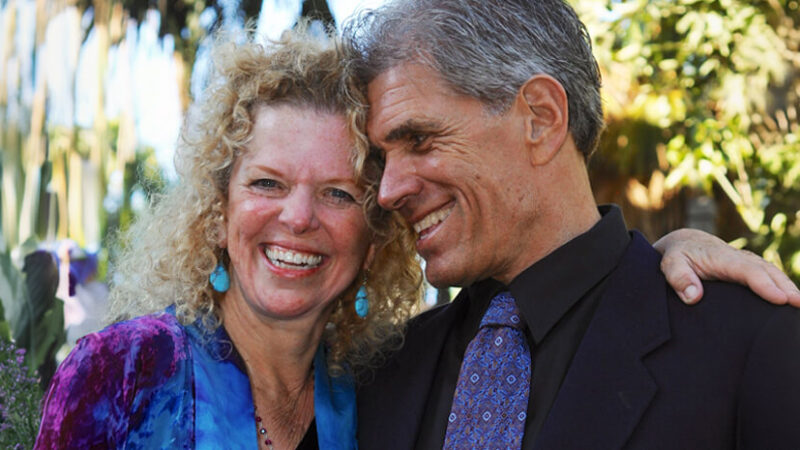
Tami Simon speaks with Donna Eden, a renowned energy medicine expert who has taught throughout the US, Australia, New Zealand, Europe, and South America. Along with her partner David Feinstein, Donna is author of the books Energy Medicine and Energy Medicine for Women. With Sounds True she has produced the multimedia program The Energy Medicine Kit. In this episode, Tami speaks with Donna about her experiences as someone who both sees energy and has healed herself from serious medical challenges. Donna also shares two energy practices: a technique to evolve our fight-flight-or-freeze response, and another for opening with total trust to the energy of the heavens. (64 minutes)

Donna Eden is among the world’s most sought-after, authoritative, and joyous spokespersons for energy medicine. Her abilities as a healer are legendary. She has reached millions of people worldwide, helping them understand the body as an energy system.

600 Podcasts and Counting…

Subscribe to Insights at the Edge to hear all of Tami’s interviews (transcripts available too!), featuring Eckhart Tolle, Caroline Myss, Tara Brach, Jack Kornfield, Adyashanti, and many more.

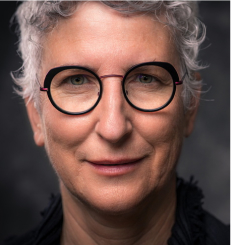
Meet Your Host: Tami Simon

Founded Sounds True in 1985 as a multimedia publishing house with a mission to disseminate spiritual wisdom. She hosts a popular weekly podcast called Insights at the Edge, where she has interviewed many of today's leading teachers. Tami lives with her wife, Julie M. Kramer, and their two spoodles, Rasberry and Bula, in Boulder, Colorado.

Photo © Jason Elias

Also By Author

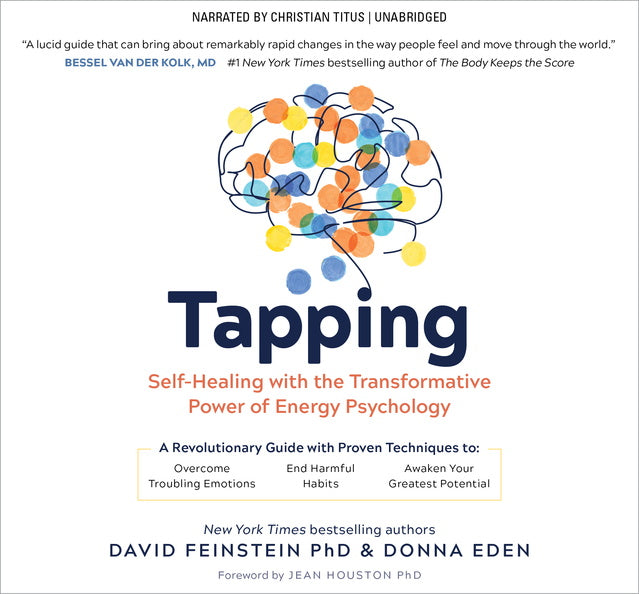
Donna Eden and David Feinstein, PhD: The Power—and P...

Tapping is a simple form of energy psychology that can help you transform difficult emotions; overcome addiction, anxiety, or depression; change self-defeating habits; and more. Today, there are more than 175 peer-reviewed scientific studies supporting its efficacy. Yet despite 20 years of growing evidence, many people remain skeptical. In this podcast, Tami Simon speaks with the authors of the new book Tapping—Donna Eden and Dr. David Feinstein—about why the technique works and how to practice it successfully. 

Listen in to this exciting, illuminating conversation on: energy medicine and the subfield of energy psychology; Thought Field Therapy and Emotional Freedom Techniques; how tapping produces such incredibly fast results; auras and chakras; acupressure points and piezoelectricity; the acceptance statement and other tapping protocols; breaking the cycle of inner judgment and negativity; the deep and authentic personal work tapping requires; subjective units of distress (SUDs) and the affect bridge; obstacles to change and psychological reversals; tapping as a tool for trauma healing; and more.

Note: This episode originally aired on Sounds True One, where these special episodes of Insights at the Edge are available to watch live on video with exclusive access to Q&As with our guests. Learn more at join.soundstrue.com.

Donna Eden: Uplifting Energy

Tami Simon speaks with Donna Eden, a renowned energy medicine expert who has taught throughout the US, Australia, New Zealand, Europe, and South America. Along with her partner, Dr. David Feinstein, Donna is author of the books Energy Medicine and Energy Medicine for Women. With Sounds True she has produced the multimedia program The Energy Medicine Kit. In this episode, Tami speaks with Donna about her experiences as someone who both sees energy and has healed herself from serious medical challenges. Donna also shares two energy practices: a technique to evolve our fight-flight-or-freeze response, and another for opening with total trust to the energy of the heavens. (1 hour, 3 minutes)

Donna Eden: Uplifting Energy

Tami Simon speaks with Donna Eden, a renowned energy medicine expert who has taught throughout the US, Australia, New Zealand, Europe, and South America. Along with her partner David Feinstein, Donna is author of the books Energy Medicine and Energy Medicine for Women. With Sounds True she has produced the multimedia program The Energy Medicine Kit. In this episode, Tami speaks with Donna about her experiences as someone who both sees energy and has healed herself from serious medical challenges. Donna also shares two energy practices: a technique to evolve our fight-flight-or-freeze response, and another for opening with total trust to the energy of the heavens. (64 minutes)

You Might Also Enjoy

Laurie Nealon: “Energy Healing with Help From the Ot...

What if you were never working alone—and neither was anyone you were trying to help?

This week, Tami Simon speaks with Laurie Nealon, an intuitive energy healer, medium, and educator whose work is profiled on the Sounds True podcast Phenomena: The Science and Stories of Energy Healing. Seventeen years ago, Laurie began seeing and hearing those who had passed—not in dreams, but in the middle of her waking life. She resisted it. Then she built a practice around it.

Join Tami and Laurie to explore:

  • What Laurie actually perceives when someone who has died “appears”—and how she learned to filter it
  • Integrated Energy Therapy (IET), attunement, and why she calls the practitioner a facilitator rather than a healer
  • The “spiritual support group”: angels, guides, ascended masters, and loved ones she says fill the room during a session
  • A guided practice—rolling the energy—you can do in two minutes before you get out of bed
  • The screen technique: how to stay open to love without carrying everyone else’s journey
  • Why “lightening someone’s load” may actually dishonor their path
  • Entity energy, imprints, and what clearing a block really means
  • Tami’s hardest question: what about the people who did everything right and still died?
  • A closing prayer Laurie offers for every listener

Laurie’s conviction is that none of this is exotic. Everyone, she says, should be trained in energy healing the way everyone is trained in CPR—and everyone has the capacity to open to their own gifts.

Listen now, and find out who else is in the room. →

This conversation offers genuine transmission, not just concepts about awakening, but the palpable presence of realized teachers exploring the growing edge of spiritual understanding together, and originally aired on Sounds True One.

Alberto Villoldo on Shamanic Healing: The Light Body a...

What would change if healing began not with symptoms, but with the energy beneath them? Alberto Villoldo has spent decades exploring that question, and the answers have shaped some of the most compelling teachings in modern shamanism.

At Sounds True, we have been sharing the voices of respected spiritual teachers since 1985, when our founder Tami Simon set out to preserve the living wisdom of those with something real to offer the world. Today, our library holds more than 3,000 titles spanning audio programs, digital courses, and conversations that meet seekers wherever they are on their path. 

This post walks through Villoldo’s core teachings on shamanic healing, the light body, and energy medicine, and how these practices connect to lasting personal growth.

Key Takeaways:

  • Healing Through Ancient Wisdom: As Alberto Villoldo, shamanic healing is a practice rooted in indigenous traditions from the Andes and Amazon that works with energetic patterns to restore balance and a deeper sense of wholeness.
  • Your Light Body’s Hidden Influence: The light body is an energetic field that may shape how we feel and respond daily. Energy medicine works by identifying and clearing the imprints that lock us into familiar, limiting patterns.
  • Energy Medicine, Everyday Practice: From the Four Winds Society to the Munay Ki rites, Villoldo’s teachings lay out concrete pathways for living with greater awareness, all supported through Sounds True’s courses, podcasts, and programs.

Discover the Power of Daily Meditation and Inner Stillness

Alberto Villoldo and the Foundations of Shamanic Healing

Alberto Villoldo is a medical anthropologist and psychologist who spent years living among indigenous healers in the Andes and the Amazon basin. What he witnessed there reshaped his sense of what healing could be. Shamanic healing holds that our energetic patterns shape our experience just as powerfully as physical ones do.

These traditions teach that recurring emotional struggles, persistent patterns, and illness may have roots in the energetic field surrounding the body. A shamanic healer works beneath the visible wound by tending to memories and imprints. Villoldo’s fieldwork led him to synthesize indigenous Andean and Amazonian wisdom with contemporary frameworks for personal growth, making these teachings accessible to all students.

We have been honored to share his voice alongside many others through our Insights at the Edge Podcast, a weekly conversation series where healers, scientists, and spiritual teachers speak honestly about consciousness, transformation, and the practices that have shaped their lives.

Understanding the Light Body Through Energy Medicine

One of the most distinctive ideas in Villoldo’s work is the concept of the light body, an energetic field said to interpenetrate our physical selves. This luminous layer carries the imprints of past experiences, emotional wounds, and inherited patterns that may influence how we feel, respond, and relate to others.

According to Villoldo, energy medicine works with this field. Practitioners learn to identify and clear the imprints fueling recurring challenges, drawing on Andean cosmology, Amazonian healing lineages, and Villoldo’s own background in neuroscience and psychology. What makes this perspective compelling is the shift in agency it invites. Healing becomes something we actively participate in, a relationship we tend rather than an outcome we wait for.

Those drawn to these ideas can continue their journey through our Subtle Energy collection, where teachings on the energetic body and holistic healing are gathered from a wide range of respected voices and traditions.

Uncovering The Origins of These Teachings

The wisdom Villoldo draws from spans thousands of years and several distinct indigenous cultures. Andean shamanism carries a rich cosmology centered on the relationship between human consciousness and the natural world. Practitioners work with the four directions, elemental forces, and archetypal energies as partners in the healing process, a view that places us in genuine relationship with something far larger than our individual concerns.

How Shamanic Healing Supports Lasting Transformation

Shamanic healing asks us to become active participants in our own growth. Villoldo speaks of the importance of shifting the energetic stories we carry, going deeper than surface circumstances. When the root pattern changes, the outer experience tends to follow. Practices that support this path include:

  • Guided Visualization and Ceremony: These create a structured, safe space for moving through emotional or spiritual material. A visualization practice might invite you to meet a part of yourself carrying a wound and offer it compassion and release. Many practitioners find this builds greater emotional clarity, steadier presence, and a more grounded relationship with life.
  • Compassionate Self-Reflection Practice: Shamanic teachings place great weight on honesty and self-awareness. Examining the recurring stories we tell about ourselves, our relationships, and our limitations is central to the path. This kind of clear-eyed witnessing opens the door to real, lasting change.
  • Meditation and Breathwork: These practices cultivate the inner stillness from which insight can arise. Even brief, consistent sessions can make the patterns held within the light body more visible and the process of releasing them more accessible, even for those new to these practices.

The Four Winds Society’s Living Mission

Alberto Villoldo founded the Four Winds Society in the 1980s to preserve and pass on the wisdom he received from Andean and Amazonian elders. The organization offers training in energy medicine and shamanic healing to students from many different backgrounds.

Their guiding values include honoring the sacredness of life and respecting the cultural origins of these traditions. Students are trained in technique as well as the ethical responsibility that comes with this kind of work.Central to the Four Winds curriculum is the Munay Ki rites, nine traditional initiations drawn from Andean shamanic lineages. The word “munay” in Quechua carries the combined meaning of love and will. Each rite is transmitted heart to heart between teacher and student.

These themes resonate with many of the teachings we gather through our Spirituality & Awakening collection, where many paths come together in service of greater consciousness.

Awaken Your Inner Healing Power: Your Wellness Journey Starts Now

Bringing the Light Body and Energy Medicine into Everyday Life

A shamanic perspective holds that healing belongs in everyday life, woven through small choices and simple moments.

A Morning Grounding Practice

Begin the day with a few quiet minutes, ideally seated in a calm, dedicated space or with feet on the earth. Shamanic traditions speak of connecting to the natural world as an anchor for energetic balance. Even five minutes of conscious breath can shift the quality of the day ahead and help you move with greater presence from the very first hour.

Gratitude as Energetic Medicine

Gratitude runs deeper than a fleeting mood. From a shamanic view, it actively shifts the quality of the energetic field we move through the day. Starting or ending the day with genuine appreciation for the body, for those we love, for simple beauty, changes how we relate to life at a fundamental level.

Meeting What Arises 

Shamanic healing encourages meeting challenges with curiosity. Asking “what is this experience here to show me?” transforms daily life into a practice of ongoing growth and self-knowing, a small but powerful reframe that accumulates into real change.

At Sounds True, we are proud to bring voices like Alberto Villoldo’s to this community alongside many other respected teachers, including Jack Kornfield, Pema Chödrön, and others featured through our All Teachers & Authors page.

Discover how your mind really works

Final Thoughts

Alberto Villoldo’s teachings remind us that healing is an ongoing journey. Shamanic healing, the light body, and energy medicine are accessible to anyone willing to engage with them, carrying an invitation extended across thousands of years: a call to remember that we are more than our symptoms, more than our stories, and far more capable of transformation than we may have believed. 

At Sounds True, we are honored to walk alongside teachers who carry this kind of wisdom and to share it with seekers at every stage of their path. 

Frequently Asked Questions About Alberto Villoldo on Shamanic Healing

What is Alberto Villoldo best known for?

Alberto Villoldo is best known for his work as a medical anthropologist, psychologist, and teacher of shamanic healing. His teachings combine indigenous wisdom with contemporary perspectives on personal growth and well-being.

How does shamanic healing differ from conventional healing practices?

Shamanic healing focuses on restoring energetic and spiritual balance alongside physical and emotional well-being. It is intended to complement personal growth rather than replace professional medical care.

Is the light body connected to a specific spiritual tradition?

The concept of the light body appears in several spiritual traditions, although Alberto Villoldo teaches it through the lens of Andean and Amazonian shamanic practices and energy medicine.

Can anyone learn energy medicine?

Many teachers, including Alberto Villoldo, believe that energy medicine practices can be learned through study, guidance, and consistent practice. Some techniques are suitable for beginners, while others require more advanced training.

What are the Munay Ki rites?

The Munay Ki rites are a series of traditional initiations that are intended to support spiritual growth, deepen self-awareness, and strengthen one’s connection with nature and compassionate living.

How can energy medicine become part of a daily routine?

Many people incorporate energy medicine through meditation, mindful breathing, gratitude practices, visualization, or spending intentional time in nature as part of their daily spiritual practice.

Michelle Cassandra Johnson is an author, activist, spiritual teacher, racial equity consultant, and intuitive healer. She is the author of six books, including Skill in Action and Finding Refuge. Amy Burtaine is a leadership coach and racial equity trainer. With Robin DiAngelo, she is the coauthor of The Facilitator's Guide for White Affinity Groups. For more, visit https://www.michellecjohnson.com/wisdom-of-the-hive.

What Is Brainspotting? David Grand on Using Eye Positi...

What happens when healing needs to go deeper than words can reach? For many people, the most profound emotional experiences resist easy articulation. Brainspotting is a therapeutic approach developed by David Grand that uses specific eye positions to access what the brain and body hold onto, even when language falls short.

At Sounds True, we’ve spent more than 40 years sharing trusted teachings from therapists, authors, and spiritual teachers whose work nurtures healing, personal growth, and lasting transformation. From online courses and in-depth programs to podcasts and digital resources, we bring the voices that matter most directly to you.

We cover what brainspotting is, how David Grand developed the approach, the role of eye position in trauma therapy, and how brainspotting compares with EMDR.

Key Takeaways:

  • Healing Beyond Words: Brainspotting uses specific eye positions to access unresolved trauma and emotional experiences stored in the brain and body, creating a path forward that doesn’t require verbal storytelling alone.
  • David Grand’s Path to Healing: David Grand developed brainspotting after observing that a client’s eye position reflected deeper emotional processing during trauma treatment, giving rise to an approach built around the brain’s natural capacity to heal.
  • EMDR vs. Brainspotting: While both approaches help people process trauma, brainspotting and EMDR differ in structure and session style. The right fit depends on your history, goals, and therapeutic relationship.

Discover the Power of Daily Meditation and Inner Stillness

What Is Brainspotting?

Brainspotting is designed to help people access and process unresolved trauma through focused attention on specific eye positions. The method rests on the idea that where a person looks can correspond to where difficult experiences are stored in the brain and body. Staying with a brainspot while remaining aware of physical sensations and emotions, people can work through material that language alone might not reach.

Since David Grand developed this approach, brainspotting therapy has been applied broadly, with athletes, artists, business leaders, and survivors of large-scale events, among others. Grand also offers an online course through Sounds True that walks through the core principles behind brainspotting therapy, available to those who want to learn directly from the source.

His insights align with the conversations we host on the Insights at the Edge Podcast, where therapists, teachers, and practitioners share what healing really looks like from the inside out.

David Grand and the Development of Brainspotting Therapy

Brainspotting therapy came out of a significant clinical observation. During trauma treatment, David Grand noticed that a client’s eye position seemed to shift when deeper emotional material surfaced. That moment became the foundation for a method built around the brain’s own capacity to process and release what it has long held in place.

Since its introduction, brainspotting therapy has been used by clinicians around the world to help people facing trauma, anxiety, grief, chronic stress, and performance-related challenges. Grand’s work continues to shape the field by drawing attention to the connection between the brain, the body, and emotional healing.

Sounds True is home to teachers like David Grand alongside hundreds of other practitioners, healers, and visionaries whose work spans a wide range of healing traditions. Those who want to trace that full breadth can visit our All Teachers & Authors collection, where every teacher’s body of work is gathered in one place.

Trauma Therapy Eye Position and the Brain-Body Connection

Trauma therapy eye position describes the relationship between where someone directs their gaze and what emotional or physical experiences become accessible as a result. During a session, a therapist guides the client to a specific visual point and invites them to notice what arises in the body as they hold that focus. Sensations, emotions, and memories can surface as the nervous system begins to process material it has held in place for years.

The body carries what the mind sometimes can’t articulate. A shift in eye position can open access to experiences held below conscious awareness, gently creating conditions for the nervous system to complete what was once interrupted. Healing, in this way, becomes a process the whole person takes part in, not just the thinking mind.

The teachers and practitioners gathered in our Health & Healing collection share this same orientation: that real healing often begins when we learn to listen to what the body already knows.

How the Brainspotting Technique Uses Eye Position to Access Trauma

The brainspotting technique begins with identifying an eye position linked to an emotional or physical response. From there, the therapist invites the client to rest their attention on that visual point while remaining aware of what arises in the body. The process creates space for the nervous system to do what it naturally knows how to do, without demanding that memories surface on command.

A concrete example might be this: someone working through anxiety tied to an experience might start by calling that experience to mind. As the therapist slowly moves a pointer across their field of vision, the client notices a position where a physical sensation intensifies, perhaps tightness in the chest or a change in breath. That’s the brainspot. The session then focuses there while the client tracks what unfolds internally, allowing the nervous system to process what it has previously stored.

Awaken Your Inner Healing Power: Your Wellness Journey Starts Now

EMDR vs Brainspotting: Understanding the Key Differences

EMDR follows a standardized eight-phase protocol and uses bilateral stimulation, typically through guided eye movements, sounds, or tapping, to help the brain reprocess traumatic memories. Brainspotting focuses on identifying one significant eye position and following the client’s internal experience from there. Sessions tend to be more open-ended, allowing the individual’s nervous system to lead.

Neither method is universally better than the other. A qualified therapist can help determine which fits a person’s history, goals, and comfort level. Many clinicians receive training in both and draw on each as the situation calls for it.

Those who want to go deeper into trauma healing and related practices can find immersive learning through our In-Depth Programs, where experienced practitioners bring both clinical knowledge and heart to each course.

Discover how your mind really works

Final Thoughts

Brainspotting offers a distinctive perspective on trauma healing, one that trusts the body’s capacity to know where attention is needed. Working with eye position rather than narration alone, this approach creates conditions for healing to happen at the body’s own pace.

As David Grand has shown through decades of clinical work, healing is often less about forcing change and more about creating the conditions for it to unfold. That belief is at the heart of what we do at Sounds True. We share the work of practitioners and teachers who honor the full range of human experience, including the places where language falls short, and the body quietly holds the way forward.

Frequently Asked Questions About Brainspotting

Is brainspotting backed by research?

Brainspotting is supported by a growing body of clinical research and case studies. While research continues to evolve, many mental health professionals use it as part of trauma-informed care for emotional and psychological concerns.

Who can benefit from brainspotting?

Brainspotting may benefit adults and adolescents experiencing trauma, anxiety, grief, stress, or performance-related challenges. A qualified mental health professional can determine whether it is an appropriate approach for an individual’s needs.

Do I have to talk about my trauma during brainspotting?

Not necessarily. While some people choose to discuss their experiences, brainspotting can also focus on physical sensations and emotions, allowing processing without requiring detailed verbal storytelling.

Can brainspotting be combined with other therapies?

Yes. Many therapists integrate brainspotting with other evidence-based approaches, such as cognitive behavioral therapy, mindfulness practices, or somatic therapies, to create a personalized treatment plan.

Is brainspotting only used for trauma?

No. Although it is widely recognized for trauma treatment, brainspotting is also used to support people dealing with anxiety, creative blocks, chronic stress, and performance enhancement in sports, music, and public speaking.

What should I expect after a brainspotting session?

Some people feel calm or relieved after a session, while others may continue processing emotions or physical sensations for a short time. Therapists often recommend rest, hydration, and self-reflection between sessions.

Is brainspotting suitable for everyone?

Brainspotting may not be the best fit for every individual or situation. A licensed therapist can evaluate your mental health history and recommend the most appropriate treatment approach.

Michelle Cassandra Johnson is an author, activist, spiritual teacher, racial equity consultant, and intuitive healer. She is the author of six books, including Skill in Action and Finding Refuge. Amy Burtaine is a leadership coach and racial equity trainer. With Robin DiAngelo, she is the coauthor of The Facilitator's Guide for White Affinity Groups. For more, visit https://www.michellecjohnson.com/wisdom-of-the-hive.

Leave a Reply

Your email address will not be published. Required fields are marked *