Active Dreaming in the Multiverse

    —
February 12, 2013

Active Dreaming in the Multiverse

Robert Moss February 12, 2013

Tami Simon speaks with Robert Moss, a lifelong dream explorer, shamanic teacher, and student of the Western Mystery Tradition. Robert is a former professor of ancient history and philosophy and the author of several books. With Sounds True, he has created the audio learning course Dream Gates: A Journey into Active Dreaming. In this episode, Tami speaks with Robert about how we can listen to our dreams, and the process he calls the “Lightning Dreamwork Technique.” He speaks about how synchronicities can help us navigate our life and our spiritual practice, and shares insights on what we can learn from our dreams, including how they can allow us to connect with alternate versions of ourselves. (61 minutes)

Photo of ()\

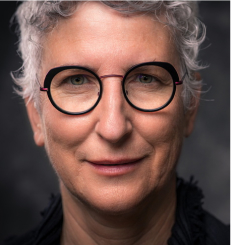
Robert Moss is the creator of Active Dreaming, an original synthesis of modern dreamwork and shamanism. Born in Australia, he survived three near-death experiences in childhood. He leads popular seminars all over the world, including a three-year training for teachers of Active Dreaming. A former lecturer in ancient history at the Australian National University, he is a bestselling novelist, poet, journalist, and independent scholar. His nine books on dreaming, shamanism, and imagination include Conscious Dreaming, Dreamways of the Iroquois, The Three "Only" Things, The Secret History of Dreaming, Dreamgates, Active Dreaming, and Dreaming the Soul Back Home. His poetry collection, Here, Everything Is Dreaming, will be published in April, 2013.


Listen to Tami Simon's interview with Robert Moss: Active Dreaming in the Multiverse

600 Podcasts and Counting…

Subscribe to Insights at the Edge to hear all of Tami’s interviews (transcripts available too!), featuring Eckhart Tolle, Caroline Myss, Tara Brach, Jack Kornfield, Adyashanti, and many more.

Meet Your Host: Tami Simon

Founded Sounds True in 1985 as a multimedia publishing house with a mission to disseminate spiritual wisdom. She hosts a popular weekly podcast called Insights at the Edge, where she has interviewed many of today's leading teachers. Tami lives with her wife, Julie M. Kramer, and their two spoodles, Rasberry and Bula, in Boulder, Colorado.

Photo © Jason Elias

Also By Author

Active Dreaming in the Multiverse

Tami Simon speaks with Robert Moss, a lifelong dream explorer, shamanic teacher, and student of the Western Mystery Tradition. Robert is a former professor of ancient history and philosophy and the author of several books. With Sounds True, he has created the audio learning course Dream Gates: A Journey into Active Dreaming. In this episode, Tami speaks with Robert about how we can listen to our dreams, and the process he calls the “Lightning Dreamwork Technique.” He speaks about how synchronicities can help us navigate our life and our spiritual practice, and shares insights on what we can learn from our dreams, including how they can allow us to connect with alternate versions of ourselves. (61 minutes)

You Might Also Enjoy

Caroline Myss On Entering The Castle: Teresa Of Ávila...

The soul has always had a geography. Long before modern psychology gave us language for the inner life, mystics like Teresa of Ávila were already drawing maps. Her vision of the soul as a many-roomed castle remains one of the most honest and courageous frameworks ever offered to anyone willing to look inward. Caroline Myss brings that vision into the present, making it available to anyone ready to take their spiritual life seriously.

At Sounds True, we have spent decades bringing together the world’s most trusted voices in spiritual growth, contemplative practice, and inner transformation. We know what genuine teaching looks like, and this is it.

In this piece, we’ll examine Teresa of Ávila’s interior castle framework, how Caroline Myss applies it to modern spiritual life, and why her insights on grace, self-examination, and the soul’s inner architecture continue to resonate with seekers everywhere.

Key Takeaways:

  • Soul as Architecture: Teresa of Ávila’s interior castle framework presents the soul as a multi-chambered space where genuine self-knowledge and spiritual depth are built room by room.
  • Energy and Wellbeing: Caroline Myss connects her decades of research into human energy and illness to Teresa’s teachings, showing how unexamined emotional patterns can shape both spiritual and physical health.
  • Grace Through Honesty: Myss teaches that grace becomes accessible not through perfection, but through radical self-honesty and the courage to examine what we most often avoid.

Center Yourself With Meditation Resources to Support Your Inner Stillness

Teresa Of Ávila’s Interior Castle And What It Means For Your Inner Life

Teresa of Ávila was a 16th-century Spanish mystic whose writing continues to speak to the deepest parts of the human soul. In Entering the Castle, Caroline Myss draws on Teresa’s timeless map to guide modern seekers through the layered chambers of the self. Here is what that journey looks like:

The Castle As A Symbol Of The Soul

Teresa envisioned the soul as a magnificent castle with many rooms, each representing a different level of spiritual depth. Britannica describes The Interior Castle as among the most widely read spiritual writings ever produced, recognized as a masterpiece on the progress of the soul toward God. Moving through these chambers means moving closer to the divine presence at the center. The further inward you go, the more clearly you begin to see yourself.

The Rooms We Avoid

Not every room feels welcoming. Some chambers hold our fears, wounds, and the parts of ourselves we have long pushed aside. Teresa’s map does not let us skip those rooms. True spiritual growth, she teaches, asks us to enter them anyway.

Why This Map Still Matters Today

Centuries after Teresa wrote her teachings, the soul’s architecture remains the same. Her vision is not a relic of the past, nor a curiosity meant only for scholars of mysticism. For anyone seeking genuine self-knowledge, her map offers a structured, sacred path that holds up across time and tradition. Research confirms that contemplative practices, including prayer and inward reflection, produce measurable benefits for both psychological and physical wellbeing through identifiable biological and psychological pathways (Frontiers in Psychology, 2024).

Insight Is The First Step Toward Transformation: Explore Teachings with Sounds True

Caroline Myss On Medical Intuition, Grace, And The Power Of Self-Examination

Caroline Myss has spent decades studying the relationship between human energy, illness, and the soul’s deeper callings. Her course on the science of medical intuition offers a deeper look at how these dynamics unfold. Her work opened a doorway into understanding how unexamined wounds and unresolved patterns can shape our physical and spiritual well-being. Here is how she connects these threads:

The Body Keeps The Score Of The Soul

Myss teaches that our biography becomes our biology. The emotional and spiritual weight we carry does not stay invisible forever. She shows how patterns of thought, grief, and unhealed pain can eventually surface in the body as symptoms that ask for our attention, making the inner life impossible to ignore. Stanford research across three global cohorts found that consistent contemplative practice is positively associated with multiple dimensions of well-being, lending weight to the deeper connection between inner life and outer health (PLOS ONE, 2022). Engage with our energy healing resources for further teaching on this connection.

Grace As A Living, Active Force

Grace moves through us when we choose self-honesty over self-protection. It becomes available the moment we stop negotiating with our wounds and start taking genuine responsibility for the energy we bring into our lives and relationships. The Subtle Body Online Training Program examines this energetic dimension in greater depth.

Self-Examination As Spiritual Discipline

Teresa of Avila understood that looking inward with honesty takes real courage. Myss carries that same conviction into her modern teachings. Sitting with your own reflection, without judgment but without flinching, is one of the most demanding and most rewarding spiritual practices any seeker can take on. For teachings on developing that capacity, see Powerful Beyond Measure.

Awaken Your Inner Healing Power with Future Innovation

Final Thoughts

The teachings of Teresa of Ávila, brought to life by Caroline Myss, remind us that the most meaningful journey we will ever take is the one that leads us back to ourselves. Entering the castle is not about escaping the world. It is about learning to meet it from a place of deeper clarity, honesty, and inner stillness. The rooms within us hold both our struggles and our greatest strengths.

What makes this path so enduring is its invitation to be fully human while reaching toward something greater. Whether you are new to spiritual practice or have walked this road for years, the interior castle meditation offers a way home that never expires. At Sounds True, we believe that teachings like these exist to be lived, not just studied, and that every sincere step inward counts.

Frequently Asked Questions About Caroline Myss On Entering The Castle

What inspired Caroline Myss to write about Teresa of Ávila?

Myss was drawn to Teresa’s ability to map the soul’s interior life in a way that speaks directly to the struggles and longings of modern spiritual seekers.

Is this teaching rooted in a specific religion?

While Teresa of Ávila was a Catholic mystic, Myss presents her framework in a way that welcomes people from all spiritual backgrounds and traditions.

How long does it take to work through the interior castle?

The interior castle is not a linear program with a fixed timeline; it is a lifelong practice of returning inward with greater honesty each time.

Can beginners engage with this material?

Absolutely, as Myss presents these teachings in accessible language that meets seekers exactly where they are, regardless of prior spiritual experience.

What role does prayer play in this framework?

Prayer in Teresa’s model is less about recitation and more about cultivating a direct, intimate conversation with the divine at the center of the soul.

How does this differ from conventional therapy or self-help?

Rather than focusing solely on psychological healing, this approach treats the soul as the primary site of transformation and growth.

Does Myss recommend any specific practices alongside the teachings?

She consistently points to honest self-reflection and the willingness to sit with discomfort as the most essential daily practices a seeker can develop.

What does Myss mean by spiritual maturity?

Spiritual maturity, in her view, is the capacity to take full responsibility for one’s choices, energy, and the impact they have on others.

Can this framework help with grief or loss?

Yes, because the castle’s inner rooms offer a sacred container for processing pain that purely rational or clinical approaches often cannot reach.

How does Teresa’s map address the ego?

Teresa’s structure gently exposes the ego’s grip at each chamber, inviting the seeker to loosen attachment to self-image as they move deeper inward.

Sources:

  1. Encyclopaedia Britannica. (2024). Saint Teresa of Ávila. https://www.britannica.com/biography/Saint-Teresa-of-Avila
  2. Holt-Lunstad, J., & Robles, T. F. (2024). Deep rest: An integrative model of how contemplative practices combat stress and enhance the body’s restorative capacity. Frontiers in Psychology, 15, Article 1334776. https://pmc.ncbi.nlm.nih.gov/articles/PMC11003855/
  3. Lounsbury, D., Hsing, A. W., Rich, T., Peng, K., Zhang, J., Heaney, C. A., Lu, Y., & Chrisinger, B. W. (2022). Contemplative practices behavior is positively associated with well-being in three global multi-regional Stanford WELL for Life cohorts. PLOS ONE, 17(10), e0275079. https://pmc.ncbi.nlm.nih.gov/articles/PMC9603492/

Michelle Cassandra Johnson is an author, activist, spiritual teacher, racial equity consultant, and intuitive healer. She is the author of six books, including Skill in Action and Finding Refuge. Amy Burtaine is a leadership coach and racial equity trainer. With Robin DiAngelo, she is the coauthor of The Facilitator's Guide for White Affinity Groups. For more, visit https://www.michellecjohnson.com/wisdom-of-the-hive.

Energy Healing Modalities Compared: Reiki, Chakra Work...

When the world of energy healing opens up, the range of available practices can feel both rich and bewildering. Reiki, chakra work, sound healing, and energy medicine each carry their own language, lineage, and method. Knowing what sets them apart helps a seeker find the approach that fits their path.

Sounds True has spent over 40 years gathering teachings from trusted spiritual voices into the world’s largest living library of transformational wisdom. This page will compare the best energy healing modalities side by side.

Key Takeaways

  • Many Paths, One Intention: Reiki, chakra work, sound healing, and other modalities each approach energy medicine from a distinct but complementary angle.
  • Rooted In Ancient Wisdom: Most energy healing practices draw from centuries-old traditions that recognized the body as a field of dynamic, intelligent energy.
  • Learning Is Within Reach: Sounds True’s digital courses make it possible to study these practices with respected teachers from anywhere in the world.

Center Yourself With Meditation Resources to Support Your Inner Stillness

What Is Energy Healing?

Energy healing is a broad term for practices that work with the body’s subtle energy fields to support physical, emotional, and spiritual health. While these approaches differ in technique and tradition, they share a core perspective: health extends well beyond the physical body, and the energy that runs through living beings can be cultivated, restored, and deepened. 

Reiki: Channeling Universal Life Force

Reiki is a Japanese technique developed in the early twentieth century. A practitioner channels universal life force energy through their hands, placed lightly on or above the body. Gentle, non-invasive, and widely accessible to beginners, it is often the first modality people encounter when stepping into subtle energy work. 

Teacher Richard Bartlett brings a grounded and exploratory voice to this field through his Sounds True programs. When mapping the Reiki vs chakra healing differences, the most useful distinction is that Reiki focuses on overall energy flow rather than on specific centers, making it a welcoming starting point for anyone new to subtle energy practices. 

Awaken Your Inner Healing Power with Future Innovation

Chakra Work: Tuning The Energy Centers

Drawing from the ancient yogic tradition, chakra-based healing works with the seven primary energy centers along the spine, from the root to the crown. Each chakra connects to specific emotional and physical qualities, and practices like visualization, breathwork, and movement aim to restore balance when these centers become blocked or imbalanced. 

Sounds True courses on chakra systems go deep into how each energy center relates to psychological patterns and lived experience, making the practice approachable for people at any stage of their path. 

Sound Healing: Frequency As Medicine

Sound healing uses vibration, from singing bowls and tuning forks to voice and instruments, to shift the energetic and emotional state of the listener. The principle is that the body responds to sound frequency in ways that invite relaxation, release, and inner coherence. 

Teacher Christine Stevens brings decades of practice and a warm, accessible approach to this work through her Sounds True programs. Those drawn to this modality will find the Sounds True post on sound healing and meditation: how vocal toning can deepen your practice a rich companion, along with a curated list of five healing music picks

Energy Medicine Practices Explained

Energy medicine draws from a broader range of traditions, including traditional Chinese medicine, Ayurveda, and indigenous healing systems. The Sounds True resource on Donna Eden and energy medicine offers one of the clearest introductions to this territory available, tracing how energy medicine practices explained through Eden’s lens translate into practical daily application. 

Sounds True’s digital courses and in-depth programs offer structured ways to study these traditions with respected teachers from wherever a student happens to be in the world. 

Insight Is the First Step Toward Transformation: Expand Your Understanding Today

Final Thoughts

The search for an energy healing modality is personal. Each tradition carries its own gifts, and many practitioners draw from several over time, weaving together a practice that serves their unique needs and the season of life they are moving through.

Sounds True’s mission is to wake up the world, and energy healing belongs within any honest conversation about whole-person wellbeing. The living library holds teachings that honor both the science and the spirit of this ancient territory.

Frequently Asked Questions About The Best Energy Healing Modalities Compared

What is the most beginner-friendly energy healing modality?

Reiki is widely considered one of the most accessible starting points due to its gentle, non-invasive nature and clear structure.

Can energy healing be used alongside conventional medical treatment?

Yes, many practitioners use energy healing as a complementary support rather than a replacement for conventional medical care.

How do Reiki and chakra healing differ from each other?

Reiki works with the overall energy flow throughout the body, while chakra healing focuses on specific energy centers along the spine.

Is sound healing the same as music therapy?

Sound healing and music therapy overlap but differ in their intentions, training, and the specific mechanisms they use.

How do I know which energy healing modality is right for me?

Personal resonance matters most, and sampling different practices, ideally with skilled teachers, helps clarify what fits your needs.

Are energy healing practices rooted in spiritual traditions?

Most draw from ancient spiritual traditions, though many contemporary practitioners approach them in secular or integrative wellness contexts.

Michelle Cassandra Johnson is an author, activist, spiritual teacher, racial equity consultant, and intuitive healer. She is the author of six books, including Skill in Action and Finding Refuge. Amy Burtaine is a leadership coach and racial equity trainer. With Robin DiAngelo, she is the coauthor of The Facilitator's Guide for White Affinity Groups. For more, visit https://www.michellecjohnson.com/wisdom-of-the-hive.

Core Shamanism vs. Traditional Shamanism: Understandin...

Shamanism can mean different things depending on the tradition, culture, or spiritual path being discussed. As interest in spiritual healing and self-discovery grows, many people are asking questions about core shamanism vs indigenous traditional shamanism and what separates the two approaches. While they may share similar practices, their origins, purpose, and cultural foundations are often very different.

At Sounds True, we have spent decades sharing wisdom teachings that support spiritual growth, mindfulness, and deeper self-awareness. Through books, audio programs, courses, and events, we continue to create space for meaningful conversations around spiritual traditions and modern practice.

Below, we’ll compare core shamanism and traditional indigenous shamanism, including their origins, practices, and cultural differences.

Key Takeaways

  • Cultural Roots: Traditional indigenous shamanism is deeply connected to ancestral lineage, ceremony, community, and sacred cultural traditions.
  • Modern Adaptation: Core shamanism explained through contemporary practice focuses on universal spiritual techniques accessible outside Indigenous cultures.
  • Respectful Practice: Understanding core shamanism vs indigenous traditional shamanism encourages more thoughtful and culturally aware spiritual learning.

Center Yourself With Meditation Resources to Support Your Inner Stillness

What Is Traditional Indigenous Shamanism?

Traditional indigenous shamanism refers to spiritual traditions rooted in specific cultures, lands, and ancestral lineages. Across regions such as Siberia, the Amazon, Mongolia, and parts of North America, shamans have historically served as healers, ceremonial leaders, mediators between spiritual and physical worlds, and caretakers of community wisdom. These practices are not separate from daily life. They are woven into language, ritual, storytelling, music, seasonal cycles, and relationships with the natural world. Traditional Indigenous shamans often undergo years of apprenticeship, spiritual initiation, or community recognition before stepping into their roles. While each tradition carries its own beliefs and ceremonial practices, many share a deep understanding that healing involves restoring balance between people, spirit, nature, and community. For Indigenous communities, these teachings are living sacred systems passed from generation to generation rather than spiritual methods disconnected from cultural identity.

Core Shamanism Explained: Understanding the Modern Spiritual Approach

Core shamanism emerged as a contemporary spiritual framework designed to make shamanic practices accessible outside Indigenous cultural traditions. Rather than following one specific lineage, it focuses on techniques believed to appear across multiple shamanic cultures, particularly journeying, drumming, visualization, and spirit communication. Many people encounter core shamanism through workshops, books, meditation groups, or personal spiritual exploration.

The Foundations of Core Shamanism

Core shamanism was largely developed through the work of anthropologist Michael Harner, who studied Indigenous ceremonial traditions during his field research. Harner identified recurring spiritual practices among different cultures and adapted them into a universal system that could be practiced without belonging to a specific tribe or community. His teachings emphasized direct spiritual experience rather than religious doctrine or cultural initiation.

Many modern practitioners are drawn to this approach because it offers flexibility and accessibility. People interested in meditation, energy healing, personal growth, or spiritual connection may find the practices approachable even without prior exposure to shamanic traditions.

Why Core Shamanism Appeals to Modern Seekers

Modern spiritual seekers often look for practices that help them reconnect with intuition, inner guidance, and a sense of meaning. Core shamanism offers structured methods for exploring altered states of consciousness through rhythmic drumming, guided imagery, and meditation practices.

For some, the appeal lies in personal transformation. Others are interested in spiritual healing or building a stronger relationship with nature and the unseen world. Because core shamanism is not tied to one religion or culture, many practitioners feel it creates space for individual exploration while still drawing inspiration from ancient spiritual wisdom.

Michael Harner Core Shamanism and Its Influence on Contemporary Practice

Michael Harner core shamanism became widely influential during the late twentieth century as interest in alternative spirituality and holistic healing expanded throughout North America and Europe. His work introduced many people to concepts such as spirit journeying, power animals, and energetic healing practices that had previously been unfamiliar to mainstream audiences.

Michael Harner’s Role in Modern Shamanic Practice

In 1985, Michael Harner founded the Foundation for Shamanic Studies, an organization dedicated to teaching core shamanic methods. Through workshops, books, and training programs, Harner helped shape what many now recognize as modern shamanic practice.

His approach focused on experiential learning. Participants were encouraged to engage directly with spiritual practices through drumming journeys and guided exercises rather than studying theology or cultural systems academically. This hands-on approach helped make core shamanism accessible to people from many different backgrounds.

Criticism and Cultural Conversations

At the same time, Michael Harner core shamanism has also sparked ongoing conversations about cultural respect and appropriation. Some Indigenous teachers and scholars express concern that separating spiritual practices from their original cultural context can oversimplify sacred traditions or overlook the communities that continue to preserve them.

These conversations invite modern practitioners to approach shamanic learning with humility and awareness. Respecting Indigenous traditions includes recognizing that many ceremonial practices are connected to living cultures, histories, and responsibilities that cannot always be replicated outside those communities.

Core Shamanism vs Indigenous Traditional Shamanism: The Main Differences

Although both approaches may involve journeying, healing rituals, or spirit communication, there are important differences between core shamanism vs indigenous traditional shamanism. Understanding those distinctions can support a more respectful and informed spiritual path.

Cultural Lineage and Community Connection

Traditional indigenous shamanism exists within a living cultural framework. Practices are often connected to ancestral teachings, ceremonial responsibilities, and community relationships passed through generations. Shamans typically serve specific communities and carry cultural knowledge shaped by history, language, and land.

Core shamanism, by contrast, removes practices from a single cultural lineage and presents them as universal spiritual tools. Practitioners generally learn through workshops, books, or independent study rather than through tribal or ancestral transmission.

Structure, Purpose, and Spiritual Responsibility

Another key difference involves the role of the practitioner. In traditional Indigenous cultures, shamans may hold responsibilities related to healing, rites of passage, conflict resolution, or communication with ancestors and spirits on behalf of the community.

Modern shamanic practice often centers more heavily on individual growth, self-discovery, or personal healing. While these intentions can still be meaningful, they differ from the communal role many traditional shamans hold within Indigenous societies.

Learn How Your Mind Operates With Psychologics on Trauma, Mindfulness, and More

How Traditional Indigenous Shamanism Preserves Lineage and Ceremony

Traditional indigenous shamanism continues to survive through the care, protection, and commitment of Indigenous communities around the world. Several elements help preserve these sacred traditions across generations:

  • Oral storytelling remains one of the primary ways teachings, histories, and ceremonial knowledge are passed forward.
  • Ritual songs, dances, and sacred language help maintain spiritual and cultural continuity within communities.
  • Apprenticeship and mentorship allow younger generations to learn directly from elders and ceremonial leaders.
  • Strong relationships with land and nature continue to shape spiritual practices and community identity.
  • Seasonal ceremonies and communal gatherings reinforce shared values, healing practices, and ancestral connection.
  • Cultural preservation efforts by Indigenous educators and activists help protect traditions from erasure and misunderstanding.

As interest in shamanic spirituality grows globally, many Indigenous voices continue to emphasize the importance of honoring the origins of these teachings. Respectful learning involves recognizing that these traditions are not relics of the past. They remain active spiritual systems carried by living communities today.

Why Modern Shamanic Practice Resonates With Spiritual Seekers Today

Many people feel drawn toward modern shamanic practice because it offers space for reflection, healing, and spiritual connection in a world that can often feel fragmented and disconnected. Practices such as drumming, meditation, visualization, and energy work may help individuals reconnect with intuition, emotional awareness, and a sense of relationship with nature. For some seekers, these practices provide a spiritual framework outside conventional religious structures while still encouraging mindfulness and personal growth. The emphasis on direct experience also appeals to people who value inner exploration over rigid doctrine. As interest in holistic wellness continues to expand, many individuals see shamanic practices as part of a broader search for meaning, presence, and transformation.

Ethical Considerations in Core Shamanism and Cultural Respect

As conversations around spirituality evolve, ethical questions remain an important part of discussing core shamanism explained within a modern context. Many practitioners strive to engage these teachings respectfully by learning about the Indigenous cultures connected to shamanic traditions and acknowledging their historical experiences. Listening to Indigenous voices can deepen understanding and encourage greater cultural sensitivity. Ethical engagement also involves recognizing the difference between appreciation and appropriation. While spiritual curiosity can open meaningful pathways for learning, respect requires awareness of how sacred traditions have been preserved, shared, and sometimes misunderstood throughout history. Approaching these teachings with humility helps create a more thoughtful relationship with spiritual practice overall.

Can Core Shamanism and Traditional Indigenous Shamanism Coexist?

The relationship between core shamanism and traditional indigenous shamanism is complex and continues to evolve. Some people see core shamanism as a gateway that introduces spiritual seekers to practices centered on healing, nature, and expanded awareness. Others believe important distinctions must remain visible so Indigenous traditions are not reduced to generalized spiritual concepts. Both perspectives reflect deeper questions about lineage, accessibility, and cultural stewardship. Meaningful dialogue begins with listening, respect, and a willingness to understand the roots of these traditions more fully. For modern seekers, thoughtful engagement may involve balancing personal spiritual exploration with an ongoing commitment to honoring the communities and histories connected to these sacred practices.

Awaken Your Inner Healing Power with Future Innovation

Final Thoughts

Understanding core shamanism vs indigenous traditional shamanism invites a deeper conversation about spirituality, cultural lineage, and respectful learning. While modern shamanic practice offers accessible pathways for personal exploration, traditional Indigenous teachings remain rooted in living communities, sacred histories, and ancestral wisdom. Approaching both with humility and awareness allows spiritual seekers to engage these practices thoughtfully while honoring the cultures that continue to carry them forward.

Frequently Asked Questions About Core Shamanism vs. Traditional Shamanism

Is core shamanism considered a religion?

Core shamanism is generally viewed as a spiritual practice rather than a formal religion. It does not require followers to adopt a specific belief system, deity, or organized doctrine.

Can someone practice core shamanism without a teacher?

Some people begin learning through books, recordings, or guided meditations, though many practitioners choose workshops or mentors for deeper support and structure.

Why do some Indigenous communities criticize modern shamanic practice?

Criticism often centers on concerns about cultural appropriation, commercialization, and the removal of sacred practices from their original cultural meaning and context.

Are shamanic journeys the same as meditation?

While both may involve altered states of awareness and introspection, shamanic journeying often includes intentional interaction with spiritual imagery, guides, or symbolic experiences.

Does traditional indigenous shamanism involve plant medicine ceremonies?

Certain Indigenous traditions include sacred plant medicine practices, though not all forms of traditional indigenous shamanism use plant medicines.

What tools are commonly used in core shamanism?

Practitioners may use drums, rattles, chanting, guided visualization, candles, or sacred objects during spiritual practices and ceremonies.

Is modern shamanic practice connected to nature spirituality?

Many forms of modern shamanic practice emphasize connection with nature, animals, seasonal cycles, and the spiritual dimension of the natural world.

Can core shamanism be combined with other spiritual practices?

Some practitioners integrate core shamanism with meditation, yoga, mindfulness, or other spiritual traditions as part of a personal spiritual path.

How long does it take to study traditional shamanic practices?

In many Indigenous traditions, learning may take years of mentorship, ceremonial participation, and community involvement before someone is recognized as a healer or spiritual guide.

Why is cultural context important in shamanism?

Cultural context shapes the meaning, purpose, and responsibility behind spiritual practices. Understanding that context helps preserve respect for the communities that carry these traditions.

Michelle Cassandra Johnson is an author, activist, spiritual teacher, racial equity consultant, and intuitive healer. She is the author of six books, including Skill in Action and Finding Refuge. Amy Burtaine is a leadership coach and racial equity trainer. With Robin DiAngelo, she is the coauthor of The Facilitator's Guide for White Affinity Groups. For more, visit https://www.michellecjohnson.com/wisdom-of-the-hive.