Your Body Is Not What You Think: Looking Beyond the Physical and into the Energetic Heart

March 6, 2020

This model of a multidimensional body applies directly to the theme of the Deep Heart. I would not write about the importance of the heart unless I knew it intimately firsthand and also understood its critical role in psychological healing and spiritual awakening. If there are, as I propose, layers to the heart ranging from the relatively gross, through the refined, to the transcendent, then many of us will be able to directly or indirectly sense this in some way.

One of the easiest ways to sense the emotional and energetic reality of the heart area is to notice what we sense and feel when we fall in love or, conversely, when we lose someone we have loved via death or a painful breakup. Heart openings are intoxicatingly joyful, and heart breaks are extraordinarily painful. Have you ever wondered why this is the case? Are the opening and closing of the heart purely physiological, or might something else be going on? We will explore romantic love in a later chapter, but for now I’ll just acknowledge the central role that the heart area plays in human relationships and in genuine spiritual openings. The majority of popular songs and a large number of our most compelling stories revolve around love found and lost.

In order to explore your heart in any depth, it’s helpful to sense your whole body with as few ideas as possible. Clear the slate—be open to the possibility that your body is not what you think it is. Rather than approaching your body as a familiar solid object made up of skin, bones, muscles, organs, tissues, and cells governed by neural and hormonal networks, I encourage you to approach it differently—as a field of vibration filled with space.

In the next exercise, you will experience the body as a field of vibration. This meditation is inspired by the Vijnanabhairava Tantra, a key experiential text in Kashmiri Tantric Shaivism that was authored over a thousand years ago. It’s a good idea to record this guided meditation on your smartphone, and I recommend pausing between the steps outlined below for at least twenty seconds. Including the pauses, please allow for at least ten minutes in total. Find a quiet place where you won’t be disturbed, sit comfortably, and close your eyes.  

BODY SENSING PRACTICE 

Sensing the Body as Vibration  

Take a few deep breaths and allow your attention to settle down and in.

Feel the weight of your body being held by whatever you are sitting on and let yourself be completely held.

Sense the bottoms of your feet, the tips of your toes, and notice a lively vibration. Imagine it growing stronger, gradually enveloping both feet, and then moving up both legs.

Sense the palms of your hands and the tips of your fingers. Notice a subtle vibration—a sense of aliveness.

Feel it enveloping both hands and slowly spreading up both arms.

Feel this sense of vibrant aliveness growing into your hips and shoulders.

And then into the belly and the chest, including your back.  

Sense this lively vibration moving up the neck and into the head, suffusing the mouth, ears, eyes, and brain. Take your time.

Now let go of any focusing and sense your entire body as a diffuse field of lively vibration. Notice that it is difficult to tell exactly where your body ends and where the so-called world begins. Allow this sense of vibration to extend out into space in all directions: front … back … left … right … up … and down.

Rest in and as this expansive sense of vibrant spaciousness as long as you like.  

Journey into the depths of your own heart with Dr. John J. Prendergast’s guide, The Deep Heart: Our Portal to Presence.

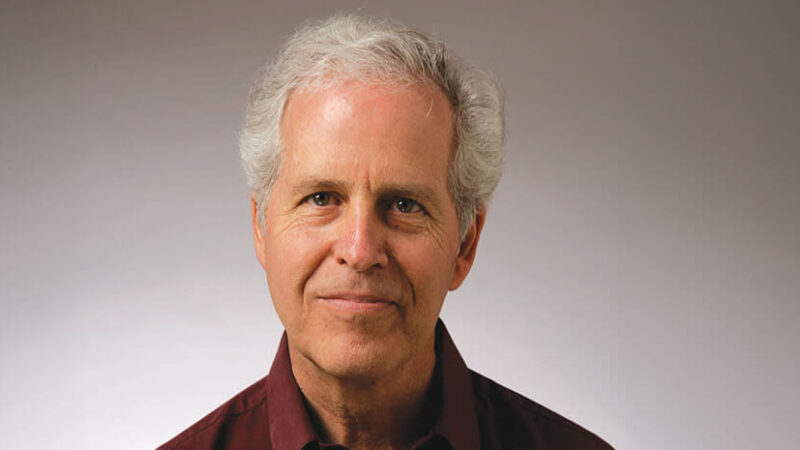
John J. Prendergast

Photo of ()\

John J. Prendergast, PhD is a spiritual teacher, author, psychotherapist, and retired adjunct professor of psychology who now offers residential and online retreats. For more, please visit listeningfromsilence.com.

Also By Author

John J. Prendergast: Meeting Your Deepest Ground

At a time when things feel utterly groundless for so many of us, Dr. John J. Prendergast offers a practical approach to “meeting your deepest ground”—a stabilizing core of awareness and truth that is at once within and all around you. In this podcast, Tami Simon speaks with the retired therapist and spiritual teacher about his new book, Your Deepest Ground: A Guide to Embodied Spirituality

Settle back for a fascinating conversation filled with both practical insights and esoteric wisdom for anyone on a path of growth and transformation. Tami and John explore overcoming deep inner resistance to what we would rather not face; how traumatic “material” becomes frozen in the body; Kundalini awakening; how to attune to your body’s “subtle sensitivity” to receive the wisdom it has to offer; relaxing the mind; touching reality through and beyond the body; the “underground dimension” that is both personal and collective; the work of Carl Jung; becoming more intimate with the archetypal dimension of life; the challenge of defining the undefinable “absolute ground” of our being; transmitting a felt experience within a shared field of openness; the two kinds of inner blockages, psychological and existential; the core theme of safety; welcoming difficult feelings and experiences in order to better understand them; activating the light of awareness that leads to transformation; the practice of paying attention to the space behind you; mindfulness and witnessing our thoughts; humility and the pilgrimage from the head to the heart; the futility of “seeking” what is always already here; the disorientation that often precedes a reorientation; common symptoms people experience during the process of unwinding core contractions; letting go (and doing it with trust); the rainbow bridge between heaven and earth; why psychological healing is a necessary component for spiritual awakening; and more.

Note: This episode originally aired on Sounds True One, where these special episodes of Insights at the Edge are available to watch live on video and with exclusive access to Q&As with our guests. Learn more at join.soundstrue.com.

Guided Meditation: Accepting Your Experience Just as I...

If you have traveled on the spiritual path even a little way, you have probably come across some version of “love what is”—a reminder that you should accept your experience as it is. However, this teaching easily becomes another injunction. Notice the should in the earlier sentence—it is always a red flag that the judging mind is at work.  

The conditioned mind cannot accept unconditionally. It always has an agenda, even if it is well hidden. It secretly bargains and sends the message, “I will accept you [sotto voce] if you change or leave.” This approach is akin to welcoming guests at your front door while secretly hoping they will exit out the back—the sooner, the better! Guests—our unwanted thoughts, feelings, and sensations—will certainly feel this conditional invitation, even if it is unspoken. As a result, they will be much less willing to enter, relax, and reveal themselves. The result? What we resist, persists. So when your new arrivals show up at your door, put away your timer and share some aromatic green tea and a raspberry scone with them. Settle in and let them tell their stories and share their feelings. They just want to be heard and understood. Once they feel genuinely received, they will be open to a new perspective.

Are you willing to be with your experience just as it is, even if it never changes? This is a critically important checking question. Take a few minutes to inquire with the following practice.

MEDITATIVE INQUIRY

Are You Willing to Accept Your Experience Just as It Is?

Sit quietly where you won’t be disturbed, close or lower your eyes, and take a few deep breaths. Feel the weight of your body held by whatever you are sitting on and relax. Feel your attention settling down and in.

Think of a troubling aspect of your conditioning—an unwelcome pattern of behavior, reactive feeling, bodily tension, or invasive thought. Then ask yourself: “Am I willing to accept this just as it is?”

If your response comes from the strategic mind, there will be an honest no. This is good to see. If this is the case, try asking the question a little differently: “Is there something in me that already accepts this just as it is?”

If your attention has settled into the Deep Heart, you will find a yes.

Journey into the depths of your own heart with Dr. John J. Prendergast’s guide, The Deep Heart: Our Portal to Presence.

Your Body Is Not What You Think: Looking Beyond the Ph...

This model of a multidimensional body applies directly to the theme of the Deep Heart. I would not write about the importance of the heart unless I knew it intimately firsthand and also understood its critical role in psychological healing and spiritual awakening. If there are, as I propose, layers to the heart ranging from the relatively gross, through the refined, to the transcendent, then many of us will be able to directly or indirectly sense this in some way.

One of the easiest ways to sense the emotional and energetic reality of the heart area is to notice what we sense and feel when we fall in love or, conversely, when we lose someone we have loved via death or a painful breakup. Heart openings are intoxicatingly joyful, and heart breaks are extraordinarily painful. Have you ever wondered why this is the case? Are the opening and closing of the heart purely physiological, or might something else be going on? We will explore romantic love in a later chapter, but for now I’ll just acknowledge the central role that the heart area plays in human relationships and in genuine spiritual openings. The majority of popular songs and a large number of our most compelling stories revolve around love found and lost.

In order to explore your heart in any depth, it’s helpful to sense your whole body with as few ideas as possible. Clear the slate—be open to the possibility that your body is not what you think it is. Rather than approaching your body as a familiar solid object made up of skin, bones, muscles, organs, tissues, and cells governed by neural and hormonal networks, I encourage you to approach it differently—as a field of vibration filled with space.

In the next exercise, you will experience the body as a field of vibration. This meditation is inspired by the Vijnanabhairava Tantra, a key experiential text in Kashmiri Tantric Shaivism that was authored over a thousand years ago. It’s a good idea to record this guided meditation on your smartphone, and I recommend pausing between the steps outlined below for at least twenty seconds. Including the pauses, please allow for at least ten minutes in total. Find a quiet place where you won’t be disturbed, sit comfortably, and close your eyes.  

BODY SENSING PRACTICE 

Sensing the Body as Vibration  

Take a few deep breaths and allow your attention to settle down and in.

Feel the weight of your body being held by whatever you are sitting on and let yourself be completely held.

Sense the bottoms of your feet, the tips of your toes, and notice a lively vibration. Imagine it growing stronger, gradually enveloping both feet, and then moving up both legs.

Sense the palms of your hands and the tips of your fingers. Notice a subtle vibration—a sense of aliveness.

Feel it enveloping both hands and slowly spreading up both arms.

Feel this sense of vibrant aliveness growing into your hips and shoulders.

And then into the belly and the chest, including your back.  

Sense this lively vibration moving up the neck and into the head, suffusing the mouth, ears, eyes, and brain. Take your time.

Now let go of any focusing and sense your entire body as a diffuse field of lively vibration. Notice that it is difficult to tell exactly where your body ends and where the so-called world begins. Allow this sense of vibration to extend out into space in all directions: front … back … left … right … up … and down.

Rest in and as this expansive sense of vibrant spaciousness as long as you like.  

Journey into the depths of your own heart with Dr. John J. Prendergast’s guide, The Deep Heart: Our Portal to Presence.

You Might Also Enjoy

Just One Question | Osho Zenju Earthlyn Manuel: How Ca...

When we heard Osho Zenju Earthlyn Manuel share her story of a terrifying night she couldn’t breathe, it was eerily similar to a personal experience—and helpful too. We knew we had to share this moment from her conversation with Tami Simon on Insights at the Edge, in which she tells the story of the night she nearly died from a severe anaphylactic reaction and how she got through it not by searching for light at the end of the tunnel, but by staying present with the darkness itself. 

Zenju, a poet and ordained Zen Buddhist priest, challenges the instinct most of us have to fear darkness, rush out of it, or wait for a gift on the other side. Instead, she describes an experience of profound non-struggle — a moment of near-death where she wasn’t afraid, didn’t fight, and somehow found a way to keep breathing by trusting her body completely.

Key themes from this episode:

  • Why darkness — and even light — may be far more unknown and unknowable than we assume
  • How struggling against a frightening experience can make it worse, while staying present with it can be transformative
  • A firsthand account of surviving a full-blown anaphylactic shock without fear
  • Rethinking our cultural instinct to rush ourselves and others out of difficult emotional or physical states
  • Why “the absence of light” might be less about despair and more about a different kind of awakening

Taken from the full Insights at the Edge conversation with Zenju Earthlyn Manuel “Opening to Darkness,” which is also the title of her book. Find the complete interview in this feed or at soundstrue.com.

This episode is sponsored by Omega Institute, a global gathering hub for lifelong learning and spiritual exploration. Omega offers weekend workshops, special events, rest and rejuvenation retreats, professional training, online learning, and more. Discover what calls to you at eomega.org/true.

Michael A. Singer: The Pain That Ends All Pain


What if the pain you’ve been avoiding is actually the thing that could set you free?

This week, Tami Simon speaks with Michael A. Singer, beloved wisdom teacher, founder of the Temple of the Universe, and author of The Untethered Soul, The Surrender Experiment, Living Untethered, and his newest book, Wisdom Untethered: The Time for Questions. Drawn from 1,200 reader questions distilled into 200 essential ones, the conversation keeps returning to a single teaching Michael once received from a saint: “It’s the pain that ends all pain.”

Join Tami and Michael to explore:

  • Why “letting go” is an inner practice, not spiritual bypassing or passivity
  • What samskaras are, and why blocked energy, not memory, is the real source of inner darkness
  • Why the willingness to feel disturbance, rather than suppress it, is the actual path of purification
  • The practice of “falling behind” resistance, and other techniques for letting stuck energy move and release
  • The difference between preferences and fears, and why the Buddha named preference as the root of suffering
  • How to face real-world injustice with clarity instead of ego-driven reactivity
  • Why the true motive of spiritual practice is simply to let go of what’s in the way

Whether you’ve read The Untethered Soul a dozen times or are new to Michael’s teachings, this conversation offers both the practical tools and the felt experience of what it means to stop blocking the shakti that’s already flowing within you.

Listen now, and discover why the pain you’ve been running from might be exactly what ends it. →

This conversation offers genuine transmission, not just concepts about awakening, but the palpable presence of realized teachers exploring the growing edge of spiritual understanding together, and originally aired on Sounds True One.

Insights at the Edge is supported by Magic Hour, whose ceremonial teas carry more presence, beauty, and ritual into ordinary days. Magic Hour draws its leaves and botanicals from regenerative small farms around the world, in blends made to nourish the body and open the mind.

Explore their teas, matchas, and herbal rituals at clubmagichour.com. Get 20% off your first order with the code TRUE.

Just One Question | Connie Zweig: What Does It Mean to...

You know the object of your addiction is bad for you. So why can’t you stop? Dr. Connie Zweig has spent decades working with people who feel stuck in exactly that gap between knowing and changing.

Zweig is a retired Jungian therapist and the author of the newly republished Meeting the Shadow and Romancing the Shadow — the books that helped launch the shadow-work movement, and the reason a new generation is now discovering it on TikTok.

In this clip, she walks Tami through her method step by step, using the story of a client who couldn’t stop eating ice cream every night while waiting for an unavailable boyfriend to call. Awareness alone, Zweig explains, is never enough. You have to name the shadow character, trace it back to where it was first modeled, and uncover the valid need hiding underneath it.

What you’ll take away from this clip:

  • Why awareness of a compulsive pattern rarely changes it on its own
  • How to identify a “shadow character” through its recurring thoughts, feelings, and body sensations
  • Why every addictive or compulsive behavior is protecting a valid, hidden need
  • Zweig’s own story of discovering her “judge” shadow character — inherited from her father

This clip is taken from the full Insights at the Edge conversation with Connie Zweig: “Meeting One of the World’s Leading Experts on the Shadow.” 

This episode is sponsored by Omega Institute, a global gathering hub for lifelong learning and spiritual exploration. Omega offers weekend workshops, special events, rest and rejuvenation retreats, professional training, online learning, and more. Discover what calls to you at eomega.org/true.

One comment on “Your Body Is Not What You Think: Looking Beyond the Physical and into the Energetic Heart

  1. Anonymous says:

    Thank you

Leave a Reply

Your email address will not be published. Required fields are marked *