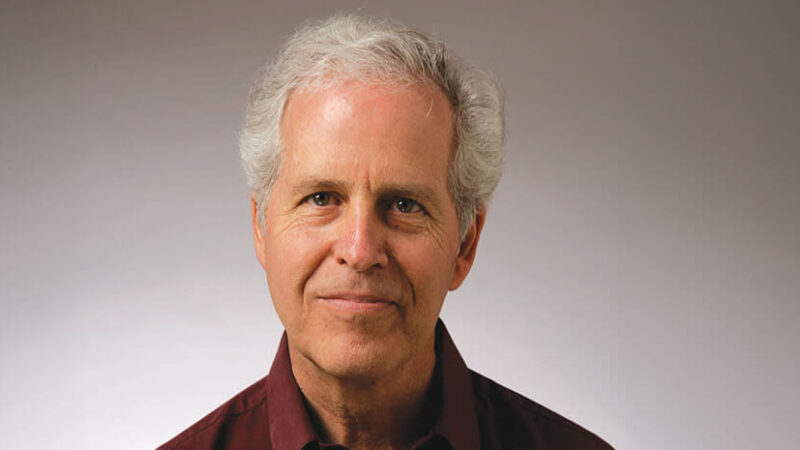
John J. Prendergast

Photo of ()\

John J. Prendergast, PhD is a spiritual teacher, author, psychotherapist, and retired adjunct professor of psychology who now offers residential and online retreats. For more, please visit listeningfromsilence.com.

Also By Author

John J. Prendergast: Meeting Your Deepest Ground

At a time when things feel utterly groundless for so many of us, Dr. John J. Prendergast offers a practical approach to “meeting your deepest ground”—a stabilizing core of awareness and truth that is at once within and all around you. In this podcast, Tami Simon speaks with the retired therapist and spiritual teacher about his new book, Your Deepest Ground: A Guide to Embodied Spirituality

Settle back for a fascinating conversation filled with both practical insights and esoteric wisdom for anyone on a path of growth and transformation. Tami and John explore overcoming deep inner resistance to what we would rather not face; how traumatic “material” becomes frozen in the body; Kundalini awakening; how to attune to your body’s “subtle sensitivity” to receive the wisdom it has to offer; relaxing the mind; touching reality through and beyond the body; the “underground dimension” that is both personal and collective; the work of Carl Jung; becoming more intimate with the archetypal dimension of life; the challenge of defining the undefinable “absolute ground” of our being; transmitting a felt experience within a shared field of openness; the two kinds of inner blockages, psychological and existential; the core theme of safety; welcoming difficult feelings and experiences in order to better understand them; activating the light of awareness that leads to transformation; the practice of paying attention to the space behind you; mindfulness and witnessing our thoughts; humility and the pilgrimage from the head to the heart; the futility of “seeking” what is always already here; the disorientation that often precedes a reorientation; common symptoms people experience during the process of unwinding core contractions; letting go (and doing it with trust); the rainbow bridge between heaven and earth; why psychological healing is a necessary component for spiritual awakening; and more.

Note: This episode originally aired on Sounds True One, where these special episodes of Insights at the Edge are available to watch live on video and with exclusive access to Q&As with our guests. Learn more at join.soundstrue.com.

Guided Meditation: Accepting Your Experience Just as I...

If you have traveled on the spiritual path even a little way, you have probably come across some version of “love what is”—a reminder that you should accept your experience as it is. However, this teaching easily becomes another injunction. Notice the should in the earlier sentence—it is always a red flag that the judging mind is at work.  

The conditioned mind cannot accept unconditionally. It always has an agenda, even if it is well hidden. It secretly bargains and sends the message, “I will accept you [sotto voce] if you change or leave.” This approach is akin to welcoming guests at your front door while secretly hoping they will exit out the back—the sooner, the better! Guests—our unwanted thoughts, feelings, and sensations—will certainly feel this conditional invitation, even if it is unspoken. As a result, they will be much less willing to enter, relax, and reveal themselves. The result? What we resist, persists. So when your new arrivals show up at your door, put away your timer and share some aromatic green tea and a raspberry scone with them. Settle in and let them tell their stories and share their feelings. They just want to be heard and understood. Once they feel genuinely received, they will be open to a new perspective.

Are you willing to be with your experience just as it is, even if it never changes? This is a critically important checking question. Take a few minutes to inquire with the following practice.

MEDITATIVE INQUIRY

Are You Willing to Accept Your Experience Just as It Is?

Sit quietly where you won’t be disturbed, close or lower your eyes, and take a few deep breaths. Feel the weight of your body held by whatever you are sitting on and relax. Feel your attention settling down and in.

Think of a troubling aspect of your conditioning—an unwelcome pattern of behavior, reactive feeling, bodily tension, or invasive thought. Then ask yourself: “Am I willing to accept this just as it is?”

If your response comes from the strategic mind, there will be an honest no. This is good to see. If this is the case, try asking the question a little differently: “Is there something in me that already accepts this just as it is?”

If your attention has settled into the Deep Heart, you will find a yes.

Journey into the depths of your own heart with Dr. John J. Prendergast’s guide, The Deep Heart: Our Portal to Presence.

Your Body Is Not What You Think: Looking Beyond the Ph...

This model of a multidimensional body applies directly to the theme of the Deep Heart. I would not write about the importance of the heart unless I knew it intimately firsthand and also understood its critical role in psychological healing and spiritual awakening. If there are, as I propose, layers to the heart ranging from the relatively gross, through the refined, to the transcendent, then many of us will be able to directly or indirectly sense this in some way.

One of the easiest ways to sense the emotional and energetic reality of the heart area is to notice what we sense and feel when we fall in love or, conversely, when we lose someone we have loved via death or a painful breakup. Heart openings are intoxicatingly joyful, and heart breaks are extraordinarily painful. Have you ever wondered why this is the case? Are the opening and closing of the heart purely physiological, or might something else be going on? We will explore romantic love in a later chapter, but for now I’ll just acknowledge the central role that the heart area plays in human relationships and in genuine spiritual openings. The majority of popular songs and a large number of our most compelling stories revolve around love found and lost.

In order to explore your heart in any depth, it’s helpful to sense your whole body with as few ideas as possible. Clear the slate—be open to the possibility that your body is not what you think it is. Rather than approaching your body as a familiar solid object made up of skin, bones, muscles, organs, tissues, and cells governed by neural and hormonal networks, I encourage you to approach it differently—as a field of vibration filled with space.

In the next exercise, you will experience the body as a field of vibration. This meditation is inspired by the Vijnanabhairava Tantra, a key experiential text in Kashmiri Tantric Shaivism that was authored over a thousand years ago. It’s a good idea to record this guided meditation on your smartphone, and I recommend pausing between the steps outlined below for at least twenty seconds. Including the pauses, please allow for at least ten minutes in total. Find a quiet place where you won’t be disturbed, sit comfortably, and close your eyes.  

BODY SENSING PRACTICE 

Sensing the Body as Vibration  

Take a few deep breaths and allow your attention to settle down and in.

Feel the weight of your body being held by whatever you are sitting on and let yourself be completely held.

Sense the bottoms of your feet, the tips of your toes, and notice a lively vibration. Imagine it growing stronger, gradually enveloping both feet, and then moving up both legs.

Sense the palms of your hands and the tips of your fingers. Notice a subtle vibration—a sense of aliveness.

Feel it enveloping both hands and slowly spreading up both arms.

Feel this sense of vibrant aliveness growing into your hips and shoulders.

And then into the belly and the chest, including your back.  

Sense this lively vibration moving up the neck and into the head, suffusing the mouth, ears, eyes, and brain. Take your time.

Now let go of any focusing and sense your entire body as a diffuse field of lively vibration. Notice that it is difficult to tell exactly where your body ends and where the so-called world begins. Allow this sense of vibration to extend out into space in all directions: front … back … left … right … up … and down.

Rest in and as this expansive sense of vibrant spaciousness as long as you like.  

Journey into the depths of your own heart with Dr. John J. Prendergast’s guide, The Deep Heart: Our Portal to Presence.

You Might Also Enjoy

Ilia Delio: A Cyborg Christian on the God Revolution W...


The myths we’ve inherited about God aren’t just outdated—according to Sister Ilia Delio, they may be at the root of our collective crisis.

This week, Tami Simon speaks with Ilia Delio—Franciscan sister, scientist, theologian, holder of the Josephine C. Connelly Endowed Chair at Villanova University, and author of more than twenty books, including The Not Yet God, Re-enchanting the Earth: Why AI Needs Religion, and the memoir Birth of a Dancing Star: My Journey from Cradle Catholic to Cyborg Christian—about what a genuine God revolution would look like in the twenty-first century.

Drawing on the evolutionary theology of Teilhard de Chardin, the depth psychology of Jung, and the cosmotheandric vision of Raimon Panikkar, Delio offers a startling and empowering reframe: God is not a supernatural authority above us, but the inexhaustible ground of wholeness emerging through us—and we are, right now, called to complete that becoming.

Join Tami and Ilia to explore:

  • Why the God of the Axial Age is dying—and what’s being born in its place
  • The evolutionary arc from archaic religion to monotheism to a new cosmotheandric religious consciousness
  • What it actually means to be a “cyborg Christian”—and why Jesus of Nazareth was one
  • How AI mirrors the human psyche and why it may catalyze, not threaten, the next stage of love
  • The three-pronged revolution: creativity, complexity, and consciousness
  • How to awaken to the divine presence already alive within you—and why that’s the taproot we need now

Rich, irreverent, and intellectually alive, this interview is a genuine disruptor for anyone who has ever felt that the spiritual containers we’ve inherited are too small for the lives we’re actually living.

Listen now and bend into the lure. →

This conversation offers genuine transmission—not just concepts about awakening, but the palpable presence of realized teachers exploring the growing edge of spiritual understanding together. Originally aired on Sounds True One.

This episode is sponsored by Omega Institute, a global gathering hub for lifelong learning and spiritual exploration. Omega offers weekend workshops, special events, rest and rejuvenation retreats, professional training, online learning, and more. Discover what calls to you at eomega.org/true.

What Is Reverse Meditation? A Counterintuitive Path to...

Many people begin meditation hoping to quiet the mind, reduce stress, or create a sense of inner peace. Reverse meditation takes a different approach by encouraging people to turn toward the thoughts, emotions, and experiences they usually avoid. Instead of escaping discomfort, the practice invites awareness of it. Although this approach may feel unfamiliar at first, it can lead to deeper self-understanding, emotional honesty, and presence.

At Sounds True, we have spent decades sharing wisdom from leading spiritual teachers, meditation practitioners, and contemplative voices through books, audio programs, podcasts, and transformational learning experiences. Our mission has always been to support meaningful inner growth through teachings that are grounded, compassionate, and accessible.

Here, we discuss what reverse meditation is, how it differs from traditional mindfulness practices, and how it can support awakening through awareness, shadow work, and emotional openness.

Key Takeaways:

  • Emotional Awareness: Reverse meditation encourages people to stay present with difficult emotions instead of avoiding them.
  • Spiritual Insight: The practice helps uncover unconscious patterns that shape fear, identity, and emotional reactions.
  • Inner Freedom: Reverse meditation and shadow meditation support greater compassion, honesty, and emotional resilience.

Discover the Power of Daily Meditation and Inner Stillness

What Is Reverse Meditation and Why Is It So Counterintuitive?

Reverse meditation challenges the привычка to avoid discomfort during spiritual practice. Instead of trying to quiet difficult emotions or achieve constant calm, practitioners learn how to stay present with fear, uncertainty, and emotional tension. Thoughts and uncomfortable feelings are not treated as distractions but as part of the practice itself.

This counterintuitive approach encourages greater self-awareness and emotional honesty. Rather than chasing ideal spiritual states, reverse meditation focuses on presence, openness, and a deeper relationship with inner experience.

The Origins of Reverse Meditation in Spiritual and Contemplative Traditions

Reverse meditation draws from contemplative traditions that emphasize awareness without resistance. Although the language surrounding the practice may vary, the central principle remains similar across many teachings. Freedom develops when people stop struggling against their inner experience.

Ancient Teachings on Turning Toward Experience

Many contemplative traditions teach practitioners to observe thoughts and emotions without immediately reacting to them. In Tibetan Buddhism and nondual teachings, awareness is seen as spacious enough to include discomfort, confusion, and emotional intensity.

Rather than viewing difficult emotions as obstacles, these traditions suggest they can lead to deeper understanding. Reverse meditation reflects this approach by encouraging awareness of the emotions and patterns people usually avoid.

Why Modern Practitioners Are Drawn to Reverse Meditation

Many people are drawn to meditation practices that feel emotionally honest and grounded. While traditional mindfulness can be meaningful, some practitioners realize they are using meditation to avoid discomfort instead of understanding it.

Reverse meditation creates space for vulnerability, uncertainty, and difficult emotions without judgment. Rather than pretending discomfort does not exist, the practice encourages a more open and honest relationship with inner experience.

Andrew Holecek Reverse Meditation Teachings on Awareness and Awakening

The growing conversation around reverse meditation has been influenced by Andrew Holecek, whose teachings combine Tibetan Buddhism, dream yoga, and nondual contemplative wisdom. His work often focuses on the patterns people use to avoid discomfort and reinforce identity.

Reversing Habitual Patterns of Avoidance

Andrew Holecek reverse meditation teachings emphasize how deeply conditioned people are to seek comfort and avoid emotional pain. Fear, anxiety, and uncertainty are usually treated as problems that need immediate resolution.

Reverse meditation interrupts this pattern. Instead of escaping difficult emotions, practitioners learn how to remain present with them long enough to observe what exists beneath the surface. Fear may reveal vulnerability. Anger may uncover grief. Emotional resistance may expose attachment to control.

The practice does not encourage emotional overwhelm. Instead, it develops the capacity to remain aware without immediately turning away from discomfort.

Awakening Through Openness and Curiosity

A central insight within reverse meditation is that awakening begins through openness rather than control. Many people spend years trying to perfect themselves spiritually while remaining disconnected from unresolved emotional experience.

Reverse meditation shifts that orientation. Curiosity replaces judgment. Awareness becomes less focused on fixing experience and more focused on understanding it directly.

This creates a different relationship with meditation itself. Practitioners stop measuring progress according to how peaceful they feel. Instead, they begin developing the ability to remain present with changing emotional states without becoming consumed by them.

Over time, this openness can create greater emotional resilience, compassion, and clarity.

How a Reverse Meditation Practice Changes Your Relationship With Fear

Fear often becomes one of the central doorways within a reverse meditation practice. Most people instinctively move away from emotional discomfort as quickly as possible. Reverse meditation asks practitioners to slow down and examine that impulse instead of following it automatically.

Learning to Stay Present With Discomfort

One of the first things practitioners notice is how quickly the mind reaches for distraction. Restlessness, analysis, and mental storytelling often appear when vulnerability begins surfacing.

Reverse meditation encourages practitioners to remain present with those reactions rather than immediately escaping them. Fear is no longer treated as something that must disappear before peace can emerge.

This shift can feel uncomfortable at first. Yet many practitioners discover that difficult emotions become less overwhelming once they are approached with awareness instead of resistance.

Fear as a Gateway to Deeper Insight

Fear often protects deeper emotional experiences that have not been fully acknowledged. Beneath anxiety, there may be grief, loneliness, uncertainty, or attachment to identity and control.

A reverse meditation practice creates space to observe these hidden layers more clearly. Instead of reacting automatically, practitioners begin recognizing how much emotional energy is spent avoiding vulnerability.

This awareness can gradually transform the relationship with fear itself. Fear becomes less of an enemy and more of a signal pointing toward areas that require compassion, honesty, and attention.

Awaken Your Inner Healing Power: Your Wellness Journey Starts Now

Why Counterintuitive Meditation Challenges Traditional Mindfulness

Counterintuitive meditation often challenges familiar ideas about what meditation is supposed to accomplish. Many people begin meditation expecting calmness, focus, or emotional relief. Reverse meditation introduces another possibility by encouraging awareness of all experience, including discomfort.

  • Traditional mindfulness practices often emphasize concentration on the breath or bodily sensations, while counterintuitive meditation opens awareness toward thoughts, emotions, and emotional tension.
  • Counterintuitive meditation encourages practitioners to notice resistance itself rather than immediately trying to eliminate uncomfortable feelings.
  • Emotional difficulty is not viewed as failure within the practice. Difficult emotions become opportunities for deeper awareness and self-understanding.
  • The practice shifts attention away from spiritual achievement and toward emotional honesty.
  • Practitioners learn how to remain present with uncertainty instead of constantly seeking resolution or control.
  • Counterintuitive meditation encourages greater compassion by helping people recognize the shared vulnerability within human experience.

Although this approach may feel challenging, many practitioners eventually develop a more grounded relationship with meditation. Awareness becomes less dependent on achieving ideal states and more connected to direct experience as it unfolds naturally.

The practice reminds people that awakening does not require perfection. It begins through willingness to remain present with reality in all its complexity.

The Connection Between Shadow Meditation and Reverse Meditation

Shadow meditation and reverse meditation encourage awareness of the hidden parts of the self, including fear, grief, shame, anger, and emotional pain. These emotions often surface during meditation through thoughts, physical sensations, or emotional reactions that are usually avoided.

Instead of suppressing those experiences, reverse meditation invites practitioners to meet them with compassion and curiosity. Over time, this process can reduce emotional resistance and create a greater sense of wholeness, honesty, and self-understanding.

Common Challenges That Arise During a Reverse Meditation Practice

A reverse meditation practice can feel emotionally intense, especially for people who are accustomed to avoiding vulnerability through distraction or control. Difficult emotions may become more visible once awareness slows down and becomes more attentive.

One common challenge involves expectations. Many people believe meditation should always feel peaceful or calming. Reverse meditation asks practitioners to reconsider that assumption. Emotional discomfort does not necessarily mean something is wrong. In many cases, it reflects a growing willingness to encounter inner experience honestly.

Impatience can also become part of the process. People often want immediate transformation or clarity, yet reverse meditation unfolds gradually through consistent awareness and self-compassion.

Support can be valuable during this process. Teachers, contemplative communities, and trusted spiritual resources can help practitioners navigate emotionally complex experiences with steadiness and care.

How Reverse Meditation and Shadow Meditation Support Inner Freedom

Reverse meditation and shadow meditation encourage a more compassionate relationship with difficult emotions and inner experiences. Instead of resisting fear, vulnerability, or uncertainty, practitioners learn how to remain present with them in a more open and grounded way.

Over time, this awareness can create greater emotional freedom and self-understanding. Rather than escaping pain or discomfort, reverse meditation supports a deeper sense of clarity, steadiness, and connection with human experience.

Discover how your mind really works

Final Thoughts

Reverse meditation offers a different relationship with awareness. Instead of moving away from discomfort, practitioners learn how to meet fear, uncertainty, and emotional complexity with openness and compassion. Through this counterintuitive practice, difficult experiences become opportunities for greater clarity rather than obstacles to awakening.

By turning gently toward the parts of ourselves we often resist, reverse meditation and shadow meditation can support a deeper sense of presence, honesty, and inner freedom.

Frequently Asked Questions About What Is Reverse Meditation?

Can reverse meditation help with emotional overwhelm?

Reverse meditation may help people develop a healthier relationship with overwhelming emotions by encouraging awareness instead of immediate avoidance. The practice focuses on observing emotional experiences with patience and compassion.

Is reverse meditation suitable for daily practice?

Yes. Many practitioners incorporate reverse meditation into daily routines through short periods of self-inquiry, mindful observation, or reflective awareness. Consistency is often more important than duration.

Does reverse meditation require silence?

Not necessarily. While quiet environments can support concentration, reverse meditation can also involve awareness during ordinary daily experiences, emotional reactions, or moments of discomfort.

How is reverse meditation different from positive thinking?

Positive thinking often focuses on replacing difficult thoughts with encouraging ones. Reverse meditation does not attempt to replace or fix emotions. Instead, it encourages awareness of experience exactly as it appears.

Can reverse meditation improve self-awareness?

Yes. The practice can deepen self-awareness by helping practitioners notice unconscious habits, emotional patterns, and reactions that often operate automatically.

Is reverse meditation connected to nondual teachings?

Many reverse meditation teachings share similarities with nondual traditions because both emphasize direct awareness and reduced identification with thoughts and emotions.

What role does the body play in reverse meditation?

The body often becomes an important source of awareness during reverse meditation. Emotional tension, fear, and stress frequently appear as physical sensations that practitioners learn to observe more consciously.

Can reverse meditation support spiritual growth without religion?

Yes. Although some teachings draw from Buddhist and contemplative traditions, reverse meditation can be practiced in a nonreligious way focused on awareness, emotional honesty, and inner reflection.

Why do some people resist reverse meditation at first?

The practice challenges the instinct to avoid discomfort. Remaining present with difficult emotions can initially feel unfamiliar, especially for people accustomed to distraction or emotional suppression.

How long does it take to understand reverse meditation?

Understanding develops gradually through experience rather than intellectual study alone. Many practitioners notice subtle shifts in awareness over time as they continue practicing with openness and consistency.

Michelle Cassandra Johnson is an author, activist, spiritual teacher, racial equity consultant, and intuitive healer. She is the author of six books, including Skill in Action and Finding Refuge. Amy Burtaine is a leadership coach and racial equity trainer. With Robin DiAngelo, she is the coauthor of The Facilitator's Guide for White Affinity Groups. For more, visit https://www.michellecjohnson.com/wisdom-of-the-hive.

Ky Dickens On The Telepathy Tapes: What Science Is Tel...

For many of us, consciousness is like looking out across a fog-covered horizon, sensing there is more beyond our view while struggling to explain experiences that seem to reach past the boundaries of ordinary understanding.

At Sounds True, we share transformational teachings, online programs, podcasts, and learning experiences that help illuminate life’s deepest questions and support the unfolding journey of spiritual awakening and personal growth.

In this piece, we examine what Ky Dickens’ The Telepathy Tapes podcast is revealing about consciousness and why these conversations are inviting both researchers and spiritual seekers to reconsider what may be possible.

Key Takeaways:

  • Consciousness Remains an Open Question: The conversations surrounding The Telepathy Tapes highlight how much remains to be learned about the nature of awareness.
  • Human Connection Extends Beyond Conventional Assumption: The podcast encourages a broader reflection on communication, presence, and the ways people relate to one another.
  • Curiosity and Discernment Can Coexist: The most meaningful conversations about consciousness often balance open-minded inquiry with thoughtful consideration of the evidence.

Ky Dickens Telepathy Tapes: Following The Evidence Into New Questions

Ky Dickens began The Telepathy Tapes by following stories that were difficult to explain, especially accounts from families of non-speaking autistic people who described forms of connection beyond ordinary speech. Rather than forcing quick conclusions, her work invites us to stay close to the evidence and listen with care.

These conversations ask us to consider what may be overlooked when intelligence is measured only through conventional language or behavior. They also open a tender doorway into the dignity, awareness, and inner lives of people whose communication may not fit familiar expectations.

For spiritual seekers, the deeper question is not only “Is telepathy real?” but “What kind of consciousness are we living within?” Ky Dickens’ work encourages a grounded curiosity, one that honors mystery while still asking for careful attention, integrity, and compassion.

Love, Refined

What The Telepathy Tapes Podcast Reveals About Human Connection

At its heart, the telepathy tapes podcast invites us to reflect on the many ways human beings connect beyond spoken words.

Connection Beyond Language

One of the most moving themes in the podcast is the idea that communication may not be limited to speech alone. Families and caregivers share experiences that suggest meaningful connection can emerge through forms of awareness that are not yet fully understood.

The Power Of Deep Presence

Many of the stories point to the importance of listening with openness and attention. In these moments, connection becomes less about exchanging information and more about meeting another person in a space of genuine presence.

Rethinking What It Means To Be Understood

The podcast encourages us to look beyond assumptions about communication, intelligence, and human potential. By doing so, it raises important questions about how we recognize and honor the inner lives of others.

A Shared Field Of Relationship

While many of the experiences discussed remain subjects of ongoing inquiry, they point toward a profound sense of interconnectedness. For spiritual seekers, this possibility resonates with teachings that suggest we are far more deeply connected than we often realize.

Why Telepathy Research Is Drawing Attention Across Disciplines

Telepathy research is attracting interest from a growing range of researchers who are asking deeper questions about consciousness, perception, and human connection.

Questions That Extend Beyond One Field

The experiences discussed in The Telepathy Tapes touch on psychology, neuroscience, education, and consciousness studies. As a result, the conversation has expanded beyond any single discipline and into broader inquiries about how human awareness works.

Looking More Closely At Anomalous Experiences

Researchers have long documented experiences that people struggle to explain through conventional models alone. While these reports do not provide all the answers, they continue to invite thoughtful investigation rather than immediate dismissal.

The Search For Better Frameworks

Many scientists acknowledge that consciousness remains one of the most challenging mysteries in modern research. This has encouraged some scholars to consider new frameworks that can account for experiences that fall outside current assumptions.

Bridging Science And Lived Experience

One reason this topic resonates with so many people is that it connects research with deeply personal experiences of intuition, connection, and knowing. The ongoing dialogue creates space for both careful inquiry and genuine curiosity about what it means to be human.

Deepen Your Spiritual Path

How Consciousness Science Is Expanding The Conversation

Consciousness science is a field that brings together researchers from many backgrounds who share a common question: How does awareness arise, and what is its relationship to the world around us? As new findings emerge, some scientists are beginning to examine possibilities that extend beyond a strictly brain-centered view of consciousness.

The conversations sparked by The Telepathy Tapes reflect this growing openness to inquiry while remaining grounded in careful observation and research. For many spiritual seekers, these developments offer an encouraging reminder that science and inner experience can sometimes meet in the shared pursuit of understanding what it means to be conscious.

What Non Local Consciousness Suggests About The Nature Of Awareness

Non local consciousness invites us to consider the possibility that awareness may extend beyond the limits we typically associate with the individual mind.

A Different View Of Consciousness

Traditional models often view consciousness as something produced entirely within the brain. Emerging conversations in this field ask if consciousness may be more fundamental, with the brain acting as a receiver or expression of a larger reality.

Connection Beyond Physical Distance

Many accounts discussed in The Telepathy Tapes raise questions about how people can experience moments of connection that seem unaffected by space or separation. While these experiences remain the subject of ongoing inquiry, they encourage a broader conversation about the nature of human awareness.

Ancient Wisdom Meets Modern Questions

Teachings from many spiritual traditions have long described an underlying interconnectedness that links all life. Some researchers see value in examining these perspectives alongside contemporary studies of consciousness and perception.

Living With Openness And Discernment

The idea of non local consciousness does not require abandoning critical thinking or accepting every claim at face value. Instead, it invites us to remain curious, grounded, and receptive to the possibility that consciousness may be far more expansive than we currently understand.

Center Yourself With Meditation Resources to Support Your Inner Stillness

Final Thoughts

The Telepathy Tapes podcast invites us into a thoughtful exploration of consciousness, connection, and the mysteries that continue to inspire both scientific inquiry and spiritual reflection. As these conversations unfold, they remind us that staying curious, compassionate, and open to new possibilities can deepen our understanding of ourselves and one another.

Frequently Asked Questions About Telepathy Tapes Podcast

Who is Ky Dickens?

Ky Dickens is an award-winning filmmaker and storyteller known for examining complex questions about human experience and consciousness.

What inspired Ky Dickens to create The Telepathy Tapes?

She was inspired by reports of unusual communication experiences shared by families, caregivers, and researchers.

Is The Telepathy Tapes intended for a scientific audience only?

No, the podcast is designed for anyone interested in consciousness, communication, and human potential.

What makes The Telepathy Tapes different from other consciousness podcasts?

It combines personal stories, expert interviews, and thought-provoking questions in a highly accessible format.

Does the podcast include interviews with experts?

Yes, the series features conversations with researchers, practitioners, and others who bring diverse perspectives to the discussion.

Why has the podcast gained so much attention?

Many listeners are drawn to its thoughtful examination of topics that challenge conventional assumptions about human awareness.

Is The Telepathy Tapes based on personal stories?

Yes, personal experiences are a central part of the podcast’s storytelling approach.

How does storytelling contribute to the impact of the podcast?

Storytelling helps listeners connect emotionally with complex ideas and questions.

How has The Telepathy Tapes influenced public conversations about consciousness?

The podcast has encouraged wider discussion about consciousness among researchers, spiritual seekers, and the general public.

Why are spiritual seekers interested in The Telepathy Tapes?

Many spiritual seekers are drawn to the podcast because it raises meaningful questions about awareness, connection, and the nature of reality.

Michelle Cassandra Johnson is an author, activist, spiritual teacher, racial equity consultant, and intuitive healer. She is the author of six books, including Skill in Action and Finding Refuge. Amy Burtaine is a leadership coach and racial equity trainer. With Robin DiAngelo, she is the coauthor of The Facilitator's Guide for White Affinity Groups. For more, visit https://www.michellecjohnson.com/wisdom-of-the-hive.