From Our Shadow and Into the Light

    —
December 11, 2020

In its role as protector, the Shadow of the Mind instills fear when adversity strikes or when we try to grow beyond what we are used to, even if we are stepping into something we have long dreamed of. To the Shadow of the Mind, expansion means risking harm and hurt. In its great valor, it tries to override our aspirations by berating and belittling us or by keeping us caught up in anxiety-producing thoughts. It does this in an attempt to keep us safe. It will try to stop us from evolving and changing. It will do whatever it can to prevent us from following through with our deepest calls and dreams.

When we are not aware of the shadow’s ways, we can become its captive and find it hard to move freely in our lives. Kim, a student of mine, told me that when lying on the floor for meditation, she would often feel overwhelmingly vulnerable. Being undefended, open, and receptive was so difficult. She recognized all the ways her body was contracting in “an effort at self-defense.”

The revelation both startled and humbled her. Before this moment, she hadn’t seen how her shadow was holding dominance over her body, but once aware, she was able to release it. This brought her to tears. Kim, like so many of us, was operating under the force of this shadow, and did not even realize its grip. We do not realize we are in an almost constant state of bracing ourselves, rather than opening up to our life.

When something in our life falls, ruptures, or shifts; when challenge or change sprawls forward; when a condition isn’t met; or our perceived safety and comforts are threatened, the Shadow of the Mind rises up and assumes dominance. It rises up when grief knocks on our door. When we sit down to meditate and breathe and feel fear coming to the surface as we begin to meet ourselves. When life says that the ground you are standing on is not as solid as you thought. When a lover leaves, or a trust is betrayed; when an angry or harsh word guts us. Even when a love is realized, when dreams manifest, the Shadow of the Mind shows up to maintain safety and order. It tries to divert us from touching down in these places. It is what we hide behind most days and what stops us from living an emboldened life.

But here’s the thing: you have the ultimate say. You get to say no, I am ready to face all the risks in order to live a more fully embodied and alive life.

It’s worth pausing here to recognize that you have always held this power. The Body of Light has been there all along. But you need to relieve the shadow of its duty before you can give the wheel to your Body of Light and let it steer the ship.

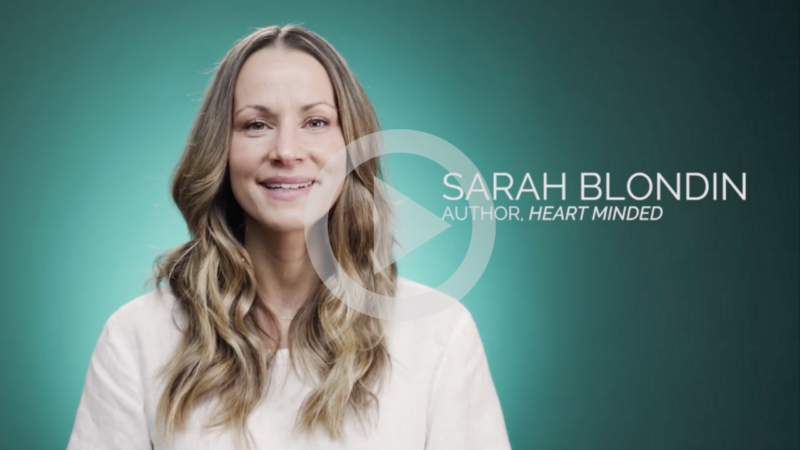
Join Sarah in a guided practice to find your Body of Light in this video, From Shadow to Light.

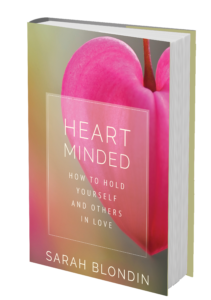
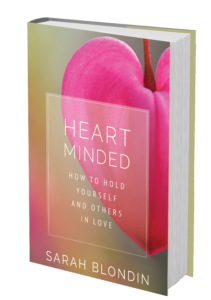
This is an adapted excerpt from Heart Minded: How to Hold Yourself and Others in Love by Sarah Blondin.

Sarah BlondinSarah Blondin is an internationally beloved spiritual teacher. Her guided meditations on the app InsightTimer have received nearly 10 million plays. She hosts the popular podcast Live Awake, as well as the online course Coming Home to Yourself. Her work has been translated into many languages and is in use in prison, recovery, and wellness programs. For more, visit sarahblondin.com.


book cover

Learn More

Sounds True | Amazon | Barnes & Noble | Bookshop

Sarah Blondin

Sarah Blondin is an internationally beloved spiritual teacher. Her guided meditations on the app InsightTimer have received nearly 10 million plays. She hosts the popular podcast Live Awake, as well as the online course Coming Home to Yourself. Her work has been translated into many languages and is in use in prison, recovery, and wellness programs. For more, visit sarahblondin.com.

Author photo © Britgill Photography

Also By Author

Sarah Blondin: Heart Minded

Is your heart asking you for a more meaningful conversation? Are you longing to engage a different kind of awareness than the thinking mind? Sarah Blondin is beloved by millions for her online guided meditations that invite us to come back home to our hearts and to embrace the fullness of our experience. In this podcast, Tami Simon speaks with Sarah about her new book, Heart Minded, and how we can each take up residence in the intelligence and strength of our hearts. 

Tune in as Tami and Sarah discuss the practice of softening and releasing inner rigidity, overcoming defensiveness and resistance, witnessing the rivalry between the emotional heart and the spiritual heart, discovering the voice of your own heart, the practice of flow writing, self-intimacy as the source of true safety, finding your authentic “yes to life,” trust in the face of initiatory experiences, normalizing the challenging nature of the spiritual journey, the mysterious force of grace, the interplay between our sensitivity and our strength, a meditation for welcoming joy, and more.

Note: This episode originally aired on Sounds True One, where these special episodes of Insights at the Edge are available to watch live on video and with exclusive access to Q&As with our guests. Learn more at join.soundstrue.com.

Building the Bridge Between the Heart and the Mind

How can we drop what we are holding on to, if we do not first look for the hand that is grasping so tightly?

Have you ever noticed that you have two distinctly different personae and tend to vacillate between them?

One is very rigid and concerned with the outcome of everything. It worries and frets, its gaze mostly downcast. It doesn’t rest easily, even keeps you up at night sometimes. It acts almost like a dog chasing its tail. It circles obsessively over every detail and unknowable outcome, chasing the same things in a constant repeated pattern. It is cunning, convincing, and tyrannical in nature. It is feverish and ungrounded. Changing, morphing, and flopping from one story or idea to the next. This is your unharnessed mind. The persona you take on when your mind is not connected to the compass of the heart.

For most of us, that’s the dominant persona. But the other aspect of you, as if by some divine intervention, will from time to time slip past the censor of the mind and cheerfully take over your being with its boundless and uninhibited spirit. This personality doesn’t worry. Its face is often lifted, looking in wonder at the shifting sky and swollen moon. Lips curled into a slight smile. It is fluid and flowing, as if it’s on a river of unending joy. It acts like water and reflects light. You feel buoyant. This is your heart-centered self, your true self.

Because most of us moved into our mind long, long ago as a way of protecting our hearts, we now live most of our time in that rigid, concerned first persona. Without even realizing it, we allow our minds to stand between us and our true nature. We have no (conscious) idea how much our minds are acting as a defensive block against our soft and tender core, constantly at work trying to find ways to keep us from feeling, from hurt, from heartache. The price we are paying, however, is that we are also kept from accessing source.

In order to be heart minded, we need to bring the heart and mind into harmony and partnership with one another. For this to happen, we have to train the mind not to fear and close off from the heart, and instead, serve our heart and implement its wishes. In order to do this, we have to undo our mind’s association of feelings of the heart with hurt and harm. In situations that would ordinarily have us retreat or retaliate, we need to remain conscious of what’s happening and choose to soften and lean into our heart’s center. Each time we practice this softening, we send a new message to the mind that signals that we are safe, willing, and wanting to live in this more open, more sensitive way.

Over time, if we are resolute in our intention to step into our heart, our mind will become less rigid in its defenses against feelings and tenderness, and gradually we will become more heart centered.

Remember, we are not trying to pit the heart and mind against one another; we are trying to marry their aptitudes.

Let’s say a wave of anxiety washes through you. You notice your mind begin to race and attach to fearful thoughts. The anxiety then morphs into panic, which courses through you and makes you feel like jumping out of your skin. You begin reaching for an escape, resorting to some form of substance or distraction that can act as a numbing balm.

What just happened? Because you avoided your distress, you are only slightly comforted. A part of you remains braced under the distraction, in fear of the next time this could happen. Your mind’s instinct to protect and defend has been confirmed.

Your heart is neglected and still aching.

But let’s say a wave of anxiety washes through you and instead of looking for an escape route, you go to a quiet room to confront the feeling. You let go of the notion that something is wrong and respond as if something very right is taking place. You know some part of you is calling out for your love and attention.

Let’s say you close your eyes and open your heart to the bigness of the feeling. You create space around it simply by looking without resistance at its contours. You know the only antidote is self-love and hospitality. The mind stops racing away from the distress, which makes room for the heart to begin healing and soothing the body. Your mind learns a new route. You are gifted with courage and resilience.

The only difference between these scenarios was one simple choice: to remain a bystander as the mind continues to ignore the call of the body and heart or to act in ways that support leading from the heart, so the mind can follow.

The two can be wonderful allies if we let them.

As we become heart minded, we begin transforming our human experience from something out of our hands to something very much in them. We begin to cultivate joy instead of haphazardly stumbling upon it when we are willing.

Each moment, our bodies are counseling us to make choices that bring us closer to love. The wisdom of the heart and body is there for us, always, if we listen and let it lead.

For a guided practice in learning to stay in our hearts during difficult times, follow along with Sarah in this video.


This is an adapted excerpt from Heart Minded: How to Hold Yourself and Others in Love by Sarah Blondin.


Sarah Blondin

Sarah Blondin is an internationally beloved spiritual teacher. Her guided meditations on the app InsightTimer have received nearly 10 million plays. She hosts the popular podcast Live Awake, as well as the online course Coming Home to Yourself. Her work has been translated into many languages and is in use in prison, recovery, and wellness programs. For more, visit sarahblondin.com.


Learn More

Sounds True | Amazon | Barnes & Noble | Bookshop

A Grounding Meditation to Start Living From Your Heart

I would like to open with a grounding meditation. Feel free to listen to the meditation here or you can read along with the text below.

If I may, I’d like to guide you someplace warm. To an island not too far away. It won’t take much effort, just a few conscious breaths. And all I need for you to do is to stop. For this moment, stop seeking, stop solving, stop gritting and grinding. All you need is to close your eyes and receive. 

Quiet now, like water or sand. Settle now, like dusk and dew drop. One breath in, one breath out. One breath in, one breath out. Reorient yourself to face toward what is immovable inside you. Just look now. Trust and you shall see. It is there, to the left of your right lung, tucked just under your left rib, a warm small island, beating like a drum.  If you stand here long enough, you will feel the song inside being written, maybe even prayed over you. Moment by moment, it never stops. 

Can you feel you are unlacing something? Or better, something is unlacing you? Can you feel the fight stopping? The fear quieting? Can you feel your edges becoming more like wind or water, rather than shale and stone? Can you feel the light coming? The waves of warmth rising? 

Now move into this current of grace that your heart has created for you, and feel the great hush wash over you. Feel the substance of love holding your very atoms together. This is your heart, dear one. Never forget this is yours. Kneel here, whenever you are thirsty, whenever your feet are tired, or your hands are sore. Kneel here when you can’t see love any longer. Kneel here, dear one. Reorient yourself toward what is immovable in you.

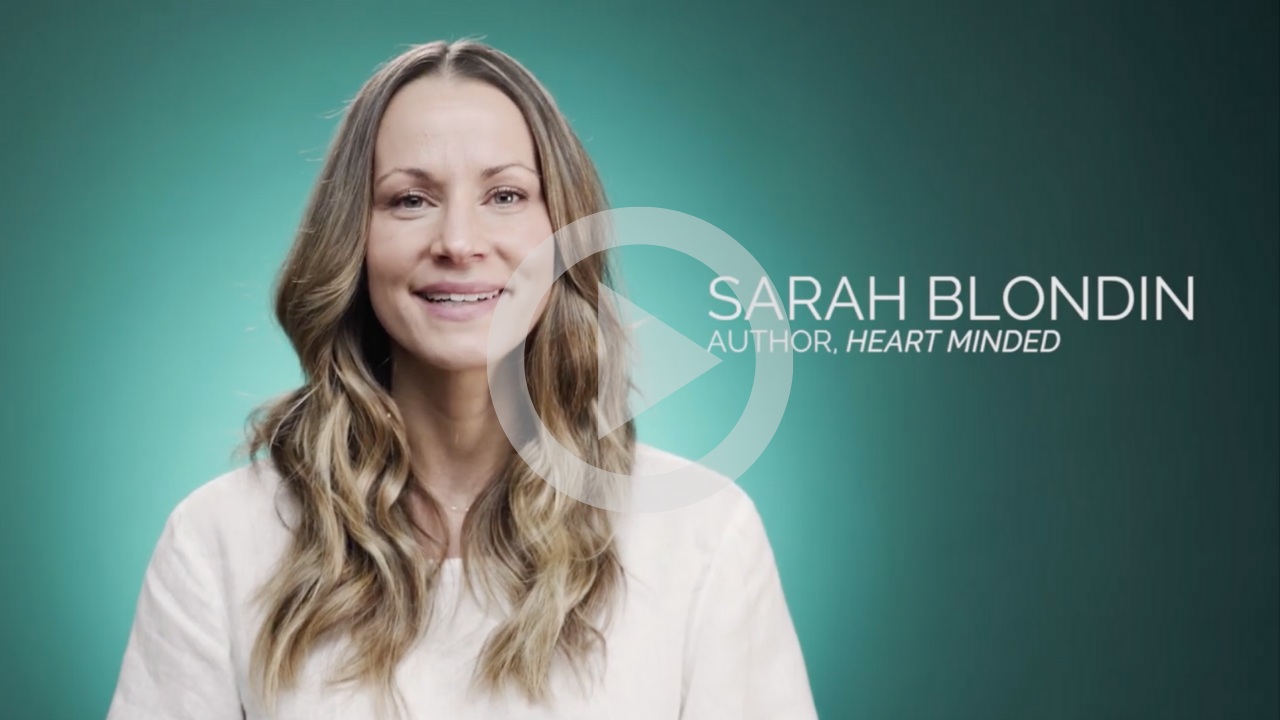
My new book, Heart Minded: How to Hold Yourself and Others in Love, was written to help remind us, reconnect us, reorient us with our hearts. Through story and guided meditation, I lead you through the fraught and sometimes frightening places holding you separate from your heart. It is a journey of healing that teaches you how to see and feel not from the mind, but from the wise seat of your very heart.

Now more than ever, we are being asked to move into the consciousness of the heart. Where love, compassion, “at-one-ment” become our governing virtues. When we see through the eyes of the heart, when we become heart minded, we stand as a beacon of light, burning back the dark.

Please join me in the heart-minded revolution. 

This originally appeared as an author letter to the Sounds True audience from Sarah Blondin.


sarah blondinSarah Blondin is an internationally beloved spiritual teacher. Her guided meditations on the app InsightTimer have received nearly 10 million plays. She hosts the popular podcast Live Awake, as well as the online course Coming Home to Yourself. Her work has been translated into many languages and is in use in prison, recovery, and wellness programs. For more, visit sarahblondin.com.


book cover

Learn More

Sounds True | Amazon | Barnes & Noble | Bookshop

You Might Also Enjoy

Wim Hof on Cold as a Noble Force: How Cold Exposure Re...

Many people spend their lives avoiding discomfort. Cold weather sends us indoors, stress pushes us toward distraction, and physical tension becomes something we ignore until it feels impossible to avoid. Wim Hof approaches discomfort differently. Through cold exposure and breathwork, he teaches that moments of intensity can become opportunities to reconnect with the body, calm the mind, and build greater resilience. His methods have sparked global interest because they encourage people to experience awareness directly rather than simply think about it.

At Sounds True, we have spent decades sharing transformational teachings from respected spiritual teachers, wellness experts, and visionaries who help people deepen self awareness and reconnect with meaningful practices for inner growth. Conversations with voices like Wim Hof continue that mission by offering grounded approaches to resilience, presence, and the connection between body and mind.

Here, we discuss Wim Hof method benefits, the role of cold exposure and breathwork, and how these practices may support resilience, focus, and emotional balance.

Key Takeaways:

  • Nervous System Response: Learn how cold exposure and conscious breathing may influence stress regulation and emotional resilience.
  • Mind-Body Awareness: Understand how the Wim Hof method encourages greater presence, focus, and connection with physical sensations.
  • Adaptation Through Discomfort: See how controlled cold exposure can help strengthen mental steadiness and the body’s natural adaptability.

Discover the Power of Daily Meditation and Inner Stillness

Why Wim Hof Calls Cold a Noble Force

Wim Hof sees cold as a way to reconnect with the body and sharpen awareness. The moment people encounter cold, breathing changes, attention focuses, and distractions fade. He believes modern comfort has weakened the body’s natural resilience, while cold exposure helps restore that connection. For Hof, learning to stay calm in the cold can also help people respond to stress and discomfort with greater steadiness in everyday life.

Wim Hof Method Benefits for Body and Mind

The Wim Hof method combines conscious breathing, cold exposure, and mental focus. Together, these practices are designed to strengthen the connection between body and mind while encouraging resilience under stress. Many people are drawn to the method because it feels deeply experiential rather than theoretical.

Before discussing specific benefits, it helps to understand that the method is rooted in adaptation. The body constantly responds to its environment, and Hof believes intentional exposure to manageable stress can help restore physical and emotional balance.

Physical Energy and Nervous System Support

One of the most discussed Wim Hof method benefits is increased energy and mental clarity. Many people report feeling more alert and refreshed after cold exposure practices. Cold immersion also activates the nervous system, encouraging people to regulate their breathing instead of reacting automatically to stress. Over time, this may support better focus, emotional steadiness, and recovery from stress.

Emotional Resilience Through Discomfort

The emotional side of the Wim Hof method is just as important as the physical practice. Through controlled discomfort, people learn to notice fear and stress without immediately reacting to them. By focusing on the breath and staying present, many practitioners develop greater emotional resilience and feel calmer during stressful situations in daily life. 

How Wim Hof Breathing Supports Mental Clarity and Focus

Wim Hof breathing forms the foundation of the method and serves as a bridge between physical sensation and mental awareness. The breathing exercises involve deep rhythmic breathing followed by periods of breath retention, creating noticeable shifts within the body and mind.

For many people, breathing becomes shallow and unconscious during stressful moments. Tension accumulates quietly, and the nervous system remains in a reactive state without conscious awareness. Hof’s breathing practices encourage people to reconnect with the breath in a more intentional way.

How Conscious Breathing Influences Stress

The breath has a direct relationship with the body’s stress response. Rapid, shallow breathing can reinforce anxiety and tension, while slower and more deliberate breathing often encourages relaxation and stability.

Wim Hof breathing teaches people to become aware of those patterns rather than remaining trapped inside them unconsciously. During the breathing exercises, many people experience a sense of release as physical tension softens and attention becomes more grounded in the present moment.

This shift may help support emotional regulation throughout daily life. When stressful situations arise, conscious breathing can become an anchor that creates space between reaction and response.

Breathwork as a Practice of Presence

Breathwork also supports greater awareness and presence in everyday life and relationships. Many people describe Wim Hof breathing as both calming and energizing because it encourages deeper attention to the body, emotions, and mental patterns. Rather than avoiding discomfort, the breath becomes a tool for moving through it with greater awareness and steadiness.

Cold Exposure Benefits for Stress and Emotional Resilience

Cold exposure benefits extend beyond physical endurance or athletic recovery. Many people become interested in cold showers or ice baths because of the emotional and psychological effects associated with the practice.

Building Calm During Intensity

Stepping into cold water immediately activates the body’s stress response. Muscles tighten, breathing becomes rapid, and the mind often searches for escape. Hof teaches people to notice these reactions without becoming consumed by them.

By consciously slowing the breath and remaining present, practitioners begin training the nervous system to stay calmer under stress. This practice may gradually influence emotional resilience outside the cold itself. Situations that once triggered panic or overwhelm can begin to feel less consuming.

The experience also encourages patience and trust. Instead of reacting impulsively, people learn how to remain steady within intensity.

Reconnecting With Bodily Awareness

Cold exposure also creates a stronger relationship with physical awareness. Many people move through daily life disconnected from bodily sensation, carrying stress without fully recognizing it.

Cold immersion interrupts that disconnection. The body becomes impossible to ignore, and attention naturally returns to breathing, sensation, and presence. For many practitioners, this creates a renewed appreciation for the body’s intelligence and adaptability.

Awaken Your Inner Healing Power: Your Wellness Journey Starts Now

Ice Bath Benefits Beyond Physical Recovery

Ice bath benefits are often associated with athletic recovery, but the practice can influence mental and emotional well being as well.

  • Ice baths may support circulation and physical recovery after intense activity.
  • Many people report increased alertness and energy following cold immersion.
  • Ice baths encourage awareness of breathing and stress patterns.
  • Cold exposure creates opportunities to practice calmness under pressure.
  • Some practitioners describe greater emotional steadiness through regular practice.
  • Ice baths may strengthen resilience by teaching the body and mind to adapt together.

Although the physical effects often receive the most attention, many people continue the practice because of the emotional clarity it creates. Ice baths become less about endurance and more about awareness, patience, and presence.

The Wim Hof Method and the Science of Adaptation

A central principle within the Wim Hof method is that the human body is naturally designed to adapt. Hof often speaks about modern comfort as something that has weakened this connection with innate resilience.

Controlled exposure to cold challenges the body in manageable ways, encouraging adaptation without overwhelming the system. This process reflects a broader truth about human growth. People often become stronger not by avoiding difficulty entirely, but by learning how to remain present within challenge.

The method encourages a different relationship with stress. Instead of treating discomfort as something purely negative, practitioners begin viewing it as an opportunity for awareness and transformation.

How Wim Hof Breathing and Cold Exposure Benefits Work Together

Breathing exercises and cold exposure are deeply connected within Hof’s teachings. The breath prepares the body and mind for intensity, while the cold creates an immediate environment in which those tools can be practiced.

Together, these methods encourage people to slow reactive patterns and remain grounded during stress. Breathwork supports nervous system regulation, while cold exposure strengthens the ability to apply that regulation in real situations.

Many practitioners describe this combination as empowering because it creates direct experience rather than abstract theory. The lessons are felt physically, emotionally, and mentally all at once.

Bringing Wim Hof Method Benefits Into Everyday Life

Wim Hof often emphasizes that transformation does not require extreme challenges. Small, consistent practices can create meaningful shifts over time. Brief cold showers, intentional breathing exercises, and moments of conscious stillness during stressful situations may gradually strengthen resilience in everyday life.

The Wim Hof method invites people to become more aware of how they relate to discomfort, stress, and uncertainty. Rather than immediately resisting difficult experiences, the practices encourage curiosity, presence, and adaptability.

For many people, the deeper value of the method is not simply enduring cold temperatures. It is learning how to remain connected to awareness during moments that would normally trigger fear, tension, or emotional reactivity. Through breath and cold, people may begin developing a steadier relationship with both the body and the mind.

Discover how your mind really works

Final Thoughts

Wim Hof’s teachings invite people to reconsider their relationship with discomfort, stress, and the body itself. Through conscious breathing and cold exposure, the Wim Hof method encourages greater awareness, resilience, and presence in everyday life. What begins as a physical practice often becomes something deeper: a reminder that the body and mind are capable of far more balance, adaptability, and inner strength than many people realize.

Frequently Asked Questions About Wim Hof Method Benefits

Is the Wim Hof method meant only for athletes?

No. While athletes often use cold exposure for recovery, the Wim Hof method is practiced by people from many different backgrounds who are interested in stress management, focus, and overall well being.

How long does it take to feel Wim Hof method benefits?

Some people notice increased alertness or energy after a single session, while others experience more gradual changes over several weeks of consistent practice.

Can beginners practice the Wim Hof method at home?

Yes. Many beginners start with short cold showers and simple breathing exercises before progressing to longer or more advanced practices.

Does Wim Hof breathing require special equipment?

No. Wim Hof breathing can be practiced without equipment, though it should always be done in a safe environment and never in water or while driving.

Why do people feel energized after cold exposure?

Cold exposure activates the body’s alertness response, which may increase circulation and create a feeling of heightened energy afterward.

Can the Wim Hof method help with daily stress?

Many practitioners use the method to support emotional balance and stress management by learning how to regulate breathing and remain calmer during challenging situations.

What makes ice baths mentally challenging?

Ice baths trigger an immediate stress response in the body, including rapid breathing and tension. Learning to stay calm within that discomfort is part of the practice.

Is the Wim Hof method connected to mindfulness?

Yes. The method encourages awareness of breathing, bodily sensation, and mental reactions, which aligns with many mindfulness-based practices.

How cold should beginners start with cold exposure?

Beginners are often encouraged to begin gradually with cool or cold showers rather than extreme temperatures, allowing the body to adapt slowly.

Can cold exposure improve focus and concentration?

Some people report improved mental clarity after cold exposure because the experience requires immediate attention and presence.

Michelle Cassandra Johnson is an author, activist, spiritual teacher, racial equity consultant, and intuitive healer. She is the author of six books, including Skill in Action and Finding Refuge. Amy Burtaine is a leadership coach and racial equity trainer. With Robin DiAngelo, she is the coauthor of The Facilitator's Guide for White Affinity Groups. For more, visit https://www.michellecjohnson.com/wisdom-of-the-hive.

Thomas Hubl on Healing Collective Trauma: How Intergen...

Many people carry emotional patterns they cannot fully explain. Anxiety, fear, and emotional distance can sometimes be rooted in experiences passed down through generations. Thomas Hübl’s teachings on collective trauma healing bring awareness to how unresolved pain continues shaping families, communities, and human connection.

At Sounds True, we have spent decades sharing transformational teachings that support mindfulness, healing, and conscious living. Thomas Hübl’s work on intergenerational trauma and collective wound work offers a compassionate perspective on inherited emotional pain and healing.

Here, we discuss how intergenerational wounds are passed down and how awareness can support collective trauma healing.

Key Takeaways:

  • Trauma Transmission: Collective and intergenerational trauma can influence emotional patterns, relationships, and nervous system responses across generations.
  • Healing Through Presence: Thomas Hübl’s teachings emphasize awareness, emotional regulation, and compassionate connection as essential parts of healing.
  • Collective Repair: Healing inherited wounds involves both personal reflection and shared conversations that restore trust, empathy, and human connection.

Discover how your mind really works

Collective Trauma Healing and the Hidden Patterns We Inherit

Collective trauma healing begins with recognizing that unresolved pain can continue shaping families and communities across generations. Thomas Hübl teaches that inherited emotional patterns, fear, and disconnection often stem from trauma that was never fully processed. Healing starts with awareness, compassion, and the willingness to acknowledge difficult experiences without turning away from them. 

How Intergenerational Trauma Shapes Families and Communities

Intergenerational trauma is often passed down through emotional patterns, behaviors, and nervous system responses that children absorb long before they fully understand language or history. Families communicate survival strategies in countless unconscious ways, including silence, emotional withdrawal, hypervigilance, or fear around intimacy and trust.

Emotional Patterns Learned Through Survival

Children are highly sensitive to the emotional states of caregivers. When parents or grandparents carry unresolved trauma, younger generations frequently adapt themselves around those conditions. A child may become overly responsible in response to instability within the home. Another may learn to suppress emotion because vulnerability feels unsafe within the family system.

Thomas Hübl teaches that trauma transmission often occurs not only through direct experiences but through emotional environments. Unspoken grief, unresolved fear, or chronic stress can quietly shape a child’s nervous system over time. These inherited responses may continue into adulthood, affecting relationships, work, communication, and emotional regulation.

The Community Impact of Intergenerational Trauma

Intergenerational trauma also appears collectively within communities shaped by historical suffering. Entire groups may carry inherited distrust, shame, or disconnection after generations of violence, discrimination, or displacement. These experiences can influence educational systems, economic opportunities, social structures, and cultural identity.

Hübl’s work encourages people to understand trauma through both personal and collective lenses. Healing becomes more meaningful when individuals recognize they are not isolated from larger social and historical experiences. Awareness creates the possibility for compassion rather than judgment, both toward oneself and toward others carrying visible or invisible pain.

Thomas Hübl Teachings on Trauma, Presence, and Emotional Repair

Thomas Hübl’s teachings often focus on the relationship between awareness, embodiment, and healing. Rather than approaching trauma as something to quickly fix or overcome, he encourages people to develop the inner capacity to remain present with difficult emotions and sensations.

Presence as a Foundation for Healing

According to Hübl, healing begins with the ability to stay connected to the present moment without becoming overwhelmed. Trauma frequently disrupts this capacity by pulling people into cycles of emotional reactivity, numbness, or dissociation. Developing presence allows individuals to observe these patterns with greater clarity and steadiness.

Practices such as meditation, conscious breathing, and relational dialogue can support nervous system regulation while helping people reconnect with parts of themselves that may have been suppressed for survival. Hübl emphasizes that healing is not about perfection. It is about increasing one’s ability to remain connected during moments of discomfort or vulnerability.

Why Emotional Repair Requires Connection

Hübl also speaks about the importance of relational healing. Trauma often creates separation, both internally and between people. Emotional repair becomes possible through authentic connection, compassionate witnessing, and shared humanity.

This perspective challenges the idea that healing happens entirely alone. While personal reflection matters, collective healing also requires supportive relationships and communities where people feel emotionally safe enough to tell the truth about their experiences. Through open dialogue and mindful listening, individuals begin rebuilding trust in themselves and others.

Ancestral Trauma Healing and the Stories Carried Through Generations

Ancestral trauma healing involves recognizing that emotional pain can move through generations in ways that are both visible and invisible. Families often carry stories of migration, loss, violence, or survival that continue shaping descendants long after the original events occurred.

How Ancestral Trauma Lives in the Body

Many people experience inherited trauma physically before they fully understand it intellectually. Chronic anxiety, emotional shutdown, tension, or heightened stress responses may reflect nervous system adaptations connected to earlier generations. Hübl teaches that the body often carries unfinished emotional experiences that were never fully processed.

This understanding helps people approach healing with greater compassion. Instead of viewing emotional struggles as personal failures, individuals can begin recognizing the deeper historical and relational contexts influencing their experiences.

Reconnecting With Compassion and Awareness

Ancestral trauma healing does not require romanticizing the past or becoming trapped in it. Instead, it invites people to acknowledge inherited pain while developing the awareness needed to respond differently in the present.

Thomas Hübl encourages practices that support reflection, emotional honesty, and embodied awareness. Through conscious attention, people can begin interrupting inherited cycles of fear, shame, or disconnection. This process creates space for healthier forms of connection that future generations may continue building upon.

Discover the Power of Daily Meditation and Inner Stillness

Why Collective Wound Work Requires Nervous System Awareness

Collective wound work asks people to engage trauma without becoming consumed by it. Thomas Hübl frequently highlights the importance of nervous system awareness because healing cannot happen when individuals remain in constant overwhelm or emotional shutdown.

Key elements of nervous system awareness within collective wound work include:

  • Recognizing physical signs of stress, such as tension, rapid breathing, or emotional numbness
  • Learning to pause before reacting impulsively during emotionally charged conversations
  • Developing practices that support grounding and emotional regulation
  • Building the capacity to stay present with discomfort instead of immediately avoiding it
  • Creating relationships and communities where emotional honesty feels safer
  • Understanding how unresolved trauma can shape perception, communication, and behavior
  • Allowing moments of rest and integration throughout the healing process

Hübl’s teachings remind people that collective wound work is not about endlessly revisiting pain. The goal is to create enough internal stability for difficult emotions and historical realities to be acknowledged without causing further fragmentation. Nervous system awareness supports this balance by helping individuals remain connected to themselves while engaging in meaningful healing work.

Thomas Hübl on Healing Silence, Grief, and Historical Trauma

Silence often becomes one of trauma’s most enduring legacies. Families and communities may avoid speaking about painful experiences because the emotions connected to them feel overwhelming or unresolved. Thomas Hübl teaches that what remains unspoken does not disappear. Instead, silence can deepen disconnection across generations.

Historical trauma frequently leaves emotional gaps where stories should exist. Children may sense grief or fear within a family system without fully understanding its origins. This uncertainty can create confusion, anxiety, or emotional distance that persists over time. Hübl encourages compassionate dialogue as a way of bringing awareness to these hidden dynamics while honoring the emotional weight they carry.

Grief also plays a central role in healing. Many collective wounds remain unresolved because people were never given the space or support needed to process profound loss. Allowing grief to be acknowledged collectively can help restore connection and humanity within communities shaped by suffering.

Collective Trauma Healing Through Connection and Shared Humanity

Collective trauma healing becomes more possible when people move beyond isolation and reconnect through honest conversation, compassionate presence, and shared humanity. Thomas Hübl’s teachings remind us that healing happens through connection, helping individuals, families, and communities rebuild trust and emotional understanding together. 

Intergenerational Trauma, Collective Wound Work, and the Path Forward

Intergenerational trauma and collective wound work require awareness, compassion, and presence. Thomas Hübl’s teachings help people understand how inherited pain shapes individuals and communities while offering a path toward healing. Through honest reflection and meaningful connection, collective trauma healing can help restore relationships and reconnect people with their shared humanity. 

Awaken Your Inner Healing Power: Your Wellness Journey Starts Now

Final Thoughts

Thomas Hübl’s teachings remind us that healing does not happen in isolation. The emotional wounds carried through families, communities, and cultures ask for awareness, compassion, and presence. By recognizing the ways intergenerational trauma shapes human experience, collective trauma healing becomes an opportunity to create a deeper connection with ourselves and with one another. Through conscious attention and shared humanity, it becomes possible to interrupt inherited cycles of pain and move toward greater understanding, resilience, and repair.

Frequently Asked Questions About Collective Trauma Healing

What is the difference between collective trauma and personal trauma?

Personal trauma relates to distressing experiences affecting an individual directly, while collective trauma impacts larger groups such as families, communities, or entire cultures. Collective trauma often shapes shared emotional patterns and social behaviors over time.

Can intergenerational trauma affect people who did not experience the original event?

Yes. Emotional responses, survival behaviors, and nervous system patterns can be passed down through generations, even when descendants did not directly experience the original trauma.

Why are people becoming more aware of ancestral trauma healing?

Many people are beginning to recognize connections between inherited emotional patterns and unresolved family histories. Increased awareness around mental health and nervous system regulation has also expanded conversations around ancestral trauma healing.

How does Thomas Hübl describe the role of the nervous system in healing?

Thomas Hübl teaches that the nervous system plays a central role in how people process stress, connection, and emotional experiences. Healing often involves developing greater capacity to remain grounded and present during difficult emotions.

Can collective wound work happen without revisiting painful memories?

Collective wound work does not always require reliving traumatic experiences in detail. Many healing approaches focus on creating safety, awareness, and emotional regulation while acknowledging the impact of past events.

What are some signs of unresolved intergenerational trauma?

Signs may include chronic anxiety, emotional numbness, difficulty trusting others, intense fear responses, people-pleasing behaviors, or patterns of emotional avoidance repeated within families.

How can mindfulness support collective trauma healing?

Mindfulness practices can help people become more aware of emotional reactions, physical stress responses, and unconscious patterns. This awareness creates space for more intentional responses instead of automatic survival behaviors.

Why is community important in trauma healing?

Supportive relationships can help restore a sense of safety and connection. Healing often deepens when people feel seen, heard, and emotionally supported within healthy communities.

Is collective trauma healing connected to social change?

Yes. Greater awareness of collective trauma can influence how societies approach justice, education, mental health, and community care. Healing often involves both personal transformation and broader cultural awareness.

How does Thomas Hübl’s teachings approach emotional accountability?

Thomas Hübl encourages people to meet emotional pain with honesty, presence, and compassion. His teachings focus on recognizing inherited patterns while taking responsibility for how individuals respond and grow in the present.

Michelle Cassandra Johnson is an author, activist, spiritual teacher, racial equity consultant, and intuitive healer. She is the author of six books, including Skill in Action and Finding Refuge. Amy Burtaine is a leadership coach and racial equity trainer. With Robin DiAngelo, she is the coauthor of The Facilitator's Guide for White Affinity Groups. For more, visit https://www.michellecjohnson.com/wisdom-of-the-hive.

Compassion as a Superpower: How Loving-Kindness Medita...

Compassion is not only an emotional response but also a skill that can grow through practice. During moments of stress or emotional exhaustion, compassion meditation offers a way to respond with greater patience, balance, and connection. Practices like loving kindness meditation and metta meditation are also gaining attention for their potential impact on emotional resilience and overall well-being.

At Sounds True, we have spent decades sharing the teachings of meditation practitioners, neuroscientists, psychologists, and spiritual teachers devoted to emotional healing and inner transformation.

Below, we discuss compassion meditation benefits, how loving kindness meditation may influence the brain, and the role self and other compassion can play in emotional well-being and human connection.

Key Takeaways:

  • Brain and Compassion: Compassion meditation may support emotional regulation and strengthen neural pathways connected to empathy and resilience.
  • Everyday Emotional Health: Loving kindness meditation can help reduce self-criticism, stress, and emotional reactivity in daily life.
  • Relationships and Connection: Practicing self and other compassion may encourage healthier communication, patience, and deeper human connection.

Awaken Your Inner Healing Power: Your Wellness Journey Starts Now

Compassion Meditation Benefits for Emotional and Physical Well-Being

Compassion is more than a feeling. It is a practice that helps us relate to ourselves and others with greater patience and care. Many people begin meditation to manage stress or emotional overwhelm, yet over time, compassion practices can also reshape how we respond to pain, conflict, and connection.

By encouraging emotional awareness and presence, compassion meditation helps build resilience in everyday life, from relationships and work to the way we speak to ourselves during difficult moments.

What Loving Kindness Meditation Reveals About Human Connection

Loving kindness meditation is one of the most accessible compassion practices because it begins with a simple intention: wishing well-being for ourselves and others. Rooted in the Buddhist tradition of metta, this practice helps soften habitual patterns of judgment and separation while strengthening feelings of care and interconnectedness.

The Foundations of Loving Kindness Meditation

In loving kindness meditation, practitioners silently repeat phrases of goodwill such as “May I be safe,” “May I be healthy,” or “May I live with ease.” These phrases are first directed inward before gradually expanding outward toward loved ones, strangers, and even difficult people.

While the practice appears simple, many people notice how challenging it can feel to offer compassion to themselves. This awareness is part of the process. Loving kindness meditation gently reveals the places where the heart has become guarded and invites greater openness over time.

Why Connection Matters for Emotional Health

Human beings are wired for connection. Research continues to show that supportive relationships influence emotional well-being, physical health, and longevity. Compassion meditation helps nurture these connections by increasing empathy and reducing reactive emotional patterns.

As people deepen their practice, they often report feeling less isolated in their struggles. Compassion creates space for shared humanity. Instead of seeing suffering as a personal failure, we begin recognizing that vulnerability belongs to everyone.

How Compassion Meditation Brain Research Is Changing Neuroscience

Modern neuroscience has opened an important conversation around how meditation changes the brain. Studies focused on compassion practices suggest that intentional emotional training can influence neural pathways connected to empathy, emotional regulation, and attention.

What Compassion Meditation Brain Studies Show

Brain imaging research has found that compassion meditation activates areas associated with emotional processing and positive social connection. Some studies also suggest increased activity in regions linked to empathy and caregiving responses.

This matters because the brain remains adaptable throughout life. Neuroplasticity allows repeated experiences to strengthen certain pathways over time. Compassion meditation becomes a form of mental training that supports healthier emotional habits rather than reinforcing fear or self-criticism.

Emotional Regulation and Nervous System Support

Many people carry tension without fully noticing it. Compassion meditation helps create a sense of emotional steadiness by teaching us to meet difficult emotions with awareness and care rather than avoidance. Over time, this practice may reduce emotional reactivity and help people feel more grounded, patient, and balanced.

Metta Meditation Benefits for Stress, Anxiety, and Emotional Healing

Metta meditation benefits extend into many areas of emotional health because the practice directly addresses patterns of fear, shame, and disconnection. Rather than forcing positivity, metta creates a supportive inner environment where healing becomes more possible.

Reducing Self-Criticism Through Metta Practice

For many people, the harshest voice they encounter is their own inner dialogue. Metta meditation helps interrupt cycles of self-judgment by introducing language rooted in care and acceptance.

Over time, these repeated phrases begin influencing how people relate to themselves during moments of failure or uncertainty. Self-compassion does not remove accountability. Instead, it creates the emotional safety needed for growth and honest reflection.

How Compassion Supports Recovery From Emotional Exhaustion

Stress and burnout often leave people emotionally numb or disconnected from their inner lives. Compassion practices can help restore emotional sensitivity without becoming overwhelming.

By slowing down and intentionally practicing care, individuals often reconnect with feelings they had learned to avoid. This process may feel tender at first, yet many practitioners find that compassion gives them greater strength to face life with openness rather than withdrawal.

Discover how your mind really works

Understanding Self and Other Compassion Through Meditation Practice

Compassion meditation helps strengthen awareness of both personal suffering and the struggles carried by others. Over time, this awareness creates meaningful shifts in how people relate within families, friendships, and communities.

  • Self and other compassion encourages emotional honesty without shame.
  • Compassion practices help people listen more fully during difficult conversations.
  • Meditation can reduce reactive patterns rooted in fear or defensiveness.
  • Greater empathy often leads to healthier relationship boundaries.
  • Practicing compassion regularly may support forgiveness and reconciliation.
  • Compassion helps people remain connected without absorbing every emotional burden around them.

As these qualities deepen, compassion becomes less of an isolated meditation exercise and more of a lived experience. Small moments of patience, understanding, and kindness begin shaping everyday interactions in lasting ways.

Loving Kindness Meditation Practices That Support Lasting Change

Consistency matters more than perfection in meditation practice. Many people believe they need long periods of silence or complete emotional calm before beginning. In reality, loving kindness meditation often works best when approached gently and without pressure.

A simple daily practice of five or ten minutes can gradually reshape emotional habits. Some practitioners begin each morning with a few compassionate phrases before moving into the rest of the day. Others return to the practice during stressful moments as a reminder to pause and reconnect with themselves.

The heart responds to repetition. Just as self-criticism becomes stronger through constant reinforcement, compassion also grows stronger through practice. Over time, these small moments accumulate into meaningful emotional change.

The Link Between Compassion Meditation Brain Activity and Resilience

Resilience is often misunderstood as emotional toughness or the ability to avoid pain. Compassion meditation offers another perspective. True resilience develops through the capacity to remain present with difficulty while responding with care instead of fear.

Research surrounding compassion meditation brain activity suggests that emotional resilience can be cultivated intentionally. Meditation appears to strengthen regions associated with emotional regulation while reducing patterns connected to chronic stress responses. Although the science continues evolving, many practitioners already recognize these changes through lived experience.

People who engage regularly in compassion practices often describe recovering more quickly from emotional setbacks. They may still experience grief, frustration, or uncertainty, yet these emotions become easier to navigate without spiraling into overwhelm. Compassion creates inner steadiness that supports healing rather than resistance.

How Metta Meditation Benefits Daily Relationships and Inner Awareness

One of the most meaningful aspects of metta meditation benefits is the way the practice extends beyond formal meditation sessions. Compassion begins influencing ordinary interactions, including how we respond to stress, disagreement, disappointment, and emotional vulnerability.

People often notice subtle changes first. Conversations may feel less reactive. Moments of frustration may soften more quickly. There can also be a growing awareness of shared humanity, especially during difficult encounters. Compassion does not require perfection or constant emotional warmth. Instead, it asks us to remain present enough to respond with care when it matters most.

Over time, loving kindness meditation can deepen inner awareness in profound ways. Many practitioners begin recognizing emotional patterns they previously ignored or suppressed. This awareness creates opportunities for healing because it replaces automatic judgment with curiosity and gentleness.

Compassion becomes a practice of remembering that every person, including ourselves, carries unseen struggles. From that understanding, relationships often become more honest, patient, and grounded in genuine connection.

Discover the Power of Daily Meditation and Inner Stillness

Final Thoughts

Compassion is not a fixed trait reserved for a few people. It is a practice that can be strengthened over time through patience, awareness, and intentional care. Loving kindness meditation offers a way to reconnect with ourselves and others with greater openness, even during difficult moments.

As research into compassion meditation brain activity continues to grow, many people are also experiencing its effects firsthand through deeper emotional resilience, healthier relationships, and a stronger sense of connection. Small moments of compassion practiced consistently can create meaningful shifts that extend far beyond meditation itself.

Frequently Asked Questions About Compassion Meditation Benefits

What is the difference between compassion meditation and loving kindness meditation?

Compassion meditation focuses on recognizing suffering and responding with care, while loving kindness meditation centers on offering goodwill and positive intentions toward ourselves and others. The practices often overlap and support one another.

Can compassion meditation help with loneliness?

Many people find that compassion practices reduce feelings of isolation by strengthening emotional connection and shared humanity. The practice can help create a greater sense of belonging and openness toward others.

Is loving kindness meditation connected to Buddhism?

Yes, loving kindness meditation comes from Buddhist teachings and is traditionally known as metta practice. Today, people from many backgrounds use the practice for emotional well-being and mindfulness.

How long does it take to notice compassion meditation benefits?

Some people notice emotional shifts after a few sessions, while deeper changes often develop through consistent practice over time. Even short daily sessions may gradually support emotional awareness and resilience.

Can beginners practice loving kindness meditation?

Yes, loving kindness meditation is often recommended for beginners because the practice is simple and flexible. There is no need for previous meditation experience to begin.

Why do some people feel emotional during compassion meditation?

Compassion practices can bring attention to emotions that have been ignored or suppressed. Feeling emotional during meditation is common and may reflect the process of reconnecting with inner experiences gently and honestly.

Does compassion meditation require repeating phrases?

Many forms of compassion meditation include repeated phrases, but some practices focus on visualization, breath awareness, or emotional reflection instead. Different approaches work for different people.

Can compassion meditation improve workplace relationships?

Compassion practices may help people respond with greater patience, empathy, and emotional steadiness during stressful interactions, which can support healthier communication at work.

Is there scientific evidence behind compassion meditation brain research?

Research in neuroscience continues to examine how compassion practices affect emotional processing, empathy, and stress regulation in the brain. Findings suggest meditation may influence neural activity connected to emotional well-being.

Can self and other compassion exist at the same time?

Yes, self-compassion and compassion for others often strengthen together. Learning to respond kindly to personal struggles can make it easier to extend understanding and care toward other people as well.

Michelle Cassandra Johnson is an author, activist, spiritual teacher, racial equity consultant, and intuitive healer. She is the author of six books, including Skill in Action and Finding Refuge. Amy Burtaine is a leadership coach and racial equity trainer. With Robin DiAngelo, she is the coauthor of The Facilitator's Guide for White Affinity Groups. For more, visit https://www.michellecjohnson.com/wisdom-of-the-hive.

Leave a Reply

Your email address will not be published. Required fields are marked *