Winter’s Reminder to Slow Down and Sink into Deep Rest

January 4, 2024

My constant reminder to myself all winter is to not push too hard. The essence of the season reminds me that I don’t have to document every aha moment that happens in these cold, quiet months. I don’t have to share every discovery or turn every insight into a poem. In the winter, I’m much more inclined to commune with the Divine and let those conversations remain private. This is the influence of winter, the way it teaches me to shift from an overly productive participant’s pace into a person with a battery that needs to plug in and recharge gradually in order to rise up refreshed for the act of creation.

Rest isn’t easy for us, and we have to be intentional about it. How will you ensure that rest is a central part of your winter schedule? A lot can be accomplished in these sleepy months of contemplation, but if you position rest as the central focus of your routine, you’ll emerge from this season with more endurance for the working days ahead of you.

What does an ideal period of rest look like for you?

Unwinding looks different for everyone, and you’ll need to spend some time making a list of ways you can actualize rest in your daily winter life.

Maybe once a week you wake up and immediately take a hot bath. Maybe you watch a movie in the middle of the day. Maybe you get under your electric blanket and read a book for an hour after lunch. Resting usually requires doing (or not doing) something that will break your routine of constant output. How can you convince yourself to pause and be leisurely?

You’ll have to choose activities that will force you to slow down. You’ll have to remind yourself that resting will expand your creative practice in the long run, even if it seems like the opposite is happening in the moment. Experiment with what works best for you.

Prompts from the Planet

What do plants and other animals do in the winter?

They go dormant. Seeds wait, inactive in the dark soil or stored away, safe and dry.

They harden, keep warm, and get slow. Some stop growing. Others sleep and dream.

Below ground, everything works anew, protective and focused on survival.

The plant world pauses its creation and changes its approach, waiting for the sun to return.

Remember, we are part of the same cycle.

Remember to ask yourself: What is the natural world up to right now? How does it include me?

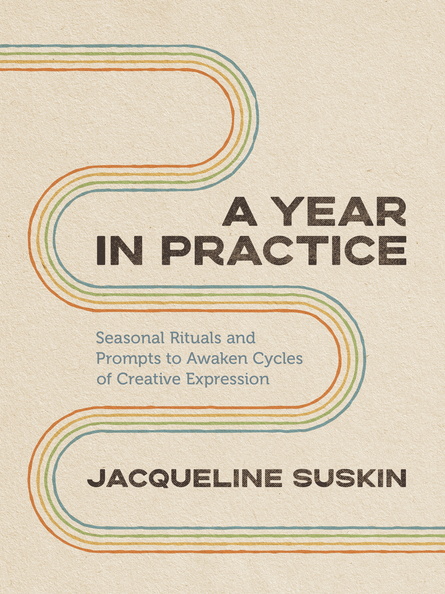
This is an adapted excerpt from A Year in Practice: Seasonal Rituals and Prompts to Awaken Cycles of Creative Expression by Jacqueline Suskin.


Jacqueline Suskin has composed over forty thousand poems with her ongoing improvisational writing project, Poem Store. She is the author of six books, including Help in the Dark Season. Her work has been featured in the New York Times, the Atlantic, and Yes! magazine. She lives in Northern California. For more, see jacquelinesuskin.com.

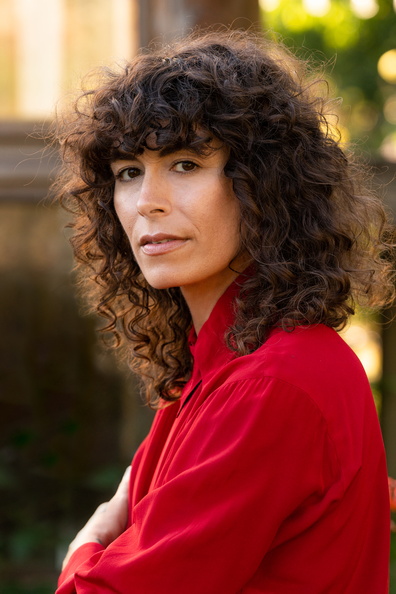
Author photo © James Adam Taylor

A Year in Practice

Learn More

Amazon | Barnes & Noble | Bookshop | Sounds True

Jacqueline Suskin

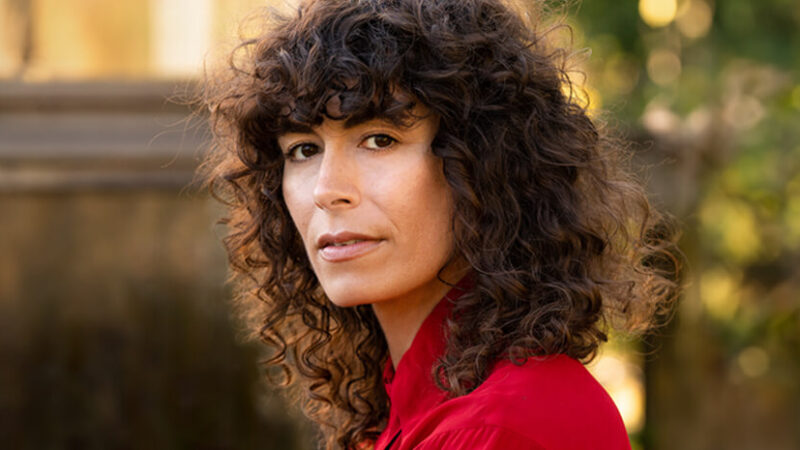
Jacqueline Suskin has composed over forty thousand poems with her ongoing improvisational writing project, Poem Store. She is the author of six books, including Help in the Dark Season. Her work has been featured in the New York Times, the Atlantic, and Yes! magazine. She lives in Northern California. For more, see jacquelinesuskin.com.

Author photo © James Adam Taylor

Also By Author

Winter’s Reminder to Slow Down and Sink into Deep Re...

My constant reminder to myself all winter is to not push too hard. The essence of the season reminds me that I don’t have to document every aha moment that happens in these cold, quiet months. I don’t have to share every discovery or turn every insight into a poem. In the winter, I’m much more inclined to commune with the Divine and let those conversations remain private. This is the influence of winter, the way it teaches me to shift from an overly productive participant’s pace into a person with a battery that needs to plug in and recharge gradually in order to rise up refreshed for the act of creation.

Rest isn’t easy for us, and we have to be intentional about it. How will you ensure that rest is a central part of your winter schedule? A lot can be accomplished in these sleepy months of contemplation, but if you position rest as the central focus of your routine, you’ll emerge from this season with more endurance for the working days ahead of you.

What does an ideal period of rest look like for you?

Unwinding looks different for everyone, and you’ll need to spend some time making a list of ways you can actualize rest in your daily winter life.

Maybe once a week you wake up and immediately take a hot bath. Maybe you watch a movie in the middle of the day. Maybe you get under your electric blanket and read a book for an hour after lunch. Resting usually requires doing (or not doing) something that will break your routine of constant output. How can you convince yourself to pause and be leisurely?

You’ll have to choose activities that will force you to slow down. You’ll have to remind yourself that resting will expand your creative practice in the long run, even if it seems like the opposite is happening in the moment. Experiment with what works best for you.

Prompts from the Planet

What do plants and other animals do in the winter?

They go dormant. Seeds wait, inactive in the dark soil or stored away, safe and dry.

They harden, keep warm, and get slow. Some stop growing. Others sleep and dream.

Below ground, everything works anew, protective and focused on survival.

The plant world pauses its creation and changes its approach, waiting for the sun to return.

Remember, we are part of the same cycle.

Remember to ask yourself: What is the natural world up to right now? How does it include me?

This is an adapted excerpt from A Year in Practice: Seasonal Rituals and Prompts to Awaken Cycles of Creative Expression by Jacqueline Suskin.

Jacqueline Suskin has composed over forty thousand poems with her ongoing improvisational writing project, Poem Store. She is the author of six books, including Help in the Dark Season. Her work has been featured in the New York Times, the Atlantic, and Yes! magazine. She lives in Northern California. For more, see jacquelinesuskin.com.

Author photo © James Adam Taylor

Jacqueline Suskin: Being an Artist for the Earth

In our modern world, many of us live predominantly out of sync with the rhythms and cycles of nature and the Earth. In her new book, A Year in Practice, Jacqueline Suskin offers readers a wealth of teachings, tools, and rituals to realign with the four seasons and the transitions between them for creative insight and inspiration. 

Take a listen as Tami Simon speaks with the celebrated poet and author about the rewards we reap through a return to harmony with our immediate natural surroundings and our larger planetary home, in this conversation on: following your own creative impulse; letting the experiment be the guide; the shift from creative practice to profession; guesswork and trust; the Earth and the seasons as ever-present muse; the many faces of devotion and meaning-making; remembering our connection to nature on a daily basis; the importance of carefully tending to transitional times; the benefits of cultivating a greater sense of embodiment; balancing hope and hopelessness; the sacred function of the poet; the healing power of intentional rest, and the “medicine of winter” so many of us need; introspection, silence, and solitude; making the “radical return” to nature’s cycles; the poem “Desert Bear” and the metaphor of hibernation; shedding what’s no longer needed; and more.

Note: This episode originally aired on Sounds True One, where these special episodes of Insights at the Edge are available to watch live on video and with exclusive access to Q&As with our guests. Learn more at join.soundstrue.com.

Poetic Mindset Tip: Your Awe Can Be Connective

POETIC MINDSET TIP: YOUR AWE CAN BE CONNECTIVE

Try applying a mentality of awe when you’re interacting with someone who lives a life very different from yours. Let your awe be the inspiration for a connection. How did they come to believe something that makes you so uncomfortable? What is the root of their behavior? Maybe this person has a dissimilar political view. Maybe they live in a rural town, and you live in a city. Maybe they grew up practicing a particular religion, and you didn’t. These are the big facts that surround the difference between you, but maybe this contrast can be intriguing instead of off-putting? When I find myself on a disparate page from someone else, I try not to close up. I try to lean in to discovery. It’s frequently these occasions that surprise me the most and give me new insight.

When I let myself stay curious about another person’s point of view instead of shutting down, I’m challenged to see with a new lensand that feels creative. What would I have overlooked if I hadn’t led with a sense of reverential respect? For example, through Poem Store, I developed very unlikely friendships that are still a huge part of my life.

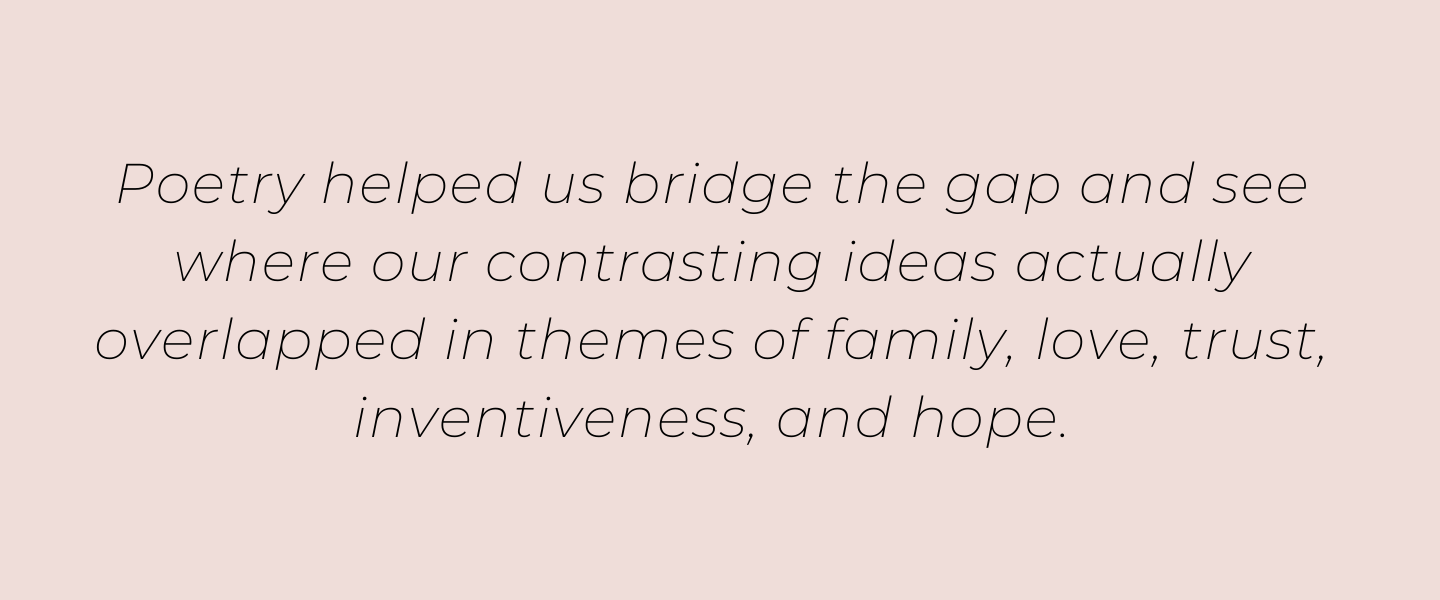
From a familial bond with a timber baron to a deep camaraderie with a wealthy businessman, I found myself open to all kinds of folks I might normally shut out if I weren’t in the mode of poetic openness.
quote

These relationships continue to teach me how to develop compassionate language and an availability for dialogue that focuses on similarities, respect, and humanity, as opposed to difference, disdain, and judgment.

Letting your interest in a person’s inner world outweigh your differences could have unifying results. Awe is often the key to the similarities we all share. It’s our curiosity that links us, and these connections can cause the largest transformations.
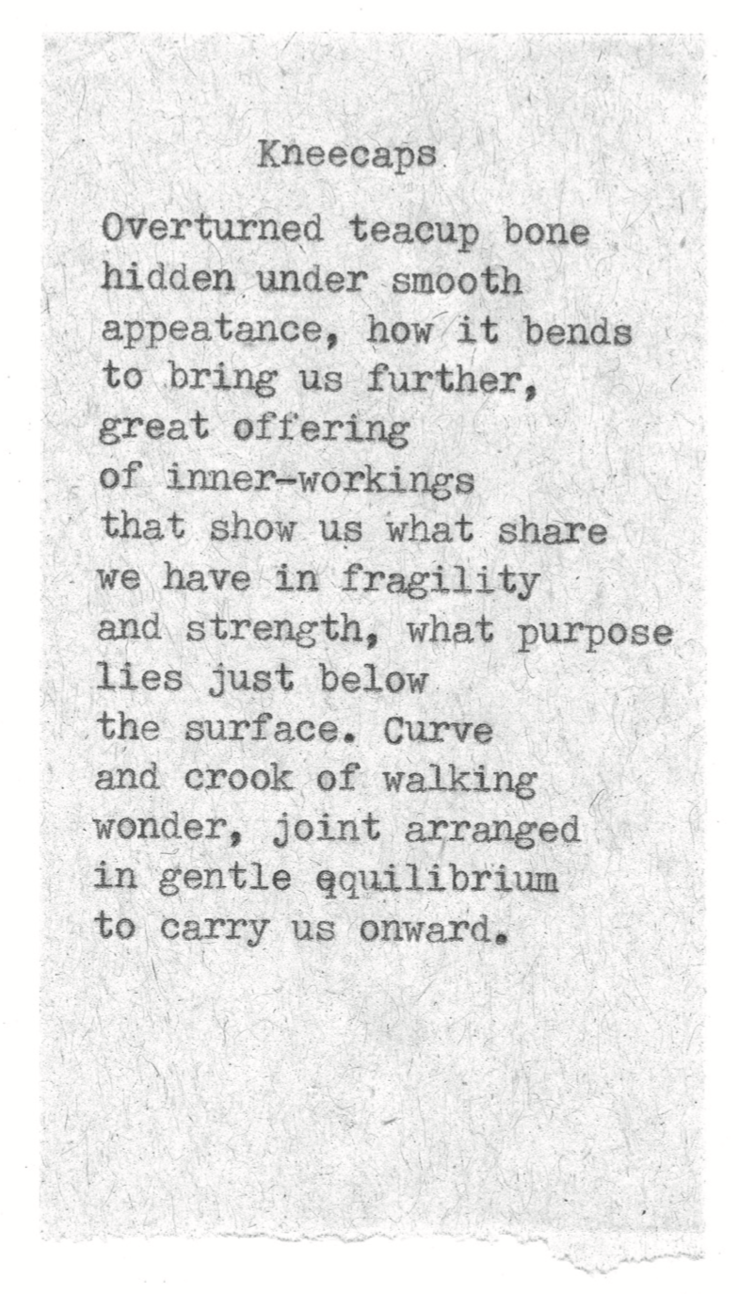
poem

Housemates

Pierre Talón lives

in the kitchen,

close to the kettle

with an invisible web.

His brothers and sisters

share the same name.

Long glass-like legs

and dark teardrop bodies.

Penelope is on the front porch,

blending with the potted plant,

her green abdomen longer each day, 

her hind legs like mechanical armor. 

Pierre Talón catches the flies

and Penelope reminds me

to pause, peering between blossoms. 

The spider never leaves, just changes 

corners and sizes, and dodges the steam 

when I make tea. The grasshopper 

greets me for months, until one day

she sheds her skin and leaves me

with a perfect paper version of herself.

This is an excerpt from Every Day Is A Poem: Find Clarity, Feel Relief, and See Beauty in Every Moment by Jacqueline Suskin.



jacqueline suskinJacqueline Suskin has composed over forty thousand poems with her ongoing improvisational writing project, Poem Store. She is the author of six books, including Help in the Dark Season. Her work has been featured in the New York Times, the Atlantic, and Yes! magazine. She lives in Northern California. For more, see jacquelinesuskin.com.
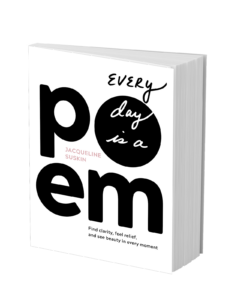


book cover

Sounds True | Amazon | Barnes & Noble | Indiebound | Bookshop

 

You Might Also Enjoy

David Brooks: Perception Is an Act of Creation

What does it mean to truly see another person—not just their surface, but their soul, their yearning, their infinite dignity?

This week, Tami speaks with David Brooks—acclaimed New York Times columnist, author, and PBS NewsHour commentator—about his remarkable journey from emotional guardedness to what he calls “heart vision.” In this profound interview on Insights at the Edge, David shares the mystical experiences that transformed his understanding of human connection, including a pivotal moment in a New York subway when he suddenly perceived everyone around him as souls in motion.

Join Tami and David to explore:

  • David’s emotional awakening and the journey from cerebral detachment to human vulnerability
  • The distinction between diminishers and illuminators—and how we see others
  • Why attention is the ultimate form of generosity and morality
  • The difference between heart intelligence and mental intelligence
  • How perception itself is an act of creation, not passive observation
  • Practical skills for seeing others deeply: the on/off switch of attention, being a loud listener, and avoiding the topper trap
  • Why he identifies as a religious rather than a spiritual person
  • The moral order of the universe and how our yearnings reflect something woven into reality itself
  • How rupture and repair shape us—and why staying in pain can be necessary for growth

David’s wisdom reminds us that in a world increasingly dominated by data and algorithms, the art of truly seeing another human being remains our most sacred—and most practical—capacity.

Listen now to discover how cultivating the illuminator’s gaze can transform every relationship in your life.

This conversation offers genuine transmission—not just concepts about awakening, but the palpable presence of realized teachers exploring the growing edge of spiritual understanding together. Originally aired on Sounds True One.

Frank Ostaseki: “I’m Allergic to the Notion of a G...

What truly matters when we face the end of life? After decades of sitting at the bedside of hundreds of dying people, Frank Ostaseski has distilled the deepest human concerns into two essential questions: Am I loved? Have I loved well?

This week on Insights at the Edge, Tami welcomes Frank Ostaseski—co-founder of America’s first Buddhist hospice, the Zen Hospice Project, founder of the Metta Institute, and author of The Five Invitations: Discovering What Death Can Teach Us About Living Fully. Frank brings extraordinary wisdom from his pioneering work in compassionate end-of-life care, along with profound personal insights from his own encounters with heart surgery, strokes, and the transformative vulnerability of being “on the other side of the sheets.”

Join Tami and Frank to explore:

  • The two essential questions that arise when facing death—and what they reveal about living fully now
  • Why emotional flexibility is the true condition for healing and transformation
  • How to meet our own fear and pain without abandoning ourselves or others
  • The practice of “allowing” as a path to both wisdom and compassion
  • What happens in the dying process: surrender, reconstitution, and coming home
  • Why Frank is allergic to the notion of a “good death”
  • The indestructible love that emerges when we keep our hearts open through pain
  • How to practice dying by paying attention to everyday endings

This conversation is for anyone grappling with loss, change, or the fundamental questions of existence—offering not prescriptive answers, but the profound medicine of honest presence and the recognition that our vulnerability itself is one of our most beautiful human qualities.

For more with Frank Ostaseski:

Year to Live Course (Spirit Rock Meditation Center)

Spirit of Service (Upaya Zen Center)

Awareness in Action: The Role of Love (Upaya Zen Center, Frank Ostaseski & Sharon Salzberg)

This conversation offers genuine transmission—not just concepts about awakening, but the palpable presence of realized teachers exploring the growing edge of spiritual understanding together. Originally aired on Sounds True One.

A.H. Almaas and Henry Shukman: “The Many Faces of Aw...

What if awakening isn’t a single destination but an endless unfolding of reality’s many faces? This week on Insights at the Edge, Tami Simon facilitates a groundbreaking conversation between two of the most profound spiritual teachers of our time: A.H. Almaas (Hameed Ali), founder of the Diamond Approach, and Zen teacher Henry Shukman.

In this rare dialogue, these teachers—meeting for the first time—explore how different wisdom traditions point to distinct dimensions of awakened experience. Rather than claiming all paths lead to the same mountaintop, they celebrate the unique territory each tradition reveals: from the “blazing forth” of creative emptiness to experiences where consciousness itself dissolves, from the recognition that each point contains the entire universe to the discovery that everything is made of love.

Join Tami, Hameed, and Henry to discover:

  • Why awakening is an endless process rather than a final arrival
  • The profound difference between thinking and heart-knowing
  • How to navigate the fear that arises at the threshold of ego dissolution 
  • The role of trust, compassion, and basic trust in profound transformation 
  • What happens when individual consciousness completely ceases 
  • Why nothingness and being are inseparable faces of reality 
  • How grief and catastrophic loss can become doorways to awakening 
  • The Zen teaching of uni-locality—experiencing that one point is everything 
  • Why love may be the most fundamental nature of reality itself

This conversation offers genuine transmission—not just concepts about awakening, but the palpable presence of realized teachers exploring the growing edge of spiritual understanding together. Originally aired on Sounds True One

>
Share via
Copy link
Powered by Social Snap