
Diane Poole Heller

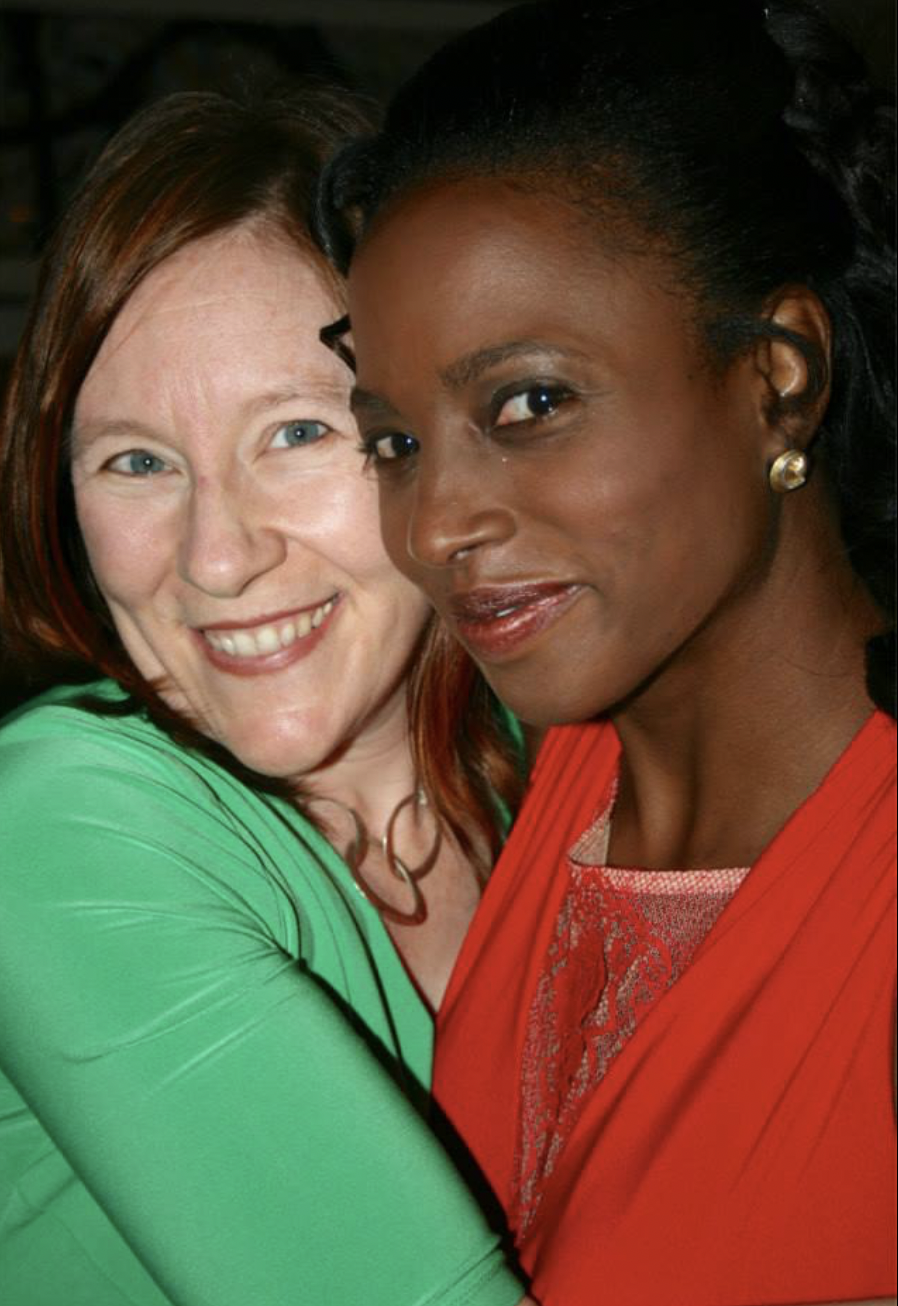
Photo of ()\

Diane Poole Heller, Ph.D., is an established expert in the field of Child and Adult Attachment Theory and Models, trauma resolution, and integrative healing techniques. Diane developed her own signature series on Adult Attachment called DARe (Dynamic Attachment Re-patterning experience) also known as SATe (Somatic Attachment Training experience). Dr. Heller began her work with Dr. Peter Levine, founder of SETI (Somatic Experiencing® Trauma Institute) in 1989. As Senior Faculty for SETI, she taught Somatic Experiencing® trauma work internationally for over 25 years. As a dynamic speaker and teacher, Diane has been featured at prestigious international events and conferences. She is the author of numerous articles in the field. Her book “Crash Course” on auto accident trauma resolution is used worldwide as a resource for healing a variety of overwhelming life events. Her film, “Surviving Columbine,” produced with Cherokee Studios, aired on CNN and supported community healing in the aftermath of the school shootings. Sounds True recently published Dr. Heller’s audio book: “Healing Your Attachment Wounds: How to Create Deep and Lasting Relationships” and her upcoming book, “The Power of Attachment: How to Create Deep and Lasting Intimate Relationships.”

As developer of DARe and president of Trauma Solutions, a psychotherapy training organization, Dr. Heller supports the helping community through an array of specialized topics. She maintains a limited private practice in Louisville, Colorado.

Author photo © Josh Levin


Listen to Tami Simon's in-depth audio podcast interviews with Diane Poole Heller:
We Are Designed for Connection »
Psychotherapy 2.0 »

Author Info for Dr. Diane Poole Heller Coming Soon

Also By Author

Helping Someone with a Disorganized Attachment Style

You may not identify with the disorganized adaptation yourself, but perhaps people close to you live with this attachment style.

Clearly, this is not intended to serve as an end-all guide to helping these people (or anyone else, for that matter), but if you want to promote safety and secure relating in others, I highly recommend trying out the following habits. And if you’re a person of the disorganized style, I hope you’ll feel empowered to request the following practices from people you love:

Communicate simply and clearly.

As I illustrated at the beginning of this chapter, people with disorganized attachment often grew up in households with confusing mixed messages. For this reason, it’s important to be as clear and direct as possible in your speech, especially when it comes to instructions or directions, or when your partner or child seems stuck in indecision or confusion. This occurs most profoundly in the freeze state, when people can have trouble finding the right words, responding at all, or even forming basic thoughts. When this occurs, giving the disorganized person as few options as possible is the best idea. Even in a less-charged state, they might have trouble choosing where to go to dinner among a number of favorite restaurants, and under stress, it’s best to reduce any options down to two or three, max. Remember also to describe and explain things to children using age-appropriate concepts and language.

Be mindful of your tone of voice.

How we use our voice—especially the prosody, or tone of voice—communicates safety or danger to others. A melodic voice that employs fluid modulation and intonation fosters a sense of safety, whereas a monotone or robotic voice comes across as cold, uncaring, and in some cases, threatening. We often use a more musical tone of voice with babies and animals, our voice going up and down with affection in an exaggerated, singsong way. I’m not suggesting going around using the same type of voice with adults, but modulating your tone will certainly help when you’re speaking with others.

Think about how people’s voices change when they’re angry or feel endangered; that’s an evolutionary cue to the community that something’s wrong. When danger occurs, we are biologically and evolutionarily designed to shift our tone to alert the tribe. Women’s voices tend to become high-pitched and shrill, while men lower their tone and get louder, producing a booming voice. It immediately signals to other people that there is danger, that they should stop what they are doing and prepare to defend themselves. But when our voice does this under stress during a discussion or conflict with our partner—a relatively safe person (hopefully) whom we love—it can easily trigger their threat response, shifting them toward fighting or wanting to escape. So if you’re interested in reconciliation and a positive result for your relationship, it will benefit you to be mindful of how you use your voice. Practicing a calming, soothing, and well-modulated voice will reduce a sense of threat in your partner when you are trying to work out intimacy issues or relationship concerns. Shrill or booming, threat-stimulating voices will trigger our amygdala, or reptilian brain, that’s engaged in promoting survival responses, making our partner appear as an enemy rather than as our beloved.

Practice safe touch.

Using touch in a way that’s loving and conscious of another person’s boundaries also creates a feeling of safety. Physical touch amplifies anything we might be expressing verbally. In Snap: Making the Most of First Impressions, Body Language, and Charisma, Patti Wood says that we communicate regulation through regulated touch. That is, when we are regulated in our own body, we can convey physiological regulation even with a handshake. The key is to be centered and grounded in your own nervous system—within your own range of resiliency—before you employ touch in this way. Wood asserts that a simple, regulated handshake can offer more regulation than three hours of affirming, empowered conversation. Safe touch may help you and your partner regulate each other. Be mindful, however, that if your dysregulation is severe, it might be too much to touch another without dysregulating them. The chemistry or energy of your skin on theirs is communicated in a tangible way, so keep in mind the importance of taking time to establish your own regulation first if you can manage it. Think about how regulating hugs are when the other person is calm, loving, and safe. I’m not talking about those quick, pat-you-on-the-back kind of hugs, but the ones that involve bellies touching one another in a full-contact embrace. Try it with someone you feel close to. You can feel each other’s bodies regulating from this type of contact.

One technique I often use with clients is to begin by simply sitting next to the person. I feel what that’s like for a bit—getting a sense of their energy, so to speak—and allow them to get used to me. I ask if it is okay to place one of my palms near their back, between their shoulder blades, starting in their energy feld about three or four inches away from their skin, checking in with them to see how they’re doing. If that goes well, and they agree, I gently put my hand on their body and find the right amount of pressure—too much or too little can make a big difference. I also ask them to let me know where the best spot on their back is, and I shift my hand in response. By doing so, I am adjusting my contact in attunement with their request, so they have the experience of having their needs met as I convey safety, presence, and care. For ongoing support, we can teach our partners or family members to do this, too.

Look at others (and use facial expressions) with kindness.

How we use our face when we express ourself can also communicate a sense of safety to our partner. The eyes are of particular importance. Take the idea of what I call “the beam gleam.” It’s a soft, safe gaze you see between couples that display secure attachment. It involves a lot of eye contact, of course, but also a look that expresses appreciation, love, and a sense that the other person is special. As I mentioned, it’s important to invite this type of connection only when the person is available for it and not when they are dealing with shame, signaled by gaze aversion. Often their shame needs to be processed a bit before you can establish a nourishing connection with an attachment gaze. These nonverbal messages of connection and kindness really do trigger other people’s safety responses. Think about the difference in your partner’s face when they’re angry (scowling, tense) and when they’re happy to be with you (smiling, eyes wide and bright). People read your gaze and facial expressions all the time, even if they’re not conscious of it.

This is an excerpt from The Power of Attachment: How to Create Deep and Lasting Intimate Relationships by Diane Poole Heller, PhD.

Diane Poole Heller, Ph.D., is an established expert in the field of Child and Adult Attachment Theory and Models, trauma resolution, and integrative healing techniques. Diane developed her own signature series on Adult Attachment called DARe (Dynamic Attachment Re-patterning experience) also known as SATe (Somatic Attachment Training experience). Dr. Heller began her work with Dr. Peter Levine, founder of SETI (Somatic Experiencing® Trauma Institute) in 1989. As Senior Faculty for SETI, she taught Somatic Experiencing® trauma work internationally for over 25 years. As a dynamic speaker and teacher, Diane has been featured at prestigious international events and conferences. She is the author of numerous articles in the field.

Buy your copy of The Power of Attachment at your favorite bookseller!

Sounds True | Amazon | Barnes & Noble | Indiebound


Helping Someone with a Disorganized Attachment Style Pinterest

Tracing the Roots of Your Attachment Style

Tracing the Roots of Your Attachment Style Header Image

Let’s face it: life is sometimes quite hard. It doesn’t matter who you are; all of us inevitably bump into challenges and hardships that are beyond our control. If you’re on this planet long enough, you’re going to be hit with some form of misattunement or loss or abuse or divorce or disease or a car accident or an environmental disaster or war or who knows what. Sometimes these events are so overwhelming that we don’t even have the capacity to react or respond to them. You can’t stop these things from happening; they’re just part of what it means to be human. And to make matters even trickier, epigenetic studies now suggest that—in a manner of speaking—we may inherit the struggles of our ancestors. In one way or another, we’re affected by everything that our grandparents, great-grandparents, and so on went through and suffered from. But we’re also the products of their resiliency. Throughout time and our evolution as a species, people have been experiencing hardships and doing their best to endure and survive them.

So, life is hard, and it isn’t your fault. That’s just the way it is, which means that you can stop blaming yourself as if you alone are responsible. There are countless ways for any of us to end up experiencing trauma, and most of them have nothing to do with how we live our life or what kind of person we are. That’s the bad news.

But there’s good news, too.

We can do something about it.

We’re all born with an amazing capacity to survive, heal, and thrive, which is precisely the reason we’ve made it this far to begin with. It’s what we’re built for.

Before we go on, I want to be clear about what I mean when I say the word trauma. Without getting too technical, trauma is what results from experiencing an event over which you have little control; sometimes—as in the case with major accidents—you don’t even have time to brace yourself for the impact. These events overwhelm your ability to function normally, and this can make you lose trust in your feelings, thoughts, and even your body. In this way, trauma is a form of tremendous fear, loss of control, and profound helplessness.

I’ve also started thinking of trauma in terms of connection. The theme of broken connection has come up in my work repeatedly over the years: broken connection to our body; broken connection to our sense of self; broken connection to others, especially those we love; broken connection to feeling centered or grounded on the planet; broken connection to God, Source, Life Force, well-being, or however we might describe or relate to our inherent sense of spirituality, open-hearted awareness, and beingness. This theme has been so prominent in my work that broken connection and trauma have become almost synonymous to me.

When trauma hits us or we’ve experienced a lot of relational wounding, we can feel like we’re utterly disconnected—like we’re a tiny little me who’s isolated and all alone, as if we’re in our own little bubble floating around in a sea of distress, cut off from everyone and everything. I think it’s our work to pop that imaginary bubble, or at least to build bridges that connect us to others we care about. Unresolved trauma, in my opinion, has led to a nationwide epidemic of loneliness and hurt. And it isn’t just in our country. The evidence of this type of pain worldwide is readily available any time you turn on the news. That’s not the whole story, fortunately. We can heal and change. All of us are capable of healing and repairing these severed connections: to ourself, other people, the planet, and whatever it is that holds it all together.

But we can’t do it alone.

First of all, we not capable of healing in isolation. We need other people. Stan Tatkin, clinical psychologist, author, speaker, and developer of A Psychobiological Approach to Couple Therapy (PACT) along with his wife, Tracey Boldemann-Tatkin, says that we are hurt in relationship and we heal in relationship. The presence of those close to us makes a difference even in the most dire circumstances. Just to mention one study among thousands, a hospital in Illinois recently demonstrated that coma patients recovered more quickly when they were able to hear the voices of their family members.

Like it or not, we’re all on this crazy and amazing human journey together.

We can never be completely safe, but we can move toward relative safety in life and in our relationships. We will never have our needs met perfectly, and we will never be (nor have) the perfect parent. Thankfully, that’s not required for deep and lasting healing. As we grow out of our wounded self and become a more securely attached, resilient being, we can foster the same process in others, becoming intimacy initiators and connection coaches for our families, friends, and the larger world.

Let’s take a look at both sides of our parents’ behavior. Each of us is a work in progress, and I’m sure your parents had some unfinished business along with their more admirable qualities. You may find this exercise helpful in taking a deeper look into what was problematic and painful as well as the gifts your family bestowed. So often our memories of difficult times overshadow the benefits we may have gained, so this exercise is aimed at helping us see more of the whole picture—to acknowledge and grieve wounds as well as celebrate wisdom gained. Of course, often we gain wisdom and compassion from healing our wounds as well.


EXERCISE: Perfectly Imperfect


Part One—What Was Missing or Hurtful?

You may want to start this exercise by making a list of the shortcomings or failings of each of your parents—those circumstances or behaviors that had the most negative influence on you as a child. What happened is significant, and how you internalized it is even more so. Sometimes it’s easier to recount our parents’ negative attributes than it is to remember any of their positive ones, especially for those of us with an ambivalent or disorganized attachment style. Our negative experiences may overshadow the everyday neutral or basically good experiences we may have had until we regain a sense of them after healing many early wounds. People with the avoidant attachment style tend to see their histories as mostly fine, until feelings of longing resurface and they realize what they missed relationally.

Part Two—What Was Beneficial or Supportive?

My mother was a tough teacher. She lived with unresolved emotional distress, but she was also fun-loving and generous. Despite sometimes being a less-than-ideal parent, she had her own ways of expressing her love to me with special celebrations, generous gift-giving, helping me with projects close to my heart, and shopping for fun bargains we called “treasure hunting.” My father was similarly complex: he was out of touch with his emotional self and gone a lot for his work, yet he was able to convey his love quietly in a steadfast way through providing for the family, locking the doors at night, fixing my bike, teaching me to water ski, and grilling great food for picnics. He also had the core value of volunteerism that survives in our family to this day. Both of my parents did the best they could under the circumstances, and together they taught us important core values.

Try looking at each of your parents through the lens of how they may have shown you their love. Write down all the ways you have learned important lessons, skills, and insights from your most important caregivers. It can help to describe your mother and father on their best days. As best you can, give them the benefit of the doubt and consider that they were doing the very best they could with whatever level of unresolved trauma or attachment injury they lived with, as well as with whatever resources, education, and healing strategies they had available to them at that time. See if you can detect their deep care amid their imperfections and harming behaviors, no matter how murky or inarticulate they were in expressing that love for you. What do you find?

This is an excerpt from The Power of Attachment: How to Create Deep and Lasting Intimate Relationships by Diane Poole Heller, PhD.


Diane Poole Heller head shotDiane Poole Heller, Ph.D., is an established expert in the field of Child and Adult Attachment Theory and Models, trauma resolution, and integrative healing techniques. Diane developed her own signature series on Adult Attachment called DARe (Dynamic Attachment Re-patterning experience) also known as SATe (Somatic Attachment Training experience). Dr. Heller began her work with Dr. Peter Levine, founder of SETI (Somatic Experiencing® Trauma Institute) in 1989. As Senior Faculty for SETI, she taught Somatic Experiencing® trauma work internationally for over 25 years. As a dynamic speaker and teacher, Diane has been featured at prestigious international events and conferences. She is the author of numerous articles in the field.

Her book Crash Course, on auto accident trauma resolution, is used worldwide as a resource for healing a variety of overwhelming life events. Her film, Surviving Columbine, produced with Cherokee Studios, aired on CNN and supported community healing in the aftermath of the school shootings. Sounds True recently published Dr. Heller’s audiobook Healing Your Attachment Wounds: How to Create Deep and Lasting Relationships, and her book, The Power of Attachment: How to Create Deep and Lasting Intimate Relationships.

As a developer of DARe and president of Trauma Solutions, a psychotherapy training organization, Dr. Heller supports the helping community through an array of specialized topics. She maintains a limited private practice in Louisville, Colorado.


Power of Attachment Book Cover

Buy your copy of The Power of Attachment at your favorite bookseller!

Sounds True | Amazon | Barnes & Noble | Indiebound

4 Tips to Get Back to Secure Attachment

4 Tips to Get Back to Secure Attachment Blog - Hero Image

When we talk about what secure attachment looks like, it’s not unusual for people to give themselves a hard time. It seems like such a high bar, and when we look at it that way, it’s easy to feel not quite up to snuff. I can relate to that feeling, and I think it’s quite normal for everyone to feel that way from time to time.

We all have emotional reactions we’re not proud of, and most of us contribute our fair share to arguments and unnecessarily difficult conversations. And many of us simply aren’t as present as we’d like to be. We don’t feel quite here enough—either we’re distracted by one thing or another, or we’re not as attentive as we think we should be. Again, all of this is normal. Most of these things happen regularly—at least they do for me! The main point is to care enough to notice when things are less than ideal. That means having enough presence to know that things are a little off and enough compassion to want to do a retake, to make things better. There’s more wiggle room than you’d think. It’s okay to goof up, make mistakes, and be less than our perfect self. The attachment system is a forgiving system, and it makes a world of difference to register when we miss each other and mend when things go awry as soon as possible.

We can all do a better job, of course, and that’s where practice comes in. I want to offer you ways to practice fostering secure attachment in yourself and others. These are methods for boosting your secure attachment skills. The idea isn’t to ace every one of these, but pick out one or two that you feel called to work on and practice these the best you can. Hopefully, there are secure attachment skills here for everyone—skills you can offer others in your life, skills to practice mutually in your relationships, and skills to encourage secure attachment in yourself.

Secure Attachment Skill #1: Listen Deeply

Let’s start with one of the more obvious skills. We all know the value of listening, but most of us haven’t actually taken the time to develop our listening skills in any ongoing way. When we listen deeply, reflect back to the other person, and ask questions that help us understand them, we allow the other person to inform us of what’s going on with them—not in a superficial way, but in a manner that empowers them to really dive in, feel their feelings, and express them to us until we truly get them. We’re not simply listening until they take a breath so that we can jump into the conversation and say what’s on our mind. Listening deeply means that we respond with considerate questions meant to foster and convey understanding, and we always give space before explaining our perspective.

It’s important to note that when we listen to another person, we don’t have to believe or agree with what they are saying. Really listening to someone means that we don’t immediately respond to what they’re saying with denial or criticism. Instead of negating their concern or getting into an argument about it, we just listen. That’s it. And we can open up the contingency space even further by trying to resonate with them. “I understand why you’d be upset about that, and I can see that really hurt you,” for example. In other words, listening in this way means you’re offering to hold—to contain—whatever it is that they’re dealing with and be present with them, regardless of their emotional responses and reactions.

I think most of us have this in common: more than we want to be convinced otherwise or placated, we just really want to be heard on a deep level. That can be hard at times, of course, because relationships can bring up a lot of stuff for us, and it’s natural to have challenges when dealing with other people, especially those closest to us. But if we can do our best to listen, we can make the best of difficult situations, and we’ll have a much better chance of closing the gap between us and the person we’re listening to.

Secure Attachment Skill #2: Practice Presence

Listening is one of the ways we can show presence, which is one of the most important gifts we can give ourselves and others in relationships. Presence isn’t a static thing; it’s a way of being. Presence means showing up, paying attention, and letting the other person know that we’re there for them with whatever’s going on. It means we do our best to put aside our own worries and concerns and be with them in an undistracted way. This can be hard in today’s world when it’s common to be on our devices so much of the time, but I highly recommend setting your phone or tablet aside when you want to show someone else that you’re truly present for them. Of course, this is impossible to do perfectly all the time, but there are certain things we can do to practice presence in order to become more available to others, as well as to ourselves.

Committing to remain undistracted with another person in a world that is so full of distractions is a powerful and fulfilling practice.Try it at dinner sometime: put everyone’s silenced cell phone in a basket while you’re enjoying the meal together and see what a difference it makes in your ability to connect. Attention is an extremely valuable commodity, and I recommend as much device-free, face-to-face time as you can manage. People know if you’re fully present or not, and it matters to them. Try being present when you’re on the phone sometime. Instead of doing something else—like surfing the Internet or washing the dishes—sit down and try to be as present and attentive as you possibly can. Give undistracted time to the people who are important to you and watch how that transforms your relationships.

Secure Attachment Skill #3: Attune

Attunement can mean a lot of things, but in this case it means becoming curious about another person’s experience and working to understand what they’re all about, discovering them in new ways and trying to resonate with them. How do they see the world? How do they experience their own feelings? And whatever emotions or situations arise, attunement also means that we do our best to connect with other people and let them know we’re there. Attunement is what enables that sense of contingency to arise. It lets the other person know that we really get them—that we’re by their side. This is an invaluable experience to receive and to offer another person.

Being dedicated to attunement also keeps us in touch with when we fall out of attunement with others, which is crucial knowledge to have in relationships. We’re oriented toward connection, but we’re also aware when that connection isn’t quite as we’d like it to be. If you feel you are not quite in sync with someone or are concerned that you don’t fully understand their situation or their feelings, ask the person to tell you more about what they are trying to share. Ask caring and clarifying questions.

Secure Attachment Skill #4: Engage in Joint Attention

Joint attention means mutually being there for each other, no matter what you’re doing: meditating together, dancing to your favorite song, telling jokes, making meals, or exercising. Any activity can serve to foster more secure attachment with your partner, child, family member, or friend when enacted with joint attention. You could be watching a movie on the flat-screen from your couch and still practice joint attention (for example, occasionally making eye contact with each other, laughing together, or having a conversation later about the film).

Discover even more secure attachment skills to try in The Power of Attachment: How to Create Deep and Lasting Intimate Relationships by Diane Poole Heller, PhD.

4 Tips to Get Back to Secure Attachment Blog - Diane Poole Heller

Diane Poole Heller, Ph.D., is an established expert in the field of Child and Adult Attachment Theory and Models, trauma resolution, and integrative healing techniques. Diane developed her own signature series on Adult Attachment called DARe (Dynamic Attachment Re-patterning experience) also known as SATe (Somatic Attachment Training experience). Dr. Heller began her work with Dr. Peter Levine, founder of SETI (Somatic Experiencing® Trauma Institute) in 1989. As Senior Faculty for SETI, she taught Somatic Experiencing® trauma work internationally for over 25 years. As a dynamic speaker and teacher, Diane has been featured at prestigious international events and conferences. She is the author of numerous articles in the field.

 Her book Crash Course, on auto accident trauma resolution, is used worldwide as a resource for healing a variety of overwhelming life events. Her film, Surviving Columbine, produced with Cherokee Studios, aired on CNN and supported community healing in the aftermath of the school shootings. Sounds True recently published Dr. Heller’s audiobook Healing Your Attachment Wounds: How to Create Deep and Lasting Relationships, and her book, The Power of Attachment: How to Create Deep and Lasting Intimate Relationships.

As developer of DARe and president of Trauma Solutions, a psychotherapy training organization, Dr. Heller supports the helping community through an array of specialized topics. She maintains a limited private practice in Louisville, Colorado.

Buy your copy of The Power of Attachment at your favorite bookseller!

Sounds True | Amazon | Barnes & Noble | Indiebound

You Might Also Enjoy

Just One Question | Thích Nhất Hạnh: What Is the ...


What if the root cause of every social problem — starvation, ecological destruction, violence — wasn’t a broken system or a corrupt institution, but a collective state of unawareness? And what if the most powerful act of social change available to you today happened in your own mind?

That’s the territory Tami Simon explores in this remarkable exchange with Thich Nhat Hanh, the Vietnamese Zen master who founded Plum Village, pioneered engaged Buddhism, and became one of the most influential spiritual teachers of the twentieth century. Recorded more than two decades ago beneath a willow tree, this conversation feels astonishingly present.

Thích Nhất Hạnh’s answer to Tami’s question doesn’t point outward to policy or protest — it points inward, then ripples out. Individual awakening, he says, is collective awakening. Your practice is social action. Your light is contagious.

What you’ll hear in this exchange:

  • Why individual mindfulness practice is inseparable from social transformation
  • How collective enlightenment spreads — and how it already has, in ways we don’t always recognize
  • The role artists, teachers, economists, and politicians all play in the work of awakening
  • How to stay rooted in hope — and action — without being swallowed by despair

This is a short clip, but it carries the full weight of a lifetime of practice and teaching. It may change how you think about what you’re doing every time you sit down to meditate.

This clip is taken from the full Insights at the Edge conversation with Thích Nhất Hạnh. Find the complete interview in this feed or at soundstrue.com.

This episode is sponsored by Omega Institute, a global gathering hub for lifelong learning and spiritual exploration. Omega offers weekend workshops, special events, rest and rejuvenation retreats, professional training, online learning, and more. Discover what calls to you at eomega.org/true.

Elizabeth Stanley on Trauma-Sensitive Mindfulness: Whe...

Meditation is often understood as a way to find calm by turning inward. Yet for many people, that inward focus can feel overwhelming instead of grounding. The body may tighten, emotions may rise quickly, or the mind may feel harder to settle. These responses are not a sign of failure. They reflect how the nervous system holds and processes past experiences. Trauma sensitive mindfulness offers a way to approach awareness with more care, allowing space for safety, pacing, and choice.

At Sounds True, we have spent decades sharing the living wisdom of teachers who speak to real human experience with honesty and depth. Through voices like Elizabeth Stanley, we bring forward teachings that integrate science, mindfulness, and compassion, offering practices that support meaningful and lasting inner growth.

Here, we look at trauma sensitive mindfulness through Elizabeth Stanley’s perspective, including why meditation is not always enough and how a more supportive approach can help.

Key Takeaways:

  • Nervous System Awareness: Trauma sensitive mindfulness centers on regulating the body, not just observing thoughts
  • Flexible Practice: Meditation can include movement, choice, and external focus to support safety
  • Healing Approach: Awareness becomes effective when paired with pacing, care, and nervous system support

Awaken Your Inner Healing Power with Guided Practices by Sounds True

What Is Trauma Sensitive Mindfulness and How It Differs from Traditional Mindfulness

Trauma sensitive mindfulness begins with a simple truth. The present moment does not feel safe for everyone. Turning inward can bring up intense sensations or emotions, and traditional mindfulness does not always account for how trauma shapes this experience.

This approach offers a gentler entry point. It considers how the body responds before asking it to be still. Instead of pushing through discomfort, it allows for choice, movement, and grounding.

Mindfulness then becomes less about doing it right and more about building a relationship with our experience. We learn to notice what feels supportive, pause when needed, and meet ourselves with care.

Elizabeth Stanley’s Approach to Trauma Sensitive Mindfulness and Healing

Elizabeth Stanley’s work brings clarity to why trauma sensitive mindfulness matters and how it can be practiced in a way that truly supports healing. Her perspective is grounded in both research and lived experience, creating a bridge between science and personal transformation.

Her Background in Trauma and Resilience

Stanley’s background includes years of studying resilience under extreme stress, alongside her own journey through trauma recovery. She emphasizes that resilience is not simply about mental strength. It is about the capacity of the nervous system to return to balance after disruption.

Through trauma sensitive mindfulness, she highlights how this capacity can be strengthened over time. The practice becomes less about observing thoughts and more about learning how to stay connected to the body without becoming overwhelmed.

The Limits of Traditional Mindfulness Practices

In her teaching, Stanley also speaks to the limitations of traditional mindfulness approaches. Many practices assume that the body can tolerate sustained attention. For someone carrying unresolved trauma, that assumption may not hold true.

Trauma sensitive mindfulness acknowledges that awareness alone is not always enough. Without support, attention can amplify distress rather than ease it. By integrating regulation and pacing, this approach creates a more supportive path that allows mindfulness to unfold gradually.

Why Trauma Sensitive Mindfulness Changes the Way We Practice Meditation

When we begin to understand mindfulness through the lens of trauma sensitivity, the practice itself starts to shift. Meditation is no longer about holding attention in one place at all costs. It becomes a responsive and adaptive experience.

Meditation Through the Lens of Trauma Sensitivity

In trauma sensitive mindfulness, meditation can include a wide range of options. A person might keep their eyes open, shift their focus between internal and external awareness, or engage in gentle movement. These choices are not distractions from the practice. They are part of the practice.

This flexibility helps create a sense of stability. It allows the practitioner to remain engaged without pushing beyond their capacity.

Creating Safety Within the Practice

Safety is not treated as an outcome. It is the foundation. Trauma sensitive mindfulness invites us to notice when something feels supportive and when it does not. That noticing becomes a form of guidance.

Over time, this builds trust. The practitioner begins to feel that they can stay present without losing themselves in the experience. Meditation then becomes a space where healing can happen at a natural pace.

When Trauma Sensitive Mindfulness Is Needed Beyond Standard Meditation

There are times when traditional mindfulness practices may not provide the support someone needs. Trauma sensitive mindfulness helps us recognize those moments with clarity and care.

Recognizing Signs That Mindfulness Alone Is Not Enough

Some people notice that meditation brings up anxiety, numbness, or a sense of disconnection. Others may feel flooded by emotion or unable to stay grounded. These experiences are not signs of failure. They are signals from the nervous system.

Trauma sensitive mindfulness encourages us to respond to these signals rather than push through them.

Expanding Beyond Stillness Into Regulation

In these moments, the practice may shift. Instead of remaining still, a person might focus on their surroundings, engage in movement, or connect with a steady rhythm like walking or breathing with sound.

These forms of regulation help restore balance. They create a pathway back to presence that feels supportive rather than overwhelming.

Discover the Hidden Power of Daily Meditation

The Role of the Nervous System in Trauma Sensitive Mindfulness Practice

Trauma sensitive mindfulness recognizes that the nervous system plays a central role in how we experience awareness. Before we can rest in presence, the body needs to sense that it is safe enough to do so.

  • The nervous system constantly interprets signals of safety and threat, often outside of conscious awareness
  • Trauma can leave the body in patterns of activation or shutdown that shape how mindfulness feels
  • Trauma sensitive mindfulness introduces gentle ways to support regulation before deep attention is invited
  • Small moments of ease help the nervous system learn that presence can be safe
  • Choice allows the practitioner to stay connected without feeling trapped in the experience

As these patterns begin to shift, mindfulness becomes more accessible. The body no longer experiences awareness as something to defend against. Instead, it becomes a place where steadiness can grow.

How to Practice Trauma Sensitive Mindfulness Safely and Effectively

Practicing trauma sensitive mindfulness begins with a willingness to move at the pace of the body. There is no need to force stillness or sustain attention beyond what feels manageable. Instead, we begin by noticing what feels supportive in the moment.

This might include grounding attention in the senses, feeling the contact of the body with a chair, or simply noticing the environment. At times, it may mean stepping away from internal awareness and focusing outward. These choices are not interruptions. They are expressions of care.

Over time, this approach builds a sense of trust. The practitioner learns that they can engage with mindfulness without becoming overwhelmed. Safety becomes something that is felt, not something that is assumed. From this foundation, awareness can deepen in a way that feels steady and sustainable.

Bringing Trauma Sensitive Mindfulness into Daily Life and Relationships

Trauma sensitive mindfulness does not remain confined to formal practice. It naturally extends into daily life. It can be present in the way we pause before responding, in how we notice tension in the body, or in the decision to take a moment of rest.

In relationships, this awareness can create space. Instead of reacting automatically, we begin to sense what is happening within us. This allows for more thoughtful responses and a greater sense of connection.

These small moments matter. They reflect a shift from striving to be present toward allowing presence to emerge. In this way, mindfulness becomes integrated into the rhythm of everyday life.

Building Resilience Through Trauma Sensitive Mindfulness Over Time

Resilience develops gradually. It is shaped through repeated experiences of safety, awareness, and regulation. Trauma sensitive mindfulness supports this process by honoring the body’s natural pace.

Each moment of grounded awareness strengthens the nervous system’s capacity to remain present. Over time, this creates a sense of stability that can hold a wider range of experiences.

This path is not about reaching a fixed state. It is about developing a relationship with ourselves that is steady, responsive, and compassionate. Through trauma sensitive mindfulness, we begin to discover that presence is not something we force. It is something that becomes possible as the body learns it is safe to be here.

Learn How your Mind Really Works with Sounds True

Final Thoughts

Trauma sensitive mindfulness invites a more compassionate way of being present. Rather than pushing through discomfort, it encourages us to listen to the body and move at a pace that feels supportive.

Elizabeth Stanley’s insights remind us that awareness and regulation go hand in hand. As we honor both, mindfulness becomes a steady, healing practice that meets us exactly where we are.

Frequently Asked Questions About Trauma Sensitive Mindfulness

What makes trauma sensitive mindfulness different from trauma informed care?

Trauma sensitive mindfulness is a specific approach within the broader framework of trauma informed care. While trauma informed care can apply to many fields, such as healthcare or education, trauma sensitive mindfulness focuses directly on how mindfulness practices are adapted to support nervous system safety and regulation.

Can trauma sensitive mindfulness be practiced without a teacher?

Yes, it can be practiced individually, especially with gentle awareness and self-guided pacing. However, some people benefit from working with a trained practitioner who understands trauma and can offer guidance when difficult experiences arise.

Is trauma sensitive mindfulness suitable for beginners?

Yes, it is often more accessible for beginners because it emphasizes choice and flexibility. Instead of requiring strict focus, it allows people to ease into awareness in a way that feels manageable.

How long does it take to see benefits from trauma sensitive mindfulness?

The experience varies from person to person. Some may notice small shifts in awareness and calm within a short time, while bigger changes in resilience and regulation tend to develop gradually through consistent practice.

Can trauma sensitive mindfulness replace therapy?

It is not a replacement for therapy, especially for those working through significant trauma. It can be a supportive complement to therapeutic work, helping individuals build awareness and regulation skills alongside professional support.

What types of practices are included in trauma sensitive mindfulness?

Practices may include grounding exercises, sensory awareness, gentle movement, and flexible attention techniques. The focus is on what supports stability rather than following a fixed method.

How does trauma sensitive mindfulness support physical well-being?

By helping regulate the nervous system, this approach can reduce chronic stress responses in the body. Over time, this may support improved sleep, reduced tension, and a greater sense of ease.

Is it normal to feel discomfort during trauma sensitive mindfulness?

Some discomfort can arise, especially when becoming more aware of internal experiences. The key difference is that this approach encourages responding to discomfort with care, rather than pushing through it.

Can trauma sensitive mindfulness be practiced in short moments?

Yes, it is well suited for brief, everyday moments. Even a few seconds of grounding or awareness can support regulation and help build consistency over time.

Who can benefit most from trauma sensitive mindfulness?

Anyone can benefit, but it is especially supportive for individuals who find traditional meditation challenging or overwhelming. It offers an alternative path that honors personal capacity.

Michelle Cassandra Johnson is an author, activist, spiritual teacher, racial equity consultant, and intuitive healer. She is the author of six books, including Skill in Action and Finding Refuge. Amy Burtaine is a leadership coach and racial equity trainer. With Robin DiAngelo, she is the coauthor of The Facilitator's Guide for White Affinity Groups. For more, visit https://www.michellecjohnson.com/wisdom-of-the-hive.

nico and devon hase: Buddhist Volcanoes In Love


What if everything you believed about a healthy relationship—the harmony, the peace, the perfectly matched wheels—was the very thing getting in the way?

This week, Tami Simon speaks with nico and devon hase—married Buddhist teachers, longtime meditation practitioners, and co-authors of the new Sounds True book This Messy, Gorgeous Love: A Buddhist Guide to Lasting Partnership—about what it actually takes to build a partnership that transforms rather than just endures.

Join Tami, nico, and devon to explore:

  • Why relationships are inherently rough—and why accepting that is the first act of real intimacy
  • The three conflict styles (volcanoes, diplomats, and dodgers) and how to work skillfully with your own
  • The tightrope principle: why lasting partnership means always finding your balance, never holding it
  • The daily check-in practice nico and devon discovered during three years of solitary retreat—and why it’s deceptively powerful
  • How death contemplation can dissolve petty resentments and bring fierce clarity to what actually matters
  • The “third space” in relationship: listening to the partnership itself as its own living being
  • Body shame, shifting desire, and sexuality as an awakening path—from devon’s own retreat discoveries
  • Why bodhichitta—the awakened heart of service—might be the most honest metric for whether a relationship is worth tending

Whether you’re navigating a decades-long partnership or wondering if intimacy and spiritual depth can coexist at all, nico and devon offer both radical honesty and genuine hope.

Listen now →

This conversation offers genuine transmission—not just concepts about awakening, but the palpable presence of realized teachers exploring the growing edge of spiritual understanding together. Originally aired on Sounds True One.

This episode is sponsored by Omega Institute, a global gathering hub for lifelong learning and spiritual exploration. Located in upstate New York’s beautiful Hudson Valley, Omega offers weekend workshops, special events, rest and rejuvenation retreats, professional trainings, online learning, and more. Discover what calls to you at eomega.org/true.