Light Watkins

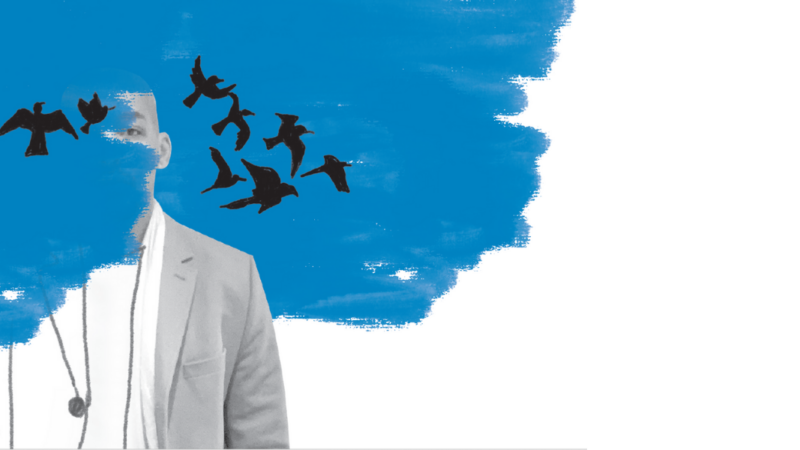
Light Watkins has been a meditation and spiritual teacher for more than 20 years. He is the author of The Inner GymBliss More, and Knowing Where to Look and hosts a weekly podcast called The Light Watkins Show. Light became nomadic in 2018 and now travels the world giving talks on happiness, mindfulness, inspiration, and meditation to sold-out audiences. He’s been profiled in TimeVogueForbesPeople, and the New York Times. For more, visit lightwatkins.com.

Author photo © Maria Postigo

Also By Author

Light Watkins: Putting Your Heart-Voice into Action

What is spiritual minimalism? How do we “declutter” ourselves so we can hear and take action on the voice of our hearts? In this podcast, Tami Simon speaks with meditation teacher and author Light Watkins about his new book, Travel Light, and his “inside-out” approach to pushing past your limits to find and fulfill your purpose. 

Tune in for a lively conversation that offers encouragement, inspiration, and practical insight, as Tami and Light discuss meditation as a tool to create space and hear the calling of your heart; taking action on your “why”; curiosity and trust; the heart as our personal GPS; leaving our comfort zones to begin our Hero’s Journey; the universe as your personal trainer; the “scary yes” and recognizing the feeling tone of the heart; the subtle disguises of the ego; the practice of split-testing your inner voices; rewiring your personality for greater alignment with your values; authenticity and service to others; doing less to accomplish more (really!); creating adventure instead of drama; and more.

Note: This episode originally aired on Sounds True One, where these special episodes of Insights at the Edge are available to watch live on video and with exclusive access to Q&As with our guests. Learn more at join.soundstrue.com.

Five Dos and Don’ts for the Minimalism-Curious

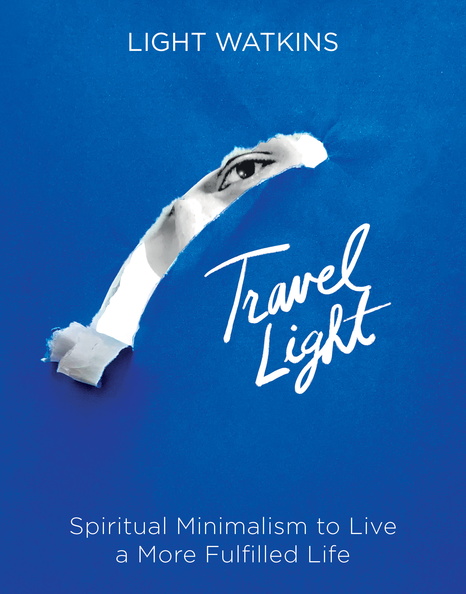
My recent book Travel Light is a how-to guide for the practice of what I call “Spiritual Minimalism,” which is not to be confused with regular old minimalism.

Long story short, in 2018, I was living in a beautiful two-bedroom apartment in Venice Beach when I felt an inner calling to get rid of everything that didn’t fit inside of my 22-inch carry-on bag. My bag would effectively become my new apartment as I would begin living nomadically around the world.

It took me 30 days’ worth of yard sales and Craigslist posts to get rid of over four decades of furniture, art, photo albums, yearbooks, letters, clothing, knickknacks, winter coats, books, my cars, Vespa, and everything else.

And about six months into my nomadic journey, I realized something: I still had too much stuff. So I got rid of the carry-on bag and downsized into a backpack. And now, five-plus years later, I’m still happily living from a backpack as I continue to hop around the world, from hotels to Airbnbs to friends’ extra bedrooms.

Travel Light is written for those who also feel called to live with less, but you’re not sure where or how to start. Truth be told, there are numerous ways to start, depending on your individual situation.

If this approach intrigues you, I want to share five common mistakes many new minimalists make—and a handful of simple recommendations to get you started on a more mindful, purposeful minimalism journey:

Don’t get rid of too much too fast
Although I completely emptied my entire two-bedroom apartment within 30 days, I had been intentionally prepping to live from a carry-on bag over the previous year by experimenting with taking only what I actually used while on my dozens of work trips. So in 2018, getting rid of my stuff was merely the final step in a long progression of steps.

    My first recommendation is to go slow. Decide what sort of end result you desire, and start experimenting with what it would be like to only use what you envision keeping. Maybe get a storage room and put a handful of items in it each week until you run out of things you don’t use. Otherwise, going too fast could prove to be unsustainable and discouraging.

Don’t make it about the external space
Getting rid of clutter doesn’t resolve deep emotional wounds or past trauma. And some of that could be the root cause of why you engage in retail therapy or why you may cling to stuff you don’t use or wear. And until you start doing deeper work on yourself, you can live in the most minimal-looking setting, but still feel cluttered inside.

    Commit to daily meditation as a means of efficiently releasing stress, and engage in other inner work, such as therapy, journaling, seva (service), and daily gratitude practices to clear away the internal clutter. This is what is meant by Spiritual Minimalism. It’s minimalism practiced from the inside-out.

Don’t treat minimalism as a one-time experience
Minimalism is less of an act, like Spring cleaning, and more of a lifestyle, like getting into shape. It doesn’t end once you get rid of your stuff. Like being in shape, minimalism continues to inform what you do, how you do it, where you go, why, and pretty much every other choice you make in life. In other words, you recognize that every choice you make is either supporting the lifestyle or taking away from the lifestyle.

    Start seeing everything you do (big and small) as an opportunity to reinforce the minimalist mindset, and make choices that support your desired mindset.

Don’t forget to adopt a larger purpose Getting rid of stuff for the sake of looking like a minimalist is ultimately unfulfilling, and it’s recommended to adopt a larger purpose for your minimalism adventure. That way, you will bring more enthusiasm and passion into your minimalism choices. You’re not just getting rid of something for the sake of getting rid of it. It’s going to help you by making space to exercise, create content, or to use as the meditation corner of your home.

    My recommendation is to answer this question: How does becoming a minimalist help you help others? The answer is a clue into your purpose, and just know that there is no wrong answer. Or rather, it’s an ever-evolving answer that will come into greater focus as you begin your journey. All you need for now is a loose idea of your why.

Don’t compare yourself to others
The quickest way to make minimalism a drag is to compare yourself to other, more popular minimalists. It’s certainly good to be informed of best minimalism practices and get tips from minimalist influencers, but their paths or suggestions may not work as well for your situation.

    Be open to blazing your own path into minimalism, and be willing to adjust along the way. If you treat the entire thing as a learning experience, there are no mistakes. And you’ll have a lot more fun along the way.

For more tips and insights on the ways of the Spiritual Minimalist, I invite you to check out Travel Light: Spiritual Minimalism to Live a More Fulfilled Life.

Light Watkins

Keep Trusting

Light Watkins is a spiritual teacher and nomad who travels the world sharing his wisdom on happiness, mindfulness, inspiration, and meditation. He is the author of The Inner Gym and the host of a weekly podcast about hope called At the End of the Tunnel. With Sounds True, Light has written a new book titled Knowing Where to Look: 108 Daily Doses of Inspiration. In this episode of Insights at the Edge, Tami Simon speaks with Light about the leaps of faith he takes in order to follow his heart. They explore bravery as being rooted in self-loyalty and self-trust rather than fearlessness. Light explains his unique approach to meditation, offers guidance for listeners who may have struggled with meditation in the past, and leads us through a short practice. Finally, Tami and Light discuss the possibility of transmitting inspiration and healing to our future and past selves.

You Might Also Enjoy

Rob Bell: “The Risk of Not Becoming More YouR...


What if not doing the thing is the riskier choice?

This week, Tami Simon speaks with Rob Bell—New York Times bestselling author of 14 books and plays, host of The RobCast, and a former pastor—about what he calls his civilian phase. Rob left the role years ago. What surprised him was how long the role stayed with him afterward: “We leave an external form, and then over the years, the form begins to leave us.”

This is an unusually candid conversation. Tami goes first, admitting she didn’t feel free to fully reveal herself until she had economic security—and Rob meets her there without a tidy answer.

Join Tami and Rob to explore:

  • Why he doesn’t believe in risk versus no risk—only in risk management, and which risk is actually smaller
  • The “answer man” conditioning of a job that expected crisp soundbites about the deepest human questions—and what it did to his nervous system
  • Hiding in plain sight: how public visibility can be its own kind of concealment
  • The abyss, the void, the fallow field—learning to stop fighting the empty seasons
  • “And then I kept going”: the phrase that came out of pandemic sessions, and why people can’t see their own resilience
  • What shifted when a plant medicine experience dropped his head into his heart
  • Toxic positivity, a lineage that didn’t know what to do with pain, and the son who taught him it’s okay to be sad
  • Why a birch tree scatters 250 million seeds and doesn’t seem worried about efficiency
  • His father’s dementia, temporariness, and the strange way mortality heightens aliveness

Rob will lead an immersive workshop, The Ongoing Creation of Your Life, at Omega Institute, August 30–September 4.

Listen now and hear what it costs to keep standing at a distance from your own life. →

This conversation offers genuine transmission, not just concepts about awakening, but the palpable presence of realized teachers exploring the growing edge of spiritual understanding together, and originally aired on Sounds True One.

Feeding Your Demons: Lama Tsultrim Allione on Turning ...

Fear, self-doubt, and emotional pain have a way of showing up uninvited, and most of us spend enormous energy trying to push them away. What would shift for you if turning toward those experiences, with curiosity and care, became the most healing thing you could do? 

At Sounds True, we have spent four decades connecting people with teachers who ask exactly that kind of question. Our library of transformational teachings, digital courses, and programs exists to help you move through life’s harder moments with greater awareness and inner strength.

We will cover the feeding your demons practice, Lama Tsultrim Allione’s approach to turning towards difficulty, the ancient roots of Machig Labdron Chod and Tibetan shadow work, and how relating to demons as teachers can open a path toward lasting inner growth.

Key Takeaways:

  • Meet Fear with Compassion: The feeding your demons practice invites us to turn toward emotional pain with openness, creating a path toward genuine self-awareness and healing.
  • Ancient Roots, Modern Healing: Rooted in the Tibetan Buddhist lineage of Machig Labdrön, this practice draws from centuries of contemplative wisdom to help transform fear into freedom.
  • Demons Become Your Greatest Teachers: Lama Tsultrim Allione’s teachings reveal that our most difficult inner struggles often hold the most important lessons about where genuine growth is possible.

Discover how your mind really works

Lama Tsultrim Allione: Turning Towards Difficulty 

Lama Tsultrim Allione is a recognized Buddhist teacher, author, and the founder of Tara Mandala, a mountain retreat center dedicated to contemplative practice and spiritual study. She has spent decades teaching within the lineage of Machig Labdrön, the 11th-century Tibetan yogini who founded the Chöd tradition, and has brought her work on Dzogchen teachings to students around the world.

When we treat challenging emotions as teachers, space opens for greater awareness, resilience, and emotional freedom. Her teachings show that turning towards difficulty is one of the most courageous acts of self-care we can practice. Her work sits alongside that of many respected voices we are proud to carry, all of whom you can find on our All Teachers & Authors page.

What Is Feeding Your Demons and Why Do We Avoid What We Fear?

Most of us instinctively turn away from difficult emotions, painful memories, or persistent inner struggles. The practice of feeding your demons offers a different path. Meeting fear, anger, or shame with curiosity and compassion, and asking what those feelings truly need, can begin to shift even the most entrenched patterns.

Lama Tsultrim Allione developed a five-step process for working with disowned emotions without becoming pulled into spirals of negativity. Rooted in both shamanic and Buddhist traditions, this approach weaves ancient practices into a form that feels accessible to modern practitioners. 

Our Spirituality & Awakening collection brings together teachings like these, spanning presence, healing, and inner exploration for those ready to go deeper. Now, let’s see what makes this practice possible.

Map Your Inner Landscape

The practice teaches you to map your demons and recognize how they interconnect. A fear of failure, for example, often links to a deeper sense of unworthiness that surfaces across professional and personal life, creating patterns that repeat until they are met with awareness and care.

Tend, Don’t Fight

One of the practice’s most compelling insights is that tending to your demons can yield real physical results. Chronic tension, restless sleep, and emotional exhaustion often ease when we begin to meet what is present with openness. Practitioners describe a quality of release that resistance alone never creates.

A Gateway to Awakening 

Working with your demons can become a potent gateway to spiritual awakening. When we stop avoiding what frightens us, those very struggles often reveal where we are clinging, where healing is needed, and what genuine growth looks like in practice. These skills help subdue fear and embrace openness, laying the groundwork for deeper spiritual engagement.

Tibetan Shadow Work and Inner Growth 

Tibetan shadow work offers a compassionate framework for working with the parts of ourselves we often reject or ignore. When we meet uncomfortable thoughts with openness, we begin to recognize them as invitations for insight and transformation. The more willing we become to face these hidden aspects, the more inner balance we can cultivate.

The feeding your demons practice is rooted in the ancient tradition of Machig Labdron Chod, a Tibetan Buddhist lineage that teaches transformation through generosity and openness. Machig Labdrön’s teachings hold that we can learn to relate to suffering in a new way, meeting it with care. Symbolically offering nourishment to our fears softens habitual avoidance and creates conditions for lasting healing.

Alongside Chöd, other exercises within this tradition draw from both shamanic and Buddhist practice, including visualization techniques, body-centered awareness, and practices that help us move toward what we would avoid. 

Addressing our demons directly is one of the most powerful commitments we can make to personal growth and transformation. Our Subtle Energy collection supports this kind of inner work, bringing together teachings on energetic awareness for those ready to go deeper.

Discover the Power of Daily Meditation and Inner Stillness

Bringing the Feeding Your Demons Practice into Everyday Life

The principles behind this practice are available in ordinary moments, during daily challenges and quiet pauses alike. When stress surfaces in a difficult conversation, when anxiety arises before something uncertain, or when a familiar pattern pulls at you, meeting what is present with kindness and curiosity can create a real shift.

Start with Simple Awareness 

Begin by noticing when a difficult emotion arises, without immediately trying to resolve it. Naming what you are experiencing, whether fear, grief, or frustration, loosens its hold and creates just enough space to respond with care. This small pause can become one of the most transformative habits.

Work with a Structured Process

Returning to Lama Tsultrim Allione’s five-step approach during moments of emotional intensity gives the practice a clear container. Working with it consistently, even briefly, builds an inner capacity that makes responding to difficulty with compassion feel more natural. Pairing this with regular meditation can deepen the effects.

Engage with Teaching and Community

Connecting with teachers who share this path makes the practice feel less solitary. Many of our teachers share this kind of practical wisdom on the Insights at the Edge Podcast, where leading spiritual voices discuss awareness, compassion, and how to bring transformation into daily life.

Demons as teachers become most vivid when we commit to meeting them consistently, with the same warmth and curiosity we bring to any other form of inner work.

Awaken Your Inner Healing Power: Your Wellness Journey Starts Now

Final Thoughts

The practice of feeding your demons reminds us that lasting transformation often begins by turning toward the parts of ourselves we would rather avoid. Through Lama Tsultrim Allione’s teachings, the wisdom of Machig Labdron Chod, and the tools of Tibetan shadow work, we can learn to meet fear with compassion and recognize demons as teachers. 

As that relationship shifts, more space opens for healing, self-awareness, and inner peace. We are here to walk alongside you in that journey, with teachings, digital courses, and a community that meets you wherever you are on the path. 

Frequently Asked Questions About Feeding Your Demons

What is the purpose of practicing how to feed your demons?

The purpose of feeding your demons is to change your relationship with fear, emotional pain, and inner conflict. Instead of trying to eliminate these experiences, the practice encourages understanding and compassion as a path toward healing.

Do I need to be Buddhist to practice “befriending my demons?”

No. Many people practice feeding their demons regardless of their religious or spiritual background. The method focuses on self-awareness and emotional healing, making it accessible to anyone interested in personal growth.

Can facing your fears head-on help with anxiety?

Many practitioners find the practice helpful for understanding anxious thoughts and emotional patterns. It is intended to complement personal growth and is not a substitute for professional mental health care.

Why are demons described as teachers?

The term “demons as teachers” reflects the idea that our greatest challenges often reveal important lessons about our fears, habits, and unmet emotional needs.

Is feeding your demons the same as shadow work?

They share similar intentions but differ in approach. Tibetan shadow work draws from Buddhist teachings and guided visualization, while other forms of shadow work may use psychological or therapeutic methods.

Can beginners learn how to face their demons through practice?

Yes. Beginners can start by learning the core principles through books, guided audio practices, workshops, or teachings from qualified instructors before developing a regular practice.

How often should I practice Lama Tsultrim Allione’s spiritual exercises?

There is no fixed schedule. Some people use the practice during periods of emotional difficulty, while others include it as part of their ongoing spiritual or mindfulness routine.

Michelle Cassandra Johnson is an author, activist, spiritual teacher, racial equity consultant, and intuitive healer. She is the author of six books, including Skill in Action and Finding Refuge. Amy Burtaine is a leadership coach and racial equity trainer. With Robin DiAngelo, she is the coauthor of The Facilitator's Guide for White Affinity Groups. For more, visit https://www.michellecjohnson.com/wisdom-of-the-hive.

Alberto Villoldo on Shamanic Healing: The Light Body a...

What would change if healing began not with symptoms, but with the energy beneath them? Alberto Villoldo has spent decades exploring that question, and the answers have shaped some of the most compelling teachings in modern shamanism.

At Sounds True, we have been sharing the voices of respected spiritual teachers since 1985, when our founder Tami Simon set out to preserve the living wisdom of those with something real to offer the world. Today, our library holds more than 3,000 titles spanning audio programs, digital courses, and conversations that meet seekers wherever they are on their path. 

This post walks through Villoldo’s core teachings on shamanic healing, the light body, and energy medicine, and how these practices connect to lasting personal growth.

Key Takeaways:

  • Healing Through Ancient Wisdom: As Alberto Villoldo, shamanic healing is a practice rooted in indigenous traditions from the Andes and Amazon that works with energetic patterns to restore balance and a deeper sense of wholeness.
  • Your Light Body’s Hidden Influence: The light body is an energetic field that may shape how we feel and respond daily. Energy medicine works by identifying and clearing the imprints that lock us into familiar, limiting patterns.
  • Energy Medicine, Everyday Practice: From the Four Winds Society to the Munay Ki rites, Villoldo’s teachings lay out concrete pathways for living with greater awareness, all supported through Sounds True’s courses, podcasts, and programs.

Discover the Power of Daily Meditation and Inner Stillness

Alberto Villoldo and the Foundations of Shamanic Healing

Alberto Villoldo is a medical anthropologist and psychologist who spent years living among indigenous healers in the Andes and the Amazon basin. What he witnessed there reshaped his sense of what healing could be. Shamanic healing holds that our energetic patterns shape our experience just as powerfully as physical ones do.

These traditions teach that recurring emotional struggles, persistent patterns, and illness may have roots in the energetic field surrounding the body. A shamanic healer works beneath the visible wound by tending to memories and imprints. Villoldo’s fieldwork led him to synthesize indigenous Andean and Amazonian wisdom with contemporary frameworks for personal growth, making these teachings accessible to all students.

We have been honored to share his voice alongside many others through our Insights at the Edge Podcast, a weekly conversation series where healers, scientists, and spiritual teachers speak honestly about consciousness, transformation, and the practices that have shaped their lives.

Understanding the Light Body Through Energy Medicine

One of the most distinctive ideas in Villoldo’s work is the concept of the light body, an energetic field said to interpenetrate our physical selves. This luminous layer carries the imprints of past experiences, emotional wounds, and inherited patterns that may influence how we feel, respond, and relate to others.

According to Villoldo, energy medicine works with this field. Practitioners learn to identify and clear the imprints fueling recurring challenges, drawing on Andean cosmology, Amazonian healing lineages, and Villoldo’s own background in neuroscience and psychology. What makes this perspective compelling is the shift in agency it invites. Healing becomes something we actively participate in, a relationship we tend rather than an outcome we wait for.

Those drawn to these ideas can continue their journey through our Subtle Energy collection, where teachings on the energetic body and holistic healing are gathered from a wide range of respected voices and traditions.

Uncovering The Origins of These Teachings

The wisdom Villoldo draws from spans thousands of years and several distinct indigenous cultures. Andean shamanism carries a rich cosmology centered on the relationship between human consciousness and the natural world. Practitioners work with the four directions, elemental forces, and archetypal energies as partners in the healing process, a view that places us in genuine relationship with something far larger than our individual concerns.

How Shamanic Healing Supports Lasting Transformation

Shamanic healing asks us to become active participants in our own growth. Villoldo speaks of the importance of shifting the energetic stories we carry, going deeper than surface circumstances. When the root pattern changes, the outer experience tends to follow. Practices that support this path include:

  • Guided Visualization and Ceremony: These create a structured, safe space for moving through emotional or spiritual material. A visualization practice might invite you to meet a part of yourself carrying a wound and offer it compassion and release. Many practitioners find this builds greater emotional clarity, steadier presence, and a more grounded relationship with life.
  • Compassionate Self-Reflection Practice: Shamanic teachings place great weight on honesty and self-awareness. Examining the recurring stories we tell about ourselves, our relationships, and our limitations is central to the path. This kind of clear-eyed witnessing opens the door to real, lasting change.
  • Meditation and Breathwork: These practices cultivate the inner stillness from which insight can arise. Even brief, consistent sessions can make the patterns held within the light body more visible and the process of releasing them more accessible, even for those new to these practices.

The Four Winds Society’s Living Mission

Alberto Villoldo founded the Four Winds Society in the 1980s to preserve and pass on the wisdom he received from Andean and Amazonian elders. The organization offers training in energy medicine and shamanic healing to students from many different backgrounds.

Their guiding values include honoring the sacredness of life and respecting the cultural origins of these traditions. Students are trained in technique as well as the ethical responsibility that comes with this kind of work.Central to the Four Winds curriculum is the Munay Ki rites, nine traditional initiations drawn from Andean shamanic lineages. The word “munay” in Quechua carries the combined meaning of love and will. Each rite is transmitted heart to heart between teacher and student.

These themes resonate with many of the teachings we gather through our Spirituality & Awakening collection, where many paths come together in service of greater consciousness.

Awaken Your Inner Healing Power: Your Wellness Journey Starts Now

Bringing the Light Body and Energy Medicine into Everyday Life

A shamanic perspective holds that healing belongs in everyday life, woven through small choices and simple moments.

A Morning Grounding Practice

Begin the day with a few quiet minutes, ideally seated in a calm, dedicated space or with feet on the earth. Shamanic traditions speak of connecting to the natural world as an anchor for energetic balance. Even five minutes of conscious breath can shift the quality of the day ahead and help you move with greater presence from the very first hour.

Gratitude as Energetic Medicine

Gratitude runs deeper than a fleeting mood. From a shamanic view, it actively shifts the quality of the energetic field we move through the day. Starting or ending the day with genuine appreciation for the body, for those we love, for simple beauty, changes how we relate to life at a fundamental level.

Meeting What Arises 

Shamanic healing encourages meeting challenges with curiosity. Asking “what is this experience here to show me?” transforms daily life into a practice of ongoing growth and self-knowing, a small but powerful reframe that accumulates into real change.

At Sounds True, we are proud to bring voices like Alberto Villoldo’s to this community alongside many other respected teachers, including Jack Kornfield, Pema Chödrön, and others featured through our All Teachers & Authors page.

Discover how your mind really works

Final Thoughts

Alberto Villoldo’s teachings remind us that healing is an ongoing journey. Shamanic healing, the light body, and energy medicine are accessible to anyone willing to engage with them, carrying an invitation extended across thousands of years: a call to remember that we are more than our symptoms, more than our stories, and far more capable of transformation than we may have believed. 

At Sounds True, we are honored to walk alongside teachers who carry this kind of wisdom and to share it with seekers at every stage of their path. 

Frequently Asked Questions About Alberto Villoldo on Shamanic Healing

What is Alberto Villoldo best known for?

Alberto Villoldo is best known for his work as a medical anthropologist, psychologist, and teacher of shamanic healing. His teachings combine indigenous wisdom with contemporary perspectives on personal growth and well-being.

How does shamanic healing differ from conventional healing practices?

Shamanic healing focuses on restoring energetic and spiritual balance alongside physical and emotional well-being. It is intended to complement personal growth rather than replace professional medical care.

Is the light body connected to a specific spiritual tradition?

The concept of the light body appears in several spiritual traditions, although Alberto Villoldo teaches it through the lens of Andean and Amazonian shamanic practices and energy medicine.

Can anyone learn energy medicine?

Many teachers, including Alberto Villoldo, believe that energy medicine practices can be learned through study, guidance, and consistent practice. Some techniques are suitable for beginners, while others require more advanced training.

What are the Munay Ki rites?

The Munay Ki rites are a series of traditional initiations that are intended to support spiritual growth, deepen self-awareness, and strengthen one’s connection with nature and compassionate living.

How can energy medicine become part of a daily routine?

Many people incorporate energy medicine through meditation, mindful breathing, gratitude practices, visualization, or spending intentional time in nature as part of their daily spiritual practice.

Michelle Cassandra Johnson is an author, activist, spiritual teacher, racial equity consultant, and intuitive healer. She is the author of six books, including Skill in Action and Finding Refuge. Amy Burtaine is a leadership coach and racial equity trainer. With Robin DiAngelo, she is the coauthor of The Facilitator's Guide for White Affinity Groups. For more, visit https://www.michellecjohnson.com/wisdom-of-the-hive.