Customer Favorites

Being Witnessed In Grief Is A Powerful Balm For Healin...

Dear friends,

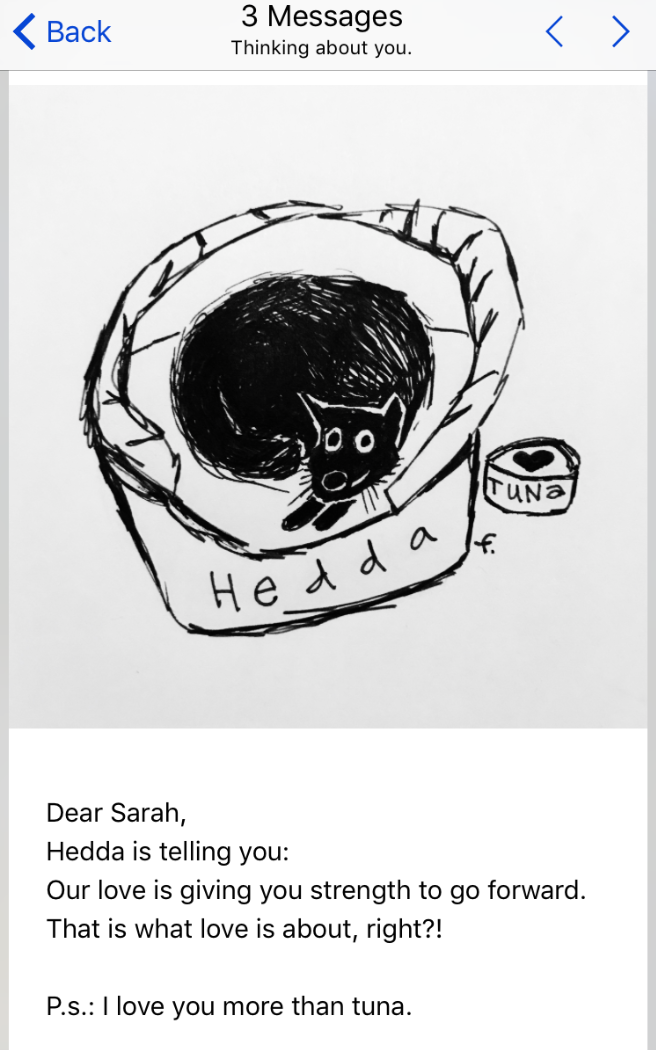
Two days after my cat, Hedda, died in 2016, my friend Francis sent me a sketch with a note “from” Hedda that read, in part, “P.S. I love you more than tuna.” Through my tears, I thought that would be a great book title. I had a clear vision: an illustrated gift book that people would give to friends, family, colleagues, or clients after the loss of their cat. A step beyond a sympathy card, this would be the first “empathy book” for adults grieving the loss of a cat.
Thinking About You - Being Witnessed In Grief Is A Powerful Balm For Healing Blog


Inspired in part by Eckhart Tolle and Patrick McDonnell’s Guardians of Being and Charles M. Schultz’s Happiness is a Warm Puppy, P.S. I Love You More Than Tuna offers comfort and inspiration through New Yorker-style drawings and simple, evocative language. My goal was to make it heartfelt without being cloying.

Every year, six million Americans and Canadians must say a final goodbye to their cats—buddies who leapt into their hearts as kittens, purred away heartbreak through multiple breakups, snuggled by their side in homes large and small, and occasionally deleted folders of work by stretching out on a warm keyboard.

“Pet loss” is considered a disenfranchised form of grief; it’s not culturally sanctioned. We don’t have any universal rituals for this grief, like sitting shiva or holding a wake. This often leaves the bereaved feeling isolated and misunderstood, which compounds the grief and makes healing more difficult.

People grieving companion animals have a need to be seen, their grief validated. Being witnessed in grief is a powerful balm for healing.

Friends of those grieving companion animals are often at a loss for ways to show their support. P.S. I Love You More Than Tuna gives all of us the opportunity to make a profound impact with a simple gesture.

When Francis sent me the sketch and note, I felt seen. Francis’s gift acknowledged the bond I’d had with Hedda and my grief at her death. The present tense of the note also reminded me that Hedda was still with me, even if I couldn’t see her. That was significant in terms of helping me heal, and that’s the comfort I hope P.S. I Love You More Than Tuna will provide to other cat lovers.

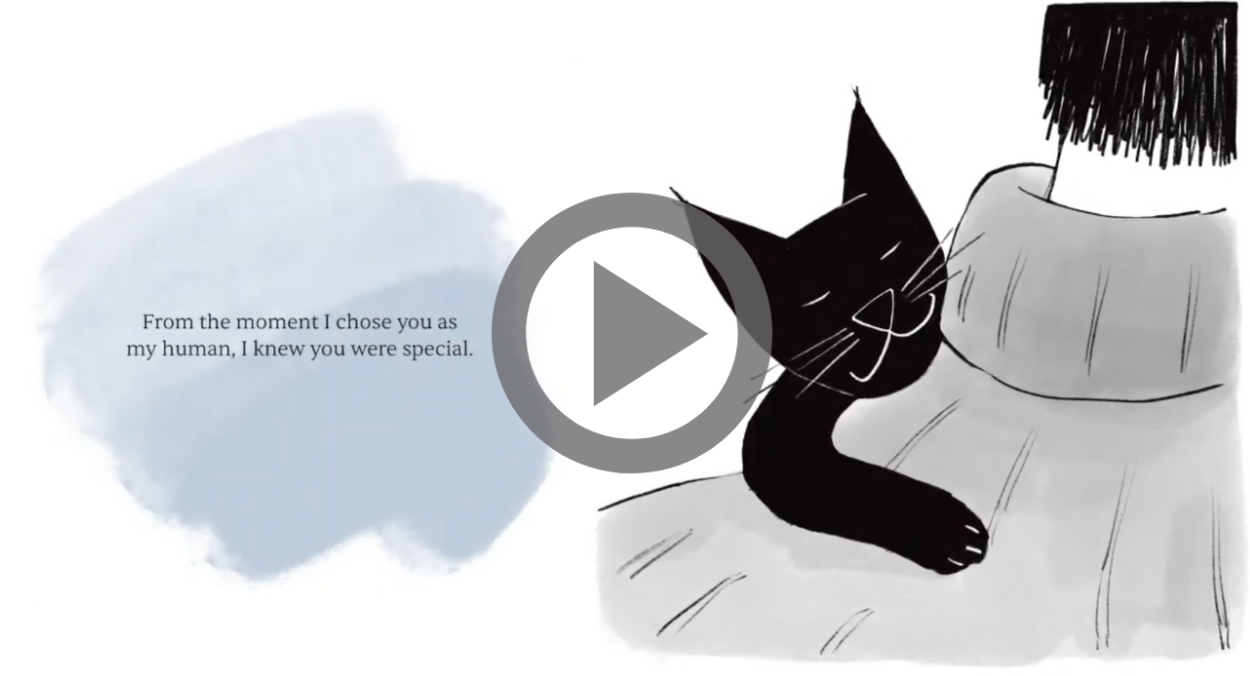
Sounds True has created a lovely video preview for P.S. I Love You More Than Tuna. I hope you’ll check it out below.
Best Friends Animal - Thinking About You - Being Witnessed In Grief Is A Powerful Balm For Healing Blog

Ultimately, I hope this book will benefit the world in multiple ways: for the recipient, witnessing and healing; for the giver, a tangible action they can take to help another; for Best Friends Animal Society, to which I’m donating 10 percent of my proceeds, contributing to their work of keeping pets in the home. This includes helping low-income people connect with resources they need to feed, train, and care for their companion animals. And of course, I hope this will benefit Sounds True and their work in the world, which is quickly becoming more needed than ever.

Take care,

Sarah Chauncey
Book Cover

Amazon  |  Barnes & Noble  |  IndieBound  |  Bookshop

Cyndi Dale: Discovering Your Subtle Body

Cyndi Dale is a renowned intuitive healer, bestselling author, and recognized expert on energy healing. With Sounds True, Cyndi has published the seminal The Subtle Body: An Encyclopedia of Your Energetic Anatomy and The Subtle Body Practice Manual: A Comprehensive Guide to Energy Healing. Sounds True will also be hosting Cyndi’s upcoming online course The Subtle Body Online Training Program. In this episode of Insights at the Edge, Tami Simon speaks with Cyndi about the many extraordinary experiences and important lessons that brought Cyndi to energy healing. They discuss the basic structures of the subtle anatomy and how physical ailments often have energetic causes. Cyndi explains her understanding of the chakras and details how people can maintain their personal energetic boundaries. Finally, Cyndi leads listeners in an exercise for recognizing their own subtle energetic field and talks to Tami about the “energy egg” that surrounds each of us. (70 minutes)

Spencer Sherman: The Inner Mastery of Money

Spencer Sherman was named one of the top wealth advisors in the United States, has an MBA from Wharton School, and is the founder of a sustainable financial firm with Buddhist values. With Sounds True, Spencer is the coauthor of The Money and Spirit Workshop. He also is bringing his work on the inner mastery of money to the Inner MBA program, a nine-month training program Sounds True is producing in partnership with LinkedIn, Wisdom 2.0, and MindfulNYU. In this podcast, Sounds True founder Tami Simon speaks with Spencer about how we can shift from having a neurotic, confused, or highly charged relationship with money to enjoying a wise, healthy, and uncharged relationship. Spencer introduces the iceberg metaphor, sharing how our financial literacy doesn’t actually drive our money behaviors as much as our fixed, unconscious beliefs and emotions do. Tami and Spencer also discuss the connections between money and Buddhism, exploring self-worth, fear, generosity, equanimity, and more.

Building the Bridge Between the Heart and the Mind

How can we drop what we are holding on to, if we do not first look for the hand that is grasping so tightly?

Have you ever noticed that you have two distinctly different personae and tend to vacillate between them?

One is very rigid and concerned with the outcome of everything. It worries and frets, its gaze mostly downcast. It doesn’t rest easily, even keeps you up at night sometimes. It acts almost like a dog chasing its tail. It circles obsessively over every detail and unknowable outcome, chasing the same things in a constant repeated pattern. It is cunning, convincing, and tyrannical in nature. It is feverish and ungrounded. Changing, morphing, and flopping from one story or idea to the next. This is your unharnessed mind. The persona you take on when your mind is not connected to the compass of the heart.

For most of us, that’s the dominant persona. But the other aspect of you, as if by some divine intervention, will from time to time slip past the censor of the mind and cheerfully take over your being with its boundless and uninhibited spirit. This personality doesn’t worry. Its face is often lifted, looking in wonder at the shifting sky and swollen moon. Lips curled into a slight smile. It is fluid and flowing, as if it’s on a river of unending joy. It acts like water and reflects light. You feel buoyant. This is your heart-centered self, your true self.

Because most of us moved into our mind long, long ago as a way of protecting our hearts, we now live most of our time in that rigid, concerned first persona. Without even realizing it, we allow our minds to stand between us and our true nature. We have no (conscious) idea how much our minds are acting as a defensive block against our soft and tender core, constantly at work trying to find ways to keep us from feeling, from hurt, from heartache. The price we are paying, however, is that we are also kept from accessing source.

In order to be heart minded, we need to bring the heart and mind into harmony and partnership with one another. For this to happen, we have to train the mind not to fear and close off from the heart, and instead, serve our heart and implement its wishes. In order to do this, we have to undo our mind’s association of feelings of the heart with hurt and harm. In situations that would ordinarily have us retreat or retaliate, we need to remain conscious of what’s happening and choose to soften and lean into our heart’s center. Each time we practice this softening, we send a new message to the mind that signals that we are safe, willing, and wanting to live in this more open, more sensitive way.

Over time, if we are resolute in our intention to step into our heart, our mind will become less rigid in its defenses against feelings and tenderness, and gradually we will become more heart centered.

Remember, we are not trying to pit the heart and mind against one another; we are trying to marry their aptitudes.

Let’s say a wave of anxiety washes through you. You notice your mind begin to race and attach to fearful thoughts. The anxiety then morphs into panic, which courses through you and makes you feel like jumping out of your skin. You begin reaching for an escape, resorting to some form of substance or distraction that can act as a numbing balm.

What just happened? Because you avoided your distress, you are only slightly comforted. A part of you remains braced under the distraction, in fear of the next time this could happen. Your mind’s instinct to protect and defend has been confirmed.

Your heart is neglected and still aching.

But let’s say a wave of anxiety washes through you and instead of looking for an escape route, you go to a quiet room to confront the feeling. You let go of the notion that something is wrong and respond as if something very right is taking place. You know some part of you is calling out for your love and attention.

Let’s say you close your eyes and open your heart to the bigness of the feeling. You create space around it simply by looking without resistance at its contours. You know the only antidote is self-love and hospitality. The mind stops racing away from the distress, which makes room for the heart to begin healing and soothing the body. Your mind learns a new route. You are gifted with courage and resilience.

The only difference between these scenarios was one simple choice: to remain a bystander as the mind continues to ignore the call of the body and heart or to act in ways that support leading from the heart, so the mind can follow.

The two can be wonderful allies if we let them.

As we become heart minded, we begin transforming our human experience from something out of our hands to something very much in them. We begin to cultivate joy instead of haphazardly stumbling upon it when we are willing.

Each moment, our bodies are counseling us to make choices that bring us closer to love. The wisdom of the heart and body is there for us, always, if we listen and let it lead.

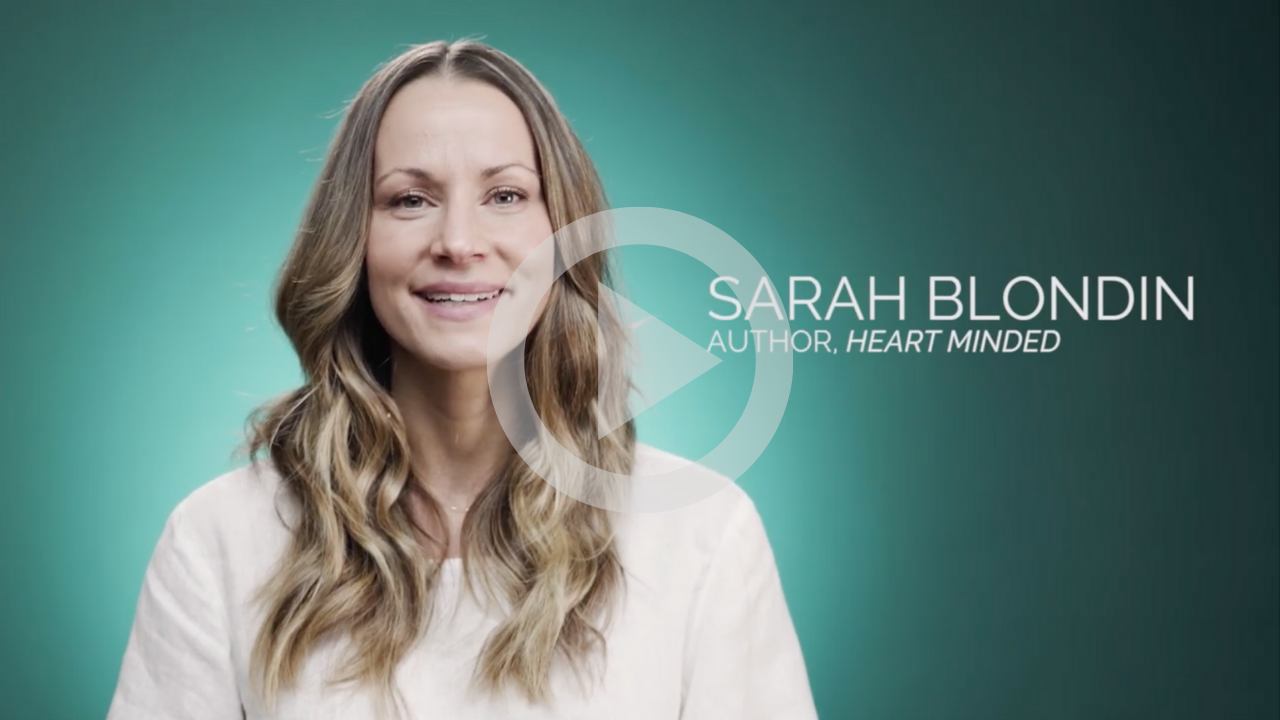
For a guided practice in learning to stay in our hearts during difficult times, follow along with Sarah in this video.


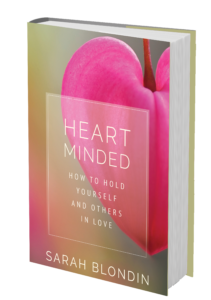
This is an adapted excerpt from Heart Minded: How to Hold Yourself and Others in Love by Sarah Blondin.


Sarah Blondin

Sarah Blondin is an internationally beloved spiritual teacher. Her guided meditations on the app InsightTimer have received nearly 10 million plays. She hosts the popular podcast Live Awake, as well as the online course Coming Home to Yourself. Her work has been translated into many languages and is in use in prison, recovery, and wellness programs. For more, visit sarahblondin.com.


Learn More

Sounds True | Amazon | Barnes & Noble | Bookshop

Bruce Tift: Already Free

Bruce Tift has been in private practice as a psychotherapist in Boulder, Colorado since 1979. He taught at Naropa University for 24 years and was a student of Chögyam Trungpa Rinpoche. With Sounds True, he has published the book Already Free: Buddhism Meets Psychotherapy on the Path of Liberation. In this episode of Insights at the Edge, Bruce and Tami Simon compare and contrast two different approaches to personal transformation: the “developmental” approach of psychotherapy and the “fruitional” approach of Buddhist practice. They discuss the blind spots inherent in each approach, as well as the ways they can be addressed. Tami and Bruce talk about the nature of neurosis and how neurotic tendencies almost always involve a sense of disembodiment. Finally, they speak on “unconditional practices,” and how unconditional kindness can transform one’s outlook on the procession of life. (70 minutes)

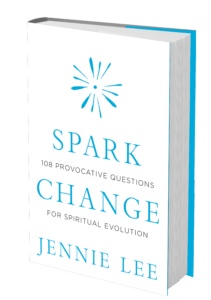
Meet the Author of . . . Spark Change

The Author

Jennie Lee is the author of Spark Change: 108 Provocative Questions for Spiritual Evolution. In addition to being an author, she is a recognized expert in the fields of yoga therapy and spiritual living. She has taught classical yoga and meditation for more than 20 years, and coached private clients in the practices that integrate life spiritually, mentally, emotionally, and physically. She is also the author of the award-winning books True Yoga: Practicing With the Yoga Sutras for Happiness & Spiritual Fulfillment and Breathing Love: Meditation in Action. She lives in Hawai‘i with her husband and bunnies. For more, see jennieleeyogatherapy.com.

The Book

Spark Change BookIt’s been said that finding the right question is as important as finding its answer. As author Jennie Lee writes, “Quality questions lead to quality answers. Questions promote deeper thought, connection, authenticity, and humility.” In Spark Change, Lee shows you how to identify your most important personal questions and explore how they might redefine the trajectory of your life.


Send us a photo of you and your pet (and let us know if your pet had any role in helping you write your book)!

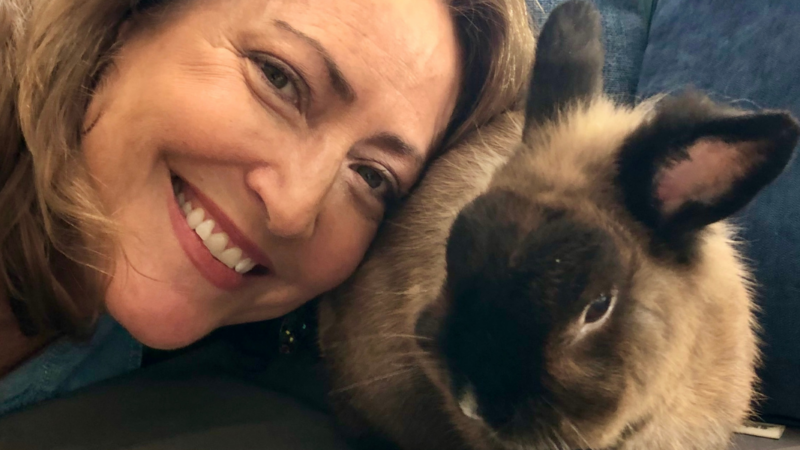
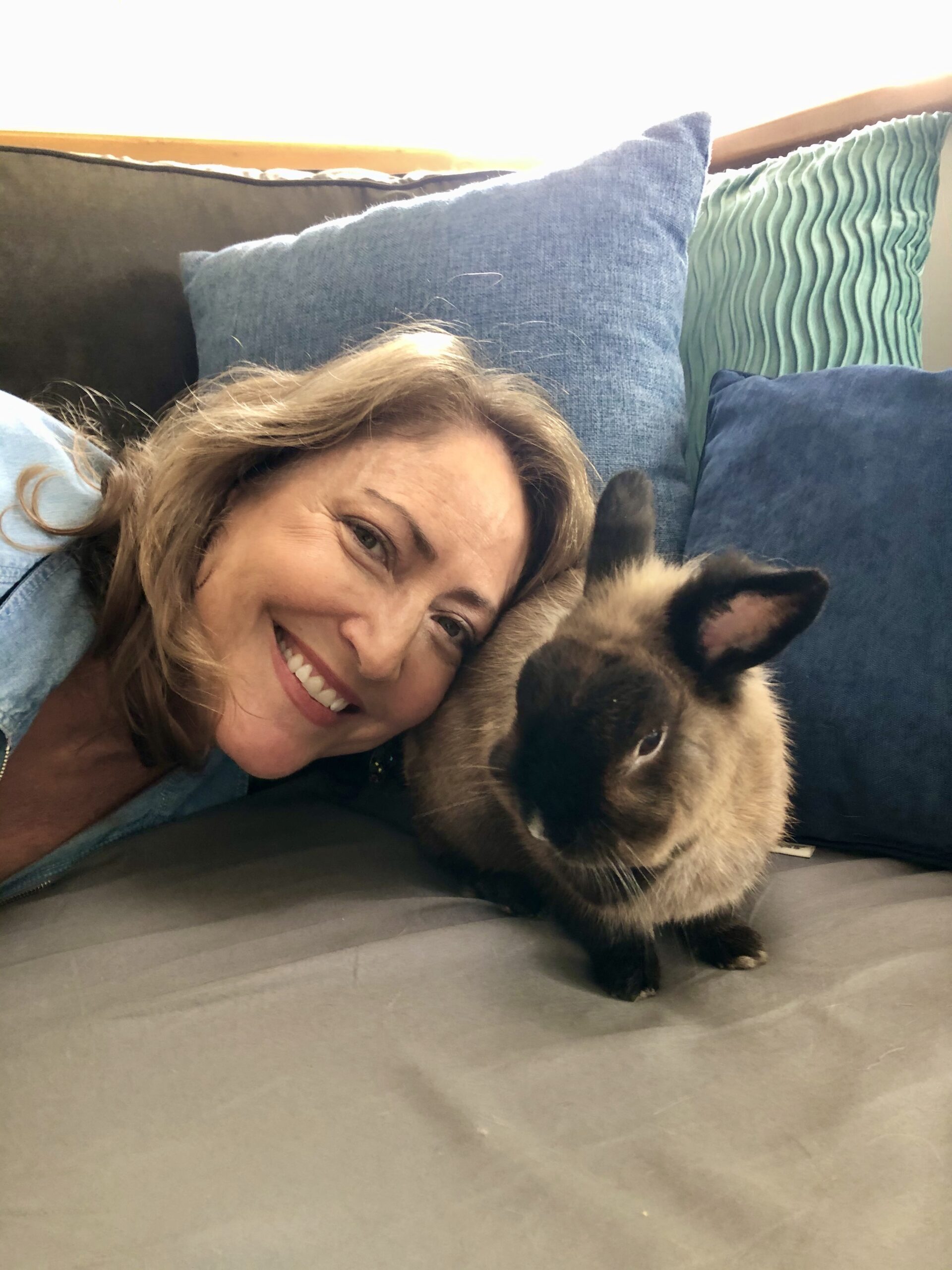
Jennie Lee and Toki

Most evenings I share a little couch time with my house bunny Toki. As prey animals, rabbits sense energy, so if I have had a tense day and carry any agitation into snuggle time, Toki will nip my leg as if to say, “calm down!” Relaxing with the bun reminds me to let go of what I can’t control, and to practice being peaceful in the present moment. Toki time in the evening reinforces what I write about in Spark Change—the necessity of self-reflection and accountability for what needs changing within myself. And he is a darn cute teacher.

What is something about you that doesn’t make it into your author bio? It could be something that impacts your work, or something totally random and entertaining!

Jennie Lee Surf

Although I grew up in Southern California, I was always a bit afraid of the ocean. When I moved to Hawai‘i, I wanted to get beyond this fear, so I taught myself how to surf. Now, paddling out at dawn into the gorgeous turquoise water is one of the best things about my day. The focus that is required to catch a wave is an apt metaphor for accomplishing anything in life, and the exhilaration that comes when I make the drop and take the ride is pure joy.

What was your favorite book as a child?

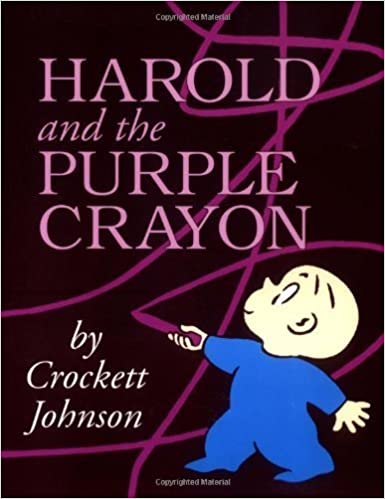
Harold Purple Crayon

As an only child, I played alone a lot.  I loved Harold and the Purple Crayon because Harold drew himself into his own adventures, created his own frightening dragons, and saved his own life by imagining a new way home. Imagination is essential to living a creative life and this story illustrates how we craft our experiences through our thoughts. Ever since childhood, I have been learning how to design, with greater intention, the life of my dreams by eliminating dead ends in my thinking and replacing them with new roads home.

Learn More

Spark Change Book

Sounds True | Amazon | Barnes & Noble | Bookshop | IndieBound