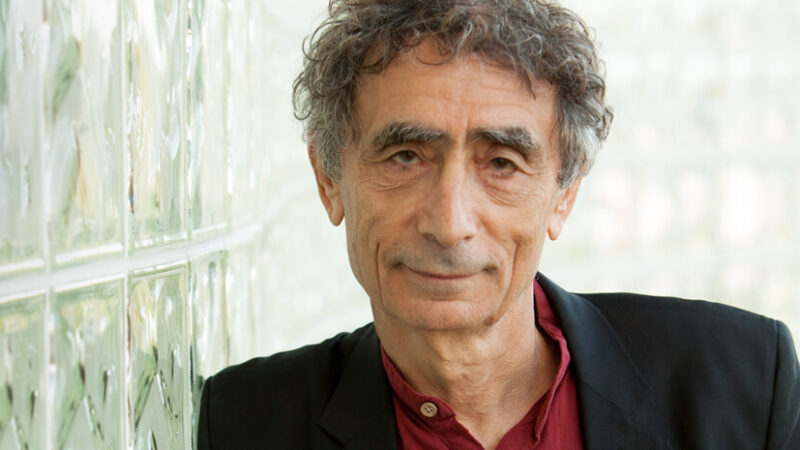
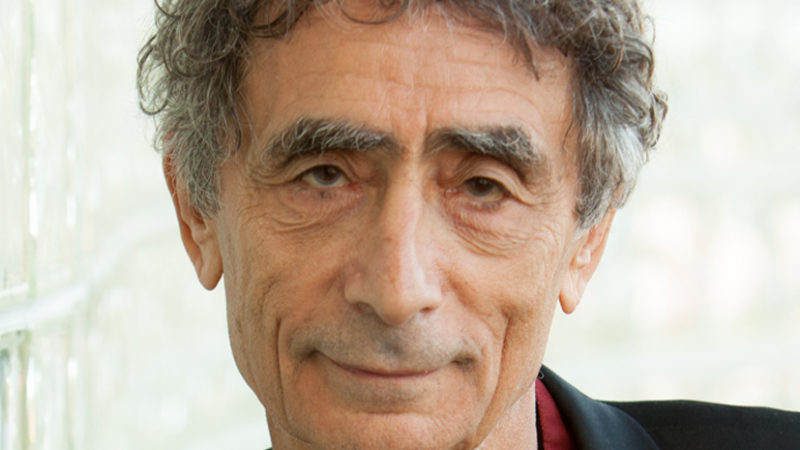
Gabor Maté: Healing Principles to Embody in a Traumatized World

    —
December 19, 2023

Gabor Maté: Healing Principles to Embody in a Traumatized World

Gabor Maté December 19, 2023

Why do we suppress our authenticity? How do we reconcile the need to accept things as they are with a desire to change them? What is the pathway to healing in a world that’s breaking our hearts? In this podcast, Tami Simon speaks with renowned physician and author Dr. Gabor Maté about these profound questions, and how the approach he calls Compassionate Inquiry can help us find the answers within ourselves. 

Listen in to this informative, inspiring, and at times “fiery” conversation exploring how to bridge the gap between understanding and embodiment; the “full heart beneath a broken heart”; paying attention to tension; growth, not perfection; the neuroscience of emotions; the connections between sensitivity and addiction; activism and advocacy as an element of healing; the dance of acceptance and agency; psychoneuroimmunology; the search for truth and where it emanates from; and more.

Note: This episode originally aired on Sounds True One, where these special episodes of Insights at the Edge are available to watch live on video and with exclusive access to Q&As with our guests. Learn more at join.soundstrue.com.

Dr. Gabor Maté is an author, speaker, and physician who specializes in addiction, stress, and childhood development. His many books include In the Realm of Hungry Ghosts and When the Body Says No. His signature psychotherapeutic approach, Compassionate Inquiry, reveals what lies beneath the appearance we present to the world.

600 Podcasts and Counting…

Subscribe to Insights at the Edge to hear all of Tami’s interviews (transcripts available too!), featuring Eckhart Tolle, Caroline Myss, Tara Brach, Jack Kornfield, Adyashanti, and many more.

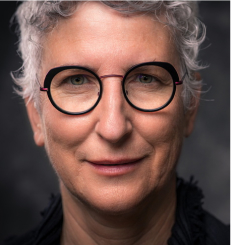
Meet Your Host: Tami Simon

Founded Sounds True in 1985 as a multimedia publishing house with a mission to disseminate spiritual wisdom. She hosts a popular weekly podcast called Insights at the Edge, where she has interviewed many of today's leading teachers. Tami lives with her wife, Julie M. Kramer, and their two spoodles, Rasberry and Bula, in Boulder, Colorado.

Photo © Jason Elias

Also By Author

Gabor Maté: Healing Principles to Embody in a Traumat...

Why do we suppress our authenticity? How do we reconcile the need to accept things as they are with a desire to change them? What is the pathway to healing in a world that’s breaking our hearts? In this podcast, Tami Simon speaks with renowned physician and author Dr. Gabor Maté about these profound questions, and how the approach he calls Compassionate Inquiry can help us find the answers within ourselves. 

Listen in to this informative, inspiring, and at times “fiery” conversation exploring how to bridge the gap between understanding and embodiment; the “full heart beneath a broken heart”; paying attention to tension; growth, not perfection; the neuroscience of emotions; the connections between sensitivity and addiction; activism and advocacy as an element of healing; the dance of acceptance and agency; psychoneuroimmunology; the search for truth and where it emanates from; and more.

Note: This episode originally aired on Sounds True One, where these special episodes of Insights at the Edge are available to watch live on video and with exclusive access to Q&As with our guests. Learn more at join.soundstrue.com.

Gabor Maté: Healing into Wholeness in a Toxic Culture

Celebrated author and physician Dr. Gabor Maté has become one of the world’s foremost voices on the journey of healing from trauma—in large part because it is a path he walks himself. In this podcast, Tami Simon speaks with Dr. Maté about his new book, The Myth of Normal, sharing breakthrough insights into the nature of trauma and some of the necessary steps for our personal and collective recovery. 

Give a listen as Tami and Dr. Maté discuss the truth of our interconnectedness; disease as a process, not a distinct entity; self-compassion and honoring our suffering; an inquiry practice—the happy childhood challenge; the emotional work that healing requires; the concepts of wholeness and recovery; the essence of trauma—disconnection from the Self; experiencing your own natural goodness; psychedelics and the veil between the conscious and the unconscious; closing the gap between science and the practice of medicine; learning how to say no before your body does; and more.

This episode first aired live and on video on Sounds True One. To watch Insights at the Edge episodes live and on video, and to access additional bonus Q&A, please visit join.soundstrue.com to learn more.

Gabor Maté: The Roots of Healing

Dr. Gabor Maté is an author, speaker, and physician who specializes in addiction, stress, and childhood development. His many books include In the Realm of Hungry Ghosts and When the Body Says No. In this episode of Insights at the Edge, Tami Simon speaks with Dr. Maté about his views on modern mental health evaluation—specifically the widespread diagnoses of ADHD and depression. They discuss the connection between emotional expression and immune response, as well as how the body can be an effective teacher. Finally, Dr. Maté comments on how mental health issues can often be rooted in compensating behaviors from childhood and how healing can be approached from a bio-psycho-social perspective. (68 minutes)

You Might Also Enjoy

Sharon Salzberg on Real Happiness: The Myth of Permane...

Happiness is often seen as a destination, but Sharon Salzberg reminds us that it is a practice we cultivate each day. Rather than seeking a life free from challenges, she encourages us to meet every experience with mindfulness, compassion, and an open heart. Her teachings offer a practical path toward greater peace and emotional resilience.

At Sounds True, we have been sharing the wisdom of trusted spiritual teachers for more than four decades, making transformational teachings accessible through audio recordings, digital courses, and programs that nurture personal growth and mindful living. 

In this piece, we’ll discuss Sharon Salzberg’s perspective on real happiness, the myth of permanent happiness, and how loving kindness meditation and metta meditation can help cultivate lasting well-being.

Key Takeaways:

  • Happiness Is a Daily Practice: Sharon Salzberg describes real happiness not as a fixed emotional state but as a living practice grown through awareness, presence, and an open heart.
  • Metta Opens Your Heart: Loving-kindness meditation and metta meditation build a foundation for compassion, soften self-judgment, and deepen your connection with those around you.
  • Consistency Builds Resilience: A regular loving kindness practice, even just a few quiet minutes each day, can reshape how you move through difficulty and strengthen the relationships that matter most.

Awaken Your Inner Healing Power: Your Wellness Journey Starts Now

Sharon Salzberg on Real Happiness and the Myth of Permanent Happiness

Sharon Salzberg has been a student of Buddhism since 1971 and began leading meditation retreats worldwide in 1974. Drawing on more than twenty-five years of deep study with Burmese, Indian, and Tibetan teachers, her work centers on two foundational traditions: vipassana, also known as insight meditation, and the cultivation of lovingkindness and compassion, called the Brahma Viharas. 

As one of the most respected insight meditation teachers, she brings ancient wisdom into language that is warm, accessible, and deeply practical for the rhythms of modern life.

The Foundations of Insight Meditation

Insight meditation is a practice rooted in direct observation of experience. Instead of trying to control or silence the mind, practitioners learn to witness thoughts, sensations, and emotions with steady, non-reactive awareness. That quality of clear seeing allows us to recognize that all experience, including the uncomfortable kind, is impermanent. 

Sharon Salzberg says that expecting permanent happiness often creates unnecessary suffering. Joy and sorrow naturally come and go, and trying to hold onto pleasant experiences only leads to frustration. Rather than measuring life by how often we feel happy, she encourages developing the inner stability to face every experience with openness and care.

Real happiness, in Sharon’s view, grows from acceptance rather than control. As we grow more aware of our thoughts and emotions, we come to see that difficult moments do not define us. Sharon’s teachings on this topic are part of an ongoing conversation we host through the Insights at the Edge Podcast, where leading spiritual teachers share practical wisdom for navigating everyday life with greater awareness and heart.

Loving Kindness Meditation and the Path to Inner Peace

One of Sharon’s most influential teachings is loving kindness meditation. This practice invites us to cultivate goodwill toward ourselves before extending that same warmth outward to others. Rather than forcing positive emotions, loving kindness meditation strengthens our capacity to respond with patience and compassion, even when life makes that difficult.

Sharon’s Loving-kindness program gets at something essential about why this practice matters. Metta meditation is a way to dissolve the mental barriers that quietly separate us from the people around us, and from ourselves. Through consistent practice, we can release feelings of isolation and awaken real compassion. We free ourselves from cycles of needless suffering while learning to trust the loving, wise heart that lives within each of us. 

Loving kindness meditation also helps soften self-criticism while opening the door to more connected, authentic relationships. The shift may be gradual, but it is real and lasting.

Discover the Power of Daily Meditation and Inner Stillness

How Metta Meditation Supports Compassion and Connection

Metta meditation is a structured practice of silently repeating phrases of well-being directed first toward yourself, then extending outward to a close friend, a neutral person, someone with whom you feel friction, and eventually to all beings. The phrases themselves are simple, something like “May you be safe. May you be at peace.” 

Sharon explains that these intentions may seem small at first, yet they reshape how we respond to ourselves and those around us. Rather than waiting for compassion to arise naturally, metta meditation gives us a way to practice it every day. With patience, kindness becomes less of an idea and more of a natural response to life’s changing circumstances.

To see how this works in real life, consider someone navigating tension with a family member after a disagreement. Compassion can feel out of reach in the middle of that kind of friction. A metta practice offers a place to begin, not by pretending the conflict does not exist, but by silently extending well-being first to yourself, acknowledging your own hurt, and then, when ready, to the other person. 

Resources in our Meditation & Mindfulness collection bring together teachings from Sharon and other respected guides, exploring both the depth and the daily application of these traditions to help you build a sustainable practice.

Building a Loving Kindness Practice for Everyday Life

A loving kindness practice does not require long formal sessions. Even a few quiet moments offering kind wishes can create real shifts in daily life. Sharon encourages beginning where we are, knowing consistency matters far more than perfection:

  • Start With Yourself Each Morning. Kindness toward yourself is often the most challenging part of a metta practice. Sharon teaches self-compassion is the ground from which all other compassion grows. Try sitting quietly for five minutes, silently offering words of care: “May I be at peace. May I be well.”
  • Extend Kindness Into Your Relationships. Once the practice becomes familiar, extending it outward grows more natural. A few silent phrases during a commute or before a difficult conversation can shift the texture of an ordinary moment. Compassion is not demanded on a timeline. The practice simply sets the conditions for it to arise.
  • Build Consistency With Short, Daily Sessions. Five to ten minutes of metta practice each morning, paired with brief moments of conscious kindness throughout the day, creates more lasting change than occasional longer sessions. 

Those looking to develop greater gentleness and emotional balance alongside their meditation journey will find resources in our Self-Compassion collection, which brings together teachings from some of the most respected voices in this space.

Discover how your mind really works

Final Thoughts

As Sharon Salzberg shares, real happiness grows through presence, compassion, and a willingness to meet each experience with an open heart. By embracing practices like loving kindness meditation and metta meditation, we can develop greater resilience, deepen our connection with others, and cultivate a more peaceful way of living.

If you would like to continue learning from Sharon and many other respected teachers, visit our All Teachers & Authors page to find teachings that support your own path toward greater presence and compassion.

Frequently Asked Questions About Sharon Salzberg on Real Happiness

What inspired Sharon Salzberg to begin teaching meditation?

Sharon Salzberg’s interest in meditation began during her studies in India, where she encountered Buddhist teachings that shaped her lifelong commitment to mindfulness and compassion.

Why has Sharon Salzberg’s work remained influential for so many years?

Her teachings combine timeless Buddhist wisdom with practical guidance that is accessible, compassionate, and relevant to everyday life, making them meaningful for both new and experienced meditators.

Is loving kindness meditation connected to Buddhism?

Yes. Loving kindness meditation originates from the Buddhist tradition and is based on cultivating unconditional goodwill. Today, it is practiced by people of many backgrounds, regardless of religious belief.

How long should I practice metta meditation each day?

Even five to ten minutes a day can be beneficial. Building a regular habit is generally more effective than practicing for long periods only occasionally.

Can beginners practice loving kindness meditation?

Absolutely. Loving kindness meditation is one of the most approachable meditation practices because it focuses on simple intentions of kindness instead of trying to quiet every thought.

Why do some people find it difficult to offer kindness to themselves?

Many people are accustomed to self-criticism and may initially feel uncomfortable directing compassion inward. Like any skill, self-kindness becomes more natural with consistent practice.

What is the difference between mindfulness meditation and metta meditation?

Mindfulness meditation focuses on observing present-moment experience with awareness, while metta meditation intentionally cultivates feelings of kindness, compassion, and goodwill.

Michelle Cassandra Johnson is an author, activist, spiritual teacher, racial equity consultant, and intuitive healer. She is the author of six books, including Skill in Action and Finding Refuge. Amy Burtaine is a leadership coach and racial equity trainer. With Robin DiAngelo, she is the coauthor of The Facilitator's Guide for White Affinity Groups. For more, visit https://www.michellecjohnson.com/wisdom-of-the-hive.

Joseph Goldstein on Mindfulness for Beginners: What Aw...

Many people begin practicing mindfulness expecting to quiet the mind, but Joseph Goldstein teaches that awareness starts by simply noticing what is happening in the present moment. By observing thoughts, emotions, and sensations without judgment, we can develop a deeper understanding of ourselves and cultivate greater clarity in everyday life.

At Sounds True, we have spent more than four decades sharing the teachings of trusted meditation teachers and spiritual wisdom guides, preserving their authentic voices through books, audio programs, podcasts, and online learning experiences.

In this piece, we’ll discuss Joseph Goldstein’s perspective on mindfulness for beginners, what awareness is, and why it plays an essential role in meditation and daily life.

Key Takeaways:

  • Awareness Starts Here: What is awareness? Joseph Goldstein defines it as the simple, ever-present capacity to know what is happening right now, without force, judgment, or any need to change the experience.
  • Meditation Without Perfection: Mindfulness for beginners doesn’t require a perfectly quiet mind. Distractions and wandering thoughts are all part of the practice, not signs of failure.
  • Wisdom Through Direct Experience: Insight meditation and Vipassana meditation help practitioners observe how the mind works through direct experience, building wisdom and compassion alongside each other.

Discover the Power of Daily Meditation and Inner Stillness

Joseph Goldstein Explains What Awareness Is

What is awareness? According to Joseph Goldstein, awareness is the simple capacity to know what is happening in the present moment. It is the quality that notices thoughts without becoming entangled in them and recognizes emotions without immediately reacting.

As awareness deepens, we become less swept up in the constant pull of mental activity and more capable of responding to life’s challenges with steadiness. Many of these teachings come alive through honest, open conversation. On the Insights at the Edge Podcast, teachers explore awareness, presence, and the nature of mind in ways that feel grounded and accessible, whether you’re new to practice or have been sitting for years.

Common Misconceptions Surrounding Mindfulness: How Beginners Can Participate

A common misconception about mindfulness is that you need to achieve a particular state before the practice can work. Goldstein offers a different entry point. Mindfulness for beginners starts exactly where you are: with thoughts, emotions, sensations, and even distractions.

The practice doesn’t ask you to create ideal conditions. Observing whatever is already present with openness and curiosity is the practice. Every time the mind wanders and attention gently returns, something shifts, and each return strengthens awareness without any need for self-criticism.

This shift in orientation, from achieving something to observing something, is what makes Goldstein’s approach genuinely approachable. The Meditation & Mindfulness collection at Sounds True gathers teachings and programs designed to walk alongside you through exactly this kind of practice.

Joseph Goldstein on Insight Meditation and Clear Seeing

Insight meditation is the practice of observing experience closely enough to see how the mind actually works. Practitioners learn to pay careful attention to ordinary moments rather than searching for extraordinary states. Through that attention, habitual patterns of attachment, resistance, and distraction begin to surface, revealing themselves as teachers in their own right.

As insight meditation deepens, moments of clear seeing become more frequent. These insights emerge through direct observation rather than analysis, and they cultivate both wisdom and compassion alongside each other.

Vipassana meditation, also known as insight meditation, focuses on careful observation of the changing nature of thoughts, feelings, and physical sensations. Goldstein describes this as coming to know the impermanent character of every experience from the inside out, through direct sensation rather than concept alone.

Our Insight Meditation course brings this practice to life through world-class teachers in a structured, at-home retreat format that mirrors the depth of an in-person intensive. Participants learn traditional Vipassana meditation as the Buddha first taught it, passed through an unbroken lineage spanning more than 2,600 years. 

Discover how your mind really works

Mindfulness Basics According to Joseph Goldstein

Mindfulness basics don’t require a cushion or a dedicated timer to take root. Breathing, walking, eating, and listening all become opportunities for awareness when approached with honest attention. Each time the mind wanders and gently returns, that return strengthens the practice, no self-criticism required. A few ways to weave mindfulness basics into everyday moments:

  • Pause before responding: When a challenging email arrives, or a conversation takes a difficult turn, take one conscious breath before reacting. This small pause creates space between what’s happening and how you respond, which is precisely what Goldstein means when he speaks about awareness in action. Regular practice with this pause builds the habit, so it becomes easier to access in high-stakes moments.
  • Ground in the body during transitions: Moving between tasks at work, stepping from one meeting to the next, or walking to refill a glass of water each offers a moment to notice physical sensations. The feeling of your feet on the floor or the rhythm of your breath can quickly reconnect you to the present during stretches of the day that tend to blur together.
  • Practice single-tasking: Choose one task and give it your full attention. When the mind drifts, return without judgment. Goldstein teaches that each return is a moment of awareness completed. Writing a report, preparing for a call, or reading through notes can all become anchors for presence when approached with this quality of attention.

Mindfulness in a Workday

A simple routine can anchor mindfulness basics in the rhythm of any workday. Begin each morning with five minutes of quiet sitting before opening a screen. Notice whatever is present without trying to change it. Move through morning tasks one at a time, returning attention when distractions arise. At midday, step away from your desk for a short walk and pay attention to the sensations of each step. 

Readers who want to go deeper will find a range of structured programs from experienced practitioners across traditions in our online courses. The All Teachers & Authors page connects you to a wide community of voices, including teachers like Joseph Goldstein, spanning every stage of practice.

Awaken Your Inner Healing Power: Your Wellness Journey Starts Now

Final Thoughts

Mindfulness begins with a willingness to pay attention, and that willingness is already in you. Joseph Goldstein’s teachings invite every practitioner, new or longtime, to trust this simple capacity and return to it again and again. Through insight meditation, Vipassana meditation, and the small, consistent moments of daily awareness, practice becomes a way of living. 

At Sounds True, our mission has always been to bring wisdom like this within reach. We believe every person carries the capacity for presence. Our work is simply to help you hear it. 

Frequently Asked Questions About Joseph Goldstein on Mindfulness for Beginners

Is Joseph Goldstein’s teaching based on Buddhism?

Yes. His teachings are rooted in the Theravada Buddhist tradition while presenting mindfulness principles in a way that is accessible to people from diverse backgrounds and belief systems.

Do I need previous meditation experience to follow Joseph Goldstein’s teachings?

No. His teachings are designed for practitioners at all levels, offering practical guidance that beginners can apply while also providing depth for experienced meditators.

How often should beginners practice mindfulness?

Even a few minutes of consistent daily practice is enough. Building a regular habit is generally more valuable than practicing for long periods only occasionally.

Can mindfulness be practiced outside of formal meditation?

Yes. Mindfulness can be practiced during everyday activities such as walking, eating, working, or having conversations by intentionally bringing attention to the present moment.

Why do thoughts seem more noticeable during meditation?

Meditation often makes mental activity easier to recognize because you are intentionally observing the mind instead of becoming absorbed in its constant stream of thoughts.

Can mindfulness help during stressful situations?

Mindfulness can help create a pause between an event and your reaction, making it easier to respond with greater calm, perspective, and intention.

How long does it take to notice the benefits of mindfulness?

The experience varies from person to person. Some people notice greater calm and focus after only a few sessions, while bigger changes often develop through regular, long-term practice.

Michelle Cassandra Johnson is an author, activist, spiritual teacher, racial equity consultant, and intuitive healer. She is the author of six books, including Skill in Action and Finding Refuge. Amy Burtaine is a leadership coach and racial equity trainer. With Robin DiAngelo, she is the coauthor of The Facilitator's Guide for White Affinity Groups. For more, visit https://www.michellecjohnson.com/wisdom-of-the-hive.

Equanimity in Pain and Pleasure: How Shinzen YoungR...

Pain and pleasure are part of everyday life, but our reactions to them often shape how we experience the world. Shinzen Young meditation teaches that equanimity is the practice of meeting both with openness and awareness. Observing each moment without resistance or attachment cultivates greater clarity, resilience, and inner peace.

We have spent more than four decades sharing authentic teachings from leading meditation teachers and spiritual wisdom traditions. Through our audio programs, online courses, and podcasts, we help people deepen their mindfulness practice and support lasting personal transformation.

Here, we look at how Shinzen Young meditation cultivates equanimity, how unified mindfulness changes our relationship with pain and pleasure, and how these practices support the purification of consciousness.

Key Takeaways:

  • Meet Every Moment with Presence: Learn how Shinzen Young meditation cultivates equanimity by shifting the way we relate to both pleasant and unpleasant experiences.
  • Observe Pain, Change Your Experience: Mindfulness pain management emphasizes awareness and observation as a path through discomfort, opening new ways to respond.
  • Grow Through Daily Mindfulness Practice: Consistent practice supports the gradual process of classical enlightenment and the purification of consciousness that Shinzen Young’s teachings point toward.

Awaken Your Inner Healing Power: Your Wellness Journey Starts Now

How Shinzen Young Meditation Cultivates Equanimity 

Shinzen Young meditation invites us to meet every experience with openness and curiosity. Equanimity develops through a willingness to stay present with sensations, thoughts, and emotions without becoming overwhelmed. This balanced awareness transforms how we relate to life’s changing experiences, creating greater clarity and inner freedom.

Shinzen Young grew up fascinated by Asian culture in Los Angeles and later pursued doctoral studies in Buddhist Studies at the University of Wisconsin. His approach to meditation is structured and precise, mapping sensory experience with scientific clarity and making mindfulness accessible whether someone is brand new to practice or deeply seasoned. He is one of many teachers whose work lives inside our Meditation & Mindfulness collection, alongside voices spanning the full range of contemplative traditions.

Shinzen Young Equanimity in Pain and Pleasure

Shinzen Young’s approach to equanimity pain is grounded in direct observation. In his teachings, equanimity is the practice of remaining present with whatever arises, allowing each sensation to be fully known without adding resistance or attachment. As awareness becomes more stable, we begin to recognize that both pleasure and discomfort are constantly changing. This recognition helps us respond with greater patience, compassion, and balance.

Much of what we call suffering, Young teaches, arises from the mental grip we tighten around unpleasant sensation. When we soften that grip and allow sensation to be present, its intensity can shift. Shinzen Young equanimity teachings frame this as an active, courageous form of attention, one that takes patience to cultivate.

Equanimity is a concept frequently misunderstood as suppression, apathy, or emotional flatness. In reality, equanimity allows us to experience emotions without becoming overwhelmed. Learning to recognize that distinction in real time is one of the most practical skills a mindfulness practice can develop.

Discover the Power of Daily Meditation and Inner Stillness

How Unified Mindfulness Deepens Awareness

Unified mindfulness is a helpful guide for bringing meditation into every aspect of daily life. The approach encourages continuous awareness of sensory experiences, thoughts, and emotions across formal and informal practice. 

This helps reveal patterns that often operate beneath conscious awareness, making it easier to act intentionally. Want to further deepen your practice? Check out our online courses, featuring guidance from respected meditation teachers across many traditions.

The relationship between equanimity and mindfulness pain management extends beyond finding relief from discomfort. Shinzen Young teaches that by observing discomfort with curiosity, we begin to loosen the mental habits that intensify it. This same awareness also changes how we experience pleasure, allowing appreciation without clinging.

Those drawn to the connection between mindfulness and subtle energetic awareness will find our Subtle Energy collection goes deeper into that dimension of inner work. Consider a moment of tension at work: your chest tightens, your thoughts race, and the urge to react rises quickly.

A practitioner of unified mindfulness would pause, notice those sensations, and allow them to settle before responding. That pause, small as it seems, is where emotional intelligence begins to grow. Many contemplative traditions describe this capacity as a hallmark of classical enlightenment, a gradual clearing of the habitual reactions that cloud perception.

How Shinzen Young Meditation Purifies Consciousness

Bringing Shinzen Young meditation into daily life does not require a formal retreat or long hours of sitting. The teachings point toward moments that are already here.

Pause Before You React

Even a few seconds of conscious awareness between a stimulus and a response can interrupt patterns that run on autopilot. When tension or frustration arises, notice where it lives in the body. Name it silently. A breath can anchor that awareness and keep you present, especially in difficult conversations or high-pressure moments. 

Bring Presence to Ordinary Moments

Mindfulness does not require a meditation cushion. Washing dishes, walking between meetings, or waiting for a bus all become chances to observe experience with clarity. When you bring this awareness to daily activities, the boundary between formal practice and everyday life begins to soften. Many practitioners report that this continuity of awareness is what sustains a meditation habit long-term, more so than session length.

Meet Discomfort with Curiosity

Mindfulness pain management extends beyond physical sensation. Emotional difficulty responds to the same approach: moving toward it with curiosity, observing it, and letting it pass through without holding on. When grief or anxiety surfaces, naming the sensation, such as pressure in the chest or tightness in the throat, can create enough space to respond with care.

To hear conversations that go deeper into these practices, the Insights at the Edge Podcast brings together teachers and practitioners who explore meditation and inner transformation from many different perspectives.

Discover how your mind really works

Final Thoughts

Equanimity is the practice of meeting life as it is. Through Shinzen Young meditation, each experience becomes an opportunity to cultivate greater awareness, clarity, and presence. As we learn to meet every moment with openness, the quiet transformation that comes from seeing life clearly begins to take shape, one breath and one moment at a time. 

Frequently Asked Questions About Equanimity in Pain and Pleasure

Can equanimity be practiced outside of formal meditation?

Of course. Equanimity can be developed during everyday activities by observing thoughts, emotions, and physical sensations with awareness instead of reacting automatically.

Is equanimity the same as emotional detachment?

No. Equanimity allows you to fully experience emotions without becoming overwhelmed by them. It encourages engagement with life while maintaining inner balance.

How long does it take to develop equanimity?

There is no fixed timeline. Consistent practice helps strengthen equanimity over time, with gradual changes becoming noticeable through regular mindfulness.

Can mindfulness pain management help with emotional pain?

Yes. The same principles used to observe physical discomfort can also be applied to emotions, helping create space for difficult feelings without becoming consumed by them.

Why is awareness considered important in spiritual growth?

Awareness helps reveal habitual patterns that often operate unconsciously. Recognizing these patterns creates opportunities for greater freedom and intentional responses.

Does classical enlightenment require withdrawing from daily life?

No. Many contemplative traditions teach that spiritual growth happens through ordinary experiences, making daily life an important part of the practice.

What is the first step toward building a consistent meditation practice?

Begin with a few minutes of daily mindfulness, focusing on your breath or present-moment experience. Consistency is often more valuable than the length of each session.

Michelle Cassandra Johnson is an author, activist, spiritual teacher, racial equity consultant, and intuitive healer. She is the author of six books, including Skill in Action and Finding Refuge. Amy Burtaine is a leadership coach and racial equity trainer. With Robin DiAngelo, she is the coauthor of The Facilitator's Guide for White Affinity Groups. For more, visit https://www.michellecjohnson.com/wisdom-of-the-hive.