Inside the Mind of Temple Grandin

    —
February 23, 2016

Inside the Mind of Temple Grandin

Temple Grandin February 23, 2016

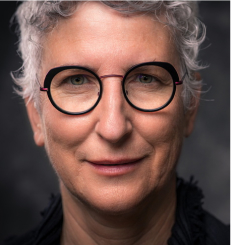
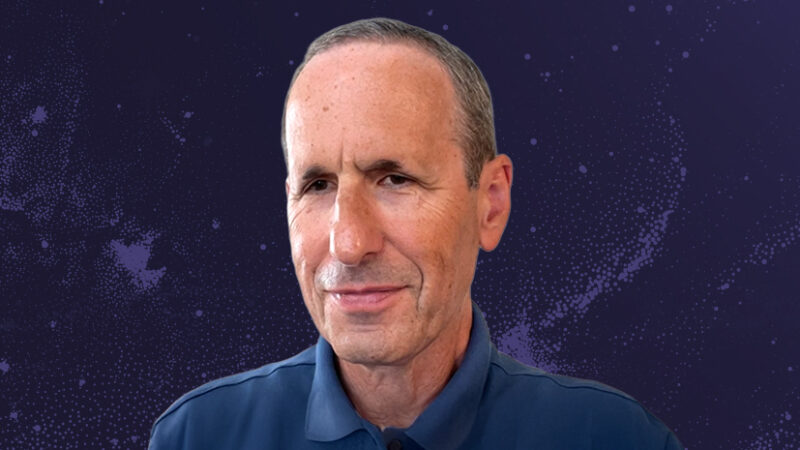
Temple Grandin is a renowned American author, animal behavior expert, and advocate for autistic people. She’s written many books—including Animals in Translation, The Autistic Brain, and Thinking in Pictures—and is currently a professor of animal science at Colorado State University. In this episode of Insights at the Edge, Tami Simon and Temple talk about the differences between verbal and visual thinkers, and how to bridge the gap between them. They speak on Temple’s lifelong relationship with animals and how—as a nonverbal thinker—she feels a deep kinship with them. Finally, Temple and Tami discuss the importance of helping people on the autism spectrum to invest their efforts in what they love rather than what they lack.
(60 minutes)

Author Info for Temple Grandin Coming Soon

600 Podcasts and Counting…

Subscribe to Insights at the Edge to hear all of Tami’s interviews (transcripts available too!), featuring Eckhart Tolle, Caroline Myss, Tara Brach, Jack Kornfield, Adyashanti, and many more.

Meet Your Host: Tami Simon

Founded Sounds True in 1985 as a multimedia publishing house with a mission to disseminate spiritual wisdom. She hosts a popular weekly podcast called Insights at the Edge, where she has interviewed many of today's leading teachers. Tami lives with her wife, Julie M. Kramer, and their two spoodles, Rasberry and Bula, in Boulder, Colorado.

Photo © Jason Elias

Also By Author

Inside the Mind of Temple Grandin

Temple Grandin is a renowned American author, animal behavior expert, and advocate for autistic people. She’s written many books—including Animals in Translation, The Autistic Brain, and Thinking in Pictures—and is currently a professor of animal science at Colorado State University. In this episode of Insights at the Edge, Tami Simon and Temple talk about the differences between verbal and visual thinkers, and how to bridge the gap between them. They speak on Temple’s lifelong relationship with animals and how—as a nonverbal thinker—she feels a deep kinship with them. Finally, Temple and Tami discuss the importance of helping people on the autism spectrum to invest their efforts in what they love rather than what they lack.
(60 minutes)

You Might Also Enjoy

Fred Luskin on Forgiveness: The Stanford Research That...

Holding a grudge carries a cost, and science has measured it. Fred Luskin spent decades quantifying that cost through some of the most rigorous forgiveness research ever conducted at Stanford University, and what he found changes how we think about what letting go really means.

At Sounds True, we have spent forty years building a library of more than 3,000 titles to carry teachings like this one into people’s daily lives. Our mission began with nothing more than a tape recorder and a conviction that wisdom deserved a wider reach. That conviction still drives everything we do.

Here, we will look at Luskin’s background, what his research found, and what forgiveness does and does not require of us.

Key Takeaways:

  • Grudges Cost Your Health: Holding onto resentment is not just emotionally exhausting. Research shows it creates a measurable, chronic stress response that the body cannot simply shrug off.
  • What Stanford’s Research Found: Years of controlled studies, tested across continents and populations, reveal that forgiveness training reliably reduces stress, depression, and in some cases, blood pressure.
  • Forgiveness Is a Learnable Skill: Luskin’s method treats forgiveness as something you can build through structured practice, not something you either feel or don’t.

Meet Your Sorrow with Kindness. Learn Practices for Self-Compassion with Sounds True.

Who Is Fred Luskin?

Fred Luskin, PhD, directs the Stanford Forgiveness Projects and has spent more than thirty years researching and teaching the psychology of letting go. He holds a senior fellowship at the Stanford Center on Conflict and Negotiation and has taught wellness education at Stanford’s School of Medicine.

His approach grew from a core belief that forgiveness is not a moral obligation but a trainable capacity with measurable health implications. Everything from his research design to the programs he developed for hospitals, workplaces, and conflict survivors worldwide reflects that conviction.

Readers curious about how his work sits alongside that of other researchers and teachers can browse the full roster on our All Teachers & Authors page, where voices from many traditions and disciplines come together.

Inside the Stanford Forgiveness Project

The Stanford Forgiveness Project began under Luskin’s direct leadership as a randomized trial involving 55 students who completed a six-session training program. 

Results showed measurable increases in forgiveness and physical vitality compared with a control group. That initial study aligned with Luskin’s core belief that most of our suffering does not come from what happened, but from the ongoing story we tell ourselves about it. The project expanded in the years that followed:

  • A trial of 259 adults, the largest randomized forgiveness study conducted to date. Participants reported significant reductions in anger, stress, and depression after completing structured forgiveness training, confirming that the initial findings were not limited to a small or narrow population.
  • Work with hypertensive patients showing reduced anger and, in some cases, measurably lower blood pressure after completing the program. These results positioned forgiveness squarely within the domain of preventive health.
  • Training programs adapted for survivors of the Northern Ireland conflict and civil war in Sierra Leone, demonstrating that learning to forgive is possible even in the wake of profound, collective trauma.

One point Luskin returns to often surprises people: no one has to forgive. Forgiveness is a choice. As he defines it, forgiveness means releasing our suffering over a difficult situation. This does not mean returning to a hurtful relationship or excusing what happened. Even when what occurred was not acceptable, forgiveness is how we reclaim peace for ourselves.

Holding Grudges Health: What the Research Says About Forgiveness Health Benefits

The forgiveness health benefits Luskin’s research documents go well beyond feeling better in the moment. Across multiple studies, people reported reduced stress, less depression, and greater optimism after completing forgiveness training. Some trials also documented physical improvements, including lower blood pressure among people with hypertension.

One workplace study found a 24 percent increase in sales productivity among employees who completed forgiveness-focused training compared to matched coworkers who did not. That finding reflects something Luskin has long argued: unresolved anger does not stay in one corner of life. It spreads.

Conversations about findings like these, and what they mean outside a lab setting, come up regularly on our Insights at the Edge Podcast, where teachers and researchers bring science and lived practice together.

Center Yourself With Meditative Teachings by Sounds True

Spotlighting the Three Kinds of Forgiveness

Luskin identifies three distinct types of forgiveness, and recognizing which one applies to your situation can make the whole process feel more grounded and less abstract.

Interpersonal Forgiveness

Interpersonal forgiveness is the most commonly recognized kind. This is forgiveness directed at another person who has hurt you, a parent, a partner, a colleague. The negative effects of holding grudges are most prevalent in this area, as staying locked in blame keeps the body in a low-grade stress state, with stress hormones elevated long after the original event has passed.

Intra-Personal Forgiveness

Intra-personal forgiveness means forgiving yourself. This form is often the hardest to name, let alone practice. Shame, regret, and self-blame can be just as corrosive as resentment toward another person, and the same framework applies. Releasing blame toward yourself is not excusing past behavior. Choosing to stop letting an old wound define your present is where the real work begins.

Existential Forgiveness

Existential forgiveness arises when the hurt feels directed at life itself, at fate, or at the question “How could this happen?” This form surfaces alongside illness, loss, or circumstances beyond anyone’s control, and it is where the spiritual and psychological converge most clearly. That convergence is part of why Luskin’s research resonates so deeply in communities navigating grief and serious illness.

Applying These Findings to Daily Life

Luskin’s method does not require a clinical setting to start applying. A few grounding practices drawn directly from his work:

  1. Notice where the distress lives: Current pain over a past hurt usually comes from present thoughts, not the original event itself. Naming that shift, from then to now, creates space for something different. This awareness alone can interrupt the loop of replaying a grievance and redirect attention toward what remains within your control.
  2. Use a calming technique the moment old anger resurfaces: Luskin recommends bringing attention to the breath, then shifting focus to something beautiful or deeply loved. This two-step process interrupts the body’s stress response and creates room for a considered response rather than a reactive one. Practiced consistently, it becomes a reflex.
  3. Match the practice to the type of forgiveness you need: Interpersonal tension calls for releasing blame toward someone else. Self-criticism points toward intra-personal work. A sense that life has been fundamentally unfair opens the door to existential forgiveness. Connecting the type of hurt to the right practice makes the work feel more approachable.

Those building a broader toolkit around stress, resilience, and healing will find rich material in our Health & Healing collection, which brings together courses and programs from teachers across many traditions. Readers drawn to self-kindness as a companion to forgiveness work will also find a natural path in our Self-Compassion collection, which pairs well with everything Luskin’s framework asks of us.

Awaken Something Greater Within You. Find Teachings that Speak to You With Sounds True.

Final Thoughts

Fred Luskin’s research offers something rare in this space: forgiveness backed not by sentiment but by data collected across decades and continents. Letting go, in his framing, is less about being generous toward someone else and more about reclaiming a body and mind no longer running on old stress.

At Sounds True, our mission has always been to wake up the world, and Luskin’s work is a clear example of what that looks like when science and compassion move in the same direction. We keep returning to his research because it permits people to let go of what never served them in the first place.

Frequently Asked Questions About Fred Luskin

What is the Stanford Forgiveness Project?

It’s Fred Luskin’s ongoing series of research studies examining how forgiveness training affects health and well-being.

Does forgiveness really improve physical health?

Studies show reductions in stress, anger, and depression, with some trials also showing lower blood pressure.

Do I have to reconcile with someone to forgive them?

No. Luskin defines forgiveness as releasing blame, not necessarily reconciling or condoning what happened.

Can forgiveness be taught, or is it just a feeling?

Luskin’s research treats forgiveness as a learnable skill, using structured steps rather than relying on spontaneous emotion.

What are the Nine Steps to Forgiveness?

They are Luskin’s structured method for practicing forgiveness, which includes calming techniques and reframing past hurts.

Has this research been tested outside the United States?

Yes, including studies with survivors of conflict in Northern Ireland and Sierra Leone.

Where can I learn more about Fred Luskin’s work?

Sounds True offers books and programs from Fred Luskin, alongside those from other teachers focused on healing and resilience.

Michelle Cassandra Johnson is an author, activist, spiritual teacher, racial equity consultant, and intuitive healer. She is the author of six books, including Skill in Action and Finding Refuge. Amy Burtaine is a leadership coach and racial equity trainer. With Robin DiAngelo, she is the coauthor of The Facilitator's Guide for White Affinity Groups. For more, visit https://www.michellecjohnson.com/wisdom-of-the-hive.

Fierce vs. Tender: Kristin Neff on the Two Wings of Se...

Most of us learned that kindness toward ourselves means being gentle. But what happens when gentleness alone isn’t enough? What happens when the most caring thing we can offer ourselves is to take a stand, draw a line, or walk away?

At Sounds True, we have spent four decades sharing transformative teachings from respected psychologists, spiritual teachers, and thought leaders who help us navigate exactly these questions. Through our digital courses, programs, podcast conversations, and community gatherings, we help bring practical wisdom to seekers looking for greater presence and a more compassionate way of living.

In this piece, we look at Kristin Neff’s framework for fierce and tender self-compassion and how both can help us build a healthier, more honest relationship with ourselves.

Key Takeaways:

  • Two Wings, One Practice: Kristin Neff distinguishes between tender self-compassion and fierce self-compassion, two complementary forms of inner care that work together to strengthen emotional well-being.
  • Compassion That Creates Change: Self-compassion shapes how we move through decisions, relationships, and difficult moments, giving us the softness to heal and the courage to grow.
  • Small Steps, Real Shifts: Practical self-compassion exercises and daily habits can build a balanced, sustainable relationship with yourself that holds steady even through hard seasons.

Kristin Neff’s Two Wings of Self-Compassion

Kristin Neff is a research psychologist and one of the leading voices in the field of self-compassion. Her work helped bring self-compassion into mainstream psychology by demonstrating its connection to emotional resilience, mental health, and how we relate to ourselves under pressure. She describes self-compassion as treating ourselves with the same care and support we would offer a close friend, not as an indulgence, but as a necessary foundation for well-being.

According to Neff, self-compassion has two complementary wings. Tender self-compassion allows us to accept ourselves and acknowledge our pain without judgment. Fierce self-compassion helps us take action when change is needed. One nurtures us, while the other protects us.

Rather than opposing forces, these two forms work together like yin and yang, each one incomplete without the other. A balanced approach allows us to respond to challenges with both acceptance and strength. For those ready to go deeper into this work, our Self-Compassion collection brings together courses and programs designed to support this inner journey.

Meet Your Sorrow with Kindness. Learn Practices for Self-Compassion with Sounds True.

The Yin of Care in Tender Self-Compassion 

Tender self-compassion is the yin dimension of inner care: receptive, soft, and oriented toward healing. Rather than pushing pain away or adding self-criticism to an already difficult experience, tender compassion asks us to slow down and meet ourselves with warmth.

Consider a moment of genuine struggle. Perhaps you made an error at work, said something you regretted, or felt overwhelmed by the demands of daily life. The instinct for many people is to respond with harsh self-judgment. Tender self-compassion offers a different path, one that says: this is hard, you are human, and you deserve care right now. That shift, from blame to acknowledgment, is where healing begins.

A self-compassion meditation practice is one of the most grounded ways to cultivate this quality. Through mindful awareness, we learn to observe our thoughts and emotions without becoming overtaken by them. Those looking to deepen this practice can find additional teachings through our Meditation & Mindfulness collection, which includes a range of programs centered on compassion, presence, and emotional resilience.

Fierce Self-Compassion Calls Us to Act

Fierce self-compassion is the yang: the active, outward-moving energy that arises when protection or change is needed. Kristin Neff is clear that compassion is not passive. Sometimes the most caring response we can give ourselves is to say no, set a limit, or make a decision that others might not understand.

Fierce self-compassion might look like this: you’ve been consistently overworked and dismissed in a professional dynamic. Tender self-compassion helps you process the frustration with care. Fierce self-compassion is what moves you to have the honest conversation or decide to change course entirely. Both arise from the same source and a desire to honor your own worth.

Many people find Kristin Neff’s fierce self-compassion framework challenging at first because taking action on your own behalf can feel selfish. Neff reframes this entirely: caring for yourself is an expression of compassion. 

Wise teachers across traditions have spoken to this same truth, and you can connect with many of those voices, including Kristin Neff and Eckhart Tolle, through our All Teachers & Authors page, where their teachings on compassion, presence, and personal transformation are within reach.

Center Yourself With Meditative Teachings by Sounds True

How to Practice Self-Compassion Every Day

Learning how to practice self-compassion often begins with noticing. Self-compassion exercises don’t need to be complex. The most grounding practices start with a single pause, a breath, and a question: how would I respond to someone I love in this exact moment?

Meeting Yourself with Kindness

When the inner critic grows loud, self-compassion invites a shift in tone. Rather than spiraling into blame, pause and name what you’re experiencing. You might place a hand over your heart, take a slow breath, and acknowledge the difficulty without judgment. Reminding yourself that struggle is part of being human is a simple act of tender self-compassion that can interrupt the cycle of self-criticism before it takes hold. When practiced daily, this daily check-in builds a more stable emotional foundation.

Setting Boundaries with Fierce Compassion

Fierce self-compassion becomes available whenever you notice resentment, depletion, or a persistent sense of being dismissed. These are often signals that something needs to change. Fierce compassion asks you to take those signals seriously rather than override them out of guilt or obligation. 

For ongoing conversations that explore these themes with depth and warmth, the Insights at the Edge Podcast brings together teachers and thinkers who make this kind of inner work practical and accessible.

Uncover How Your Mind Works with Valuable Resources

Final Thoughts

Self-compassion asks something courageous of us: to stop treating ourselves as exceptions to the care we so freely give others. As Kristin Neff’s work makes clear, that care has two forms. Tender self-compassion meets us in our pain. Fierce self-compassion moves us through it. Together, these two wings give us the balance to heal, grow, and live with greater honesty and presence. 

Frequently Asked Questions About Self-Compassion and Kristin Neff

What is the difference between self-compassion and self-esteem?

Self-compassion focuses on how we relate to ourselves during moments of struggle or failure, while self-esteem is tied to how we evaluate our worth or abilities. Self-compassion provides support regardless of performance or achievement.

Can self-compassion improve relationships with others?

Yes. People who practice self-compassion often have greater emotional awareness and are less likely to react defensively. This can lead to healthier communication, stronger boundaries, and more authentic connections.

Why do some people struggle with self-compassion?

Many people grow up believing that self-criticism is necessary for success or personal growth. As a result, showing kindness to themselves may feel uncomfortable or unfamiliar at first.

Can self-compassion help with burnout?

Self-compassion can help individuals recognize when they need rest, support, or change. By responding to stress with care rather than self-judgment, people may reduce emotional exhaustion and improve overall well-being.

How long does it take to develop self-compassion?

Developing self-compassion is an ongoing practice rather than a destination. Small, consistent efforts can gradually shift how a person responds to challenges and setbacks over time.

Does self-compassion make people less motivated?

Research suggests the opposite. Self-compassion can support motivation by reducing fear of failure and encouraging learning from mistakes instead of becoming stuck in self-criticism.

What role does mindfulness play in self-compassion?

Mindfulness helps people notice their thoughts and emotions without judgment. This awareness creates the foundation for responding to difficult experiences with compassion rather than avoidance.

Why has Kristin Neff’s work on self-compassion become so influential?

Kristin Neff helped bring self-compassion into mainstream psychological research by demonstrating its connection to emotional resilience, mental health, and overall well-being. Her work has helped many people develop a healthier relationship with themselves.

Michelle Cassandra Johnson is an author, activist, spiritual teacher, racial equity consultant, and intuitive healer. She is the author of six books, including Skill in Action and Finding Refuge. Amy Burtaine is a leadership coach and racial equity trainer. With Robin DiAngelo, she is the coauthor of The Facilitator's Guide for White Affinity Groups. For more, visit https://www.michellecjohnson.com/wisdom-of-the-hive.

Dawson Church on Epigenetics and EFT: How Your Emotion...

For a long time, the dominant assumption was straightforward: genes were fixed at birth, and health was largely a matter of inheritance. Dawson Church has spent decades questioning that assumption, showing through rigorous research that the emotions we carry and the beliefs we hold can switch certain genes on or off in real time.

At Sounds True, we have shared his work because it sits at a rare intersection of hard science and everyday practice. Few researchers explain that bridge as clearly or as accessibly as he does. Here, we will look at his background, the science of epigenetics and emotions, and how emotional freedom technique research fits into a broader picture of lasting health.

Key Takeaways:

  • Your Genes Respond to Your Emotions: Dawson Church’s research on immediate early genes shows that thoughts, memories, and emotional experiences can switch gene activity on or off within seconds.
  • How Tapping Reaches the Body: EFT tapping may calm the nervous system in ways that carry a measurable biological signal, according to Church’s published studies on veterans and stress response.
  • Small Habits, Real Biological Shifts: Daily practices rooted in emotional awareness, drawn from Church’s findings, offer an approachable path to supporting long-term health from the inside out.

Who Is Dawson Church

Dawson Church, PhD, is an award-winning science writer whose work has reached millions of readers seeking a deeper link between mind and body. He has written three bestselling books, including Genie in Your Genes, and has published dozens of studies in peer-reviewed journals examining how breakthroughs in energy psychology apply to health and personal performance. He also founded the National Institute for Integrative Healthcare and served as editor emeritus of the peer-reviewed journal Energy Psychology.

His name sits naturally among the voices in our All Teachers & Authors, a gathering of researchers, practitioners, and wisdom teachers who each approach healing and transformation from a different angle. Teachers like Larry Dossey, who has spent decades examining the role of consciousness and prayer in medicine, offer another entry point for readers drawn to the overlap between science and inner life that Church’s work exemplifies.

Uncover How Your Mind Works with Valuable Resources

How Your Genes Respond to Life

Epigenetics is the study of how your behaviors and environment cause changes that affect the way your genes work, without altering the DNA sequence itself. Your genes are less like a locked blueprint and more like a dial that turns up or down in response to signals from your life.

Genes Shift as You Age and Adapt

Epigenetic patterns change throughout your lifetime, as part of normal development and aging, and in response to what you encounter along the way. Sustained stress, nutrition, emotional patterns, and environmental exposures all leave marks on how genes express themselves. Certain diseases can also alter epigenetic patterns, which is part of why researchers now study this field to shed light on conditions ranging from autoimmune responses to mood disorders. 

What Immediate Early Genes Tell Us

Church centers much of his research on a class called immediate early genes, which respond within seconds to stimuli like a thought, a memory, or a sudden wave of relief. This rapid responsiveness is where epigenetics and emotions meet most clearly. Repeated emotional patterns may shape how consistently those genes stay switched on or off. So, if your inner life can trigger measurable changes in gene activity, then practices that shift your emotional state are not just psychological in effect. As a matter of fact, they may be biological.

Center Yourself With Meditative Teachings by Sounds True

Inside the Research on Emotional Freedom Technique

Emotional Freedom Technique, often referred to as EFT tapping, is a practice in which a person taps on specific acupressure points on the face and body while holding a distressing thought or feeling in mind. The technique draws from both cognitive and somatic traditions and is used to address trauma responses, anxiety, and chronic stress. 

Practitioners work through a structured sequence of tapping points while verbally acknowledging a difficulty, then shifting toward a statement of self-acceptance. For many people, the practice becomes a way of meeting an emotion directly rather than suppressing or avoiding it.

Church’s published research on EFT and epigenetics uses tools like MRI and EEG scans alongside gene expression tests to measure what happens in the body during and after sessions. 

In one study involving veterans, participants who completed a course of EFT tapping reported significant reductions in PTSD symptoms, pointing toward the idea that emotional regulation practices carry a measurable biological signal. This is a reminder that working with the nervous system is not separate from working with the body at its most foundational level.

Those drawn to this kind of work will find our Subtle Energy collection a natural complement to Church’s principles, with programs and practices that work at the intersection of the body’s energy systems and lasting wellness. Similar threads come up regularly on our Insights at the Edge Podcast.

Living Church’s Principles Every Day

None of what Church studies requires a laboratory. The principles behind epigenetics and emotions translate into small, repeatable habits that anyone can begin today.

Notice Emotional Signals Early

The body often registers stress before the mind catches up. Tuning into physical cues, a tightening in the chest, a shallow breath, a spike in irritability, before they escalate is a practice in itself. Church’s research suggests that how quickly you respond to an emotional signal matters, because the longer a stress response continues uninterrupted, the more likely it is to influence gene expression patterns. 

Start With a Short Tapping Sequence

EFT tapping sequences are accessible enough to use in the middle of a difficult moment, without any equipment or training required. Starting with a few rounds while naming what you are feeling can interrupt the stress cycle before it escalates. Many people begin with guided audio recordings before working with a certified practitioner, and that entry point is completely valid.

Track Your Patterns Over Several Weeks

Keeping a simple record of mood, sleep, and physical sensations across several weeks creates a kind of visibility that single moments rarely offer. Church’s framework suggests that what you repeat emotionally becomes biologically reinforced, so tracking helps you spot a pattern early enough to consciously shift it. A few lines in a notebook at the end of each day is enough to start.

Those ready to build a fuller toolkit will find our Health & Healing collection a strong next step, with programs and courses built around the body-mind connection, stress, and long-term recovery.

Build Relationships That Nourish And Sustain

Final Thoughts

Dawson Church’s research offers something rare: a scientific basis for the intuition that how we feel matters beyond the moment. The body is not a fixed machine running on a script written at birth. Emotions, attention, and practices like EFT tapping all seem to leave a mark on how genes express themselves, and that mark is not permanent.

At Sounds True, our mission has always been to wake up the world, one honest conversation at a time. Church’s work is one thread in that larger fabric. We continue sharing voices like his because this kind of research gives people something real and livable to work with. The next step of your own process may be closer than you think.

Frequently Asked Questions About Dawson Church

What is epigenetics in simple terms?

Epigenetics studies how genes turn on or off in response to emotions, thoughts, and environment, without changing DNA itself.

Is EFT tapping backed by science?

Some published studies, including work by Dawson Church, report measurable stress and symptom changes after EFT sessions.

Can emotions really affect gene expression?

Research on immediate early genes suggests that strong emotional experiences can trigger short-term changes in gene activity.

What is Genie in Your Genes about?

It’s Dawson Church’s bestselling book explaining how epigenetic medicine connects consciousness, emotion, and physical healing.

Do I need training to try EFT tapping?

No. Many people learn basic tapping sequences from books or guided audio before working with a certified practitioner.

Is this research widely accepted in mainstream medicine?

Epigenetics is an established field, though specific claims about EFT’s mechanisms are still an active area of study.

Where can I learn more about Dawson Church’s work?

Sounds True offers books, podcasts, and programs featuring Dawson Church and other researchers working in similar territory.

Michelle Cassandra Johnson is an author, activist, spiritual teacher, racial equity consultant, and intuitive healer. She is the author of six books, including Skill in Action and Finding Refuge. Amy Burtaine is a leadership coach and racial equity trainer. With Robin DiAngelo, she is the coauthor of The Facilitator's Guide for White Affinity Groups. For more, visit https://www.michellecjohnson.com/wisdom-of-the-hive.