No Bad Parts

    —
June 22, 2021

Richard “Dick” Schwartz earned his PhD in marriage and family therapy from Purdue University. He coauthored the most widely used family therapy text in the United States, Family Therapy: Concepts and Methods, and is the creator of the Internal Family Systems Model, which he developed in response to clients’ descriptions of various “parts” within themselves. With Sounds True, Dick has written a new book titled No Bad Parts: Healing Trauma and Restoring Wholeness with the Internal Family Systems Model. In this episode of Insights at the Edge, Tami Simon talks to Dick about the transformation that occurs when we welcome every part of who we are. He explains that even our most destructive parts have protective intentions, put in place to shield us from unprocessed pain, and details his method for accessing and mending these inner wounds. They also discuss the myth of the “mono mind,” and why the mind is naturally multiple; how “exiled” trauma can manifest as bodily pain; connecting with our core Self and letting it lead us in our healing; and how the language of “parts” can be useful in our relationship dynamics.

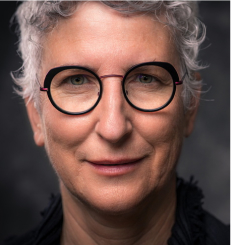
Richard C. Schwartz, PhD, is the creator of Internal Family Systems, a highly effective, evidence-based therapeutic model that de-pathologizes the multipart personality. His IFS Institute offers training for professionals and the general public. Formerly an associate professor in the Department of Psychiatry at the University of Illinois at Chicago and later at Northwestern University, he is currently on the faculty of Harvard Medical School. He has published five books and is a sought-after presenter. For more, visit ifs-institute.com

Author photo © Dana Quigley

600 Podcasts and Counting…

Subscribe to Insights at the Edge to hear all of Tami’s interviews (transcripts available too!), featuring Eckhart Tolle, Caroline Myss, Tara Brach, Jack Kornfield, Adyashanti, and many more.

Meet Your Host: Tami Simon

Founded Sounds True in 1985 as a multimedia publishing house with a mission to disseminate spiritual wisdom. She hosts a popular weekly podcast called Insights at the Edge, where she has interviewed many of today's leading teachers. Tami lives with her wife, Julie M. Kramer, and their two spoodles, Rasberry and Bula, in Boulder, Colorado.

Photo © Jason Elias

Also By Author

No other posts by author

You Might Also Enjoy

Tian Dayton: If You Grew Up with Addicts, Healing Is a...

Trauma doesn’t show up in what we remember. It shows up in how we react.

This week, Tami Simon speaks with Dr. Tian Dayton—award-winning scholar, senior fellow at The Meadows, and author of Growing Up with Addiction: How Adult Children of Addicts Can Heal Family Trauma, Complex PTSD and Codependency—about what it means to grow up inside a family shaped by addiction, and what it actually takes to heal.

Drawing on decades of clinical work, her own lived experience, and her innovative Relational Trauma Repair (RTR) method, Dr. Dayton explores the neuroscience of relational trauma and the embodied, experiential path through it.

Join Tami and Tian to explore:

  • Why addiction is a family disease—and how process addictions like workaholism and overeating leave the same marks as substance use
  • How childhood trauma gets stored in the body, not the story—and why you can’t think your way out of complex PTSD
  • The neuroscience of overreaction: why triggers feel present-tense even when they’re decades old
  • Cognitive and somatic distortions—and how to recognize when the past is hijacking the present
  • Psychodrama and Relational Trauma Repair: the power of talking to instead of about
  • Timelines, social atoms, and letter writing as tools for putting fragmented memories back in order
  • Why healing is a discipline—and what it means to take ownership of your own darkness as a path to freedom

Whether you grew up in a home shaped by addiction or simply recognize the patterns Dr. Dayton describes, this interview offers both a map and the courage to begin the journey.

Listen now and start where you are. 

This conversation offers genuine transmission—not just concepts about awakening, but the palpable presence of realized teachers exploring the growing edge of spiritual understanding together. Originally aired on Sounds True One.

Deb Dana on Polyvagal Theory: How to Befriend Your Ner...

Understanding your nervous system can feel overwhelming at first, especially when it seems to react without warning. One moment you’re grounded, and the next, you’re tense, withdrawn, or unsure of what triggered the change. For many, this cycle can feel confusing or even frustrating. But what if your body’s responses weren’t something to fix, but instead something to get to know? That’s the invitation behind Polyvagal Theory. It offers a way to understand why we feel the way we do and how we can gently support ourselves through those changes.

At Sounds True, we’ve had the honor of working with some of the world’s most respected voices in healing, mindfulness, and personal growth. Deb Dana is one of them. As a leading teacher of Polyvagal Theory and a powerful translator of nervous system wisdom, Deb brings warmth, clarity, and deep compassion to her work. Through our courses and podcast conversations, we’re proud to help bring her insights into daily life for anyone seeking more connection and safety within.

In this piece, we’ll be discussing Deb Dana’s unique approach to Polyvagal Theory, how to befriend your nervous system, and ways to bring nervous system regulation into your everyday experience.

Key Takeaways:

  • Understanding Polyvagal States: The nervous system shifts between states of connection, protection, and shutdown in response to cues of safety or threat.
  • Deb Dana’s Practical Wisdom: Deb Dana offers gentle, real-life ways to build awareness and regulation through small, consistent practices.
  • Everyday Application: Polyvagal-informed living supports emotional resilience, deeper relationships, and a greater sense of inner safety.

Insight Is The First Step Toward Transformation

What Is Polyvagal Theory?

Polyvagal Theory, developed by Dr. Stephen Porges, offers a new understanding of how our nervous system helps us navigate safety, connection, and survival. Rather than seeing the nervous system as a simple on/off switch for stress and relaxation, this theory describes a more nuanced system built around three key pathways: the ventral vagal, sympathetic, and dorsal vagal states.

Each of these states plays a role in how we respond to the world. When we’re in ventral vagal regulation, we feel safe, open, and connected. In sympathetic activation, the body gears up to protect us through the fight-or-flight response. And when that’s not possible, we may shift into dorsal vagal shutdown, which can feel like disconnection or collapse.

Polyvagal Theory helps us map these shifts, not as signs of dysfunction, but as adaptive responses to our inner and outer environment. This framework gives language to experiences that many people have felt but struggled to explain. It also lays a foundation for healing by understanding how the body communicates cues of safety and danger.

Deb Dana’s Approach To Nervous System Regulation

Deb Dana, a clinician and author deeply connected to Stephen Porges’s work, has played a vital role in making Polyvagal Theory accessible and applicable in everyday life. Her approach is rooted in the belief that regulation begins with awareness, not with trying to fix or override our nervous system, but by building a relationship with it.

Rather than pathologizing our responses, Deb invites us to get curious about them. When we begin to notice the shifts between states, like feeling open and connected one moment, then anxious or withdrawn the next, we start to understand the language of our nervous system.

Deb often describes this work as befriending the nervous system. That means learning to listen without judgment, responding with compassion, and practicing gentle ways of returning to safety and connection. It’s not about forcing calm, but about finding cues of safety that our unique system can trust.

Her guidance encourages small, consistent practices, such as tracking your state through the day, recognizing what helps you feel anchored, and using these insights to gently support nervous system regulation over time.

What It Means To Befriend Your Nervous System

To befriend your nervous system is to shift from self-criticism to self-compassion. It’s the practice of meeting your internal experience with kindness, even when it’s uncomfortable or unfamiliar.

For many of us, the nervous system has felt like something to overcome. We may have learned to push through anxiety, shut down emotion, or dismiss signals of exhaustion. But Deb Dana invites a different approach: one where we slow down and listen, where we get to know the patterns that shape our responses, and where we begin to trust that our bodies are trying to protect us, even when they’re not quite getting it right.

Befriending doesn’t mean controlling. It means becoming a companion to your own system. This can look like:

  • Noticing when your body feels safe and what helps you get there
  • Naming your state (without judgment)
  • Practicing ways to gently return to regulation

This relationship is built over time. It’s tender, respectful, and deeply personal. And it opens the door to greater resilience, not by avoiding discomfort, but by learning how to move through it with care.

Vagal Tone And The Path To Safety

Vagal tone is central to the body’s capacity for nervous system regulation. It reflects how easily we can shift into a state of calm and connection after stress. Supporting vagal tone isn’t about forcing the body to relax, it’s about creating environments and experiences that feel safe enough to allow that shift. Here’s how that can look in daily life:

What Is Vagal Tone?

Vagal tone describes the strength and responsiveness of the vagus nerve, which plays a vital role in regulating heart rate, digestion, and emotional state. A well-toned vagus nerve helps the body recover more quickly from stress and supports a felt sense of safety in both the body and mind.

Cues Of Safety: The Foundation Of Regulation

According to Deb Dana, nervous system regulation starts with cues of safety: experiences that tell the body it’s okay to soften. This might be eye contact with someone trustworthy, a soothing sound, or the rhythm of a steady breath. These cues signal the ventral vagal system to activate, bringing us into a state of calm engagement.

Practices That Support Vagal Tone

Strengthening vagal tone doesn’t require a dramatic change. Small, consistent actions like breathing slowly through the nose, humming, singing, or spending time with someone who helps you feel grounded can be deeply regulating. These practices gently guide the system back into connection.

From Survival To Connection

When vagal tone is strong, the nervous system becomes more flexible. This means we can move through sympathetic or dorsal states without getting stuck in them. Over time, this builds the capacity to return to connection more easily, even after moments of disconnection or overwhelm.

Learn to Treat Yourself with the Care You Offer Others

Bringing Polyvagal Wisdom Into Daily Life

Understanding your nervous system is powerful, but what truly creates change is learning to live alongside it. Deb Dana encourages everyday practices that help us build a stronger relationship with our system, not through big interventions, but through small, meaningful moments of connection.

Begin With Awareness

The first step is simply noticing. How does your body respond in different settings? What does “regulated” feel like for you? By tracking your nervous system states throughout the day, you start to recognize patterns, and that awareness becomes the ground for change.

Build A Personal Map

Deb often speaks about creating a personal nervous system map. This means identifying your own signs of ventral, sympathetic, and dorsal states, and naming the things that help you shift. Maybe music brings you back, or a certain person’s voice helps you settle. Mapping these can guide you toward regulation when you need it most.

Practice Micro-Moments Of Regulation

Regulation isn’t about staying calm all the time; it’s about returning. Even brief practices, like placing a hand on your heart or stepping outside for fresh air, can bring a sense of anchoring. Over time, these micro-moments build a more stable foundation of safety.

Stay In A Relationship

We heal through connection, not isolation. Polyvagal practice isn’t a solo journey. Co-regulation, or feeling safe in the presence of others, is a key part of nervous system healing. This might come from a trusted friend, a therapist, or even the steady rhythm of a pet’s breathing beside you.

How Trauma Shapes Nervous System Responses

Trauma can reshape how the nervous system interprets the world. Instead of easily recognizing cues of safety, the system may become more attuned to cues of danger even when none are present. Deb Dana emphasizes that this isn’t a flaw. It’s a form of protection the body learned when it needed to survive.

Survival States Are Adaptive

When the nervous system perceives a threat, it automatically shifts into survival states such as fight-or-flight or shutdown. For someone who has experienced trauma, these responses may become more easily triggered, even in situations that feel safe to others. It’s the body doing what it knows to do to keep you safe.

The Importance Of Compassionate Awareness

Understanding these patterns with compassion is essential. Rather than asking, “What’s wrong with me?”, Deb invites us to ask, “What happened that shaped my system this way?” This shift softens judgment and opens the possibility for healing.

Regulation Takes Time And Trust

Regulation after trauma doesn’t happen overnight. It’s a process of slowly teaching the body that it no longer has to stay in protection mode. Through safe relationships, grounding practices, and patient attention, the system can begin to relearn what safety feels like.

Learn More With Deb Dana And Sounds True

For those who feel drawn to deepen their relationship with their nervous system, Deb Dana offers supportive, accessible guidance through Sounds True. Her courses and conversations are designed to meet people where they are, gently, without pressure, and with a deep respect for each person’s unique path.

To begin, the Befriending Your Nervous System program offers practical tools for working with your nervous system in everyday life. If you’re looking to understand how safety feels from the inside out, Finding Safety in Your Nervous System may be a helpful next step.

You can also listen to the Deb Dana Befriending Your Nervous System Podcast to hear her insights shared in conversation, or to explore The Healing Trauma Online Course for a more immersive experience.

Each of these offerings invites you into a gentler, more connected relationship with yourself, one grounded in the wisdom of your own nervous system.

Discover The Power Of Daily Meditation

Final Thoughts

Polyvagal Theory gives us a language for something many of us have felt but didn’t know how to name: the constant shifts in how safe, connected, or overwhelmed we feel in our bodies. Through Deb Dana’s work, this understanding becomes not just theoretical, but personal, relational, and deeply human.

Befriending your nervous system isn’t about perfection. It’s about learning to notice, respond, and return again and again. It’s about offering yourself the same care and attunement you would offer someone you love. Over time, this practice becomes a way of living a quiet, steady return to connection.

Frequently Asked Questions About Polyvagal Theory

What does polyvagal mean in simple terms?

“Polyvagal” refers to the different branches of the vagus nerve that influence how we feel safe, respond to stress, and connect with others. It describes a system that helps us navigate connection, danger, and disconnection based on cues from our environment.

Can polyvagal theory help with anxiety?

Yes. Polyvagal Theory offers insight into how anxiety arises from nervous system states, helping people recognize when their system is in a stress response and how to shift toward a state of calm.

Is polyvagal theory supported by science?

Polyvagal Theory is rooted in neurophysiology and has a growing base of clinical application, especially in trauma therapy. While still evolving in research, it’s widely respected in somatic and therapeutic communities.

What role does breathwork play in polyvagal regulation?

Breathwork, especially slow, nasal breathing, can activate the vagus nerve and support regulation. It’s a gentle, accessible way to shift into a more connected state.

Can children benefit from polyvagal-informed practices?

Yes. Children, especially those with emotional or behavioral challenges, can benefit from environments that offer clear cues of safety and regulated adult presence.

How is co-regulation different from self-regulation?

Co-regulation happens through connection with others, such as being with someone calm and supportive, while self-regulation involves managing one’s own nervous system responses.

Does polyvagal theory apply to everyday stress?

Absolutely. Everyday stressors like social tension, noise, or change can trigger shifts in the nervous system. Polyvagal Theory helps explain and work with these shifts.

Is polyvagal theory only used in therapy?

No. While it’s widely used in therapeutic settings, its principles apply to relationships, parenting, education, leadership, and even creative practice.

Can someone be stuck in a survival state without realizing it?

Yes. Many people live in chronic sympathetic (anxious) or dorsal (shut down) states without having language for it. Polyvagal Theory offers a way to recognize and respond to these patterns.

How long does it take to “befriend” your nervous system?

There’s no fixed timeline. It’s an ongoing relationship that builds over time with consistent practice, gentle awareness, and supportive environments.

Michelle Cassandra Johnson is an author, activist, spiritual teacher, racial equity consultant, and intuitive healer. She is the author of six books, including Skill in Action and Finding Refuge. Amy Burtaine is a leadership coach and racial equity trainer. With Robin DiAngelo, she is the coauthor of The Facilitator's Guide for White Affinity Groups. For more, visit https://www.michellecjohnson.com/wisdom-of-the-hive.

Love Beyond Death: Cynthia Bourgeault on Eternal Conne...

Love is one of the deepest forces we know. When someone we love dies, it can feel as though that bond has been broken beyond repair. Yet many spiritual traditions suggest something different. They point to the possibility that love after death is not a fantasy or a coping mechanism, but a mystery woven into the fabric of existence itself. The question is not only what happens to us when we die, but what happens to the love we have shared.

For more than four decades, we have been devoted to sharing the living wisdom of the world’s great spiritual teachers. From contemplative Christianity to Buddhist psychology and beyond, our work preserves authentic, heart-led teachings in the voices of those who embody them. Through our books, audio programs, and podcasts, we offer a trusted space for seekers to engage life’s most profound questions with depth and clarity.

Here, we will reflect on love after death through Cynthia Bourgeault’s mystical understanding of eternal connection, and consider how spiritual practice reshapes our experience of grief, relationships, and enduring love.

Key Takeaways:

  • Divine Source: Love after death is rooted in divine life, not limited to physical existence.
  • Inner Communion: Spiritual connection with the deceased may be experienced through prayer and contemplative awareness.
  • Transformative Grief: Mystical love reshapes grief, allowing sorrow to deepen trust in eternal love.

Build relationships that nourish and sustain

Love After Death: A Spiritual Vision of Eternal Love

What does love after death truly mean? For Cynthia Bourgeault, it is not sentimentality or denial of loss. It is a spiritual insight rooted in the Christian mystical tradition.

Mystics teach that love does not originate in personality or physical presence. Love arises from the divine ground itself. If love is rooted in God, then it is not subject to decay. Death may change the form of a relationship, but it does not erase the essence of what was shared.

This vision reframes grief. We still mourn the absence of voice, touch, and daily companionship. Yet beneath that sorrow, there can be a quiet recognition that the bond continues in another way. Eternal love is not about clinging to memory. It is about trusting that what was real in love participates in something timeless.

In Love Is Stronger Than Death, we share teachings that echo this truth: love belongs to a deeper order of reality than mortality. When two people meet in authentic love, they participate in a current of divine life that does not end at the grave.

Cynthia invites us to see death not as a severing, but as a threshold. The outer form changes. The inner communion remains. In this sense, mystical love reveals that what is grounded in God cannot be undone by death.

How Love Transcends Death in the Christian Mystical Tradition

Cynthia Bourgeault approaches love after death through the lens of Christian mysticism. In this tradition, love is not limited to emotion or memory. It is participation in divine life. If love arises from God, then love transcends death because its source is eternal.

Love as Participation in Divine Being

Mystics teach that our deepest identity is rooted in God. When we love from that depth, the bond is more than attachment. It becomes communion grounded in being itself.

In Is There Life After Death, we reflect on what continues beyond the body. Cynthia shifts the focus toward the quality of love we share. If it is rooted in divine presence, it already belongs to eternity.

The Contemplative Path and Spiritual Connection with the Deceased

Contemplative practice helps us experience this truth directly. In silence, we rest in the presence that holds both the living and the departed. Through Centering Prayer Course, many begin to sense a peaceful spiritual connection with the deceased. This is not about clinging or attempting to retrieve the past. It is about recognizing shared participation in eternal love. Grief remains, but it is held within a wider field of trust.

Mystical Love and the Ongoing Spiritual Connection with the Deceased

Cynthia Bourgeault teaches that mystical love is not confined to time. When someone dies, the outer relationship changes, but the deeper communion remains. Love rooted in God continues because its source is eternal.

Moving from Memory to Living Presence

Grief often begins in memory, yet mystical love invites us beyond recollection into living presence. A spiritual connection with the deceased is not about imagination or clinging. It arises from shared participation in divine life. Whatever Arises, Love That reflects this same invitation — to meet every experience, including loss and grief, with unconditional openness rather than resistance. That inner transformation does not disappear at death. What love has formed within us continues.

Love Transcends Death Through Inner Transformation

Love changes our being. When we have loved deeply, we are altered at the core. That change remains part of us.

In this sense, love transcends death because its imprint endures. The beloved’s physical absence is real, yet the communion grounded in eternal love continues to unfold within the heart.

Awaken Your Inner Healing Power

Eternal Love as a Living Reality, Not a Memory

In Cynthia Bourgeault’s teaching, eternal love is not confined to the past. It is not something we visit only through recollection. It is a present reality grounded in divine life.

When we reduce love after death to memory alone, we unintentionally limit it. Memory can comfort us, but mystical love points to something deeper. Love that is rooted in God continues to live and move, even when the beloved is no longer physically here.

Beyond Sentimentality Toward Spiritual Maturity

There is a difference between holding onto sentiment and growing into spiritual maturity. Sentimentality can keep us tethered to what was. Spiritual maturity invites us to trust what still is. The Great Transformation speaks directly to this deepening, offering a framework for the kind of inner shift that allows grief to open the heart rather than close it. As we mature spiritually, we begin to sense that eternal love is not fragile. It does not depend on circumstances. It abides because it participates in divine being.

Living in Relationship Across the Threshold

To live in a relationship across the threshold of death requires inner stillness and trust. It does not mean attempting to recreate the old dynamic. Instead, it means allowing the relationship to assume a new form. Presence Online Course supports this quality of awareness, cultivating the steady inner attentiveness through which love after death becomes a quiet companionship carried in prayer, silence, and daily awareness of God’s presence. The connection is no longer defined by physical exchange, yet it remains real.

The Spiritual Connection Deceased Loved Ones Continue to Offer

Cynthia Bourgeault reminds us that a spiritual connection with the deceased is not a one-sided longing. Love continues to shape and guide us. While the physical presence is gone, the inner bond often deepens in subtle and meaningful ways.

This ongoing connection may express itself through:

  • A deepened capacity for compassion, as the love you shared softens your heart toward others
  • Inner guidance that arises in prayer or quiet reflection, reflecting the wisdom of the relationship
  • A renewed commitment to live with integrity, inspired by the life and values of the one who has passed
  • A sense of companionship in solitude, especially during moments of contemplationA widening trust in eternal love, as grief gradually opens into surrender

These expressions are not fantasies. They are signs that love after death continues to bear fruit. The relationship evolves, yet its spiritual essence remains active. In this way, love transcends death by continuing to shape who we are and how we walk our path.

Love Transcends Death: Insights from Contemplative Prayer

Cynthia Bourgeault teaches that contemplative prayer reveals how love transcends death. In silence, we shift from surface thoughts into deeper awareness. From that depth, separation feels less absolute.

Prayer does not attempt to prove what happens after death. Instead, it grounds us in the divine presence that holds both the living and the departed. As we rest there, grief is steadied by trust.

Through this contemplative awareness, love after death becomes less an idea and more a lived knowing that what is rooted in God endures.

Mystical Love and the Transformation of Grief

Cynthia Bourgeault does not dismiss grief. In the mystical path, grief is honored as the natural response to deep love. The pain of loss reflects the depth of the bond.

Over time, mystical love reshapes how grief is carried. Sorrow may soften into gratitude and quiet companionship. The relationship is no longer expressed through physical presence, yet it continues inwardly.

In this way, love after death does not erase grief. It transforms it, allowing eternal love to widen the heart even in loss.

Love After Death and the Mystery of Eternal Connection

Love after death invites us into mystery rather than certainty. Cynthia Bourgeault reminds us that eternal love is not something we control or define. It is something we participate in.

The form of the relationship changes at death, yet the deeper bond remains within divine life. What was shared in truth is not erased but gathered into a larger communion.

In this mystery of eternal connection, we are asked to trust that love transcends death because it is rooted in something greater than time.

Discover the power of daily meditation

Final Thoughts

Love after death invites us into mystery. Through Cynthia Bourgeault’s teaching, we see that eternal love is rooted in divine life, not limited by physical form.

Grief remains real, yet mystical love widens our trust. What is grounded in God endures, and the spiritual connection with the deceased continues within that greater communion.

Frequently Asked Questions About Love Beyond Death and Love After Death

What does love after death mean in spiritual terms?

Love after death refers to the understanding that love is not limited to physical existence. Spiritually, it suggests that love continues as a form of connection rooted in divine reality rather than the body alone.

Is love after death a belief or a mystical experience?

For many contemplatives, it is both. Some approach it as a belief grounded in faith, while others describe it as a lived mystical experience of ongoing communion through prayer and inner awareness.

How is eternal love different from romantic attachment?

Eternal love points to a deeper spiritual bond that is not dependent on physical closeness or emotional intensity. It reflects a connection grounded in shared being rather than circumstance.

Can grief coexist with trust in love after death?

Yes. Trusting that love continues does not remove sorrow. Grief and faith can exist together, allowing mourning to unfold within a wider spiritual framework.

What role does prayer play in sensing a continued connection?

Prayer creates inner stillness and receptivity. In that space, some people report a quiet awareness of connection that feels peaceful rather than driven by longing.

Is the idea that love transcends death unique to Christianity?

No. While Cynthia Bourgeault speaks from the Christian mystical tradition, many spiritual paths affirm that love transcends death in different theological languages.

Does believing in love after death prevent healthy grieving?

Not necessarily. When grounded in spiritual maturity, this belief can support healing by offering hope without denying emotional reality.

What is meant by a spiritual connection with the deceased?

It refers to an inward sense of continued relationship that may arise through memory, prayer, intuition, or moral inspiration, without requiring physical interaction.

How does mystical love shape our understanding of mortality?

Mystical love reframes mortality as a transition rather than an absolute ending. It encourages seeing life as participation in something larger than the individual self.

Why does the topic of love after death resonate so deeply?

Because love is central to human identity. Questions about its endurance touch our deepest fears and hopes about meaning, continuity, and belonging.

Michelle Cassandra Johnson is an author, activist, spiritual teacher, racial equity consultant, and intuitive healer. She is the author of six books, including Skill in Action and Finding Refuge. Amy Burtaine is a leadership coach and racial equity trainer. With Robin DiAngelo, she is the coauthor of The Facilitator's Guide for White Affinity Groups. For more, visit https://www.michellecjohnson.com/wisdom-of-the-hive.

>
Share via
Copy link
Powered by Social Snap