The Radiance Sutras

    —
September 2, 2014

The Radiance Sutras

Lorin Roche September 2, 2014

Lorin Roche began meditating in 1968, and has sought to bring the joy of the practice to society at large ever since. As the developer of Instinctive Meditation, Lorin has created multiple book and audio projects on the subject—including Sounds True’s Meditation for Yoga Lovers. In this episode, Lorin and Tami Simon discuss his new book, The Radiance Sutras: 112 Gateways to the Yoga of Wonder and Delight and the process that went into its creation. They talk about the hard work of crafting a unique poetic interpretation and the insights Lorin has gained from listening to the personal stories of thousands of meditators. Finally, Lorin shares excerpts from some of his favorite poems within The Radiance Sutras.(71 minutes)

Photo of ()\

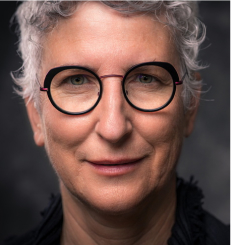
Lorin Roche signed up for a research project on the physiology of meditation in 1968 when he was eighteen years old and has been a meditator ever since. He teaches a form of practice that he calls Instinctive Meditation, which works with each person's uniqueness from the inside out. Lorin has written several popular books including Meditation Made Easy.

Author photo © Seth-Hutton-2011

600 Podcasts and Counting…

Subscribe to Insights at the Edge to hear all of Tami’s interviews (transcripts available too!), featuring Eckhart Tolle, Caroline Myss, Tara Brach, Jack Kornfield, Adyashanti, and many more.

Meet Your Host: Tami Simon

Founded Sounds True in 1985 as a multimedia publishing house with a mission to disseminate spiritual wisdom. She hosts a popular weekly podcast called Insights at the Edge, where she has interviewed many of today's leading teachers. Tami lives with her wife, Julie M. Kramer, and their two spoodles, Rasberry and Bula, in Boulder, Colorado.

Photo © Jason Elias

Also By Author

The Radiance Sutras

Lorin Roche began meditating in 1968, and has sought to bring the joy of the practice to society at large ever since. As the developer of Instinctive Meditation, Lorin has created multiple book and audio projects on the subject—including Sounds True’s Meditation for Yoga Lovers. In this episode, Lorin and Tami Simon discuss his new book, The Radiance Sutras: 112 Gateways to the Yoga of Wonder and Delight and the process that went into its creation. They talk about the hard work of crafting a unique poetic interpretation and the insights Lorin has gained from listening to the personal stories of thousands of meditators. Finally, Lorin shares excerpts from some of his favorite poems within The Radiance Sutras.(71 minutes)

Meditation as Loving Life

Tami Simon speaks with Lorin Roche, a renowned meditation teacher who teaches an approach called Instinctive Meditation. Lorin is the author of several popular books, including Meditation Made Easy and the forthcoming book The Radiance Sutras from Sounds True. He has also created the Sounds True audio learning program Meditation for Yoga Lovers. In this episode, Tami speaks with Lorin about the “posture” of welcoming all experience, ways that we can allow the body to teach the mind, and his radical understanding of desire, which plays a key part in his teaching on how we can create an individual approach to our spiritual practice. (68 minutes)

You Might Also Enjoy

Peter Russell: Meeting Exponential Change with a Quiet...

We live in a world accelerating faster than the human mind was built to handle. So what do we do with that?

This week, Tami Simon speaks with Peter Russell—author, speaker, and leading thinker on consciousness and spirituality, with degrees in theoretical physics, psychology, and computer science from Cambridge—about his new book, How to Meditate Without Even Trying, featuring a foreword by Eckhart Tolle. Decades after coining the term “global brain” and predicting the internet, Russell turns his visionary lens on the present moment: a world of staggering technological power and equally staggering stress.

Join Tami and Peter to explore:

  • From global brain to global mind: how AI represents the next threshold in humanity’s collective evolution
  • Why exponential change is not going away—and the hidden costs it’s placing on our personal and planetary systems
  • Forgiving Humanity: why the crises facing our species may be the inevitable result of accelerating development, not human failure
  • Accepting the possibility of extinction—and how that acceptance can paradoxically free us to live and serve more fully
  • The shift from “saving the world” to navigating these times with grace, compassion, and groundedness
  • Why meditation is more necessary now than ever—and how effortlessness, not discipline, is the key
  • “Letting in” before letting go: a practice for metabolizing emotion and releasing tension at its root
  • The tension in thinking—and how noticing it during meditation changes how we think outside of it

Whether you’re overwhelmed by the pace of the world or simply looking for a steadier way to move through it, Peter Russell offers both perspective and practice.

Listen now and find your way back to the quiet.

This conversation offers genuine transmission—not just concepts about awakening, but the palpable presence of realized teachers exploring the growing edge of spiritual understanding together. Originally aired on Sounds True One.

Finding Freedom Behind Bars: Spiritual Awakening in Pr...

Prison is often defined by restriction, routine, and loss of control, yet within these confines, many people encounter an unexpected invitation to turn inward. Through meditation and mindfulness, incarceration can become a setting for deep self-examination, where thoughts, emotions, and long-held patterns are met with honesty rather than avoidance.

At Sounds True, decades of sharing living wisdom from teachers who speak from direct experience have shaped everything we do. Our work centers on preserving unscripted teachings that reflect real transformation in the midst of hardship. By amplifying voices such as Fleet Maull, we remain committed to offering grounded spiritual guidance that honors accountability, compassion, and human dignity.

Let’s examine prison meditation and spiritual awakening behind bars, looking at how mindfulness, responsibility, and sustained practice support inner freedom and shared humanity, even in confinement.

Key Takeaways:

  • Freedom Is An Inside Job: Even behind bars, awareness and radical responsibility open a doorway to inner freedom that no external circumstance can close.
  • Awakening Happens One Breath at a Time: Spiritual awakening in prison grows through small, steady moments of honest attention, not one dramatic turning point.
  • Beneath Every Label, We Share the Same Humanity: Mindfulness in prison cultivates empathy, accountability, and real human connection across the divides of separation and restriction.

Prison Meditation and the Inner Work of Freedom Behind Bars

Prison meditation shifts attention from external conditions to inner experience. When freedom of movement is removed, the mind becomes the primary place where suffering and relief are encountered. Meditation offers a way to meet that reality directly, without distraction or avoidance.

Incarceration often intensifies habitual thought patterns like fear, anger, and regret. Sitting in meditation allows these patterns to be observed rather than acted out. Over time, this creates space between impulse and response, a form of inner freedom that practitioners carry with them long after a session ends.

Though it’s important to note that this practice does not deny the hardship of prison life. Instead, it supports a steady relationship with what is present. Through consistent attention to breath, sensation, and thought, meditation becomes a training in clarity and self-honesty.

At Sounds True, meditation is understood as a lived practice grounded in direct experience. The Power of Awareness offers exactly this kind of grounded, moment-to-moment guidance, emphasizing simplicity, discipline, and the steadiness of attention — qualities that carry deep weight in environments where control is limited. Within that framework, prison meditation becomes a way to reclaim dignity and agency from the inside out.

Your Next Chapter Starts Here: Explore Our Thought-Provoking Courses

Spiritual Awakening in Prison as a Lived, Moment-to-Moment Practice

Spiritual awakening in prison rarely arrives as a lightning bolt. Far more often, this awakening unfolds through repeated contact with what is present, day after day, under conditions that leave little room for looking away.

Meeting Reality Without Escape

Awakening in confinement begins with facing reality as it is, like the absence of familiar outlets brings thoughts and emotions into sharper focus. Meditation encourages staying with discomfort, restlessness, and fear rather than trying to fix or suppress them. This willingness to remain present often reveals that suffering is amplified by resistance far more than by circumstance alone.

Awakening Through Responsibility and Attention

As awareness stabilizes, responsibility naturally comes into view. Practitioners begin to notice how reactions, beliefs, and internal narratives shape their experience. This insight is not about self-blame. It reflects a growing capacity to take responsibility for one’s inner life. Living from a Place of Surrender speaks directly to this shift — the turning away from resistance and toward honest, open-hearted presence — showing how sustained attention can become a foundation for meaningful inner change.

Fleet Maull on Entering Prison Meditation Through Direct Experience

Fleet Maull’s work in prison meditation emerges from lived experience rather than theory. His teaching reflects what it means to turn toward inner life under extreme conditions and to use practice as a means of genuine transformation.

From Incarceration to Practice

Fleet Maull began meditating while serving a long prison sentence, encountering the practice not as self-improvement but as survival. In an environment shaped by control and unpredictability, meditation became a way to establish inner stability. Sitting with the breath offered a rare opportunity to observe the mind without being driven by it. That steady attention laid the groundwork for insight, discipline, and emotional regulation.

Responsibility as the Turning Point

A defining element of Maull’s teaching is the role of responsibility in awakening. Rather than framing prison solely as injustice or punishment, he emphasizes accountability for one’s internal responses. This perspective aligns with teachings like Living from a Place of Surrender, which invites practitioners to release the grip of control and meet life as it arrives — an especially resonant practice when external freedom is constrained. Through this lens, prison meditation becomes a path toward reclaiming agency, even when external freedom is limited.

Mindfulness in Prison: Learning to Stay Present When Pressure Is Constant

Mindfulness in prison is shaped by intensity. Noise, surveillance, and lack of privacy place constant demands on attention. In that environment, mindfulness is not about relaxation. Learning how to remain present when pressure is unavoidable becomes the true test.

Working with Stress and Reactivity

Daily prison life often activates the nervous system. Mindfulness practice helps create a pause between stimulus and response. By noticing sensations, thoughts, and emotional surges as they arise, practitioners learn to interrupt automatic reactions. This pause can reduce conflict and support clearer decision-making, even in charged situations.

Building Stability Through Daily Practice

Consistency is key. Mindfulness becomes effective when it is practiced repeatedly, not only during formal meditation but throughout the day. Walking, standing in line, or engaging in routine tasks all become opportunities for awareness.

The MBSR Online Course offers a structured, accessible path for developing exactly this kind of steady rhythm, providing evidence-based tools for staying present amid stress and disruption. Over time, mindfulness in prison becomes a source of groundedness that supports both emotional balance and personal responsibility.

Discover the power of daily meditation

Radical Responsibility as a Foundation for Spiritual Awakening in Prison

Radical responsibility becomes essential in prison because it brings attention back to the one place where choice still exists. While external conditions are fixed, the way experience is met internally remains flexible. This understanding sits at the heart of spiritual awakening in prison.

Responsibility Without Self-Blame

Radical Responsibility should not be about punishment or shame. Seeing clearly how thoughts, reactions, and patterns shape suffering becomes the real work. In prison meditation, this clarity helps practitioners move out of denial and into honest self-awareness. Responsibility becomes an act of dignity rather than judgment.

Awakening Through Ownership of Inner Life

As responsibility deepens, awakening becomes practical. Practitioners learn to recognize where they still have agency, even within confinement. Taking ownership of one’s inner life supports stability, accountability, and a growing sense of inner freedom that is not dependent on circumstance.

Prison Meditation as a Training Ground for Radical Responsibility

Prison meditation offers a direct, experiential way to practice responsibility under conditions that leave little room for avoidance. The structure of incarceration makes inner habits visible, turning daily life into a continuous field of practice.

  • Seeing patterns clearly: Meditation reveals habitual reactions such as anger, withdrawal, or blame as they arise. This visibility makes it possible to interrupt patterns rather than reinforce them.
  • Choosing response over reaction: In a high-pressure environment, even brief pauses matter. Prison meditation strengthens the capacity to respond intentionally instead of acting from impulse.
  • Holding accountability with compassion: Responsibility deepens when it is paired with care rather than self-judgment. Insight Meditation offers this balance directly, guiding practitioners toward clear seeing without harshness and supporting sustainable inner change.
  • Practicing consistency in constrained conditions: Regular meditation builds discipline and trust in the practice itself. Over time, responsibility becomes less about effort and more about alignment with one’s values.
  • Reclaiming agency from the inside: Each mindful choice reinforces the understanding that inner agency remains available, even when external freedom is limited.

Through repetition and reflection, prison meditation becomes far more than a coping strategy. This practice becomes a lived training in responsibility that cultivates clarity, dignity, and spiritual awakening, even within confinement.

Fleet Maull on Mindfulness in Prison and Shared Humanity

Fleet Maull’s teaching on mindfulness in prison consistently returns to the recognition of shared humanity. In an environment shaped by separation and control, mindfulness becomes a way to remember what is held in common beneath roles, labels, and histories. Practice brings attention to universal experiences like fear, remorse, longing, and the desire for dignity.

Mindfulness in prison encourages a steady relationship with the present moment, even when conditions are harsh. The MBSR Online Course supports this through structured, repeatable practices that help practitioners return to awareness amid stress and disruption. This kind of repetition strengthens emotional regulation and cultivates patience, both of which are essential for maintaining human connection in restrictive environments.

For Maull, mindfulness is not separate from ethical reflection or compassion. The Power of Awareness speaks to this directly, emphasizing sincerity and direct experience and reinforcing the understanding that awareness is not about withdrawal but engagement. As individuals learn to stay present with themselves, they become more capable of seeing others clearly and responding with respect.

Through shared practice, mindfulness restores a sense of belonging. Sitting together in silence creates a temporary suspension of hierarchy and judgment, allowing humanity to come forward. In this way, mindfulness in prison becomes both a personal discipline and a relational act, supporting inner awakening alongside collective healing.

Spiritual Awakening in Prison and Carrying the Practice Forward

Spiritual awakening in prison continues beyond confinement. The awareness cultivated through meditation often becomes a stabilizing force during transition and reentry, offering continuity in the face of change.

Practices developed behind bars tend to remain simple and direct. Attention to breath, bodily sensation, and mental patterns supports emotional regulation and helps prevent automatic reactions from taking over. The discipline learned in restrictive conditions frequently strengthens resilience in less structured environments.

Awakening also shows up in relationships. Increased awareness supports patience, accountability, and more careful listening. What begins as a response to confinement carries forward as a commitment to presence, responsibility, and shared humanity in daily life.

Ready to Go Deeper? Explore Sounds True’s Full Living Library

Final Thoughts

Prison meditation shows that inner freedom remains available, even under severe restriction. Through awareness and radical responsibility, spiritual awakening in prison becomes a lived practice rooted in honesty and presence. These teachings point to a quiet but enduring truth: when attention is cultivated with care, dignity, and shared humanity can be restored from the inside out, one breath at a time. At Sounds True, our courses are here to walk alongside anyone ready to take that first step inward, wherever they may be on the journey.

Frequently Asked Questions About Finding Freedom Behind Bars: Spiritual Awakening in Prison

What is prison meditation?

Prison meditation refers to contemplative practices adapted for incarcerated settings, often focused on breath awareness, body awareness, and observing thoughts to build stability and insight. These practices are intentionally simple and accessible, meeting people exactly where they are.

Can meditation be practiced safely in prison environments?

Yes. Many programs adapt meditation to fit safety requirements, emphasizing seated or standing practices that require minimal space and no special equipment. These adaptations make meditation genuinely accessible across a wide range of prison settings and populations.

Is spiritual awakening in prison tied to a specific religion?

No. Spiritual awakening in prison is often nonsectarian, centered on awareness, responsibility, and ethical reflection rather than belief systems or doctrine. This openness makes the practice welcoming to people from all backgrounds and traditions.

Why does meditation resonate so strongly with incarcerated individuals?

Meditation offers tools for working with intense emotions, long periods of inactivity, and lack of control, which are common features of incarceration. Many practitioners find that consistent practice gives them a renewed sense of agency and inner steadiness they did not know was possible.

How long does it take to see benefits from prison meditation?

Experiences vary. Some notice small shifts in emotional regulation early on, while deeper changes develop through consistent, long-term practice. Patience and repetition tend to be the most reliable guides on this path.

Do people continue meditating after release from prison?

Yes, many do. Practices learned in confinement often translate naturally to daily life because they rely on attention rather than ideal conditions. The simplicity of the practice tends to carry well across very different environments and circumstances.

Can prison meditation support rehabilitation efforts?

Meditation can complement rehabilitation by strengthening self-awareness, impulse control, and the ability to reflect before acting. Many practitioners find that it becomes one of the most grounding tools in their long-term growth.

Who teaches prison meditation programs?

Programs are often led by trained meditation teachers, former practitioners who were incarcerated themselves, or volunteers affiliated with mindfulness organizations. This diversity of instructors helps keep teachings grounded, relatable, and deeply human.

Is prison meditation appropriate for people new to mindfulness?

Yes. Many incarcerated practitioners begin with no prior experience, using simple, accessible techniques designed for beginners. The practice is built to meet people at the very start of their journey.

Michelle Cassandra Johnson is an author, activist, spiritual teacher, racial equity consultant, and intuitive healer. She is the author of six books, including Skill in Action and Finding Refuge. Amy Burtaine is a leadership coach and racial equity trainer. With Robin DiAngelo, she is the coauthor of The Facilitator's Guide for White Affinity Groups. For more, visit https://www.michellecjohnson.com/wisdom-of-the-hive.

Strong, Centered, Present: A Yoga Practice Designed fo...

In a world that rarely slows down, finding a sense of shelter within yourself can feel like an act of resistance—or perhaps even a quiet revolution. For many men, the invitation to step onto a yoga mat isn’t always obvious or easy. Images of flexibility and tranquility might feel far off, yet beneath the surface, something deeper calls out: the longing to be strong without rigidity, to be centered without closing off, and to feel present right here, in the pulse of daily life.

At Sounds True, we know that well-being isn’t a one-size-fits-all experience. In our decades of sharing spiritual wisdom, we’ve seen how men from all backgrounds—fathers, brothers, sons, partners, friends—grapple with the unique pressures of modern living. Yoga for men isn’t just about touching your toes or mastering a pose; it’s an opportunity to listen within, to honor your own story, and to cultivate the quiet confidence that comes from deep presence. Together, let’s wake up to what’s possible when men embrace yoga, and find a path toward wholeness—one mindful breath at a time.

Key Takeaways:

  • Yoga for men is not just about physical flexibility but a holistic practice focusing on strength, centeredness, and presence.
  • Through breathwork, restorative postures, and meditation, yoga addresses modern pressures and supports overall well-being for men.
  • Embracing a yoga practice invites men to cultivate resilience, inner peace, and a balanced connection between mind and body.

Why Yoga Matters for Men’s Physical and Mental Health

Let’s be honest—life pulls men in a dozen directions at once. Work deadlines loom, relationships require nurturing, and the pressure to stay “strong” never seems to let up. It’s easy to drift toward autopilot, pushing through discomfort and shelving stress for another day. But over time, this grind takes its toll on body and mind alike.

Yoga offers a powerful, time-honored antidote. Physically, it’s more than just stretching; yoga taps into strength, balance, and mobility in ways that many traditional workouts can’t reach. When you practice regularly, you build functional muscle, increase flexibility, and protect joints—not by muscling your way through, but by working with awareness and intention. Tight hips from too much sitting? A back that tenses after long days? Yoga meets you right there, inviting your body back into alignment and ease.

And there’s the mental dimension—just as essential, if not more. A yoga mat isn’t only a place to move; it’s a refuge from the roar of daily demands. As you ground your breath and notice the subtle shifts within, stress clears, and space opens inside. Science—and centuries of lived experience—show that yoga helps reduce anxiety, improve focus, and even lift mood. You begin to feel a kind of quiet inner sturdiness, resilient but not rigid.

In a culture that often trains men to muscle through pain or silence emotion, yoga is a call back to wholeness. Here, you can let go of expectations and meet yourself exactly as you are. It’s not about perfect poses—it’s about creating space to be present, strong, and open to growth, on and off the mat.

Explore The Sounds True Collection

Foundational Breathwork to Cultivate Presence and Power

When it comes to yoga for men, breathwork—called pranayama in ancient yogic tradition—is the quiet force underpinning true strength. While it’s easy to overlook in the rush of asanas and postures, the breath is what roots us in each moment and unlocks our authentic power. Even a few minutes of intentional breathing can shift your whole internal landscape, grounding anxious thoughts and softening tensions in the body.

Let’s step into a foundational practice you can carry anywhere: diaphragmatic, or “belly,” breathing.

Sit upright—on your mat, on a park bench, even at the edge of your bed. Rest one palm on your belly, the other over your heart. Close your eyes if that feels safe. Inhale deeply through your nose and feel your belly gently expand. Pause for a beat. Exhale slowly, feeling your navel draw inwards as the breath releases. Try counting: inhale for a steady four, pause, exhale for a gentle six.

Notice what happens. Your heart might slow just a little. The weight on your shoulders may soften. Thoughts drift, but the breath—your anchor—draws you home, over and over. Why does this work? Mindful breathing activates the parasympathetic nervous system, the body’s natural state of rest and repair. It clears mental fog and quiets the inner critic. This simple act of returning to the breath, again and again, builds a foundation of presence—a wellspring from which strength, clarity, and resilience flow.

Restorative Postures to Enhance Recovery and Sleep Quality

A well-tended body knows the difference between tired and truly rested. In our modern, wired world, rest can sometimes feel distant—something reserved for later, for after everything else is done. But in reality, weaving moments of real restoration into your day changes everything, especially for men navigating the demands of work, relationships, and personal growth.

Restorative yoga practices welcome you back to yourself with gentle, steady poses that support muscle recovery and pave the way for deeper, more peaceful sleep. Here are a few approachable postures you can fold into your routine tonight, or any time you sense the weight of your own momentum.

1. Legs Up the Wall (Viparita Karani) Find an open wall and lie on your back, bringing your sit bones close to the wall as you extend your legs upward. Allow your arms to rest softly by your sides. This gentle inversion quiets the nervous system, soothes tired legs, and helps regulate blood flow. Settle into your breath here—slow, unhurried inhalations and exhalations—for five to ten minutes.

2. Supported Child’s Pose (Balasana) Kneel on the floor, bring your big toes together, and sink your hips toward your heels. Rest your chest and forehead on a cushion or folded blanket between your thighs. In this position, the back body gently opens while the mind settles—an invitation to ease tension in the lower back and shoulders.

3. Reclining Bound Angle (Supta Baddha Konasana) Lie back, drawing the soles of your feet together and letting your knees fall open. Place cushions beneath your knees for support, and let your arms rest wherever is most comfortable—palms up to invite a sense of openness. This pose helps open the hips and chest, encouraging the breath to flow freely, which in turn aids relaxation before sleep.

4. Supported Savasana Savasana is the deep rest at the end of every yoga practice. For extra comfort, slip a bolster or rolled blanket under your knees and a folded towel under your head. Allow your whole body to surrender to gravity, feeling supported and grounded. Stay for at least five minutes, or longer if time allows.

Each of these postures asks nothing from you except presence. They invite you to acknowledge your effort—and then let it go. The more you show up for yourself in this way, the easier it becomes to access deep restoration, not just at night, but in all the moving moments of your day.

Explore The Sounds True Collection

Flow for Improved Mobility, Balance, and Athletic Performance

It’s easy to think of yoga as simply a method to unwind—a way to de-stress at the end of a tough day or stretch after a long run. But look a little deeper, and yoga for men reveals itself as a multidimensional practice that actively supports mobility, balance, and performance for all kinds of bodies.

Consider this: every time you move through a sun salutation or hold a Warrior pose, you’re not just stretching. You’re rewiring your body’s blueprint for everyday movement. The long, mindful stretches create space in the joints, lubricate connective tissue, and unstick fascia, helping muscles recover faster and reach their full potential. If you’ve ever noticed how professional athletes seem calm—almost unflappable—on the field, there’s a good chance yoga is part of their training. The practice challenges your sense of balance, coordination, and core stability even when you’re standing still. Tiny adjustments and micro-movements wake up all those stabilizing muscles that are easy to overlook in traditional gym routines.

Yoga doesn’t demand that you twist yourself into pretzel-like shapes. Instead, it encourages exactly what every athlete—or weekend warrior—needs: functional movement. Flows that move from Downward Dog into lunges, or transitions between standing balance postures, mimic the shifting demands placed on the body during sports or daily life. The result? Improved posture, quicker reflexes, and a stronger, more resilient body that feels ready for anything.

And then there’s breath—the quiet anchor of every pose. Conscious breathing weaves through each transition, grounding the mind and building endurance from the inside out. Over time, you’ll notice that calm, focused power traveling off the mat—whether you’re reaching for a tennis serve, chasing after your kids, or navigating a stressful moment at work.

Yoga isn’t here to replace your current routine. It’s here to expand what’s possible, opening the door to strength, flexibility, and a truer connection to your own body. Step onto the mat, and you might discover new dimensions of balance, power, and presence—both in motion and in stillness.

Standing Poses that Build Functional Strength and Stability

There’s a distinct and grounded power that arises when you stand tall, with feet rooted to the earth and breath moving easily through your body. In yoga for men, standing poses are more than shapes—they’re invitations to come home to a sturdy sense of self, both physically and emotionally.

Warrior II (Virabhadrasana II) showcases this. Step your feet wide and bend your front knee, spine reaching long, gaze resolute over your front hand. This posture is both a challenge and a reassurance: as your thighs activate and shoulders draw away from your ears, there’s a primal sturdiness that emerges. You might notice old tension melting or your mind becoming anchored, focused only on this precise moment.

Next, consider Chair Pose (Utkatasana), humble in name but mighty in effect. As you bend your knees and sink your hips, arms reaching overhead, you’ll feel your thighs, calves, and even your core fire up in support. Breathing here, you gently test and build the kind of strength that translates directly into the rest of your day—standing, lifting, moving. Each breath is a nudge towards greater physical resilience.

Tree Pose (Vrksasana) changes the tempo. In its apparent stillness, Tree Pose offers an invitation to explore stability in waves, not absolutes. Stand on one leg, anchor your foot against the opposite thigh or calf, hands at your heart or lifted tall. Even if you wobble, that’s part of the wisdom—stability isn’t about never swaying, but about returning to center again and again.

Hip-Opening Practices to Counteract Office or Gym Tightness

Let’s be real—many of us spend more hours than we’d like hunched over desks or pushing our limits at the gym. Both routines, though rewarding in their own way, can breed a kind of tension in the hips that’s hard to shake. For men in particular, the hip area tends to gather up that stiffness, leaving us feeling a bit less mobile or heavy on our feet. The good news? Yoga provides reliable, grounding relief.

Start simple. Pigeon Pose (Eka Pada Rajakapotasana) is a fan favorite for a reason. Lower yourself onto the mat, guide one shin across the front, and stretch your back leg long behind you. As you fold forward, breathe into the sensation. There’s no need to force your body into the deepest stretch—let comfort and breath lead the way. Another essential is Lizard Pose (Utthan Pristhasana). Step one foot forward, lower your hips, and let gravity work its gentle magic. With each exhale, you might notice your inner thighs and hip flexors beginning to soften and make space.

Don’t underestimate the value of slow, mindful movement. Gentle twists, wide-kneed Child’s Pose, or even rocking side to side while holding a squat can create subtle shifts that add up. No matter how tight things feel, stay present, attentive, and patient. The body often lets go—just a little—when it feels respected.

The beauty of these hip-opening practices isn’t just in physical release. As the tension dissolves, you might sense stress and emotional rigidity melting away as well. Each movement invites you back into your body—grounded, steady, and a bit more open than before.

Integrating Meditation into Your Practice for Greater Focus

When it comes to yoga for men, strength and flexibility are often front and center. But just as crucial is the inner landscape: the clarity and calm that arise only when we give our minds the same care as our bodies. That’s where meditation fits in—a practice not meant just for quiet rooms or distant mountaintops, but right alongside your movement on the mat.

Meditation doesn’t demand that you empty your mind or reach some mythic place of “no thoughts.” Instead, it’s a gentle returning to the present—a way of tuning in, noticing your breath, and catching the subtle cues of tension or distraction. You might start or end your yoga session with a few minutes in easy seated stillness, closing your eyes and bringing attention to the gentle rise and fall of your breath. Notice what’s here: tight hips, maybe, or a restless mind. No need to fix—just witness.

You can weave meditation into your yoga flow, too. In standing poses, pause for a moment and direct your attention to the sensations in your feet, the way the air moves over your skin. In downward dog, allow your inhales and exhales to anchor your awareness in your body. Each pose becomes its own small meditation—a chance to practice coming back, again and again.

The real magic? Over time, this mindful attention sifts into the rest of your life. You start to catch the noise in your head before it runs wild in a meeting or when difficult emotions arise. That’s the heart of yoga for men: a strong body, yes—but also a mind that’s steady, aware, and compassionately present for whatever comes your way.

Explore The Sounds True Collection

Final Thoughts

Yoga for men isn’t about bending into pretzel shapes or striving to “perfect” a posture—it’s about building a relationship with your body, mind, and heart that’s rooted in presence. Each breath, each movement, offers an invitation to ground yourself, to return to what matters, and to cultivate calm strength in the face of life’s challenges.

At Sounds True, we’ve seen how a steady yoga practice can help men discover reservoirs of resilience and inner peace they never knew they had. The mat becomes a mirror—reflecting not only your physical state, but also your deepest needs and aspirations. It’s where you can let go of old pressures, and simply be—a space where wellbeing can blossom.

Remember, the true power of yoga isn’t measured by flexibility or how long you can hold a pose. It’s found in the way you show up for yourself, day after day, breath after breath. When you commit to this path, you’re not just investing in your own well-being—you’re creating ripples of presence and compassion that extend to everyone you meet. That’s the heart of this practice, and our deepest wish for you: that you feel strong, centered, and deeply present in every moment.

Read also:

Frequently Asked Questions About Yoga for Men

What are some common misconceptions about yoga for men?

Yoga has long been viewed, especially in the West, as a practice primarily for women or the ultra-flexible. In truth, yoga was originally practiced by men for centuries, and it’s accessible to all body types and backgrounds. Another myth is that you need to be naturally flexible or “zen” to start, but here’s the truth: yoga welcomes everyone, no matter your age or gender. 

How can men integrate mindfulness into their yoga sessions?

Mindfulness is a thread woven into every yoga practice. For men newer to the mat, try arriving a few minutes early to simply notice your breath without judgment. During each pose, keep part of your attention tuned to physical sensations—the stretch of a hip, the grounding of a foot. Consider ending your session with a brief body scan and a moment of gratitude. Over time, mindful awareness will naturally begin to follow you off the mat and into the rest of your day.

Is there specific equipment men need before doing yoga?

The beauty of yoga lies in its simplicity. Starter gear includes a supportive mat, comfortable clothes (athletic shorts or pants and a T-shirt work great), and perhaps a yoga block or strap if you’d like. Props can help make certain poses more comfortable but are not mandatory. Most importantly, bring an open mind (and a willing heart).

How does yoga for men improve sleep quality and posture?

Yoga’s blend of movement, stretching, and breathwork helps calm the nervous system, which can prepare the body for deeper, more restful sleep. Many poses gently realign the spine, release habitual tension, and awaken postural muscles, supporting a taller, prouder stance throughout your day. In time, you may notice fewer aches and an easier time getting a good night’s rest.

Does Sounds True offer yoga for men courses?

Absolutely. Sounds True partners with leading yoga teachers and wisdom holders to create inclusive, practical courses—including practices tailored specifically for men’s bodies and experiences. Explore our robust library of digital audio, video, and written resources to find a journey that feels right for you.

How can men integrate meditation into their yoga practices?

Yoga and meditation are kindred spirits—each complements the other beautifully. You can begin or end your yoga session with a short seated meditation, focusing on the breath. Guided mindfulness audio from Sounds True, or simply silent presence, can turn your physical routine into a deeply centering ritual. Even a few minutes of stillness at the end of practice can make a meaningful difference.

How long and often should men do yoga?

Consistency beats intensity. Aim for two to three sessions per week, even if each session is just 20–30 minutes. If daily practice appeals to you, short routines are powerful—think five minutes of gentle movement and mindful breathing in the morning. The most important thing is to meet yourself where you are, honoring your body’s signals and your life rhythm.

Michelle Cassandra Johnson is an author, activist, spiritual teacher, racial equity consultant, and intuitive healer. She is the author of six books, including Skill in Action and Finding Refuge. Amy Burtaine is a leadership coach and racial equity trainer. With Robin DiAngelo, she is the coauthor of The Facilitator's Guide for White Affinity Groups. For more, visit https://www.michellecjohnson.com/wisdom-of-the-hive.

>
Share via
Copy link
Powered by Social Snap