
Revolutionary Love: Valarie Kaur on Loving in an Age of Rage

June 25, 2026

Anger, grief, and division can make connection feel impossible, both within ourselves and with each other. Many people are searching for ways to respond to conflict without being consumed by fear or hopelessness. Revolutionary love charts a path rooted in compassion, courage, and emotional honesty. Through this practice, we are invited to remain present during painful moments while continuing to care deeply for our communities and relationships.

At Sounds True, we have spent more than four decades sharing transformational teachings from leading spiritual teachers, visionaries, and wisdom keepers through books, podcasts, courses, and live events. Our mission has always been to nurture personal and collective awakening by making spiritual wisdom accessible, grounded, and deeply human.

Ahead, we discuss revolutionary love, Valarie Kaur’s teachings on love as activism, insights from See No Stranger, and how radical love practice can cultivate greater compassion and resilience in an age of rage.

Key Takeaways:

  • Compassion in a Divided World: Revolutionary love calls us toward courage, deep listening, and human connection during periods of division and uncertainty, even when the world makes that feel impossible.
  • Love That Fuels Real Change: Love as activism centers compassion and dignity alongside action, creating pathways for healing that anger alone cannot sustain.
  • Healing Begins With Daily Acts: Radical love practice takes root in small, consistent moments of care, strengthening relationships, communities, and personal resilience over time.

Center Yourself Through Daily Meditation

Navigating Revolutionary Love in an Age of Rage

Living in an age of rage can leave people emotionally exhausted and disconnected. Many feel caught between staying informed and protecting their inner sense of peace. Through revolutionary love, Valarie Kaur traces a compassionate response rooted in courage, empathy, and human connection.

Kaur’s teachings make clear that revolutionary love goes far deeper than idealism. This path asks us to stay present to suffering while refusing to dehumanize ourselves or others. Her work speaks to a deep longing for healing, dignity, and connection during painful times, and reminds us that this kind of love is always available, even when the world around us is not.

Valarie Kaur on Choosing Love During Difficult Times

Love, for Valarie Kaur, is not an abstraction. Her work describes it as a daily practice shaped through conscious choices. During periods of division or uncertainty, many people become reactive, guarded, or emotionally numb. Kaur calls us toward a different response grounded in compassion and awareness.

Valarie Kaur is a civil rights leader, lawyer, award-winning filmmaker, educator, and founder of the Revolutionary Love Project. Her work has been shaped by years of bearing witness to grief, violence, and injustice across the country. Through The People’s Inauguration, she brings practical tools for channeling that force in daily life, helping learners move from rage and despair toward grounded, compassionate action.

Deep Listening as an Act of Love

One of the central themes in Valarie Kaur’s teaching is the importance of listening with openness and curiosity. Many people enter conversations focused on defending their beliefs instead of truly receiving another person’s experience. 

Revolutionary love calls for a more compassionate approach, one that creates space for honesty and genuine connection. For those who want to take this further, the Nonviolent Communication Online Training Course delivers concrete language tools for expressing needs and hearing others without judgment, even in charged or emotionally difficult moments.

Slowing down and becoming more attentive helps us recognize the fear, grief, or pain that often exists beneath someone’s words and actions. That recognition alone can shift the entire tone of a conversation.

How See No Stranger Inspires Compassion and Connection

In See No Stranger, Valarie Kaur builds a framework for seeing others through the lens of shared humanity. Her book challenges readers to move beyond fear-based thinking and toward a deeper sense of connection. 

Seeing Others Beyond Division

Kaur encourages readers to move beyond labels and approach others with curiosity and empathy instead of assumptions. See No Stranger reminds us that compassion and accountability can exist together.

Harmful behavior should never be ignored, and revolutionary love creates space for truth, dignity, and shared humanity even during conflict. This is what separates love as activism from passive tolerance. Both care and accountability live within this practice, making it a path of genuine engagement rather than avoidance.

Reconnecting With the Self

The teachings in See No Stranger place real weight on self-compassion. Many of us spend so much energy caring for others that we lose connection with our own emotional needs. Others carry shame or self-criticism that quietly weakens a sense of belonging.

Kaur speaks about turning inward with gentleness and honesty. Radical love practice includes caring for ourselves with the same compassion we extend toward others. The Power of Self-Compassion course at Sounds True walks learners through guided practices for releasing self-judgment and rebuilding trust from the inside out, helping us recognize our wounds without being defined by them.

Self-awareness also strengthens emotional resilience during periods of conflict, grief, and uncertainty. Through reflection, rest, and committed self-care, revolutionary love becomes sustainable rather than emotionally draining.

Revolutionary Love as a Radical Love Practice

Revolutionary love becomes meaningful through consistent practice. Valarie Kaur describes radical love practice as something that shapes everyday interactions, relationships, and community life.

Practicing Love in Daily Interactions

Many people think of love as something expressed only through large gestures or emotional moments. Kaur reminds us that revolutionary love often appears through ordinary acts of care and presence.

Patience during a difficult conversation, kindness toward a stranger, or care extended to a friend in pain can all become expressions of radical love practice. These moments may seem small, yet they shape the emotional culture within families, workplaces, and communities. Returning to these small acts consistently is what deepens love from impulse into practice, even when the world around us feels fractured and far from healed.

Kaur encourages us to move through daily life with greater awareness. Simple choices rooted in empathy can interrupt cycles of fear, anger, and isolation. Over time, these practices build the kind of trust that holds communities together.

Building Courage Through Community

Radical love practice deepens within the community rather than in isolation. Shared grief, uncertainty, and collective pain all become more bearable when people face them together. Kaur speaks about the importance of finding relationships that encourage honesty, healing, and accountability.

Many people feel emotionally overwhelmed when facing injustice or hardship alone. Supportive communities create spaces where people can process emotions, share burdens, and sustain hope together. The Radical Compassion Challenge course was built exactly for this kind of communal growth, guiding participants through daily practices that deepen empathy and connection in a shared, supported environment.

Kaur also highlights that revolutionary love requires courage. Caring deeply for others can feel vulnerable in a world shaped by division and hostility. Community helps people remain grounded in their values even during difficult moments. Through collective care, we become more capable of responding to challenges with compassion, not fear.

Awaken Your Inner Healing Power and Learn the Power of Love

Love as Activism and the Power of Collective Healing

Love as activism asks people to remain engaged with the world while staying rooted in humanity and compassion. Valarie Kaur describes activism not simply as political action but as a way of caring for people and communities with courage and intention.

  • Confront Injustice With Empathy: Love as activism encourages people to face injustice without abandoning empathy or dignity. Staying connected to the humanity of others, even those we oppose, keeps our efforts rooted in purpose rather than hostility.
  • Accountability Without Dehumanization: Revolutionary love creates space for truth and accountability while resisting hatred and dehumanization. Naming harm does not require denying someone’s humanity. Both truths can exist at the same time.
  • Sustain Your Inner Resources: Radical love practice includes caring for emotional and spiritual health so we can continue showing up for others over time. Burnout is one of the greatest threats to sustained activism, and love asks us to replenish as much as we give.
  • Compassion Builds Stronger Communities: Communities grounded in compassion are often more capable of healing division and building lasting connections. When members feel seen and valued, community becomes a source of strength rather than another space where people perform their goodness.
  • Presence Over Performance: Love-centered activism values listening, presence, and shared humanity alongside action and advocacy. Slowing down to truly hear someone can be as radical as any public act.
  • Hope as a Radical Commitment: Revolutionary love encourages people to remain hopeful even when progress feels slow or uncertain. Hope grounded in love is not naivety. 
  • Healing Comes Through Truth-Telling: Collective healing becomes possible when people bring honesty, compassion, and accountability together. 

Valarie Kaur’s Call to Love Yourself, Too

Valarie Kaur teaches that revolutionary love is both practical and transformative. This practice is available to anyone willing to lead with compassion and awareness. Spiritual leaders and public figures hold no exclusive claim to it.

Her message encourages curiosity during moments of conflict and reminds us that every person carries experiences and struggles that may not be immediately visible. Kaur also highlights the importance of courage, inviting people to remain emotionally present instead of withdrawing into fear or resentment.

Revolutionary love also turns inward. When we practice compassion toward others without extending it toward ourselves, something quietly burns out. Kaur asks us to treat our own grief, anger, and longing with the same patience we extend outward. Learning to love in a broken world begins with learning how to stay with ourselves through that brokenness, with honesty, without judgment, and with the same care we so readily give to everyone else.

Learn How Your Mind and Heart Works

Final Thoughts

Revolutionary love invites us to remain connected to compassion, courage, and humanity even during painful and uncertain times. Valarie Kaur’s teachings remind us that love is active, present, and courageous. Love is a daily practice shaped through presence, accountability, and care for one another.

Through practices rooted in love as activism and radical love practice, we can move toward greater connection within ourselves, our relationships, and our communities while facing the world with empathy and hope.

At Sounds True, our courses, podcasts, and programs exist to nurture that journey at every step. From Valarie Kaur’s work to practices in compassion, communication, and healing, our library was built for people who refuse to let fear have the last word. Whatever stage of the path you are on, we are here.

Frequently Asked Questions About Revolutionary Love: Valarie Kaur on Loving in an Age of Rage

What does revolutionary love mean in everyday life?

Revolutionary love means choosing compassion, accountability, and empathy in daily interactions, especially during moments of conflict, stress, or emotional distance.

Who is Valarie Kaur?

Valarie Kaur is a civil rights leader, lawyer, filmmaker, and author known for her teachings on revolutionary love, justice, and collective healing.

What is the message behind See No Stranger?

See No Stranger encourages readers to view others through the lens of shared humanity instead of fear, separation, or judgment.

How does love as activism differ from traditional activism?

Love as activism centers compassion and human dignity alongside action. It encourages meaningful change without relying solely on anger or hostility.

Why are people drawn to revolutionary love today?

Many people are searching for ways to stay engaged with social issues while protecting their emotional well-being and sense of connection with others.

Can revolutionary love exist during disagreement?

Yes. Revolutionary love does not avoid disagreement. Instead, it encourages respectful dialogue, empathy, and accountability during difficult conversations.

Is radical love practice connected to spirituality?

Radical love practice can be spiritual, emotional, or community-based. It focuses on awareness, compassion, and intentional care for self and others.

How can someone begin practicing revolutionary love?

People can begin through small actions like listening deeply, responding with patience, setting healthy boundaries, and showing compassion in everyday moments.

Why is emotional resilience important in love as activism?

Emotional resilience helps people remain present and compassionate during stressful situations without becoming overwhelmed or emotionally disconnected.

What makes Valarie Kaur’s teachings relevant today?

Her teachings address division, grief, burnout, and uncertainty while offering grounded practices that encourage healing, courage, and human connection.
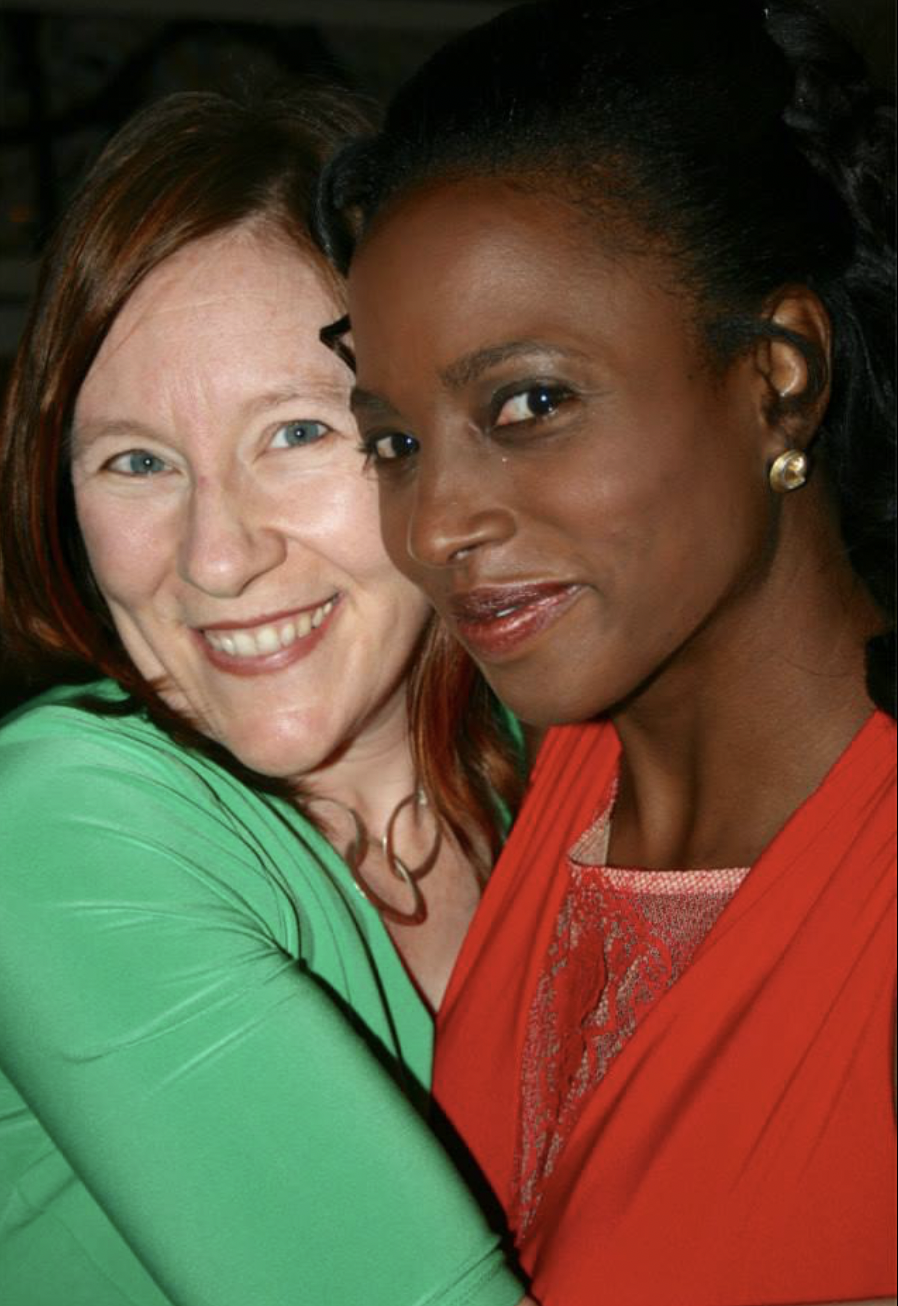
Michelle Cassandra Johnson is an author, activist, spiritual teacher, racial equity consultant, and intuitive healer. She is the author of six books, including Skill in Action and Finding Refuge. Amy Burtaine is a leadership coach and racial equity trainer. With Robin DiAngelo, she is the coauthor of The Facilitator's Guide for White Affinity Groups. For more, visit https://www.michellecjohnson.com/wisdom-of-the-hive.

Amy Burtaine

Amy Burtaine is a leadership coach and racial equity trainer. Her trainings for meaningful social change include work with Google, the DNC, and the ACLU. With Robin DiAngelo, she is the coauthor of The Facilitator's Guide for White Affinity Groups.

Author photo © Jennifer Loomis

Michelle Cassandra Johnson

Michelle Cassandra Johnson is an author, activist, spiritual teacher, racial equity consultant, and intuitive healer. She teaches workshops and leads retreats and transformative experiences nationwide. She is the author of six books, including Skill in Action and Finding Refuge.

Author photo © Jodie Brim

Also By Author

Peter Levine on Somatic Experiencing: How the Body Hea...

Trauma can affect the body long after an experience has passed, showing up through tension, anxiety, emotional numbness, or disconnection. Somatic experiencing, developed by Peter Levine, helps people understand how the nervous system responds to trauma and how healing can happen through greater body awareness and regulation.

At Sounds True, we have spent decades sharing transformational teachings that support emotional healing, embodied awareness, and personal growth. Peter Levine’s work reflects our commitment to grounded and compassionate wisdom that helps people reconnect with themselves.

We’ll discuss somatic experiencing, trauma release, and how somatic therapy supports nervous system healing.

Key Takeaways:

  • Your Body Carries the Answers: Somatic experiencing helps regulate the nervous system after trauma by building body awareness and returning to the present moment, rather than revisiting the past.
  • Healing Calls for Time, Not Force: Peter Levine’s approach to trauma release honors the body’s natural pace, using small moments of safety and sensation to move out of survival patterns gradually.
  • Come Home to Yourself: Somatic therapy practices help restore emotional regulation, nervous system flexibility, and a deeper sense of connection within yourself.

What Is Somatic Experiencing and How Does It Support Healing Trauma in the Body?

When trauma lives in the body, it often shows up in ways that feel confusing: a sudden tightness in the chest during a calm moment, a wave of panic in a room that feels safe, or an emotional flatness that settles in when feelings become too much to hold. Peter Levine’s work with somatic experiencing offers a compassionate way of making sense of these experiences through the nervous system rather than through thoughts alone.

Somatic experiencing helps people reconnect with physical sensations safely and gradually. Rather than reliving painful events, the approach centers on present-moment awareness and nervous system regulation. Peter Levine teaches that trauma often comes from unresolved survival energy held within the body, and healing can happen through grounding, awareness, and connection. 

His thinking, developed through decades of research and traced throughout Waking the Tiger, established that trauma is a biological process the body is designed to complete. When the right conditions are in play, the body already carries the wisdom to find its way toward healing.

Insight Is The First Step Toward Transformation: Explore Teachings with Sounds True

Peter Levine on Somatic Experiencing and Trauma Release

Peter Levine describes trauma release as the body’s natural movement toward completion after stress or threat interrupts the nervous system. His teachings emphasize that the body already knows how to heal when it is given enough support and safety.

How Trauma Disrupts the Body’s Natural Responses

During overwhelming experiences, the nervous system activates survival responses such as fight, flight, or freeze. These responses are designed to protect the body during danger. Yet many people cannot fully complete those reactions because the situation feels too sudden, frightening, or inescapable.

Peter Levine explains that when survival energy remains unresolved, the body can continue carrying the effects of trauma long after the event has ended. This may appear as chronic tension, panic, emotional shutdown, hypervigilance, or physical discomfort. 

Somatic experiencing helps people slowly reconnect with these interrupted responses in manageable steps so the nervous system can begin releasing stored stress. Our Healing Trauma Online Course with Peter Levine walks through this process step by step, offering practices you can return to at your own pace.

Why Trauma Release Requires Safety and Patience

Trauma release does not happen through pressure or force. Peter Levine often speaks about the importance of moving slowly enough for the nervous system to remain regulated during healing. Small moments of awareness can create real shifts when approached with patience and care.

Somatic experiencing encourages people to notice physical sensations without becoming overwhelmed by them. A trembling sensation, a deeper breath, or a feeling of warmth can each signal that the body is beginning to move out of survival mode. These small moments are the real breakthroughs in somatic healing. Healing unfolds gradually as the nervous system learns that staying caught in patterns of protection is no longer necessary.

How the Body Stores Trauma According to Peter Levine

Peter Levine’s work highlights the ways trauma lives within the body through nervous system patterns, physical tension, and sensory experience. This perspective helps clarify why healing trauma in the body requires more than insight alone. Lasting change asks for patience, presence, and a willingness to listen to what the body is trying to communicate. 

The Nervous System and Survival Energy

When a person experiences danger, the nervous system mobilizes energy to protect the body. When this activation cannot fully resolve, the body may continue holding that energy long after the threat has passed.

Many trauma survivors describe feeling constantly on edge or emotionally shut down without a clear reason why. Somatic therapy brings awareness to these protective states with compassion rather than judgment. Peter Levine teaches that these responses are natural survival adaptations, expressions of the body’s protective wisdom that simply never had the opportunity to complete themselves. 

For a closer look at the science behind this process, Trauma and the Embodied Brain examines how the brain and nervous system work together through traumatic experience and what that means for lasting recovery.

Reconnecting With Sensation Through Somatic Therapy

Somatic therapy fosters healing by helping people rebuild trust in their physical experience. This often begins through gentle awareness of sensations such as temperature, pressure, movement, or breath. Rather than pulling away from discomfort or becoming consumed by it, individuals learn to stay present with curiosity. This kind of attention is deeply active, a compassionate act of coming home to yourself.

This gradual reconnection strengthens a person’s ability to catch stress before it becomes overwhelming. Over time, the body may begin responding with greater flexibility and ease. Peter Levine’s teachings remind us that awareness itself can become part of the healing process when approached with patience and care.

Somatic Therapy Practices for Healing Trauma in the Body

Somatic therapy includes simple yet powerful practices that help regulate the nervous system and support healing trauma in the body. These approaches encourage people to reconnect with themselves in grounded and compassionate ways.

Grounding Through Breath and Physical Awareness

Grounding practices bring attention back to the present moment through breath, physical sensations, and body awareness. Peter Levine teaches that these practices help the body feel safe enough to shift out of survival responses by gently redirecting attention from what is feared to what is actually present right now. 

Something as simple as noticing the weight of your feet on the floor or the steady rhythm of your breath can begin moving the nervous system toward calm. Finding Safety in Your Nervous System is a wonderful companion for anyone wanting to bring these practices into daily life.

Building Capacity for Emotional Regulation

Somatic therapy also helps people expand their ability to stay connected during emotional experiences without becoming overwhelmed. Practitioners often guide people between states of comfort and discomfort in gradual ways that build nervous system tolerance. This mirrors the way physical training strengthens the body, building resilience through small, consistent challenges.

This work builds emotional regulation by teaching the body that activation does not always lead to danger. Many people begin noticing increased steadiness, greater resilience, and a deeper sense of connection with themselves as they continue practicing embodied awareness. The Trauma Skills Program brings these capacities to life through a structured learning path alongside experienced, compassionate teachers.

Center Yourself and Discover the Power of Daily Meditation

Trauma Release and Nervous System Healing Through Somatic Experiencing

Somatic experiencing supports trauma release by helping the nervous system return to greater balance. Peter Levine’s teachings highlight several principles that guide this process with care and compassion.

  • Small Shifts Create Lasting Change: Trauma release often happens gradually through small shifts in sensation, posture, breath, and awareness. These moments may feel subtle at first, but over time they accumulate into real and lasting change in how the body holds and responds to stress.
  • Safety Always Comes First: The nervous system responds best to safety, patience, and gentle attention rather than force or pressure. Rushing the healing process can cause the system to contract rather than open, which is why Levine’s approach always begins with establishing safety first.
  • The Present Moment Is Medicine: Somatic experiencing helps people reconnect with the present moment rather than remaining caught in survival patterns from the past. This return to the present is itself a form of healing, a quiet signal to the nervous system that the threat has ended.
  • Your Symptoms Are Protective Responses: Trauma symptoms are often natural protective responses that continue after danger has ended. Seeing them this way, as protection rather than pathology, transforms the relationship people have with their own bodies.
  • Noticing a Sensation Is Enough: Somatic therapy encourages awareness of physical sensations so the body can begin releasing unresolved stress slowly and safely. Even noticing a sensation without trying to change it can be a powerful first step toward greater ease.
  • Healing Is a Homecoming: Healing trauma in the body means restoring the capacity for connection, regulation, and presence over time. At its heart, this work is a return to yourself, one breath at a time.

Peter Levine’s View on Somatic Therapy and Emotional Regulation

Peter Levine teaches that emotional regulation begins within the nervous system rather than through intellectual analysis alone. Many people attempt to manage difficult feelings by suppressing them or turning them over endlessly in the mind, yet the body may still remain in a state of activation. Somatic therapy opens another path by helping individuals recognize emotions through physical sensation and embodied awareness.

Tightness in the chest, shallow breathing, or tension in the shoulders may all reflect nervous system responses that need care and attention. Somatic experiencing encourages people to notice these signals with curiosity rather than fear. Over time, this practice creates more space between emotional activation and reaction. 

Awaken Your Inner Healing Power: Your Wellness Journey Starts Now

Final Thoughts

Peter Levine’s work with somatic experiencing is a compassionate reminder that trauma healing reaches well beyond the mind. Healing trauma in the body is about reconnecting with the body’s natural capacity for regulation, balance, and resilience. 

Through gentle awareness, grounded presence, and nervous system care, somatic therapy creates space for healing at a pace that feels safe and sustainable. We are honored to carry Peter Levine’s teachings as part of our living library. We believe everyone deserves a path back to themselves. 

Frequently Asked Questions About Somatic Experiencing and Healing Trauma

What is the main goal of somatic experiencing?

The main goal of somatic experiencing is to help regulate the nervous system after trauma. It supports healing by helping people become more aware of physical sensations connected to stress and survival responses.

Is somatic experiencing considered a form of somatic therapy?

Yes, somatic experiencing is a type of somatic therapy. It focuses specifically on nervous system regulation and the release of unresolved survival responses connected to trauma.

Can somatic experiencing help with anxiety?

Many people use somatic experiencing to support anxiety relief because it helps calm nervous system activation. The approach encourages grounding, body awareness, and greater emotional regulation.

How is somatic experiencing different from talk therapy?

Talk therapy often focuses on thoughts, emotions, and personal history. Somatic experiencing includes these elements while also paying close attention to physical sensations and nervous system responses within the body.

What happens during a somatic experiencing session?

A session may involve guided awareness of breath, posture, movement, or physical sensations. Practitioners help clients notice bodily responses slowly and safely without becoming overwhelmed.

Can trauma affect the body even after many years?

Yes, trauma can continue affecting the body long after an event has passed. People may experience tension, hypervigilance, fatigue, or emotional numbness connected to unresolved nervous system activation.

Does somatic experiencing involve physical touch?

Some practitioners may use touch with clear consent, though many sessions rely only on guided awareness and conversation. The approach depends on the practitioner’s training and the client’s comfort level.

Can somatic experiencing support everyday stress management?

Yes, many people practice somatic techniques for everyday nervous system support. Grounding exercises, breath awareness, and body-based mindfulness can help create a greater sense of calm and balance.

Michelle Cassandra Johnson is an author, activist, spiritual teacher, racial equity consultant, and intuitive healer. She is the author of six books, including Skill in Action and Finding Refuge. Amy Burtaine is a leadership coach and racial equity trainer. With Robin DiAngelo, she is the coauthor of The Facilitator’s Guide for White Affinity Groups. For more, visit https://www.michellecjohnson.com/wisdom-of-the-hive.

Revolutionary Love: Valarie Kaur on Loving in an Age o...

Anger, grief, and division can make connection feel impossible, both within ourselves and with each other. Many people are searching for ways to respond to conflict without being consumed by fear or hopelessness. Revolutionary love charts a path rooted in compassion, courage, and emotional honesty. Through this practice, we are invited to remain present during painful moments while continuing to care deeply for our communities and relationships.

At Sounds True, we have spent more than four decades sharing transformational teachings from leading spiritual teachers, visionaries, and wisdom keepers through books, podcasts, courses, and live events. Our mission has always been to nurture personal and collective awakening by making spiritual wisdom accessible, grounded, and deeply human.

Ahead, we discuss revolutionary love, Valarie Kaur’s teachings on love as activism, insights from See No Stranger, and how radical love practice can cultivate greater compassion and resilience in an age of rage.

Key Takeaways:

  • Compassion in a Divided World: Revolutionary love calls us toward courage, deep listening, and human connection during periods of division and uncertainty, even when the world makes that feel impossible.
  • Love That Fuels Real Change: Love as activism centers compassion and dignity alongside action, creating pathways for healing that anger alone cannot sustain.
  • Healing Begins With Daily Acts: Radical love practice takes root in small, consistent moments of care, strengthening relationships, communities, and personal resilience over time.

Center Yourself Through Daily Meditation

Navigating Revolutionary Love in an Age of Rage

Living in an age of rage can leave people emotionally exhausted and disconnected. Many feel caught between staying informed and protecting their inner sense of peace. Through revolutionary love, Valarie Kaur traces a compassionate response rooted in courage, empathy, and human connection.

Kaur’s teachings make clear that revolutionary love goes far deeper than idealism. This path asks us to stay present to suffering while refusing to dehumanize ourselves or others. Her work speaks to a deep longing for healing, dignity, and connection during painful times, and reminds us that this kind of love is always available, even when the world around us is not.

Valarie Kaur on Choosing Love During Difficult Times

Love, for Valarie Kaur, is not an abstraction. Her work describes it as a daily practice shaped through conscious choices. During periods of division or uncertainty, many people become reactive, guarded, or emotionally numb. Kaur calls us toward a different response grounded in compassion and awareness.

Valarie Kaur is a civil rights leader, lawyer, award-winning filmmaker, educator, and founder of the Revolutionary Love Project. Her work has been shaped by years of bearing witness to grief, violence, and injustice across the country. Through The People’s Inauguration, she brings practical tools for channeling that force in daily life, helping learners move from rage and despair toward grounded, compassionate action.

Deep Listening as an Act of Love

One of the central themes in Valarie Kaur’s teaching is the importance of listening with openness and curiosity. Many people enter conversations focused on defending their beliefs instead of truly receiving another person’s experience. 

Revolutionary love calls for a more compassionate approach, one that creates space for honesty and genuine connection. For those who want to take this further, the Nonviolent Communication Online Training Course delivers concrete language tools for expressing needs and hearing others without judgment, even in charged or emotionally difficult moments.

Slowing down and becoming more attentive helps us recognize the fear, grief, or pain that often exists beneath someone’s words and actions. That recognition alone can shift the entire tone of a conversation.

How See No Stranger Inspires Compassion and Connection

In See No Stranger, Valarie Kaur builds a framework for seeing others through the lens of shared humanity. Her book challenges readers to move beyond fear-based thinking and toward a deeper sense of connection. 

Seeing Others Beyond Division

Kaur encourages readers to move beyond labels and approach others with curiosity and empathy instead of assumptions. See No Stranger reminds us that compassion and accountability can exist together.

Harmful behavior should never be ignored, and revolutionary love creates space for truth, dignity, and shared humanity even during conflict. This is what separates love as activism from passive tolerance. Both care and accountability live within this practice, making it a path of genuine engagement rather than avoidance.

Reconnecting With the Self

The teachings in See No Stranger place real weight on self-compassion. Many of us spend so much energy caring for others that we lose connection with our own emotional needs. Others carry shame or self-criticism that quietly weakens a sense of belonging.

Kaur speaks about turning inward with gentleness and honesty. Radical love practice includes caring for ourselves with the same compassion we extend toward others. The Power of Self-Compassion course at Sounds True walks learners through guided practices for releasing self-judgment and rebuilding trust from the inside out, helping us recognize our wounds without being defined by them.

Self-awareness also strengthens emotional resilience during periods of conflict, grief, and uncertainty. Through reflection, rest, and committed self-care, revolutionary love becomes sustainable rather than emotionally draining.

Revolutionary Love as a Radical Love Practice

Revolutionary love becomes meaningful through consistent practice. Valarie Kaur describes radical love practice as something that shapes everyday interactions, relationships, and community life.

Practicing Love in Daily Interactions

Many people think of love as something expressed only through large gestures or emotional moments. Kaur reminds us that revolutionary love often appears through ordinary acts of care and presence.

Patience during a difficult conversation, kindness toward a stranger, or care extended to a friend in pain can all become expressions of radical love practice. These moments may seem small, yet they shape the emotional culture within families, workplaces, and communities. Returning to these small acts consistently is what deepens love from impulse into practice, even when the world around us feels fractured and far from healed.

Kaur encourages us to move through daily life with greater awareness. Simple choices rooted in empathy can interrupt cycles of fear, anger, and isolation. Over time, these practices build the kind of trust that holds communities together.

Building Courage Through Community

Radical love practice deepens within the community rather than in isolation. Shared grief, uncertainty, and collective pain all become more bearable when people face them together. Kaur speaks about the importance of finding relationships that encourage honesty, healing, and accountability.

Many people feel emotionally overwhelmed when facing injustice or hardship alone. Supportive communities create spaces where people can process emotions, share burdens, and sustain hope together. The Radical Compassion Challenge course was built exactly for this kind of communal growth, guiding participants through daily practices that deepen empathy and connection in a shared, supported environment.

Kaur also highlights that revolutionary love requires courage. Caring deeply for others can feel vulnerable in a world shaped by division and hostility. Community helps people remain grounded in their values even during difficult moments. Through collective care, we become more capable of responding to challenges with compassion, not fear.

Awaken Your Inner Healing Power and Learn the Power of Love

Love as Activism and the Power of Collective Healing

Love as activism asks people to remain engaged with the world while staying rooted in humanity and compassion. Valarie Kaur describes activism not simply as political action but as a way of caring for people and communities with courage and intention.

  • Confront Injustice With Empathy: Love as activism encourages people to face injustice without abandoning empathy or dignity. Staying connected to the humanity of others, even those we oppose, keeps our efforts rooted in purpose rather than hostility.
  • Accountability Without Dehumanization: Revolutionary love creates space for truth and accountability while resisting hatred and dehumanization. Naming harm does not require denying someone’s humanity. Both truths can exist at the same time.
  • Sustain Your Inner Resources: Radical love practice includes caring for emotional and spiritual health so we can continue showing up for others over time. Burnout is one of the greatest threats to sustained activism, and love asks us to replenish as much as we give.
  • Compassion Builds Stronger Communities: Communities grounded in compassion are often more capable of healing division and building lasting connections. When members feel seen and valued, community becomes a source of strength rather than another space where people perform their goodness.
  • Presence Over Performance: Love-centered activism values listening, presence, and shared humanity alongside action and advocacy. Slowing down to truly hear someone can be as radical as any public act.
  • Hope as a Radical Commitment: Revolutionary love encourages people to remain hopeful even when progress feels slow or uncertain. Hope grounded in love is not naivety. 
  • Healing Comes Through Truth-Telling: Collective healing becomes possible when people bring honesty, compassion, and accountability together. 

Valarie Kaur’s Call to Love Yourself, Too

Valarie Kaur teaches that revolutionary love is both practical and transformative. This practice is available to anyone willing to lead with compassion and awareness. Spiritual leaders and public figures hold no exclusive claim to it.

Her message encourages curiosity during moments of conflict and reminds us that every person carries experiences and struggles that may not be immediately visible. Kaur also highlights the importance of courage, inviting people to remain emotionally present instead of withdrawing into fear or resentment.

Revolutionary love also turns inward. When we practice compassion toward others without extending it toward ourselves, something quietly burns out. Kaur asks us to treat our own grief, anger, and longing with the same patience we extend outward. Learning to love in a broken world begins with learning how to stay with ourselves through that brokenness, with honesty, without judgment, and with the same care we so readily give to everyone else.

Learn How Your Mind and Heart Works

Final Thoughts

Revolutionary love invites us to remain connected to compassion, courage, and humanity even during painful and uncertain times. Valarie Kaur’s teachings remind us that love is active, present, and courageous. Love is a daily practice shaped through presence, accountability, and care for one another.

Through practices rooted in love as activism and radical love practice, we can move toward greater connection within ourselves, our relationships, and our communities while facing the world with empathy and hope.

At Sounds True, our courses, podcasts, and programs exist to nurture that journey at every step. From Valarie Kaur’s work to practices in compassion, communication, and healing, our library was built for people who refuse to let fear have the last word. Whatever stage of the path you are on, we are here.

Frequently Asked Questions About Revolutionary Love: Valarie Kaur on Loving in an Age of Rage

What does revolutionary love mean in everyday life?

Revolutionary love means choosing compassion, accountability, and empathy in daily interactions, especially during moments of conflict, stress, or emotional distance.

Who is Valarie Kaur?

Valarie Kaur is a civil rights leader, lawyer, filmmaker, and author known for her teachings on revolutionary love, justice, and collective healing.

What is the message behind See No Stranger?

See No Stranger encourages readers to view others through the lens of shared humanity instead of fear, separation, or judgment.

How does love as activism differ from traditional activism?

Love as activism centers compassion and human dignity alongside action. It encourages meaningful change without relying solely on anger or hostility.

Why are people drawn to revolutionary love today?

Many people are searching for ways to stay engaged with social issues while protecting their emotional well-being and sense of connection with others.

Can revolutionary love exist during disagreement?

Yes. Revolutionary love does not avoid disagreement. Instead, it encourages respectful dialogue, empathy, and accountability during difficult conversations.

Is radical love practice connected to spirituality?

Radical love practice can be spiritual, emotional, or community-based. It focuses on awareness, compassion, and intentional care for self and others.

How can someone begin practicing revolutionary love?

People can begin through small actions like listening deeply, responding with patience, setting healthy boundaries, and showing compassion in everyday moments.

Why is emotional resilience important in love as activism?

Emotional resilience helps people remain present and compassionate during stressful situations without becoming overwhelmed or emotionally disconnected.

What makes Valarie Kaur’s teachings relevant today?

Her teachings address division, grief, burnout, and uncertainty while offering grounded practices that encourage healing, courage, and human connection.

Michelle Cassandra Johnson is an author, activist, spiritual teacher, racial equity consultant, and intuitive healer. She is the author of six books, including Skill in Action and Finding Refuge. Amy Burtaine is a leadership coach and racial equity trainer. With Robin DiAngelo, she is the coauthor of The Facilitator’s Guide for White Affinity Groups. For more, visit https://www.michellecjohnson.com/wisdom-of-the-hive.

Facing Mortality: How to Find Peace When Confronting D...

Death is one of the few experiences every person will face, yet many people avoid speaking openly about it. Thoughts about mortality can bring fear, sadness, and uncertainty, but they can also deepen gratitude, strengthen relationships, and encourage a more present way of living. When we begin acknowledging the reality of death, life itself often feels more honest and alive.

At Sounds True, we have spent more than 40 years sharing teachings from spiritual leaders, meditation teachers, psychologists, and wisdom keepers who help people navigate grief, impermanence, healing, and conscious living with compassion and clarity.

Here, we discuss facing mortality, death acceptance, mortality meditation, and spiritual approaches that may support greater peace and emotional understanding around death.

Key Takeaways:

  • When Fear Softens Into Freedom: Learning to acknowledge mortality can reduce fear and create more emotional openness in everyday life.
  • How Reflection Deepens Gratitude: Reflective practices like mortality meditation can deepen gratitude, compassion, and awareness of the present moment.
  • Peace Grows Through Connection: Honest conversations, spiritual reflection, and connection with others often support greater end of life peace.

Awaken Your Inner Healing Power and Learn to Confront Death

What It Really Means to Face Mortality 

Facing mortality often begins through loss, aging, illness, or the realization that life moves quickly. While these experiences can feel unsettling, many spiritual traditions teach that acknowledging mortality can deepen presence, compassion, and honesty.

Impermanence is part of every human experience, yet avoiding thoughts about death often strengthens fear beneath the surface. Reflecting on mortality can shift perspective, making relationships, conversations, and everyday moments feel more meaningful and precious.

There is also comfort in remembering that mortality is a shared human experience. Every person carries questions about loss and death, and recognizing this shared vulnerability can create deeper empathy and connection.

Why Death Acceptance Can Bring Greater Emotional Freedom

Death acceptance is not about pretending grief or fear disappears. Rather, it is about loosening the struggle against realities that cannot be controlled. Many people spend years avoiding thoughts of death, yet avoidance often creates emotional tension and unease. Acceptance allows people to meet life with greater honesty and less resistance. 

Learning to Release the Need for Control

Much of our fear comes from wanting certainty about the future, yet mortality reminds us that life cannot be fully controlled. While this can feel uncomfortable, it may also create emotional freedom and a deeper sense of presence.

Practices such as meditation, prayer, journaling, and honest conversations can help people remain grounded even when answers are unclear, and Pema Chödrön’s course, Embracing the Unknown, was created to guide people through exactly this kind of unsettled inner terrain by focusing on the concept of bardo, or the in-between space beyond death.

Allowing Grief and Love to Exist Together

Grief is often seen as something to overcome quickly, yet it reflects the depth of human love. Death acceptance encourages people to honor sorrow rather than resist it. Loss can still feel painful and disorienting, but allowing grief to exist openly often creates more space for healing than suppressing it. Tears, memories, and longing become expressions of love rather than weakness.

Mourning deeply and still feeling grateful for the relationships and experiences that shaped a life can happen at the same time. Grief and gratitude are not opposites. They are two expressions of the same deep love.

Commonalities In Spiritual Approaches to Accepting and Understanding Death

Death has been approached from a spiritual perspective for centuries, often centering on impermanence as a path toward greater awareness and compassion. While spiritual traditions differ in belief and language, many encourage people to contemplate impermanence as a path toward deeper presence rather than fear. 

Seeing Impermanence as a Sacred Part of Life

Impermanence is part of every human experience. Bodies age, emotions change, and life continues shifting moment by moment. 

Many spiritual traditions teach that recognizing this truth can deepen appreciation for everyday life. When people remember that experiences are temporary, they often become more present and attentive. Simple moments, honest conversations, and time with loved ones can feel more valuable and emotionally rich.

Awareness of mortality can also encourage forgiveness. Conflicts and resentment often lose their intensity when life is viewed as finite, creating more space for compassion, connection, and healing.

Practicing Presence Through Spiritual Reflection

Spiritual reflection creates space for stillness and inner awareness. Practices like meditation, prayer, breathwork, and mindful silence help people sit with difficult emotions instead of avoiding them, and The Power of Awareness offers a structured path into the kind of presence that makes this possible.

While these practices do not remove uncertainty about death, they can help people feel more grounded within it. Over time, many notice that fear softens through presence, reflection, and connection.

How Mortality Meditation Helps Us Stay Present

Mortality meditation is a contemplative practice that encourages honest reflection on the temporary nature of life. Rather than focusing on fear, this practice helps cultivate gratitude, awareness, and emotional clarity. 

Using Mortality Meditation to Deepen Awareness

A mortality meditation practice may involve reflecting quietly on the reality that every moment eventually passes. This awareness can sharpen attention and help people reconnect with the present moment instead of living distracted or emotionally numb.

Simple experiences often become more meaningful through this practice. The sound of laughter, the warmth of sunlight, or the comfort of sitting beside someone you love may feel more vivid when viewed through the understanding that life is temporary.

Mortality meditation can also reveal how often fear influences daily habits. Many people stay constantly busy because silence feels uncomfortable. Sitting with mortality may initially feel challenging, yet it often creates greater emotional honesty and clarity over time.

Building Compassion Through Contemplation

This practice also deepens compassion by reminding people that every human being shares vulnerability, loss, and uncertainty. Remembering this can soften judgment and increase empathy toward others.

Compassion grows naturally when people recognize that everyone carries invisible struggles. Relationships may become more heartfelt and less superficial. Listening becomes more patient. Deep human connection begins to feel more important than competition or outward appearances.

Step Inside Your Mind, And Learn How It Works

Finding End of Life Peace Through Compassion and Connection

End of life peace often grows through emotional openness, compassionate care, and sincere connection with the people we love.

  • Honest conversations with loved ones can reduce fear and create emotional closeness. Naming fears openly, even when words feel imperfect, often brings more relief than silence ever could.
  • Meditation, prayer, and mindful breathing may offer steadiness during uncertainty, and our course, Finding Calm in the Storm, provides gentle guidance for staying grounded when life feels most turbulent.
  • Forgiveness can help release emotional pain carried for many years. Choosing to forgive does not mean forgetting. Rather, it means freeing yourself from the weight of unresolved hurt so that peace has room to enter.
  • Spending time in nature often reminds people that life moves in cycles of change and renewal. Watching the seasons shift or sitting near moving water can offer quiet comfort and a sense of natural continuity.
  • Listening deeply to someone nearing death may be more healing than trying to offer perfect advice. Presence itself is a profound gift, and sometimes the most loving thing is simply to stay.
  • Shared rituals, storytelling, music, and quiet presence can bring comfort during grief. These small acts of remembrance honor lives lived fully and keep the warmth of connection alive.
  • Allowing emotions to be expressed openly creates more room for healing and connection. When people feel safe to grieve without judgment, healing tends to move more naturally and fully.

Common Fears That Arise When Facing Mortality

Many fears emerge when facing mortality. Some people fear physical suffering or losing independence. Others worry about leaving loved ones behind, carrying regret, or reaching the end of life without fulfillment. Fear of the unknown can feel especially difficult because it reaches beyond what the mind can fully grasp.

These fears are deeply human and deserve compassion rather than judgment. Avoiding them often increases emotional distress beneath the surface. Speaking openly about mortality can reduce shame and create relief through shared honesty and recognition.

Fear may also reveal what matters most. The fear of loss reflects love. The fear of regret points toward a longing to live authentically. Rather than viewing fear as weakness, we can approach it as an invitation to deeper self-awareness and honesty.

Practices That Support Death Acceptance and Inner Calm

Practices that support death acceptance often encourage emotional presence rather than avoidance. Mindfulness meditation helps people observe difficult thoughts and emotions without immediately becoming overwhelmed by them. Journaling allows space for honest reflection and emotional processing.

Community also plays an important role. Conversations with trusted friends, spiritual teachers, therapists, or support groups can reduce feelings of isolation. Creative practices such as music, poetry, storytelling, and art may help express emotions that feel difficult to describe directly.

Nature can also offer comfort. For example, watching the changing seasons, falling leaves, or ocean tides reminds people that impermanence exists everywhere in our world. This awareness often creates a gentler relationship with change and loss. These practices help people develop greater emotional steadiness and compassion while facing life’s uncertainties, and a program like Opening to Our Lives gently supports this kind of ongoing openness to whatever life holds.

Facing Mortality as a Path to Meaning, Gratitude, and Peace

Facing mortality can become an invitation to live more intentionally. Awareness of death often clarifies what truly matters and encourages people to spend their time with greater care and sincerity. Everyday moments begin carrying deeper meaning because they are recognized as temporary and precious.

Many people discover that mortality awareness inspires greater honesty, compassion, and gratitude. Relationships feel more valuable. Expressions of love become more important. Small moments of connection carry unexpected beauty.

Peace rarely arrives as a sudden transformation. More often, it appears quietly through acceptance, presence, and meaningful connection. Facing mortality does not erase grief or uncertainty, but it can soften resistance and open the heart to a deeper experience of life itself.

Center Yourself With Guided Audios, Wisdom Teachings, and More

Final Thoughts

Facing mortality can feel uncomfortable, yet it also has the power to awaken greater compassion, honesty, and presence. By allowing space for reflection, grief, and heartfelt connection, people often discover that peace does not come from avoiding death, but from meeting life more fully. Mortality reminds us that every moment carries value, and that even in uncertainty, there is room for gratitude, love, and inner calm. 

At Sounds True, we have spent more than 40 years gathering teachers, psychologists, meditation guides, and wisdom keepers whose work speaks to exactly these moments. Whether you are sitting with grief, searching for steadiness, or simply beginning to ask harder questions about life and death, our digital courses and programs are here to meet you where you are. 

Frequently Asked Questions About Facing Mortality

What does facing mortality mean emotionally?

Facing mortality emotionally means becoming aware that life is temporary and allowing yourself to process the feelings that arise from that awareness, including fear, grief, gratitude, and acceptance.

Why do people avoid conversations about death?

Many people avoid discussing death because it brings uncertainty and emotional discomfort. Cultural taboos and fear of loss can also make these conversations feel difficult or overwhelming.

Can facing mortality improve mental well-being?

Yes. For some people, acknowledging mortality can reduce hidden anxiety and encourage a more intentional and meaningful approach to life, relationships, and emotional health.

Is death acceptance the same as giving up on life?

No. Death acceptance is not about hopelessness. It is about recognizing the natural reality of impermanence while continuing to live with presence, purpose, and emotional honesty.

How can spirituality help someone cope with mortality?

Spiritual practices such as meditation, prayer, or contemplation may help people feel more grounded, connected, and emotionally supported while navigating thoughts about death and uncertainty.

What is the purpose of mortality meditation?

Mortality meditation encourages reflection on life’s temporary nature so people can become more aware, compassionate, and appreciative of the present moment.

How can families support loved ones facing the end of life?

Families can offer support through honest communication, active listening, emotional presence, and respecting the wishes and feelings of the person experiencing the end-of-life process.

Why does mortality awareness increase gratitude?

When people recognize that life is temporary, they often become more attentive to everyday experiences and relationships, which can deepen appreciation and emotional connection.

Can children understand conversations about mortality?

Children can understand mortality in age-appropriate ways. Honest and compassionate conversations often help children process loss and feel emotionally supported rather than confused or isolated.

How can someone begin practicing death acceptance?

People often begin through small reflective practices such as journaling, meditation, therapy, spiritual study, or open conversations about fear, grief, and impermanence.

Michelle Cassandra Johnson is an author, activist, spiritual teacher, racial equity consultant, and intuitive healer. She is the author of six books, including Skill in Action and Finding Refuge. Amy Burtaine is a leadership coach and racial equity trainer. With Robin DiAngelo, she is the coauthor of The Facilitator’s Guide for White Affinity Groups. For more, visit https://www.michellecjohnson.com/wisdom-of-the-hive.

You Might Also Enjoy

Revolutionary Love: Valarie Kaur on Loving in an Age o...

Anger, grief, and division can make connection feel impossible, both within ourselves and with each other. Many people are searching for ways to respond to conflict without being consumed by fear or hopelessness. Revolutionary love charts a path rooted in compassion, courage, and emotional honesty. Through this practice, we are invited to remain present during painful moments while continuing to care deeply for our communities and relationships.

At Sounds True, we have spent more than four decades sharing transformational teachings from leading spiritual teachers, visionaries, and wisdom keepers through books, podcasts, courses, and live events. Our mission has always been to nurture personal and collective awakening by making spiritual wisdom accessible, grounded, and deeply human.

Ahead, we discuss revolutionary love, Valarie Kaur’s teachings on love as activism, insights from See No Stranger, and how radical love practice can cultivate greater compassion and resilience in an age of rage.

Key Takeaways:

  • Compassion in a Divided World: Revolutionary love calls us toward courage, deep listening, and human connection during periods of division and uncertainty, even when the world makes that feel impossible.
  • Love That Fuels Real Change: Love as activism centers compassion and dignity alongside action, creating pathways for healing that anger alone cannot sustain.
  • Healing Begins With Daily Acts: Radical love practice takes root in small, consistent moments of care, strengthening relationships, communities, and personal resilience over time.

Center Yourself Through Daily Meditation

Navigating Revolutionary Love in an Age of Rage

Living in an age of rage can leave people emotionally exhausted and disconnected. Many feel caught between staying informed and protecting their inner sense of peace. Through revolutionary love, Valarie Kaur traces a compassionate response rooted in courage, empathy, and human connection.

Kaur’s teachings make clear that revolutionary love goes far deeper than idealism. This path asks us to stay present to suffering while refusing to dehumanize ourselves or others. Her work speaks to a deep longing for healing, dignity, and connection during painful times, and reminds us that this kind of love is always available, even when the world around us is not.

Valarie Kaur on Choosing Love During Difficult Times

Love, for Valarie Kaur, is not an abstraction. Her work describes it as a daily practice shaped through conscious choices. During periods of division or uncertainty, many people become reactive, guarded, or emotionally numb. Kaur calls us toward a different response grounded in compassion and awareness.

Valarie Kaur is a civil rights leader, lawyer, award-winning filmmaker, educator, and founder of the Revolutionary Love Project. Her work has been shaped by years of bearing witness to grief, violence, and injustice across the country. Through The People’s Inauguration, she brings practical tools for channeling that force in daily life, helping learners move from rage and despair toward grounded, compassionate action.

Deep Listening as an Act of Love

One of the central themes in Valarie Kaur’s teaching is the importance of listening with openness and curiosity. Many people enter conversations focused on defending their beliefs instead of truly receiving another person’s experience. 

Revolutionary love calls for a more compassionate approach, one that creates space for honesty and genuine connection. For those who want to take this further, the Nonviolent Communication Online Training Course delivers concrete language tools for expressing needs and hearing others without judgment, even in charged or emotionally difficult moments.

Slowing down and becoming more attentive helps us recognize the fear, grief, or pain that often exists beneath someone’s words and actions. That recognition alone can shift the entire tone of a conversation.

How See No Stranger Inspires Compassion and Connection

In See No Stranger, Valarie Kaur builds a framework for seeing others through the lens of shared humanity. Her book challenges readers to move beyond fear-based thinking and toward a deeper sense of connection. 

Seeing Others Beyond Division

Kaur encourages readers to move beyond labels and approach others with curiosity and empathy instead of assumptions. See No Stranger reminds us that compassion and accountability can exist together.

Harmful behavior should never be ignored, and revolutionary love creates space for truth, dignity, and shared humanity even during conflict. This is what separates love as activism from passive tolerance. Both care and accountability live within this practice, making it a path of genuine engagement rather than avoidance.

Reconnecting With the Self

The teachings in See No Stranger place real weight on self-compassion. Many of us spend so much energy caring for others that we lose connection with our own emotional needs. Others carry shame or self-criticism that quietly weakens a sense of belonging.

Kaur speaks about turning inward with gentleness and honesty. Radical love practice includes caring for ourselves with the same compassion we extend toward others. The Power of Self-Compassion course at Sounds True walks learners through guided practices for releasing self-judgment and rebuilding trust from the inside out, helping us recognize our wounds without being defined by them.

Self-awareness also strengthens emotional resilience during periods of conflict, grief, and uncertainty. Through reflection, rest, and committed self-care, revolutionary love becomes sustainable rather than emotionally draining.

Revolutionary Love as a Radical Love Practice

Revolutionary love becomes meaningful through consistent practice. Valarie Kaur describes radical love practice as something that shapes everyday interactions, relationships, and community life.

Practicing Love in Daily Interactions

Many people think of love as something expressed only through large gestures or emotional moments. Kaur reminds us that revolutionary love often appears through ordinary acts of care and presence.

Patience during a difficult conversation, kindness toward a stranger, or care extended to a friend in pain can all become expressions of radical love practice. These moments may seem small, yet they shape the emotional culture within families, workplaces, and communities. Returning to these small acts consistently is what deepens love from impulse into practice, even when the world around us feels fractured and far from healed.

Kaur encourages us to move through daily life with greater awareness. Simple choices rooted in empathy can interrupt cycles of fear, anger, and isolation. Over time, these practices build the kind of trust that holds communities together.

Building Courage Through Community

Radical love practice deepens within the community rather than in isolation. Shared grief, uncertainty, and collective pain all become more bearable when people face them together. Kaur speaks about the importance of finding relationships that encourage honesty, healing, and accountability.

Many people feel emotionally overwhelmed when facing injustice or hardship alone. Supportive communities create spaces where people can process emotions, share burdens, and sustain hope together. The Radical Compassion Challenge course was built exactly for this kind of communal growth, guiding participants through daily practices that deepen empathy and connection in a shared, supported environment.

Kaur also highlights that revolutionary love requires courage. Caring deeply for others can feel vulnerable in a world shaped by division and hostility. Community helps people remain grounded in their values even during difficult moments. Through collective care, we become more capable of responding to challenges with compassion, not fear.

Awaken Your Inner Healing Power and Learn the Power of Love

Love as Activism and the Power of Collective Healing

Love as activism asks people to remain engaged with the world while staying rooted in humanity and compassion. Valarie Kaur describes activism not simply as political action but as a way of caring for people and communities with courage and intention.

  • Confront Injustice With Empathy: Love as activism encourages people to face injustice without abandoning empathy or dignity. Staying connected to the humanity of others, even those we oppose, keeps our efforts rooted in purpose rather than hostility.
  • Accountability Without Dehumanization: Revolutionary love creates space for truth and accountability while resisting hatred and dehumanization. Naming harm does not require denying someone’s humanity. Both truths can exist at the same time.
  • Sustain Your Inner Resources: Radical love practice includes caring for emotional and spiritual health so we can continue showing up for others over time. Burnout is one of the greatest threats to sustained activism, and love asks us to replenish as much as we give.
  • Compassion Builds Stronger Communities: Communities grounded in compassion are often more capable of healing division and building lasting connections. When members feel seen and valued, community becomes a source of strength rather than another space where people perform their goodness.
  • Presence Over Performance: Love-centered activism values listening, presence, and shared humanity alongside action and advocacy. Slowing down to truly hear someone can be as radical as any public act.
  • Hope as a Radical Commitment: Revolutionary love encourages people to remain hopeful even when progress feels slow or uncertain. Hope grounded in love is not naivety. 
  • Healing Comes Through Truth-Telling: Collective healing becomes possible when people bring honesty, compassion, and accountability together. 

Valarie Kaur’s Call to Love Yourself, Too

Valarie Kaur teaches that revolutionary love is both practical and transformative. This practice is available to anyone willing to lead with compassion and awareness. Spiritual leaders and public figures hold no exclusive claim to it.

Her message encourages curiosity during moments of conflict and reminds us that every person carries experiences and struggles that may not be immediately visible. Kaur also highlights the importance of courage, inviting people to remain emotionally present instead of withdrawing into fear or resentment.

Revolutionary love also turns inward. When we practice compassion toward others without extending it toward ourselves, something quietly burns out. Kaur asks us to treat our own grief, anger, and longing with the same patience we extend outward. Learning to love in a broken world begins with learning how to stay with ourselves through that brokenness, with honesty, without judgment, and with the same care we so readily give to everyone else.

Learn How Your Mind and Heart Works

Final Thoughts

Revolutionary love invites us to remain connected to compassion, courage, and humanity even during painful and uncertain times. Valarie Kaur’s teachings remind us that love is active, present, and courageous. Love is a daily practice shaped through presence, accountability, and care for one another.

Through practices rooted in love as activism and radical love practice, we can move toward greater connection within ourselves, our relationships, and our communities while facing the world with empathy and hope.

At Sounds True, our courses, podcasts, and programs exist to nurture that journey at every step. From Valarie Kaur’s work to practices in compassion, communication, and healing, our library was built for people who refuse to let fear have the last word. Whatever stage of the path you are on, we are here.

Frequently Asked Questions About Revolutionary Love: Valarie Kaur on Loving in an Age of Rage

What does revolutionary love mean in everyday life?

Revolutionary love means choosing compassion, accountability, and empathy in daily interactions, especially during moments of conflict, stress, or emotional distance.

Who is Valarie Kaur?

Valarie Kaur is a civil rights leader, lawyer, filmmaker, and author known for her teachings on revolutionary love, justice, and collective healing.

What is the message behind See No Stranger?

See No Stranger encourages readers to view others through the lens of shared humanity instead of fear, separation, or judgment.

How does love as activism differ from traditional activism?

Love as activism centers compassion and human dignity alongside action. It encourages meaningful change without relying solely on anger or hostility.

Why are people drawn to revolutionary love today?

Many people are searching for ways to stay engaged with social issues while protecting their emotional well-being and sense of connection with others.

Can revolutionary love exist during disagreement?

Yes. Revolutionary love does not avoid disagreement. Instead, it encourages respectful dialogue, empathy, and accountability during difficult conversations.

Is radical love practice connected to spirituality?

Radical love practice can be spiritual, emotional, or community-based. It focuses on awareness, compassion, and intentional care for self and others.

How can someone begin practicing revolutionary love?

People can begin through small actions like listening deeply, responding with patience, setting healthy boundaries, and showing compassion in everyday moments.

Why is emotional resilience important in love as activism?

Emotional resilience helps people remain present and compassionate during stressful situations without becoming overwhelmed or emotionally disconnected.

What makes Valarie Kaur’s teachings relevant today?

Her teachings address division, grief, burnout, and uncertainty while offering grounded practices that encourage healing, courage, and human connection.

Michelle Cassandra Johnson is an author, activist, spiritual teacher, racial equity consultant, and intuitive healer. She is the author of six books, including Skill in Action and Finding Refuge. Amy Burtaine is a leadership coach and racial equity trainer. With Robin DiAngelo, she is the coauthor of The Facilitator’s Guide for White Affinity Groups. For more, visit https://www.michellecjohnson.com/wisdom-of-the-hive.

nico and devon hase: Buddhist Volcanoes In Love


What if everything you believed about a healthy relationship—the harmony, the peace, the perfectly matched wheels—was the very thing getting in the way?

This week, Tami Simon speaks with nico and devon hase—married Buddhist teachers, longtime meditation practitioners, and co-authors of the new Sounds True book This Messy, Gorgeous Love: A Buddhist Guide to Lasting Partnership—about what it actually takes to build a partnership that transforms rather than just endures.

Join Tami, nico, and devon to explore:

  • Why relationships are inherently rough—and why accepting that is the first act of real intimacy
  • The three conflict styles (volcanoes, diplomats, and dodgers) and how to work skillfully with your own
  • The tightrope principle: why lasting partnership means always finding your balance, never holding it
  • The daily check-in practice nico and devon discovered during three years of solitary retreat—and why it’s deceptively powerful
  • How death contemplation can dissolve petty resentments and bring fierce clarity to what actually matters
  • The “third space” in relationship: listening to the partnership itself as its own living being
  • Body shame, shifting desire, and sexuality as an awakening path—from devon’s own retreat discoveries
  • Why bodhichitta—the awakened heart of service—might be the most honest metric for whether a relationship is worth tending

Whether you’re navigating a decades-long partnership or wondering if intimacy and spiritual depth can coexist at all, nico and devon offer both radical honesty and genuine hope.

Listen now →

This conversation offers genuine transmission—not just concepts about awakening, but the palpable presence of realized teachers exploring the growing edge of spiritual understanding together. Originally aired on Sounds True One.

This episode is sponsored by Omega Institute, a global gathering hub for lifelong learning and spiritual exploration. Located in upstate New York’s beautiful Hudson Valley, Omega offers weekend workshops, special events, rest and rejuvenation retreats, professional trainings, online learning, and more. Discover what calls to you at eomega.org/true.

Being Single as Spiritual Practice: An Intentional Exp...

What if being single was not something to move past, but something to meet with awareness? Time alone can reveal patterns, emotions, and inner rhythms that are often missed in the presence of constant connection. In that space, being single can become a meaningful experience rather than an empty one.

For decades, we have shared spiritual wisdom from leading teachers and practitioners, offering a living library of insights that support presence, self-awareness, and transformation. Our work is rooted in real conversations and teachings that invite people to turn inward with honesty and care.

Here, we look at being single as a spiritual growth as an intentional practice, and how intentional singleness, self discovery alone, and spirituality support a deeper connection with yourself.

Key Takeaways:

  • Clarity Through Solitude: Being single, spiritual growth offers space to observe patterns and build deeper self-awareness without external influence.
  • Intentional Living: Intentional singleness supports emotional clarity, personal agency, and a stronger connection to your inner life.
  • Spiritual Alignment: Singleness and spirituality together foster presence, helping you cultivate a grounded sense of wholeness over time.

Awaken Your Inner Healing Power with Guided Practices by Sounds True

Being Single: Spiritual Growth Through Intentional Singleness

Being single, spiritual growth begins with a shift in perspective. Instead of something to move beyond, singleness becomes a space for awareness. Intentional singleness invites direct experience through presence, where we begin to notice our thoughts, emotions, and deeper patterns more clearly.

Without the pull of external expectations, a quiet honesty emerges. We start to see what has been beneath the surface, even when it feels uncomfortable. Staying with these experiences becomes a practice, helping us meet uncertainty and recognize moments of natural ease.

In this way, being single is less about becoming someone new and more about being present with who we already are, steady beneath changing circumstances.

Intentional Singleness as a Path to Self Discovery Alone

Intentional singleness opens a doorway into self discovery alone that feels spacious and grounded. It becomes a time not of isolation, but of listening more closely to the inner life.

Turning Inward with Clarity

As we settle into intentional singleness, attention shifts inward. Thoughts and emotions become clearer, making it easier to notice patterns like seeking approval or avoiding discomfort.

These insights arise through presence, not force. Self discovery alone unfolds naturally when we allow ourselves to simply observe what is here.

Creating Space for Authentic Growth

Growth unfolds differently when it is not shaped by external expectations. Intentional singleness creates room for experimentation, for curiosity, and for rest.

In this space, we can explore what truly feels aligned. This might include creative expression, spiritual practice, or simply learning how to be still. These explorations are not about achieving something. They are about discovering what feels real.

Over time, this kind of growth supports a deeper sense of authenticity. We begin to trust our own experience. We begin to move through life with a little more ease.

Self Discovery Alone in the Context of Singleness and Spirituality

Self discovery alone deepens when it is held within the wider field of singleness and spirituality. It becomes more than a reflection. It becomes a direct encounter with our lived experience.

Meeting Yourself Beyond Roles

Relationships often invite us into roles, some conscious, some not. When we step into singleness, those roles begin to soften. There is less structure around who we are supposed to be.

This can feel unfamiliar at first. Without those familiar identities, we may wonder who we are. Yet this question carries a quiet power. It opens a space where we can meet ourselves more directly.

In singleness and spirituality, this meeting is not about defining ourselves. It is about experiencing ourselves as we are, moment by moment.

Deepening Awareness Through Spiritual Practice

Spiritual practice naturally supports this process of self discovery alone. With more time and space, practices such as meditation or reflective writing can become part of daily life.

These practices invite us to stay with our experience. They help us notice the movement of the mind without becoming caught in it. They support a kind of awareness that is steady and open.

Over time, this awareness begins to extend beyond formal practice. It becomes part of how we live. Singleness and spirituality begin to feel less like separate ideas and more like a shared way of being.

Being Single, Spiritual Growth, and the Power of Being Single by Choice

Being single, spiritual growth takes on a deeper resonance when we are single by choice. There is a sense of alignment that comes from consciously entering this space.

Reclaiming Agency

Choosing to be single shifts the experience from something that is happening to us into something we are participating in. This shift can feel subtle, yet it changes the tone of the entire experience.

There is a sense of ownership in the choice. We begin to feel more grounded in our own lives. This does not mean everything feels certain. It means we are willing to be present with what is here.

This willingness becomes a form of strength. It supports a deeper trust in ourselves.

Honoring Your Own Timing

Being single by choice also allows us to step outside of timelines that may not truly belong to us. There is less pressure to move toward a particular outcome.

Instead, we can listen more carefully to what feels right in this moment. This listening is not always clear or immediate. It unfolds over time.

Honoring our own timing creates space for growth that feels organic. It allows us to move at a pace that supports genuine understanding rather than urgency.

Discover the Hidden Power of Daily Meditation

Single by Choice: A Deeper Look at Intentional Singleness and Spirituality

Choosing to be single by choice within intentional singleness and spirituality creates a supportive and meaningful path for inner work.

  • It offers space to build a steady relationship with your inner world, one that is not shaped by external validation
  • It supports a deeper engagement with spiritual practices that nurture presence and awareness
  • It allows you to observe relational patterns with greater clarity, without being inside them
  • It encourages a sense of wholeness that arises from within rather than from circumstance
  • It invites a compassionate relationship with your emotional experience

These elements come together in a way that feels both grounding and expansive. Intentional singleness is not separate from spirituality. It is an expression of it, a way of meeting life directly and allowing it to teach us.

Singleness and Spirituality as Foundations for Self Discovery Alone

Singleness and spirituality create a natural foundation for self-discovery to unfold on its own. Without the constant movement of relationships, there is more space to notice the subtle layers of experience. Thoughts, emotions, and sensations become easier to observe.

Spirituality, in this sense, is not about reaching for something beyond ourselves. It is about becoming more intimate with what is already here. It invites us to stay present with our experience, even when it feels uncertain or incomplete.

Through this presence, self discovery alone becomes less about finding answers and more about deepening awareness. We begin to trust that understanding will emerge in its own time. This trust creates a sense of ease that supports continued growth.

Intentional Singleness and Being Single: Spiritual Growth in Daily Practice

Intentional singleness and being single spiritual growth unfold through small moments of awareness woven into daily life. Simple pauses, quiet reflection, and mindful attention help you stay connected to your inner experience.

Each moment becomes an opportunity to observe and learn, gradually deepening your connection with yourself. This awareness continues to evolve, supported by the space intentional singleness creates.

Self Discovery Alone While Living Single by Choice with Spiritual Awareness

Self discovery alone while living single by choice with spiritual awareness brings a sense of coherence to the experience of singleness. There is less tension between where we are and where we think we should be.

Spiritual awareness supports us in meeting each moment as it arises. It allows us to stay present with both ease and discomfort. This presence creates a kind of stability that does not depend on external conditions.

As we continue to live in this way, self discovery alone becomes an ongoing process rather than a destination. There is always more to notice, more to understand, more to feel.

Over time, a quiet recognition begins to emerge. There is a sense that nothing essential is missing. There is a feeling of being at home within ourselves, even as life continues to change.

Learn How your Mind Really Works with Sounds True

Final Thoughts

Being single, approached with intention, becomes a space for awareness rather than absence. It invites a quieter kind of attention, where self discovery alone unfolds through presence and honesty, allowing you to meet your inner world with greater clarity and care.

Intentional singleness supports a deeper connection with your inner life, creating a sense of steadiness that is not dependent on circumstance. Singleness and spirituality remind us that growth comes from how we meet our experience, and in that meeting, a grounded sense of wholeness begins to take shape.

Frequently Asked Questions About Being Single: Spiritual Growth

What does being single, spiritual growth actually mean in daily life?

It refers to using your time alone as a space for awareness and reflection. In daily life, this can look like noticing your reactions, spending time in stillness, and building a relationship with your inner experience rather than avoiding it.

Can intentional singleness improve emotional resilience?

Yes, intentional singleness can strengthen emotional resilience by helping you stay present with difficult feelings instead of immediately seeking distraction or reassurance from others.

How is intentional singleness different from simply being single?

Intentional singleness involves a conscious choice to engage with your inner life. It is less about circumstance and more about how you relate to your experience while you are single.

Is self discovery alone possible without spiritual practices?

Self discovery alone can happen without formal practices, but spiritual tools like meditation or journaling often support deeper awareness and consistency in the process.

Does being single by choice affect future relationships?

Being single by choice can lead to healthier future relationships because it allows you to understand your patterns, needs, and boundaries more clearly before entering a partnership.

How do singleness and spirituality influence decision-making?

Singleness and spirituality can create more space to reflect before making decisions. This often leads to choices that feel more aligned with your values rather than reactive or rushed.

What challenges might arise during intentional singleness?

Common challenges include facing loneliness, restlessness, or uncertainty. These experiences are part of the process and can offer insight when approached with awareness.

Can being single support spiritual growth and life purpose?

Yes, it can create the space needed to reflect on what feels meaningful to you, helping clarify your direction without external pressure.

How long should someone practice intentional singleness?

There is no set timeline. The duration depends on your personal needs and what feels supportive for your growth at a given time.

Is self discovery alone a continuous process or a phase?

Self discovery alone is ongoing. Even if your relationship status changes, the awareness you develop continues to evolve over time.

Michelle Cassandra Johnson is an author, activist, spiritual teacher, racial equity consultant, and intuitive healer. She is the author of six books, including Skill in Action and Finding Refuge. Amy Burtaine is a leadership coach and racial equity trainer. With Robin DiAngelo, she is the coauthor of The Facilitator’s Guide for White Affinity Groups. For more, visit https://www.michellecjohnson.com/wisdom-of-the-hive.

Leave a Reply

Your email address will not be published. Required fields are marked *
