Just One Question | Pānquetzani: How Do We Honor Our Ancestors By Thriving?

    —
September 3, 2026

Just One Question | Pānquetzani: How Do We Honor Our Ancestors By Thriving?

Pānquetzani September 3, 2026

Tami asks Pānquetzani how she would put words to the devotion she so clearly feels toward her ancestral line. The answer starts in the body. During her first postpartum womb adjustment, Pānquetzani felt an anger release that she is certain wasn’t hers — it was inherited, and it had arrived alongside the gifts.

That’s the premise of her work as a traditional healer of Mesoamerican and Mexican medicine: the gifts and the wounds come together, and tending the wounds is the job. Her ancestors survived colonization and violence, and they didn’t survive it only for themselves. So she owes them reverence — paid not in words but in living. Slowing down. Crying. Dancing. Sensual and sexual pleasure. All the things they may never have had the privilege to do.

Then there’s her son. At fifteen he taught himself metalwork — knives, swords, bows, tools. Pānquetzani showed the work to her eighty-three-year-old grandmother, who said, oh, your grandfather used to do that. A whole family trade back in Mexico, a shop, generations of it, and nobody had ever mentioned it. He found his way back to it because he was given room to follow what he loved.

In this episode:

  • Why ancestral gifts and ancestral wounds arrive together
  • Making your life an altar — reverence as something you live rather than something you say
  • Healing lineages backwards, and telling the dead their suffering wasn’t in vain
  • What thriving actually means: joy, energy, celebration, and getting your medicine to the people who need it
  • The inheritance beyond the physical — the energetic, mental, and social resources previous generations went without

Taken from the full Insights at the Edge conversation with Pānquetzani. Find the complete interview in this feed or at soundstrue.com

Pānquetzani comes from a matriarchal family of folk healers from the valley of Mexico (Tenochtitlan, Texcoco, and Tlaxcala), La Comarca Lagunera (Durango and Coahuila), and Zacatecas. As a traditional herbalist, healer, and birthkeeper, Pānquetzani has touched over 3,000 wombs and bellies. Through her platform, Indigemama: Ancestral Healing, she has taught over 100 live, in-person intensives and trainings on womb wellness. She lives in California. For more, visit indigemama.com.

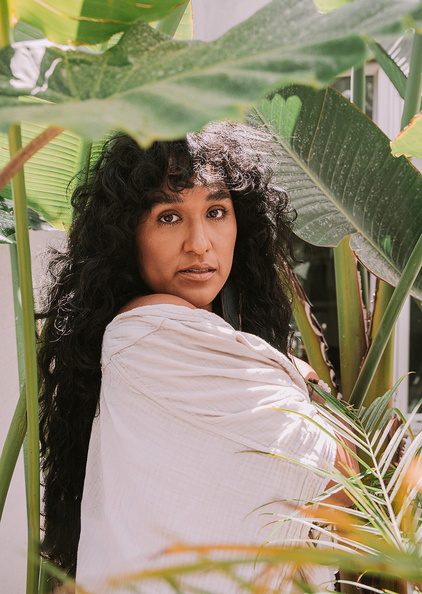
Author photo © Pav Photography

600 Podcasts and Counting…

Subscribe to Insights at the Edge to hear all of Tami’s interviews (transcripts available too!), featuring Eckhart Tolle, Caroline Myss, Tara Brach, Jack Kornfield, Adyashanti, and many more.

Meet Your Host: Tami Simon

Founded Sounds True in 1985 as a multimedia publishing house with a mission to disseminate spiritual wisdom. She hosts a popular weekly podcast called Insights at the Edge, where she has interviewed many of today's leading teachers. Tami lives with her wife, Julie M. Kramer, and their two spoodles, Rasberry and Bula, in Boulder, Colorado.

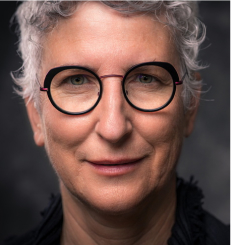
Photo © Jason Elias

Also By Author

Just One Question | Pānquetzani: How Do We Honor Our ...

Tami asks Pānquetzani how she would put words to the devotion she so clearly feels toward her ancestral line. The answer starts in the body. During her first postpartum womb adjustment, Pānquetzani felt an anger release that she is certain wasn’t hers — it was inherited, and it had arrived alongside the gifts.

That’s the premise of her work as a traditional healer of Mesoamerican and Mexican medicine: the gifts and the wounds come together, and tending the wounds is the job. Her ancestors survived colonization and violence, and they didn’t survive it only for themselves. So she owes them reverence — paid not in words but in living. Slowing down. Crying. Dancing. Sensual and sexual pleasure. All the things they may never have had the privilege to do.

Then there’s her son. At fifteen he taught himself metalwork — knives, swords, bows, tools. Pānquetzani showed the work to her eighty-three-year-old grandmother, who said, oh, your grandfather used to do that. A whole family trade back in Mexico, a shop, generations of it, and nobody had ever mentioned it. He found his way back to it because he was given room to follow what he loved.

In this episode:

  • Why ancestral gifts and ancestral wounds arrive together
  • Making your life an altar — reverence as something you live rather than something you say
  • Healing lineages backwards, and telling the dead their suffering wasn’t in vain
  • What thriving actually means: joy, energy, celebration, and getting your medicine to the people who need it
  • The inheritance beyond the physical — the energetic, mental, and social resources previous generations went without

Taken from the full Insights at the Edge conversation with Pānquetzani. Find the complete interview in this feed or at soundstrue.com

Pānquetzani: Tune in to the Womb: Thriving Postpartum


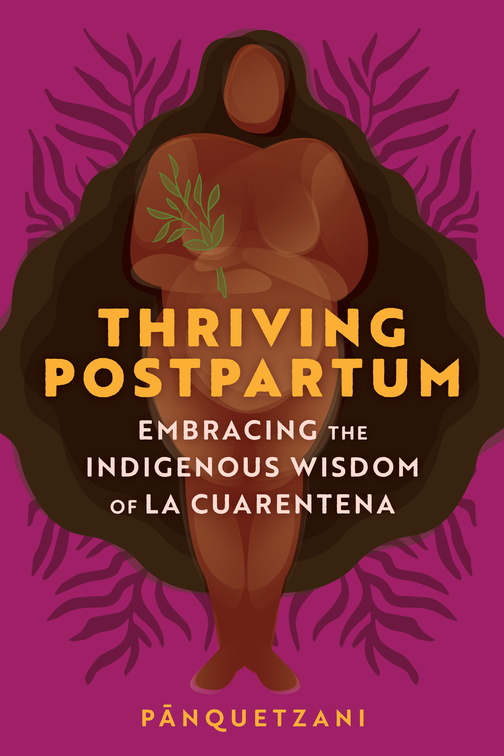
Pānquetzani is a traditional herbalist, healer, and birthkeeper from a matriarchal family of folk healers from the valley of Mexico, La Comarca Lagunera, and Zacatecas. At a time when countless women in BIPOC communities are facing a maternal mortality crisis, Pānquetzani is working to bring back the nearly lost Indigenous approaches to childbirth and the postpartum journey. In her new book, Thriving Postpartum, she shares the sacred ritual of la cuarentena (or quarantine) that honors, nurtures, and empowers a birthing person’s transition into their new life.

Enjoy Tami Simon’s conversation with Pānquetzani exploring the philosophy of “use what you have,” sacred foods and using ritual in your approach to nutrition, sacrifice and reciprocity, community care and creating a collective framework for postpartum healing, maintaining your sovereignty (and sanity) within the Western medical system, the “postpartum doorstep drop off” and other simple ways to support new moms, postpartum depression from the perspective of traditional Mexican medicine, honoring the placenta, healing intergenerational trauma, the practice of tuning in to your womb, and more.

Five Tips for Postpartum Bliss

Bliss out on baby, mi amor. Love your chichis. Admire your soft curves, your delicate belly, and the way you require intentional care. Everything deep comes to the surface as you pour sweat, milk, blood, and tears onto your sheets. I want your postpartum to feel blissful, so here are five tips to help you make that happen.

1. Make a postpartum plan.

You can’t plan exactly the way the birth will pan out, but you can plan the details of your postpartum support. Bodywork, meals, laundry, and childcare for your other children are some things to consider. Use this book as a guide to feel into what nonnegotiables you’ll need in place during la cuarentena.

2. Don’t DIY postpartum.

There’s a time and place for self-reliance. Postpartum ain’t the time. Postpartum traditions are community centered. Once you know that you’re pregnant, surrender to other folks holding you. Waddle that ass to circles with like-minded familias who you know would be down for mutual support. This is why we have the Indigemama community and so many other comunidades who are dedicated to saving our lives.

3. Shift your mindset.

One of the biggest internal challenges I see postpartum people go through is the mental chatter that puts a wall up, barring any chance for outside support. When we’re socialized into struggling and then rewarded for doing things on our own, it’s easy to feel guilty asking for help. You might be distrustful of other people’s capacity to fulfill your needs. How many times have you heard women say, “If you want something done right, you gotta do it yourself”? This belief sets postpartum people up for anxiety, stress, depression, and overwhelm. If you want postpartum done right, you have to feel in your body that you are worthy of being venerated; you must feel that you are deserving of being held. 

Paying homage to you is paying homage to nature itself. Give your potential supporters that opportunity to connect with creation.

4. Repeat after me: affirmations, affirmations.

It’s easy to feel ashamed to ask for what you need. It’s normal to feel guilty when you see how hard people are working for you. Give yourself a pep talk: I allow myself to be cared for. I accept this help. I trust that I can be held without lifting a finger. I surrender myself to the love and labor of others. I soften and allow myself to be carried. I want you to do this every moment that you need it. When you affirm that you’re doing the right thing over and over, then eventually it becomes second nature.

5. Support your romantic relationship.

Postpartum is stressful AF! Those of us with multiple children can tell you that the little ones tend to take precedent over romantic relationships. But after a while, that really weighs down a union. Plan relationship goals. When will you start to date again? What’s the plan for one-on-one time? Who are the people who hold you and your partner(s) up as a sacred union? What baggage can you each decide to let go of now? What support can each of you get individually from healthy older couples who are content with each other? What can you appreciate about each other during la cuarentena? What words do you need to say to each other when the going gets tough? Nurturing a healthy, loving relationship with each other when you’re parenting children is a practice of discipline.

This excerpt is from Thriving Postpartum: Embracing the Indigenous Wisdom of La Cuarentena by Pānquetzani

Pānquetzani

Pānquetzani comes from a matriarchal family of folk healers from the valley of Mexico (Tenochtitlan, Texcoco, and Tlaxcala), La Comarca Lagunera (Durango and Coahuila), and Zacatecas. As a traditional herbalist, healer, and birth keeper, Pānquetzani has touched over 3,000 wombs and bellies. Through her platform, Indigemama: Ancestral Healing, she has taught over 100 live, in-person intensives and trainings on womb wellness. She lives in California. For more, visit indigemama.com.

You Might Also Enjoy

Just One Question | Pānquetzani: How Do We Honor Our ...

Tami asks Pānquetzani how she would put words to the devotion she so clearly feels toward her ancestral line. The answer starts in the body. During her first postpartum womb adjustment, Pānquetzani felt an anger release that she is certain wasn’t hers — it was inherited, and it had arrived alongside the gifts.

That’s the premise of her work as a traditional healer of Mesoamerican and Mexican medicine: the gifts and the wounds come together, and tending the wounds is the job. Her ancestors survived colonization and violence, and they didn’t survive it only for themselves. So she owes them reverence — paid not in words but in living. Slowing down. Crying. Dancing. Sensual and sexual pleasure. All the things they may never have had the privilege to do.

Then there’s her son. At fifteen he taught himself metalwork — knives, swords, bows, tools. Pānquetzani showed the work to her eighty-three-year-old grandmother, who said, oh, your grandfather used to do that. A whole family trade back in Mexico, a shop, generations of it, and nobody had ever mentioned it. He found his way back to it because he was given room to follow what he loved.

In this episode:

  • Why ancestral gifts and ancestral wounds arrive together
  • Making your life an altar — reverence as something you live rather than something you say
  • Healing lineages backwards, and telling the dead their suffering wasn’t in vain
  • What thriving actually means: joy, energy, celebration, and getting your medicine to the people who need it
  • The inheritance beyond the physical — the energetic, mental, and social resources previous generations went without

Taken from the full Insights at the Edge conversation with Pānquetzani. Find the complete interview in this feed or at soundstrue.com

The Psychology of Renewal: Joan Borysenko on Resilienc...

What does renewal look like once loss has reshaped your life? On this episode of our podcast, Tami Simon talks with Joan Borysenko, a psychologist and longtime pioneer in mind body medicine, about resilience, grief, and the practice of life review. 

For 40 years, Sounds True has gathered the world’s largest living library of spiritual teachings, bringing voices like Borysenko’s straight into your hands through books, courses, and conversation. 

Here, we’ll walk through her perspective on healing, connection, and what it means to grow through change. 

Key Takeaways:

  • Resilience Grows From Awareness: Self-awareness and compassion build the flexibility we need to move through change.
  • Mind and Body Are Linked: Emotional experience shapes physical health, a connection at the heart of psychoneuroimmunology.
  • Grief Opens a Path to Growth: Reflecting on loss through life review can bring fresh meaning and renewed purpose.

The Psychology of Renewal: Joan Borysenko on Healing and Transformation

On this episode of our Insights at the Edge Podcast, we speak with Joan Borysenko about resilience, healing, and the transformative power of renewal. Drawing on decades of experience in psychology, spirituality, and medicine, Borysenko shares how people can move through life’s hardest chapters while still finding depth and purpose.

If Borysenko’s reflections resonate with you, our online courses offer more ways to keep learning alongside teachers like her, at your own pace and on your own time.

Awaken Something Greater Within You. Find Teachings that Speak to You With Sounds True.

Mind Body Medicine and the Science Behind Lasting Well-Being

Borysenko helped shape the field of mind-body medicine by expanding what we know about emotional and physical health. Wellness reaches beyond treating symptoms alone, into the ways our thoughts, relationships, and beliefs shape how we feel day to day. This whole-person view invites a kind of healing that honors mind, body, and spirit together. If you’d like to keep exploring this connection, our Health & Healing collection has more resources built around it.

Psychoneuroimmunology: Understanding the Connection Between Mind, Body, and Health

Borysenko was among the first voices to bring attention to psychoneuroimmunology, the study of how our thoughts and emotions interact with the nervous and immune systems. Her early work pointed to something researchers continue to confirm: what we feel can shape how our bodies respond to stress, illness, and healing. In this conversation, she reflects on how connection, purpose, and emotional steadiness all play a role in the body’s ability to cope with hard seasons of life. 

Resilience Psychology and the Human Capacity to Grow Through Change

A key theme of the discussion is resilience psychology and the ability to adapt during times of uncertainty. Borysenko emphasizes that resilience does not mean avoiding hardship. Instead, it involves engaging fully with life, even in the presence of difficulty. She points to a few qualities that tend to build resilience over the course of a life:

  • Self-awareness: Recognizing our own patterns, like the tendency to withdraw during stress, helps us respond with more choice rather than reacting on autopilot.
  • Compassion: Extending the same kindness we’d offer a friend, especially toward our own missteps, softens the harshness we often direct inward.
  • Willingness to learn: Treating a setback, like a job loss or a strained relationship, as information rather than failure opens the door to real change.

If you’re drawn to this kind of inner work, our Self-Compassion collection offers guidance for building these same qualities in daily life.

Uncover How Your Mind Works with Valuable Resources

Grief and Renewal: Finding Meaning and Growth After Loss

This conversation also turns to grief and renewal, and how loss can become a doorway rather than a dead end. Borysenko frames grief as a natural response to change, not something to fix or rush through. While grief carries real pain, it can also open space for reflection. Many people, in time, discover a renewed sense of purpose and a fuller appreciation for the life still ahead of them. 

Borysenko’s well-known work, Minding the Body Mending the Mind, echoes many of the themes she discusses here. She connects those ideas to life review, the practice of looking back on significant relationships, choices, and lessons across a lifetime. Revisiting our own story with honesty and compassion can bring fresh insight into where we’ve been and what’s still possible. 

Center Yourself With Meditative Teachings by Sounds True

Final Thoughts

As we’ve learned, Joan Borysenko’s reflections on mind-body medicine, resilience, and grief and renewal offer a grounded look at what it means to live wide awake, even through loss and change. That’s the spirit behind everything we do here: giving you a portal to presence through teachings that meet you where you are. Borysenko is one of many voices in our Teachers & Authors library, alongside others who can walk with you through your own season of growth.

Frequently Asked Questions About The Psychology of Renewal

Who is Joan Borysenko?

Joan Borysenko is a psychologist, author, and internationally recognized pioneer in integrative medicine. Her work combines science, psychology, spirituality, and personal growth to help people better understand health and human development.

What topics does Joan Borysenko discuss in this podcast episode?

The conversation covers resilience, personal transformation, aging, healing, spirituality, grief, and the process of reflecting on one’s life experiences through life review.

What is a life review?

A life review is a reflective practice that involves looking back on significant experiences, relationships, and milestones to gain perspective, meaning, and greater self-understanding.

Why is resilience important during major life transitions?

Resilience helps people adapt to change, recover from setbacks, and maintain a sense of purpose during challenging periods of life.

How does mind body medicine differ from traditional medical approaches?

Mind body medicine emphasizes the relationship between emotional, mental, and physical health, recognizing that thoughts, behaviors, and relationships can influence overall well-being.

What role does psychoneuroimmunology play in health research?

Psychoneuroimmunology examines how the mind, nervous system, and immune system interact, providing insight into how stress and emotions may affect physical health.

What is the significance of Minding the Body Mending the Mind?

The book helped introduce a broader audience to the principles of mind body medicine and remains an influential resource on the connection between emotional and physical well-being.

Who can benefit from Joan Borysenko’s teachings?

Her teachings can benefit anyone interested in personal growth, emotional resilience, holistic health, spirituality, or navigating life transitions with greater awareness.

Michelle Cassandra Johnson is an author, activist, spiritual teacher, racial equity consultant, and intuitive healer. She is the author of six books, including Skill in Action and Finding Refuge. Amy Burtaine is a leadership coach and racial equity trainer. With Robin DiAngelo, she is the coauthor of The Facilitator's Guide for White Affinity Groups. For more, visit https://www.michellecjohnson.com/wisdom-of-the-hive.

What Is Somatic Movement and Why Therapists Recommend ...

Somatic movement is an invitation to shift our attention away from how the body looks from the outside, and instead tune into how it feels from within. By weaving together gentle, conscious movement with deep body awareness, this practice creates space for us to listen to our physical sensations, habitual tensions, and hidden stress responses. In a therapeutic setting, these gentle explorations become a powerful bridge—deepening our understanding of how our physical bodies and emotional landscapes are intimately, beautifully intertwined.

Sounds True has spent more than 40 years sharing spiritual wisdom and transformational teachings from respected voices in mindfulness, movement, and personal growth. The work is rooted in helping people cultivate greater awareness and presence.

This piece will discuss what somatic movement therapy is, its benefits, how it supports body-based healing, and why therapists recommend it.

Key Takeaways:

  • Body Awareness: Somatic movement centers attention on internal sensations and physical responses rather than movement performance.
  • Therapeutic Approach: Practitioners may use gentle movement, breathing, grounding, and sensory awareness as part of somatic work.
  • Mind-Body Support: Body-based practices can complement therapeutic care by helping people recognize connections among sensations, stress, and emotions.

Meet Your Sorrow with Kindness. Learn Practices for Self-Compassion with Sounds True.

What Is Somatic Movement Therapy?

What is somatic movement therapy, and how is it different from ordinary exercise? Somatic movement therapy uses intentional movement and body awareness to help people notice physical sensations and patterns. Practices may involve gentle movement, breathing, grounding, or focused attention to areas of tension.

This approach reflects the close relationship between physical experience and emotional well-being. Understanding the Mind-Body Connection Explained can provide helpful context for why bodily sensations may become an important part of therapeutic work.

How Does Somatic Movement Therapy Support the Mind-Body Connection?

Somatic practices offer a gentle invitation to pause and witness the beautiful, quiet conversation constantly happening between your thoughts, emotions, and physical body. Through this lens of kind curiosity, you might begin to notice how a moment of stress immediately tightens your jaw, how anxiety catches your breath and makes it shallow, or how a profound sense of emotional ease washes over you the moment your physical body feels fully supported and safe.

Movement can provide a gentle way to observe these responses without immediately trying to change them. Related practices such as Yoga for Mental Health can also encourage greater awareness of breathing, movement, and internal experience.

What Are the Somatic Therapy Benefits?

Somatic therapy benefits can vary according to the individual and the therapeutic approach being used. A central aim is often to strengthen awareness of bodily sensations and responses. This may help people recognize tension, stress reactions, emotional patterns, and moments when they feel more settled.

Somatic approaches may also complement other forms of mental health support by giving people another way to relate to experiences that can be difficult to express through words alone.

Awaken Something Greater Within You. Find Teachings that Speak to You With Sounds True.

How Does Somatic Movement Support Body-Based Healing?

True body-based healing honors a profound truth: our physical bodies hold the stories of our emotional lives, making them an essential doorway to deep emotional care. Somatic movement creates a sacred, non-judgmental space to meet your inner sensations with gentle curiosity. By anchoring yourself in the medicine of conscious breathing, grounding practices, and fluid, intuitive movement, you offer your nervous system a gentle pathway back to balance and safety.

Some of these methods overlap with Nervous System Regulation Techniques that support awareness of the body’s responses to stress. With practice, people may become better acquainted with signals that indicate tension, activation, rest, or ease.

Why Do Therapists Recommend Somatic Movement?

Many therapists integrate somatic movement into their work because it offers a beautiful, body-centered bridge that effortlessly complements traditional conversation and reflection. It gently illuminates the silent, physical responses that we might otherwise sleepwalk through, transforming them into sacred opportunities to practice grounding, somatic unwinding, and mindful movement.

It is important to remember that somatic movement is not a replacement for necessary medical or psychiatric care. Yet, when cradled within a safe, supportive therapeutic relationship, it becomes a deeply thoughtful way to befriend your body—allowing you to honor the sacred thread connecting your physical sensations, your emotions, and your lived experience.

Center Yourself With Meditative Teachings by Sounds True

Final Thoughts

At its heart, somatic movement is a gentle, lifelong invitation to return home to yourself. By learning to listen to the subtle vocabulary of your sensations, the rhythm of your movements, and the stories stored within your stress responses, you open the door to a deeper, more compassionate self-awareness. Whether practiced quietly in the comfort of your own living room or woven into therapeutic care, somatic movement reminds us that our bodies are not just vessels to be carried through life, but wise, living partners in our healing and awakening.

Frequently Asked Questions About Somatic Movement Therapy

Is somatic movement therapy the same as massage therapy?

No. Somatic movement involves active body awareness, while massage typically involves hands-on manipulation by a practitioner.

Do you need to be physically fit to practice somatic movement?

No. Somatic movement can often be adapted to different mobility levels and physical needs.

What happens during a somatic movement session?

A session may include gentle movements, breathing, grounding, and guided attention to physical sensations.

Do you need special equipment for somatic movement therapy?

Usually not. Some practices may use a mat, chair, cushion, or other simple supports.

Can somatic movement be practiced at home?

Yes. Many gentle somatic exercises can be practiced at home once they are learned safely.

How long is a typical somatic movement therapy session?

Session lengths vary depending on the practitioner, method, and individual needs.

How often can you practice somatic movement?

Frequency varies. Gentle practices may be used regularly, while therapist-led sessions may follow a set schedule.

What should you wear for somatic movement therapy?

Wear comfortable clothing that allows you to move freely and notice physical sensations.

How do you choose a somatic movement therapist?

Look at the practitioner’s training, credentials, experience, and approach to somatic therapy.

Is somatic movement therapy suitable for everyone?

It can be adapted for many people, but those with medical conditions, injuries, or other concerns should seek professional guidance.

Michelle Cassandra Johnson is an author, activist, spiritual teacher, racial equity consultant, and intuitive healer. She is the author of six books, including Skill in Action and Finding Refuge. Amy Burtaine is a leadership coach and racial equity trainer. With Robin DiAngelo, she is the coauthor of The Facilitator's Guide for White Affinity Groups. For more, visit https://www.michellecjohnson.com/wisdom-of-the-hive.