

Facing Mortality: How to Find Peace When Confronting D...
Death is one of the few experiences every person will face, yet many people avoid speaking openly about it. Thoughts about mortality can bring fear, sadness, and uncertainty, but they can also deepen gratitude, strengthen relationships, and encourage a more present way of living. When we begin acknowledging the reality of death, life itself often feels more honest and alive.
At Sounds True, we have spent more than 40 years sharing teachings from spiritual leaders, meditation teachers, psychologists, and wisdom keepers who help people navigate grief, impermanence, healing, and conscious living with compassion and clarity.
Here, we discuss facing mortality, death acceptance, mortality meditation, and spiritual approaches that may support greater peace and emotional understanding around death.
Key Takeaways:
- When Fear Softens Into Freedom: Learning to acknowledge mortality can reduce fear and create more emotional openness in everyday life.
- How Reflection Deepens Gratitude: Reflective practices like mortality meditation can deepen gratitude, compassion, and awareness of the present moment.
- Peace Grows Through Connection: Honest conversations, spiritual reflection, and connection with others often support greater end of life peace.

What It Really Means to Face Mortality
Facing mortality often begins through loss, aging, illness, or the realization that life moves quickly. While these experiences can feel unsettling, many spiritual traditions teach that acknowledging mortality can deepen presence, compassion, and honesty.
Impermanence is part of every human experience, yet avoiding thoughts about death often strengthens fear beneath the surface. Reflecting on mortality can shift perspective, making relationships, conversations, and everyday moments feel more meaningful and precious.
There is also comfort in remembering that mortality is a shared human experience. Every person carries questions about loss and death, and recognizing this shared vulnerability can create deeper empathy and connection.
Why Death Acceptance Can Bring Greater Emotional Freedom
Death acceptance is not about pretending grief or fear disappears. Rather, it is about loosening the struggle against realities that cannot be controlled. Many people spend years avoiding thoughts of death, yet avoidance often creates emotional tension and unease. Acceptance allows people to meet life with greater honesty and less resistance.
Learning to Release the Need for Control
Much of our fear comes from wanting certainty about the future, yet mortality reminds us that life cannot be fully controlled. While this can feel uncomfortable, it may also create emotional freedom and a deeper sense of presence.
Practices such as meditation, prayer, journaling, and honest conversations can help people remain grounded even when answers are unclear, and Pema Chödrön’s course, Embracing the Unknown, was created to guide people through exactly this kind of unsettled inner terrain by focusing on the concept of bardo, or the in-between space beyond death.
Allowing Grief and Love to Exist Together
Grief is often seen as something to overcome quickly, yet it reflects the depth of human love. Death acceptance encourages people to honor sorrow rather than resist it. Loss can still feel painful and disorienting, but allowing grief to exist openly often creates more space for healing than suppressing it. Tears, memories, and longing become expressions of love rather than weakness.
Mourning deeply and still feeling grateful for the relationships and experiences that shaped a life can happen at the same time. Grief and gratitude are not opposites. They are two expressions of the same deep love.
Commonalities In Spiritual Approaches to Accepting and Understanding Death
Death has been approached from a spiritual perspective for centuries, often centering on impermanence as a path toward greater awareness and compassion. While spiritual traditions differ in belief and language, many encourage people to contemplate impermanence as a path toward deeper presence rather than fear.
Seeing Impermanence as a Sacred Part of Life
Impermanence is part of every human experience. Bodies age, emotions change, and life continues shifting moment by moment.
Many spiritual traditions teach that recognizing this truth can deepen appreciation for everyday life. When people remember that experiences are temporary, they often become more present and attentive. Simple moments, honest conversations, and time with loved ones can feel more valuable and emotionally rich.
Awareness of mortality can also encourage forgiveness. Conflicts and resentment often lose their intensity when life is viewed as finite, creating more space for compassion, connection, and healing.
Practicing Presence Through Spiritual Reflection
Spiritual reflection creates space for stillness and inner awareness. Practices like meditation, prayer, breathwork, and mindful silence help people sit with difficult emotions instead of avoiding them, and The Power of Awareness offers a structured path into the kind of presence that makes this possible.
While these practices do not remove uncertainty about death, they can help people feel more grounded within it. Over time, many notice that fear softens through presence, reflection, and connection.
How Mortality Meditation Helps Us Stay Present
Mortality meditation is a contemplative practice that encourages honest reflection on the temporary nature of life. Rather than focusing on fear, this practice helps cultivate gratitude, awareness, and emotional clarity.
Using Mortality Meditation to Deepen Awareness
A mortality meditation practice may involve reflecting quietly on the reality that every moment eventually passes. This awareness can sharpen attention and help people reconnect with the present moment instead of living distracted or emotionally numb.
Simple experiences often become more meaningful through this practice. The sound of laughter, the warmth of sunlight, or the comfort of sitting beside someone you love may feel more vivid when viewed through the understanding that life is temporary.
Mortality meditation can also reveal how often fear influences daily habits. Many people stay constantly busy because silence feels uncomfortable. Sitting with mortality may initially feel challenging, yet it often creates greater emotional honesty and clarity over time.
Building Compassion Through Contemplation
This practice also deepens compassion by reminding people that every human being shares vulnerability, loss, and uncertainty. Remembering this can soften judgment and increase empathy toward others.
Compassion grows naturally when people recognize that everyone carries invisible struggles. Relationships may become more heartfelt and less superficial. Listening becomes more patient. Deep human connection begins to feel more important than competition or outward appearances.

Finding End of Life Peace Through Compassion and Connection
End of life peace often grows through emotional openness, compassionate care, and sincere connection with the people we love.
- Honest conversations with loved ones can reduce fear and create emotional closeness. Naming fears openly, even when words feel imperfect, often brings more relief than silence ever could.
- Meditation, prayer, and mindful breathing may offer steadiness during uncertainty, and our course, Finding Calm in the Storm, provides gentle guidance for staying grounded when life feels most turbulent.
- Forgiveness can help release emotional pain carried for many years. Choosing to forgive does not mean forgetting. Rather, it means freeing yourself from the weight of unresolved hurt so that peace has room to enter.
- Spending time in nature often reminds people that life moves in cycles of change and renewal. Watching the seasons shift or sitting near moving water can offer quiet comfort and a sense of natural continuity.
- Listening deeply to someone nearing death may be more healing than trying to offer perfect advice. Presence itself is a profound gift, and sometimes the most loving thing is simply to stay.
- Shared rituals, storytelling, music, and quiet presence can bring comfort during grief. These small acts of remembrance honor lives lived fully and keep the warmth of connection alive.
- Allowing emotions to be expressed openly creates more room for healing and connection. When people feel safe to grieve without judgment, healing tends to move more naturally and fully.
Common Fears That Arise When Facing Mortality
Many fears emerge when facing mortality. Some people fear physical suffering or losing independence. Others worry about leaving loved ones behind, carrying regret, or reaching the end of life without fulfillment. Fear of the unknown can feel especially difficult because it reaches beyond what the mind can fully grasp.
These fears are deeply human and deserve compassion rather than judgment. Avoiding them often increases emotional distress beneath the surface. Speaking openly about mortality can reduce shame and create relief through shared honesty and recognition.
Fear may also reveal what matters most. The fear of loss reflects love. The fear of regret points toward a longing to live authentically. Rather than viewing fear as weakness, we can approach it as an invitation to deeper self-awareness and honesty.
Practices That Support Death Acceptance and Inner Calm
Practices that support death acceptance often encourage emotional presence rather than avoidance. Mindfulness meditation helps people observe difficult thoughts and emotions without immediately becoming overwhelmed by them. Journaling allows space for honest reflection and emotional processing.
Community also plays an important role. Conversations with trusted friends, spiritual teachers, therapists, or support groups can reduce feelings of isolation. Creative practices such as music, poetry, storytelling, and art may help express emotions that feel difficult to describe directly.
Nature can also offer comfort. For example, watching the changing seasons, falling leaves, or ocean tides reminds people that impermanence exists everywhere in our world. This awareness often creates a gentler relationship with change and loss. These practices help people develop greater emotional steadiness and compassion while facing life’s uncertainties, and a program like Opening to Our Lives gently supports this kind of ongoing openness to whatever life holds.
Facing Mortality as a Path to Meaning, Gratitude, and Peace
Facing mortality can become an invitation to live more intentionally. Awareness of death often clarifies what truly matters and encourages people to spend their time with greater care and sincerity. Everyday moments begin carrying deeper meaning because they are recognized as temporary and precious.
Many people discover that mortality awareness inspires greater honesty, compassion, and gratitude. Relationships feel more valuable. Expressions of love become more important. Small moments of connection carry unexpected beauty.
Peace rarely arrives as a sudden transformation. More often, it appears quietly through acceptance, presence, and meaningful connection. Facing mortality does not erase grief or uncertainty, but it can soften resistance and open the heart to a deeper experience of life itself.

Final Thoughts
Facing mortality can feel uncomfortable, yet it also has the power to awaken greater compassion, honesty, and presence. By allowing space for reflection, grief, and heartfelt connection, people often discover that peace does not come from avoiding death, but from meeting life more fully. Mortality reminds us that every moment carries value, and that even in uncertainty, there is room for gratitude, love, and inner calm.
At Sounds True, we have spent more than 40 years gathering teachers, psychologists, meditation guides, and wisdom keepers whose work speaks to exactly these moments. Whether you are sitting with grief, searching for steadiness, or simply beginning to ask harder questions about life and death, our digital courses and programs are here to meet you where you are.
Frequently Asked Questions About Facing Mortality
What does facing mortality mean emotionally?
Facing mortality emotionally means becoming aware that life is temporary and allowing yourself to process the feelings that arise from that awareness, including fear, grief, gratitude, and acceptance.
Why do people avoid conversations about death?
Many people avoid discussing death because it brings uncertainty and emotional discomfort. Cultural taboos and fear of loss can also make these conversations feel difficult or overwhelming.
Can facing mortality improve mental well-being?
Yes. For some people, acknowledging mortality can reduce hidden anxiety and encourage a more intentional and meaningful approach to life, relationships, and emotional health.
Is death acceptance the same as giving up on life?
No. Death acceptance is not about hopelessness. It is about recognizing the natural reality of impermanence while continuing to live with presence, purpose, and emotional honesty.
How can spirituality help someone cope with mortality?
Spiritual practices such as meditation, prayer, or contemplation may help people feel more grounded, connected, and emotionally supported while navigating thoughts about death and uncertainty.
What is the purpose of mortality meditation?
Mortality meditation encourages reflection on life’s temporary nature so people can become more aware, compassionate, and appreciative of the present moment.
How can families support loved ones facing the end of life?
Families can offer support through honest communication, active listening, emotional presence, and respecting the wishes and feelings of the person experiencing the end-of-life process.
Why does mortality awareness increase gratitude?
When people recognize that life is temporary, they often become more attentive to everyday experiences and relationships, which can deepen appreciation and emotional connection.
Can children understand conversations about mortality?
Children can understand mortality in age-appropriate ways. Honest and compassionate conversations often help children process loss and feel emotionally supported rather than confused or isolated.
How can someone begin practicing death acceptance?
People often begin through small reflective practices such as journaling, meditation, therapy, spiritual study, or open conversations about fear, grief, and impermanence.

Michelle Cassandra Johnson is an author, activist, spiritual teacher, racial equity consultant, and intuitive healer. She is the author of six books, including Skill in Action and Finding Refuge. Amy Burtaine is a leadership coach and racial equity trainer. With Robin DiAngelo, she is the coauthor of The Facilitator’s Guide for White Affinity Groups. For more, visit https://www.michellecjohnson.com/wisdom-of-the-hive.

Wayne Muller on Sabbath and Remembering Our Wholeness
Many of us move through life carrying exhaustion that reaches far beneath the surface. Constant responsibilities, distractions, and the pressure to keep going leave little room for reflection or renewal. Wayne Muller, a minister, therapist, and longtime teacher of the sacred, invites us to see sacred rest as one of the most healing choices we can make. His work on Sabbath affirms that slowing down is a profound act of emotional and spiritual care.
Here at Sounds True, we have spent four decades sharing wisdom from trusted spiritual teachers who guide people toward greater presence, healing, and self-awareness. Wayne Muller’s reflections on spiritual rest and wholeness continue to resonate with those seeking balance in everyday life.
Let’s explore how teachings on Sabbath, burnout recovery, and the deeper meaning of sacred rest open a path back to the wholeness that has always been within us.
Key Takeaways:
- Rest Is a Sacred Practice: Wayne Muller teaches that periods of stillness and spiritual rest restore emotional balance, deepen presence, and honor the deeper rhythms our inner lives depend on.
- Burnout Calls Us to Pause: Wayne Muller’s Sabbath teachings reframe burnout recovery not as a crisis to push through, but as a signal that the body, heart, and spirit are asking for restoration.
- You Are Already Whole: Spiritual rest gently returns us to remembering wholeness, the quiet truth that our sense of completeness was never tied to achievement or productivity.

Sacred Rest and the Lost Art of Sabbath
In our culture, exhaustion has become routine. Responsibilities stack up, routines stay in motion, and something deeper within us begins to feel quietly depleted. Wayne Muller’s work on sacred rest and Sabbath returns us to a truth long honored across spiritual traditions: human beings were never meant to live in constant urgency.
Muller believes that sacred rest is more than stepping away from work; it is a return to reflection, presence, and the deeper rhythms of life. Wayne Muller explains that many of us normalize exhaustion out of fear of what might surface when we stop. Sabbath invites us to release the pressure to always perform and reconnect with ourselves through stillness and renewal.
For those experiencing burnout and spiritual disconnection, sacred rest becomes a genuine act of healing. Through silence, reflection, and deliberate pauses, many of us rediscover clarity and balance that have been buried beneath constant noise and distraction.
Wayne Muller’s Sabbath Teachings on Burnout Recovery and Reconnecting to Oneself
Wayne Muller’s reflections on Sabbath offer meaningful guidance for burnout recovery because they address the spiritual and emotional roots of exhaustion, not only the physical symptoms. He encourages people to recognize burnout as a signal that something within them needs attention, care, and restoration.
Burnout Often Begins With Disconnection
Burnout develops slowly through ongoing stress, overcommitment, and the pressure to constantly achieve. Many of us ignore our need for rest, which can lead to emotional exhaustion, anxiety, and a growing sense of disconnection from ourselves and others.
Wayne Muller teaches that modern culture encourages people to push past their limits rather than honor them. Sabbath interrupts this cycle by creating space for restoration, reflection, and stillness. Sacred rest reminds us that our emotional health depends on balance and genuine restoration. When we begin to honor the body’s quiet signals for rest, we gradually relearn a kind of self-respect that a speed-driven world has slowly trained out of us.
Rest Creates Space for Compassion
Sabbath encourages compassion throughout burnout recovery. Many of us feel guilty for slowing down or believe we must constantly prove our worth through productivity. Wayne Muller reframes rest as an act of care rather than weakness. Sacred rest creates space to acknowledge difficult emotions with patience and kindness rather than self-judgment.
The pastoral depth behind Wayne Muller’s Sabbath teachings draws, in part, from the spiritual writer Thomas Merton’s concern regarding a “pervasive form of contemporary violence.”
As a minister and caregiver, Muller witnessed these effects in communities stretched thin and in people whose inner lives had grown quiet from years of exhaustion. His teachings weave together practices from Christianity, Judaism, and Buddhism, all pointing toward the same invitation: that a sanctuary of rest is available to each of us, and returning to it is a form of coming back to wholeness.
Remembering Wholeness Through Spiritual Rest
Remembering wholeness is one of the central themes within Wayne Muller’s teachings. Many of us feel fragmented by the demands of modern life. Work, responsibilities, technology, and stress leave us feeling disconnected from our inner lives and from the people we love. Spiritual rest opens a way back to that sense of inner unity.
Spiritual Rest Helps Us Return to Ourselves When Life Feels Chaotic
Daily life often feels nonstop, filled with distractions and constant demands that make self-reflection difficult. Spiritual rest creates space to pause and reconnect with ourselves.
Wayne Muller teaches that Sabbath can begin through simple practices like unplugging from devices, spending time in nature, or sharing a quiet meal. These small moments help restore balance, awareness, and inner peace. For those navigating seasons of overwhelm, Finding Calm in the Storm offers teachings that help us return to steadiness even when life feels anything but settled.
Wholeness Is Remembered, Not Earned
Many of us believe we must achieve more before we can feel complete. Wayne Muller’s teachings on Sabbath and wholeness offer a different perspective.
Wholeness is not earned through perfection or constant productivity. Sacred rest helps us reconnect with the peace and compassion that already exist within us. Through spiritual rest, we often shift our focus from seeking validation to valuing presence, connection, and authenticity. This is a quiet but profound reorientation: the recognition that who we are was never broken to begin with.
Why Sacred Rest Is Essential for Emotional and Spiritual Healing
Sacred rest supports emotional and spiritual healing because it creates room for honesty, reflection, and meaningful connection. Many people avoid stillness because silence can reveal emotions they have spent years suppressing. Wayne Muller encourages listeners to approach these moments gently rather than fearfully.
Silence Helps Us Hear What Needs Attention
Modern life is filled with distractions that make it easy to avoid emotional discomfort. Phones, schedules, entertainment, and constant obligations keep many of us disconnected from our inner experiences. However, that unacknowledged pain rarely disappears and often remains beneath the surface, shaping emotions, relationships, and physical well-being.
Sacred rest invites us to sit quietly enough to notice what is asking for care. In moments of stillness, grief, exhaustion, sadness, or longing may finally have space to emerge. Wayne Muller teaches that healing begins when we stop running from these emotions and instead meet them with compassion.
Silence can feel uncomfortable at first, especially for those accustomed to constant stimulation, but with time, many discover that quiet reflection brings clarity and emotional relief. For those looking to deepen this practice with guidance from trusted teachers, our course on The Mindfulness and Meditation Summit brings together contemplatives and practitioners whose work is rooted in exactly this kind of sustained awareness.
Healing Happens Through Presence
Wayne Muller emphasizes that healing is often less dramatic than we expect. Emotional and spiritual renewal frequently happens in the most ordinary moments of presence and connection, the kind of quiet attentiveness that opening to our lives helps us develop with care and consistency. A genuine conversation, shared laughter, time spent outdoors, or a quiet morning without urgency can restore the spirit in ways we rarely anticipate.
Sacred rest also builds healthier relationships because it helps us become more emotionally available. Exhaustion reduces patience, empathy, and attentiveness. When we create rhythms of rest, we become better able to show up fully for ourselves and for those we love.

Wayne Muller on Sabbath as a Path to Remembering Wholeness
Muller’s teachings offer grounded reminders for those seeking sacred rest and emotional renewal. Through practices like those in Creating a Sanctuary Within, we can begin building the kind of interior stillness that makes Sabbath possible.
- Sabbath reminds us that our worth is not defined by constant productivity. When we carry the belief that we must always be doing something to deserve rest, we cut ourselves off from the natural rhythms that restore us.
- Sacred rest creates space for reflection, gratitude, and emotional clarity. Even a short pause at the end of the day, spent in quiet rather than in front of a screen, can shift the emotional tone of an entire evening.
- Burnout recovery becomes more sustainable when rest is practiced regularly rather than only during a crisis. Building small, consistent rhythms of stillness into daily life protects against the kind of depletion that forces an involuntary stop.
- Spiritual rest helps calm the nervous system and ease emotional overwhelm. Practices like slow breathing, sitting in silence, or walking without a destination signal to the body that it is safe to soften.
- Wholeness encourages us to release perfectionism and self-judgment. When we stop measuring our days by what we accomplished, there is room to notice what we already are.
- Sabbath practices help us reconnect with joy, beauty, and simplicity. A walk through a familiar neighborhood, a cup of tea enjoyed slowly, a few minutes of genuine stillness: each of these carries more weight than it might seem.
Spiritual Rest and the Wisdom of Slowing Down
Slowing down can feel unfamiliar in a culture that constantly encourages movement, achievement, and productivity. Many of us worry that resting means losing momentum or falling behind. Wayne Muller’s teachings on spiritual rest point toward a different truth: slowing down often leads to greater clarity and wisdom.
When life moves too quickly, important experiences can pass unnoticed. We may overlook moments of connection, beauty, and emotional truth because our attention is constantly divided. Sacred rest creates opportunities to become fully present again. Even small pauses throughout the day can restore awareness and calm.
Spiritual rest also builds healthier relationships. Exhaustion can make patience and empathy difficult to sustain. When we are overwhelmed, we may become emotionally unavailable to those we love. Slowing down helps restore attentiveness, kindness, and genuine connection.
Wayne Muller reminds us that rest is not separate from spiritual life. Rest itself can become a sacred practice that deepens awareness, gratitude, and compassion. At Sounds True, this sits at the center of what we believe: that waking up to our lives begins with the simple, courageous act of becoming still.
Burnout Recovery and the Need for Sacred Rest
Burnout recovery requires more than occasional breaks from responsibility. Many of us return from vacations still feeling emotionally drained because the deeper patterns causing exhaustion remain unchanged. Wayne Muller encourages us to create ongoing rhythms of sacred rest rather than waiting until complete depletion forces us to stop.
Sacred rest teaches us to respect our own humanity. Choosing regular periods of stillness, reflection, and restoration can protect emotional well-being and build greater resilience over time. These practices do not need to be complicated. Turning off technology for an evening, spending quiet time outdoors, or dedicating a day to rest can begin shifting unhealthy patterns. Even fifteen minutes of genuine stillness each morning can begin to change the relationship we have with our own exhaustion.
Many of us fear that life will become unmanageable if we slow down. Yet deliberate rest often creates greater focus, patience, creativity, and emotional steadiness. Through Sabbath and spiritual rest, we gradually learn that caring for ourselves is one of the most generous things we can do.

Final Thoughts
Wayne Muller’s teachings on Sabbath remind us that sacred rest is not a luxury. Remembering wholeness is the quiet destination that spiritual rest makes possible. Through reflection, deliberate pauses, and a willingness to slow down, we can reconnect with compassion, balance, and a deeper sense of presence.
In a culture that often celebrates constant activity, Sabbath offers a gentler path rooted in healing, awareness, and care. At Sounds True, we are honored to carry Wayne Muller’s voice alongside the many teachers who remind us: the world wakes up one person at a time, and it begins with rest.
Frequently Asked Questions About Sacred Rest and Remembering Wholeness
What does sacred rest mean in spiritual practice?
Sacred rest refers to intentional periods of stillness, reflection, and renewal that support emotional, physical, and spiritual well-being. It encourages people to pause and reconnect with themselves beyond daily responsibilities.
Why do people struggle to slow down?
Many people associate busyness with success or self-worth. Cultural pressure, digital distractions, and demanding schedules can make slowing down feel uncomfortable or unfamiliar.
Can sacred rest improve relationships?
Yes. Rested and emotionally grounded people are often more patient, attentive, and compassionate in their relationships. Sacred rest creates space for meaningful connection and presence.
Is spiritual rest connected to mindfulness?
Spiritual rest and mindfulness both encourage awareness and intentional presence. Spiritual rest may also include prayer, silence, contemplation, or other practices that support inner balance.
How can someone begin practicing Sabbath in everyday life?
People can begin with small changes such as setting aside quiet time, limiting digital distractions, spending time outdoors, or creating moments for reflection and gratitude each week.
Does sacred rest require following a religion?
No. While Sabbath has roots in spiritual traditions, sacred rest can be practiced by anyone seeking emotional renewal, balance, and greater presence in daily life.
What are common signs of emotional burnout?
Common signs include chronic exhaustion, irritability, difficulty concentrating, emotional numbness, lack of motivation, and feeling disconnected from meaningful experiences.
Why is remembering wholeness important?
Remembering wholeness helps people move away from the belief that they are only valuable because of achievement or productivity. It supports self-compassion and emotional healing.
Michelle Cassandra Johnson is an author, activist, spiritual teacher, racial equity consultant, and intuitive healer. She is the author of six books, including Skill in Action and Finding Refuge. Amy Burtaine is a leadership coach and racial equity trainer. With Robin DiAngelo, she is the coauthor of The Facilitator’s Guide for White Affinity Groups. For more, visit https://www.michellecjohnson.com/wisdom-of-the-hive.

Tara Brach: Choosing to Love in Perilous Times
What if the bravest thing you can do right now is refusing to close your heart?
This week, Tami Simon speaks with Tara Brach—beloved meditation teacher, clinical psychologist, and bestselling author of Radical Acceptance and Trusting the Gold—about her new inner workbook with Sounds True, The Courageous Heart: Choosing to Love in Perilous Times. At a moment when so many people feel pulled between despair and action, Tara offers a grounded path through both.
Join Tami and Tara to explore:
- How to stay spiritually engaged—without burning out or spiritually bypassing the reality of suffering
- The bodhisattva path as a living practice: what it means to be an “awakening being” in ordinary, everyday life
- Why grief is often covered over by anger—and how moving through grief unlocks the capacity for love and action
- The RAIN practice (Recognize, Allow, Investigate, Nurture) for working with armoring, fear, and excruciating pain in the heart
- The shift from head space to heart space—and a brief guided meditation to experience it directly
- How aspiration becomes the fuel for the spiritual path—and why Tara “sandwiches” her day with it
- The practice of seeing basic goodness in others—including stories of Father Gregory Boyle and John Lewis that illuminate how this changes everything
- What to do when you feel alone, disconnected, and uncertain where to start
Whether you’re overwhelmed by current events or searching for a more engaged and openhearted way to meet this moment, Tara Brach offers both the courage and the practical tools to begin.
Listen now and choose to love. →
This conversation offers genuine transmission—not just concepts about awakening, but the palpable presence of realized teachers exploring the growing edge of spiritual understanding together. Originally aired on Sounds True One.

James Hollis: The Goal of Life Is Meaning, Not Happine...
Dr. James Hollis is a Jungian analyst, a former executive director of the Jung Society of Washington, DC, and a professor of Jungian studies for Saybrook University of San Francisco/Houston. He is the author of 16 books including Finding Meaning in the Second Half of Life, Living an Examined Life, and, most recently, Living Between Worlds. In this podcast, Tami Simon speaks with Dr. Hollis about his latest work and the increasing sense of importance for many people around living more meaningful lives. They also discuss how to find resilience during difficult times, how our souls let us know when we’re not on the right path, the difference between “meaning” and “purpose,” and more.

Deb Dana: Befriending Your Nervous System
How well do you know your nervous system? Deb Dana is a clinician and consultant specializing in complex trauma, and is the coordinator of the Kinsey Institute Traumatic Stress Research Consortium. Her work at the Kinsey Institute is focused on using the lens of Polyvagal Theory to understand and resolve the impact of trauma, and create approaches that honor the role of the autonomic nervous system. With Sounds True, Deb has created a new audio program called Befriending Your Nervous System: Looking Through the Lens of Polyvagal Theory. In this podcast, Deb offers an introduction to the human nervous system, how Polyvagal Theory informs our understanding of the nervous system, how to manage the state known as “dysregulation,” and more.

Sarah Blondin: Kneeling at the Doorway of Your Heart
Sarah Blondin is an author and spiritual teacher whose guided meditations have been enjoyed by thousands of people around the globe. She is also the founder, writer, videographer, and creator of the podcast Live Awake. In this week’s podcast, Tami Simon and Sarah discuss her new book, Heart Minded: How to Hold Yourself and Others in Love. Their conversation explores the profound shift from living “above the neck” to fully inhabiting our hearts, how we can transmute suffering and discomfort with the energy of our hearts, connecting to our inherent wisdom and compassion, and much more.
Lance Allred: The New Alpha Male
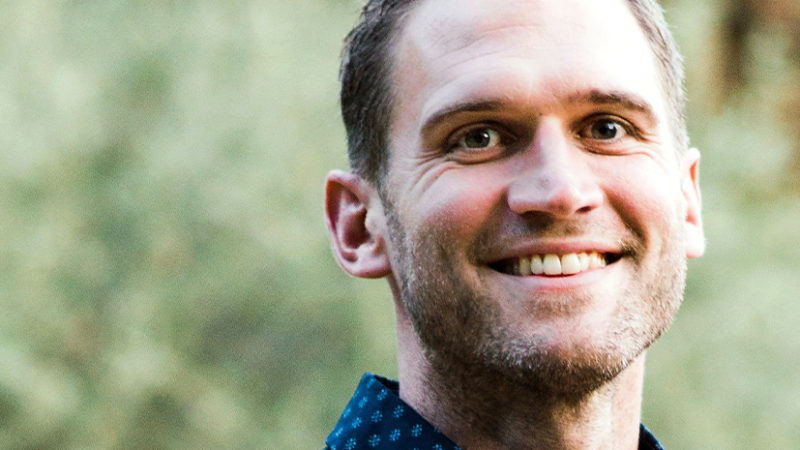
Lance Allred is a former NBA player (who was the first legally deaf player in the league), public speaker, and author. With Sounds True, he has published The New Alpha Male: How to Win the Game When the Rules Are Changing. In this episode of Insights at the Edge, Tami Simon speaks with Lance about the experiences he had in professional sports that led him to reevaluate what it means to be a man in contemporary society. Lance explains how his upbringing in a rural, polygamous commune informed his original ideas about masculinity, highlighting the subconscious assumptions about money and power that affect American men’s self-worth. Tami and Lance also discuss the roles of emotional vulnerability and surrender in the lives of modern men. Finally, they talk about the principle of perseverance and the increasingly urgent need for all cultures to reexamine their assumptions and core values.(63 minutes)
Micah Mortali: Rewilding
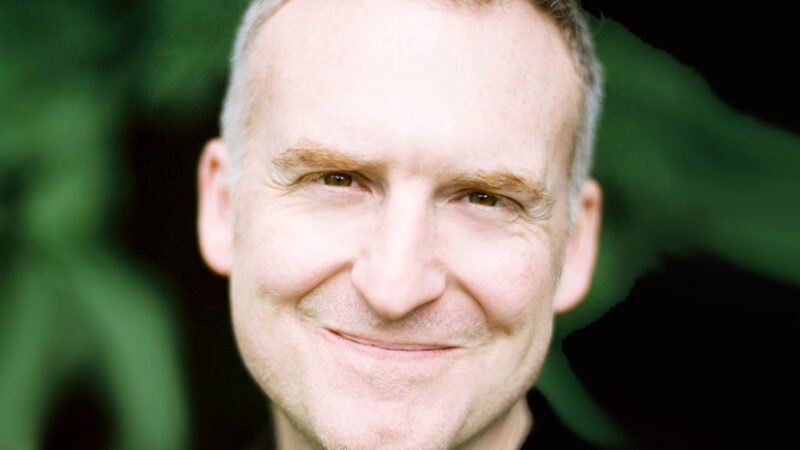
Micah Mortali is the director of the Kripalu School, a certified yoga teacher, and a longtime wilderness guide. With Sounds True, he has published Rewilding: Meditations, Practices, and Skills for Awakening in Nature. In this episode of Insights at the Edge, Tami Simon speaks with Micah about humanity’s growing disconnection from the earth and how “rewilding” can help slow that trend. They talk about rewilding both as individuals and as part of whole ecosystems. Micah also shares the story of an intense, revelatory trail encounter with a bear and comments on the “species loneliness” of urban environments. Mulling the sense of grief they have for humankind’s effects on the environment, Tami and Micah consider how modern people can grapple with being in exile from the natural world. Finally, they discuss the barriers many have to reentering nature, as well as ways to initiate your own rewilding experience no matter where you are.(64 minutes)

Christian Conte: Healing Conflict: Listen, Validate, a...
Christian Conte, PhD, is a mental health specialist and leading authority on anger management. With Sounds True, Christian has published Walking Through Anger: A New Design for Confronting Conflict in an Emotionally Charged World. In this episode of Insights at the Edge, Tami Simon talks with Christian about his Yield Theory of emotional management, focusing on the process of “listen, validate, explore options.” Christian explains the events that led to his interest in anger management, as well as the origins of Yield Theory. He emphasizes the importance of meeting others where they are, giving them the opportunity to drain anger’s charge from their limbic system. Christian and Tami discuss why it’s necessary to cultivate humility and how Yield Theory might be applied to our currently divisive culture. Finally, they speak on “the cartoon world” that angry responses often create, as well as the importance of watching what we add to our minds.(63 minutes)
