Interspiritual Invocation by Mirabai Starr

    —
August 26, 2013

I wanted to share with you the invocation given by our dear friend and author Mirabai Starr at the recent Wake Up Festival. Invoking the great wisdom traditions throughout our world, Mirabai led the community in prayer and gratitude as we opened this year’s event. Several of you mentioned that you were really moved by Mirabai’s words; we wanted make make a copy available here. May you drink deeply.

Beloved One,
Living Light,
Spirit of All That Is,
we give thanks.
Thank you for welcoming us
to this sacred circle.

We come from everywhere,
and we find you wherever we are:
inside the holy houses of each of the world’s faiths,
and out in the wild places of the earth;
shoulder to shoulder in the mosque,
bending to press our hearts to the ground in surrender;
in the haunting Hebrew melodies of our ancestors
as we call on the Shekinah to infuse us
with her indwelling feminine spirit;
in the communion bread and wine,
which we take in remembrance
of the Prince of Peace.
We hear your voice joining with ours when we chant the Divine Names
in Sanskrit and Tibetan, Tiwa and Maya and Maori.

We meet you high on alpine trails,
where we stop to rest among fragrant wild herbs,
beside a stream rushing with melted snow.
We feel you holding us when we float in the arms of the ocean
and she sways us with her breath.
We kiss you when we are making love;
we mourn you when an elder releases her final exhalation;
we soothe you when we rock a tired child in our arms.

We look for you in the pulsating emptiness,
search for your true form in the heart of formlessness,
unexpectedly recognize you when we give up and turn away.

You shine through the ecstatic stanzas of the poets and mystics,
each one singing your praises in a different language.
You well up in our aching hearts
when we cry out for the pain of the world.
You are the call to justice,
and the answering response of mercy.
You are in the wounding of the earth
and you are the only hope for mending her.

Oh Great Spirit,
Father-Mother God,
True Self and No-Self,
Invisible animating energy of Life:
We claim our place at your table
and find ourselves home at last.
Here may we eat and be filled,
drink and become unbridled,
lay down our burdens and take refuge,
drop into your sacred silence and remember.

And let us take this remembrance back out into our lives,
That we may truly be of service
in this broken and beautiful world.

AMEN.

-Mirabai Starr

flower9

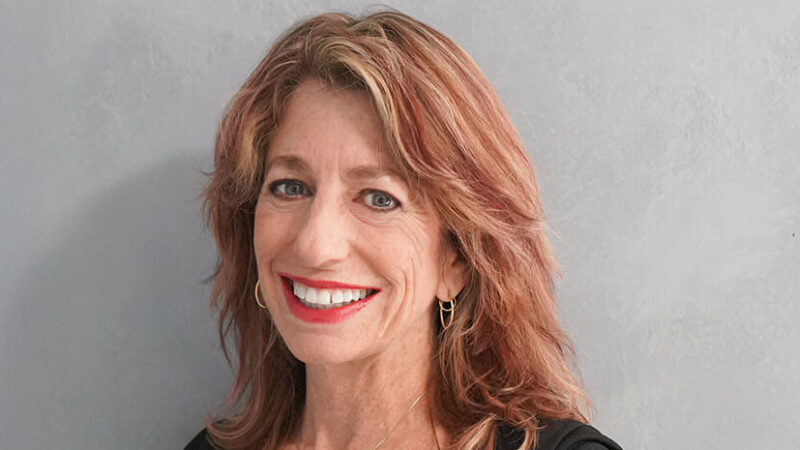
Mirabai Starr

Mirabai Starr teaches philosophy and world religions at the University of New Mexico, and is the author of new translations of Dark Night of the Soul by John of the Cross and The Interior Castle and The Book of My Life by Teresa of Avila. She lives in Taos.

Author photo © Kat Mills Martin

Listen to Tami Simon's in-depth audio podcast interviews with Mirabai Starr:
Wild Mercy »
Caravan of No Despair »
Naked with the Beloved »

Also By Author

Mirabai Starr: Your Life Is Holy Ground

To the mystic, every moment is sacred—and every step is taken on holy ground. Mirabai Starr, the celebrated author, religious scholar, and “translator of the mystics,” has devoted herself to sharing the insights of beloved figures including Teresa of Avila, Saint John of the Cross, Hildegard of Bingen, and others. In this podcast, Tami Simon speaks with Mirabai Starr about her new book, Ordinary Mysticism, and how we can each open ourselves to the direct experience of divine union—and become agents of change for our troubled world. 

Listen now to this inspiring discussion of: spiritual transmission and communicating mystical realization to others; the power of ritual; setting yourself up for “an encounter with the beloved”; the willingness not to know; collaborating with your muses; Natalie Goldberg’s writing practice methodology; a commitment to beauty; mystical seeing; four gateways to the sacred; freeing yourself from the brain’s default mode network; how meditation expands your capacity for awe; tending the seeds of wisdom; interspirituality; avoiding cultural appropriation; grief as a gateway to the sacred, and letting the darkness have its way; the dark night of the soul; the paradox of “surrendering and showing up”; and more.

Note: This episode originally aired on Sounds True One, where these special episodes of Insights at the Edge are available to watch live on video and with exclusive access to Q&As with our guests. Learn more at join.soundstrue.com.

3 Ways to Welcome the Sacred Feminine This Holiday Sea...

3 Ways to Welcome the Sacred Feminine This Holiday Season (2)

If you are anything like me (and almost everyone I encounter these days), you are growing bored with the patriarchy and eager to reclaim feminine wisdom across the spectrum of human community: politics, academia, pop culture, and religion and spirituality. It’s not a matter of personal preference. The well-being of our Mother the Earth is inextricably entwined with our choice to either lift up and center the feminine or continue to bury Her. Here are a few ways for you to welcome the sacred feminine this season. 

Reclaim Mother Mary

With so much of the attention of the Western world focused on the legendary birth of a boy baby, we sometimes forget he had a badass mom. Mother Mary was anything but meek and mild. She was a powerful prophet, an unconditionally loving force, a broken-open heart on fire. She offered her divine YES (Hineyni, in Hebrew) and spoke truth to power with love. How can you soften and step up to the resounding call to be the instrument of peace you were born to be? Look to Mary as a guide.

Read Women’s Poetry

There are a host of truth-tellers in the form of contemporary women poets & they are brimming with mystical treasures. Back away from the news for a moment and pick up a poem. Read it three times. The first time, you are knocking on the door of the poem. The second time, the door opens. And the third time, you are invited all the way in. Here are some recommendations: Marie Howe; Ellen Bass; Lyla June; Hashem Beck; Lynn Unger; Naomi Shihab Nye; Jane Hirshfield; Linda Pastan; Mohja Kafh.

Cultivate a Sabbath Practice

The tyranny of tasks that bosses us around most of the year can intensify around the holidays. Even as the mystical traditions invite us to turn inward & rest in stillness during this season, the larger culture demands that we engage in an endless array of duties and expenditures. In the Jewish tradition, a weekly observance of Shabbat, infused with the Feminine Presence (the Shekinah), is not only a requirement of the faith, but the sweetest blessing. Find your way to keep the Sabbath holy.

Mirabai Starr writes creative non-fiction and contemporary translations of sacred literature. She taught Philosophy and World Religions at the University of New Mexico-Taos for 20 years and now teaches and speaks internationally on contemplative practice and inter-spiritual dialog. A certified bereavement counselor, Mirabai helps mourners harness the transformational power of loss. She has received critical acclaim for her revolutionary new translations of the mystics, John of the Cross, Teresa of Avila and Julian of Norwich. She is the award-winning author of GOD OF LOVE: A Guide to the Heart of Judaism, Christianity and Islam and CARAVAN OF NO DESPAIR: A Memoir of Loss and Transformation, and Mother of God Similar to Fire, a collaboration with iconographer, William Hart McNichols.  Her latest book is Wild Mercy: Living the Fierce and Tender Wisdom of the Women Mystics. She lives with her extended family in the mountains of northern New Mexico.

The community here at Sounds True wishes you a lovely holiday season! We are happy to collaborate with some of our Sounds True authors to offer you wisdom and practices as we move into this time together; please enjoy this blog series for your holiday season. 

To help encourage you and your loved ones to explore new possibilities this holiday season, we’re offering 40% off nearly all of our programs, books, and courses sitewide. May you find the wisdom to light your way. Use promo code HOLIDAY10 and receive an additional 10% off your order.

EXPLORE NOW


The Way of the Feminine to Save the World

You feel special. Sometimes this feels like a curse. Like no one will understand you. Ever. Like you will always be an alien walking among regular humans, pretending to blend in. You have learned to live with this gulf, but what you really crave is community. You long to belong to the human family. To Mother Earth.

Participating in the human condition can be bewildering. It is just not always cozy and easy—rather, it’s humbling at best, downright humiliating when it is not flowing. It can seem so much simpler to ride solo, slaying your own dragons and singing the ballads you wrote about yourself. Collaboration can be tedious, and the prevailing masculine value system may have conditioned you to feel like you are giving away your power when you share it with others.

So what? Give it away. The time of the singular sage bestowing his unique wisdom is over. That was a method devised by the men in charge who sought to regulate wisdom. They taught us to suffer alone in the desert for forty years, collecting our insights in a secret box called “Esoteric Knowledge.” Then, we were supposed to dispense those insights stingily to those who proved themselves worthy by also suffering alone for the requisite forty years in the desert.

It turns out that the world is filled with special beings, grappling our way through the anxiety of solitary conundrums and tasting the occasional reprieve of connection. When you realize this, your body lets out its breath and relaxes. The curse lifts. You come in from the cold. You hold out your cup, and some other special being fills it with sweet, milky tea spiced with fragrant herbs. You drink.

Our way, the way of the feminine, is to find out what everyone is good at and praise them for it and get them to teach it to one another. Maybe you know something about the hidden meaning of the Hebrew letters, or how to build a sustainable home from recycled tires and rammed soil, or loving-kindness meditation. You, the one who knows the Islamic call to prayer, climb this minaret and call us all to prayer. You, the one who knows how to sit quietly at the bedside of the dying, show us the way to bear witness. You, the one who knows how to get us to wake up to the shadow of privilege, please wake us the #*#@ up. It will be chaotic, all this community building, but your cooperation will save the world.

Besides, it will be fun.

You Might Also Enjoy

Jasper Young Bear: “Prophecies for This Time: Wh...


Something is shifting in the world—and the Indigenous peoples of Turtle Island have seen it coming for generations.

This week, Tami Simon speaks with Jasper Young Bear—wisdom keeper, storyteller, founder of the Medicine Lodge Confederacy, and member of the Mandan, Hidatsa, and Arikara Nation—about the sacred oral teachings he was entrusted to carry, and why he has chosen this urgent moment to share them with the world. Jasper is the featured teacher in a new medicine film and four-part audio series, The Creation Story, available to watch and listen to for free at thecreationstory.co.

Join Tami and Jasper to explore:

  • The Seventh Generation prophecy—and why we are living inside its fulfillment right now
  • The Prophecy of the Eagle and the Condor, and what the reunification of North and South means for the human family
  • Why the greatest preparation for coming change is spiritual and emotional—not physical
  • The sacred laws woven into Indigenous creation stories, and what whole-to-part perception makes possible
  • The importance of forgiving the unforgivable—and how it opens the frequency of true freedom
  • Ceremony as living technology: sweat lodges, sacred instruments, and star knowledge as tools of consciousness
  • Why Jasper believes love—not systems, not ideology—is ultimately what will heal the human family

This interview is unlike most. Tami listens more than she asks. And what Jasper Young Bear offers is truly a transmission: a vision of where we are, where we’re headed, and what each of us can do to become a worthy ancestor for the generations yet to come.

Watch and listen to The Creation Story for free at thecreationstory.co.

This conversation offers genuine transmission—not just concepts about awakening, but the palpable presence of realized teachers exploring the growing edge of spiritual understanding together. Originally aired on Sounds True One.

Andrew Holecek: Stop, Drop, and Be Held in the Dark


What if the most transformative place you could go isn’t a retreat center or a therapist’s office—but complete and total darkness?

This week, Tami Simon speaks with Andrew Holecek—interdisciplinary scholar, longtime practitioner of Tibetan Buddhism, and author of the new Sounds True book Total Eclipse of the Mind: Unleashing the Power of Darkness for Creativity, Healing, and Transformation—about the practice of dark retreat: full immersion in sealed, lightless environments used by yogis for centuries to accelerate inner transformation.

Holecek calls it the single most transformative practice of his fifty years of meditation, psychedelic exploration, and three-year Tibetan retreat—and in this interview, he explains why.

Join Tami and Andrew to explore:

  • What actually happens to the mind in extended darkness—and the neurological science behind why it’s so transformative
  • The descent of the mind through conscious, subconscious, and collective unconscious layers—and what waits at the bottom
  • Dark retreat as a “sober psychedelic”: how the brain generates its own endogenous DMT in extended darkness
  • The practice of enantiodromia—when extreme contraction suddenly flips into extraordinary openness
  • How to work with panic, trauma, and unwanted experience using the “reverse meditation” principle: feel it, but don’t feed it
  • Why appearances don’t matter in the dark—and why so many people emerge in tears, feeling safe and held for the first time
  • The four-step process for integrating darkness into daily life, from sleep masks to dedicated dark rooms

This interview was recorded with both Tami and Andrew wearing blackout masks—making it one of the most immersive listening experiences in Insights at the Edge history.

Listen now and discover what’s been waiting in the dark. →

This conversation offers genuine transmission—not just concepts about awakening, but the palpable presence of realized teachers exploring the growing edge of spiritual understanding together. Originally aired on Sounds True One.

This episode is sponsored by Omega Institute, a global gathering hub for lifelong learning and spiritual exploration. Located in upstate New York’s beautiful Hudson Valley, Omega offers weekend workshops, special events, rest and rejuvenation retreats, professional trainings, online learning, and more. Discover what calls to you at eomega.org/true.

Elizabeth Stanley on Trauma-Sensitive Mindfulness: Whe...

Meditation is often understood as a way to find calm by turning inward. Yet for many people, that inward focus can feel overwhelming instead of grounding. The body may tighten, emotions may rise quickly, or the mind may feel harder to settle. These responses are not a sign of failure. They reflect how the nervous system holds and processes past experiences. Trauma sensitive mindfulness offers a way to approach awareness with more care, allowing space for safety, pacing, and choice.

At Sounds True, we have spent decades sharing the living wisdom of teachers who speak to real human experience with honesty and depth. Through voices like Elizabeth Stanley, we bring forward teachings that integrate science, mindfulness, and compassion, offering practices that support meaningful and lasting inner growth.

Here, we look at trauma sensitive mindfulness through Elizabeth Stanley’s perspective, including why meditation is not always enough and how a more supportive approach can help.

Key Takeaways:

  • Nervous System Awareness: Trauma sensitive mindfulness centers on regulating the body, not just observing thoughts
  • Flexible Practice: Meditation can include movement, choice, and external focus to support safety
  • Healing Approach: Awareness becomes effective when paired with pacing, care, and nervous system support

Awaken Your Inner Healing Power with Guided Practices by Sounds True

What Is Trauma Sensitive Mindfulness and How It Differs from Traditional Mindfulness

Trauma sensitive mindfulness begins with a simple truth. The present moment does not feel safe for everyone. Turning inward can bring up intense sensations or emotions, and traditional mindfulness does not always account for how trauma shapes this experience.

This approach offers a gentler entry point. It considers how the body responds before asking it to be still. Instead of pushing through discomfort, it allows for choice, movement, and grounding.

Mindfulness then becomes less about doing it right and more about building a relationship with our experience. We learn to notice what feels supportive, pause when needed, and meet ourselves with care.

Elizabeth Stanley’s Approach to Trauma Sensitive Mindfulness and Healing

Elizabeth Stanley’s work brings clarity to why trauma sensitive mindfulness matters and how it can be practiced in a way that truly supports healing. Her perspective is grounded in both research and lived experience, creating a bridge between science and personal transformation.

Her Background in Trauma and Resilience

Stanley’s background includes years of studying resilience under extreme stress, alongside her own journey through trauma recovery. She emphasizes that resilience is not simply about mental strength. It is about the capacity of the nervous system to return to balance after disruption.

Through trauma sensitive mindfulness, she highlights how this capacity can be strengthened over time. The practice becomes less about observing thoughts and more about learning how to stay connected to the body without becoming overwhelmed.

The Limits of Traditional Mindfulness Practices

In her teaching, Stanley also speaks to the limitations of traditional mindfulness approaches. Many practices assume that the body can tolerate sustained attention. For someone carrying unresolved trauma, that assumption may not hold true.

Trauma sensitive mindfulness acknowledges that awareness alone is not always enough. Without support, attention can amplify distress rather than ease it. By integrating regulation and pacing, this approach creates a more supportive path that allows mindfulness to unfold gradually.

Why Trauma Sensitive Mindfulness Changes the Way We Practice Meditation

When we begin to understand mindfulness through the lens of trauma sensitivity, the practice itself starts to shift. Meditation is no longer about holding attention in one place at all costs. It becomes a responsive and adaptive experience.

Meditation Through the Lens of Trauma Sensitivity

In trauma sensitive mindfulness, meditation can include a wide range of options. A person might keep their eyes open, shift their focus between internal and external awareness, or engage in gentle movement. These choices are not distractions from the practice. They are part of the practice.

This flexibility helps create a sense of stability. It allows the practitioner to remain engaged without pushing beyond their capacity.

Creating Safety Within the Practice

Safety is not treated as an outcome. It is the foundation. Trauma sensitive mindfulness invites us to notice when something feels supportive and when it does not. That noticing becomes a form of guidance.

Over time, this builds trust. The practitioner begins to feel that they can stay present without losing themselves in the experience. Meditation then becomes a space where healing can happen at a natural pace.

When Trauma Sensitive Mindfulness Is Needed Beyond Standard Meditation

There are times when traditional mindfulness practices may not provide the support someone needs. Trauma sensitive mindfulness helps us recognize those moments with clarity and care.

Recognizing Signs That Mindfulness Alone Is Not Enough

Some people notice that meditation brings up anxiety, numbness, or a sense of disconnection. Others may feel flooded by emotion or unable to stay grounded. These experiences are not signs of failure. They are signals from the nervous system.

Trauma sensitive mindfulness encourages us to respond to these signals rather than push through them.

Expanding Beyond Stillness Into Regulation

In these moments, the practice may shift. Instead of remaining still, a person might focus on their surroundings, engage in movement, or connect with a steady rhythm like walking or breathing with sound.

These forms of regulation help restore balance. They create a pathway back to presence that feels supportive rather than overwhelming.

Discover the Hidden Power of Daily Meditation

The Role of the Nervous System in Trauma Sensitive Mindfulness Practice

Trauma sensitive mindfulness recognizes that the nervous system plays a central role in how we experience awareness. Before we can rest in presence, the body needs to sense that it is safe enough to do so.

  • The nervous system constantly interprets signals of safety and threat, often outside of conscious awareness
  • Trauma can leave the body in patterns of activation or shutdown that shape how mindfulness feels
  • Trauma sensitive mindfulness introduces gentle ways to support regulation before deep attention is invited
  • Small moments of ease help the nervous system learn that presence can be safe
  • Choice allows the practitioner to stay connected without feeling trapped in the experience

As these patterns begin to shift, mindfulness becomes more accessible. The body no longer experiences awareness as something to defend against. Instead, it becomes a place where steadiness can grow.

How to Practice Trauma Sensitive Mindfulness Safely and Effectively

Practicing trauma sensitive mindfulness begins with a willingness to move at the pace of the body. There is no need to force stillness or sustain attention beyond what feels manageable. Instead, we begin by noticing what feels supportive in the moment.

This might include grounding attention in the senses, feeling the contact of the body with a chair, or simply noticing the environment. At times, it may mean stepping away from internal awareness and focusing outward. These choices are not interruptions. They are expressions of care.

Over time, this approach builds a sense of trust. The practitioner learns that they can engage with mindfulness without becoming overwhelmed. Safety becomes something that is felt, not something that is assumed. From this foundation, awareness can deepen in a way that feels steady and sustainable.

Bringing Trauma Sensitive Mindfulness into Daily Life and Relationships

Trauma sensitive mindfulness does not remain confined to formal practice. It naturally extends into daily life. It can be present in the way we pause before responding, in how we notice tension in the body, or in the decision to take a moment of rest.

In relationships, this awareness can create space. Instead of reacting automatically, we begin to sense what is happening within us. This allows for more thoughtful responses and a greater sense of connection.

These small moments matter. They reflect a shift from striving to be present toward allowing presence to emerge. In this way, mindfulness becomes integrated into the rhythm of everyday life.

Building Resilience Through Trauma Sensitive Mindfulness Over Time

Resilience develops gradually. It is shaped through repeated experiences of safety, awareness, and regulation. Trauma sensitive mindfulness supports this process by honoring the body’s natural pace.

Each moment of grounded awareness strengthens the nervous system’s capacity to remain present. Over time, this creates a sense of stability that can hold a wider range of experiences.

This path is not about reaching a fixed state. It is about developing a relationship with ourselves that is steady, responsive, and compassionate. Through trauma sensitive mindfulness, we begin to discover that presence is not something we force. It is something that becomes possible as the body learns it is safe to be here.

Learn How your Mind Really Works with Sounds True

Final Thoughts

Trauma sensitive mindfulness invites a more compassionate way of being present. Rather than pushing through discomfort, it encourages us to listen to the body and move at a pace that feels supportive.

Elizabeth Stanley’s insights remind us that awareness and regulation go hand in hand. As we honor both, mindfulness becomes a steady, healing practice that meets us exactly where we are.

Frequently Asked Questions About Trauma Sensitive Mindfulness

What makes trauma sensitive mindfulness different from trauma informed care?

Trauma sensitive mindfulness is a specific approach within the broader framework of trauma informed care. While trauma informed care can apply to many fields, such as healthcare or education, trauma sensitive mindfulness focuses directly on how mindfulness practices are adapted to support nervous system safety and regulation.

Can trauma sensitive mindfulness be practiced without a teacher?

Yes, it can be practiced individually, especially with gentle awareness and self-guided pacing. However, some people benefit from working with a trained practitioner who understands trauma and can offer guidance when difficult experiences arise.

Is trauma sensitive mindfulness suitable for beginners?

Yes, it is often more accessible for beginners because it emphasizes choice and flexibility. Instead of requiring strict focus, it allows people to ease into awareness in a way that feels manageable.

How long does it take to see benefits from trauma sensitive mindfulness?

The experience varies from person to person. Some may notice small shifts in awareness and calm within a short time, while bigger changes in resilience and regulation tend to develop gradually through consistent practice.

Can trauma sensitive mindfulness replace therapy?

It is not a replacement for therapy, especially for those working through significant trauma. It can be a supportive complement to therapeutic work, helping individuals build awareness and regulation skills alongside professional support.

What types of practices are included in trauma sensitive mindfulness?

Practices may include grounding exercises, sensory awareness, gentle movement, and flexible attention techniques. The focus is on what supports stability rather than following a fixed method.

How does trauma sensitive mindfulness support physical well-being?

By helping regulate the nervous system, this approach can reduce chronic stress responses in the body. Over time, this may support improved sleep, reduced tension, and a greater sense of ease.

Is it normal to feel discomfort during trauma sensitive mindfulness?

Some discomfort can arise, especially when becoming more aware of internal experiences. The key difference is that this approach encourages responding to discomfort with care, rather than pushing through it.

Can trauma sensitive mindfulness be practiced in short moments?

Yes, it is well suited for brief, everyday moments. Even a few seconds of grounding or awareness can support regulation and help build consistency over time.

Who can benefit most from trauma sensitive mindfulness?

Anyone can benefit, but it is especially supportive for individuals who find traditional meditation challenging or overwhelming. It offers an alternative path that honors personal capacity.

Michelle Cassandra Johnson is an author, activist, spiritual teacher, racial equity consultant, and intuitive healer. She is the author of six books, including Skill in Action and Finding Refuge. Amy Burtaine is a leadership coach and racial equity trainer. With Robin DiAngelo, she is the coauthor of The Facilitator's Guide for White Affinity Groups. For more, visit https://www.michellecjohnson.com/wisdom-of-the-hive.

2 comments on Interspiritual Invocation by Mirabai Starr

  1. Paula Quigley says:

    A beautiful prayer at a time when our broken world needs it the most.

  2. Peggy says:

    This is really beautiful! Thank you for sharing, Matt and Mirabai!

Leave a Reply

Your email address will not be published. Required fields are marked *