The Way of the Feminine to Save the World

    —
April 4, 2019

You feel special. Sometimes this feels like a curse. Like no one will understand you. Ever. Like you will always be an alien walking among regular humans, pretending to blend in. You have learned to live with this gulf, but what you really crave is community. You long to belong to the human family. To Mother Earth.

Participating in the human condition can be bewildering. It is just not always cozy and easy—rather, it’s humbling at best, downright humiliating when it is not flowing. It can seem so much simpler to ride solo, slaying your own dragons and singing the ballads you wrote about yourself. Collaboration can be tedious, and the prevailing masculine value system may have conditioned you to feel like you are giving away your power when you share it with others.

So what? Give it away. The time of the singular sage bestowing his unique wisdom is over. That was a method devised by the men in charge who sought to regulate wisdom. They taught us to suffer alone in the desert for forty years, collecting our insights in a secret box called “Esoteric Knowledge.” Then, we were supposed to dispense those insights stingily to those who proved themselves worthy by also suffering alone for the requisite forty years in the desert.

It turns out that the world is filled with special beings, grappling our way through the anxiety of solitary conundrums and tasting the occasional reprieve of connection. When you realize this, your body lets out its breath and relaxes. The curse lifts. You come in from the cold. You hold out your cup, and some other special being fills it with sweet, milky tea spiced with fragrant herbs. You drink.

Our way, the way of the feminine, is to find out what everyone is good at and praise them for it and get them to teach it to one another. Maybe you know something about the hidden meaning of the Hebrew letters, or how to build a sustainable home from recycled tires and rammed soil, or loving-kindness meditation. You, the one who knows the Islamic call to prayer, climb this minaret and call us all to prayer. You, the one who knows how to sit quietly at the bedside of the dying, show us the way to bear witness. You, the one who knows how to get us to wake up to the shadow of privilege, please wake us the #*#@ up. It will be chaotic, all this community building, but your cooperation will save the world.

Besides, it will be fun.

Mirabai Starr

Mirabai Starr teaches philosophy and world religions at the University of New Mexico, and is the author of new translations of Dark Night of the Soul by John of the Cross and The Interior Castle and The Book of My Life by Teresa of Avila. She lives in Taos.

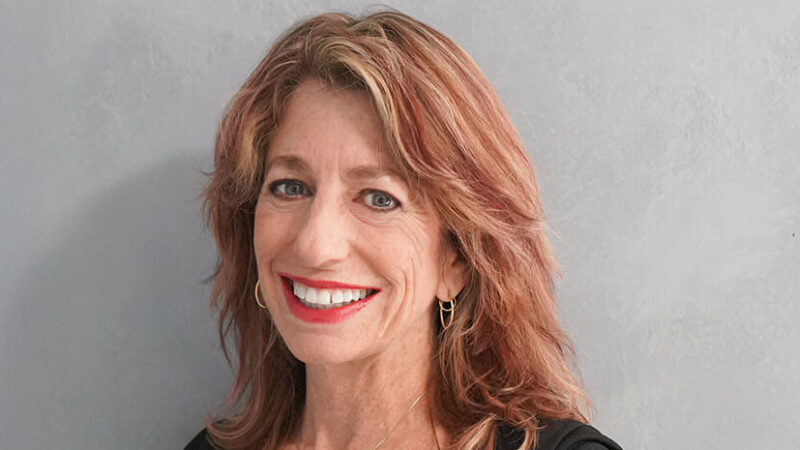
Author photo © Kat Mills Martin

Listen to Tami Simon's in-depth audio podcast interviews with Mirabai Starr:
Wild Mercy »
Caravan of No Despair »
Naked with the Beloved »

Also By Author

Mirabai Starr: Your Life Is Holy Ground

To the mystic, every moment is sacred—and every step is taken on holy ground. Mirabai Starr, the celebrated author, religious scholar, and “translator of the mystics,” has devoted herself to sharing the insights of beloved figures including Teresa of Avila, Saint John of the Cross, Hildegard of Bingen, and others. In this podcast, Tami Simon speaks with Mirabai Starr about her new book, Ordinary Mysticism, and how we can each open ourselves to the direct experience of divine union—and become agents of change for our troubled world. 

Listen now to this inspiring discussion of: spiritual transmission and communicating mystical realization to others; the power of ritual; setting yourself up for “an encounter with the beloved”; the willingness not to know; collaborating with your muses; Natalie Goldberg’s writing practice methodology; a commitment to beauty; mystical seeing; four gateways to the sacred; freeing yourself from the brain’s default mode network; how meditation expands your capacity for awe; tending the seeds of wisdom; interspirituality; avoiding cultural appropriation; grief as a gateway to the sacred, and letting the darkness have its way; the dark night of the soul; the paradox of “surrendering and showing up”; and more.

Note: This episode originally aired on Sounds True One, where these special episodes of Insights at the Edge are available to watch live on video and with exclusive access to Q&As with our guests. Learn more at join.soundstrue.com.

3 Ways to Welcome the Sacred Feminine This Holiday Sea...

3 Ways to Welcome the Sacred Feminine This Holiday Season (2)

If you are anything like me (and almost everyone I encounter these days), you are growing bored with the patriarchy and eager to reclaim feminine wisdom across the spectrum of human community: politics, academia, pop culture, and religion and spirituality. It’s not a matter of personal preference. The well-being of our Mother the Earth is inextricably entwined with our choice to either lift up and center the feminine or continue to bury Her. Here are a few ways for you to welcome the sacred feminine this season. 

Reclaim Mother Mary

With so much of the attention of the Western world focused on the legendary birth of a boy baby, we sometimes forget he had a badass mom. Mother Mary was anything but meek and mild. She was a powerful prophet, an unconditionally loving force, a broken-open heart on fire. She offered her divine YES (Hineyni, in Hebrew) and spoke truth to power with love. How can you soften and step up to the resounding call to be the instrument of peace you were born to be? Look to Mary as a guide.

Read Women’s Poetry

There are a host of truth-tellers in the form of contemporary women poets & they are brimming with mystical treasures. Back away from the news for a moment and pick up a poem. Read it three times. The first time, you are knocking on the door of the poem. The second time, the door opens. And the third time, you are invited all the way in. Here are some recommendations: Marie Howe; Ellen Bass; Lyla June; Hashem Beck; Lynn Unger; Naomi Shihab Nye; Jane Hirshfield; Linda Pastan; Mohja Kafh.

Cultivate a Sabbath Practice

The tyranny of tasks that bosses us around most of the year can intensify around the holidays. Even as the mystical traditions invite us to turn inward & rest in stillness during this season, the larger culture demands that we engage in an endless array of duties and expenditures. In the Jewish tradition, a weekly observance of Shabbat, infused with the Feminine Presence (the Shekinah), is not only a requirement of the faith, but the sweetest blessing. Find your way to keep the Sabbath holy.

Mirabai Starr writes creative non-fiction and contemporary translations of sacred literature. She taught Philosophy and World Religions at the University of New Mexico-Taos for 20 years and now teaches and speaks internationally on contemplative practice and inter-spiritual dialog. A certified bereavement counselor, Mirabai helps mourners harness the transformational power of loss. She has received critical acclaim for her revolutionary new translations of the mystics, John of the Cross, Teresa of Avila and Julian of Norwich. She is the award-winning author of GOD OF LOVE: A Guide to the Heart of Judaism, Christianity and Islam and CARAVAN OF NO DESPAIR: A Memoir of Loss and Transformation, and Mother of God Similar to Fire, a collaboration with iconographer, William Hart McNichols.  Her latest book is Wild Mercy: Living the Fierce and Tender Wisdom of the Women Mystics. She lives with her extended family in the mountains of northern New Mexico.

The community here at Sounds True wishes you a lovely holiday season! We are happy to collaborate with some of our Sounds True authors to offer you wisdom and practices as we move into this time together; please enjoy this blog series for your holiday season. 

To help encourage you and your loved ones to explore new possibilities this holiday season, we’re offering 40% off nearly all of our programs, books, and courses sitewide. May you find the wisdom to light your way. Use promo code HOLIDAY10 and receive an additional 10% off your order.

EXPLORE NOW


The Way of the Feminine to Save the World

You feel special. Sometimes this feels like a curse. Like no one will understand you. Ever. Like you will always be an alien walking among regular humans, pretending to blend in. You have learned to live with this gulf, but what you really crave is community. You long to belong to the human family. To Mother Earth.

Participating in the human condition can be bewildering. It is just not always cozy and easy—rather, it’s humbling at best, downright humiliating when it is not flowing. It can seem so much simpler to ride solo, slaying your own dragons and singing the ballads you wrote about yourself. Collaboration can be tedious, and the prevailing masculine value system may have conditioned you to feel like you are giving away your power when you share it with others.

So what? Give it away. The time of the singular sage bestowing his unique wisdom is over. That was a method devised by the men in charge who sought to regulate wisdom. They taught us to suffer alone in the desert for forty years, collecting our insights in a secret box called “Esoteric Knowledge.” Then, we were supposed to dispense those insights stingily to those who proved themselves worthy by also suffering alone for the requisite forty years in the desert.

It turns out that the world is filled with special beings, grappling our way through the anxiety of solitary conundrums and tasting the occasional reprieve of connection. When you realize this, your body lets out its breath and relaxes. The curse lifts. You come in from the cold. You hold out your cup, and some other special being fills it with sweet, milky tea spiced with fragrant herbs. You drink.

Our way, the way of the feminine, is to find out what everyone is good at and praise them for it and get them to teach it to one another. Maybe you know something about the hidden meaning of the Hebrew letters, or how to build a sustainable home from recycled tires and rammed soil, or loving-kindness meditation. You, the one who knows the Islamic call to prayer, climb this minaret and call us all to prayer. You, the one who knows how to sit quietly at the bedside of the dying, show us the way to bear witness. You, the one who knows how to get us to wake up to the shadow of privilege, please wake us the #*#@ up. It will be chaotic, all this community building, but your cooperation will save the world.

Besides, it will be fun.

You Might Also Enjoy

Jasper Young Bear: “Prophecies for This Time: Wh...

Something is shifting in the world—and the Indigenous peoples of Turtle Island have seen it coming for generations.

This week, Tami Simon speaks with Jasper Young Bear—wisdom keeper, storyteller, founder of the Medicine Lodge Confederacy, and member of the Mandan, Hidatsa, and Arikara Nation—about the sacred oral teachings he was entrusted to carry, and why he has chosen this urgent moment to share them with the world. Jasper is the featured teacher in a new medicine film and four-part audio series, The Creation Story, available to watch and listen to for free at thecreationstory.co.

Join Tami and Jasper to explore:

  • The Seventh Generation prophecy—and why we are living inside its fulfillment right now
  • The Prophecy of the Eagle and the Condor, and what the reunification of North and South means for the human family
  • Why the greatest preparation for coming change is spiritual and emotional—not physical
  • The sacred laws woven into Indigenous creation stories, and what whole-to-part perception makes possible
  • The importance of forgiving the unforgivable—and how it opens the frequency of true freedom
  • Ceremony as living technology: sweat lodges, sacred instruments, and star knowledge as tools of consciousness
  • Why Jasper believes love—not systems, not ideology—is ultimately what will heal the human family

This interview is unlike most. Tami listens more than she asks. And what Jasper Young Bear offers is truly a transmission: a vision of where we are, where we’re headed, and what each of us can do to become a worthy ancestor for the generations yet to come.

Watch and listen to The Creation Story for free at thecreationstory.co.

This conversation offers genuine transmission—not just concepts about awakening, but the palpable presence of realized teachers exploring the growing edge of spiritual understanding together. Originally aired on Sounds True One.

Andrew Holecek: Stop, Drop, and Be Held in the Dark

What if the most transformative place you could go isn’t a retreat center or a therapist’s office—but complete and total darkness?

This week, Tami Simon speaks with Andrew Holecek—interdisciplinary scholar, longtime practitioner of Tibetan Buddhism, and author of the new Sounds True book Total Eclipse of the Mind: Unleashing the Power of Darkness for Creativity, Healing, and Transformation—about the practice of dark retreat: full immersion in sealed, lightless environments used by yogis for centuries to accelerate inner transformation.

Holecek calls it the single most transformative practice of his fifty years of meditation, psychedelic exploration, and three-year Tibetan retreat—and in this interview, he explains why.

Join Tami and Andrew to explore:

  • What actually happens to the mind in extended darkness—and the neurological science behind why it’s so transformative
  • The descent of the mind through conscious, subconscious, and collective unconscious layers—and what waits at the bottom
  • Dark retreat as a “sober psychedelic”: how the brain generates its own endogenous DMT in extended darkness
  • The practice of enantiodromia—when extreme contraction suddenly flips into extraordinary openness
  • How to work with panic, trauma, and unwanted experience using the “reverse meditation” principle: feel it, but don’t feed it
  • Why appearances don’t matter in the dark—and why so many people emerge in tears, feeling safe and held for the first time
  • The four-step process for integrating darkness into daily life, from sleep masks to dedicated dark rooms

This interview was recorded with both Tami and Andrew wearing blackout masks—making it one of the most immersive listening experiences in Insights at the Edge history.

Listen now and discover what’s been waiting in the dark. →

This conversation offers genuine transmission—not just concepts about awakening, but the palpable presence of realized teachers exploring the growing edge of spiritual understanding together. Originally aired on Sounds True One.

This episode is sponsored by Omega Institute, a global gathering hub for lifelong learning and spiritual exploration. Located in upstate New York’s beautiful Hudson Valley, Omega offers weekend workshops, special events, rest and rejuvenation retreats, professional trainings, online learning, and more. Discover what calls to you at eomega.org/true.

Stephen Cope on How Yoga Changes Your Brain and Emotio...

Have you ever noticed how quickly your mind reacts to stress, emotion, or even a passing thought? Many of these responses feel automatic, as if they happen before we have a chance to choose. Yoga offers another way of meeting these moments. Through breath, movement, and attention, we begin to slow down and notice what is happening within us. With practice, this awareness creates space, allowing for more clarity, steadiness, and a deeper connection to our emotional life.

At Sounds True, we have spent decades sharing the living wisdom of transformational teachers in their own authentic voice. Our work is rooted in making these teachings accessible and meaningful for everyday life. Through conversations with teachers like Stephen Cope, we bring forward insights that bridge ancient practice with modern understanding of the mind.

Here, we look at how yoga brain science shapes emotional health through Stephen Cope’s teachings on awareness, neuroplasticity, and mental well-being.

Key Takeaways:

  • Neuroplasticity in Action: Yoga brain science shows that repeated awareness and breathwork can reshape neural pathways over time.
  • Emotional Awareness: Yoga’s psychological benefits include recognizing and responding to emotions with greater clarity and steadiness.
  • Mind-Body Connection: Practices rooted in yoga and mental health strengthen the relationship between physical sensations and emotional experience.

Awaken Your Inner Healing Power with Guided Practices by Sounds True

Stephen Cope on Yoga Brain Science and Emotional Transformation

In conversation with Stephen Cope, yoga brain science is not a general idea, but something lived and felt in the body and mind. Cope draws from decades of practice to highlight a simple truth: the brain is shaped by where we place our attention. Through yoga, we begin to notice our patterns, how reactions form, and how awareness can gently shift them.

Many of us move through life on autopilot, reacting quickly to stress and emotion. Yoga invites a slower pace. It encourages us to pause, feel, and stay present. Over time, this creates space between impulse and action, allowing for new ways of responding.

This transformation is not about becoming someone else. It is about becoming more aware of our own experience. Yoga brain science helps us understand this process, but the real change happens through practice, moment by moment.

Yoga Neuroplasticity: How Practice Rewires the Brain

Yoga offers a direct experience of neuroplasticity, showing us that change is not only possible but natural. Through steady practice, the brain begins to reorganize in response to new patterns of attention and presence.

Repetition and Awareness in Yoga Neuroplasticity

In yoga, repetition is not about perfection. It is about returning. Each time we bring awareness back to the breath or body, we are strengthening pathways in the brain that support presence. These moments may seem small, yet they accumulate in meaningful ways. Over time, the familiar pull of distraction or reactivity begins to shift.

This is how yoga neuroplasticity unfolds. The brain learns from experience. When we repeatedly choose awareness, the brain adapts to that choice. Patterns of calm, clarity, and steadiness become more accessible. What once required effort begins to feel more natural.

From Conditioned Patterns to Conscious Choice

Many of our emotional habits are deeply conditioned. They arise quickly and often without conscious awareness. Yoga creates an opportunity to see these patterns more clearly. As awareness deepens, we begin to recognize the early signs of reaction. A tightening in the body, a shift in breath, a familiar thought pattern.

In that recognition, there is a pause. That pause is significant. It allows for choice. Instead of being carried forward by habit, we can respond with intention. Cope points to this as a turning point in practice. It reflects a movement toward greater freedom, supported by the brain’s inherent capacity to change.

Yoga Psychological Benefits for Emotional Awareness and Resilience

The psychological benefits of yoga are grounded in the development of awareness and the cultivation of a steady relationship with inner experience. Through practice, we begin to understand our emotions in a more direct and embodied way.

Developing Emotional Awareness Through Practice

Yoga invites us to listen closely to what is happening within. Emotions are not abstract ideas. They are felt experiences that move through the body. By paying attention to sensations, breath, and subtle shifts, we begin to recognize emotional states as they arise.

This awareness changes our relationship with emotion. Instead of being swept away, we learn to stay present. We can name what is happening without becoming overwhelmed by it. This creates a sense of clarity that supports emotional balance.

Building Resilience Through Presence

Resilience is often thought of as strength in the face of difficulty. In yoga, resilience is cultivated through presence. When discomfort arises in practice, we are invited to stay with it, to observe it without immediately trying to change it.

This builds capacity. Over time, we develop the ability to remain steady even when emotions are intense. This steadiness carries into daily life. Challenges are still present, yet our way of meeting them shifts. There is more space, more patience, and a deeper sense of grounding.

Stephen Cope on Yoga and Mental Health in Daily Life

For Stephen Cope, yoga and mental health are inseparable. Practice is not limited to a specific time or place. It is woven into the fabric of daily living.

Attention as a Tool for Mental Health

Attention shapes experience. When attention is scattered or pulled into repetitive thought patterns, the mind can feel unsettled. Yoga trains attention in a gentle and consistent way. By returning to the breath or body, we begin to anchor awareness in the present moment.

This shift has a meaningful impact on mental health. Patterns of rumination begin to soften. The mind becomes less caught in loops of worry or self-judgment. There is a growing sense of stability that comes from being present with what is here.

Integrating Practice Into Daily Living

Integration is at the heart of yoga. The insights gained in practice are meant to be lived. This can be as simple as pausing before responding in a conversation or noticing the breath during a moment of stress.

These small moments matter. They reinforce the same patterns of awareness cultivated during practice. Over time, yoga becomes less about doing and more about being. Mental health is supported not through isolated efforts, but through a continuous relationship with awareness.

Discover the Hidden Power of Daily Meditation

How Yoga Brain Science Supports Mental Health and Well-Being

Yoga brain science offers a grounded understanding of how practice supports well-being on multiple levels. It reflects the connection between body, mind, and attention, showing how each influences the other.

  • Yoga supports the regulation of the nervous system by encouraging slower, more conscious breathing
  • It brings awareness to habitual thought patterns, allowing for a different relationship with them
  • It creates space for emotional processing by inviting presence rather than avoidance
  • It strengthens the capacity for focused attention, which supports clarity and stability
  • It deepens the connection between body and mind, helping us recognize early signals of stress

These elements work together to support mental health in a way that feels both practical and accessible. As practice continues, many people notice a shift toward greater balance. There is a growing sense of ease in how emotions are experienced and expressed.

This is not about removing difficulty from life. It is about developing the capacity to meet life as it unfolds. Yoga brain science helps us understand how this capacity is built through consistent, mindful engagement with our inner world.

Exploring Yoga Neuroplasticity and Long-Term Habit Change

Habit change is often seen as effort-driven, but yoga offers another approach. Through yoga neuroplasticity, habits are shaped and reshaped by attention and repetition.

Each moment of awareness, whether noticing the breath or a reactive thought, supports new patterns. These small shifts build over time, creating lasting change.

As practice continues, old habits loosen, and the mind becomes more flexible, allowing for greater freedom in how we respond.

The Psychological Benefits of Yoga for Stress and Emotional Balance

Stress is part of life, but yoga can change how we relate to it. By grounding attention in the body and breath, we create an anchor that helps us stay steady during intense or uncertain moments.

Instead of reacting automatically, we learn to remain present. This builds a sense of balance where emotions can move without overwhelming us. Over time, this steadiness becomes more natural, rooted in a deeper connection to awareness.

Integrating Yoga and Mental Health Practices Through Stephen Cope’s Teachings

Through the teachings of Stephen Cope, yoga and mental health become a lived practice grounded in both tradition and modern insight. He encourages approaching experience with curiosity rather than judgment, creating space for meaningful change.

Through attention, breath, and presence, yoga offers tools to meet ourselves more fully and support greater clarity, connection, and emotional well-being.

Learn How your Mind Really Works with Sounds True

Final Thoughts

Yoga brain science reminds us that meaningful change begins with awareness. Through the teachings of Stephen Cope, we see how steady practice can reshape the way we meet our thoughts, emotions, and daily experiences. At Sounds True, we hold this work as a living process, one that invites patience, presence, and a deeper relationship with ourselves over time.

Frequently Asked Questions About Yoga, Brain Science, and Emotional Health

What is yoga brain science in simple terms?

Yoga brain science refers to how yoga practices like breathing, movement, and meditation influence brain function. It explains how consistent practice can shape attention, emotional patterns, and overall mental well-being.

How long does it take for yoga to affect the brain?

Changes can begin with a single session, especially in stress reduction. However, lasting shifts in brain patterns and emotional responses typically develop through consistent practice over weeks or months.

Can yoga replace therapy for mental health concerns?

Yoga can support mental health, but it is not a replacement for therapy. It works well alongside professional care by helping individuals build awareness, regulate emotions, and stay grounded.

Is yoga effective for anxiety and overthinking?

Yes, many people find yoga helpful for anxiety. Practices that focus on breath and body awareness can calm the nervous system and reduce cycles of overthinking.

Do you need physical flexibility to gain mental benefits from yoga?

No. The mental and emotional benefits of yoga come from awareness and attention, not physical ability. Anyone can experience these benefits regardless of flexibility.

What type of yoga is best for brain and emotional health?

Slower, mindful practices such as Hatha, restorative, or gentle flow yoga tend to support emotional regulation and awareness. The key factor is consistency and presence, not intensity.

How does breathing in yoga affect the brain?

Breathing practices influence the nervous system by signaling safety to the body. Slow, steady breathing can reduce stress responses and support clearer thinking.

Can yoga help with emotional burnout?

Yoga can help individuals reconnect with their body and internal state, which is often disconnected during burnout. This reconnection supports recovery and emotional balance over time.

Is meditation necessary to experience yoga’s brain benefits?

Meditation can deepen the effects, but it is not required. Many of the benefits come from mindful movement and breath awareness practiced during yoga itself.

How often should someone practice yoga for mental health support?

Even a few minutes daily can be helpful. Regular, consistent practice tends to be more beneficial than occasional longer sessions.

Michelle Cassandra Johnson is an author, activist, spiritual teacher, racial equity consultant, and intuitive healer. She is the author of six books, including Skill in Action and Finding Refuge. Amy Burtaine is a leadership coach and racial equity trainer. With Robin DiAngelo, she is the coauthor of The Facilitator's Guide for White Affinity Groups. For more, visit https://www.michellecjohnson.com/wisdom-of-the-hive.

8 comments on The Way of the Feminine to Save the World

  1. Rich Featherly says:

    I really liked the Insights on the edge episode with Mirabai Starr. It got me wondering though. Who decided to call the separation based, fear based, power over others based, system that has ravaged our world lately “masculine”. Who decided to call the connection based, compassion based, power with others based alternative “feminine”. Since the average man is slightly physically larger and stronger than the average woman, is that why men get the blame for the power over based system. Can we say that greedy, power hungry men are standing completely independent of the women in their life. It may seem like it is only men who have the power in a power over system, but for most of them there is likely to be at least one woman (wifes, mothers, daughters) who benefits from that power and supports the system. Men are not immune from the suffering caused by the oppression of that system. From what I hear, those at the top are not all that happy.

    1. Magdalena says:

      This is the problem with these names and it has its history and archetypal ground, but masculine doesn’t mean men and feminine doesn’t mean women. This is a misinterpretation of the language used. Both genders have both parts, masculine and feminine, within and how strong they are in an individual depends on many factors and conditions. One of them is culture and in patriarchal culture it’s a struggle for women as much as it might be for men to reconnect with and embrace the femininity.

  2. I think it’s important to acknowledge a key point that Rich is speaking to, that there are women who also support the dysfunctional system being named as “masculine”. I am hoping Mirabai’s writing addresses this, so that women can learn what they’re doing in this way, and stop. When women in both positions experience the power of this unifying recognition and acceptance, this will be true healing and new action will be able to take place.

  3. Cor Dahm says:

    Others may have struggled similarly – Yin and Yang may describe similar aspects – food for thought!

  4. Emma J. Lawton says:

    Thank you, thank you, thank you. My prayer has been answered. Just so timely!
    I am not alone as I thought. Blessings. Emma

    1. Anonymous says:

      Hi Emma! I’m Terri Lawton, I don’t see the name often and was happy to see it here in the comments! Just saying Hi and Thanks for the Blessings! And many Blessings to you, too

  5. GinaMaria Opalescent says:

    YES, may we all please wake the #*#@ up to our priveldge, to our power, to our gifts, to our healing, to our compassion, to our FEARS, to our dreams and hopes and wishes and to the books we have inside of us that they may have the courage to germinate, grow, and bloom in spite of ourselves!!

  6. Brenda says:

    Well said Magdalena! Thank you for the insightful articulation!

Leave a Reply

Your email address will not be published. Required fields are marked *