Waking Up to Your World, by Pema Chödrön

    —
November 7, 2013

Enjoy this inspiring article and vision from our dear friend Pema Chödrön, courtesy of our friends at Shambhala Sun. Here, Pema points to the alive nature of the sacred world, which can be found in the midst of the everyday, unfolding out of the center of your very own heart.

Throughout our day we can pause, take a break from our usual thoughts, and wake up to the magic and vastness of the world around us. Pema Chödrön says this easy and spacious type of mindfulness practice is the most important thing we can do with our lives.

Waking Up to Your World, by Pema Chödrön

One of my favorite subjects of contemplation is this question: “Since death is certain, but the time of death is uncertain, what is the most important thing?” You know you will die, but you really don’t know how long you have to wake up from the cocoon of your habitual patterns. You don’t know how much time you have left to fulfill the potential of your precious human birth. Given this, what is the most important thing?

Every day of your life, every morning of your life, you could ask yourself, “As I go into this day, what is the most important thing? What is the best use of this day?” At my age, it’s kind of scary when I go to bed at night and I look back at the day, and it seems like it passed in the snap of a finger. That was a whole day? What did I do with it? Did I move any closer to being more compassionate, loving, and caring—to being fully awake? Is my mind more open? What did I actually do? I feel how little time there is and how important it is how we spend our time.

What is the best use of each day of our lives? In one very short day, each of us could become more sane, more compassionate, more tender, more in touch with the dream-like quality of reality. Or we could bury all these qualities more deeply and get more in touch with solid mind, retreating more into our own cocoon.

Every time a habitual pattern gets strong, every time we feel caught up or on automatic pilot, we could see it as an opportunity to burn up negative karma. Rather than as a problem, we could see it as our karma ripening, which gives us an opportunity to burn up karma, or at least weaken our karmic propensities. But that’s hard to do. When we realize that we are hooked, that we’re on automatic pilot, what do we do next? That is a central question for the practitioner.

One of the most effective means for working with that moment when we see the gathering storm of our habitual tendencies is the practice of pausing, or creating a gap. We can stop and take three conscious breaths, and the world has a chance to open up to us in that gap. We can allow space into our state of mind.

Before I talk more about consciously pausing or creating a gap, it might be helpful to appreciate the gap that already exists in our environment. Awakened mind exists in our surroundings—in the air and the wind, in the sea, in the land, in the animals—but how often are we actually touching in with it? Are we poking our heads out of our cocoons long enough to actually taste it, experience it, let it shift something in us, let it penetrate our conventional way of looking at things?

If you take some time to formally practice meditation, perhaps in the early morning, there is a lot of silence and space. Meditation practice itself is a way to create gaps. Every time you realize you are thinking and you let your thoughts go, you are creating a gap. Every time the breath goes out, you are creating a gap. You may not always experience it that way, but the basic meditation instruction is designed to be full of gaps. If you don’t fill up your practice time with your discursive mind, with your worrying and obsessing and all that kind of thing, you have time to experience the blessing of your surroundings. You can just sit there quietly. Then maybe silence will dawn on you, and the sacredness of the space will penetrate.

Or maybe not. Maybe you are already caught up in the work you have to do that day, the projects you haven’t finished from the day before. Maybe you worry about something that has to be done, or hasn’t been done, or a letter that you just received. Maybe you are caught up in busy mind, caught up in hesitation or fear, depression or discouragement. In other words, you’ve gone into your cocoon.

For all of us, the experience of our entanglement differs from day to day. Nevertheless, if you connect with the blessings of your surroundings—the stillness, the magic, and the power—maybe that feeling can stay with you and you can go into your day with it. Whatever it is you are doing, the magic, the sacredness, the expansiveness, the stillness, stays with you. When you are in touch with that larger environment, it can cut through your cocoon mentality.

On the other hand, I know from personal experience how strong the habitual mind is. The discursive mind, the busy, worried, caught-up, spaced-out mind, is powerful. That’s all the more reason to do the most important thing—to realize what a strong opportunity every day is, and how easy it is to waste it. If you don’t allow your mind to open and to connect with where you are, with the immediacy of your experience, you could easily become completely submerged. You could be completely caught up and distracted by the details of your life, from the moment you get up in the morning until you fall asleep at night.

You get so caught up in the content of your life, the minutiae that make up a day, so self-absorbed in the big project you have to do, that the blessings, the magic, the stillness, and the vastness escape you. You never emerge from your cocoon, except for when there’s a noise that’s so loud you can’t help but notice it, or something shocks you, or captures your eye. Then for a moment you stick your head out and realize, Wow! Look at that sky! Look at that squirrel! Look at that person!

The great fourteenth-century Tibetan teacher Longchenpa talked about our useless and meaningless focus on the details, getting so caught up we don’t see what is in front of our nose. He said that this useless focus extends moment by moment into a continuum, and days, months, and even whole lives go by. Do you spend your whole time just thinking about things, distracting yourself with your own mind, completely lost in thought? I know this habit so well myself. It is the human predicament. It is what the Buddha recognized and what all the living teachers since then have recognized. This is what we are up against.

“Yes, but…,” we say. Yes, but I have a job to do, there is a deadline, there is an endless amount of e-mail I have to deal with, I have cooking and cleaning and errands. How are we supposed to juggle all that we have to do in a day, in a week, in a month, without missing our precious opportunity to experience who we really are? Not only do we have a precious human life, but that precious human life is made up of precious human days, and those precious human days are made up of precious human moments. How we spend them is really important. Yes, we do have jobs to do; we don’t just sit around meditating all day, even at a retreat center. We have the real nitty-gritty of relationships—how we live together, how we rub up against each other. Going off by ourselves, getting away from the people we think are distracting us, won’t solve everything. Part of our karma, part of our dilemma, is learning to work with the feelings that relationships bring up. They provide opportunities to do the most important thing  too.

If you have spent the morning lost in thought worrying about what you have to do in the afternoon, already working on it in every little gap you can find, you have wasted a lot of opportunities, and it’s not even lunchtime yet. But if the morning has been characterized by at least some spaciousness, some openness in your mind and heart, some gap in your usual way of getting caught up, sooner or later that is going to start to permeate the rest of your day.

If you haven’t become accustomed to the experience of openness, if you haven’t got any taste of it, then there is no way the afternoon is going to be influenced by it. On the other hand, if you’ve given openness a chance, it doesn’t matter whether you are meditating, working at the computer, or fixing a meal, the magic will be there for you, permeating your life.

As I said, our habits are strong, so a certain discipline is required to step outside our cocoon and receive the magic of our surroundings. The pause practice—the practice of taking three conscious breaths at any moment when we notice that we are stuck—is a simple but powerful practice that each of us can do at any given moment.

Pause practice can transform each day of your life. It creates an open doorway to the sacredness of the place in which you find yourself. The vastness, stillness, and magic of the place will dawn upon you, if you let your mind relax and drop for just a few breaths the storyline you are working so hard to maintain. If you pause just long enough, you can reconnect with exactly where you are, with the immediacy of your experience.

When you are waking up in the morning and you aren’t even out of bed yet, even if you are running late, you could just look out and drop the storyline and take three conscious breaths. Just be where you are! When you are washing up, or making your coffee or tea, or brushing your teeth, just create a gap in your discursive mind. Take three conscious breaths. Just pause. Let it be a contrast to being all caught up. Let it be like popping a bubble. Let it be just a moment in time, and then go on.

You are on your way to whatever you need to do for the day. Maybe you are in your car, or on the bus, or standing in line. But you can still create that gap by taking three conscious breaths and being right there with the immediacy of your experience, right there with whatever you are seeing, with whatever you are doing, with whatever you are feeling.

Another powerful way to do pause practice is simply to listen for a moment. Instead of sight being the predominant sense perception, let sound, hearing, be the predominant sense perception. It’s a very powerful way to cut through our conventional way of looking at the world. In any moment, you can just stop and listen intently. It doesn’t matter what particular sound you hear; you simply create a gap by listening intently.

In any moment you could just listen. In any moment, you could put your full attention on the immediacy of your experience. You could look at your hand resting on your leg, or feel your bottom sitting on the cushion or on the chair. You could just be here. Instead of being not here, instead of being absorbed in thinking, planning, and worrying, instead of being caught up in the cocoon, cut off from your sense perceptions, cut off from the power and magic of the moment, you could be here. When you go out for a walk, pause frequently—stop and listen. Stop and take three conscious breaths. How precisely you create the gap doesn’t really matter. Just find a way to punctuate your life with these thought-free moments. They don’t have to be thought-free minutes even, they can be no more than one breath, one second. Punctuate, create gaps. As soon as you do, you realize how big the sky is, how big your mind is.

When you are working, it’s so easy to become consumed, particularly by computers. They have a way of hypnotizing you, but you could have a timer on your computer that reminds you to create a gap. No matter how engrossing your work is, no matter how much it is sweeping you up, just keep pausing, keep allowing for a gap. When you get hooked by your habit patterns, don’t see it as a big problem; allow for a gap.

When you are completely wound up about something and you pause, your natural intelligence clicks in and you have a sense of the right thing to do. This is part of the magic: our own natural intelligence is always there to inform us, as long as we allow a gap. As long as we are on automatic pilot, dictated to by our minds and our emotions, there is no intelligence. It is a rat race. Whether we are at a retreat center or on Wall Street, it becomes the busiest, most entangled place in the world.

Pause, connect with the immediacy of your experience, connect with the blessings; liberate yourself from the cocoon of self-involvement, talking to yourself all of the time, completely obsessing. Allow a gap, gap, gap. Just do it over and over and over; allow yourself the space to realize where you are. Realize how big your mind is; realize how big the space is, that it has never gone away, but that you have been ignoring it.

Find a way to slow down. Find a way to relax. Find a way to relax your mind and do it often, very, very often, throughout the day continuously, not just when you are hooked but all the time. At its root, being caught up in discursive thought, continually self-involved with discursive plans, worries, and so forth, is attachment to ourselves. It is the surface manifestation of ego-clinging.

So, what is the most important thing to do with each day? With each morning, each afternoon, each evening? It is to leave a gap. It doesn’t matter whether you are practicing meditation or working, there is an underlying continuity. These gaps, these punctuations, are like poking holes in the clouds, poking holes in the cocoon. And these gaps can extend so that they can permeate your entire life, so that the continuity is no longer the continuity of discursive thought but rather one continual gap.

But before we get carried away by the idea of continual gap, let’s be realistic about where we actually are. We must first remind ourselves what the most important thing is. Then we have to learn how to balance that with the fact that we have jobs to do, which  can cause us to become submerged in the details of our lives and caught in the cocoon of our patterns all day long. So find ways to create the gap frequently, often, continuously. In that way, you allow yourself the space to connect with the sky and the ocean and the birds and the land and with the blessing of the sacred world. Give yourself the chance to come out of your cocoon.

This teaching is based on a talk given to the monks and nuns at Gampo Abbey in Cape Breton, Nova Scotia, where Pema Chödrön is resident acharya (senior teacher). It has been adapted for a lay audience.

phuktalmonastery

Pema Chödrön

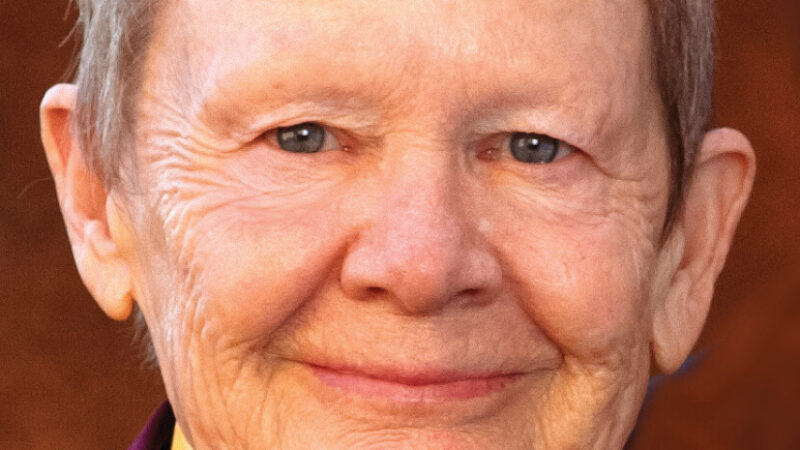
Pema Chödrön is a well-known and beloved American-born Buddhist nun and author of many spiritual classics. She serves as the resident teacher at Gampo Abbey Monastery in Nova Scotia and is a student of Dzigar Kongtrul Rinpoche and the late Chögyam Trungpa Rinpoche. For more information, including a list of her published works, visit pemachodronfoundation.org.

Author photo © Christine Alicino

Also By Author

Pema Chödrön: “Compassionate Abiding”

How do we find a sense of stability when everything seems so groundless? Pema Chödrön is celebrated around the world for her ability to help us turn toward things that are difficult and embrace our uncertainty. In this week’s podcast, Pema joins Tami to share her one-of-a-kind guidance, including a special practice she calls “compassionate abiding.” Tami and Pema also talk about how to stay embodied when panic arises, accessing the wisdom inherent in our emotions, and the importance of cultivating “unconditional friendship” and befriending even those parts of ourselves that we want to reject.

Pema Chödrön: Living with Vulnerability

Pema Chödrön is an American-born Buddhist nun who currently resides at Gampo Abbey in Nova Scotia. Her many publications include How to Meditate, Getting Unstuck, and Fail, Fail Again, Fail Better. This special episode of Insights at the Edge—originally broadcast as part of the Living with Vulnerability online program—features a deeply heartfelt conversation between Pema and Tami Simon. Here they discuss why it can feel so hard to live with your innermost self open to the world. Pema emphasizes that choosing to be vulnerable brings a more genuine and fulfilling experience of your daily life. Finally, Tami and Pema talk about listening to the inherent lessons of your emotions and why acceptance of the moment will open you to ever-greater opportunities for joy and enrichment.(66 minutes)

The Freedom to Choose Something Different with Pema Ch...

Ever feel triggered and stuck in a reactive tailspin despite all your efforts? It is from this place — this hooked feeling — that we find ourselves responding in less than ideal ways. These are the moments when we may speak with venom, act out, or completely shut down when faced with challenging situations.

It is only later, when we’ve had the opportunity to calm down and reflect on our actions, that we wonder where we went wrong and how we could have chosen a more grounded response.

In The Freedom to Choose Something Different, Pema Chödrön examines and illuminates this nebulous process, clearly identifying where and when you have the opportunity to change your habitual response patterns. . . to choose something different. In this eight-part video course, Pema personally walks you through the landscape of these internal thunderstorms and guides you through the tools to cultivate inner freedom.

Discover more in the FREE introduction to the Online Course.

You Might Also Enjoy

What Is Reverse Meditation? A Counterintuitive Path to...

Many people begin meditation hoping to quiet the mind, reduce stress, or create a sense of inner peace. Reverse meditation takes a different approach by encouraging people to turn toward the thoughts, emotions, and experiences they usually avoid. Instead of escaping discomfort, the practice invites awareness of it. Although this approach may feel unfamiliar at first, it can lead to deeper self-understanding, emotional honesty, and presence.

At Sounds True, we have spent decades sharing wisdom from leading spiritual teachers, meditation practitioners, and contemplative voices through books, audio programs, podcasts, and transformational learning experiences. Our mission has always been to support meaningful inner growth through teachings that are grounded, compassionate, and accessible.

Here, we discuss what reverse meditation is, how it differs from traditional mindfulness practices, and how it can support awakening through awareness, shadow work, and emotional openness.

Key Takeaways:

  • Emotional Awareness: Reverse meditation encourages people to stay present with difficult emotions instead of avoiding them.
  • Spiritual Insight: The practice helps uncover unconscious patterns that shape fear, identity, and emotional reactions.
  • Inner Freedom: Reverse meditation and shadow meditation support greater compassion, honesty, and emotional resilience.

Discover the Power of Daily Meditation and Inner Stillness

What Is Reverse Meditation and Why Is It So Counterintuitive?

Reverse meditation challenges the привычка to avoid discomfort during spiritual practice. Instead of trying to quiet difficult emotions or achieve constant calm, practitioners learn how to stay present with fear, uncertainty, and emotional tension. Thoughts and uncomfortable feelings are not treated as distractions but as part of the practice itself.

This counterintuitive approach encourages greater self-awareness and emotional honesty. Rather than chasing ideal spiritual states, reverse meditation focuses on presence, openness, and a deeper relationship with inner experience.

The Origins of Reverse Meditation in Spiritual and Contemplative Traditions

Reverse meditation draws from contemplative traditions that emphasize awareness without resistance. Although the language surrounding the practice may vary, the central principle remains similar across many teachings. Freedom develops when people stop struggling against their inner experience.

Ancient Teachings on Turning Toward Experience

Many contemplative traditions teach practitioners to observe thoughts and emotions without immediately reacting to them. In Tibetan Buddhism and nondual teachings, awareness is seen as spacious enough to include discomfort, confusion, and emotional intensity.

Rather than viewing difficult emotions as obstacles, these traditions suggest they can lead to deeper understanding. Reverse meditation reflects this approach by encouraging awareness of the emotions and patterns people usually avoid.

Why Modern Practitioners Are Drawn to Reverse Meditation

Many people are drawn to meditation practices that feel emotionally honest and grounded. While traditional mindfulness can be meaningful, some practitioners realize they are using meditation to avoid discomfort instead of understanding it.

Reverse meditation creates space for vulnerability, uncertainty, and difficult emotions without judgment. Rather than pretending discomfort does not exist, the practice encourages a more open and honest relationship with inner experience.

Andrew Holecek Reverse Meditation Teachings on Awareness and Awakening

The growing conversation around reverse meditation has been influenced by Andrew Holecek, whose teachings combine Tibetan Buddhism, dream yoga, and nondual contemplative wisdom. His work often focuses on the patterns people use to avoid discomfort and reinforce identity.

Reversing Habitual Patterns of Avoidance

Andrew Holecek reverse meditation teachings emphasize how deeply conditioned people are to seek comfort and avoid emotional pain. Fear, anxiety, and uncertainty are usually treated as problems that need immediate resolution.

Reverse meditation interrupts this pattern. Instead of escaping difficult emotions, practitioners learn how to remain present with them long enough to observe what exists beneath the surface. Fear may reveal vulnerability. Anger may uncover grief. Emotional resistance may expose attachment to control.

The practice does not encourage emotional overwhelm. Instead, it develops the capacity to remain aware without immediately turning away from discomfort.

Awakening Through Openness and Curiosity

A central insight within reverse meditation is that awakening begins through openness rather than control. Many people spend years trying to perfect themselves spiritually while remaining disconnected from unresolved emotional experience.

Reverse meditation shifts that orientation. Curiosity replaces judgment. Awareness becomes less focused on fixing experience and more focused on understanding it directly.

This creates a different relationship with meditation itself. Practitioners stop measuring progress according to how peaceful they feel. Instead, they begin developing the ability to remain present with changing emotional states without becoming consumed by them.

Over time, this openness can create greater emotional resilience, compassion, and clarity.

How a Reverse Meditation Practice Changes Your Relationship With Fear

Fear often becomes one of the central doorways within a reverse meditation practice. Most people instinctively move away from emotional discomfort as quickly as possible. Reverse meditation asks practitioners to slow down and examine that impulse instead of following it automatically.

Learning to Stay Present With Discomfort

One of the first things practitioners notice is how quickly the mind reaches for distraction. Restlessness, analysis, and mental storytelling often appear when vulnerability begins surfacing.

Reverse meditation encourages practitioners to remain present with those reactions rather than immediately escaping them. Fear is no longer treated as something that must disappear before peace can emerge.

This shift can feel uncomfortable at first. Yet many practitioners discover that difficult emotions become less overwhelming once they are approached with awareness instead of resistance.

Fear as a Gateway to Deeper Insight

Fear often protects deeper emotional experiences that have not been fully acknowledged. Beneath anxiety, there may be grief, loneliness, uncertainty, or attachment to identity and control.

A reverse meditation practice creates space to observe these hidden layers more clearly. Instead of reacting automatically, practitioners begin recognizing how much emotional energy is spent avoiding vulnerability.

This awareness can gradually transform the relationship with fear itself. Fear becomes less of an enemy and more of a signal pointing toward areas that require compassion, honesty, and attention.

Awaken Your Inner Healing Power: Your Wellness Journey Starts Now

Why Counterintuitive Meditation Challenges Traditional Mindfulness

Counterintuitive meditation often challenges familiar ideas about what meditation is supposed to accomplish. Many people begin meditation expecting calmness, focus, or emotional relief. Reverse meditation introduces another possibility by encouraging awareness of all experience, including discomfort.

  • Traditional mindfulness practices often emphasize concentration on the breath or bodily sensations, while counterintuitive meditation opens awareness toward thoughts, emotions, and emotional tension.
  • Counterintuitive meditation encourages practitioners to notice resistance itself rather than immediately trying to eliminate uncomfortable feelings.
  • Emotional difficulty is not viewed as failure within the practice. Difficult emotions become opportunities for deeper awareness and self-understanding.
  • The practice shifts attention away from spiritual achievement and toward emotional honesty.
  • Practitioners learn how to remain present with uncertainty instead of constantly seeking resolution or control.
  • Counterintuitive meditation encourages greater compassion by helping people recognize the shared vulnerability within human experience.

Although this approach may feel challenging, many practitioners eventually develop a more grounded relationship with meditation. Awareness becomes less dependent on achieving ideal states and more connected to direct experience as it unfolds naturally.

The practice reminds people that awakening does not require perfection. It begins through willingness to remain present with reality in all its complexity.

The Connection Between Shadow Meditation and Reverse Meditation

Shadow meditation and reverse meditation encourage awareness of the hidden parts of the self, including fear, grief, shame, anger, and emotional pain. These emotions often surface during meditation through thoughts, physical sensations, or emotional reactions that are usually avoided.

Instead of suppressing those experiences, reverse meditation invites practitioners to meet them with compassion and curiosity. Over time, this process can reduce emotional resistance and create a greater sense of wholeness, honesty, and self-understanding.

Common Challenges That Arise During a Reverse Meditation Practice

A reverse meditation practice can feel emotionally intense, especially for people who are accustomed to avoiding vulnerability through distraction or control. Difficult emotions may become more visible once awareness slows down and becomes more attentive.

One common challenge involves expectations. Many people believe meditation should always feel peaceful or calming. Reverse meditation asks practitioners to reconsider that assumption. Emotional discomfort does not necessarily mean something is wrong. In many cases, it reflects a growing willingness to encounter inner experience honestly.

Impatience can also become part of the process. People often want immediate transformation or clarity, yet reverse meditation unfolds gradually through consistent awareness and self-compassion.

Support can be valuable during this process. Teachers, contemplative communities, and trusted spiritual resources can help practitioners navigate emotionally complex experiences with steadiness and care.

How Reverse Meditation and Shadow Meditation Support Inner Freedom

Reverse meditation and shadow meditation encourage a more compassionate relationship with difficult emotions and inner experiences. Instead of resisting fear, vulnerability, or uncertainty, practitioners learn how to remain present with them in a more open and grounded way.

Over time, this awareness can create greater emotional freedom and self-understanding. Rather than escaping pain or discomfort, reverse meditation supports a deeper sense of clarity, steadiness, and connection with human experience.

Discover how your mind really works

Final Thoughts

Reverse meditation offers a different relationship with awareness. Instead of moving away from discomfort, practitioners learn how to meet fear, uncertainty, and emotional complexity with openness and compassion. Through this counterintuitive practice, difficult experiences become opportunities for greater clarity rather than obstacles to awakening.

By turning gently toward the parts of ourselves we often resist, reverse meditation and shadow meditation can support a deeper sense of presence, honesty, and inner freedom.

Frequently Asked Questions About What Is Reverse Meditation?

Can reverse meditation help with emotional overwhelm?

Reverse meditation may help people develop a healthier relationship with overwhelming emotions by encouraging awareness instead of immediate avoidance. The practice focuses on observing emotional experiences with patience and compassion.

Is reverse meditation suitable for daily practice?

Yes. Many practitioners incorporate reverse meditation into daily routines through short periods of self-inquiry, mindful observation, or reflective awareness. Consistency is often more important than duration.

Does reverse meditation require silence?

Not necessarily. While quiet environments can support concentration, reverse meditation can also involve awareness during ordinary daily experiences, emotional reactions, or moments of discomfort.

How is reverse meditation different from positive thinking?

Positive thinking often focuses on replacing difficult thoughts with encouraging ones. Reverse meditation does not attempt to replace or fix emotions. Instead, it encourages awareness of experience exactly as it appears.

Can reverse meditation improve self-awareness?

Yes. The practice can deepen self-awareness by helping practitioners notice unconscious habits, emotional patterns, and reactions that often operate automatically.

Is reverse meditation connected to nondual teachings?

Many reverse meditation teachings share similarities with nondual traditions because both emphasize direct awareness and reduced identification with thoughts and emotions.

What role does the body play in reverse meditation?

The body often becomes an important source of awareness during reverse meditation. Emotional tension, fear, and stress frequently appear as physical sensations that practitioners learn to observe more consciously.

Can reverse meditation support spiritual growth without religion?

Yes. Although some teachings draw from Buddhist and contemplative traditions, reverse meditation can be practiced in a nonreligious way focused on awareness, emotional honesty, and inner reflection.

Why do some people resist reverse meditation at first?

The practice challenges the instinct to avoid discomfort. Remaining present with difficult emotions can initially feel unfamiliar, especially for people accustomed to distraction or emotional suppression.

How long does it take to understand reverse meditation?

Understanding develops gradually through experience rather than intellectual study alone. Many practitioners notice subtle shifts in awareness over time as they continue practicing with openness and consistency.

Michelle Cassandra Johnson is an author, activist, spiritual teacher, racial equity consultant, and intuitive healer. She is the author of six books, including Skill in Action and Finding Refuge. Amy Burtaine is a leadership coach and racial equity trainer. With Robin DiAngelo, she is the coauthor of The Facilitator's Guide for White Affinity Groups. For more, visit https://www.michellecjohnson.com/wisdom-of-the-hive.

Wim Hof on Cold as a Noble Force: How Cold Exposure Re...

Many people spend their lives avoiding discomfort. Cold weather sends us indoors, stress pushes us toward distraction, and physical tension becomes something we ignore until it feels impossible to avoid. Wim Hof approaches discomfort differently. Through cold exposure and breathwork, he teaches that moments of intensity can become opportunities to reconnect with the body, calm the mind, and build greater resilience. His methods have sparked global interest because they encourage people to experience awareness directly rather than simply think about it.

At Sounds True, we have spent decades sharing transformational teachings from respected spiritual teachers, wellness experts, and visionaries who help people deepen self awareness and reconnect with meaningful practices for inner growth. Conversations with voices like Wim Hof continue that mission by offering grounded approaches to resilience, presence, and the connection between body and mind.

Here, we discuss Wim Hof method benefits, the role of cold exposure and breathwork, and how these practices may support resilience, focus, and emotional balance.

Key Takeaways:

  • Nervous System Response: Learn how cold exposure and conscious breathing may influence stress regulation and emotional resilience.
  • Mind-Body Awareness: Understand how the Wim Hof method encourages greater presence, focus, and connection with physical sensations.
  • Adaptation Through Discomfort: See how controlled cold exposure can help strengthen mental steadiness and the body’s natural adaptability.

Discover the Power of Daily Meditation and Inner Stillness

Why Wim Hof Calls Cold a Noble Force

Wim Hof sees cold as a way to reconnect with the body and sharpen awareness. The moment people encounter cold, breathing changes, attention focuses, and distractions fade. He believes modern comfort has weakened the body’s natural resilience, while cold exposure helps restore that connection. For Hof, learning to stay calm in the cold can also help people respond to stress and discomfort with greater steadiness in everyday life.

Wim Hof Method Benefits for Body and Mind

The Wim Hof method combines conscious breathing, cold exposure, and mental focus. Together, these practices are designed to strengthen the connection between body and mind while encouraging resilience under stress. Many people are drawn to the method because it feels deeply experiential rather than theoretical.

Before discussing specific benefits, it helps to understand that the method is rooted in adaptation. The body constantly responds to its environment, and Hof believes intentional exposure to manageable stress can help restore physical and emotional balance.

Physical Energy and Nervous System Support

One of the most discussed Wim Hof method benefits is increased energy and mental clarity. Many people report feeling more alert and refreshed after cold exposure practices. Cold immersion also activates the nervous system, encouraging people to regulate their breathing instead of reacting automatically to stress. Over time, this may support better focus, emotional steadiness, and recovery from stress.

Emotional Resilience Through Discomfort

The emotional side of the Wim Hof method is just as important as the physical practice. Through controlled discomfort, people learn to notice fear and stress without immediately reacting to them. By focusing on the breath and staying present, many practitioners develop greater emotional resilience and feel calmer during stressful situations in daily life. 

How Wim Hof Breathing Supports Mental Clarity and Focus

Wim Hof breathing forms the foundation of the method and serves as a bridge between physical sensation and mental awareness. The breathing exercises involve deep rhythmic breathing followed by periods of breath retention, creating noticeable shifts within the body and mind.

For many people, breathing becomes shallow and unconscious during stressful moments. Tension accumulates quietly, and the nervous system remains in a reactive state without conscious awareness. Hof’s breathing practices encourage people to reconnect with the breath in a more intentional way.

How Conscious Breathing Influences Stress

The breath has a direct relationship with the body’s stress response. Rapid, shallow breathing can reinforce anxiety and tension, while slower and more deliberate breathing often encourages relaxation and stability.

Wim Hof breathing teaches people to become aware of those patterns rather than remaining trapped inside them unconsciously. During the breathing exercises, many people experience a sense of release as physical tension softens and attention becomes more grounded in the present moment.

This shift may help support emotional regulation throughout daily life. When stressful situations arise, conscious breathing can become an anchor that creates space between reaction and response.

Breathwork as a Practice of Presence

Breathwork also supports greater awareness and presence in everyday life and relationships. Many people describe Wim Hof breathing as both calming and energizing because it encourages deeper attention to the body, emotions, and mental patterns. Rather than avoiding discomfort, the breath becomes a tool for moving through it with greater awareness and steadiness.

Cold Exposure Benefits for Stress and Emotional Resilience

Cold exposure benefits extend beyond physical endurance or athletic recovery. Many people become interested in cold showers or ice baths because of the emotional and psychological effects associated with the practice.

Building Calm During Intensity

Stepping into cold water immediately activates the body’s stress response. Muscles tighten, breathing becomes rapid, and the mind often searches for escape. Hof teaches people to notice these reactions without becoming consumed by them.

By consciously slowing the breath and remaining present, practitioners begin training the nervous system to stay calmer under stress. This practice may gradually influence emotional resilience outside the cold itself. Situations that once triggered panic or overwhelm can begin to feel less consuming.

The experience also encourages patience and trust. Instead of reacting impulsively, people learn how to remain steady within intensity.

Reconnecting With Bodily Awareness

Cold exposure also creates a stronger relationship with physical awareness. Many people move through daily life disconnected from bodily sensation, carrying stress without fully recognizing it.

Cold immersion interrupts that disconnection. The body becomes impossible to ignore, and attention naturally returns to breathing, sensation, and presence. For many practitioners, this creates a renewed appreciation for the body’s intelligence and adaptability.

Awaken Your Inner Healing Power: Your Wellness Journey Starts Now

Ice Bath Benefits Beyond Physical Recovery

Ice bath benefits are often associated with athletic recovery, but the practice can influence mental and emotional well being as well.

  • Ice baths may support circulation and physical recovery after intense activity.
  • Many people report increased alertness and energy following cold immersion.
  • Ice baths encourage awareness of breathing and stress patterns.
  • Cold exposure creates opportunities to practice calmness under pressure.
  • Some practitioners describe greater emotional steadiness through regular practice.
  • Ice baths may strengthen resilience by teaching the body and mind to adapt together.

Although the physical effects often receive the most attention, many people continue the practice because of the emotional clarity it creates. Ice baths become less about endurance and more about awareness, patience, and presence.

The Wim Hof Method and the Science of Adaptation

A central principle within the Wim Hof method is that the human body is naturally designed to adapt. Hof often speaks about modern comfort as something that has weakened this connection with innate resilience.

Controlled exposure to cold challenges the body in manageable ways, encouraging adaptation without overwhelming the system. This process reflects a broader truth about human growth. People often become stronger not by avoiding difficulty entirely, but by learning how to remain present within challenge.

The method encourages a different relationship with stress. Instead of treating discomfort as something purely negative, practitioners begin viewing it as an opportunity for awareness and transformation.

How Wim Hof Breathing and Cold Exposure Benefits Work Together

Breathing exercises and cold exposure are deeply connected within Hof’s teachings. The breath prepares the body and mind for intensity, while the cold creates an immediate environment in which those tools can be practiced.

Together, these methods encourage people to slow reactive patterns and remain grounded during stress. Breathwork supports nervous system regulation, while cold exposure strengthens the ability to apply that regulation in real situations.

Many practitioners describe this combination as empowering because it creates direct experience rather than abstract theory. The lessons are felt physically, emotionally, and mentally all at once.

Bringing Wim Hof Method Benefits Into Everyday Life

Wim Hof often emphasizes that transformation does not require extreme challenges. Small, consistent practices can create meaningful shifts over time. Brief cold showers, intentional breathing exercises, and moments of conscious stillness during stressful situations may gradually strengthen resilience in everyday life.

The Wim Hof method invites people to become more aware of how they relate to discomfort, stress, and uncertainty. Rather than immediately resisting difficult experiences, the practices encourage curiosity, presence, and adaptability.

For many people, the deeper value of the method is not simply enduring cold temperatures. It is learning how to remain connected to awareness during moments that would normally trigger fear, tension, or emotional reactivity. Through breath and cold, people may begin developing a steadier relationship with both the body and the mind.

Discover how your mind really works

Final Thoughts

Wim Hof’s teachings invite people to reconsider their relationship with discomfort, stress, and the body itself. Through conscious breathing and cold exposure, the Wim Hof method encourages greater awareness, resilience, and presence in everyday life. What begins as a physical practice often becomes something deeper: a reminder that the body and mind are capable of far more balance, adaptability, and inner strength than many people realize.

Frequently Asked Questions About Wim Hof Method Benefits

Is the Wim Hof method meant only for athletes?

No. While athletes often use cold exposure for recovery, the Wim Hof method is practiced by people from many different backgrounds who are interested in stress management, focus, and overall well being.

How long does it take to feel Wim Hof method benefits?

Some people notice increased alertness or energy after a single session, while others experience more gradual changes over several weeks of consistent practice.

Can beginners practice the Wim Hof method at home?

Yes. Many beginners start with short cold showers and simple breathing exercises before progressing to longer or more advanced practices.

Does Wim Hof breathing require special equipment?

No. Wim Hof breathing can be practiced without equipment, though it should always be done in a safe environment and never in water or while driving.

Why do people feel energized after cold exposure?

Cold exposure activates the body’s alertness response, which may increase circulation and create a feeling of heightened energy afterward.

Can the Wim Hof method help with daily stress?

Many practitioners use the method to support emotional balance and stress management by learning how to regulate breathing and remain calmer during challenging situations.

What makes ice baths mentally challenging?

Ice baths trigger an immediate stress response in the body, including rapid breathing and tension. Learning to stay calm within that discomfort is part of the practice.

Is the Wim Hof method connected to mindfulness?

Yes. The method encourages awareness of breathing, bodily sensation, and mental reactions, which aligns with many mindfulness-based practices.

How cold should beginners start with cold exposure?

Beginners are often encouraged to begin gradually with cool or cold showers rather than extreme temperatures, allowing the body to adapt slowly.

Can cold exposure improve focus and concentration?

Some people report improved mental clarity after cold exposure because the experience requires immediate attention and presence.

Michelle Cassandra Johnson is an author, activist, spiritual teacher, racial equity consultant, and intuitive healer. She is the author of six books, including Skill in Action and Finding Refuge. Amy Burtaine is a leadership coach and racial equity trainer. With Robin DiAngelo, she is the coauthor of The Facilitator's Guide for White Affinity Groups. For more, visit https://www.michellecjohnson.com/wisdom-of-the-hive.

Thomas Hubl on Healing Collective Trauma: How Intergen...

Many people carry emotional patterns they cannot fully explain. Anxiety, fear, and emotional distance can sometimes be rooted in experiences passed down through generations. Thomas Hübl’s teachings on collective trauma healing bring awareness to how unresolved pain continues shaping families, communities, and human connection.

At Sounds True, we have spent decades sharing transformational teachings that support mindfulness, healing, and conscious living. Thomas Hübl’s work on intergenerational trauma and collective wound work offers a compassionate perspective on inherited emotional pain and healing.

Here, we discuss how intergenerational wounds are passed down and how awareness can support collective trauma healing.

Key Takeaways:

  • Trauma Transmission: Collective and intergenerational trauma can influence emotional patterns, relationships, and nervous system responses across generations.
  • Healing Through Presence: Thomas Hübl’s teachings emphasize awareness, emotional regulation, and compassionate connection as essential parts of healing.
  • Collective Repair: Healing inherited wounds involves both personal reflection and shared conversations that restore trust, empathy, and human connection.

Discover how your mind really works

Collective Trauma Healing and the Hidden Patterns We Inherit

Collective trauma healing begins with recognizing that unresolved pain can continue shaping families and communities across generations. Thomas Hübl teaches that inherited emotional patterns, fear, and disconnection often stem from trauma that was never fully processed. Healing starts with awareness, compassion, and the willingness to acknowledge difficult experiences without turning away from them. 

How Intergenerational Trauma Shapes Families and Communities

Intergenerational trauma is often passed down through emotional patterns, behaviors, and nervous system responses that children absorb long before they fully understand language or history. Families communicate survival strategies in countless unconscious ways, including silence, emotional withdrawal, hypervigilance, or fear around intimacy and trust.

Emotional Patterns Learned Through Survival

Children are highly sensitive to the emotional states of caregivers. When parents or grandparents carry unresolved trauma, younger generations frequently adapt themselves around those conditions. A child may become overly responsible in response to instability within the home. Another may learn to suppress emotion because vulnerability feels unsafe within the family system.

Thomas Hübl teaches that trauma transmission often occurs not only through direct experiences but through emotional environments. Unspoken grief, unresolved fear, or chronic stress can quietly shape a child’s nervous system over time. These inherited responses may continue into adulthood, affecting relationships, work, communication, and emotional regulation.

The Community Impact of Intergenerational Trauma

Intergenerational trauma also appears collectively within communities shaped by historical suffering. Entire groups may carry inherited distrust, shame, or disconnection after generations of violence, discrimination, or displacement. These experiences can influence educational systems, economic opportunities, social structures, and cultural identity.

Hübl’s work encourages people to understand trauma through both personal and collective lenses. Healing becomes more meaningful when individuals recognize they are not isolated from larger social and historical experiences. Awareness creates the possibility for compassion rather than judgment, both toward oneself and toward others carrying visible or invisible pain.

Thomas Hübl Teachings on Trauma, Presence, and Emotional Repair

Thomas Hübl’s teachings often focus on the relationship between awareness, embodiment, and healing. Rather than approaching trauma as something to quickly fix or overcome, he encourages people to develop the inner capacity to remain present with difficult emotions and sensations.

Presence as a Foundation for Healing

According to Hübl, healing begins with the ability to stay connected to the present moment without becoming overwhelmed. Trauma frequently disrupts this capacity by pulling people into cycles of emotional reactivity, numbness, or dissociation. Developing presence allows individuals to observe these patterns with greater clarity and steadiness.

Practices such as meditation, conscious breathing, and relational dialogue can support nervous system regulation while helping people reconnect with parts of themselves that may have been suppressed for survival. Hübl emphasizes that healing is not about perfection. It is about increasing one’s ability to remain connected during moments of discomfort or vulnerability.

Why Emotional Repair Requires Connection

Hübl also speaks about the importance of relational healing. Trauma often creates separation, both internally and between people. Emotional repair becomes possible through authentic connection, compassionate witnessing, and shared humanity.

This perspective challenges the idea that healing happens entirely alone. While personal reflection matters, collective healing also requires supportive relationships and communities where people feel emotionally safe enough to tell the truth about their experiences. Through open dialogue and mindful listening, individuals begin rebuilding trust in themselves and others.

Ancestral Trauma Healing and the Stories Carried Through Generations

Ancestral trauma healing involves recognizing that emotional pain can move through generations in ways that are both visible and invisible. Families often carry stories of migration, loss, violence, or survival that continue shaping descendants long after the original events occurred.

How Ancestral Trauma Lives in the Body

Many people experience inherited trauma physically before they fully understand it intellectually. Chronic anxiety, emotional shutdown, tension, or heightened stress responses may reflect nervous system adaptations connected to earlier generations. Hübl teaches that the body often carries unfinished emotional experiences that were never fully processed.

This understanding helps people approach healing with greater compassion. Instead of viewing emotional struggles as personal failures, individuals can begin recognizing the deeper historical and relational contexts influencing their experiences.

Reconnecting With Compassion and Awareness

Ancestral trauma healing does not require romanticizing the past or becoming trapped in it. Instead, it invites people to acknowledge inherited pain while developing the awareness needed to respond differently in the present.

Thomas Hübl encourages practices that support reflection, emotional honesty, and embodied awareness. Through conscious attention, people can begin interrupting inherited cycles of fear, shame, or disconnection. This process creates space for healthier forms of connection that future generations may continue building upon.

Discover the Power of Daily Meditation and Inner Stillness

Why Collective Wound Work Requires Nervous System Awareness

Collective wound work asks people to engage trauma without becoming consumed by it. Thomas Hübl frequently highlights the importance of nervous system awareness because healing cannot happen when individuals remain in constant overwhelm or emotional shutdown.

Key elements of nervous system awareness within collective wound work include:

  • Recognizing physical signs of stress, such as tension, rapid breathing, or emotional numbness
  • Learning to pause before reacting impulsively during emotionally charged conversations
  • Developing practices that support grounding and emotional regulation
  • Building the capacity to stay present with discomfort instead of immediately avoiding it
  • Creating relationships and communities where emotional honesty feels safer
  • Understanding how unresolved trauma can shape perception, communication, and behavior
  • Allowing moments of rest and integration throughout the healing process

Hübl’s teachings remind people that collective wound work is not about endlessly revisiting pain. The goal is to create enough internal stability for difficult emotions and historical realities to be acknowledged without causing further fragmentation. Nervous system awareness supports this balance by helping individuals remain connected to themselves while engaging in meaningful healing work.

Thomas Hübl on Healing Silence, Grief, and Historical Trauma

Silence often becomes one of trauma’s most enduring legacies. Families and communities may avoid speaking about painful experiences because the emotions connected to them feel overwhelming or unresolved. Thomas Hübl teaches that what remains unspoken does not disappear. Instead, silence can deepen disconnection across generations.

Historical trauma frequently leaves emotional gaps where stories should exist. Children may sense grief or fear within a family system without fully understanding its origins. This uncertainty can create confusion, anxiety, or emotional distance that persists over time. Hübl encourages compassionate dialogue as a way of bringing awareness to these hidden dynamics while honoring the emotional weight they carry.

Grief also plays a central role in healing. Many collective wounds remain unresolved because people were never given the space or support needed to process profound loss. Allowing grief to be acknowledged collectively can help restore connection and humanity within communities shaped by suffering.

Collective Trauma Healing Through Connection and Shared Humanity

Collective trauma healing becomes more possible when people move beyond isolation and reconnect through honest conversation, compassionate presence, and shared humanity. Thomas Hübl’s teachings remind us that healing happens through connection, helping individuals, families, and communities rebuild trust and emotional understanding together. 

Intergenerational Trauma, Collective Wound Work, and the Path Forward

Intergenerational trauma and collective wound work require awareness, compassion, and presence. Thomas Hübl’s teachings help people understand how inherited pain shapes individuals and communities while offering a path toward healing. Through honest reflection and meaningful connection, collective trauma healing can help restore relationships and reconnect people with their shared humanity. 

Awaken Your Inner Healing Power: Your Wellness Journey Starts Now

Final Thoughts

Thomas Hübl’s teachings remind us that healing does not happen in isolation. The emotional wounds carried through families, communities, and cultures ask for awareness, compassion, and presence. By recognizing the ways intergenerational trauma shapes human experience, collective trauma healing becomes an opportunity to create a deeper connection with ourselves and with one another. Through conscious attention and shared humanity, it becomes possible to interrupt inherited cycles of pain and move toward greater understanding, resilience, and repair.

Frequently Asked Questions About Collective Trauma Healing

What is the difference between collective trauma and personal trauma?

Personal trauma relates to distressing experiences affecting an individual directly, while collective trauma impacts larger groups such as families, communities, or entire cultures. Collective trauma often shapes shared emotional patterns and social behaviors over time.

Can intergenerational trauma affect people who did not experience the original event?

Yes. Emotional responses, survival behaviors, and nervous system patterns can be passed down through generations, even when descendants did not directly experience the original trauma.

Why are people becoming more aware of ancestral trauma healing?

Many people are beginning to recognize connections between inherited emotional patterns and unresolved family histories. Increased awareness around mental health and nervous system regulation has also expanded conversations around ancestral trauma healing.

How does Thomas Hübl describe the role of the nervous system in healing?

Thomas Hübl teaches that the nervous system plays a central role in how people process stress, connection, and emotional experiences. Healing often involves developing greater capacity to remain grounded and present during difficult emotions.

Can collective wound work happen without revisiting painful memories?

Collective wound work does not always require reliving traumatic experiences in detail. Many healing approaches focus on creating safety, awareness, and emotional regulation while acknowledging the impact of past events.

What are some signs of unresolved intergenerational trauma?

Signs may include chronic anxiety, emotional numbness, difficulty trusting others, intense fear responses, people-pleasing behaviors, or patterns of emotional avoidance repeated within families.

How can mindfulness support collective trauma healing?

Mindfulness practices can help people become more aware of emotional reactions, physical stress responses, and unconscious patterns. This awareness creates space for more intentional responses instead of automatic survival behaviors.

Why is community important in trauma healing?

Supportive relationships can help restore a sense of safety and connection. Healing often deepens when people feel seen, heard, and emotionally supported within healthy communities.

Is collective trauma healing connected to social change?

Yes. Greater awareness of collective trauma can influence how societies approach justice, education, mental health, and community care. Healing often involves both personal transformation and broader cultural awareness.

How does Thomas Hübl’s teachings approach emotional accountability?

Thomas Hübl encourages people to meet emotional pain with honesty, presence, and compassion. His teachings focus on recognizing inherited patterns while taking responsibility for how individuals respond and grow in the present.

Michelle Cassandra Johnson is an author, activist, spiritual teacher, racial equity consultant, and intuitive healer. She is the author of six books, including Skill in Action and Finding Refuge. Amy Burtaine is a leadership coach and racial equity trainer. With Robin DiAngelo, she is the coauthor of The Facilitator's Guide for White Affinity Groups. For more, visit https://www.michellecjohnson.com/wisdom-of-the-hive.

One comment on “Waking Up to Your World, by Pema Chödrön

  1. Teresa Verney says:

    Thank you Pema for this discourse, you make things so simple. Thank you Sounds True for posting it.

Leave a Reply

Your email address will not be published. Required fields are marked *