Acharya Shunya

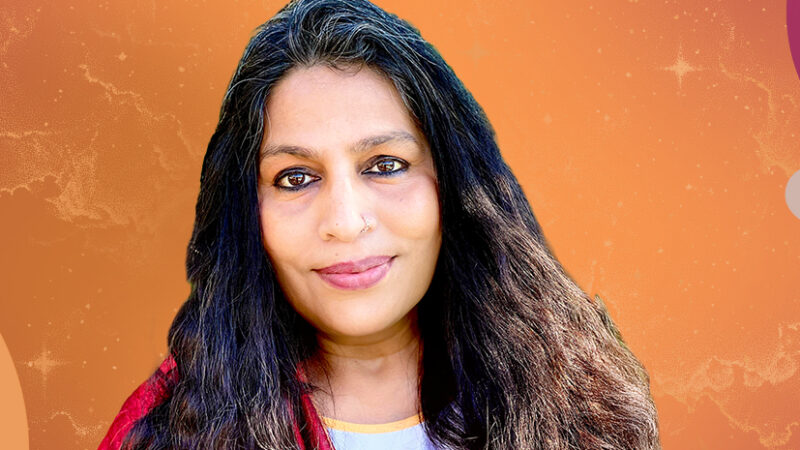
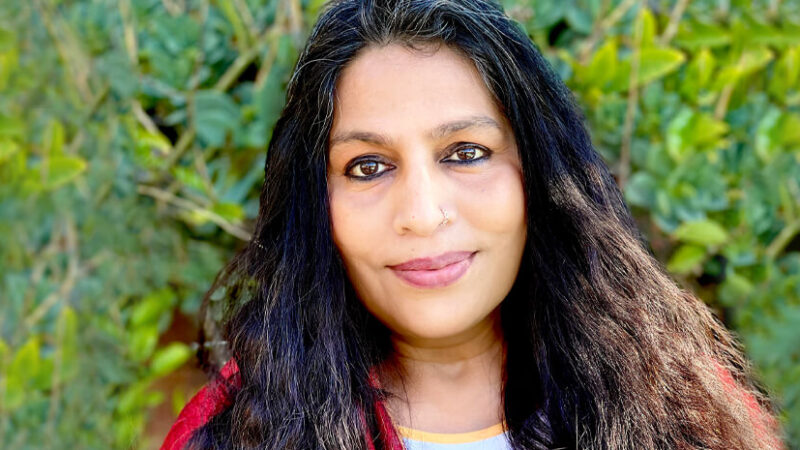
Acharya Shunya is an internationally renowned mystic and a classically trained master of nondual Advaita, Ayurveda, and Yoga. The first female head of her 2,000-year-old Vedic-Hindu spiritual lineage from India, Shunya facilitates authenticity, self-remembrance, and divine feminine pathways to awakening.  She is founder of The Awakened Self Foundation with its international headquarters in California, and is the author of Ayurveda Lifestyle Wisdom, Sovereign Self, and Roar Like a Goddess.

Author photo © Sanjai Mathur

Also By Author

Acharya Shunya: The Five Phases of the Vedic Afterlife...

In the second half of Acharya Shunya’s talk, she shares her personal journey from tradition to transformation, offering practical tools and Vedic insights to help us embrace our greater purpose here.

Through her personal experiences, practical guidance, and teachings from her lineage, Acharya Shunya offers us a roadmap to awakening and living a more meaningful, empowered life.

Note: This interview originally aired on Sounds True One, where these special episodes of Insights at the Edge are available to watch live on video and with exclusive access to Q&As with our guests. Learn more at join.soundstrue.com.

Acharya Shunya: The Five Phases of the Vedic Afterlife...

Acharya Shunya joins Tami Simon to explore Vedic perspectives on reincarnation, the journey of the soul, and the deeper meaning behind life, death, and rebirth.

Are you curious about what happens after we die? This week’s episode continues our series of talks on reincarnation. Here, Tami Simon joins Acharya Shunya, a trailblazing Vedic teacher and author, to explore ancient wisdom about the soul’s journey beyond this life, as well as her own direct insights gained in service of her own lineage’s evolution.

Acharya Shunya shares her step-by-step guide to what happens after death, revealing a compassionate, non-judgmental process focused on growth and remembrance—not punishment for the misconceived concept of “bad karma.” 

Note: This interview originally aired on Sounds True One, where these special episodes of Insights at the Edge are available to watch live on video and with exclusive access to Q&As with our guests. Learn more at join.soundstrue.com.

Roar Like a Goddess

In this podcast we join Sounds True founder, Tami Simon, in conversation with Acharya Shunya, a master of Ayurveda and an internationally renowned spiritual teacher and scholar of Advaita (nondual wisdom). Give a listen to this informative dialogue to hear about Acharya Shunya’s book, Roar Like a Goddess, and her empowering insights into : Awakening the inner goddesses of the Vedic tradition; the progressive revelation of Durga, Lakshmi, and Saraswati; “ugly power” based on ignorance, and the devas (or light bearers) who cultivate power ethically; how symbolism helps you discover your power; healthy rage and “correctional, super-conscious anger”; the divine, ultimate truth of nonduality at the core of Vedic wisdom; the river of light that flows within all of us; and more.

You Might Also Enjoy

Steven Washington: “My Recovery Is Non-Negotiabl...

How do we remain committed to staying sober when grief strikes, when stress becomes overwhelming, or when shame threatens to pull us back into old patterns?

This week on Insights at the Edge, Tami Simon welcomes Steven Washington, a former professional Broadway dancer who has transformed his 23-year recovery journey into a powerful practice of embodied healing. Steven is the author of Recovering You: Soul Care and Mindful Movement for Overcoming Addiction and creator of the SWE Studio, an online community offering movement and meditation support for people in recovery.

In this deeply personal interview, Tami and Steven explore:

  • Why recovery must be “non-negotiable”—with no conditions attached, regardless of life’s challenges 
  • How shame operates as the linchpin of addiction and the healing power of sharing it with trusted others
  • The connection between sensitivity and addiction, and how to transform sensitivity from vulnerability into strength
  • Practical tools for creating a trigger plan that works for both small daily stressors and major life crises
  • How Qigong and embodied practices help regulate the nervous system and process emotions held in the body
  • The journey from inherited shame to self-compassion and authentic self-worth
  • Why asking for help—practiced with small things—prepares us for life’s biggest challenges
  • Developing a personal relationship with a higher power that feels authentic rather than inherited

If you’re navigating recovery, supporting someone who is, or seeking to understand the connection between embodiment and transformation, Steven offers both practical wisdom and profound compassion for the journey.

Note: This interview originally aired on Sounds True One, where these special episodes of Insights at the Edge are available to watch live on video and with exclusive access to Q&As with our guests. Learn more at https://www.join.soundstrue.com

Spirituality And Religion: Understanding The Pathways ...

When it comes to seeking meaning, healing, or connection to something greater than ourselves, we often find ourselves standing at a crossroads: one path lined with traditions, rituals, and long-established doctrines; the other shaped by intuition, personal reflection, and direct experience. This is where many people begin to ask deeper questions about the difference between spirituality vs religion, and how both might serve their longing for purpose, belonging, and awakening. These paths aren’t always opposites; sometimes, they overlap, complement, or evolve in relation to one another. Understanding how people navigate these sacred choices reveals just how diverse and personal the journey can be.

At Sounds True, we’ve spent over four decades curating one of the world’s most trusted archives of spiritual wisdom. From the voices of Eckhart Tolle, Tara Brach, Pema Chödrön, and Michael Singer, to emerging teachers reshaping the future of inner work, we share teachings that are raw, unscripted, and alive. Our courses and digital programs are not just content; they’re living transmissions that meet people where they are, offering companionship on a path that is deeply personal and profoundly sacred.

In this piece, we’ll be discussing the distinctions and connections between spirituality and religion, how sacred paths unfold in unique ways, and how Sounds True supports those on the journey of personal transformation.

Key Takeaways:

  • Definition Clarity: The article distinguishes spirituality from religion without judgment, emphasizing personal experience and structured tradition.
  • Inclusive Pathways: Readers will gain insight into how sacred paths vary across cultures, personal choices, and evolving beliefs.
  • Supportive Resources: Sounds True offers tools, courses, and teachings to help people deepen their spiritual journey in accessible, transformative ways.

What Does It Mean To Walk A Sacred Path?

A sacred path can look different for every seeker, yet it often begins with a quiet longing for deeper meaning and connection. People step onto this path when they feel called to explore the inner landscape of the heart and the mystery that surrounds them. This exploration often leads to a richer understanding of life, truth, and the presence of the sacred:

Honoring The Many Forms Of Sacred Exploration

To begin understanding sacred paths, a person must recognize that the sacred can reveal itself through many experiences. Some find it through community and shared ritual, and others discover it through silence, nature, or personal reflection. Every expression of connection carries wisdom that shapes a seeker’s unfolding journey.

Recognizing Differences In Spiritual Beliefs

There are countless differences in spiritual beliefs across cultures and traditions, yet each carries its own doorway to meaning. These differences are not barriers; they are invitations to appreciate the diversity of human experience. When seekers approach these differences with openness, they often discover insights that deepen their personal path.

Embracing The Inner Journey As Lifelong Practice

A sacred path is less about arriving at a final truth and more about the gradual awakening that unfolds over time. The journey involves presence, compassion, and a willingness to listen inwardly. Through this gentle unfolding, the seeker recognizes the sacred not only in extraordinary moments but also in the simplicity of daily life.

Discover The Power Of Daily Meditation With Sounds True.

Spirituality Vs Religion: How Do We Define Each?

Understanding the nuances between spirituality vs religion helps us appreciate how people seek the sacred in different ways. Both offer meaningful frameworks for connection and awakening, yet they shape inner experience through distinct approaches. Here is how these two pathways can be understood with clarity and compassion:

Defining Religion As A Structured Pathway

Religion offers shared beliefs, communal practices, and traditions that have guided seekers for generations. It provides a framework for understanding the sacred within a collective, and it supports individuals through ritual, moral teachings, and spiritual lineage.

Understanding Spirituality As Personal Inner Practice

Spirituality is often described as a personal journey of inner discovery and presence. While it may draw from religious teachings, it is shaped by reflection, intuition, and direct experience. Many people exploring spirituality vs religion resonate with the freedom that spirituality offers, since it adapts naturally to each individual’s unfolding path.

Bridging Differences In Spiritual Beliefs With Openness

There are countless differences in spiritual beliefs, and each one reflects the diversity of the human search for meaning. These differences invite curiosity rather than separation. When seekers honor these variations with openness, they learn to listen more deeply to one another and to themselves.

Supporting The Individual Journey With Resources

For those exploring spirituality in personal ways, resources like the Spirituality at Sounds True can offer guidance and companionship. These teachings support seekers as they clarify their path and deepen their sense of connection.

Exploring Faith Traditions Across Time And Culture

Faith traditions have shaped human experience for thousands of years. From ancient rites to contemporary contemplative practices, these pathways help individuals connect with the sacred through lineage, symbolism, and ritual. Each tradition offers its own doorway into the mystery of being:

Recognizing The Wisdom In Ancient Traditions

Many seekers begin exploring faith traditions by studying ancient paths such as Buddhism, Christianity, Indigenous teachings, or Sufi mysticism. These systems carry centuries of lived wisdom and provide tested frameworks for spiritual transformation, community, and insight.

Understanding Cultural Expressions Of The Sacred

Spiritual practice is deeply influenced by geography, culture, and time. What may be sacred in one tradition can look very different in another. Honoring these differences supports a deeper understanding of sacred paths and the wide variety of ways people access the divine.

Welcoming Modern Expressions Of Spiritual Seeking

Today, people often blend elements from multiple faith traditions into their personal practice. This integrative approach reflects the evolving nature of spiritual identity. Whether rooted in tradition or emerging through personal experience, these paths reflect the changing face of spirituality vs religion.

Learning Through Modern Teachings And Courses

Sounds True offers digital programs that support this kind of integrative seeking. The Spiritual Courses collection allows seekers to engage with diverse teachings and deepen their understanding from the comfort of their own space.

Differences In Spiritual Beliefs And Personal Meaning

Each person’s relationship with the sacred is shaped by experience, upbringing, and inner resonance. While spiritual traditions offer shared language, the deeper truths we uncover are often intimate and unique. Recognizing and honoring the variety of perspectives helps us move beyond division and toward understanding:

Noticing The Spectrum Of Belief

From structured religious frameworks to unbound spiritual exploration, there are countless differences in spiritual beliefs. Some hold firm to doctrine; others follow intuition or direct experience. Each position, whether inherited or chosen, reflects a deep desire to live in alignment with truth.

Personal Meaning As The Core Of Connection

For many, the heart of the spiritual path lies in meaning-making. The sacred becomes real not just through belief, but through lived experience. People navigating spirituality vs religion often find clarity when they trust their own encounters with insight, love, and mystery.

Creating Space For Curiosity And Compassion

Understanding these differences calls us to soften our assumptions and open ourselves to learning. When we approach diverse beliefs with presence and care, we strengthen the collective field of awakening and deepen our understanding of sacred paths.

Supporting Healing And Integration

Many seekers come to spirituality during moments of personal transition, grief, or transformation. Offerings like the Spiritual Healing Courses at Sounds True help guide that process, providing tools and teachings that support emotional and spiritual integration.

Expand Your Consciousness With Sounds True.

How Sounds True Supports Your Spiritual Journey

As seekers explore their own path, finding resources that reflect both depth and authenticity becomes essential. Sounds True was created to serve this exact purpose to offer teachings that honor each person’s unique experience while connecting them to timeless wisdom. Here’s how Sounds True walks beside you:

Sharing The Voices Of Visionary Teachers

For over 40 years, Sounds True has partnered with spiritual leaders such as Eckhart Tolle, Pema Chödrön, Tara Brach, and many others. These teachers bring alive the richness of exploring faith traditions from multiple perspectives, all with a commitment to presence and personal transformation.

Offering Courses That Meet You Where You Are

Whether someone is new to the path or has been walking it for decades, accessible resources matter. That’s why Sounds True emphasizes experiential learning through audio teachings, online retreats, and digital workshops, tools that support real-life application and inner growth.

Creating A Living Library Of Spiritual Wisdom

The company’s deep archive has been lovingly built as a space of spiritual preservation. Its mission is to transmit the essence of a teaching through the teacher’s unscripted voice, allowing the energy behind the words to be felt, not just understood.

Inviting You To Go Deeper With Limited-Time Offerings

For those seeking guidance during pivotal seasons of their life, the BFCM Spirituality from Sounds True provides access to exclusive programs designed to support transformation. These teachings meet you where you are and help you deepen your relationship with the sacred.

Build Relationships That Nourish And Sustain.

Final Thoughts

The path to the sacred is not one-size-fits-all. Whether someone finds depth through tradition or through personal discovery, both are valid, powerful, and worthy of respect. In honoring both spirituality vs religion, we open ourselves to deeper compassion, for others and for ourselves.

It is through this openness that we begin truly understanding sacred paths. Each belief system, each story, and each practice reflects a thread in the larger fabric of human longing. While our paths may look different, our destination is shared: wholeness, presence, and connection to something greater than ourselves.

As you walk your own sacred path, may you trust your inner knowing, find nourishment in your chosen practices, and remain open to the evolving journey ahead.

Read also:

Frequently Asked Questions About Spirituality And Religion

What Is The Main Difference Between Spirituality And Religion?

The main difference lies in structure and approach. Religion typically follows organized doctrines and communal practices, while spirituality is often personal, fluid, and guided by individual experience.

Can Someone Be Both Spiritual And Religious?

Yes, many people identify as both. They may follow religious traditions while also cultivating a personal spiritual practice that reflects their inner life.

Why Do Some People Leave Religion To Pursue Spirituality?

Some leave religion due to rigid doctrines, institutional experiences, or personal disconnection, and turn to spirituality for a more intuitive, direct connection to meaning.

Is Spirituality Always Non-Theistic?

No. While some spiritual paths are non-theistic, others include a belief in God or divine presence. Spirituality is flexible and may or may not involve theism.

Does Spirituality Require A Teacher Or Guide?

Not necessarily. Some individuals learn through books, inner reflection, or life experience. Others benefit from mentors, teachers, or spiritual communities.

How Do Cultural Backgrounds Influence Spirituality Vs Religion?

Cultural heritage often shapes religious upbringing, symbols, and practices. As people grow, they may evolve beyond those frameworks or integrate them into spiritual inquiry.

Are There Ethical Systems In Spirituality Like In Religion?

Yes. Many spiritual paths promote values such as compassion, integrity, mindfulness, and non-harming, even when not tied to formal commandments or doctrines.

Can Spirituality Provide Community Like Religion Does?

Spirituality can offer community through retreats, meditation groups, online platforms, or shared practices, but it often requires more active seeking than religion-based groups.

How Do Rituals Fit Into A Spiritual Practice Without Religion?

Spiritual rituals may include meditation, journaling, lighting candles, or observing nature. These acts mark intention, presence, or transition, even outside religious tradition.

Is One Path Better Than The Other, Spirituality Or Religion?

Neither is better; both paths serve different needs. What matters most is alignment, choosing the path that feels authentic, meaningful, and supportive for your growth.

Michelle Cassandra Johnson is an author, activist, spiritual teacher, racial equity consultant, and intuitive healer. She is the author of six books, including Skill in Action and Finding Refuge. Amy Burtaine is a leadership coach and racial equity trainer. With Robin DiAngelo, she is the coauthor of The Facilitator's Guide for White Affinity Groups. For more, visit https://www.michellecjohnson.com/wisdom-of-the-hive.

Healing Trauma and Building A Resilient Life

Trauma has a way of leaving a mark by quietly shaping how we move through the world, touch joy, and weather pain. For many, it takes the form of upheaval that knocks the ground out from beneath us, or a subtle ache that lingers long after others have moved on. The journey of healing from trauma can feel overwhelming and, at times, incredibly lonely. Yet there is wisdom in remembering you are not alone.

At Sounds True, we’ve made it our mission to share spiritual teachings that illuminate the path from suffering toward wholeness. We believe in meeting pain with heart, honesty, and compassion, leaning into difficult truths while holding fast to hope and inner strength. In this exploration of how to overcome trauma, we’ll draw from timeless spiritual insights and modern approaches, honoring the resilience within each of us.

Key Takeaways:

  • Trauma’s Lasting Imprint on Body, Mind, and Spirit: Trauma shows up in physical tension, mental patterns, and spiritual disconnection. Recognizing these imprints is the first step toward healing from trauma.
  • Knowing When and Where to Seek Support: Signs like overwhelm, persistent flashbacks, or deep isolation reveal when extra care is needed. True companions in trauma recovery offer empathy, patience, consistency, and safety. A solid support network may include trusted friends who respect boundaries, family members who listen compassionately.
  • Mindfulness, Movement, and Somatic Routines That Restore Balance: Gentle practices, breathwork, mindful meditation, and somatic approaches help calm the nervous system and guide you in overcoming traumatic experiences with grounded resilience.

Explore The Emotional Healing Connection

How Trauma Shapes the Body, Mind, and Spirit

Trauma often plants itself deep within us, sending ripples that touch our bodies, thoughts, and sense of meaning. These echoes can become roadblocks that make achieving goals feel daunting and growth seem out of reach. By exploring how trauma affects the body, mind, and spirit, we begin to see why healing from trauma requires patience, compassion, and an integrated approach.

The Body Remembers

Trauma can take root in the body, sparking fight, flight, or freeze responses long after the original event has passed. A racing heart, clenched jaw, or tense shoulders may surface without warning. Fatigue, headaches, and restlessness are also common, as they are physical reminders of the story the body still carries. These signals are not signs of weakness; they are the nervous system’s way of seeking safety. Over time, unaddressed patterns can weigh heavily, making everyday tasks or long-term goals feel nearly impossible.

The Mind Holds the Story

As for the mind, trauma often reshapes the way we see ourselves and the world. Hypervigilance can keep us braced for danger even in safe spaces. At other times, numbness may settle in, leaving us cut off from our feelings. Thoughts can spiral into shame, self-blame, or confusion. These mental loops act like barriers, clouding focus and blocking progress toward the life we long to create. Healing begins when we notice these patterns with curiosity, kindness, and a willingness to practice trauma recovery step by step.

The Spirit Feels the Weight

Trauma can also dim the spirit, shaking our sense of meaning and belonging. Disconnection may show up as a loss of trust in life, difficulty accessing hope, or a lingering feeling of isolation. Spiritual wounds often leave us adrift, as though the light within has gone out. Yet within this pain lies the possibility of rediscovery. By tending to the spirit, we create space for renewal, resilience, and a deeper connection to purpose.

Types of Trauma and Where They Stem From

Trauma does not take a single form, but rather it arises from many experiences, each carrying its own weight and ripple effects. Here are some types of trauma and where they originate from:

  • Acute trauma: A single event such as an accident, natural disaster, or sudden loss.
  • Chronic trauma: Repeated exposure to distressing experiences like ongoing abuse or neglect.
  • Complex trauma: Multiple, layered experiences that compound over time, often in early life.
  • Generational trauma: Pain and patterns carried through families and communities across generations.
  • Secondary or vicarious trauma: Emotional residue absorbed from witnessing or supporting others in their suffering.

Signs You Might Need Extra Support

Sometimes, despite our best intentions, the journey through trauma leaves us feeling isolated and overwhelmed. Healing is rarely linear, and even the most steadfast hearts sometimes need a guide or a helping hand. But how do you know when to reach outside yourself for extra support? Here are some signs that reaching for extra trauma recovery support may be helpful:

  • Daily life feels unmanageable: Struggling with eating, sleeping, or maintaining routines can signal that your system is carrying more than it can process alone.
  • Emotions feel unrelenting: Persistent sadness, anxiety, sudden waves of anger, or a lingering sense of numbness may point to unresolved pain seeking acknowledgment.
  • Flashbacks and intrusive memories appear: Past experiences may surface vividly, interrupting present-moment focus and draining emotional energy.
  • Hopelessness takes hold: A growing belief that life cannot change or that joy feels out of reach often indicates the need for compassionate guidance.
  • Trust feels fragile: Difficulty relying on loved ones or believing others have your best interest at heart can deepen feelings of isolation.
  • Unhealthy coping becomes a default: Turning to excessive screen time, substance use, or withdrawal from relationships may bring temporary relief but create long-term barriers to growth.
  • Connection feels impossible: Even when surrounded by friends or family, a sense of disconnection or shrinking inner world can leave you feeling unseen.

Explore The Collections

Mindfulness and Meditation to Soothe the Nervous System

When life’s turbulence shakes us, our nervous system can linger in a state of high alert. After trauma, the body remembers. We might feel jumpy, restless, or stuck in spirals of anxiety. This is where mindfulness and meditation offer a gentle refuge. By returning to the present, these practices help soothe the nervous system and create space for resilience.

Returning to Presence Through Mindfulness

Mindfulness is the practice of noticing what is happening here and now without judgment. Instead of forcing the mind to be quiet, mindfulness welcomes each breath, sensation, or thought with gentle awareness. A simple practice might include observing the rise and fall of the breath, or listening to surrounding sounds as they come and go. These small acts of presence remind the nervous system that safety exists in the present moment, easing the grip of fear and helping the body relax.

Meditation as Daily Restoration

Meditation builds on mindfulness by offering structure and repetition. Daily rituals—whether focusing on the breath, practicing loving-kindness, or walking with intention in nature—send steady messages of calm to the body and mind. Even five minutes of stillness can tell the nervous system, “You are safe now.” Over weeks and months, this repeated reassurance creates new patterns of ease and resilience, contributing to the long process of healing from trauma.

Practical Strategies for Soothing the Nervous System

Trauma can make stillness feel impossible at times. On those days, gentle practices help create accessible entry points into mindfulness:

  • Grounding through breathwork: Slow, steady inhales and longer exhales remind the body that calm is available.
  • Body scans: Bringing attention to each area of the body, from toes to crown, allows hidden tension to surface and soften.
  • Loving-kindness meditation: Repeating compassionate phrases toward yourself and others can gradually replace self-criticism with warmth.
  • Mindful movement: Walking slowly, practicing yoga, or simply stretching with awareness anchors presence in physical sensation.
  • Sensory focus: Engaging with sights, sounds, or textures in the environment creates steady anchors in the present moment.

Building a Compassionate Support Network

The path of healing from trauma often feels heavy, yet connection can ease the weight. A compassionate support network provides steady encouragement, safe presence, and spaces where your voice is honored. These relationships help you take steps forward in trauma recovery, reminding you that resilience grows through shared care.

Who Can Be Part of a Compassionate Support Network

The work of healing from trauma often grows stronger in the presence of safe and caring relationships. For example, friends who listen without judgment, family members who honor your boundaries, and mentors who embody guidance can all help restore a sense of belonging. In these connections, you find people who hold space for your story rather than rushing to fix it.

During trauma recovery, collective spaces such as support groups or spiritual communities can also serve as anchors. Shared rituals, honest conversations, and circles of empathy create reminders that you are not walking the path alone. Professional guidance from therapists and counselors adds another layer of care, bringing compassionate expertise and tools that help you process pain in fruitful ways.

When Compassion Is Missing from Relationships

On the journey of healing from trauma, recognizing who can walk beside you is as vital as noticing who cannot. While many people bring kindness, patience, and steadiness, some may unintentionally add weight to your healing. Some dismiss or minimize your experiences, leaving you feeling unheard. Others pressure you to “move on” before you are ready, or turn the focus back to themselves rather than honoring your story. These dynamics often carry judgment, criticism, or a disregard for the boundaries you need to feel safe.

During trauma recovery, awareness of these patterns matters. By noticing which relationships drain rather than restore, you protect your energy and open more space for trust and resilience. The process of overcoming traumatic experiences involves surrounding yourself with people who create safety rather than erode it, who offer presence instead of pressure, and who remind you through their actions that your healing is worthy of time.

Explore The Emotional Healing Connection

Somatic Approaches That Help Release Stress and Trauma

The body often carries what words cannot express. Tight shoulders, a clenched jaw, or an unsettled chest remind us that trauma leaves traces in our physical form as well as in memory. Somatic practices recognize this truth by inviting the body into the process of healing from trauma. Through gentle attention, movement, and breath, the nervous system can rediscover balance, offering a grounded path forward in trauma recovery.

Everyday Somatic Practices That Restore Balance

Somatic approaches bridge the mind and body through awareness of sensation. Simple routines such as body scanning, slow yoga, or tai chi invite you to notice where tension resides and allow it to soften. Breathwork, with its steady rhythm of inhaling and exhaling, anchors presence and quiets lingering agitation.

Even small gestures like placing a hand over your heart or humming softly can serve as reminders that calm is within reach. Over time, these rituals shift the body from storing pain toward cultivating safety and resilience, helping you continue overcoming traumatic experiences with steadier ground beneath you.

Learning Somatic Wisdom Through Sounds True

For those ready to explore these practices in greater depth, Sounds True offers a wealth of teachings through audiobooks and courses. These resources feature teachers who guide you in somatic routines designed to reconnect body and mind.

From step-by-step instruction in breathwork to explorations of mindful movement, the catalog brings both accessible practices and deeper study into your daily life. With consistent practice, these teachings open the door to a body that feels less like a container for stress and more like a sanctuary for healing. In this way, Sounds True extends compassionate tools for your journey of trauma recovery.

Final Thoughts

Overcoming trauma shouldn’t be about erasing the past or pretending pain never touched your life. Instead, this journey should be about learning to hold your story with tenderness and watching as spirit slowly reshapes wounds into strength. At Sounds True, we have witnessed again and again how resilience rises when pain is met with kindness, curiosity, and courage.

You are never meant to walk this road alone. Wisdom flows from spiritual teachers, trusted friends, and guides who create spaces of safety. With these companions beside you, the process of overcoming traumatic experiences becomes less about carrying a burden and more about uncovering a wellspring of resilience. In this unfolding, a life that feels grounded, heart-led, and true begins to take form.

Read More:

Frequently Asked Questions About Overcoming Trauma

What are the common symptoms of trauma?

Trauma can show up in countless ways, both visible and invisible. You might notice flashbacks, nightmares, or trouble sleeping. Some people feel anxious or on edge, avoiding reminders of what happened, or having frequent mood swings. Others experience physical symptoms like unexplained aches, a racing heart, or stomach distress. Remember, every response is valid, and trauma shapes us all differently.

What is PTSD, and how is it related to trauma?

PTSD, or post-traumatic stress disorder, is a specific diagnosis that can develop after a traumatic event. It’s marked by symptoms like re-experiencing the trauma, intense emotional distress, hypervigilance, and avoidance of triggers. While not everyone who experiences trauma will get PTSD, the two are intimately connected. PTSD offers a clinical lens, but any struggle after trauma is worth honoring and addressing.

Are there self-help strategies for overcoming trauma?

Absolutely. Healing starts with small, gentle steps. Mindful breathing, grounding exercises, movement, and connecting with supportive people can all help. Journaling, spending time in nature, or practicing self-compassion are other powerful tools. You don’t have to climb the mountain in one day. Small acts of self-care can make a transformative difference over time.

What types of therapy are effective for trauma?

Several therapies have been shown to support trauma recovery. Approaches like somatic experiencing, EMDR (Eye Movement Desensitization and Reprocessing), trauma-informed cognitive behavioral therapy (CBT), and Internal Family Systems (IFS) can all be effective. Sometimes, simply being in the presence of a compassionate, skilled therapist. no matter the modality, makes the most impact.

What role does mindfulness play in healing trauma?

Mindfulness gently invites us back into our bodies, one breath at a time. It helps us notice our feelings and sensations with curiosity instead of judgment. Practices like meditation, mindful movement, or even mindful walking can foster safety and presence, making space for healing to unfold gradually and organically.

Can medication help with trauma recovery?

For some, medication can offer relief, especially when symptoms like anxiety or depression feel overbearing. While medication isn’t a cure, it can be a valuable companion alongside therapy and self-care, helping to regulate your nervous system while you rebuild inner strength. Always consult with a caring, qualified provider to explore what’s right for you.

Is it normal to feel numb or disconnected after trauma?

Of course. Feeling numb, detached, or even like you’re outside your own body is a common trauma response. Your mind and body are trying to protect you from pain. Over time, and with the right support, these feelings can soften. Be gentle with yourself; numbness often signals that you’re surviving the best way you know how.

What are healthy ways to express emotions related to trauma?

Validation is the first step, and letting yourself feel whatever arises is brave work. Creative outlets like art, music, or movement can help give shape to complex emotions. Talking with trusted friends, therapists, or support groups can bring connection and relief. Most importantly, honor your own pace, as there’s no right or wrong way to express what you carry.

Michelle Cassandra Johnson is an author, activist, spiritual teacher, racial equity consultant, and intuitive healer. She is the author of six books, including Skill in Action and Finding Refuge. Amy Burtaine is a leadership coach and racial equity trainer. With Robin DiAngelo, she is the coauthor of The Facilitator's Guide for White Affinity Groups. For more, visit https://www.michellecjohnson.com/wisdom-of-the-hive.

>