Ashley River Brant

Also By Author

There’s a Ritual for That

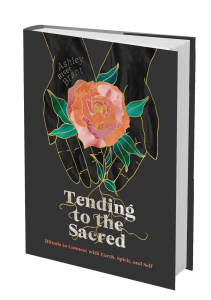
Ashley River Brant is a multidimensional artist and healer whose focus is on awakening the creative and intuitive power within us all. She is the creator of Soul Tattoo®, a ceremonial intuitive tattooing modality, and the host of a podcast called Weaving Your Web. She also brings forth her medicine as a filmmaker, photographer, illustrator, and writer. With Sounds True, Ashley is releasing her first book, Tending to the Sacred: Rituals to Connect with Earth, Spirit, and Self. In this episode of Insights at the Edge, Tami Simon talks with Ashley about how creativity and ritual have given her a “bridge home” to a sense of purpose and belonging from the traumas of her childhood. Ashley describes how she moves through life with a “divine team of support” composed of both earthly and cosmic beings, and she offers us a ritual for connecting with our own spirit guides. They also discuss tapping into past-life memory as a process for healing present wounds, creating space to practice “sacred listening” to nature and our ancestors, and the four pillars of ritual Ashley uses to create a life of intention.

Tips and Tools to Heal Our Relationship with Mother Ea...

Reciprocity

Tending to the natural world is essential. We can no longer ignore or expect the Earth to just be there giving us all that we need, shutting out her cries. Her resources are limited. She is our mother, and she is burning, melting, and roaring in a call for help for us to tend to her needs. Animals are becoming extinct and others are abused and mistreated for profit, as are our trees—our sacred lungs here on Earth. We are meant to connect to the natural world as if it were a friend, a sister or brother, mother or father. We are all a part of the same Earth family. The trees need the air we exhale, yet we forget that we rely on them to breathe, as well. We forget, so easily, just how important this relationship is for our mere existence. Our connection is such a simple act, but we’ve completely lost our intimacy with the natural world as a collective and it’s begging for us to return to this harmonious kinship.

The Earth is our mirror—the truest reflection for our collective. Its self-destruction and decay shows us the separation we’ve created with it, with ourselves, with all that is Sacred, and with each other. When she burns, it mirrors the repressed anger we are holding from not meeting the needs of our Spirit, for not listening to truth. Her polluted oceans reflect the pollution of our inner waters—our disrespect and dishonoring of the emotions and intuitive wisdom of the feminine. The remedy is actually quite simple: conscious communication, love, and connection can help restore this balance. Once we each form a relationship with our elemental allies, our awareness will shift to honoring and protecting, and change the way we relate to the natural world as a whole, just like a connection with any growing relationship. Our future depends on how we tend to the Earth today.

earth is our mirror


Working with the Land

When working with the natural world in our healing, we also must cultivate a relationship with the land that supports us where we live. We thrive when we are connected to and work with the land that holds us. Simple ways to do this include:

  • Spend time with the land. Listen to it. Get to know its natural features, its seasonal blossoms and cycles.
  • Research and recognize its indigenous origins. Who lovingly tended to the land before you? How can you honor these people? Are they still active in your community? How can you support them?
  • Join a local land conservation group.
  • Try to source fresh herbs in your community or in the wild, instead of bought in plastic imported to your grocery store. Look for community gardens, farmers markets, CSAs, or even plant them yourself! For dried herbs and plants not native to your bioregion, check out your local apothecary to support small Earth-conscious businesses. Always ask where they get their herbs and if they are sustainably harvested or organic.
  • Plant walks are also a great resource for learning how to spot medicine in the wild so you can forage yourself, and they can also teach you more about what grows near you. Find a local herbalist who you resonate with and support them.


Ways to Further Reciprocate:

  • Talk to the trees like a friend. Ask them for guidance and support and listen with care and respect.
  • Plant trees and flowers. Reforest and replant. Revive our dying plant species.
  • Stop utilizing single use plastic, especially if you have a company that sells products. Our oceans are drowning in plastic and our sea creatures are suffering. We
    are disrupting balance because of our addiction to consumerism. Plastic does not disappear and most of it doesn’t get recycled. You can nowadays find a plastic-free alternative for almost anything you could ever need with a little bit of conscious attention. Do your research and be mindful of your plastic consumption. Choose consciousness over convenience, the larger vision over a quick fix.
  • With everything you take from the Earth or that is made of the Earth, say a simple thank you before using or consuming it.
  • Say intentional prayers and blessings for the Earth and her healing.
  • Withdraw your support from companies and groups that are not in support of the Earth’s health and sacredness— companies that use unsustainably harvested resources or unnecessary plastic, those that engage in unethical farming, and fast fashion.
  • Share with friends and family how to be more eco-conscious. Does your mom recycle? Is your brother still using plastic straws? Does your best friend need an iced coffee served in a plastic cup every day or can they bring their own cup to the coffee shop? Gently offer suggestions to support the Earth whenever you see fit.
  • Support companies that focus on Earth connection and protection. We vote with our dollars and money is energy. Give your energy to those supporting the Earth.


This is an excerpt from Tending to the Sacred: Rituals to Connect with Earth, Spirit, and Self by Ashley River Brant.


ashley brantAshley River Brant is a multidimensional artist and feminine healer bringing her medicine through as the creator of Soul Tattoo®, a ceremonial intuitive tattooing modality, as well as with film photography, illustration, writing, as the host of Weaving Your Web podcast, and through her online courses. Ashley uses her gifts of mediumship and connections to the loving spirits of the natural world to offer a feminine voice of healing expression for collective transformation in all her work. Ashley’s focus is to assist her clients, and all who are drawn to her work, in awakening to a new wave of feminine power, attuned to the mystery, honoring the creative and intuitive power within us all, and embodying it with grounded presence and purpose, so that we may all heal, open our hearts to the sacred, and align with our authentic expression and soul’s true essence. Ashley will be releasing her first book and first oracle deck with Sounds True in 2021.


book cover

Learn More

Sounds True | Amazon | Barnes & Noble | Indiebound | Bookshop

You Might Also Enjoy

Ilia Delio: A Cyborg Christian on the God Revolution W...


The myths we’ve inherited about God aren’t just outdated—according to Sister Ilia Delio, they may be at the root of our collective crisis.

This week, Tami Simon speaks with Ilia Delio—Franciscan sister, scientist, theologian, holder of the Josephine C. Connelly Endowed Chair at Villanova University, and author of more than twenty books, including The Not Yet God, Re-enchanting the Earth: Why AI Needs Religion, and the memoir Birth of a Dancing Star: My Journey from Cradle Catholic to Cyborg Christian—about what a genuine God revolution would look like in the twenty-first century.

Drawing on the evolutionary theology of Teilhard de Chardin, the depth psychology of Jung, and the cosmotheandric vision of Raimon Panikkar, Delio offers a startling and empowering reframe: God is not a supernatural authority above us, but the inexhaustible ground of wholeness emerging through us—and we are, right now, called to complete that becoming.

Join Tami and Ilia to explore:

  • Why the God of the Axial Age is dying—and what’s being born in its place
  • The evolutionary arc from archaic religion to monotheism to a new cosmotheandric religious consciousness
  • What it actually means to be a “cyborg Christian”—and why Jesus of Nazareth was one
  • How AI mirrors the human psyche and why it may catalyze, not threaten, the next stage of love
  • The three-pronged revolution: creativity, complexity, and consciousness
  • How to awaken to the divine presence already alive within you—and why that’s the taproot we need now

Rich, irreverent, and intellectually alive, this interview is a genuine disruptor for anyone who has ever felt that the spiritual containers we’ve inherited are too small for the lives we’re actually living.

Listen now and bend into the lure. →

This conversation offers genuine transmission—not just concepts about awakening, but the palpable presence of realized teachers exploring the growing edge of spiritual understanding together. Originally aired on Sounds True One.

This episode is sponsored by Omega Institute, a global gathering hub for lifelong learning and spiritual exploration. Omega offers weekend workshops, special events, rest and rejuvenation retreats, professional training, online learning, and more. Discover what calls to you at eomega.org/true.

What Is Reverse Meditation? A Counterintuitive Path to...

Many people begin meditation hoping to quiet the mind, reduce stress, or create a sense of inner peace. Reverse meditation takes a different approach by encouraging people to turn toward the thoughts, emotions, and experiences they usually avoid. Instead of escaping discomfort, the practice invites awareness of it. Although this approach may feel unfamiliar at first, it can lead to deeper self-understanding, emotional honesty, and presence.

At Sounds True, we have spent decades sharing wisdom from leading spiritual teachers, meditation practitioners, and contemplative voices through books, audio programs, podcasts, and transformational learning experiences. Our mission has always been to support meaningful inner growth through teachings that are grounded, compassionate, and accessible.

Here, we discuss what reverse meditation is, how it differs from traditional mindfulness practices, and how it can support awakening through awareness, shadow work, and emotional openness.

Key Takeaways:

  • Emotional Awareness: Reverse meditation encourages people to stay present with difficult emotions instead of avoiding them.
  • Spiritual Insight: The practice helps uncover unconscious patterns that shape fear, identity, and emotional reactions.
  • Inner Freedom: Reverse meditation and shadow meditation support greater compassion, honesty, and emotional resilience.

Discover the Power of Daily Meditation and Inner Stillness

What Is Reverse Meditation and Why Is It So Counterintuitive?

Reverse meditation challenges the привычка to avoid discomfort during spiritual practice. Instead of trying to quiet difficult emotions or achieve constant calm, practitioners learn how to stay present with fear, uncertainty, and emotional tension. Thoughts and uncomfortable feelings are not treated as distractions but as part of the practice itself.

This counterintuitive approach encourages greater self-awareness and emotional honesty. Rather than chasing ideal spiritual states, reverse meditation focuses on presence, openness, and a deeper relationship with inner experience.

The Origins of Reverse Meditation in Spiritual and Contemplative Traditions

Reverse meditation draws from contemplative traditions that emphasize awareness without resistance. Although the language surrounding the practice may vary, the central principle remains similar across many teachings. Freedom develops when people stop struggling against their inner experience.

Ancient Teachings on Turning Toward Experience

Many contemplative traditions teach practitioners to observe thoughts and emotions without immediately reacting to them. In Tibetan Buddhism and nondual teachings, awareness is seen as spacious enough to include discomfort, confusion, and emotional intensity.

Rather than viewing difficult emotions as obstacles, these traditions suggest they can lead to deeper understanding. Reverse meditation reflects this approach by encouraging awareness of the emotions and patterns people usually avoid.

Why Modern Practitioners Are Drawn to Reverse Meditation

Many people are drawn to meditation practices that feel emotionally honest and grounded. While traditional mindfulness can be meaningful, some practitioners realize they are using meditation to avoid discomfort instead of understanding it.

Reverse meditation creates space for vulnerability, uncertainty, and difficult emotions without judgment. Rather than pretending discomfort does not exist, the practice encourages a more open and honest relationship with inner experience.

Andrew Holecek Reverse Meditation Teachings on Awareness and Awakening

The growing conversation around reverse meditation has been influenced by Andrew Holecek, whose teachings combine Tibetan Buddhism, dream yoga, and nondual contemplative wisdom. His work often focuses on the patterns people use to avoid discomfort and reinforce identity.

Reversing Habitual Patterns of Avoidance

Andrew Holecek reverse meditation teachings emphasize how deeply conditioned people are to seek comfort and avoid emotional pain. Fear, anxiety, and uncertainty are usually treated as problems that need immediate resolution.

Reverse meditation interrupts this pattern. Instead of escaping difficult emotions, practitioners learn how to remain present with them long enough to observe what exists beneath the surface. Fear may reveal vulnerability. Anger may uncover grief. Emotional resistance may expose attachment to control.

The practice does not encourage emotional overwhelm. Instead, it develops the capacity to remain aware without immediately turning away from discomfort.

Awakening Through Openness and Curiosity

A central insight within reverse meditation is that awakening begins through openness rather than control. Many people spend years trying to perfect themselves spiritually while remaining disconnected from unresolved emotional experience.

Reverse meditation shifts that orientation. Curiosity replaces judgment. Awareness becomes less focused on fixing experience and more focused on understanding it directly.

This creates a different relationship with meditation itself. Practitioners stop measuring progress according to how peaceful they feel. Instead, they begin developing the ability to remain present with changing emotional states without becoming consumed by them.

Over time, this openness can create greater emotional resilience, compassion, and clarity.

How a Reverse Meditation Practice Changes Your Relationship With Fear

Fear often becomes one of the central doorways within a reverse meditation practice. Most people instinctively move away from emotional discomfort as quickly as possible. Reverse meditation asks practitioners to slow down and examine that impulse instead of following it automatically.

Learning to Stay Present With Discomfort

One of the first things practitioners notice is how quickly the mind reaches for distraction. Restlessness, analysis, and mental storytelling often appear when vulnerability begins surfacing.

Reverse meditation encourages practitioners to remain present with those reactions rather than immediately escaping them. Fear is no longer treated as something that must disappear before peace can emerge.

This shift can feel uncomfortable at first. Yet many practitioners discover that difficult emotions become less overwhelming once they are approached with awareness instead of resistance.

Fear as a Gateway to Deeper Insight

Fear often protects deeper emotional experiences that have not been fully acknowledged. Beneath anxiety, there may be grief, loneliness, uncertainty, or attachment to identity and control.

A reverse meditation practice creates space to observe these hidden layers more clearly. Instead of reacting automatically, practitioners begin recognizing how much emotional energy is spent avoiding vulnerability.

This awareness can gradually transform the relationship with fear itself. Fear becomes less of an enemy and more of a signal pointing toward areas that require compassion, honesty, and attention.

Awaken Your Inner Healing Power: Your Wellness Journey Starts Now

Why Counterintuitive Meditation Challenges Traditional Mindfulness

Counterintuitive meditation often challenges familiar ideas about what meditation is supposed to accomplish. Many people begin meditation expecting calmness, focus, or emotional relief. Reverse meditation introduces another possibility by encouraging awareness of all experience, including discomfort.

  • Traditional mindfulness practices often emphasize concentration on the breath or bodily sensations, while counterintuitive meditation opens awareness toward thoughts, emotions, and emotional tension.
  • Counterintuitive meditation encourages practitioners to notice resistance itself rather than immediately trying to eliminate uncomfortable feelings.
  • Emotional difficulty is not viewed as failure within the practice. Difficult emotions become opportunities for deeper awareness and self-understanding.
  • The practice shifts attention away from spiritual achievement and toward emotional honesty.
  • Practitioners learn how to remain present with uncertainty instead of constantly seeking resolution or control.
  • Counterintuitive meditation encourages greater compassion by helping people recognize the shared vulnerability within human experience.

Although this approach may feel challenging, many practitioners eventually develop a more grounded relationship with meditation. Awareness becomes less dependent on achieving ideal states and more connected to direct experience as it unfolds naturally.

The practice reminds people that awakening does not require perfection. It begins through willingness to remain present with reality in all its complexity.

The Connection Between Shadow Meditation and Reverse Meditation

Shadow meditation and reverse meditation encourage awareness of the hidden parts of the self, including fear, grief, shame, anger, and emotional pain. These emotions often surface during meditation through thoughts, physical sensations, or emotional reactions that are usually avoided.

Instead of suppressing those experiences, reverse meditation invites practitioners to meet them with compassion and curiosity. Over time, this process can reduce emotional resistance and create a greater sense of wholeness, honesty, and self-understanding.

Common Challenges That Arise During a Reverse Meditation Practice

A reverse meditation practice can feel emotionally intense, especially for people who are accustomed to avoiding vulnerability through distraction or control. Difficult emotions may become more visible once awareness slows down and becomes more attentive.

One common challenge involves expectations. Many people believe meditation should always feel peaceful or calming. Reverse meditation asks practitioners to reconsider that assumption. Emotional discomfort does not necessarily mean something is wrong. In many cases, it reflects a growing willingness to encounter inner experience honestly.

Impatience can also become part of the process. People often want immediate transformation or clarity, yet reverse meditation unfolds gradually through consistent awareness and self-compassion.

Support can be valuable during this process. Teachers, contemplative communities, and trusted spiritual resources can help practitioners navigate emotionally complex experiences with steadiness and care.

How Reverse Meditation and Shadow Meditation Support Inner Freedom

Reverse meditation and shadow meditation encourage a more compassionate relationship with difficult emotions and inner experiences. Instead of resisting fear, vulnerability, or uncertainty, practitioners learn how to remain present with them in a more open and grounded way.

Over time, this awareness can create greater emotional freedom and self-understanding. Rather than escaping pain or discomfort, reverse meditation supports a deeper sense of clarity, steadiness, and connection with human experience.

Discover how your mind really works

Final Thoughts

Reverse meditation offers a different relationship with awareness. Instead of moving away from discomfort, practitioners learn how to meet fear, uncertainty, and emotional complexity with openness and compassion. Through this counterintuitive practice, difficult experiences become opportunities for greater clarity rather than obstacles to awakening.

By turning gently toward the parts of ourselves we often resist, reverse meditation and shadow meditation can support a deeper sense of presence, honesty, and inner freedom.

Frequently Asked Questions About What Is Reverse Meditation?

Can reverse meditation help with emotional overwhelm?

Reverse meditation may help people develop a healthier relationship with overwhelming emotions by encouraging awareness instead of immediate avoidance. The practice focuses on observing emotional experiences with patience and compassion.

Is reverse meditation suitable for daily practice?

Yes. Many practitioners incorporate reverse meditation into daily routines through short periods of self-inquiry, mindful observation, or reflective awareness. Consistency is often more important than duration.

Does reverse meditation require silence?

Not necessarily. While quiet environments can support concentration, reverse meditation can also involve awareness during ordinary daily experiences, emotional reactions, or moments of discomfort.

How is reverse meditation different from positive thinking?

Positive thinking often focuses on replacing difficult thoughts with encouraging ones. Reverse meditation does not attempt to replace or fix emotions. Instead, it encourages awareness of experience exactly as it appears.

Can reverse meditation improve self-awareness?

Yes. The practice can deepen self-awareness by helping practitioners notice unconscious habits, emotional patterns, and reactions that often operate automatically.

Is reverse meditation connected to nondual teachings?

Many reverse meditation teachings share similarities with nondual traditions because both emphasize direct awareness and reduced identification with thoughts and emotions.

What role does the body play in reverse meditation?

The body often becomes an important source of awareness during reverse meditation. Emotional tension, fear, and stress frequently appear as physical sensations that practitioners learn to observe more consciously.

Can reverse meditation support spiritual growth without religion?

Yes. Although some teachings draw from Buddhist and contemplative traditions, reverse meditation can be practiced in a nonreligious way focused on awareness, emotional honesty, and inner reflection.

Why do some people resist reverse meditation at first?

The practice challenges the instinct to avoid discomfort. Remaining present with difficult emotions can initially feel unfamiliar, especially for people accustomed to distraction or emotional suppression.

How long does it take to understand reverse meditation?

Understanding develops gradually through experience rather than intellectual study alone. Many practitioners notice subtle shifts in awareness over time as they continue practicing with openness and consistency.

Michelle Cassandra Johnson is an author, activist, spiritual teacher, racial equity consultant, and intuitive healer. She is the author of six books, including Skill in Action and Finding Refuge. Amy Burtaine is a leadership coach and racial equity trainer. With Robin DiAngelo, she is the coauthor of The Facilitator's Guide for White Affinity Groups. For more, visit https://www.michellecjohnson.com/wisdom-of-the-hive.

Wim Hof on Cold as a Noble Force: How Cold Exposure Re...

Many people spend their lives avoiding discomfort. Cold weather sends us indoors, stress pushes us toward distraction, and physical tension becomes something we ignore until it feels impossible to avoid. Wim Hof approaches discomfort differently. Through cold exposure and breathwork, he teaches that moments of intensity can become opportunities to reconnect with the body, calm the mind, and build greater resilience. His methods have sparked global interest because they encourage people to experience awareness directly rather than simply think about it.

At Sounds True, we have spent decades sharing transformational teachings from respected spiritual teachers, wellness experts, and visionaries who help people deepen self awareness and reconnect with meaningful practices for inner growth. Conversations with voices like Wim Hof continue that mission by offering grounded approaches to resilience, presence, and the connection between body and mind.

Here, we discuss Wim Hof method benefits, the role of cold exposure and breathwork, and how these practices may support resilience, focus, and emotional balance.

Key Takeaways:

  • Nervous System Response: Learn how cold exposure and conscious breathing may influence stress regulation and emotional resilience.
  • Mind-Body Awareness: Understand how the Wim Hof method encourages greater presence, focus, and connection with physical sensations.
  • Adaptation Through Discomfort: See how controlled cold exposure can help strengthen mental steadiness and the body’s natural adaptability.

Discover the Power of Daily Meditation and Inner Stillness

Why Wim Hof Calls Cold a Noble Force

Wim Hof sees cold as a way to reconnect with the body and sharpen awareness. The moment people encounter cold, breathing changes, attention focuses, and distractions fade. He believes modern comfort has weakened the body’s natural resilience, while cold exposure helps restore that connection. For Hof, learning to stay calm in the cold can also help people respond to stress and discomfort with greater steadiness in everyday life.

Wim Hof Method Benefits for Body and Mind

The Wim Hof method combines conscious breathing, cold exposure, and mental focus. Together, these practices are designed to strengthen the connection between body and mind while encouraging resilience under stress. Many people are drawn to the method because it feels deeply experiential rather than theoretical.

Before discussing specific benefits, it helps to understand that the method is rooted in adaptation. The body constantly responds to its environment, and Hof believes intentional exposure to manageable stress can help restore physical and emotional balance.

Physical Energy and Nervous System Support

One of the most discussed Wim Hof method benefits is increased energy and mental clarity. Many people report feeling more alert and refreshed after cold exposure practices. Cold immersion also activates the nervous system, encouraging people to regulate their breathing instead of reacting automatically to stress. Over time, this may support better focus, emotional steadiness, and recovery from stress.

Emotional Resilience Through Discomfort

The emotional side of the Wim Hof method is just as important as the physical practice. Through controlled discomfort, people learn to notice fear and stress without immediately reacting to them. By focusing on the breath and staying present, many practitioners develop greater emotional resilience and feel calmer during stressful situations in daily life. 

How Wim Hof Breathing Supports Mental Clarity and Focus

Wim Hof breathing forms the foundation of the method and serves as a bridge between physical sensation and mental awareness. The breathing exercises involve deep rhythmic breathing followed by periods of breath retention, creating noticeable shifts within the body and mind.

For many people, breathing becomes shallow and unconscious during stressful moments. Tension accumulates quietly, and the nervous system remains in a reactive state without conscious awareness. Hof’s breathing practices encourage people to reconnect with the breath in a more intentional way.

How Conscious Breathing Influences Stress

The breath has a direct relationship with the body’s stress response. Rapid, shallow breathing can reinforce anxiety and tension, while slower and more deliberate breathing often encourages relaxation and stability.

Wim Hof breathing teaches people to become aware of those patterns rather than remaining trapped inside them unconsciously. During the breathing exercises, many people experience a sense of release as physical tension softens and attention becomes more grounded in the present moment.

This shift may help support emotional regulation throughout daily life. When stressful situations arise, conscious breathing can become an anchor that creates space between reaction and response.

Breathwork as a Practice of Presence

Breathwork also supports greater awareness and presence in everyday life and relationships. Many people describe Wim Hof breathing as both calming and energizing because it encourages deeper attention to the body, emotions, and mental patterns. Rather than avoiding discomfort, the breath becomes a tool for moving through it with greater awareness and steadiness.

Cold Exposure Benefits for Stress and Emotional Resilience

Cold exposure benefits extend beyond physical endurance or athletic recovery. Many people become interested in cold showers or ice baths because of the emotional and psychological effects associated with the practice.

Building Calm During Intensity

Stepping into cold water immediately activates the body’s stress response. Muscles tighten, breathing becomes rapid, and the mind often searches for escape. Hof teaches people to notice these reactions without becoming consumed by them.

By consciously slowing the breath and remaining present, practitioners begin training the nervous system to stay calmer under stress. This practice may gradually influence emotional resilience outside the cold itself. Situations that once triggered panic or overwhelm can begin to feel less consuming.

The experience also encourages patience and trust. Instead of reacting impulsively, people learn how to remain steady within intensity.

Reconnecting With Bodily Awareness

Cold exposure also creates a stronger relationship with physical awareness. Many people move through daily life disconnected from bodily sensation, carrying stress without fully recognizing it.

Cold immersion interrupts that disconnection. The body becomes impossible to ignore, and attention naturally returns to breathing, sensation, and presence. For many practitioners, this creates a renewed appreciation for the body’s intelligence and adaptability.

Awaken Your Inner Healing Power: Your Wellness Journey Starts Now

Ice Bath Benefits Beyond Physical Recovery

Ice bath benefits are often associated with athletic recovery, but the practice can influence mental and emotional well being as well.

  • Ice baths may support circulation and physical recovery after intense activity.
  • Many people report increased alertness and energy following cold immersion.
  • Ice baths encourage awareness of breathing and stress patterns.
  • Cold exposure creates opportunities to practice calmness under pressure.
  • Some practitioners describe greater emotional steadiness through regular practice.
  • Ice baths may strengthen resilience by teaching the body and mind to adapt together.

Although the physical effects often receive the most attention, many people continue the practice because of the emotional clarity it creates. Ice baths become less about endurance and more about awareness, patience, and presence.

The Wim Hof Method and the Science of Adaptation

A central principle within the Wim Hof method is that the human body is naturally designed to adapt. Hof often speaks about modern comfort as something that has weakened this connection with innate resilience.

Controlled exposure to cold challenges the body in manageable ways, encouraging adaptation without overwhelming the system. This process reflects a broader truth about human growth. People often become stronger not by avoiding difficulty entirely, but by learning how to remain present within challenge.

The method encourages a different relationship with stress. Instead of treating discomfort as something purely negative, practitioners begin viewing it as an opportunity for awareness and transformation.

How Wim Hof Breathing and Cold Exposure Benefits Work Together

Breathing exercises and cold exposure are deeply connected within Hof’s teachings. The breath prepares the body and mind for intensity, while the cold creates an immediate environment in which those tools can be practiced.

Together, these methods encourage people to slow reactive patterns and remain grounded during stress. Breathwork supports nervous system regulation, while cold exposure strengthens the ability to apply that regulation in real situations.

Many practitioners describe this combination as empowering because it creates direct experience rather than abstract theory. The lessons are felt physically, emotionally, and mentally all at once.

Bringing Wim Hof Method Benefits Into Everyday Life

Wim Hof often emphasizes that transformation does not require extreme challenges. Small, consistent practices can create meaningful shifts over time. Brief cold showers, intentional breathing exercises, and moments of conscious stillness during stressful situations may gradually strengthen resilience in everyday life.

The Wim Hof method invites people to become more aware of how they relate to discomfort, stress, and uncertainty. Rather than immediately resisting difficult experiences, the practices encourage curiosity, presence, and adaptability.

For many people, the deeper value of the method is not simply enduring cold temperatures. It is learning how to remain connected to awareness during moments that would normally trigger fear, tension, or emotional reactivity. Through breath and cold, people may begin developing a steadier relationship with both the body and the mind.

Discover how your mind really works

Final Thoughts

Wim Hof’s teachings invite people to reconsider their relationship with discomfort, stress, and the body itself. Through conscious breathing and cold exposure, the Wim Hof method encourages greater awareness, resilience, and presence in everyday life. What begins as a physical practice often becomes something deeper: a reminder that the body and mind are capable of far more balance, adaptability, and inner strength than many people realize.

Frequently Asked Questions About Wim Hof Method Benefits

Is the Wim Hof method meant only for athletes?

No. While athletes often use cold exposure for recovery, the Wim Hof method is practiced by people from many different backgrounds who are interested in stress management, focus, and overall well being.

How long does it take to feel Wim Hof method benefits?

Some people notice increased alertness or energy after a single session, while others experience more gradual changes over several weeks of consistent practice.

Can beginners practice the Wim Hof method at home?

Yes. Many beginners start with short cold showers and simple breathing exercises before progressing to longer or more advanced practices.

Does Wim Hof breathing require special equipment?

No. Wim Hof breathing can be practiced without equipment, though it should always be done in a safe environment and never in water or while driving.

Why do people feel energized after cold exposure?

Cold exposure activates the body’s alertness response, which may increase circulation and create a feeling of heightened energy afterward.

Can the Wim Hof method help with daily stress?

Many practitioners use the method to support emotional balance and stress management by learning how to regulate breathing and remain calmer during challenging situations.

What makes ice baths mentally challenging?

Ice baths trigger an immediate stress response in the body, including rapid breathing and tension. Learning to stay calm within that discomfort is part of the practice.

Is the Wim Hof method connected to mindfulness?

Yes. The method encourages awareness of breathing, bodily sensation, and mental reactions, which aligns with many mindfulness-based practices.

How cold should beginners start with cold exposure?

Beginners are often encouraged to begin gradually with cool or cold showers rather than extreme temperatures, allowing the body to adapt slowly.

Can cold exposure improve focus and concentration?

Some people report improved mental clarity after cold exposure because the experience requires immediate attention and presence.

Michelle Cassandra Johnson is an author, activist, spiritual teacher, racial equity consultant, and intuitive healer. She is the author of six books, including Skill in Action and Finding Refuge. Amy Burtaine is a leadership coach and racial equity trainer. With Robin DiAngelo, she is the coauthor of The Facilitator's Guide for White Affinity Groups. For more, visit https://www.michellecjohnson.com/wisdom-of-the-hive.