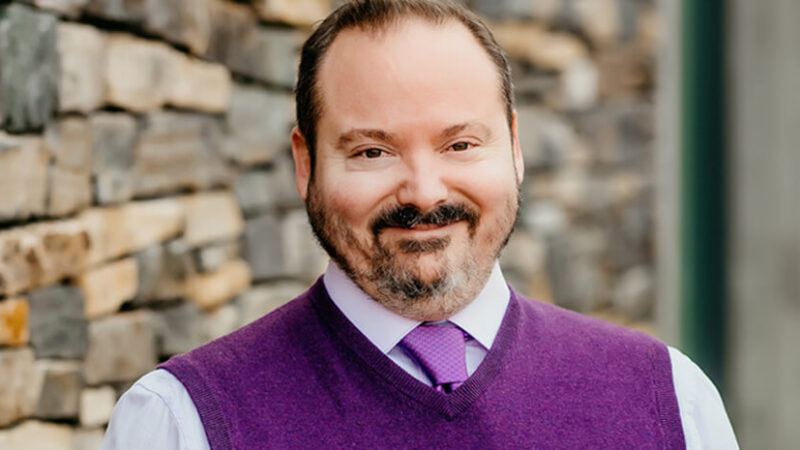
Matt Kahn

Matt Kahn is a spiritual teacher, highly attuned intuitive healer, speaker, and captivating author. He enriches people’s lives by providing heart-centered solutions that ignite, delight, and unite! Matt wrote the highly acclaimed books Whatever Arises, Love That; Everything Is Here to Help You; and The Universe Always Has a Plan, which have been translated into more than a dozen languages. His newest book is All for Love: The Transformative Power of Holding Space.

Matt is a YouTube sensation with his healing and often humorous videos. 20+ million YouTube channel viewers are finding relief from the challenges of daily life through his heart-centered messages. Matt was named one of the 100 Most Spiritually Influential Living People by Watkins Mind Body Spirit magazine, alongside the Dalai Lama and Eckhart Tolle. When the world gets crazy, help is here.

Author photo © Jessica Keener

Also By Author

The Art of Holding Space

Matt Kahn is a spiritual teacher and highly attuned empathic healer who has become a YouTube sensation with his healing and often humorous videos. More than 20 million YouTube channel viewers are finding comfort, inspiration, and relief from the challenges of daily life through his intuitive updates and helpful, uplifting, heart-centered messages. Matt is the author of the books Whatever Arises, Love That: A Love Revolution That Begins with You, Everything Is Here to Help You: Finding the Gift in Life’s Greatest Challenges, The Universe Always Has a Plan: The 10 Golden Rules of Letting Go, and most recently, All for Love: The Transformative Power of Holding Space

In this podcast, Sounds True’s founder, Tami Simon, speaks with Matt Kahn about his new book and how it emerged as part of his own journey of healing and integration. Tami and Matt discuss heart-centered consciousness and “how truth moves,” the healing work of processing our past, how we are at once human and divine beings, gratitude for all of our experiences, speaking from a place of wholeness, the power of mercy, validating our own feelings, dialoguing with our fear, the practice of dynamic listening, a challenge for “advice-givers,” the difference between holding space and spacing out, and more.

Whatever Arises, Love That

The holiday season is a chance to offer gifts and goodwill as symbols of gratitude to those we love. Whether enjoying warm meals with family, watching marathons of classic movies that remind us of a more innocent time, or feeling the winter magic that allows us to be more open, generous, and kind to others, the holidays somehow make life a more precious gift to receive.

What if the magic wasn’t reserved just for the holiday season, but could be celebrated within you in every moment?

What if the perfect gift, which was created just for you, is to awaken the unconditional love that always resides within your heart? What if this holiday season became an opportunity to explore the joy of emotional freedom in the most profound and heart-centered way?

While so many yearn for the grace of unconditional love, many tend to be confused, overwhelmed, or frustrated at not knowing how to open up to it. This is why I wrote Whatever Arises, Love That.

This book has been described as “an owner’s manual for a new spiritual paradigm.” It acts as a wise and loving companion throughout the uncertainties of an ever-changing world.

Now available as an unabridged audiobook, Whatever Arises, Love That is a powerful catalyst of healing for all stages of spiritual evolution.

This holiday season has a new soundtrack, reminding us that no matter what arises in life, “You deserve more love, not less.”
Many blessings always,

Matt Kahn

Whatever Arises, Love That, Part 2

Matt Kahn is an author, spiritual teacher, and highly attuned empathic healer whose intuitive abilities allow him to bridge the mystical with the mundane. With Sounds True, Matt has created the book Whatever Arises, Love That: A Love Revolution That Begins with You and an upcoming online course of the same name. In the second part of their conversation on Insights at the Edge, Tami Simon and Matt talk about the connection between a sense of safety and the ability to truly live one’s life to its fullest. They also discuss the four kinds of inflammation the ego can experience when overstimulated, and how to work with these energetic reactions. Finally, Tami and Matt speak frankly about what he means by “the love revolution” and how the practice of loving oneself can uplift the entirety of the world.
(65 minutes)

You Might Also Enjoy

Spirituality And Religion: Understanding The Pathways ...

When it comes to seeking meaning, healing, or connection to something greater than ourselves, we often find ourselves standing at a crossroads: one path lined with traditions, rituals, and long-established doctrines; the other shaped by intuition, personal reflection, and direct experience. This is where many people begin to ask deeper questions about the difference between spirituality vs religion, and how both might serve their longing for purpose, belonging, and awakening. These paths aren’t always opposites; sometimes, they overlap, complement, or evolve in relation to one another. Understanding how people navigate these sacred choices reveals just how diverse and personal the journey can be.

At Sounds True, we’ve spent over four decades curating one of the world’s most trusted archives of spiritual wisdom. From the voices of Eckhart Tolle, Tara Brach, Pema Chödrön, and Michael Singer, to emerging teachers reshaping the future of inner work, we share teachings that are raw, unscripted, and alive. Our courses and digital programs are not just content; they’re living transmissions that meet people where they are, offering companionship on a path that is deeply personal and profoundly sacred.

In this piece, we’ll be discussing the distinctions and connections between spirituality and religion, how sacred paths unfold in unique ways, and how Sounds True supports those on the journey of personal transformation.

Key Takeaways:

  • Definition Clarity: The article distinguishes spirituality from religion without judgment, emphasizing personal experience and structured tradition.
  • Inclusive Pathways: Readers will gain insight into how sacred paths vary across cultures, personal choices, and evolving beliefs.
  • Supportive Resources: Sounds True offers tools, courses, and teachings to help people deepen their spiritual journey in accessible, transformative ways.

What Does It Mean To Walk A Sacred Path?

A sacred path can look different for every seeker, yet it often begins with a quiet longing for deeper meaning and connection. People step onto this path when they feel called to explore the inner landscape of the heart and the mystery that surrounds them. This exploration often leads to a richer understanding of life, truth, and the presence of the sacred:

Honoring The Many Forms Of Sacred Exploration

To begin understanding sacred paths, a person must recognize that the sacred can reveal itself through many experiences. Some find it through community and shared ritual, and others discover it through silence, nature, or personal reflection. Every expression of connection carries wisdom that shapes a seeker’s unfolding journey.

Recognizing Differences In Spiritual Beliefs

There are countless differences in spiritual beliefs across cultures and traditions, yet each carries its own doorway to meaning. These differences are not barriers; they are invitations to appreciate the diversity of human experience. When seekers approach these differences with openness, they often discover insights that deepen their personal path.

Embracing The Inner Journey As Lifelong Practice

A sacred path is less about arriving at a final truth and more about the gradual awakening that unfolds over time. The journey involves presence, compassion, and a willingness to listen inwardly. Through this gentle unfolding, the seeker recognizes the sacred not only in extraordinary moments but also in the simplicity of daily life.

Discover The Power Of Daily Meditation With Sounds True.

Spirituality Vs Religion: How Do We Define Each?

Understanding the nuances between spirituality vs religion helps us appreciate how people seek the sacred in different ways. Both offer meaningful frameworks for connection and awakening, yet they shape inner experience through distinct approaches. Here is how these two pathways can be understood with clarity and compassion:

Defining Religion As A Structured Pathway

Religion offers shared beliefs, communal practices, and traditions that have guided seekers for generations. It provides a framework for understanding the sacred within a collective, and it supports individuals through ritual, moral teachings, and spiritual lineage.

Understanding Spirituality As Personal Inner Practice

Spirituality is often described as a personal journey of inner discovery and presence. While it may draw from religious teachings, it is shaped by reflection, intuition, and direct experience. Many people exploring spirituality vs religion resonate with the freedom that spirituality offers, since it adapts naturally to each individual’s unfolding path.

Bridging Differences In Spiritual Beliefs With Openness

There are countless differences in spiritual beliefs, and each one reflects the diversity of the human search for meaning. These differences invite curiosity rather than separation. When seekers honor these variations with openness, they learn to listen more deeply to one another and to themselves.

Supporting The Individual Journey With Resources

For those exploring spirituality in personal ways, resources like the Spirituality at Sounds True can offer guidance and companionship. These teachings support seekers as they clarify their path and deepen their sense of connection.

Exploring Faith Traditions Across Time And Culture

Faith traditions have shaped human experience for thousands of years. From ancient rites to contemporary contemplative practices, these pathways help individuals connect with the sacred through lineage, symbolism, and ritual. Each tradition offers its own doorway into the mystery of being:

Recognizing The Wisdom In Ancient Traditions

Many seekers begin exploring faith traditions by studying ancient paths such as Buddhism, Christianity, Indigenous teachings, or Sufi mysticism. These systems carry centuries of lived wisdom and provide tested frameworks for spiritual transformation, community, and insight.

Understanding Cultural Expressions Of The Sacred

Spiritual practice is deeply influenced by geography, culture, and time. What may be sacred in one tradition can look very different in another. Honoring these differences supports a deeper understanding of sacred paths and the wide variety of ways people access the divine.

Welcoming Modern Expressions Of Spiritual Seeking

Today, people often blend elements from multiple faith traditions into their personal practice. This integrative approach reflects the evolving nature of spiritual identity. Whether rooted in tradition or emerging through personal experience, these paths reflect the changing face of spirituality vs religion.

Learning Through Modern Teachings And Courses

Sounds True offers digital programs that support this kind of integrative seeking. The Spiritual Courses collection allows seekers to engage with diverse teachings and deepen their understanding from the comfort of their own space.

Differences In Spiritual Beliefs And Personal Meaning

Each person’s relationship with the sacred is shaped by experience, upbringing, and inner resonance. While spiritual traditions offer shared language, the deeper truths we uncover are often intimate and unique. Recognizing and honoring the variety of perspectives helps us move beyond division and toward understanding:

Noticing The Spectrum Of Belief

From structured religious frameworks to unbound spiritual exploration, there are countless differences in spiritual beliefs. Some hold firm to doctrine; others follow intuition or direct experience. Each position, whether inherited or chosen, reflects a deep desire to live in alignment with truth.

Personal Meaning As The Core Of Connection

For many, the heart of the spiritual path lies in meaning-making. The sacred becomes real not just through belief, but through lived experience. People navigating spirituality vs religion often find clarity when they trust their own encounters with insight, love, and mystery.

Creating Space For Curiosity And Compassion

Understanding these differences calls us to soften our assumptions and open ourselves to learning. When we approach diverse beliefs with presence and care, we strengthen the collective field of awakening and deepen our understanding of sacred paths.

Supporting Healing And Integration

Many seekers come to spirituality during moments of personal transition, grief, or transformation. Offerings like the Spiritual Healing Courses at Sounds True help guide that process, providing tools and teachings that support emotional and spiritual integration.

Expand Your Consciousness With Sounds True.

How Sounds True Supports Your Spiritual Journey

As seekers explore their own path, finding resources that reflect both depth and authenticity becomes essential. Sounds True was created to serve this exact purpose to offer teachings that honor each person’s unique experience while connecting them to timeless wisdom. Here’s how Sounds True walks beside you:

Sharing The Voices Of Visionary Teachers

For over 40 years, Sounds True has partnered with spiritual leaders such as Eckhart Tolle, Pema Chödrön, Tara Brach, and many others. These teachers bring alive the richness of exploring faith traditions from multiple perspectives, all with a commitment to presence and personal transformation.

Offering Courses That Meet You Where You Are

Whether someone is new to the path or has been walking it for decades, accessible resources matter. That’s why Sounds True emphasizes experiential learning through audio teachings, online retreats, and digital workshops, tools that support real-life application and inner growth.

Creating A Living Library Of Spiritual Wisdom

The company’s deep archive has been lovingly built as a space of spiritual preservation. Its mission is to transmit the essence of a teaching through the teacher’s unscripted voice, allowing the energy behind the words to be felt, not just understood.

Inviting You To Go Deeper With Limited-Time Offerings

For those seeking guidance during pivotal seasons of their life, the BFCM Spirituality from Sounds True provides access to exclusive programs designed to support transformation. These teachings meet you where you are and help you deepen your relationship with the sacred.

Build Relationships That Nourish And Sustain.

Final Thoughts

The path to the sacred is not one-size-fits-all. Whether someone finds depth through tradition or through personal discovery, both are valid, powerful, and worthy of respect. In honoring both spirituality vs religion, we open ourselves to deeper compassion, for others and for ourselves.

It is through this openness that we begin truly understanding sacred paths. Each belief system, each story, and each practice reflects a thread in the larger fabric of human longing. While our paths may look different, our destination is shared: wholeness, presence, and connection to something greater than ourselves.

As you walk your own sacred path, may you trust your inner knowing, find nourishment in your chosen practices, and remain open to the evolving journey ahead.

Read also:

Frequently Asked Questions About Spirituality And Religion

What Is The Main Difference Between Spirituality And Religion?

The main difference lies in structure and approach. Religion typically follows organized doctrines and communal practices, while spirituality is often personal, fluid, and guided by individual experience.

Can Someone Be Both Spiritual And Religious?

Yes, many people identify as both. They may follow religious traditions while also cultivating a personal spiritual practice that reflects their inner life.

Why Do Some People Leave Religion To Pursue Spirituality?

Some leave religion due to rigid doctrines, institutional experiences, or personal disconnection, and turn to spirituality for a more intuitive, direct connection to meaning.

Is Spirituality Always Non-Theistic?

No. While some spiritual paths are non-theistic, others include a belief in God or divine presence. Spirituality is flexible and may or may not involve theism.

Does Spirituality Require A Teacher Or Guide?

Not necessarily. Some individuals learn through books, inner reflection, or life experience. Others benefit from mentors, teachers, or spiritual communities.

How Do Cultural Backgrounds Influence Spirituality Vs Religion?

Cultural heritage often shapes religious upbringing, symbols, and practices. As people grow, they may evolve beyond those frameworks or integrate them into spiritual inquiry.

Are There Ethical Systems In Spirituality Like In Religion?

Yes. Many spiritual paths promote values such as compassion, integrity, mindfulness, and non-harming, even when not tied to formal commandments or doctrines.

Can Spirituality Provide Community Like Religion Does?

Spirituality can offer community through retreats, meditation groups, online platforms, or shared practices, but it often requires more active seeking than religion-based groups.

How Do Rituals Fit Into A Spiritual Practice Without Religion?

Spiritual rituals may include meditation, journaling, lighting candles, or observing nature. These acts mark intention, presence, or transition, even outside religious tradition.

Is One Path Better Than The Other, Spirituality Or Religion?

Neither is better; both paths serve different needs. What matters most is alignment, choosing the path that feels authentic, meaningful, and supportive for your growth.

Michelle Cassandra Johnson is an author, activist, spiritual teacher, racial equity consultant, and intuitive healer. She is the author of six books, including Skill in Action and Finding Refuge. Amy Burtaine is a leadership coach and racial equity trainer. With Robin DiAngelo, she is the coauthor of The Facilitator's Guide for White Affinity Groups. For more, visit https://www.michellecjohnson.com/wisdom-of-the-hive.

Lorena Saavedra Smith: Heeding the Jaguar’s Call

Lorena Saavedra Smith shares how ancestral Pacha philosophy transforms the immigration experience into spiritual reclamation. Through the metaphor of the jaguar, she reveals a four-step method for calling back fragmented soul parts and reconnecting with nature’s wisdom. Discover how replanting yourself in new soil doesn’t require abandoning your roots—and why the matriarchs are calling us home.

Note: This interview originally aired on Sounds True One, where these special episodes of Insights at the Edge are available to watch live on video and with exclusive access to Q&As with our guests. Learn more at join.soundstrue.com.

What Is Spirituality? A Simple Guide to Meaning, Purpo...

Explore mindfulness vs meditation and discover how each can uplift your mental health. Unravel the benefits, and start your transformative journey today!

>