Customer Favorites

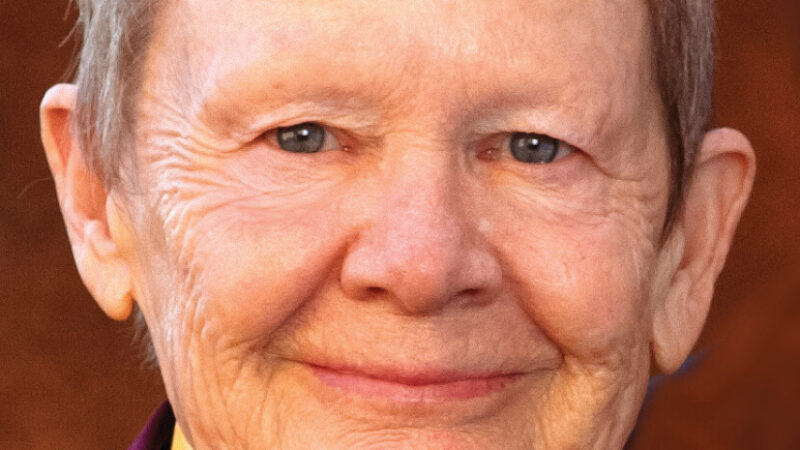
Pema Chödrön: “Compassionate Abiding”

How do we find a sense of stability when everything seems so groundless? Pema Chödrön is celebrated around the world for her ability to help us turn toward things that are difficult and embrace our uncertainty. In this week’s podcast, Pema joins Tami to share her one-of-a-kind guidance, including a special practice she calls “compassionate abiding.” Tami and Pema also talk about how to stay embodied when panic arises, accessing the wisdom inherent in our emotions, and the importance of cultivating “unconditional friendship” and befriending even those parts of ourselves that we want to reject.

S1 E4: Spirituality: The Exploration of Consciousness

What do psychology and spirituality have in common? In this podcast, Michael Singer discusses how both psychology and spirituality help us illuminate the nature of the human mind and the mystery of consciousness. When we resist experiences we find uncomfortable, he explains, we begin to “make a mess” of our inner lives. Through the teachings and practices made available in spirituality and psychology, we can do the work of cleaning things up, purifying the flow of our life-force energy and returning to the ecstatic states we were meant to live in. 

For more information, go to michaelsingerpodcast.com.
© Sounds True Inc. Episodes: © 2024 Michael A. Singer. All Rights Reserved.

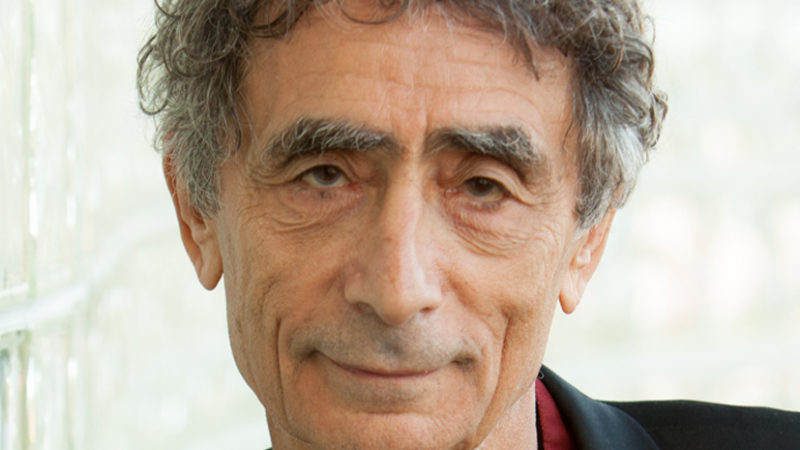
Gabor Maté: The Roots of Healing

Dr. Gabor Maté is an author, speaker, and physician who specializes in addiction, stress, and childhood development. His many books include In the Realm of Hungry Ghosts and When the Body Says No. In this episode of Insights at the Edge, Tami Simon speaks with Dr. Maté about his views on modern mental health evaluation—specifically the widespread diagnoses of ADHD and depression. They discuss the connection between emotional expression and immune response, as well as how the body can be an effective teacher. Finally, Dr. Maté comments on how mental health issues can often be rooted in compensating behaviors from childhood and how healing can be approached from a bio-psycho-social perspective. (68 minutes)

The Hobo Code (for Spiritual Pilgrims)

Right behind the Sounds True office backyard, just a hop over tangled barbed wire, run these local railroad tracks:

AndrewY - 002 - The Hobo Code - image 1

The other day I was watching television’s most underrated exploration of the Jungian “shadow principle”—Mad Men—and it reminded me of these tracks. In the episode called “The Hobo Code,” we get a glimpse into the protagonist Don Draper’s childhood during the Great Depression. And we learn about a secret vocabulary that was chalked and carved on fence posts and telephone poles across America.

As it turns out, the hobo code was real. It varied from region to region and across the years. Countless souls used it to help each other find food and shelter and to avoid the perils of the day.

Here are some of those hobo signs (scraped from cyberspace) that still feel relevant to me, if only metaphorically:

ST Blog - AndrewY - 002 - The Hobo Code - image 2

I spotted one of my first “hobo marks” decades ago. It came as a crackling transmission of Roy Tuckman’s legendary Pacifica Radio show “Something’s Happening.” I was homeless, hopeless, and definitely “hobo” at the time, couchsurfing in a friend’s farmhouse in Carmel, California.

The clock radio clicked to 2:00am and, drifting in and out of the night static, was the voice of Alan Watts. He was chuckling at the folly of “trying to catch an ocean wave in a bucket.” Which is exactly what I was doing with my life at that time—trying to rack up achievements and experiences that would assure my permanent, foolproof success.

Um, yeah, right.

Alan’s “hobo mark” pointed me onto the boxcar of radical self-inquiry, though I didn’t realize it until years later. And ever since, I’ve shared his humor and wisdom whenever it’s felt right to.

In fact, I had the privilege of working with Alan Watts’ son, Mark, to hand-pick the sessions for the audio set Out of Your Mind. Alan’s “catching waves in a bucket” allegory is in there.

Is the spiritual path so different from those rolling train tracks? Maybe the markers we find on our own journey—a haiku by Ikkyu, a meaningful photograph, the advice of a friend—reflect the same pilgrim’s spirit that says “we’re all in this together brothers and sisters.”

If I ever go back to visit Victoria’s family farm, I think I’m gonna chalk this symbol on their fencepost:

image3_hobo_sign_watts_bucket

So, what was your first metaphorical “hobo sign” on your life’s journey?

 

Acharya Shunya: Sovereign Self

Acharya Shunya is a classically trained master of Ayurveda and an internationally renowned spiritual teacher and scholar of Advaita nondual wisdom. The first female leader of a 2,000-year-old Indian spiritual lineage, she has dedicated her life to the dissemination of Vedic knowledge for the spiritual uplifting of all beings. With Sounds True, Acharya Shunya has written a book titled Sovereign Self: Claim Your Inner Joy and Freedom with the Empowering Wisdom of the Vedas, Upanishads, and Bhagavad Gita. In this episode of Insights at the Edge, Tami Simon and Acharya Shunya explore our spiritual journey from feeling afraid to feeling powerful, from bondage to sovereignty. Offering unique perspectives that come from being both a woman and a householder, as well as the spiritual leader of her lineage, Acharya Shunya describes the boundless essence of spirit we all have within, the importance of breaking free from the cultural limitations that prevent us from remembering our true spiritual freedom, and how Vedic wisdom provides us with a timeless guided journey to spiritual sovereignty. 

5 Types of Imbalance: A Guide to Illness from a Shaman...

Shamanism views illness as an energetic imbalance of some sort—either something is there that shouldn’t be, or something should be there that isn’t.