Whether or not to become a parent is a central question in life. There are many factors that influence the decision, some of which are out of our control. Yet foregoing motherhood, for any reason, can lead to painful stigmatization and conflict (within and without).
In this podcast, Tami Simon speaks with thought leader and author Ruby Warrington, about her profound book Women Without Kids: The Revolutionary Rise of an Unsung Sisterhood—and the long-overdue conversations we need to begin having as a society around this complicated topic. Tune in for a rich discussion of: the motherhood spectrum; the interwoven nature of choice and circumstance; the lack of support for—and the devaluing of—mothering in overall society; the global slowdown in reproduction rates for the past century; the concept of a birth strike; making peace with your choice to remain childless; fulfillment and being true to oneself; generativity and our sense of legacy; the “existential FOMO” that childless women may encounter; the complicated—and not always unconditional—love between a parent and child; regretting motherhood; the unfinished work of the feminist movement; healing the false divide between moms and non-moms; and more.
What do I do when a loved one is suffering? How do I have empathy if I’m getting a divorce or losing my job? If my family treats me unfairly? Or if I’m emotionally overwhelmed or in chronic pain?
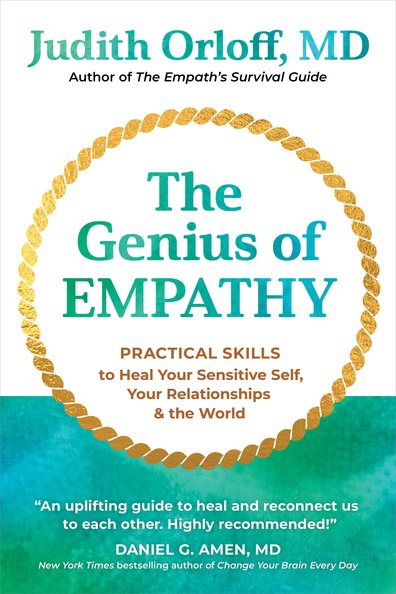
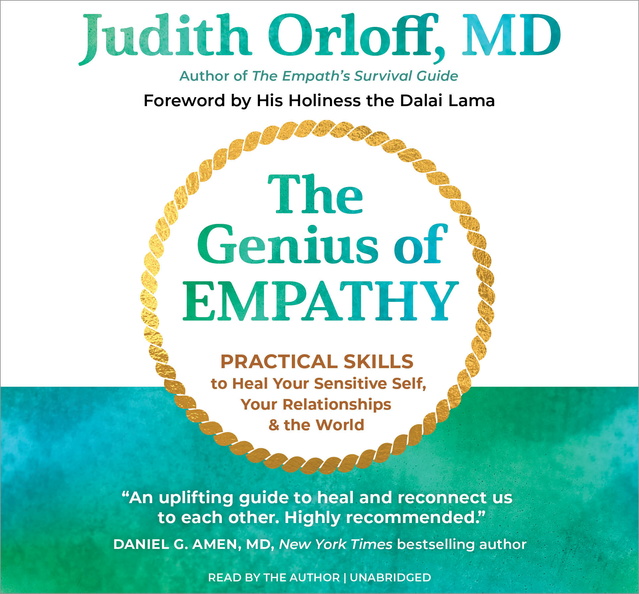
If you’ve ever asked yourself these questions, I’ve written The Genius of Empathy for you. It also includes a beautiful foreword by His Holiness the Dalai Lama.
In the book, I present empathy as a healing force that helps you overcome obstacles in your life with dignity, grace, and power. As a psychiatrist and empath, I draw from my insights and present techniques from my own life and from the healing journeys of my clients, students, and readers. As I say in the book, “Empathy softens the struggle, quiets the unkind voices, and lets you befriend yourself again.”
Empathy doesn’t mean being “on call” 24 hours a day for those in need. Empaths can often wear an invisible sign that says, “I can help you.” However, if you want to heal yourself, have better relationships, and contribute to healing our tumultuous world, you must learn how to set healthy boundaries and observe, not absorb, the energy of others.
To start taking a more proactive role in how much empathy you give others at any one time, I suggest that you keep in mind the following “rights.” They will help you maintain a healthy mindset and prevent or lessen any empathy overwhelm that might arise:
I have the right to say a loving, positive “no” or “no, thank-you.”
I have the right to set limits with how long I listen to people’s problems.
I have the right to rest and not be always available to everyone.
I have the right to quiet peacefulness in my home and in my heart.
Practice: Take a Sound Break to Repair Yourself
Plan periods of quiet to recover from our noisy, fast-paced world. This helps calm your nervous system and your mind, an act of self-empathy.
It’s rejuvenating to schedule at least five minutes of quiet or, even better, complete silence for an hour or more where no one can intrude. As I do, hang a Do Not Disturb sign on your office or bedroom door. During this reset period, you’ve officially escaped from the world. You’re free of demands and noxious sounds. You may also get noise canceling earbuds to block out noise.
If too much quiet is unsettling, go for a walk in a local park or a peaceful neighborhood to decompress from excessive sound stimulation. Simply focus on putting one foot in front of the other, which is called mindful walking. Nothing to do. Nothing to be. Move slowly and refrain from talking. If thoughts come, keep refocusing on your breath, each inhalation and exhalation. Just letting life settle will regenerate your body and empathic heart.
Embracing your empathy does require courage. It can feel scary. If you’re ready to discover its healing power, I would be honored to be your guide to helping you in overcoming your fears and obstacles, and enhancing this essential skill for long-term change.
Though many of us have never met, I feel connected to you. Connection is what fuels life. While empathy is what allows you to find peace. With both, we can make sense of this world together.
Digital Audio
Ignite empathy as a superpower for personal healing, deeper relationships, and more potent work in the world. New York Times bestselling author Dr. Judith Orloff draws on insights from neuroscience, psychology, and energy medicine to show us how to access our sensitivities, soothe our nervous systems, and embody our most fierce and authentic selves.
Tami Simon and Jean Houston discuss the nature of time and change in relation to 2012, a date that Houston finds humorous, yet important. She sees this time as a critical juncture point for humanity, which she calls “jump time,” and explains that throughout human history we have dealt with many such times, but that this one may have the greatest importance of all. (32 minutes)
Sadhguru is a yogi and mystic who created the Isha Foundation, a nonprofit organization devoted to exploring the outer limits of human potential. Belonging to no specific tradition, Sadhguru has taught at many international gatherings, including the United Nations and World Economic Forum. With Sounds True, Sadhguru has created an audiobook version of his New York Times bestseller Inner Engineering. In this episode of Insights at the Edge, Tami Simon speaks with Sadhguru about his teachings, their foundations, and why he considers nonprofit work an expression of his devotion. Sadhguru shares the tale of his awakening experience on the Chamundi Hills outside Mysore, India—specifically of the dimension of memory that opened for him and how this shifted his perspective forever. Finally, Sadhguru and Tami talk about connecting with Adiyogi, the first yogi who is said to have begun the tradition more than 10,000 years ago. (69 minutes)
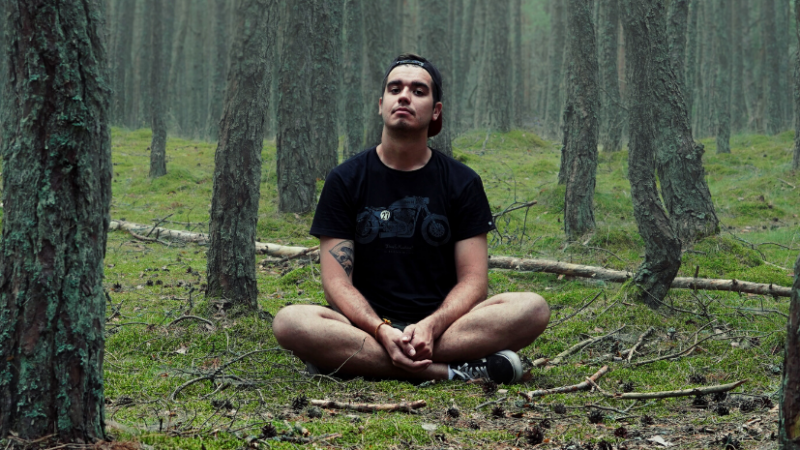
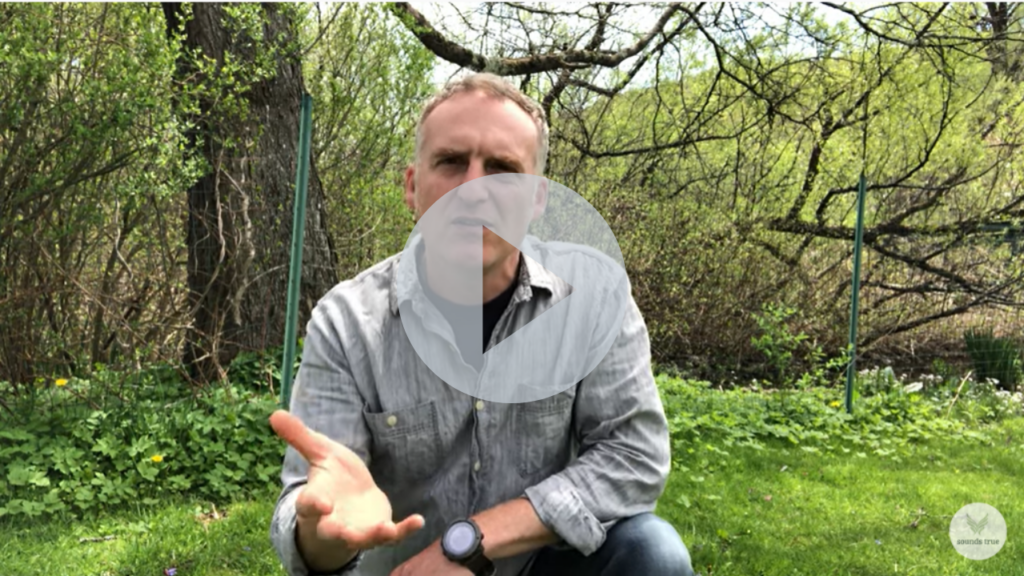
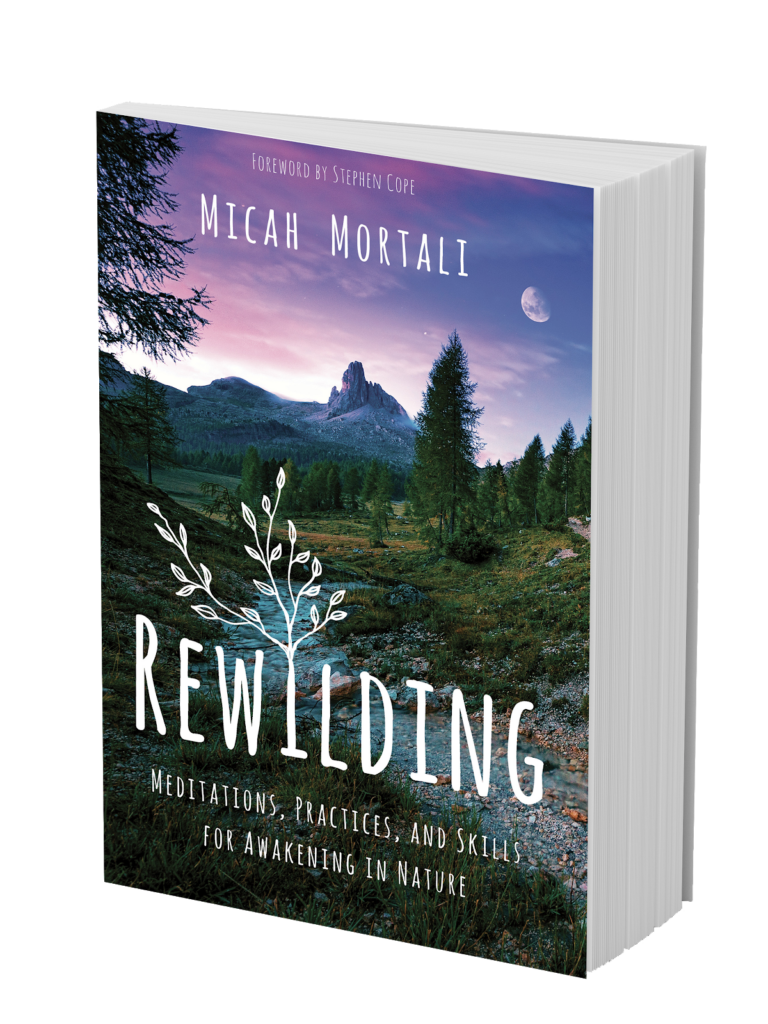
Establishing a place for regular outdoor meditation and nature observation is often referred to as a “sit spot” or “medicine spot”. Like the Buddha, who found his own tree of awakening, we too can go to nature and practice being awake to the reality of the present moment. This practice can also help us become more intimate with all the qualities of the land we live with.
“If one day I see a small bird and recognize it, a thin thread will form between me and that bird. If I just see it but don’t really recognize it, there is no thin thread. If I go out tomorrow and see and really recognize that same individual small bird again, the thread will thicken and strengthen just a little. Every time I see and recognize that bird, the thread strengthens. Eventually it will grow into a string, then a cord, and finally a rope. This is what it means to be a Bushman. We make ropes with all aspects of the creation in this way.”
San bushman
Guided Sit Spot Practice
Go to a place in nature that is close to where you live and that you can visit regularly.
Take a few moments to center yourself, breathing in and out, and arriving fully in the present moment.
As you are ready begin to walk mindfully with an intention to find a spot that calls out to you, a place you can sit and deepen your relationship with this place. The spot should feel welcoming, safe and comfortable. It could be under a tree, beside a boulder or in an open space. Often, east facing spots can be nice for early morning sits.
When you find a spot that feels good, in your own way, ask permission of that place and wait to see what comes to you. If you feel invited, sit. If not, keep looking.
Once in your spot, sit comfortably and become as still as you can. Imagine that you are melting into the earth, becoming a part of the land. Sit for at least 15-30 minutes, noticing any movement, sounds, or other sensations and activities.
What happens after we die? And what do habits have to do with the process?
In this episode of Insights at the Edge, host Tami Simon welcomes Andrew Holecek, scholar, author, and teacher of Tibetan Buddhism and non-dual wisdom traditions. Together, they dive into the mysteries of reincarnation and the “gap between lives.” Drawing from Tibetan teachings on the bardos, dream yoga, and the art of dying, Andrew shares practical insights on how these ancient teachings are not just about what happens after death, but also about navigating the transitions and challenges we face here and now.
Join them to explore:
How our beliefs about death deeply inform how we live
The nature of awareness and the influence of habits
How cultivating lucidity transforms both our dreams and our waking lives
Whether you’re curious about what happens after we die or seeking wisdom to live more fully, this episode offers insights for inner explorers of all beliefs and backgrounds.
Note: This interview originally aired on Sounds True One, where these special episodes of Insights at the Edge are available to watch live on video and with exclusive access to Q&As with our guests. Learn more at join.soundstrue.com.