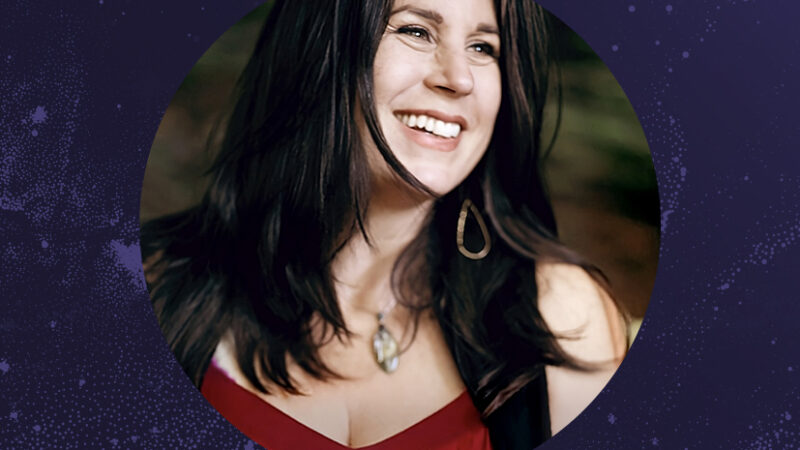
How do we find our way through crisis when the path forward feels unclear? How can the stories we tell—and the stories we receive—serve as guides through times of profound change?
This week, Tami Simon speaks with Leah Lamb—a writer, creator, and founder of the School for Sacred Storytelling. Leah works at the intersection of myth, healing, and personal transformation, bringing together storytellers from around the world to tell the visionary stories our time needs. She has a background in wilderness guiding, social work, theater, and environmental media, and she’s created a new learning series with Sounds True called Sacred Storytelling: How to Tell Stories That Open Hearts and Heal the World.
Join Tami and Leah to explore:
The original role of storytellers as healers, guides, and memory keepers across cultures
How the world was “sung, spoken, and chanted into being”—and what that means for us today
The difference between fantasy and dreams, and how to ground visionary stories in truth
Working with the “flexible heart” and emotional resilience through storytelling
Deep listening as the foundation of sacred storytelling—listening to nature, community, and the unseen realms
How crisis reveals what truly matters and brings communities together
The practice of asking for “medicine stories” when you feel lost or stuck
Storytelling as a form of consciousness that can guide us through fear and overwhelm
The mysterious connection between whales, memory keeping, and human storytelling
How to offer stories as gifts that provide exactly what someone needs
If you’re seeking guidance through uncertainty, hoping to reclaim your voice as a creator, or wondering how to tell stories that serve life itself, this conversation offers both inspiration and practical wisdom for the path ahead.
Learn Sacred Storytelling with Leah Lamb. Step into this ancient art and learn how to share stories that open hearts, heal the world, and ignite change with master storyteller. In Leah’s 5+ hour audio course Sacred Storytelling, you’ll unlock your creativity, find your unique voice, and unearth the wisdom within your own life experiences. Learn more at https://www.soundstrue.com/products/sacred-storytelling
Note: This interview originally aired on Sounds True One, where these special episodes of Insights at the Edge are available to watch live on video and with exclusive access to Q&As with our guests. Learn more at https://www.join.soundstrue.com
What if the ability to channel wisdom and connect with higher guidance isn’t reserved for a select few, but accessible to anyone willing to open their heart?
This week, Tami Simon welcomes Lee Harris, a globally acclaimed energy intuitive, musician, and channeler of a group of intelligences called the Zs. Lee reaches over 1 million people monthly through his vibrant online community, The Portal, and is the author of The Future Human (with Regina Meredith) and the Conversations with the Zs series. In this profound exchange, Lee shares his journey from hearing his guides for the first time on a London subway at age 23 to becoming one of the most trusted voices in contemporary channeling.
Join Tami and Lee to explore:
How channeling works and why it’s becoming more accessible to everyday seekers
Practical techniques for connecting with your own guides through automatic writing and intuitive practice
The distinction between thinking and knowing—and why heart intelligence surpasses mental intelligence
Why the “flexible heart” is essential for healing trauma and moving through life’s challenges
How to ask for help from angels and guides in simple, powerful ways
The role of love as currency in humanity’s next evolutionary phase
Why we often fear the very love we claim to seek
How to serve love in daily life and contribute to raising Earth’s frequency midpoint
Plus: A direct channeling from the Zs with guidance for navigating these transformative times
If you’re ready to deepen your connection to intuitive wisdom, open your heart more fully, and understand your role in humanity’s shift toward love-based consciousness, this conversation offers both inspiration and practical pathways forward.
Listen now to discover how heart intelligence and channeled wisdom can transform your life and our world.
This conversation offers genuine transmission—not just concepts about awakening, but the palpable presence of realized teachers exploring the growing edge of spiritual understanding together. Originally aired on Sounds True One.
What if the leading energy in our lives were to be our heart and our heart’s cry? What if living a “spiritual life” was actually synonymous with living a “heart-centered life”? These are some of the questions I have been asking myself—and the answers have pushed me more and more into prioritizing what I am calling “spiritual friendship.” What is spiritual friendship to me? It is the genuine meeting of two people who are vulnerable and open and truth-telling and available for actual contact and communion at the feeling level.
For the past eight years, I have been working closely with a Hakomi therapist (Hakomi is a type of therapy that works with mindfulness in a body-centered way). One of the principles of Hakomi is that the interpersonal wounds we have experienced in our life (for example, early wounds from childhood in relationship to our parents … sound familiar?) can only be healed in relationship with others. What this means is that interpersonal challenges can’t be healed on the meditation cushion or in solitary retreat.
Wounds from relationship require the context of relationship for healing. This seems pretty obvious, huh? But as someone who has been a meditator now for almost three decades, this was not something that was obvious to me in the early stages of my journey. Somehow I thought I was going to open completely to the universe and all of its mystery without ever needing to relate closely and vulnerably with others.
What I am actually finding is that connecting with other people in a heart-centered way is not just about healing. It is actually the most rewarding and fulfilling part of my life. Period. There is something about being fully received by another person and fully receiving another person, without the need for any part to be edited or left out, that feels to me like the giving and receiving of the greatest soul nourishment that there is.
Recently, I found myself in a room alone with a renowned scientist who specializes in the field of perception. We were at a conference and were sitting with each other in a room that had been set aside for presenters at the event. Finding ourselves alone in the room together, we both seemed a bit awkward at first. What would we talk about? I decided to bring up the topic of uncertainty as I knew that he taught quite a bit about uncertainty in the context of perception (for example, how we never know if what we are perceiving is the same as what someone else is perceiving, even when we are looking at the same thing).
Right at the beginning of what I feared would be an awkward conversation, this scientist said to me, “When you really start investigating how uncertain everything is, it’s enough to make you feel totally insane. There is only one thing that has kept me even the least bit sane, and that is loving relationships.” When he said this, I leaned over and said, “Would it be okay if I kissed you now?” He looked quite shocked. I gave him a big kiss on the cheek and said, “I never thought I would hear a scientist say such a thing. I have come to the same conclusion, but I thought that was just because I was some kind of a mushy-mush person.”
That moment in the green room was a moment for me of spiritual friendship, a moment of genuine connection where the heart breaks through any awkwardness or fear or holding back. I am finding those moments occurring more and more in my life, often in unexpected ways, and it is those types of moments that I hope will fill the Wake Up Festival from start to finish. We need each other so much. We need each other’s acceptance and reflection. We need each other’s unhurried presence. We need our love to break through. We need “community” in the sense of knowing that we are connected to others who are on a similar journey, where the vulnerability and tenderness of our hearts are leading the way.
Vulnerability is often misunderstood. Many of us were taught to associate it with weakness, as if showing emotion or uncertainty somehow discredits our strength. But the truth is, some of our most meaningful human experiences, love, trust, connection, and creativity can’t exist without it. Vulnerability isn’t a flaw to fix. It’s the starting place for everything that gives life depth.
At Sounds True, we’ve spent decades creating teachings that support emotional wellness, spiritual depth, and authentic living. Our programs are rooted in the belief that transformation happens when we meet life as it is, with honesty and heart. We’re proud to collaborate with voices like Brené Brown, whose work opens the door to wholehearted conversations about what it means to be human.
In this piece, we’ll discuss Brené Brown’s insights into vulnerability, why it’s not only necessary but also one of the greatest strengths we can bring to our lives and relationships.
Key Takeaways:
Vulnerability Is Courage: Choosing vulnerability means facing emotional risk, not weakness. It is the foundation of authentic strength.
Connection Needs Openness: True connection requires emotional honesty, not perfection or control. Vulnerability builds trust and belonging.
Daily Practice Matters: Small, intentional acts of honesty and self-compassion help make vulnerability a sustainable part of everyday life.
What Brené Brown Teaches Us About Vulnerability
For many of us, vulnerability feels like exposure to something to avoid, something unsafe. But Brené Brown offers a different lens. Through her research and teaching, she reveals that vulnerability is the birthplace of courage, creativity, belonging, and love. It’s not a flaw to be hidden. It’s the very fabric of human connection.
Rather than defining vulnerability as weakness, Brené invites us to see it as uncertainty, risk, and emotional openness. These aren’t liabilities. They are the core of what it means to show up fully in our lives. Whether it’s sharing a hard truth, asking for help, or allowing ourselves to be truly seen, she reminds us that vulnerability is the measure of real courage.
In her programs with Sounds True, including The Power of Vulnerability, Brené breaks down years of research into stories and insights that are as relatable as they are transformative. What emerges is a message that stays with you: vulnerability isn’t something we need to fix. It’s something we can honor.
Why Vulnerability Is A Sign of Strength, Not Weakness
Vulnerability often carries a false reputation. We’re taught to hide it, control it, or overcome it, but Brené Brown reminds us that the willingness to be vulnerable is not a weakness to correct, but a strength to live by. Here’s why it holds such power:
It Takes Strength To Show Up Without Certainty
There’s nothing easy about stepping into the unknown. Whether we’re starting something new, speaking our truth, or navigating conflict, we rarely have a guaranteed outcome. Choosing to show up anyway, that’s strength.
Authenticity Is Braver Than Perfectionism
Pretending to have it all together is a defense. Authenticity is a decision. It’s vulnerable to say “this is who I really am,” and that act of truth-telling builds resilience, not fragility.
Emotional Openness Builds Inner Resilience
Brené teaches that emotional exposure isn’t the opposite of strength. It’s the training ground for it. Each time we allow ourselves to feel, to share, or to ask for support, we build a deeper kind of courage.
Letting Go Of The Armor Creates Deeper Connection
When we drop the need to appear invulnerable, we invite others to do the same. This is where true connection begins. Vulnerability becomes the bridge, not just to others, but to ourselves.
The Courage To Be Vulnerable In Everyday Life
Vulnerability isn’t reserved for big life events or dramatic turning points. It lives in the everyday, in the small, honest moments where we choose to be real instead of safe. Brené Brown reminds us that courage doesn’t always roar. Sometimes, it simply sounds like telling the truth, setting a boundary, or asking for help. Here’s how it shows up in daily life:
Speaking Honestly, Even When It’s Uncomfortable
Whether it’s a difficult conversation with a partner or sharing feedback at work, honesty often comes with risk. Vulnerability means saying what’s true, even when it might not land perfectly. Trust that honesty creates space for growth.
Letting Others See The Real You
We all carry parts of ourselves we’d rather keep hidden. Choosing to share your true feelings, stories, or struggles takes courage. It opens the door to deeper connection and trust.
Asking For Support Without Shame
One of the most human things we can do is need each other. Still, many of us hesitate to ask for help, fearing judgment or rejection. Brené’s work encourages us to see asking not as weakness, but as brave, wholehearted living.
Saying No To What Doesn’t Feel Right
Boundaries are an act of vulnerability, too. They require clarity, honesty, and a willingness to disappoint others in order to stay aligned with ourselves. It’s not always easy. But it is courageous.
How Embracing Vulnerability Deepens Connection
At the heart of every meaningful relationship is one simple truth: connection requires openness. When we allow ourselves to be seen, truly seen, we create the conditions for intimacy, trust, and belonging. Brené Brown’s research points to vulnerability as the key ingredient in relationships that feel real, grounded, and lasting. Here’s why:
We Build Trust by Letting Others In: Trust isn’t built through perfection. It’s built in moments of mutual openness. When we’re honest about our fears, hopes, or boundaries, we give others permission to meet us with the same level of care and honesty.
Vulnerability Makes Empathy Possible: When someone shares a raw, human moment with us, we don’t respond with solutions. We respond with presence. That space for empathy can only exist when we stop hiding behind a polished version of ourselves.
Belonging Grows Where Masks Come Off:True belonging isn’t about fitting in. It’s about being accepted as you are. And that can only happen when we’re willing to show who we really are. Vulnerability invites that kind of acceptance.
Relationships Thrive on Emotional Honesty: Whether it’s with a partner, friend, colleague, or family member, emotional honesty strengthens the fabric of connection. It helps us repair misunderstandings, express needs clearly, and stay grounded in compassion.
The Role Of Self-Compassion In Vulnerability
Being vulnerable with others begins with how we relate to ourselves. Without self-compassion, vulnerability can feel unbearable. Like opening a door without any sense of safety on the other side. Brené Brown often highlights that we cannot offer ourselves to the world authentically if we’re busy beating ourselves up inside. Here’s how self-compassion supports the courage to be vulnerable:
Self-Kindness Softens The Fear Of Judgment
When we’re harsh with ourselves, we naturally fear that others will be, too. Practicing self-kindness allows us to face vulnerability without bracing for shame or criticism. It builds the internal safety to take emotional risks.
Awareness Without Harshness Builds Resilience
Self-compassion isn’t about ignoring our flaws. It’s about seeing ourselves clearly, but with warmth. This kind of mindful awareness strengthens us from the inside and helps us stay open even when things feel shaky.
Letting Go Of Perfectionism Starts With Self-Acceptance
We often armor up with perfectionism to avoid being seen as “not enough.” But the more we accept ourselves as we are, the less we need that armor. Self-compassion clears the way for more honest, human moments.
Our Inner Dialogue Shapes Our Outer Courage
What we say to ourselves matters. When our internal voice is critical, we shrink. When it’s gentle, we grow. Brené speaks to this often in The Power of Self-Compassion, inviting us to cultivate a relationship with ourselves that supports our vulnerability.
Bringing Vulnerability Into Your Own Practice
Vulnerability isn’t a one-time act. It’s a daily choice to live with openness, even when it’s uncomfortable. It shows up differently for everyone, but the practice begins the same way: with intention. Brené Brown encourages us to turn toward our lives with more presence, honesty, and willingness to be seen. Here are a few ways that might look:
Start by Noticing Where You Hold Back: Awareness is the first step. Pay attention to the places where you avoid speaking up, asking for help, or showing emotion. Those quiet pullbacks often signal moments when vulnerability seeks a voice.
Practice Small Acts of Emotional Honesty: You don’t have to make sweeping changes. Try sharing how you’re feeling with someone you trust, or saying no to something that doesn’t align with you. These small, everyday choices build your capacity for wholehearted living.
Let Vulnerability Be Part of Your Spiritual Life: In Rising Strong as a Spiritual Practice, Brené explores how spiritual growth and emotional honesty go hand in hand. Your inner work deepens when you stop trying to appear invulnerable and start showing up as you are.
Remember That Vulnerability Is a Process: This is a practice, not a performance. Some days you’ll feel brave. Other days, you might want to retreat. That’s okay. Keep coming back to the intention to live more openly, gently, and honestly.
Learn More Through Brené’s Courses
Brené Brown’s teachings offer more than insights. They offer tools for living. If you’re ready to explore vulnerability not just as an idea but as a lived experience, her digital courses with Sounds True are a meaningful place to begin. Each program is rooted in research and delivered with the honesty and heart that make her work so resonant.
In The Power of Vulnerability, you’ll hear six sessions of Brené’s most essential teachings, filled with stories and guidance that bring the research to life.
Courage and Vulnerability invites you to walk the path of openness with greater clarity and compassion, an experiential course that supports real change.
If you’re working on how you treat yourself while you open up to others, The Power of Self-Compassion can be a gentle but transformative companion.
And for those who want to go deeper spiritually, Rising Strong as a Spiritual Practice offers a grounded way to explore healing, courage, and emotional honesty from within.
Each course is an invitation. Not to be perfect, but to be present.
Final Thoughts
Vulnerability isn’t about spilling everything or being unguarded with everyone. It’s about choosing to show up honestly, on purpose, and with heart. As Brené Brown reminds us, vulnerability is where our courage lives. It’s not the easy way. But it’s the real one.
Living this way doesn’t mean we won’t get hurt. It means we’re willing to be alive, to love, to try, and to keep going. And in that willingness, there is strength. Not loud or flashy, but steady, grounded, and deeply human.
At Sounds True, we hold space for that kind of living. Not perfect. But present. Not polished. But wholehearted.
Frequently Asked Questions About Brené Brown Vulnerability
What does Brené Brown say is the biggest myth about vulnerability?
She identifies the biggest myth as the idea that vulnerability equals weakness. Instead, she emphasizes that vulnerability is the most accurate measure of courage.
Is vulnerability always appropriate in every situation?
Brené notes that vulnerability involves boundaries. It’s not about oversharing or being emotionally unfiltered with everyone, but about being open with people who’ve earned your trust.
How does Brené Brown define vulnerability?
She defines it as uncertainty, risk, and emotional exposure, the willingness to show up and be seen even when there are no guarantees.
Does Brené Brown connect vulnerability with leadership?
Yes. She teaches that courageous leadership requires vulnerability. Leaders who embrace emotional honesty create environments where innovation and trust thrive.
What role does shame play in preventing vulnerability?
According to Brené, shame is a major barrier. It tells us we’re not worthy of connection, which keeps us silent and hidden. Naming and understanding shame helps us move through it.
Can vulnerability be practiced without talking about emotions?
Not really. Vulnerability often involves acknowledging emotions, even if they’re not discussed in detail. Emotional awareness is a part of wholehearted living.
How does vulnerability relate to creativity and innovation?
Brené explains that without vulnerability, there is no creativity. Trying something new always carries risk, and vulnerability is what allows us to take those creative leaps.
What practices help build vulnerability over time?
She recommends daily self-reflection, self-compassion, and building trust in small ways. These help develop the muscle to stay open over time.
Is vulnerability the same as transparency?
Not exactly. Transparency is sharing information. Vulnerability is about emotional risk. You can be transparent without being vulnerable, and vice versa.
Why does Brené Brown say vulnerability is essential to connection?
Because connection requires authenticity. Without vulnerability, relationships stay on the surface. Real connection happens when we let people see who we truly are.
Michelle Cassandra Johnson is an author, activist, spiritual teacher, racial equity consultant, and intuitive healer. She is the author of six books, including Skill in Action and Finding Refuge. Amy Burtaine is a leadership coach and racial equity trainer. With Robin DiAngelo, she is the coauthor of The Facilitator’s Guide for White Affinity Groups. For more, visit https://www.michellecjohnson.com/wisdom-of-the-hive.
Dreams are more than just fleeting images from the unconscious. For centuries, Tibetan traditions have understood that what happens during sleep holds real potential for inner transformation. When we bring awareness into the dream state, we begin to see that the mind doesn’t rest just because the body does. This space normally lost to unconsciousness can become a place of deep clarity, emotional insight, and even awakening. Dream yoga shows us how.
At Sounds True, we’ve spent decades sharing wisdom teachings that help people connect more deeply with themselves and the world. Our digital learning programs feature trusted voices in meditation, mindfulness, spiritual practice, and embodiment. We partner with teachers who live what they teach, offering guidance that is both grounded and transformative.
In this piece, we’ll discuss dream yoga, its roots in Tibetan Buddhism, and how the dream state can become a powerful path for spiritual practice, one night at a time.
Key Takeaways:
Practice Approach: Dream yoga uses nighttime awareness to support personal insight, not entertainment or dream control.
Tradition: Rooted in Tibetan Buddhism, dream yoga is a serious spiritual practice that integrates dreaming and waking life.
Accessible Tools: Anyone can start with simple techniques such as intention-setting, mindfulness, and guided instruction.
What Is Dream Yoga?
Dream Yoga is a Tibetan Buddhist practice that uses the dream state as a platform for spiritual awakening. It’s not about controlling your dreams or chasing fantasy. Instead, it invites you to bring conscious awareness into your dreaming experience, to recognize the dream as a dream while it’s happening.
Rooted in the ancient teachings of the Bön and Nyingma traditions, dream yoga is part of a larger system of “night practices” that also includes sleep yoga. Where many forms of meditation are anchored in stillness during the day, dream yoga extends that mindfulness into the night. In essence, your sleep hours are just as valuable for practice as your waking hours.
At its heart, dream yoga is about recognizing that all experiences, even waking ones, are like dreams: fleeting, insubstantial, and dependent on the mind. By working directly with the dream state, practitioners develop deep insight into the nature of reality and the habits of the self.
How Tibetan Dream Practice Guides Awareness At Night
Tibetan dream practices are not about escaping the world but deepening how we relate to it, even in sleep. These techniques offer a way to cultivate presence in the dream state, creating a bridge between meditation, sleep, and spiritual insight. Here’s how this ancient path guides awareness at night:
Building Awareness During The Day
Lucid dreaming doesn’t start at night; it begins with mindfulness in waking life. Tibetan teachings emphasize that the more aware we are during the day, the more likely we are to recognize when we’re dreaming. Practicing presence moment to moment becomes a form of preparation for nighttime awareness.
Intention-Setting Before Sleep
Before falling asleep, practitioners often set a clear, heartfelt intention to recognize the dream state. This isn’t a rigid command but a gentle commitment. Over time, this mental imprint conditions the mind to notice the subtle shift into dreaming.
Using Visualization And Subtle Body Practices
Some lineages incorporate visualizations of light or deities before sleep, along with subtle breathwork. These methods calm the nervous system and align the subtle body, making it easier to carry awareness into the dream. They also prime the practitioner to stay present as the physical body rests.
Lucidity As A Tool For Insight
In dream yoga, becoming lucid is just the beginning. Once you’re aware within a dream, the practice shifts to observing how thoughts, fears, and attachments arise. The dream becomes a mirror, revealing inner patterns that often remain hidden during the day.
Lucid Dreaming In Buddhism: Beyond Entertainment
Lucid dreaming is often portrayed as a playground for the mind: flying, shape-shifting, rewriting the story. In Tibetan Buddhism, however, lucidity is treated with more depth. It’s a method for cultivating wisdom and compassion, not just personal adventure.
Waking Up Within The Dream
In Buddhist dream yoga, lucidity is defined not simply by knowing you’re dreaming, but by using that awareness to wake up more fully, to recognize the impermanence and dreamlike quality of all experience. This shift reveals that what feels solid is actually fluid, shaped by perception.
Observing The Mind Without Distraction
When lucid, you’re placed in a unique position: the senses are quiet, the body is asleep, and the mind is fully active. It’s a rare window to observe mental habits, fear, craving, and grasping without external distraction. Practicing mindfulness here helps loosen the grip of those habits in waking life.
Practicing Compassion Within The Dream
Some advanced practitioners use lucid dreams as a space to cultivate compassion. By intentionally helping dream characters or practicing loving-kindness, they reinforce these qualities in daily life. The dream becomes a rehearsal for how we want to show up in the world.
Dreams As A Path To Enlightenment
In Tibetan Buddhism, dreams aren’t just mental byproducts of sleep; they’re considered a legitimate path to awakening. When approached with awareness, the dream state becomes a direct mirror for emptiness, interdependence, and the illusory nature of the self.
Seeing The Dreamlike Nature Of Reality
One of the core teachings in Buddhism is that all phenomena are empty of fixed identity. Dreams give us a firsthand experience of this truth. When we realize we’re dreaming, we also realize how easily the mind constructs entire worlds, just like it does during the day.
Dissolving The Sense Of A Solid Self
In lucid dreams, the usual boundaries of identity soften. You might shift forms, speak with aspects of yourself, or interact with people who represent parts of your inner life. These encounters help break down the fixed idea of “me,” pointing instead to a more fluid, interconnected experience of being.
Practicing Non-Attachment In The Dream State
Because dreams are so vivid yet intangible, they offer a natural training ground for non-attachment. You can enjoy the beauty of the dream without clinging to it. You can face fear without being trapped by it. This balance, of presence without grasping, is at the heart of the Buddhist path.
Night Yoga: Transforming Sleep Into Spiritual Practice
Night yoga invites us to turn something we do every day, sleep, into a space for deep inner work. In Tibetan traditions, the boundary between day and night dissolves. Sleep becomes not a pause in practice, but a continuation of it.
What Is Night Yoga?
Night yoga refers to integrating practices like dream yoga and sleep yoga into the hours of rest. Instead of drifting into unconsciousness, the practitioner maintains a thread of awareness. This may happen during dreaming, or in deeper states of sleep where even the dream dissolves.
The Continuity Of Consciousness
In daily life, we tend to think of sleep as the “off” switch for awareness. But night yoga challenges that view. With training, practitioners begin to experience a continuity of consciousness, one that gently carries through all states: waking, dreaming, and deep sleep.
Bringing Gentleness Into The Dark
Night yoga isn’t about force or control. It’s a subtle, heart-centered practice rooted in curiosity and compassion. Even the effort to become more aware at night begins with kindness toward yourself, your patterns, and whatever the night reveals.
Learning Dream Yoga With Sounds True
For those feeling called to explore dream yoga more deeply, Sounds True offers trusted digital programs taught by seasoned practitioners who walk this path with sincerity and depth. These offerings make the wisdom of Tibetan dream practice accessible, even if you’re just beginning.
One of the most comprehensive introductions is Dream Yoga by Andrew Holecek, which lays out the foundational principles and guided techniques for bringing awareness into the dream state. His follow-up course, Dreams of Light, goes deeper into the more advanced stages of the practice, including sleep yoga and the luminosity of awareness itself.
If you’re starting from the basics, Buddhist Meditation for Beginners offers grounding practices that support mindfulness, an essential preparation for any night practice. And for cultivating lucidity itself, The Lucid Dreaming Training Program provides step-by-step instruction in becoming aware within dreams.
These programs aren’t just about learning techniques. They are invitations into deeper presence, clearer seeing, and a more compassionate relationship with all states of being.
Final Thoughts
Dream yoga isn’t reserved for advanced meditators or monastics. It’s a living tradition available to anyone willing to meet their inner world with curiosity and care. By turning inward at night, we begin to see how the mind creates not only our dreams but also our waking reality.
Tibetan dream practice reminds us: awareness doesn’t need to sleep when we do. With patience, intention, and a gentle approach, the dream state can become a space of insight, healing, and spiritual growth. Whether you’re just beginning or already exploring lucid dreaming, each night offers an opportunity to wake up a little more, both in your dreams and in your life.
Frequently Asked Questions About Dream Yoga
What’s the difference between dream yoga and lucid dreaming?
While lucid dreaming focuses on becoming aware within a dream, dream yoga goes further by using that awareness for spiritual development, insight, and inner transformation.
Can anyone practice dream yoga, or is it only for advanced meditators?
Anyone can begin dream yoga. While having some meditation experience helps, the practice starts with simple awareness and intention that anyone can build over time.
Does dream yoga require belief in Buddhism?
Not at all. Dream yoga originates in Tibetan Buddhism, but its core practices, such as mindfulness in dream,s can benefit people of any belief system.
How long does it take to experience lucidity in dream yoga?
It varies. Some may gain lucidity within days, while for others it may take weeks or longer. Regular practice, consistency, and patience are key.
Can dream yoga help with nightmares or recurring dreams?
Yes. By becoming aware during the dream, practitioners can respond more skillfully to difficult dream content and begin to shift recurring patterns.
Is dream yoga practiced during deep sleep or just in dreams?
Dream yoga focuses on the REM dream state, while a related practice, sleep yoga, engages with deep sleep awareness. Both are part of the Tibetan night teachings.
Do I need special rituals or objects to begin dream yoga?
No special tools are required. While some traditions include visualizations or symbols, the practice begins simply with your own awareness and intention.
Can dream yoga improve sleep quality?
It can, especially as it brings more calm and clarity to the mind before sleep. However, it’s not a replacement for addressing underlying sleep issues if they exist.
Is dream yoga the same as astral projection or out-of-body experiences?
They are different. Dream yoga focuses on conscious dreaming and inner awareness, not leaving the body or entering separate realms.
Can children or teens practice dream yoga?
Yes, in age-appropriate ways. Teaching young people how to gently observe and reflect on their dreams can support emotional and spiritual growth.
Michelle Cassandra Johnson is an author, activist, spiritual teacher, racial equity consultant, and intuitive healer. She is the author of six books, including Skill in Action and Finding Refuge. Amy Burtaine is a leadership coach and racial equity trainer. With Robin DiAngelo, she is the coauthor of The Facilitator’s Guide for White Affinity Groups. For more, visit https://www.michellecjohnson.com/wisdom-of-the-hive.