
Most Recent

Christopher Willard On How We Actually Grow Through Ad...

Difficult experiences rarely announce themselves as opportunities, and it can feel almost dismissive to suggest that suffering might eventually lead somewhere worthwhile.

At Sounds True, we know how hard it can be to change the mental framing of a hard time in your life. Christopher Willard understands that tension better than most. As a clinical psychologist who has spent his career studying resilience, his interest in this work grew directly out of his own early struggles and out of a period of guided mindfulness practice that helped him find steadier ground.

In this piece, we’ll look at who Christopher Willard is, what it actually means to grow through adversity, and how resilience psychology offers a more hopeful lens on difficult experience than most of us were taught to expect.

Key Takeaways:

  • Growth Can Follow Difficulty, Not Just Damage: Christopher Willard’s research suggests post-traumatic growth is at least as common as post-traumatic stress.
  • Resilience Involves Body, Mind, And Heart Together: Resilience psychology works best when it addresses the whole person rather than thoughts alone.
  • Self-Compassion Supports Lasting Change: Meeting difficulty with kindness toward ourselves tends to create more sustainable growth than willpower alone.

Christopher Willard’s Own Turning Point

Long before becoming a clinical psychologist at Harvard Medical School, Willard went through a genuinely difficult stretch of his own young adulthood. A period of guided mindfulness practice during that time, offered through a retreat he attended at a pivotal moment, became a meaningful turning point, one that eventually shaped the entire direction of his career toward psychology and contemplative practice.

That personal history gives his professional work an unusual groundedness and credibility. Rather than approaching resilience as a purely academic subject, Willard writes and teaches from a firsthand understanding of how disorienting difficulty can feel, and how much genuine support and structure it takes to move through it. He has since authored more than a dozen books for both adults and children, translating this understanding into practical, accessible guidance. Readers interested in his full body of work can find it in our Christopher Willard author collection, which includes his writing for both adults and young people.

Center Yourself With Meditative Teachings by Sounds True

What Growing Through Adversity Actually Means

Growing through adversity isn’t the same as minimizing difficulty or rushing toward silver linings before someone has had a chance to process what happened. Willard is careful to distinguish genuine growth from the pressure some people feel to appear resilient before they’re ready, a distinction that matters greatly for anyone recovering from something serious.

Instead, this concept describes a process that can unfold over time, often much later than the difficult event itself, in which people discover new capacities, clarified values, or deepened relationships as an unexpected outcome of what they went through. For a full conversation exploring this territory, our Insights at the Edge podcast features Willard discussing growing through adversity directly with Sounds True founder Tami Simon.

The Science Behind Post-Traumatic Growth

Most people are familiar with post-traumatic stress, but far fewer have heard of its counterpart: post-traumatic growth. Willard’s research points to this as a genuinely common and well-documented outcome of difficult experience, not a rare exception reserved for unusually strong individuals, and he suggests the capacity for it may be biologically built into how humans process hardship.

This doesn’t mean adversity is secretly good, or that people should feel pressure to find meaning in suffering they haven’t yet had time to metabolize. It simply means the human capacity for growth following hardship appears to be built in, waiting for the right conditions of support, safety, and time to activate, rather than something that must be forced or manufactured through positive thinking alone.

Awaken Something Greater Within You. Find Teachings that Speak to You With Sounds True.

Resilience Psychology: Body, Mind, And Heart

Willard’s approach to resilience psychology moves beyond cognitive strategies alone, working instead with three interconnected dimensions of experience that reinforce one another over time.

Working With The Body

Practices like regulated breathing help settle the nervous system, creating enough physical steadiness for deeper emotional work to feel possible at all.

Working With The Mind

This involves examining unhelpful thought patterns and building self-assessment skills that help people notice their own progress over time, rather than relying on willpower alone.

Working With The Heart

Self-compassion anchors the entire framework, offering a way to meet difficult emotions with kindness rather than harsh self-judgment, especially during the moments when progress feels slow or invisible. Readers drawn to this integrated approach may also value the broader resources available through Sounds True One, which includes teachings on resilience, mindfulness, and emotional well-being from many different voices.

Why Self-Compassion Matters More Than Willpower

A recurring theme throughout Willard’s work is that resilience rarely comes from sheer determination alone. People who push through difficulty using willpower without kindness toward themselves often burn out or carry unresolved distress forward, even when they appear outwardly successful to friends, family, or colleagues.

Self-compassion offers a more sustainable alternative, allowing people to acknowledge real pain while still moving toward growth, rather than forcing positivity or suppressing what actually happened underneath the surface. This distinction matters because suppressed difficulty tends to resurface later, often in less manageable ways than if it had been met with honesty from the start. Willard’s continued work on this integration is explored further throughout our Christopher Willard author collection.

Your Wellness Journey Starts Here At Sounds True

Final Thoughts

Christopher Willard’s work offers a genuinely hopeful, evidence-based counterpoint to the assumption that difficulty only damages us. Growth through adversity isn’t guaranteed and shouldn’t be rushed, but it appears to be a real and common human capacity, one that resilience psychology continues to help us understand, support, and eventually integrate into a fuller sense of who we’re becoming.

Frequently Asked Questions About Christopher Willard And Growing Through Diversity 

Who is Christopher Willard?

Christopher Willard is a clinical psychologist at Harvard Medical School and the author of numerous books on mindfulness, resilience, and post-traumatic growth for both adults and young people.

What does it mean to grow through adversity?

It refers to the process of discovering new capacities, clarified values, or deepened relationships as an unexpected outcome of difficult experience, unfolding over time rather than immediately.

What is post-traumatic growth?

Post-traumatic growth is a documented psychological phenomenon in which people experience meaningful positive change following adversity, occurring alongside or after difficult emotional responses.

What does resilience psychology focus on?

Resilience psychology, as Willard practices it, addresses the body, mind, and heart together, rather than relying solely on cognitive strategies or willpower.

Why does self-compassion matter for resilience?

Self-compassion allows people to acknowledge genuine pain while still moving toward growth, which tends to be more sustainable than pushing through difficulty with willpower alone.

Is post-traumatic growth guaranteed after a difficult experience?

No. Growth is a possible outcome under the right conditions of support and time, not an automatic result, and Willard cautions against pressuring people to find meaning before they’re ready.

Can breathing practices really support emotional resilience?

Yes. Regulating the breath can help settle the nervous system, creating enough physical steadiness for deeper emotional processing to become possible.

Where can I hear Christopher Willard discuss this work directly?

Sounds True’s Insights at the Edge podcast features a full conversation between Christopher Willard and Tami Simon exploring how we grow through what we go through.
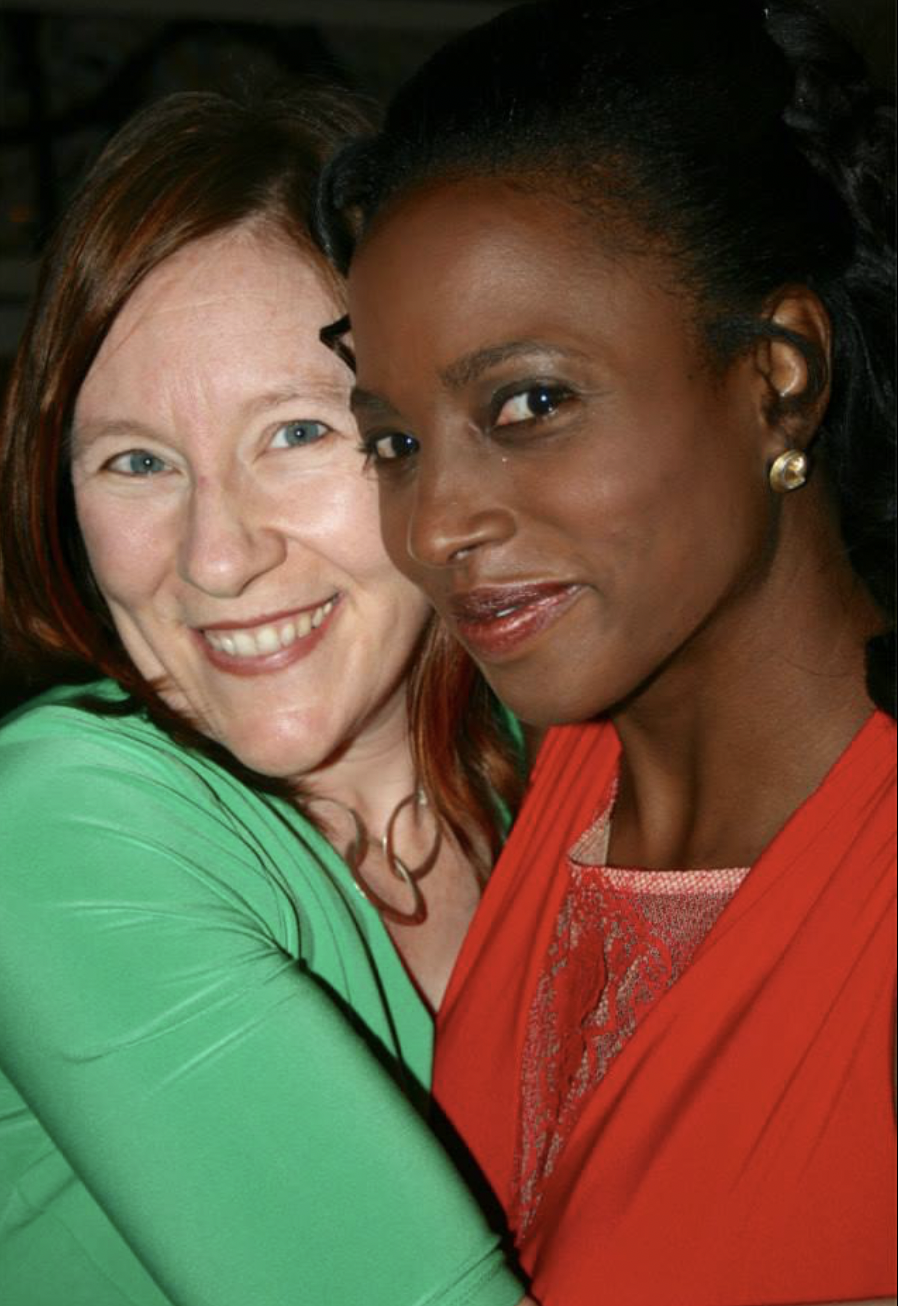
Michelle Cassandra Johnson is an author, activist, spiritual teacher, racial equity consultant, and intuitive healer. She is the author of six books, including Skill in Action and Finding Refuge. Amy Burtaine is a leadership coach and racial equity trainer. With Robin DiAngelo, she is the coauthor of The Facilitator’s Guide for White Affinity Groups. For more, visit https://www.michellecjohnson.com/wisdom-of-the-hive.

What Is A Chakra Blockage And How Do You Clear One?

Ever feel emotionally stuck, even when nothing in your life has visibly changed? That stagnation may trace back to a chakra blockage, a disruption in the body’s energy flow that mystics and healers have studied for centuries.

Sounds True has published teachings from renowned energy practitioners and spiritual guides for nearly 40 years, translating ancient wisdom into practical, everyday language. This guide explains what a chakra blockage really is, the signs it leaves behind, and proven ways to release it and restore balance.

Key Takeaways:

  • What It Is: A chakra blockage is stagnant energy in one of seven centers that can affect body, mind, and mood. Rooted in spiritual tradition, it offers a useful lens for self-awareness and growth.
  • How to Spot It: Signs of a chakra blockage range from physical discomfort to emotional patterns tied to a specific center.
  • Gentle Practices That Restore Balance: Breathwork, movement, meditation, and sound are everyday tools that support healthy energy flow and a deeper sense of well-being.

What Is A Chakra Blockage? A Simple Definition

A chakra blockage is when energy is said to stop flowing freely through one of the seven main energy centers. Think of each chakra as a wheel meant to spin steadily. When one slows or clogs from stress, unresolved emotion, or physical strain, the result may be tension, imbalance, or a persistent sense of being “off.” Clearing it means restoring that natural flow. Both “energy flow” and “chakra blockage” are concepts drawn from traditional and spiritual frameworks rather than conventional anatomy or physiology. 

Meet Your Sorrow with Kindness. Learn Practices for Self-Compassion with Sounds True.

How Chakra Blockages Form In The Body

Within chakra traditions, they build as life leaves its mark on the energy system. 

Emotional Stress and Trauma

Unprocessed grief, fear, or anger is traditionally said to settle in the body, quietly closing off the center tied to that feeling. Psychological trauma and chronic stress can indeed be associated with bodily symptoms such as muscle tension, pain, and autonomic arousal, though the idea that emotions literally close a chakra is metaphorical rather than scientifically verified.

Physical Habits and Health

Poor posture, illness, injury, and chronic tension can restrict flow through the chakra nearest the affected area. For example, someone dealing with recurring lower-back discomfort may find that the root chakra’s themes of security and grounding feel similarly strained. 

Lifestyle and Environment

Overwork, poor sleep, and disconnection from community all drain and stagnate energy. These quiet, everyday pressures are often the most overlooked contributors to an imbalanced system. 

Common Signs Of A Chakra Blockage

The signs of a chakra blockage show up in three overlapping ways. Keep in mind that these symptoms may overlap with stress-related or medical conditions and do not reliably indicate a chakra blockage on their own:

  • Physical Cues: Fatigue, digestive trouble, jaw or throat tightness, and recurring aches are traditionally linked to stuck energy in a specific center, though these symptoms can arise from many medical, psychological, or lifestyle causes and warrant medical evaluation.
  • Emotional Patterns: Anxiety, indecision, low self-worth, or feeling emotionally numb can each map to a particular chakra.
  • Mental and Spiritual Signs: Brain fog, lack of purpose, creative blocks, or feeling disconnected from something larger are common signals.

Your Wellness Journey Starts Here At Sounds True

The Seven Chakras And Their Blockage Symptoms

Each chakra governs specific themes, so its blockage has a distinct fingerprint within traditional chakra systems:

  • Root (Muladhara): Blockage brings insecurity, financial worry, and lower-back or leg issues. This center anchors the sense of safety, stability, and belonging in the physical world.
  • Sacral (Svadhisthana): Creative and sexual blocks, guilt, and reproductive or hip discomfort appear here. This center holds the energy of pleasure, creativity, and interpersonal connection.
  • Solar Plexus (Manipura): Low confidence, control issues, and digestive problems signal stagnation. The solar plexus is the seat of personal power and the capacity to act with clarity and direction.
  • Heart (Anahata): Grief, difficulty trusting, and chest or breathing tension point to a closed heart center. Cultivating self-compassion is often where clearing work here begins.
  • Throat (Vishuddha): Trouble speaking one’s truth is associated with this center in chakra traditions. Sore throats and thyroid issues have known biomedical causes and require medical assessment rather than being assumed as signs of chakra blockage.
  • Third Eye (Ajna): Confusion, poor intuition, and headaches suggest a blockage here. This center relates to clarity, insight, and the capacity to recognize patterns beneath the surface.
  • Crown (Sahasrara): Feeling disconnected, cynical, or spiritually adrift reflects a blocked crown. Reconnecting with a sense of purpose or quiet awe is often how clearing begins.

How To Clear Chakra Blockages: Practical Methods

Learning how to clear chakra blockages comes down to consistent, gentle practices you can do at home.

Breathwork and Meditation

Focused breathing and guided meditation direct attention and energy to the blocked center. Meditation programs have evidence for reducing psychological stress and improving well-being.

Movement and Yoga

Targeted poses open the physical area tied to each chakra, releasing stored tension. Yoga may help with stress regulation, mood, flexibility, and body awareness, though claims that it unblocks chakras are best framed as traditional or experiential rather than proven biomedical fact.

Sound and Mantra

Chanting seed sounds or listening to specific frequencies is traditionally said to re-tune a sluggish center. Sound and meditation practices may support relaxation, though there is insufficient evidence that specific frequencies clear or retune chakras. Eexploring subtle energy courses can offer structured guidance from experienced teachers across a range of these practices.

Uncover How Your Mind Works with Valuable Resources

Final Thoughts

A chakra blockage is not a flaw. Within traditional frameworks, it is a signal: the energy system asking for care. With breath, movement, sound, and honest reflection, restoring flow is something anyone can work toward. Starting small and staying consistent tends to matter more than any single dramatic practice. Support is available for those ready to go deeper, from trained teachers to structured programs built around these timeless teachings. 

Frequently Asked Questions About What Is A Chakra Blockage And How Do You Clear One?

How long does it take to unblock a chakra?

It varies; some feel relief in days, while deeper blockages take weeks or months of consistent practice.

How to cleanse your chakras at home?

Use breathwork, yoga, meditation, sound, and journaling focused on the center you want to clear.

How do I know if my chakras are activated?

You feel balanced, grounded, and emotionally open, with energy flowing freely and no persistent tension.

Can a chakra blockage cause physical symptoms?

In chakra traditions, fatigue, digestive issues, tension, and aches near a specific center are described as physical signs. However, these symptoms can have many medical, psychological, or lifestyle causes and should be evaluated by a professional

Can yoga and meditation really unblock chakras?

Yoga and meditation direct focus and movement to areas of tension and have evidence for reducing stress, anxiety, and some pain symptoms. That said, “unblocking chakras” is a spiritual interpretation rather than a scientifically measurable outcome.

When should you see a professional energy healer for chakra blockages?

When symptoms persist despite home practice or are tied to deep trauma, seek a trained practitioner alongside medical advice.

Michelle Cassandra Johnson is an author, activist, spiritual teacher, racial equity consultant, and intuitive healer. She is the author of six books, including Skill in Action and Finding Refuge. Amy Burtaine is a leadership coach and racial equity trainer. With Robin DiAngelo, she is the coauthor of The Facilitator’s Guide for White Affinity Groups. For more, visit https://www.michellecjohnson.com/wisdom-of-the-hive.

Elaine Aron On The Highly Sensitive Person Trait

Have you ever left a gathering utterly drained after only a few hours, even though nothing went wrong, just too much noise, too many conversations, and too much happening all at once?

At sounds True, we know that familiar exhaustion has a name, thanks largely to the research of Elaine Aron. Her work gave language to an experience millions of people had quietly lived with for years, often assuming something was simply wrong with them.

In this piece, we’ll look at who Elaine Aron is, what it actually means to be a highly sensitive person, and how the HSP trait shows up in daily life once we know what to look for.

Key Takeaways:

  • High Sensitivity Is A Trait, Not A Flaw: Elaine Aron’s research identifies high sensitivity as a measurable, innate trait rather than a disorder needing correction.
  • The HSP Trait Shows Up Across Species: Similar sensitivity patterns appear in over a hundred animal species, suggesting a deep evolutionary purpose.
  • Self-Understanding Changes Everything: Recognizing yourself as a highly sensitive person often shifts old self-criticism into genuine self-acceptance.

Elaine Aron And The Discovery Of A Hidden Trait

Elaine Aron is a research and clinical psychologist who, alongside her husband Arthur Aron, formally identified a distinct personality trait through a series of studies published in 1997. Rather than treating heightened sensitivity as a quirk or weakness, their research established it as a measurable characteristic present in roughly fifteen to twenty percent of the population, with a clear physiological basis in how the nervous system processes information.

Aron’s landmark book, The Highly Sensitive Person: How to Thrive When the World Overwhelms You, became a touchstone for countless readers who finally saw their own experience reflected in scientific language rather than dismissed as oversensitivity. Her work has since been featured in documentary films and continues to shape how psychologists and the general public understand this trait. Readers interested in her full body of work, including her audio learning program created with Sounds True, can find it in our Elaine Aron author collection.

Center Yourself With Meditative Teachings by Sounds True

What Does It Mean To Be A Highly Sensitive Person?

Being a highly sensitive person doesn’t simply mean feeling emotions strongly or being easily upset. Aron’s research points to something more specific: a nervous system that processes sensory and emotional information more deeply than average, picking up on subtleties others might miss entirely.

This depth of processing can show up as noticing a shift in someone’s tone before they’ve said anything is wrong, feeling overwhelmed in brightly lit or noisy environments, or needing more recovery time after ordinary social interaction than peers seem to require. Listeners curious to hear Aron explain this in her own words can find a full conversation on our Highly Sensitive Person recorded with Sounds True founder Tami Simon.

Inside The Science Of The HSP Trait

Aron organized the core features of the HSP trait into a memorable framework, often referred to by the acronym DOES.

D Is For Depth Of Processing

Highly sensitive people tend to reflect more thoroughly on experiences, connecting new information to past events and considering implications that others might move past quickly.

O Is For Overstimulation

Because more is being processed at once, environments that others find merely busy can feel genuinely overwhelming, leading to a need for quiet recovery time.

E Is For Emotional Responsiveness

This includes strong empathy and emotional reactivity, both to one’s own experiences and to the feelings of people nearby.

S Is For Sensitivity To Subtleties

Highly sensitive people often notice small details in their environment, from a change in lighting to a slight shift in someone’s expression, well before others register anything at all.

Build Relationships That Nourish And Sustain

Is High Sensitivity A Weakness Or A Strength?

Cultural messaging around sensitivity has historically leaned negative, treating it as something to overcome rather than understand. Aron’s research pushes back directly against this framing, noting that similar sensitivity patterns appear across more than a hundred animal species, suggesting the trait serves an important evolutionary function rather than representing a flaw unique to certain unlucky individuals.

In many contexts, high sensitivity translates into genuine advantages: careful decision-making, deep creativity, strong intuition, and an unusual capacity for empathy. The challenge lies less in the trait itself and more in environments and expectations that weren’t built with sensitive nervous systems in mind, from open-plan offices to fast-paced social calendars. Readers interested in exploring related themes of self-understanding and emotional depth may also value the broader teachings available through Sounds True One.

Living Well As A Highly Sensitive Person

Aron’s later work focuses heavily on practical strategies for thriving with this trait rather than simply managing around it. This includes building in adequate downtime after stimulating events, communicating needs clearly in relationships, and reframing sensitivity as valuable information about one’s environment rather than a personal shortcoming.

For highly sensitive people navigating romantic relationships, work environments, or busy family life, Aron’s research offers concrete language for needs that might otherwise go unexplained or dismissed by others. Her continued research and teaching on this subject is available throughout our Elaine Aron author collection, including her more recent explorations of sensitivity across the lifespan.

Your Wellness Journey Starts Here At Sounds True

Final Thoughts

Elaine Aron’s research offered something rare: a scientific framework that transformed a source of lifelong self-doubt into genuine self-understanding for millions of highly sensitive people. Recognizing the HSP trait doesn’t fix anything that was broken. It simply reveals a nervous system that was working exactly as it was designed to, all along.

Frequently Asked Questions About Elaine Aron And HSP

Who is Elaine Aron?

Elaine Aron is a research and clinical psychologist who, with her husband Arthur Aron, identified and named the highly sensitive person trait through studies published in 1997.

What does it mean to be a highly sensitive person?

A highly sensitive person has a nervous system that processes sensory and emotional information more deeply than average, often noticing subtleties others might overlook.

What does the HSP trait’s DOES framework stand for?

DOES stands for depth of processing, overstimulation, emotional responsiveness, and sensitivity to subtleties, the four core features Aron uses to describe high sensitivity.

How common is the highly sensitive person trait?

Aron’s research suggests roughly fifteen to twenty percent of people carry this trait, with similar patterns observed across more than a hundred other animal species.

Is being highly sensitive the same as being introverted?

No. While the two traits often overlap, research shows a meaningful percentage of highly sensitive people are actually extroverted, since sensitivity relates to processing depth rather than social preference.

Is high sensitivity considered a disorder?

No. Elaine Aron’s research frames high sensitivity as a normal, measurable personality trait rather than a diagnosis or condition requiring treatment.

Can high sensitivity be an advantage?

Yes. Many highly sensitive people report strengths in empathy, creativity, careful decision-making, and intuition, alongside the challenges of easily feeling overwhelmed.

Where can I hear Elaine Aron discuss this research directly?

Sounds True’s Insights at the Edge podcast features a full conversation between Elaine Aron and Tami Simon exploring what it means to be a highly sensitive person.

Michelle Cassandra Johnson is an author, activist, spiritual teacher, racial equity consultant, and intuitive healer. She is the author of six books, including Skill in Action and Finding Refuge. Amy Burtaine is a leadership coach and racial equity trainer. With Robin DiAngelo, she is the coauthor of The Facilitator’s Guide for White Affinity Groups. For more, visit https://www.michellecjohnson.com/wisdom-of-the-hive.

Best Courses For Learning Energy Healing As A Beginner

Curious about energy healing but unsure where to begin? The best beginner courses for energy healing meet learners exactly where they are, with clear guidance, warm instruction, and a genuine willingness to learn being the only requirement.

Sounds True has spent more than four decades partnering with pioneering energy healers and researchers, publishing foundational teachings long before “energy medicine” entered the mainstream conversation. That depth of experience shapes the course recommendations below. The following sections cover what to look for in a beginner-friendly energy-healing course, along with top picks and guidance on choosing the right path forward.

Key Takeaways:

  • Build From the Ground Up: The best beginner courses center on energy awareness, grounding, and hands-on technique before deepening into more advanced work.
  • The Right Format Shapes Your Journey: Online courses offer flexibility and ease, while in-person training provides real-time feedback and hands-on correction for tactile learners.
  • Everyone Starts Somewhere: Many beginner energy healing training programs welcome complete newcomers with zero background in healing or wellness practices. 

What To Look For In A Beginner Energy Healing Course

A strong beginner course keeps things simple, safe, and hands-on. Look for these signs before enrolling.

Clear Beginner Focus

Choose a course built for newcomers that starts with energy awareness and grounding. Programs that begin with foundational concepts, such as sensing subtle shifts in the body or learning basic centering techniques, give beginners a stable footing before advancing to more complex work.

Experienced, Trusted Teacher

Pick training led by a practitioner with teaching experience and a grounded, warm approach. A teacher with a clear lineage or defined method tends to offer more depth than one relying purely on theory, and the relationship between student and teacher matters as much as the curriculum.

Practical, Guided Exercises

Good courses include guided practices learners can try right away, with exercises that build confidence through repetition. Short, repeatable practices, like a five-minute grounding sequence or a partnered energy awareness exercise, help techniques become intuitive with time.

Awaken Something Greater Within You. Find Teachings that Speak to You With Sounds True.

Key Skills Taught In Energy Healing Training

Beginner courses typically build a core set of skills, including:

  • Grounding and centering: Stabilizing the body’s energy before a session.
  • Sensing subtle energy: Recognizing shifts, blocks, or imbalances.
  • Hands-on or hands-off techniques: Directing energy through touch or proximity.
  • Chakra and biofield awareness: Understanding the body’s energy centers and field.
  • Intuitive assessment: Reading where a client may need support.
  • Self-protection practices: Clearing and shielding personal energy after sessions.

Online vs. In-Person Energy Healing Courses

Both online and in-person formats may be suitable for beginners, depending on schedule, budget, and preferred learning style. 

Online Energy Healing Courses

Online courses often offer flexible, at-home, and sometimes self-paced learning. They may be lower-cost than in-person options depending on the provider, which makes them an accessible starting point for those exploring the field for the first time. 

In-Person Training

In-person training offers hands-on feedback and immediate correction, making it ideal for tactile learners. Having a teacher present to adjust hand position or guide a grounding exercise can accelerate early skill development in ways that recorded content alone cannot replicate. 

Hybrid Options

Some programs blend online lessons with live sessions, combining flexibility with real-time guidance. This format suits learners who want structure and accountability without sacrificing the convenience of remote access. 

Center Yourself With Meditative Teachings by Sounds True

Best Beginner Courses For Energy Healing: Top Picks

The right starting point depends on learning style and available time. A few standout options for beginners include: 

  • Foundational energy healing certifications: Structured, multi-week programs covering theory, technique, and supervised practice, ideal for those who want a credential-backed foundation.
  • Short introductory workshops: Single-session or weekend courses that introduce core concepts like grounding, sensing energy, and basic hand positions, well-suited for casual exploration.
  • Teacher-led immersions: Courses taught by recognized practitioners, offering direct mentorship and Q&A alongside the curriculum.
  • Self-paced online programs: Flexible video-based training for beginners who prefer to learn on their own schedule.

Sounds True’s Subtle Energy Healing Immersion, taught by Laurie Nealon, Robert Peng, and Shamini Jain, PhD, is one example built specifically for newcomers ready to begin practicing. For a broader look at what’s available, exploring subtle energy courses can help you find the format and depth that fits your learning goals.

How Long It Takes To Learn Energy Healing Basics

Beginners shouldn’t expect instant results. Regular, patient practice tends to matter more than the length of any single course. Timelines vary depending on depth and consistency of practice:

  • Introductory understanding: A weekend workshop or short course can cover core concepts such as grounding, sensing energy, and basic techniques in a few hours.
  • Working proficiency: Most beginner programs run 4 to 8 weeks, giving enough time to practice techniques regularly and build confidence.
  • Comfortable, intuitive skill: Many practitioners report needing 6 months to a year of consistent practice before energy work feels natural rather than effortful.
  • Ongoing mastery: Like most healing arts, energy work is a lifelong practice; even experienced practitioners continue refining their sensitivity and technique over years.

Your Wellness Journey Starts Here At Sounds True

Final Thoughts

The best beginner courses for energy healing meet learners with patience and clear, practical guidance. Start where you are, practice consistently, and let curiosity lead. Sounds True’s beginner energy healing courses offer a warm, grounded place to begin that path. 

Frequently Asked Questions About The Best Courses For Learning Energy Healing As A Beginner

How can I learn to be an energy healer?

Start with a beginner energy healing course that teaches grounding, sensing energy, and basic hands-on techniques.

Do I need any prior experience to start a beginner energy healing course?

No, many beginner courses are designed for complete newcomers with no background required.

Which energy healing modality is best for complete beginners?

Reiki Level 1 is one of the most accessible entry points for beginners, as many programs require no prior experience.

How much do online energy healing courses cost?

Online course prices vary widely, from low-cost introductory classes to several-hundred-dollar certification programs.

Should I choose a self-paced or live instructor-led energy healing course?

Choose self-paced for flexibility, or live instruction for real-time feedback.

Does energy healing certification need to be accredited to be legitimate?

Energy healing certifications are generally not regulated like medical licenses in the United States, though local laws may affect what practitioners can advertise or perform.

Michelle Cassandra Johnson is an author, activist, spiritual teacher, racial equity consultant, and intuitive healer. She is the author of six books, including Skill in Action and Finding Refuge. Amy Burtaine is a leadership coach and racial equity trainer. With Robin DiAngelo, she is the coauthor of The Facilitator’s Guide for White Affinity Groups. For more, visit https://www.michellecjohnson.com/wisdom-of-the-hive.

Frank Ostaseski On Why There’s No Such Thing As ...

Somewhere in a hospice room, afternoon light moves slowly across the wall, and a caregiver simply sits, offering nothing more than steady presence, which turns out to be exactly enough.

At Sounds True, we strive to question the thoughts and conversations around death and being present. Frank Ostaseski has spent decades in instances like this, and his work continues to reshape how many people think about dying, caregiving, and what it actually means to be present with someone during their final chapter.

In this piece, we’ll look at who Frank Ostaseski is, why he pushes back against the idea of a good death, and what his years of Zen hospice end-of-life care have taught him about living well long before death arrives.

Key Takeaways:

  • There May Be No Single “Good Death”: Frank Ostaseski suggests dying is too varied and personal to fit into one universal ideal.
  • Presence Matters More Than Answers: His decades in end of life care point to steady, compassionate presence as more valuable than trying to fix or explain death.
  • Facing Death Can Clarify How We Live: Ostaseski’s teachings suggest an honest relationship with mortality often deepens our appreciation for daily life.

Frank Ostaseski’s Decades At The Bedside

Frank Ostaseski cofounded the Zen Hospice Project in San Francisco, the first Buddhist hospice in the United States, and later established the Metta Institute to train caregivers in mindful, compassionate approaches to end-of-life work. Over more than three decades, he has sat bedside with well over a thousand people during their final days, an experience that shaped his entire understanding of what genuine presence requires.

His book, The Five Invitations: Discovering What Death Can Teach Us About Living Fully, distills what he learned from that sustained proximity to mortality, offering it as guidance not only for the dying but for anyone hoping to live with greater presence. His own health crises, including heart surgery and strokes, later gave him firsthand experience of being on the other side of the caregiving relationship as well. Readers interested in his full body of work can find it in our Frank Ostaseski author collection.

Meet Your Sorrow with Kindness. Learn Practices for Self-Compassion with Sounds True.

Why Frank Ostaseski Rejects The Idea Of A Good Death

Ostaseski has described himself as allergic to the phrase “good death,” and the reasoning behind that reaction runs deeper than semantics. Framing death as something to get right implies a fixed standard, one that risks adding pressure and judgment to an experience that’s already deeply personal and often unpredictable.

Instead, he suggests meeting each death, like each life, on its own terms, without measuring it against an idealized version of how the process should unfold. This shift matters enormously for caregivers and family members, who might otherwise carry unnecessary guilt over a passing that didn’t look peaceful or resolved in the way they’d imagined. For a fuller exploration of this idea, our full conversation on Good Death captures Ostaseski discussing this directly with Sounds True founder Tami Simon.

The Zen Hospice Project And The Roots Of End Of Life Care

Founded in 1987, the Zen Hospice Project brought Buddhist contemplative principles into direct contact with the practical, often overwhelming realities of caregiving. This blend of spiritual grounding and hands-on service became a model referenced well beyond its original San Francisco setting.

Zen hospice end-of-life care, as Ostaseski helped shape it, centers less on managing symptoms alone and more on cultivating a quality of presence that can hold both the caregiver and the person dying with equal steadiness. This approach has influenced hospice training programs and caregiver education far beyond any single institution. Readers drawn to this kind of contemplative approach to care may also value related teachings available through Sounds True One.

Build Relationships That Nourish And Sustain

The Five Invitations: Lessons From Sitting With The Dying

Ostaseski distilled decades of bedside experience into what he calls the Five Invitations, a set of principles meant to apply as much to daily living as to dying itself. They include don’t wait, welcome everything, and push away nothing, bring your whole self to the experience, find a place of rest in the middle of things, and cultivate what he calls “don’t know mind,” a willingness to stay open rather than clinging to certainty.

Taken together, these invitations suggest that many of the qualities most needed at the end of life, presence, acceptance, and honesty, are the same qualities worth cultivating throughout an ordinary week. Ostaseski often notes that death has a way of clarifying what matters, and these invitations offer a way to access that clarity without waiting for a crisis to arrive first.

What Dying Can Teach Us About How We’re Already Living

One of Ostaseski’s central themes is that awareness of mortality, rather than being morbid or frightening, can actually sharpen our attention to the life we’re currently living. Many people report feeling more present, more grateful, and more honest with loved ones once they’ve genuinely sat with the reality that time is limited.

This isn’t about dwelling on death constantly. It’s about letting an honest awareness of it inform how fully we show up for the people and moments in front of us right now. Ostaseski’s continued teaching on this theme is available throughout our Frank Ostaseski author collection.

Your Wellness Journey Starts Here At Sounds True

Final Thoughts

Frank Ostaseski’s decades of work suggest that the search for a single, correct way to die may be less useful than learning to meet whatever arises, in death as in life, with presence and openness. His teaching doesn’t promise ease. It offers something more durable: a way of being with difficulty that neither rushes past it nor collapses into it.

Frequently Asked Questions About Frank Ostaseski And ‘Good Death’

Who is Frank Ostaseski?

Frank Ostaseski is a Buddhist teacher and cofounder of the Zen Hospice Project, the first Buddhist hospice in the United States, and author of The Five Invitations.

Why does Frank Ostaseski reject the idea of a good death?

He suggests that framing death as something to get “right” creates unnecessary pressure and judgment around an experience that is deeply personal and often unpredictable.

What is the Zen Hospice Project?

The Zen Hospice Project is America’s first Buddhist hospice, founded in San Francisco in 1987, blending contemplative practice with practical, compassionate end-of-life care.

What are the Five Invitations?

There are five guiding principles from Ostaseski’s book, including don’t wait, welcome everything, bring your whole self, find rest in the middle of things, and cultivate not-knowing.

Can lessons from end-of-life care apply to everyday living?

Yes. Ostaseski suggests the presence, honesty, and acceptance often cultivated near death are equally valuable qualities to bring into ordinary daily life.

Does thinking about death have to be frightening or morbid?

Not necessarily. Many people find that an honest relationship with mortality increases gratitude and presence rather than fear, according to Ostaseski’s work.

What is Zen hospice end-of-life care based on?

It combines Buddhist contemplative principles with practical caregiving, emphasizing steady presence alongside symptom management and emotional support.

Where can I learn more about Frank Ostaseski’s perspective directly?

Sounds True offers a full conversation transcript between Frank Ostaseski and Tami Simon exploring why he questions the notion of a good death.

Michelle Cassandra Johnson is an author, activist, spiritual teacher, racial equity consultant, and intuitive healer. She is the author of six books, including Skill in Action and Finding Refuge. Amy Burtaine is a leadership coach and racial equity trainer. With Robin DiAngelo, she is the coauthor of The Facilitator’s Guide for White Affinity Groups. For more, visit https://www.michellecjohnson.com/wisdom-of-the-hive.

Tian Dayton On Healing From Growing Up With Addiction ...

A house can look perfectly ordinary from the outside while everyone inside has quietly learned to read the weather of one unpredictable person’s mood.

At Sounds True, we understand that healing from a family that struggled with addiction is a long and deeply personal journey. Tian Dayton has spent decades helping people understand exactly this kind of quiet, learned vigilance, and what it takes to gently unlearn it once adulthood arrives.

In this piece, we’ll look at who Tian Dayton is, what it actually means to grow up with addicts in the household, and why healing for adult children of addiction requires something more active than simply understanding what happened.

Key Takeaways:

  • Addiction Affects The Whole Family: Tian Dayton’s work highlights how growing up with addicts shapes patterns that extend well beyond the person struggling with substances.
  • Insight Alone Rarely Creates Change: Dayton describes healing as an active discipline, not simply an intellectual understanding of what happened.
  • Old Patterns Can Be Rewritten: Adult children of addiction can develop new, healthier ways of relating once these inherited patterns are recognized.

Tian Dayton’s Work As A Trauma And Addiction Expert

Tian Dayton holds a PhD in clinical psychology and has spent her career as a trauma and addiction expert, psychodramatist, and director of the New York Psychodrama Training Institute. Her work centers on a core insight many people discover only in adulthood: addiction rarely stays contained to one person, and its effects tend to ripple through an entire family system, shaping roles, expectations, and coping strategies long after the immediate crisis has passed.

Her book, Growing Up with Addiction, along with her broader body of work on emotional sobriety and recovery, offers both a framework and practical tools for understanding these ripple effects. She has spent decades combining clinical research with experiential methods, giving her work a distinctive blend of scientific grounding and hands-on practicality. Readers interested in exploring her writing further can find it in our Tian Dayton author collection.

Meet Your Sorrow with Kindness. Learn Practices for Self-Compassion with Sounds True.

What It Means To Grow Up With Addicts

Growing up with addicts in the household often means learning, without ever being explicitly taught, to anticipate unpredictability, manage other people’s emotions, and quietly suppress one’s own needs to keep the household functioning. These adaptations made sense as survival strategies during childhood, even though they can create real difficulty later in life.

Dayton’s work emphasizes that these patterns aren’t personality flaws. They’re learned responses to an environment that required constant vigilance, and recognizing them as such is often the first meaningful step toward change. For a fuller exploration of this territory, our Growing Up With Addicts captures Dayton discussing these dynamics directly with Sounds True founder Tami Simon.

Understanding Adult Children Of Addiction

The term adult children of addiction describes a recognized pattern of experience among people who grew up in homes shaped by a parent’s substance use, whether or not that parent ever sought treatment. Common threads include difficulty trusting stability, discomfort with conflict, and a tendency toward either rigid control or its opposite, chronic people-pleasing.

Dayton is careful to note that these patterns exist on a spectrum, and not everyone who grew up in such a household experiences them the same way or to the same degree. What matters most is recognizing which patterns still show up in present-day relationships, rather than assuming childhood experience has no bearing on adult life. Readers exploring this territory in their own healing may also find related teachings through Sounds True One, which offers access to a range of programs on trauma, family patterns, and emotional well-being.

Center Yourself With Meditative Teachings by Sounds True

Why Insight Alone Isn’t Enough: Healing As A Discipline

One of Dayton’s most distinctive contributions is her insistence that healing requires discipline, not just understanding. Many people spend years intellectually grasping how their childhood shaped them without noticing meaningful change in how they actually behave in relationships or under stress, which can be genuinely disorienting after putting in so much reflective effort.

This gap between insight and change is exactly where discipline enters. Dayton describes healing as an ongoing practice, something closer to physical conditioning than a single realization, requiring consistent effort to build new emotional and relational habits over time rather than simply naming old ones and hoping the naming itself will be enough.

How Psychodrama Supports Deeper Healing

As a trained psychodramatist, Dayton often incorporates experiential techniques that go beyond talking about the past, allowing people to work through old family dynamics in a more embodied, active way than conversation alone typically allows. This approach reflects her broader belief that healing needs to involve the whole person, not just the analytical mind, since patterns formed early in life often live in the body and nervous system as much as in conscious memory.

For adult children of addiction specifically, this kind of active practice can help translate years of quiet, hard-won insight into genuine behavioral change, whether that means learning to tolerate healthy conflict, trust consistency, or set boundaries without guilt. Dayton’s continued teaching on these practices is available throughout our Tian Dayton author collection.

Your Wellness Journey Starts Here At Sounds True

Final Thoughts

Tian Dayton’s work offers a hopeful, practical message for anyone who grew up with addicts in the family: the patterns formed in childhood were never permanent character traits, even though they can feel deeply ingrained. With consistent, disciplined practice, it becomes possible to build new ways of relating that finally reflect choice rather than old survival strategies.

Frequently Asked Questions About Tian Dayton And Family Addiction

Who is Tian Dayton?

Tian Dayton is a clinical psychologist, psychodramatist, and trauma and addiction expert, known for her work on how family addiction affects adult children long into their own lives.

What does it mean to grow up with addicts?

It generally refers to childhood experiences shaped by a parent’s or family member’s substance use, often involving unpredictability, emotional caretaking, and learned patterns of vigilance.

Who are adult children of addiction?

This term describes adults who grew up in households affected by a family member’s addiction, often carrying learned patterns around trust, conflict, and emotional regulation into their present-day relationships.

Why does Tian Dayton describe healing as a discipline?

She emphasizes that intellectual understanding of childhood patterns rarely creates change on its own, and that consistent practice is usually required to build new emotional and relational habits.

What is psychodrama, and how does it help with healing?

Psychodrama is an experiential therapeutic method that allows people to work through past dynamics actively, rather than only discussing them, engaging the whole person rather than analysis alone.

Do all adult children of addiction experience the same patterns?

No. Dayton notes these patterns exist on a spectrum, and individual experiences vary based on many factors, including family dynamics, support systems, and personal temperament.

Can these patterns really change in adulthood?

Yes. Dayton’s work suggests that with consistent, disciplined effort, adults can build genuinely new ways of relating that don’t rely on old survival strategies formed in childhood.

Where can I learn more about Tian Dayton’s perspective directly?

Sounds True offers a full conversation transcript between Tian Dayton and Tami Simon exploring healing for those who grew up with addiction in the family.

Michelle Cassandra Johnson is an author, activist, spiritual teacher, racial equity consultant, and intuitive healer. She is the author of six books, including Skill in Action and Finding Refuge. Amy Burtaine is a leadership coach and racial equity trainer. With Robin DiAngelo, she is the coauthor of The Facilitator’s Guide for White Affinity Groups. For more, visit https://www.michellecjohnson.com/wisdom-of-the-hive.
