How do we remain committed to staying sober when grief strikes, when stress becomes overwhelming, or when shame threatens to pull us back into old patterns?
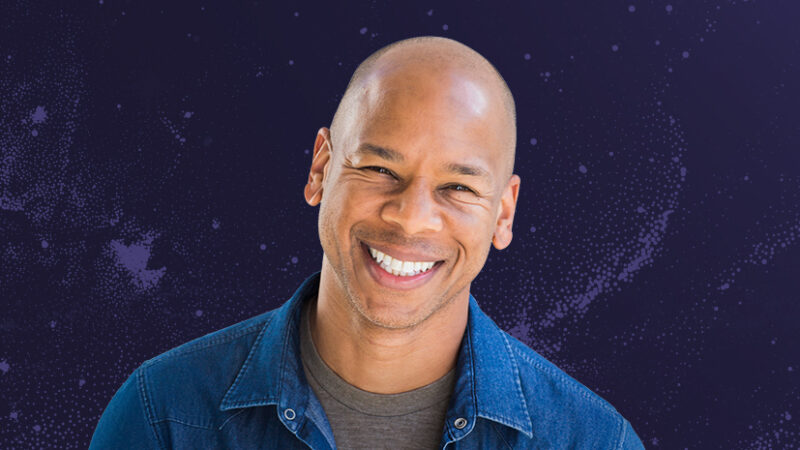
This week on Insights at the Edge, Tami Simon welcomes Steven Washington, a former professional Broadway dancer who has transformed his 23-year recovery journey into a powerful practice of embodied healing. Steven is the author of Recovering You: Soul Care and Mindful Movement for Overcoming Addiction and creator of the SWE Studio, an online community offering movement and meditation support for people in recovery.
In this deeply personal interview, Tami and Steven explore:
Why recovery must be “non-negotiable”—with no conditions attached, regardless of life’s challenges
How shame operates as the linchpin of addiction and the healing power of sharing it with trusted others
The connection between sensitivity and addiction, and how to transform sensitivity from vulnerability into strength
Practical tools for creating a trigger plan that works for both small daily stressors and major life crises
How Qigong and embodied practices help regulate the nervous system and process emotions held in the body
The journey from inherited shame to self-compassion and authentic self-worth
Why asking for help—practiced with small things—prepares us for life’s biggest challenges
Developing a personal relationship with a higher power that feels authentic rather than inherited
If you’re navigating recovery, supporting someone who is, or seeking to understand the connection between embodiment and transformation, Steven offers both practical wisdom and profound compassion for the journey.
Note: This interview originally aired on Sounds True One, where these special episodes of Insights at the Edge are available to watch live on video and with exclusive access to Q&As with our guests. Learn more at https://www.join.soundstrue.com
Yoga is often seen as a way to stretch, strengthen, or reduce stress, but over time, it can become something much deeper. A regular practice slowly invites us into a more honest relationship with our bodies, emotions, and inner wisdom. It helps us feel more rooted during challenging times and more open during moments of connection. The benefits of yoga begin on the mat, but its impact reaches into every part of our daily lives.
At Sounds True, we’ve spent more than 35 years supporting transformational experiences that honor the whole person, mind, body, and spirit. Our digital yoga programs, audio teachings, and practices are led by trusted guides and rooted in spiritual depth. We don’t just teach yoga; we preserve its wisdom and share it in a way that’s alive, embodied, and accessible. For us, yoga is not performance; it’s a practice of remembering.
In this piece, we will be discussing the holistic benefits of a regular yoga practice, what they are, how they unfold, and why they matter in the journey of everyday awakening.
Key Takeaways:
Whole-Person Wellness: A regular yoga practice supports physical, emotional, and spiritual balance, not just fitness or flexibility.
Sacred Consistency: Consistency reveals deeper transformation over time, reshaping how we breathe, respond, and relate to ourselves and others.
Sound Tools For Real Life: Sounds True offers curated programs that meet each practitioner where they are, deepening the benefits of yoga in daily living.
The Sacred Invitation Within A Regular Yoga Practice
Yoga, in its essence, is not merely a form of movement or a collection of poses; it is a sacred return to self. A regular yoga practice offers us a quiet, dependable space to meet the truth of who we are, again and again. Over time, the consistent rhythm of showing up on the mat becomes a grounding force, an invitation into stillness, presence, and wholeness that extends far beyond the physical form.
For many, the regular yoga practice’s impact reveals itself gradually. It might begin as a physical release or a way to manage stress. But in its most authentic expression, yoga becomes a pathway toward reconnection with the breath, the body, and the deeper voice within. In these moments of return, we begin to feel more deeply, listen more attentively, and move through life with greater intention.
To support these subtle but profound inner shifts, Sounds True offers tools designed to help you carry the benefits of yoga into your everyday emotional landscape. The Yoga for your mood deck invites practitioners to explore the connection between movement and mood, offering practices that respond to how you feel in the moment, not just how you wish to feel.
Understanding The Holistic Yoga Benefits On And Off The Mat
Yoga is often perceived as a physical discipline, but its gifts unfold across every dimension of our being. The holistic benefits of yoga reach beyond flexibility and strength, guiding us toward deeper harmony within the mind, body, and spirit. What happens on the mat gently transforms what happens off the mat, influencing how we relate to ourselves, to others, and to the world.
One of the clearest expressions of the holistic yoga benefits is the way yoga supports emotional clarity and mental steadiness. The breath becomes an anchor; the body, a teacher; the practice, a mirror. Over time, this integrated awareness fosters greater resilience, equanimity, and openness to life’s challenges.
For those seeking to explore the healing potential of deep rest, the podcast “Yoga Nidra —The Sleep Yoga” offers powerful guidance for moving into conscious relaxation. It supports practitioners in cultivating nervous system balance and surrender, expanding the benefits of yoga into the realm of inner stillness and restoration.
How A Consistent Practice Supports Full-Body Wellness Yoga
A consistent yoga practice offers more than occasional relief or short-term results. Over time, it becomes a foundational part of physical well-being and self-care. This section explores the layered ways that regularity supports full-body wellness yoga, not just in strength and mobility, but in long-term restoration and healing:
Building Strength And Stability Through Repetition
With repeated practice, yoga gently builds muscular strength and joint stability. This is especially meaningful for practitioners seeking to age with confidence and grace. A steady practice helps improve posture, balance, and core integrity, creating a more resilient body over time.
Releasing Tension And Cultivating Flexibility
Tightness in the body often reflects stored stress or unprocessed emotion. Through regular practice, yoga helps unlock these spaces with patience and awareness. As flexibility increases, many people find emotional ease follows, a natural byproduct of embodied mindfulness.
Supporting Long-Term Physical Resilience
Yoga is not just for recovery; it is a practice of prevention. Regular movement nourishes the fascia, promotes circulation, and gently conditions the body to better handle life’s physical demands. This is also where the true benefits of consistent yoga begin to take root, especially when you explore resources like Yoga and Movement that support practitioners with offerings designed to grow alongside their physical needs.
The Spiritual Heartbeat Behind The Benefits Of Yoga
While yoga is often praised for its physical and emotional rewards, its deepest offering lies in the realm of spiritual awakening. Beneath each movement, there is a quiet invitation to remember who we truly are. This section explores how the benefits of yoga extend beyond form and flow, guiding us into greater connection with the sacred.
Yoga As A Return To Inner Stillness
In the silence between breaths and the stillness between poses, yoga becomes a sacred mirror. It reflects the soul’s longing for presence, reminding us that beneath the noise of daily life exists a calm, steady awareness. The more consistently we practice, the easier it becomes to access this inner sanctuary.
Deepening Connection With The Sacred Self
Yoga fosters a space where the spiritual self can be remembered and nurtured. Through devotional movement and mindful breathing, we begin to experience life not as something we control, but as something we participate in fully. This inner alignment can feel subtle at first, yet it becomes the foundation for authentic living.
The Spiritual Dimensions Of The Benefits Of Yoga
Beyond its visible effects, the benefits of yoga include an often-unspoken inner clarity. Many long-term practitioners describe a shift in how they relate to the world, moving with more reverence, humility, and grace. These qualities arise not from discipline alone, but from the spiritual heartbeat that lives inside the practice itself.
Exploring The Regular Yoga Practice Impact On Daily Life
When practiced consistently, yoga stops being something we do and starts becoming part of who we are. Its presence weaves itself into the rhythms of daily life, how we breathe through tension, respond to others, and hold space for our own experience. In this section, we’ll explore the everyday ways the regular yoga practice impact is revealed:
Shifting How We Move Through Challenges
With steady practice, we learn to meet discomfort with breath instead of resistance. This habit transfers into daily life, where stress no longer defines our reactions. Over time, we begin to embody more patience, clarity, and softness, even when things feel uncertain.
Creating Small Moments Of Grounded Awareness
The effects of yoga don’t end when we leave the mat. They show up in the way we pause before speaking, how we carry ourselves in a room, or the presence we bring to everyday tasks. These small changes reflect the deeper impact of regular yoga practice and are subtle yet transformative.
Yoga As A Way To Live, Not Just Practice
As we continue to show up, yoga becomes less about poses and more about intention. It guides how we rest, connect, listen, and heal. This way of being is beautifully honored in International Day of Yoga, which celebrates the role of yoga as a lifelong companion for physical, emotional, and spiritual balance.
How To Begin Or Deepen Your Practice With Sounds True
Whether you’re just starting or returning after time away, establishing a consistent practice begins with choosing the path that meets you where you are. At Sounds True, the invitation is always the same: come as you are, and let the practice guide you home. This section offers ways to begin, sustain, or expand your relationship with yoga:
Start With Accessible Practices That Honor Your Body
You don’t need to be flexible or experienced to begin. What matters most is consistency and the willingness to listen inward. Many of Sounds True’s programs are designed to support full-body wellness yoga by honoring each person’s unique physical landscape with gentleness and clarity.
Explore Programs That Integrate Mind, Body, And Spirit
For those looking to deepen, Sounds True’s digital yoga offerings focus not just on form but on inner experience. These courses are rooted in presence, alignment, and the holistic yoga benefits that evolve when movement and meaning meet. With guidance from respected teachers, these practices become a sacred rhythm in daily life.
Let Consistency Build A Foundation For Transformation
Sustainable growth happens when practice becomes ritual. By showing up regularly, no matter how simple the session, we create space for transformation. This is where the benefits of consistent yoga take hold, forming a deeper relationship with the self that supports healing, clarity, and connection.
Final Thoughts
Yoga is more than a posture or practice; it is a lifelong companion. Through consistency, it becomes a quiet thread woven through our days, a source of steadiness, insight, and healing. Its gifts are cumulative, offering both immediate calm and long-term transformation.
The benefits of consistent yoga touch every aspect of our lives. They show up in how we breathe, relate, recover, and grow. The more regularly we practice, the more naturally we begin to embody the qualities yoga teaches: compassion, awareness, courage, and peace.
Ultimately, the holistic yoga benefits are not measured in what we can do on the mat, but in how we live when we step away from it. Each breath, each pose, each moment of presence becomes an offering to ourselves and to the world.
Frequently Asked Questions About Regular Yoga Practice
What are some lesser-known benefits of yoga for the nervous system?
Yoga activates the parasympathetic nervous system, helping to regulate heart rate variability, reduce cortisol levels, and support long-term emotional regulation.
Can yoga positively influence gut health and digestion?
Yes, certain yoga poses gently stimulate digestive organs, improve circulation in the abdominal area, and help calm the nervous system, which supports better digestion.
How does yoga support hormonal balance, especially during menopause?
Gentle, consistent yoga practice can reduce stress-related hormonal fluctuations, ease symptoms like hot flashes or insomnia, and support emotional steadiness.
Is yoga helpful for people managing autoimmune conditions?
Yoga can offer adaptive movement and breathwork that supports the immune system by reducing inflammation triggers and increasing internal regulation and calm.
Can a regular yoga practice improve cognitive function?
Yes, practices that integrate breath, movement, and mindfulness have been shown to improve focus, memory retention, and overall mental clarity over time.
How can yoga support grief and emotional loss?
Yoga offers a nonverbal, embodied way to process grief, creating space for emotional expression, breath-based release, and quiet connection to the heart.
What role does yoga play in supporting sleep quality?
Consistent yoga can relax the nervous system, reduce anxiety, and prepare the body for sleep by slowing down the breath and lowering physical tension.
Are the benefits of yoga different for older adults?
While the foundational benefits remain, older adults often find improved balance, joint support, and gentle cardiovascular stimulation to be especially meaningful.
Can yoga improve respiratory health or lung capacity?
Breath-centered practices such as pranayama can strengthen respiratory muscles, expand lung capacity, and enhance oxygen flow throughout the body.
How long does it take to notice the benefits of yoga?
Some benefits can be felt immediately, such as stress relief, while deeper physical and emotional effects often develop after weeks or months of consistent practice.
Michelle Cassandra Johnson is an author, activist, spiritual teacher, racial equity consultant, and intuitive healer. She is the author of six books, including Skill in Action and Finding Refuge. Amy Burtaine is a leadership coach and racial equity trainer. With Robin DiAngelo, she is the coauthor of The Facilitator’s Guide for White Affinity Groups. For more, visit https://www.michellecjohnson.com/wisdom-of-the-hive.
When we’re open, we feel joy, love, and inspiration; when closed, we feel heavy, sad, and lifeless. Most people try to fix these varying states by outwardly seeking what makes them feel good and avoiding what makes them feel bad. But spirituality asks, why we are not always okay inside?
The reason is that consciousness, the true self, becomes distracted by the objects of its awareness—thoughts, emotions, and external events—and identifies with them. This false identification forms the sense of “I” with all its likes and dislikes, causing the outer world to determine the state of the inner one. As we relax and release these stored preferences, our inner energy flows freely, restoring our natural state of joy, love, and union with the divine.
When it comes to seeking meaning, healing, or connection to something greater than ourselves, we often find ourselves standing at a crossroads: one path lined with traditions, rituals, and long-established doctrines; the other shaped by intuition, personal reflection, and direct experience. This is where many people begin to ask deeper questions about the difference between spirituality vs religion, and how both might serve their longing for purpose, belonging, and awakening. These paths aren’t always opposites; sometimes, they overlap, complement, or evolve in relation to one another. Understanding how people navigate these sacred choices reveals just how diverse and personal the journey can be.
At Sounds True, we’ve spent over four decades curating one of the world’s most trusted archives of spiritual wisdom. From the voices of Eckhart Tolle, Tara Brach, Pema Chödrön, and Michael Singer, to emerging teachers reshaping the future of inner work, we share teachings that are raw, unscripted, and alive. Our courses and digital programs are not just content; they’re living transmissions that meet people where they are, offering companionship on a path that is deeply personal and profoundly sacred.
In this piece, we’ll be discussing the distinctions and connections between spirituality and religion, how sacred paths unfold in unique ways, and how Sounds True supports those on the journey of personal transformation.
Key Takeaways:
Definition Clarity: The article distinguishes spirituality from religion without judgment, emphasizing personal experience and structured tradition.
Inclusive Pathways: Readers will gain insight into how sacred paths vary across cultures, personal choices, and evolving beliefs.
Supportive Resources: Sounds True offers tools, courses, and teachings to help people deepen their spiritual journey in accessible, transformative ways.
What Does It Mean To Walk A Sacred Path?
A sacred path can look different for every seeker, yet it often begins with a quiet longing for deeper meaning and connection. People step onto this path when they feel called to explore the inner landscape of the heart and the mystery that surrounds them. This exploration often leads to a richer understanding of life, truth, and the presence of the sacred:
Honoring The Many Forms Of Sacred Exploration
To begin understanding sacred paths, a person must recognize that the sacred can reveal itself through many experiences. Some find it through community and shared ritual, and others discover it through silence, nature, or personal reflection. Every expression of connection carries wisdom that shapes a seeker’s unfolding journey.
Recognizing Differences In Spiritual Beliefs
There are countless differences in spiritual beliefs across cultures and traditions, yet each carries its own doorway to meaning. These differences are not barriers; they are invitations to appreciate the diversity of human experience. When seekers approach these differences with openness, they often discover insights that deepen their personal path.
Embracing The Inner Journey As Lifelong Practice
A sacred path is less about arriving at a final truth and more about the gradual awakening that unfolds over time. The journey involves presence, compassion, and a willingness to listen inwardly. Through this gentle unfolding, the seeker recognizes the sacred not only in extraordinary moments but also in the simplicity of daily life.
Spirituality Vs Religion: How Do We Define Each?
Understanding the nuances between spirituality vs religion helps us appreciate how people seek the sacred in different ways. Both offer meaningful frameworks for connection and awakening, yet they shape inner experience through distinct approaches. Here is how these two pathways can be understood with clarity and compassion:
Defining Religion As A Structured Pathway
Religion offers shared beliefs, communal practices, and traditions that have guided seekers for generations. It provides a framework for understanding the sacred within a collective, and it supports individuals through ritual, moral teachings, and spiritual lineage.
Understanding Spirituality As Personal Inner Practice
Spirituality is often described as a personal journey of inner discovery and presence. While it may draw from religious teachings, it is shaped by reflection, intuition, and direct experience. Many people exploring spirituality vs religion resonate with the freedom that spirituality offers, since it adapts naturally to each individual’s unfolding path.
Bridging Differences In Spiritual Beliefs With Openness
There are countless differences in spiritual beliefs, and each one reflects the diversity of the human search for meaning. These differences invite curiosity rather than separation. When seekers honor these variations with openness, they learn to listen more deeply to one another and to themselves.
Supporting The Individual Journey With Resources
For those exploring spirituality in personal ways, resources like the Spirituality at Sounds True can offer guidance and companionship. These teachings support seekers as they clarify their path and deepen their sense of connection.
Exploring Faith Traditions Across Time And Culture
Faith traditions have shaped human experience for thousands of years. From ancient rites to contemporary contemplative practices, these pathways help individuals connect with the sacred through lineage, symbolism, and ritual. Each tradition offers its own doorway into the mystery of being:
Recognizing The Wisdom In Ancient Traditions
Many seekers begin exploring faith traditions by studying ancient paths such as Buddhism, Christianity, Indigenous teachings, or Sufi mysticism. These systems carry centuries of lived wisdom and provide tested frameworks for spiritual transformation, community, and insight.
Understanding Cultural Expressions Of The Sacred
Spiritual practice is deeply influenced by geography, culture, and time. What may be sacred in one tradition can look very different in another. Honoring these differences supports a deeper understanding of sacred paths and the wide variety of ways people access the divine.
Welcoming Modern Expressions Of Spiritual Seeking
Today, people often blend elements from multiple faith traditions into their personal practice. This integrative approach reflects the evolving nature of spiritual identity. Whether rooted in tradition or emerging through personal experience, these paths reflect the changing face of spirituality vs religion.
Learning Through Modern Teachings And Courses
Sounds True offers digital programs that support this kind of integrative seeking. The Spiritual Courses collection allows seekers to engage with diverse teachings and deepen their understanding from the comfort of their own space.
Differences In Spiritual Beliefs And Personal Meaning
Each person’s relationship with the sacred is shaped by experience, upbringing, and inner resonance. While spiritual traditions offer shared language, the deeper truths we uncover are often intimate and unique. Recognizing and honoring the variety of perspectives helps us move beyond division and toward understanding:
Noticing The Spectrum Of Belief
From structured religious frameworks to unbound spiritual exploration, there are countless differences in spiritual beliefs. Some hold firm to doctrine; others follow intuition or direct experience. Each position, whether inherited or chosen, reflects a deep desire to live in alignment with truth.
Personal Meaning As The Core Of Connection
For many, the heart of the spiritual path lies in meaning-making. The sacred becomes real not just through belief, but through lived experience. People navigating spirituality vs religion often find clarity when they trust their own encounters with insight, love, and mystery.
Creating Space For Curiosity And Compassion
Understanding these differences calls us to soften our assumptions and open ourselves to learning. When we approach diverse beliefs with presence and care, we strengthen the collective field of awakening and deepen our understanding of sacred paths.
Supporting Healing And Integration
Many seekers come to spirituality during moments of personal transition, grief, or transformation. Offerings like the Spiritual Healing Courses at Sounds True help guide that process, providing tools and teachings that support emotional and spiritual integration.
How Sounds True Supports Your Spiritual Journey
As seekers explore their own path, finding resources that reflect both depth and authenticity becomes essential. Sounds True was created to serve this exact purpose to offer teachings that honor each person’s unique experience while connecting them to timeless wisdom. Here’s how Sounds True walks beside you:
Sharing The Voices Of Visionary Teachers
For over 40 years, Sounds True has partnered with spiritual leaders such as Eckhart Tolle, Pema Chödrön, Tara Brach, and many others. These teachers bring alive the richness of exploring faith traditions from multiple perspectives, all with a commitment to presence and personal transformation.
Offering Courses That Meet You Where You Are
Whether someone is new to the path or has been walking it for decades, accessible resources matter. That’s why Sounds True emphasizes experiential learning through audio teachings, online retreats, and digital workshops, tools that support real-life application and inner growth.
Creating A Living Library Of Spiritual Wisdom
The company’s deep archive has been lovingly built as a space of spiritual preservation. Its mission is to transmit the essence of a teaching through the teacher’s unscripted voice, allowing the energy behind the words to be felt, not just understood.
Inviting You To Go Deeper With Limited-Time Offerings
For those seeking guidance during pivotal seasons of their life, the BFCM Spirituality from Sounds True provides access to exclusive programs designed to support transformation. These teachings meet you where you are and help you deepen your relationship with the sacred.
Final Thoughts
The path to the sacred is not one-size-fits-all. Whether someone finds depth through tradition or through personal discovery, both are valid, powerful, and worthy of respect. In honoring both spirituality vs religion, we open ourselves to deeper compassion, for others and for ourselves.
It is through this openness that we begin truly understanding sacred paths. Each belief system, each story, and each practice reflects a thread in the larger fabric of human longing. While our paths may look different, our destination is shared: wholeness, presence, and connection to something greater than ourselves.
As you walk your own sacred path, may you trust your inner knowing, find nourishment in your chosen practices, and remain open to the evolving journey ahead.
Frequently Asked Questions About Spirituality And Religion
What Is The Main Difference Between Spirituality And Religion?
The main difference lies in structure and approach. Religion typically follows organized doctrines and communal practices, while spirituality is often personal, fluid, and guided by individual experience.
Can Someone Be Both Spiritual And Religious?
Yes, many people identify as both. They may follow religious traditions while also cultivating a personal spiritual practice that reflects their inner life.
Why Do Some People Leave Religion To Pursue Spirituality?
Some leave religion due to rigid doctrines, institutional experiences, or personal disconnection, and turn to spirituality for a more intuitive, direct connection to meaning.
Is Spirituality Always Non-Theistic?
No. While some spiritual paths are non-theistic, others include a belief in God or divine presence. Spirituality is flexible and may or may not involve theism.
Does Spirituality Require A Teacher Or Guide?
Not necessarily. Some individuals learn through books, inner reflection, or life experience. Others benefit from mentors, teachers, or spiritual communities.
How Do Cultural Backgrounds Influence Spirituality Vs Religion?
Cultural heritage often shapes religious upbringing, symbols, and practices. As people grow, they may evolve beyond those frameworks or integrate them into spiritual inquiry.
Are There Ethical Systems In Spirituality Like In Religion?
Yes. Many spiritual paths promote values such as compassion, integrity, mindfulness, and non-harming, even when not tied to formal commandments or doctrines.
Can Spirituality Provide Community Like Religion Does?
Spirituality can offer community through retreats, meditation groups, online platforms, or shared practices, but it often requires more active seeking than religion-based groups.
How Do Rituals Fit Into A Spiritual Practice Without Religion?
Spiritual rituals may include meditation, journaling, lighting candles, or observing nature. These acts mark intention, presence, or transition, even outside religious tradition.
Is One Path Better Than The Other, Spirituality Or Religion?
Neither is better; both paths serve different needs. What matters most is alignment, choosing the path that feels authentic, meaningful, and supportive for your growth.
Michelle Cassandra Johnson is an author, activist, spiritual teacher, racial equity consultant, and intuitive healer. She is the author of six books, including Skill in Action and Finding Refuge. Amy Burtaine is a leadership coach and racial equity trainer. With Robin DiAngelo, she is the coauthor of The Facilitator’s Guide for White Affinity Groups. For more, visit https://www.michellecjohnson.com/wisdom-of-the-hive.
Aging is a sacred journey. It asks us to move with more care, listen more deeply, and let go of the rush that once ruled our lives. As our bodies shift and slow, so too does our relationship with movement. Yoga, especially when practiced gently and intentionally, becomes more than a form of exercise. It becomes a space to reconnect with breath, spirit, and the quiet wisdom that only time can reveal. For many seniors, yoga offers a soft but steady rhythm that supports strength, presence, and inner peace.
At Sounds True, we have spent over four decades preserving and sharing the living wisdom of transformational teachings. Through audio programs, digital courses, and embodied practices, we’ve created the world’s largest library of spiritual resources led by teachers such as Tara Brach, Pema Chödrön, and Jack Kornfield. Our work is rooted in authenticity, compassion, and the belief that every stage of life holds the potential for deep awakening.
Key Takeaways:
Gentle Support: Gentle yoga for seniors helps maintain flexibility, balance, and energy without overwhelming the body.
Emotional Grounding: Yoga practices encourage presence and calm, aiding emotional resilience during the aging process.
Community and Connection: Participating in the wise aging movement fosters spiritual growth, shared wisdom, and a sense of belonging.
Honoring The Wisdom Years: Movement As A Spiritual Companion
Aging invites a different kind of listening. The wisdom years often arrive with a quieter rhythm, one that asks us to move with intention and to notice the places where the body and spirit meet. In this season of life, yoga for seniors becomes a gentle pathway back to presence, helping us reconnect with breath, sensation, and the deeper layers of our own story.
Many people find that as roles shift and responsibilities soften, space opens for inner clarity. Yoga supports this unfolding by offering movement that nourishes rather than strains. Each posture becomes a moment of conversation between the body and the heart, reminding us that ease and awareness are still available, even as the body changes.
More than anything, this period invites a return to what feels essential. Through simple movement and stillness, yoga helps cultivate that return. It offers a compassionate way to honor the past, inhabit the present, and step toward what comes next with openness.
The Essence Of Gentle Yoga For Seniors
Gentle yoga for seniors is more than a practice, it’s a compassionate response to the natural changes that come with age. With its slower pace and thoughtful adaptations, this style of yoga honors both the body and the soul. Here’s how it creates a supportive space for lifelong well-being:
Meeting The Body Where It Is
Aging bodies often carry stories of injury, chronic conditions, or simply time. Gentle yoga respects these stories by inviting movement that prioritizes safety, comfort, and awareness. There is no pressure to push or perform, only an invitation to move kindly and breathe deeply.
Cultivating Balance And Stability
One of the most valued benefits of gentle yoga for seniors is its ability to support balance and prevent falls. Slow, intentional movements strengthen the muscles that support everyday tasks like walking or standing from a chair. Over time, this kind of practice enhances confidence and ease in daily life.
Encouraging Inner Listening And Emotional Calm
More than physical movement, gentle yoga is a doorway to presence. Through breathwork and mindful pauses, it encourages inner listening, a quiet tuning in to what the body and heart truly need. This makes it especially valuable for those seeking emotional grounding and peace.
Resources That Support The Journey
Accessible yoga practices are just the beginning. For those exploring deeper connection, the yoga and movement collection from Sounds True offers practices guided by seasoned teachers, rooted in mindfulness and compassion. These tools reflect the spirit of gentle yoga: easeful, wise, and nurturing.
Aging Gracefully With Yoga: Cultivating Presence And Peace
Aging gracefully with yoga is not about resisting time. It’s about embracing each moment with openness, awareness, and compassion. This path welcomes all parts of the journey: the physical, the emotional, and the spiritual, and invites us to slow down and listen more deeply:
Yoga As A Daily Anchor
In the midst of changing routines, yoga can become a reliable anchor. Whether through five minutes of breathwork or a gentle seated sequence, it offers a way to return to the body and calm the nervous system. These quiet moments create space for presence and self-compassion.
Emotional Support Through Intentional Movement
Yoga supports more than just physical health, it helps process emotion and cultivate inner steadiness. Moving with awareness allows tension to soften and emotions to move through more freely. Tools like the yoga for your mood deck can deepen this connection by offering simple practices designed to shift energy and mood gently.
A Practice That Deepens With Time
The longer one practices, the more yoga becomes an expression of inner life. Over time, postures become less about shape and more about sensation, breath, and connection. This gentle unfolding supports a deeper sense of grace, peace, and presence.
Yoga For Longevity: Strengthening The Body, Softening The Heart
Longevity is not just about living longer, it’s about living well, with vitality and presence. Yoga offers a path that supports both physical resilience and emotional depth. Over time, it becomes a lifelong companion that helps the body stay mobile while nurturing the inner landscape:
Supporting The Body Through Gentle Strength
Yoga builds strength in a way that feels sustainable. Through steady, controlled movements, it helps maintain joint function, muscle tone, and circulation without overexertion. These small but consistent efforts can help the body stay active and agile for years to come.
The Role Of Rest And Deep Restoration
Longevity isn’t fueled by movement alone. Practices like yoga nidra—the sleep yoga remind us that deep rest is just as essential. By guiding the body into profound stillness, these restful practices support cellular repair, emotional regulation, and spiritual clarity.
Opening The Heart To Life’s Later Chapters
As the body is nourished through movement, the heart is softened through awareness. Yoga encourages acceptance, forgiveness, and gentleness toward oneself and others. This emotional openness brings depth to aging and makes room for joy and connection in everyday moments.
Joining The Wise Aging Movement: Community, Connection, And Inner Wisdom
Aging with intention becomes even more powerful when it’s shared. The wise aging movement is a growing recognition that this phase of life holds tremendous value, not only in solitude but in community. When we practice together, learn together, and witness one another’s journeys, a deeper wisdom begins to emerge:
Finding Belonging Through Shared Practice
Group yoga classes or virtual gatherings can offer a sense of belonging that nourishes the spirit. Practicing with others allows for connection without pressure, where silence is honored as much as shared experience. This sense of togetherness reinforces that aging is not a process to endure alone, but a path to walk with others.
Learning From Elders, Teachers, And Peers
One of the strengths of the wise aging movement is the diversity of voices within it. From long-time practitioners to those just beginning, each person contributes to a collective well of insight. Sounds True celebrates this by curating resources for moments like the international day of yoga, highlighting teachings that honor every stage of life.
Letting Inner Wisdom Lead The Way
At the heart of this movement is trust, not just in the practice but in your own inner knowing. Yoga becomes a mirror that reflects what matters most and clears space to live more truthfully. When we follow that quiet inner wisdom, aging transforms into something sacred and whole.
Final Thoughts
There is a quiet beauty in growing older with awareness. The wisdom years invite us to live more intentionally, to move with reverence, and to listen closely to what the body and heart truly need. Yoga for seniors offers a way to honor this chapter not with resistance, but with presence.
Whether through gentle yoga for seniors, breathwork, or stillness, the practice opens space for clarity, vitality, and emotional peace. It supports aging gracefully with yoga by helping us release what no longer serves and embrace what is timeless within. Each breath becomes an opportunity to soften, to awaken, and to connect more deeply.
As we walk this path, let it be one of devotion to inner truth. Through consistent practice, community, and self-kindness, we begin to understand that yoga for longevity is not only about years added to life, it is about life added to years.
What makes yoga for seniors different from regular yoga classes?
Yoga for seniors typically focuses on accessibility, safety, and support for aging bodies. These classes often use props, slower transitions, and gentle sequences to accommodate limited mobility or chronic conditions.
Can seniors start yoga even if they’ve never practiced before?
Yes, yoga is accessible at any age. Many seniors begin their practice later in life and find it beneficial both physically and emotionally. Starting with a gentle approach helps build comfort and confidence.
Are there specific yoga styles that are best for older adults?
Styles such as Hatha, Restorative, Chair Yoga, and Iyengar are well-suited for seniors. These styles emphasize alignment, breath, and slow movement, making them safer and more sustainable for long-term practice.
Is yoga safe for seniors with arthritis or joint pain?
With the guidance of an experienced instructor and appropriate modifications, yoga can help manage arthritis symptoms. It improves joint flexibility, circulation, and reduces inflammation when practiced mindfully.
How often should seniors practice yoga for lasting benefits?
Even 2 to 3 sessions per week can offer noticeable improvements in flexibility, balance, and mood. Consistency matters more than intensity, especially for long-term wellness.
Does yoga offer any cognitive or mental health benefits for seniors?
Yes, yoga has been shown to improve focus, reduce anxiety, and support memory. Breathing techniques and meditation often included in classes help regulate the nervous system and enhance mental clarity.
What should seniors look for when choosing a yoga class or teacher?
Look for instructors experienced in working with older adults and classes labeled as “gentle,” “beginner,” or “senior-friendly.” It’s also helpful if the teacher offers props, alternatives, and personal guidance.
Michelle Cassandra Johnson is an author, activist, spiritual teacher, racial equity consultant, and intuitive healer. She is the author of six books, including Skill in Action and Finding Refuge. Amy Burtaine is a leadership coach and racial equity trainer. With Robin DiAngelo, she is the coauthor of The Facilitator’s Guide for White Affinity Groups. For more, visit https://www.michellecjohnson.com/wisdom-of-the-hive.
Finding mental peace can feel difficult when life keeps pulling your attention in a dozen directions. Your emotions may swing between high and low, and clarity can feel out of reach. Yoga offers more than physical postures, it offers a practice of slowing down, tuning in, and tending to what’s within. Whether you’re struggling with stress, feeling emotionally off balance, or simply needing space to breathe, yoga can support a deeper kind of healing that unfolds from the inside out.
For over 40 years, Sounds True has served as a trusted source for spiritual education and personal growth. We share practices that are rooted in authentic wisdom and designed for real, everyday lives. Our collection of digital courses, audio programs, and teachings from renowned guides such as Tara Brach, Eckhart Tolle, and Pema Chödrön reflect a living library of transformation, created to support your journey back to wholeness.
Key Takeaways:
Practice & Presence: Yoga offers tools to process emotions and calm the mind through movement, breath, and awareness.
Science & Soul: Evidence supports yoga’s ability to reduce stress while honoring its deeper spiritual roots in healing.
Sustainable Healing: Ongoing, compassionate practice encourages emotional resilience and lasting mental clarity.
How Yoga Supports Mental And Emotional Well-Being
Yoga’s influence goes far beyond the physical body. For many, it serves as an anchor through emotional storms and mental overwhelm. To understand how yoga for mental health can become part of your healing journey, let’s explore its core contributions:
A Holistic Practice That Meets You Where You Are
Yoga isn’t just movement, it’s a conversation with your inner world. It brings together the breath, body, and mind to create space for awareness, without pressure to perform or change. In that space, emotional patterns can soften, revealing clarity beneath the noise.
Scientific Support For Emotional And Mental Relief
Research continues to affirm what many practitioners intuitively feel. Regular yoga practice has been shown to reduce stress hormones, increase calming brain chemicals like GABA, and regulate the nervous system. This makes it a gentle, sustainable approach to both yoga and mental health.
Emotional Balance Begins With Compassionate Awareness
One of the most powerful aspects of yoga for emotional balance is its ability to foster self-compassion. When we step onto the mat with whatever emotions are present: anxiety, grief, joy, or numbness, yoga teaches us how to stay connected without judgment. Over time, this builds emotional resilience rooted in presence rather than resistance.
From Temporary Relief To Lasting Inner Stability
The effects of yoga can feel subtle at first, but they ripple outward. A consistent practice doesn’t just offer short-term calm; it strengthens your ability to self-regulate and respond, not react. This is how inner healing yoga supports transformation from within, one breath at a time.
The Science And Spirit Of Yoga For Mental Health
Yoga’s unique power lies in its ability to bridge ancient wisdom with modern understanding. While it has spiritual roots that invite deep introspection, it also holds measurable benefits for mental health. To fully appreciate the role of yoga in emotional and psychological well-being, it helps to look at both perspectives side by side:
What Modern Research Reveals
Scientific studies continue to explore the mental health benefits of yoga. Results point to improved mood, reduced anxiety and depression, and enhanced emotional regulation. These outcomes support the growing use of yoga for mental health in therapeutic settings, including trauma recovery and stress management.
Why The Subtle Body Matters
In yogic philosophy, healing isn’t limited to the physical or even the psychological. The concept of prana, or life force, helps explain why movement and breath can shift emotional states. Practices that work with subtle energy including inner healing yoga, help release stored tension and clear emotional blockages.
Balancing Effort And Surrender
Yoga invites a delicate interplay between strength and softness. In doing so, it mirrors the healing process itself: part discipline, part letting go. This balance nurtures the experience of mental clarity through yoga, creating the conditions for stillness to arise naturally.
Explore Further With Embodied Resources
If you’re curious to deepen your connection to body and breath in a supported way, Sounds True offers a wide range of practices through yoga and movement. These digital programs are led by teachers who blend somatic wisdom with grounded guidance, meeting you right where you are.
Cultivating Emotional Balance Through Movement And Breath
Our emotions live in the body. They’re not just mental states but physical experiences, tightness in the chest, heaviness in the limbs, or fluttering in the gut. Yoga helps us move these feelings through instead of holding them in:
The Body As A Gateway To Emotional Awareness
Movement can unlock what words cannot. Through intentional poses, especially those that open the hips, heart, and spine, yoga supports the release of stored emotions. This is why yoga for emotional balance feels less like escape and more like a homecoming.
The Breath As Regulator And Messenger
Breathwork, or pranayama, is a powerful tool for emotional regulation. By consciously slowing the breath, we calm the nervous system and shift our state of mind. Over time, this supports both yoga and mental health by creating internal space for reflection rather than reaction.
Rhythmic Practice Builds Emotional Resilience
Consistency is key. Even short, daily practices help build the emotional strength needed to navigate life’s ups and downs. This steady rhythm reinforces the benefits of inner healing yoga, creating a supportive foundation for deeper personal work.
Supportive Tools For Emotional Healing
For those looking for gentle guidance, the yoga for your mood deck offers intuitive prompts and accessible poses to meet you where you are emotionally. It’s a helpful companion for days when you’re not sure how to begin but know you need something.
Accessing Mental Clarity Through Yogic Presence
Mental clarity often feels just out of reach in a noisy world. Yoga creates the internal conditions that allow clarity to surface, not by forcing it, but by slowing things down. When the body is calm and the breath is steady, the mind can begin to clear:
Slowing Down To See Clearly
Yoga encourages us to pause and notice. Whether you’re holding a posture or sitting in stillness, these moments of mindful presence quiet the mental chatter. This process is central to experiencing mental clarity through yoga, where insights arise not from thinking harder but from thinking less.
Meditation And Stillness As Deep Practices
While movement helps discharge tension, meditation helps us see beneath it. Even a few minutes of seated awareness can reveal thought patterns and emotional loops we didn’t realize were there. These practices are integral to both yoga for mental health and long-term emotional wellness.
The Restorative Power Of Rest
Rest is not a luxury, it’s essential for mental clarity and nervous system repair. Deep rest practices like Yoga Nidra offer profound restoration. For an accessible entry point, explore yoga nidra—the sleep yoga, which gently guides you into deep states of awareness without effort.
Clarity As A Byproduct, Not A Goal
Yoga doesn’t chase clarity. It invites you to create the right internal environment and let clarity arise in its own time. Over time, this approach nurtures both inner healing yoga and sustainable mental clarity rooted in presence.
Inner Healing Yoga As A Path To Wholeness
Healing is not always about fixing what’s broken. Often, it’s about remembering what has always been whole beneath the layers of stress, pain, and disconnection. Inner healing yoga invites this remembering through intentional practice and self-inquiry:
Creating A Safe Space Within
The mat becomes a mirror. Each posture, breath, and moment of stillness offers a chance to meet yourself with honesty and care. This safe internal space nurtures the emotional awareness essential for lasting transformation.
The Power Of Self-Compassion
Yoga teaches us that healing is not linear. There will be days when the mind is foggy, the body is tense, or emotions feel overwhelming. Returning to your practice anyway builds trust, in yourself, and in the process of yoga for emotional balance.
Integration Beyond The Mat
The most meaningful shifts often happen after practice, in how we speak to ourselves, how we move through relationships, and how we respond to life. This is the deeper work of yoga and mental health, where practice becomes a lived experience of wholeness.
An Ongoing Invitation To Go Deeper
Inner healing is not a destination. It’s a continuous invitation to be in relationship with yourself as you are right now. As your awareness grows, so does your capacity for mental clarity through yoga, clarity rooted in self-understanding, not perfection.
Final Thoughts
Yoga invites a return to ourselves. It doesn’t demand that we change who we are, but gently guides us to remember what already lives within us, clarity, calm, and connection. Whether you’re seeking stillness, release, or simply a moment to breathe, yoga offers the tools to support your healing from the inside out.
As you continue exploring the path of yoga for mental health, you may find that what once felt like emotional chaos begins to soften into something more spacious. With consistent practice, both yoga for emotional balance and inner healing yoga can become steady companions in your life. The clarity that arises is not forced but welcomed, cultivated through each breath, each pause, each mindful moment.
To deepen your experience, you might consider joining the global celebration of yoga through the international day of yoga offerings by Sounds True. These resources, created by trusted teachers and rooted in heart-centered wisdom, are here to support your personal journey, one that honors where you are and gently points toward where you’re going.
Frequently Asked Questions About Yoga For Mental Health
What type of yoga is best for mental health?
Gentle, breath-focused styles like Hatha, Yin, and Restorative Yoga are especially beneficial for mental health, as they calm the nervous system and promote inner stillness.
Can yoga replace therapy or medication for mental health conditions?
Yoga can be a powerful complement to therapy or medication, but it is not a substitute. Always consult a healthcare provider for individualized treatment plans.
How often should I practice yoga for mental health benefits?
Even 10 to 20 minutes daily can support mental and emotional wellness. Consistency matters more than intensity when it comes to cultivating inner balance.
Is it normal to feel emotional during or after yoga practice?
Yes, emotions can rise during yoga as physical movement and breathwork unlock stored tension. This is part of the body’s natural release and healing process.
Can beginners benefit from yoga for mental clarity and emotional healing?
Absolutely. No advanced skill is needed to start. Breath awareness, simple movements, and mindful rest can offer noticeable benefits, even for beginners.
What role does community play in yoga for mental health?
Practicing in community, whether in-person or online, can enhance feelings of support and connection. Shared practice helps reduce isolation and deepens healing.
How does yoga support nervous system regulation?
Yoga helps activate the parasympathetic nervous system through slow breathing and mindful movement, promoting a state of rest, recovery, and emotional stability.
Michelle Cassandra Johnson is an author, activist, spiritual teacher, racial equity consultant, and intuitive healer. She is the author of six books, including Skill in Action and Finding Refuge. Amy Burtaine is a leadership coach and racial equity trainer. With Robin DiAngelo, she is the coauthor of The Facilitator’s Guide for White Affinity Groups. For more, visit https://www.michellecjohnson.com/wisdom-of-the-hive.