Diane Poole Heller: We Are Designed for Connection

March 19, 2019

Diane Poole Heller: We Are Designed for Connection

Diane Poole Heller March 19, 2019

Diane Poole Heller is a licensed therapist and noted expert in trauma, integrative healing, and secure attachment. With Sounds True, she has published The Power of Attachment: How to Create Deep and Lasting Intimate Relationships. In this episode of Insights at the Edge, Tami Simon speaks with Diane about the different attachment styles that we pick up in childhood and carry subconsciously into our adult behaviors. Diane explains how these attachment patterns are engraved in both the mind and body, highlighting the long-term effects of trauma and neglect. Tami and Diane discuss strategies for coping with and healing from insecure and disorganized childhood attachment. Finally, Diane shares a visualization practice for disidentifying from generational trauma and strategies for increasing our innate connection to others. (67 minutes)

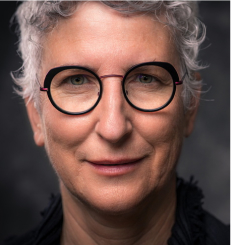
Photo of ()\

Diane Poole Heller, Ph.D., is an established expert in the field of Child and Adult Attachment Theory and Models, trauma resolution, and integrative healing techniques. Diane developed her own signature series on Adult Attachment called DARe (Dynamic Attachment Re-patterning experience) also known as SATe (Somatic Attachment Training experience). Dr. Heller began her work with Dr. Peter Levine, founder of SETI (Somatic Experiencing® Trauma Institute) in 1989. As Senior Faculty for SETI, she taught Somatic Experiencing® trauma work internationally for over 25 years. As a dynamic speaker and teacher, Diane has been featured at prestigious international events and conferences. She is the author of numerous articles in the field. Her book “Crash Course” on auto accident trauma resolution is used worldwide as a resource for healing a variety of overwhelming life events. Her film, “Surviving Columbine,” produced with Cherokee Studios, aired on CNN and supported community healing in the aftermath of the school shootings. Sounds True recently published Dr. Heller’s audio book: “Healing Your Attachment Wounds: How to Create Deep and Lasting Relationships” and her upcoming book, “The Power of Attachment: How to Create Deep and Lasting Intimate Relationships.”

As developer of DARe and president of Trauma Solutions, a psychotherapy training organization, Dr. Heller supports the helping community through an array of specialized topics. She maintains a limited private practice in Louisville, Colorado.

Author photo © Josh Levin


Listen to Tami Simon's in-depth audio podcast interviews with Diane Poole Heller:
We Are Designed for Connection »
Psychotherapy 2.0 »

600 Podcasts and Counting…

Subscribe to Insights at the Edge to hear all of Tami’s interviews (transcripts available too!), featuring Eckhart Tolle, Caroline Myss, Tara Brach, Jack Kornfield, Adyashanti, and many more.

Meet Your Host: Tami Simon

Founded Sounds True in 1985 as a multimedia publishing house with a mission to disseminate spiritual wisdom. She hosts a popular weekly podcast called Insights at the Edge, where she has interviewed many of today's leading teachers. Tami lives with her wife, Julie M. Kramer, and their two spoodles, Rasberry and Bula, in Boulder, Colorado.

Photo © Jason Elias

Also By Author

Helping Someone with a Disorganized Attachment Style

You may not identify with the disorganized adaptation yourself, but perhaps people close to you live with this attachment style.

Clearly, this is not intended to serve as an end-all guide to helping these people (or anyone else, for that matter), but if you want to promote safety and secure relating in others, I highly recommend trying out the following habits. And if you’re a person of the disorganized style, I hope you’ll feel empowered to request the following practices from people you love:

Communicate simply and clearly.

As I illustrated at the beginning of this chapter, people with disorganized attachment often grew up in households with confusing mixed messages. For this reason, it’s important to be as clear and direct as possible in your speech, especially when it comes to instructions or directions, or when your partner or child seems stuck in indecision or confusion. This occurs most profoundly in the freeze state, when people can have trouble finding the right words, responding at all, or even forming basic thoughts. When this occurs, giving the disorganized person as few options as possible is the best idea. Even in a less-charged state, they might have trouble choosing where to go to dinner among a number of favorite restaurants, and under stress, it’s best to reduce any options down to two or three, max. Remember also to describe and explain things to children using age-appropriate concepts and language.

Be mindful of your tone of voice.

How we use our voice—especially the prosody, or tone of voice—communicates safety or danger to others. A melodic voice that employs fluid modulation and intonation fosters a sense of safety, whereas a monotone or robotic voice comes across as cold, uncaring, and in some cases, threatening. We often use a more musical tone of voice with babies and animals, our voice going up and down with affection in an exaggerated, singsong way. I’m not suggesting going around using the same type of voice with adults, but modulating your tone will certainly help when you’re speaking with others.

Think about how people’s voices change when they’re angry or feel endangered; that’s an evolutionary cue to the community that something’s wrong. When danger occurs, we are biologically and evolutionarily designed to shift our tone to alert the tribe. Women’s voices tend to become high-pitched and shrill, while men lower their tone and get louder, producing a booming voice. It immediately signals to other people that there is danger, that they should stop what they are doing and prepare to defend themselves. But when our voice does this under stress during a discussion or conflict with our partner—a relatively safe person (hopefully) whom we love—it can easily trigger their threat response, shifting them toward fighting or wanting to escape. So if you’re interested in reconciliation and a positive result for your relationship, it will benefit you to be mindful of how you use your voice. Practicing a calming, soothing, and well-modulated voice will reduce a sense of threat in your partner when you are trying to work out intimacy issues or relationship concerns. Shrill or booming, threat-stimulating voices will trigger our amygdala, or reptilian brain, that’s engaged in promoting survival responses, making our partner appear as an enemy rather than as our beloved.

Practice safe touch.

Using touch in a way that’s loving and conscious of another person’s boundaries also creates a feeling of safety. Physical touch amplifies anything we might be expressing verbally. In Snap: Making the Most of First Impressions, Body Language, and Charisma, Patti Wood says that we communicate regulation through regulated touch. That is, when we are regulated in our own body, we can convey physiological regulation even with a handshake. The key is to be centered and grounded in your own nervous system—within your own range of resiliency—before you employ touch in this way. Wood asserts that a simple, regulated handshake can offer more regulation than three hours of affirming, empowered conversation. Safe touch may help you and your partner regulate each other. Be mindful, however, that if your dysregulation is severe, it might be too much to touch another without dysregulating them. The chemistry or energy of your skin on theirs is communicated in a tangible way, so keep in mind the importance of taking time to establish your own regulation first if you can manage it. Think about how regulating hugs are when the other person is calm, loving, and safe. I’m not talking about those quick, pat-you-on-the-back kind of hugs, but the ones that involve bellies touching one another in a full-contact embrace. Try it with someone you feel close to. You can feel each other’s bodies regulating from this type of contact.

One technique I often use with clients is to begin by simply sitting next to the person. I feel what that’s like for a bit—getting a sense of their energy, so to speak—and allow them to get used to me. I ask if it is okay to place one of my palms near their back, between their shoulder blades, starting in their energy feld about three or four inches away from their skin, checking in with them to see how they’re doing. If that goes well, and they agree, I gently put my hand on their body and find the right amount of pressure—too much or too little can make a big difference. I also ask them to let me know where the best spot on their back is, and I shift my hand in response. By doing so, I am adjusting my contact in attunement with their request, so they have the experience of having their needs met as I convey safety, presence, and care. For ongoing support, we can teach our partners or family members to do this, too.

Look at others (and use facial expressions) with kindness.

How we use our face when we express ourself can also communicate a sense of safety to our partner. The eyes are of particular importance. Take the idea of what I call “the beam gleam.” It’s a soft, safe gaze you see between couples that display secure attachment. It involves a lot of eye contact, of course, but also a look that expresses appreciation, love, and a sense that the other person is special. As I mentioned, it’s important to invite this type of connection only when the person is available for it and not when they are dealing with shame, signaled by gaze aversion. Often their shame needs to be processed a bit before you can establish a nourishing connection with an attachment gaze. These nonverbal messages of connection and kindness really do trigger other people’s safety responses. Think about the difference in your partner’s face when they’re angry (scowling, tense) and when they’re happy to be with you (smiling, eyes wide and bright). People read your gaze and facial expressions all the time, even if they’re not conscious of it.

This is an excerpt from The Power of Attachment: How to Create Deep and Lasting Intimate Relationships by Diane Poole Heller, PhD.

Diane Poole Heller, Ph.D., is an established expert in the field of Child and Adult Attachment Theory and Models, trauma resolution, and integrative healing techniques. Diane developed her own signature series on Adult Attachment called DARe (Dynamic Attachment Re-patterning experience) also known as SATe (Somatic Attachment Training experience). Dr. Heller began her work with Dr. Peter Levine, founder of SETI (Somatic Experiencing® Trauma Institute) in 1989. As Senior Faculty for SETI, she taught Somatic Experiencing® trauma work internationally for over 25 years. As a dynamic speaker and teacher, Diane has been featured at prestigious international events and conferences. She is the author of numerous articles in the field.

Buy your copy of The Power of Attachment at your favorite bookseller!

Sounds True | Amazon | Barnes & Noble | Indiebound


Helping Someone with a Disorganized Attachment Style Pinterest

Tracing the Roots of Your Attachment Style

Tracing the Roots of Your Attachment Style Header Image

Let’s face it: life is sometimes quite hard. It doesn’t matter who you are; all of us inevitably bump into challenges and hardships that are beyond our control. If you’re on this planet long enough, you’re going to be hit with some form of misattunement or loss or abuse or divorce or disease or a car accident or an environmental disaster or war or who knows what. Sometimes these events are so overwhelming that we don’t even have the capacity to react or respond to them. You can’t stop these things from happening; they’re just part of what it means to be human. And to make matters even trickier, epigenetic studies now suggest that—in a manner of speaking—we may inherit the struggles of our ancestors. In one way or another, we’re affected by everything that our grandparents, great-grandparents, and so on went through and suffered from. But we’re also the products of their resiliency. Throughout time and our evolution as a species, people have been experiencing hardships and doing their best to endure and survive them.

So, life is hard, and it isn’t your fault. That’s just the way it is, which means that you can stop blaming yourself as if you alone are responsible. There are countless ways for any of us to end up experiencing trauma, and most of them have nothing to do with how we live our life or what kind of person we are. That’s the bad news.

But there’s good news, too.

We can do something about it.

We’re all born with an amazing capacity to survive, heal, and thrive, which is precisely the reason we’ve made it this far to begin with. It’s what we’re built for.

Before we go on, I want to be clear about what I mean when I say the word trauma. Without getting too technical, trauma is what results from experiencing an event over which you have little control; sometimes—as in the case with major accidents—you don’t even have time to brace yourself for the impact. These events overwhelm your ability to function normally, and this can make you lose trust in your feelings, thoughts, and even your body. In this way, trauma is a form of tremendous fear, loss of control, and profound helplessness.

I’ve also started thinking of trauma in terms of connection. The theme of broken connection has come up in my work repeatedly over the years: broken connection to our body; broken connection to our sense of self; broken connection to others, especially those we love; broken connection to feeling centered or grounded on the planet; broken connection to God, Source, Life Force, well-being, or however we might describe or relate to our inherent sense of spirituality, open-hearted awareness, and beingness. This theme has been so prominent in my work that broken connection and trauma have become almost synonymous to me.

When trauma hits us or we’ve experienced a lot of relational wounding, we can feel like we’re utterly disconnected—like we’re a tiny little me who’s isolated and all alone, as if we’re in our own little bubble floating around in a sea of distress, cut off from everyone and everything. I think it’s our work to pop that imaginary bubble, or at least to build bridges that connect us to others we care about. Unresolved trauma, in my opinion, has led to a nationwide epidemic of loneliness and hurt. And it isn’t just in our country. The evidence of this type of pain worldwide is readily available any time you turn on the news. That’s not the whole story, fortunately. We can heal and change. All of us are capable of healing and repairing these severed connections: to ourself, other people, the planet, and whatever it is that holds it all together.

But we can’t do it alone.

First of all, we not capable of healing in isolation. We need other people. Stan Tatkin, clinical psychologist, author, speaker, and developer of A Psychobiological Approach to Couple Therapy (PACT) along with his wife, Tracey Boldemann-Tatkin, says that we are hurt in relationship and we heal in relationship. The presence of those close to us makes a difference even in the most dire circumstances. Just to mention one study among thousands, a hospital in Illinois recently demonstrated that coma patients recovered more quickly when they were able to hear the voices of their family members.

Like it or not, we’re all on this crazy and amazing human journey together.

We can never be completely safe, but we can move toward relative safety in life and in our relationships. We will never have our needs met perfectly, and we will never be (nor have) the perfect parent. Thankfully, that’s not required for deep and lasting healing. As we grow out of our wounded self and become a more securely attached, resilient being, we can foster the same process in others, becoming intimacy initiators and connection coaches for our families, friends, and the larger world.

Let’s take a look at both sides of our parents’ behavior. Each of us is a work in progress, and I’m sure your parents had some unfinished business along with their more admirable qualities. You may find this exercise helpful in taking a deeper look into what was problematic and painful as well as the gifts your family bestowed. So often our memories of difficult times overshadow the benefits we may have gained, so this exercise is aimed at helping us see more of the whole picture—to acknowledge and grieve wounds as well as celebrate wisdom gained. Of course, often we gain wisdom and compassion from healing our wounds as well.


EXERCISE: Perfectly Imperfect


Part One—What Was Missing or Hurtful?

You may want to start this exercise by making a list of the shortcomings or failings of each of your parents—those circumstances or behaviors that had the most negative influence on you as a child. What happened is significant, and how you internalized it is even more so. Sometimes it’s easier to recount our parents’ negative attributes than it is to remember any of their positive ones, especially for those of us with an ambivalent or disorganized attachment style. Our negative experiences may overshadow the everyday neutral or basically good experiences we may have had until we regain a sense of them after healing many early wounds. People with the avoidant attachment style tend to see their histories as mostly fine, until feelings of longing resurface and they realize what they missed relationally.

Part Two—What Was Beneficial or Supportive?

My mother was a tough teacher. She lived with unresolved emotional distress, but she was also fun-loving and generous. Despite sometimes being a less-than-ideal parent, she had her own ways of expressing her love to me with special celebrations, generous gift-giving, helping me with projects close to my heart, and shopping for fun bargains we called “treasure hunting.” My father was similarly complex: he was out of touch with his emotional self and gone a lot for his work, yet he was able to convey his love quietly in a steadfast way through providing for the family, locking the doors at night, fixing my bike, teaching me to water ski, and grilling great food for picnics. He also had the core value of volunteerism that survives in our family to this day. Both of my parents did the best they could under the circumstances, and together they taught us important core values.

Try looking at each of your parents through the lens of how they may have shown you their love. Write down all the ways you have learned important lessons, skills, and insights from your most important caregivers. It can help to describe your mother and father on their best days. As best you can, give them the benefit of the doubt and consider that they were doing the very best they could with whatever level of unresolved trauma or attachment injury they lived with, as well as with whatever resources, education, and healing strategies they had available to them at that time. See if you can detect their deep care amid their imperfections and harming behaviors, no matter how murky or inarticulate they were in expressing that love for you. What do you find?

This is an excerpt from The Power of Attachment: How to Create Deep and Lasting Intimate Relationships by Diane Poole Heller, PhD.


Diane Poole Heller head shotDiane Poole Heller, Ph.D., is an established expert in the field of Child and Adult Attachment Theory and Models, trauma resolution, and integrative healing techniques. Diane developed her own signature series on Adult Attachment called DARe (Dynamic Attachment Re-patterning experience) also known as SATe (Somatic Attachment Training experience). Dr. Heller began her work with Dr. Peter Levine, founder of SETI (Somatic Experiencing® Trauma Institute) in 1989. As Senior Faculty for SETI, she taught Somatic Experiencing® trauma work internationally for over 25 years. As a dynamic speaker and teacher, Diane has been featured at prestigious international events and conferences. She is the author of numerous articles in the field.

Her book Crash Course, on auto accident trauma resolution, is used worldwide as a resource for healing a variety of overwhelming life events. Her film, Surviving Columbine, produced with Cherokee Studios, aired on CNN and supported community healing in the aftermath of the school shootings. Sounds True recently published Dr. Heller’s audiobook Healing Your Attachment Wounds: How to Create Deep and Lasting Relationships, and her book, The Power of Attachment: How to Create Deep and Lasting Intimate Relationships.

As a developer of DARe and president of Trauma Solutions, a psychotherapy training organization, Dr. Heller supports the helping community through an array of specialized topics. She maintains a limited private practice in Louisville, Colorado.


Power of Attachment Book Cover

Buy your copy of The Power of Attachment at your favorite bookseller!

Sounds True | Amazon | Barnes & Noble | Indiebound

4 Tips to Get Back to Secure Attachment

4 Tips to Get Back to Secure Attachment Blog - Hero Image

When we talk about what secure attachment looks like, it’s not unusual for people to give themselves a hard time. It seems like such a high bar, and when we look at it that way, it’s easy to feel not quite up to snuff. I can relate to that feeling, and I think it’s quite normal for everyone to feel that way from time to time.

We all have emotional reactions we’re not proud of, and most of us contribute our fair share to arguments and unnecessarily difficult conversations. And many of us simply aren’t as present as we’d like to be. We don’t feel quite here enough—either we’re distracted by one thing or another, or we’re not as attentive as we think we should be. Again, all of this is normal. Most of these things happen regularly—at least they do for me! The main point is to care enough to notice when things are less than ideal. That means having enough presence to know that things are a little off and enough compassion to want to do a retake, to make things better. There’s more wiggle room than you’d think. It’s okay to goof up, make mistakes, and be less than our perfect self. The attachment system is a forgiving system, and it makes a world of difference to register when we miss each other and mend when things go awry as soon as possible.

We can all do a better job, of course, and that’s where practice comes in. I want to offer you ways to practice fostering secure attachment in yourself and others. These are methods for boosting your secure attachment skills. The idea isn’t to ace every one of these, but pick out one or two that you feel called to work on and practice these the best you can. Hopefully, there are secure attachment skills here for everyone—skills you can offer others in your life, skills to practice mutually in your relationships, and skills to encourage secure attachment in yourself.

Secure Attachment Skill #1: Listen Deeply

Let’s start with one of the more obvious skills. We all know the value of listening, but most of us haven’t actually taken the time to develop our listening skills in any ongoing way. When we listen deeply, reflect back to the other person, and ask questions that help us understand them, we allow the other person to inform us of what’s going on with them—not in a superficial way, but in a manner that empowers them to really dive in, feel their feelings, and express them to us until we truly get them. We’re not simply listening until they take a breath so that we can jump into the conversation and say what’s on our mind. Listening deeply means that we respond with considerate questions meant to foster and convey understanding, and we always give space before explaining our perspective.

It’s important to note that when we listen to another person, we don’t have to believe or agree with what they are saying. Really listening to someone means that we don’t immediately respond to what they’re saying with denial or criticism. Instead of negating their concern or getting into an argument about it, we just listen. That’s it. And we can open up the contingency space even further by trying to resonate with them. “I understand why you’d be upset about that, and I can see that really hurt you,” for example. In other words, listening in this way means you’re offering to hold—to contain—whatever it is that they’re dealing with and be present with them, regardless of their emotional responses and reactions.

I think most of us have this in common: more than we want to be convinced otherwise or placated, we just really want to be heard on a deep level. That can be hard at times, of course, because relationships can bring up a lot of stuff for us, and it’s natural to have challenges when dealing with other people, especially those closest to us. But if we can do our best to listen, we can make the best of difficult situations, and we’ll have a much better chance of closing the gap between us and the person we’re listening to.

Secure Attachment Skill #2: Practice Presence

Listening is one of the ways we can show presence, which is one of the most important gifts we can give ourselves and others in relationships. Presence isn’t a static thing; it’s a way of being. Presence means showing up, paying attention, and letting the other person know that we’re there for them with whatever’s going on. It means we do our best to put aside our own worries and concerns and be with them in an undistracted way. This can be hard in today’s world when it’s common to be on our devices so much of the time, but I highly recommend setting your phone or tablet aside when you want to show someone else that you’re truly present for them. Of course, this is impossible to do perfectly all the time, but there are certain things we can do to practice presence in order to become more available to others, as well as to ourselves.

Committing to remain undistracted with another person in a world that is so full of distractions is a powerful and fulfilling practice.Try it at dinner sometime: put everyone’s silenced cell phone in a basket while you’re enjoying the meal together and see what a difference it makes in your ability to connect. Attention is an extremely valuable commodity, and I recommend as much device-free, face-to-face time as you can manage. People know if you’re fully present or not, and it matters to them. Try being present when you’re on the phone sometime. Instead of doing something else—like surfing the Internet or washing the dishes—sit down and try to be as present and attentive as you possibly can. Give undistracted time to the people who are important to you and watch how that transforms your relationships.

Secure Attachment Skill #3: Attune

Attunement can mean a lot of things, but in this case it means becoming curious about another person’s experience and working to understand what they’re all about, discovering them in new ways and trying to resonate with them. How do they see the world? How do they experience their own feelings? And whatever emotions or situations arise, attunement also means that we do our best to connect with other people and let them know we’re there. Attunement is what enables that sense of contingency to arise. It lets the other person know that we really get them—that we’re by their side. This is an invaluable experience to receive and to offer another person.

Being dedicated to attunement also keeps us in touch with when we fall out of attunement with others, which is crucial knowledge to have in relationships. We’re oriented toward connection, but we’re also aware when that connection isn’t quite as we’d like it to be. If you feel you are not quite in sync with someone or are concerned that you don’t fully understand their situation or their feelings, ask the person to tell you more about what they are trying to share. Ask caring and clarifying questions.

Secure Attachment Skill #4: Engage in Joint Attention

Joint attention means mutually being there for each other, no matter what you’re doing: meditating together, dancing to your favorite song, telling jokes, making meals, or exercising. Any activity can serve to foster more secure attachment with your partner, child, family member, or friend when enacted with joint attention. You could be watching a movie on the flat-screen from your couch and still practice joint attention (for example, occasionally making eye contact with each other, laughing together, or having a conversation later about the film).

Discover even more secure attachment skills to try in The Power of Attachment: How to Create Deep and Lasting Intimate Relationships by Diane Poole Heller, PhD.

4 Tips to Get Back to Secure Attachment Blog - Diane Poole Heller

Diane Poole Heller, Ph.D., is an established expert in the field of Child and Adult Attachment Theory and Models, trauma resolution, and integrative healing techniques. Diane developed her own signature series on Adult Attachment called DARe (Dynamic Attachment Re-patterning experience) also known as SATe (Somatic Attachment Training experience). Dr. Heller began her work with Dr. Peter Levine, founder of SETI (Somatic Experiencing® Trauma Institute) in 1989. As Senior Faculty for SETI, she taught Somatic Experiencing® trauma work internationally for over 25 years. As a dynamic speaker and teacher, Diane has been featured at prestigious international events and conferences. She is the author of numerous articles in the field.

 Her book Crash Course, on auto accident trauma resolution, is used worldwide as a resource for healing a variety of overwhelming life events. Her film, Surviving Columbine, produced with Cherokee Studios, aired on CNN and supported community healing in the aftermath of the school shootings. Sounds True recently published Dr. Heller’s audiobook Healing Your Attachment Wounds: How to Create Deep and Lasting Relationships, and her book, The Power of Attachment: How to Create Deep and Lasting Intimate Relationships.

As developer of DARe and president of Trauma Solutions, a psychotherapy training organization, Dr. Heller supports the helping community through an array of specialized topics. She maintains a limited private practice in Louisville, Colorado.

Buy your copy of The Power of Attachment at your favorite bookseller!

Sounds True | Amazon | Barnes & Noble | Indiebound

You Might Also Enjoy

Richard Schwartz on IFS: Why There Are No Bad Parts In...

Many people experience moments of inner conflict. One part may want to take action, while another feels cautious or protective. Internal Family Systems offers a way to understand these experiences by recognizing that the mind is made up of different parts, each shaped by life experiences and emotional needs.

At Sounds True, we are dedicated to sharing transformational teachings from leading spiritual teachers in their authentic voices. Through our books, audio programs, and podcasts, we help bring wisdom from teachers such as Richard Schwartz to people seeking deeper self-understanding and personal growth.

Here, we discuss Richard Schwartz’s perspective on Internal Family Systems and the idea that there are no bad parts within us.

Key Takeaways:

  • The Core Idea of IFS: Internal Family Systems explains the mind as a system of inner parts that influence thoughts, emotions, and behaviors.
  • The Meaning of No Bad Parts: Richard Schwartz teaches that every part develops for a reason and often serves a protective role within a person’s inner system.
  • The Purpose of Parts Work Therapy: IFS therapy helps people build awareness and compassion toward their inner parts, supporting emotional healing and self-understanding.

Learn How your Mind Really Works with Sounds True

What Is Internal Family Systems and How Does It Work

Internal Family Systems is a therapeutic model developed by Richard Schwartz that views the mind as made up of different inner parts, each with its own perspective, emotions, and intentions. Instead of seeing these parts as problems, IFS therapy understands them as meaningful aspects of our inner world that developed to help us navigate life. Many people recognize this experience in moments of inner conflict, when one part of them wants to move forward while another part feels afraid or hesitant. In parts work therapy, these inner dynamics are approached with curiosity and compassion. By learning to listen to and understand these parts, people can begin to relate to themselves with greater awareness and balance.

Richard Schwartz and the Origins of Internal Family Systems

Internal Family Systems grew out of the work of family therapist Richard Schwartz. While listening to clients describe their inner struggles, he noticed that many spoke about different parts of themselves with distinct voices and roles.

How Richard Schwartz Developed IFS Therapy

During his clinical work in the 1980s, Schwartz began inviting clients to speak directly with these inner parts. He observed that the parts often had clear intentions and were trying to help in some way. This insight became the foundation of IFS therapy.

The Insight Behind “No Bad Parts”

Over time, Schwartz realized that even the most difficult reactions were protective in nature. This understanding led to the core idea in Internal Family Systems that there are no bad parts, only parts that need understanding and care.

The Core Idea Behind IFS Therapy and Inner Parts

Internal Family Systems teaches that the mind contains different parts, each shaped by life experiences. IFS therapy views these parts as meaningful aspects of the inner system that try to help a person cope, protect themselves, or manage emotional pain.

How Inner Parts Form in IFS Therapy

In parts work therapy, inner parts often develop during difficult or overwhelming experiences. These parts adopt roles that help a person handle stress, avoid pain, or maintain stability.

The Role of the Self in Internal Family Systems

IFS also describes a core presence called the Self. When people connect with the Self, they can approach their parts with calmness and compassion, allowing the inner system to move toward greater balance.

Why Richard Schwartz Says There Are No Bad Parts

Richard Schwartz teaches that many reactions we judge harshly are actually parts trying to protect us. In Internal Family Systems, these behaviors are understood as strategies that formed in response to difficult experiences. The idea of “no bad parts” invites people to look at their inner world with curiosity rather than criticism.

Why Protective Parts Form

Protective parts develop to help manage emotional pain or prevent past wounds from being triggered again. They step in to keep the person safe, even if their methods later create tension.

Seeing Difficult Reactions Through the Lens of IFS Therapy

IFS therapy encourages people to understand the intention behind their reactions. When parts are approached with compassion, it becomes easier to build trust within the inner system and support healing.

Awaken Your Inner Healing Power with Guided Practices by Sounds True

Understanding the Roles of Parts in Parts Work Therapy

In Internal Family Systems, parts are often grouped into different roles based on how they try to protect a person’s emotional system. Richard Schwartz observed that these roles help explain why certain thoughts, reactions, and behaviors appear in stressful situations. In parts work therapy, recognizing these roles helps people understand how their inner system has been working to keep them safe.

Common Roles in Internal Family Systems

  • Managers Managers try to keep life organized and under control. These parts often focus on planning, perfectionism, or staying responsible so that painful emotions do not surface.
  • Firefighters Firefighters react quickly when emotional pain breaks through. They try to stop overwhelming feelings by distracting, numbing, or pushing their minds away from distress.
  • Exiles Exiles carry deeper emotional wounds, often connected to past hurt, rejection, or shame. Because these feelings can be intense, other parts work hard to keep them hidden or protected.

In IFS therapy, these roles are not viewed as problems. Each part was developed to help the system survive difficult experiences. As people begin to understand these roles with curiosity and compassion, they can start building a healthier relationship with every part of their inner world.

Understanding the Roles of Parts in Parts Work Therapy

In Internal Family Systems, parts take on different roles to protect a person from emotional pain. Richard Schwartz identified three common roles in IFS therapy: managers, firefighters, and exiles.

Managers try to keep life organized and controlled, often pushing people to perform well or avoid situations that may trigger painful emotions. Firefighters respond when distress surfaces and attempt to quickly reduce emotional intensity through distraction or other coping behaviors. Exiles carry deeper emotional wounds, such as shame, fear, or sadness that formed during difficult experiences.

In parts work therapy, healing begins when people approach these parts with curiosity and compassion, allowing the inner system to gradually move toward balance.

How IFS Therapy Helps You Build a Relationship With Your Parts

IFS therapy teaches people to relate to their inner parts with curiosity rather than judgment. Instead of trying to control or silence difficult reactions, Internal Family Systems encourages listening to what each part is trying to communicate.

Through this process, people begin to recognize the concerns and intentions behind their parts. As trust develops within the inner system, protective parts can relax and allow deeper healing to take place. This relationship between the Self and the parts is a central element of growth in parts work therapy.

Healing Through Internal Family Systems and the “No Bad Parts” Principle

A key teaching in Internal Family Systems is the understanding that every part has a positive intention. Richard Schwartz describes this idea as the principle of “no bad parts.” In IFS therapy, even reactions that seem unhelpful are viewed as protective strategies that developed in response to pain or stress.

By approaching these parts with compassion instead of criticism, people can begin to understand their purpose. As trust grows within the inner system, these parts often relax their roles, creating space for healing and greater inner balance.

Why Parts Work Therapy Is Transforming Modern Psychology

Parts work therapy has gained widespread attention because it offers a compassionate way to understand inner conflict. Instead of viewing difficult emotions as problems to eliminate, Internal Family Systems helps people recognize the protective roles behind their reactions. Through the teachings of Richard Schwartz and the principle of “no bad parts,” many individuals are finding a more respectful and healing relationship with their inner world. This approach continues to influence therapists, researchers, and people seeking deeper self-understanding.

Discover the Hidden Power of Daily Meditation

Final Thoughts

Internal Family Systems offers a compassionate way to understand our inner world. Through the work of Richard Schwartz and the practice of IFS therapy, many people are learning that the thoughts and reactions they struggle with are parts that formed to protect them. The principle of “no bad parts” invites a shift from self-judgment to curiosity and care. As people begin to listen to their inner system with respect, parts work therapy can open the door to deeper healing and a more balanced relationship with themselves.

Frequently Asked Questions About Internal Family Systems

What is the main goal of Internal Family Systems therapy?

The main goal of Internal Family Systems is to help individuals develop a healthier relationship with their inner parts. IFS therapy encourages people to approach their thoughts and emotions with curiosity so they can better understand the intentions behind them and create more balance within their internal system.

Who created Internal Family Systems?

Internal Family Systems was developed by Richard Schwartz, a family therapist who began noticing that clients often described their inner experiences as different parts interacting with one another. His observations led to the development of IFS therapy as a structured approach to understanding and healing these inner dynamics.

How is IFS therapy different from traditional talk therapy?

IFS therapy focuses on direct communication with inner parts rather than only discussing experiences at a surface level. This approach helps people understand the roles their parts play and encourages internal dialogue that can lead to deeper emotional insight and healing.

What does the phrase “no bad parts” mean in Internal Family Systems?

The phrase “no bad parts” reflects the belief that every part of the mind developed for a reason. Even parts that lead to difficult behaviors are often trying to protect a person from emotional pain or past experiences.

Can Internal Family Systems be practiced outside of therapy?

Many people apply principles of Internal Family Systems in their daily lives by paying attention to their thoughts and emotional reactions. While professional guidance can be helpful, practicing awareness and curiosity about inner parts can support personal reflection and growth.

Is Internal Family Systems useful for personal development?

Yes. Beyond clinical therapy, Internal Family Systems is widely used for personal growth. The model helps people understand their emotional patterns, strengthen self-awareness, and develop a more compassionate relationship with themselves.

Why do people experience internal conflict, according to IFS?

In IFS, internal conflict happens when different parts of the mind have competing goals or fears. One part may want safety and stability, while another may seek change or expression. Understanding these differences can help people respond to conflict with greater clarity.

Is Internal Family Systems supported by modern psychology?

Internal Family Systems has gained increasing recognition among therapists and mental health professionals. Many practitioners integrate parts work therapy into their practice because it provides a structured way to understand complex emotional patterns.

What role does self-awareness play in IFS therapy?

Self-awareness allows people to notice when different parts are active. By observing these inner reactions without immediate judgment, individuals can begin to understand the needs and motivations of their parts more clearly.

Who can benefit from Internal Family Systems therapy?

IFS therapy can benefit a wide range of people, including those interested in emotional healing, mindfulness, and personal insight. It is often helpful for individuals who want to better understand their inner experiences and build a more compassionate relationship with themselves.

Michelle Cassandra Johnson is an author, activist, spiritual teacher, racial equity consultant, and intuitive healer. She is the author of six books, including Skill in Action and Finding Refuge. Amy Burtaine is a leadership coach and racial equity trainer. With Robin DiAngelo, she is the coauthor of The Facilitator's Guide for White Affinity Groups. For more, visit https://www.michellecjohnson.com/wisdom-of-the-hive.

Serene older woman in nature with hand on heart

What does it mean to listen to the soul when it feels most exposed? In Marion Woodman’s teachings, moments of vulnerability are not interruptions but invitations to pay attention. Soul vulnerability often shows up through the body, through emotion, or through a quiet sense that something within us is asking to be heard. When we stay present, these experiences begin to reveal deeper meaning through the Jungian feminine, aging wisdom, and Jungian psychology depth.

For decades, we have been devoted to sharing the living wisdom of transformative teachers, preserving their voices in ways that remain true to their depth and presence. Our work brings forward teachings from leading spiritual visionaries, offering guidance that supports inner growth, emotional honesty, and a more embodied way of being .

Here, we look at Marion Woodman on the soul’s vulnerability and how listening to our deepest wisdom can guide a more grounded and aware life.

Key Takeaways:

  • Embodied Wisdom: Soul vulnerability reveals insight through the body, emotions, and inner experience.
  • Feminine Awareness: The Jungian feminine supports deeper listening, intuition, and connection to the psyche.
  • Aging Insight: Aging wisdom deepens reflection and helps integrate life experiences with greater clarity.

Discover the Hidden Power of Daily Meditation

Marion Woodman on Soul Vulnerability, Jungian Feminine, Aging Wisdom, and Jungian Psychology Depth

What does it mean to truly listen to the soul, especially in moments when we feel most exposed or uncertain? In the teachings of Marion Woodman, soul vulnerability is not something to avoid or overcome. It is a vital expression of the psyche asking for our attention. At Sounds True, we have long been devoted to sharing living wisdom in the authentic voices of transformative teachers, preserving insights that invite us into deeper presence and self-understanding. Woodman’s work within Jungian psychology offers a compassionate and embodied path toward this kind of listening. She reminds us that the Jungian feminine lives not in abstraction but in the body, in feeling, and in the rhythms of lived experience. As we grow and change, aging wisdom begins to shape how we meet our vulnerability. Rather than turning away, we are invited to stay, to sense, and to trust that something meaningful is unfolding within us.

Understanding Soul Vulnerability Through Jungian Feminine, Aging Wisdom, and Jungian Psychology Depth

Soul vulnerability often appears at the edges of our comfort. It may arise through loss, illness, transition, or moments when our usual ways of coping no longer hold. Within Jungian psychology, these moments are not seen as failures. They are invitations into a deeper relationship with the psyche.

Soul Vulnerability as an Opening to the Jungian Feminine

The Jungian feminine speaks in a language that is often quiet and symbolic. It is present in dreams, in bodily sensations, and in the subtle shifts of emotion that move through us. When we allow ourselves to experience soul vulnerability, we begin to soften the barriers that keep us disconnected from this inner voice. Woodman taught that the body is not separate from the psyche. It carries memory, truth, and intelligence. When we listen closely, we begin to recognize how the Jungian feminine guides us toward wholeness through feeling and presence rather than force or control.

Aging Wisdom and the Deepening of Jungian Psychology Depth

With time, our relationship to vulnerability changes. Aging wisdom brings perspective, allowing us to see how earlier experiences have shaped our inner life. Within Jungian psychology, this is part of the individuation process, a gradual unfolding of the self. Soul vulnerability becomes less overwhelming and more meaningful. We begin to trust that even difficult experiences carry insight. This trust does not remove pain, but it creates space for reflection and integration.

Soul Vulnerability and the Jungian Feminine in Aging Wisdom and Jungian Psychology Depth

As these elements come together, we begin to sense a different way of being with ourselves. There is less urgency to fix and more willingness to understand.

The Body as a Guide in Soul Vulnerability

Woodman’s work consistently returns to the body as a source of wisdom. Physical sensations, fatigue, or tension can reflect deeper emotional truths. When we approach these experiences with curiosity, we open a pathway into soul vulnerability. The Jungian feminine supports this process by inviting us to feel rather than analyze. Aging wisdom allows us to recognize patterns and respond with greater care. Over time, we learn that the body is not an obstacle but a guide.

Integrating Experience Through Jungian Psychology Depth

Integration within Jungian psychology depth involves holding complexity. We are not asked to eliminate contradiction but to remain present with it. Soul vulnerability allows us to acknowledge both strength and fragility. The Jungian feminine encourages us to stay connected to our inner experience, while aging wisdom reminds us that understanding unfolds gradually. This integration creates a sense of groundedness that supports authentic living.

Exploring Soul Vulnerability, Jungian Feminine, Aging Wisdom, and Jungian Psychology Depth

There is a natural rhythm to inner work that cannot be rushed. Woodman’s teachings invite us to honor that rhythm and to trust the unfolding process of the psyche.

The Role of Relationship in Soul Vulnerability

Relationships often bring our vulnerability into focus. They reflect aspects of ourselves that may remain hidden when we are alone. Through connection, we encounter both our capacity for love and our fears of being seen. The Jungian feminine encourages openness in these moments, while aging wisdom helps us respond with patience and understanding. Within Jungian psychology, depth and relationships are understood as essential to growth, offering mirrors that reveal where healing is needed.

Trusting the Unfolding of the Psyche

The psyche moves in cycles rather than straight lines. There are times of clarity and times of uncertainty. Soul vulnerability is part of this movement. The Jungian feminine invites us to remain present with what is emerging, even when it feels unclear. Aging wisdom supports a longer view, helping us recognize that meaning often appears over time. Within Jungian psychology, this unfolding is part of becoming more fully ourselves.

Learn How your Mind Really Works with Sounds True

The Jungian Feminine, Soul Vulnerability, Aging Wisdom, and Jungian Psychology Depth in Practice

Bringing these insights into daily life can begin with small, intentional shifts in attention. We do not need to change everything at once. We can begin by listening more closely.

  • Take time for quiet reflection each day, allowing space for inner awareness to arise naturally
  • Notice bodily sensations without judgment, recognizing them as expressions of the psyche
  • Record dreams or images that stay with you, honoring their symbolic meaning
  • Engage in creative practices that allow feeling and imagination to take form
  • Reflect on life experiences and how they have contributed to your growing aging wisdom

These practices are gentle invitations. They support a relationship with soul vulnerability that is rooted in care rather than pressure. Over time, they help cultivate a deeper connection to the Jungian feminine and the insights of Jungian psychology depth.

Aging Wisdom, Soul Vulnerability, Jungian Feminine, and Jungian Psychology Depth in Inner Work

Inner work asks for honesty and patience. It is not always comfortable, yet it is deeply meaningful. Aging wisdom brings a willingness to reflect rather than react. Soul vulnerability becomes a guide, pointing toward areas that call for attention. The Jungian feminine supports a compassionate approach, one that honors both the body and the emotions that arise. Within the depth of Jungian psychology, this work is essential to individuation. It invites us to engage with unconscious material and bring it into awareness. As we do so, we begin to experience a sense of coherence within ourselves. We are no longer divided between what we show and what we hide. Instead, we move toward a more integrated way of being.

Soul Vulnerability and Aging Wisdom Through the Lens of Jungian Feminine and Jungian Psychology Depth

As we continue to listen to the soul, vulnerability begins to feel less threatening. It becomes a source of guidance. Aging wisdom allows us to recognize patterns and approach them with greater openness. The Jungian feminine deepens our connection to feeling and intuition, helping us navigate the complexities of inner life. Within Jungian psychology, this transformation reflects a growing relationship with the self. Soul vulnerability is no longer something to resist. It is something to honor.

Integrating Soul Vulnerability, Jungian Feminine, Aging Wisdom, and Jungian Psychology Depth

Integration is a living process that unfolds over time. It asks for attention, patience, and a willingness to remain open. Soul vulnerability remains at the center, inviting us to stay connected to our experience. The Jungian feminine offers a way of understanding the body, emotion, and imagination as sources of wisdom. Aging wisdom deepens our capacity to reflect and integrate what we have lived. Within Jungian psychology depth, this movement toward wholeness is ongoing. As we continue to listen, we begin to sense a quiet alignment within ourselves. It is not something we force. It emerges through presence, through care, and through a growing trust in the intelligence of the soul.

Awaken Your Inner Healing Power with Guided Practices by Sounds True

Final Thoughts

Soul vulnerability invites us to stay present with our inner experience, even when it feels uncertain. Through the lens of the Jungian feminine, aging wisdom, and Jungian psychology depth, we begin to recognize this vulnerability as a source of insight rather than something to overcome.

Over time, this way of listening deepens our connection to ourselves, shaping a more grounded and attentive way of being.

Frequently Asked Questions About Marion Woodman and Soul Vulnerability

What is Marion Woodman best known for in spiritual psychology?

Marion Woodman is known for her work in analytical psychology, particularly her focus on embodiment, the feminine psyche, and the relationship between psyche and soma.

How does Marion Woodman define the soul in her teachings?

She often describes the soul as a living presence expressed through the body, dreams, and emotions rather than something abstract or separate from daily life.

What role does the body play in Jungian psychology depth?

The body is seen as an essential messenger of the unconscious, offering signals that reflect deeper psychological and emotional realities.

How is the Jungian feminine different from traditional ideas of femininity?

The Jungian feminine refers to an archetypal energy present in all people, emphasizing receptivity, intuition, and connection to inner life rather than gender roles.

Why is aging wisdom important in inner development?

Aging wisdom brings perspective, helping individuals reflect on life experiences and integrate lessons that support emotional and spiritual maturity.

How can someone begin studying Jungian psychology depth?

Many begin through books, guided courses, therapy, or lectures that introduce core concepts like archetypes, dreams, and the unconscious.

What makes Marion Woodman’s teachings relevant today?

Her emphasis on embodiment and emotional honesty resonates in a time when many feel disconnected from their inner lives and physical experience.

Can soul vulnerability support creative expression?

Yes, being open to vulnerability often allows deeper emotional material to surface, which can enrich creative practices like writing, art, or movement.

How do dreams relate to soul vulnerability?

Dreams can reveal hidden emotions and symbolic messages, offering insight into areas where the psyche seeks attention or healing.

Is Jungian psychology’s depth connected to spiritual practice?

While rooted in psychology, it often intersects with spirituality by addressing meaning, purpose, and the experience of the inner self.

Michelle Cassandra Johnson is an author, activist, spiritual teacher, racial equity consultant, and intuitive healer. She is the author of six books, including Skill in Action and Finding Refuge. Amy Burtaine is a leadership coach and racial equity trainer. With Robin DiAngelo, she is the coauthor of The Facilitator's Guide for White Affinity Groups. For more, visit https://www.michellecjohnson.com/wisdom-of-the-hive.

Resmaa Menakem on Somatic Abolitionism: Healing Racial...

Healing racial trauma is often approached through conversation and reflection, yet many responses live deeper than words. The body carries patterns shaped by lived experience and inherited stress, influencing how we react, connect, and feel safe. Somatic abolitionism brings attention to this embodied layer, inviting a different kind of awareness rooted in sensation and presence.

At Sounds True, we have spent decades sharing living wisdom from teachers whose work speaks directly to real human experience. Our mission is to make these teachings accessible and grounded, offering guidance that supports meaningful transformation in everyday life. The embodied approach of Resmaa Menakem reflects this commitment to depth, clarity, and care.

Here, we look at how somatic abolitionism helps us understand and heal racial trauma in the body, and how these practices can be integrated into daily life.

Key Takeaways:

  • Body Awareness: Healing racial trauma begins by recognizing how the body stores and expresses stress responses shaped by lived and inherited experiences.
  • Capacity Building: Developing nervous system resilience allows individuals to stay present in difficult conversations and reduce reactive patterns.
  • Embodied Healing: Somatic abolitionism supports lasting change by engaging the body directly, not just through intellectual understanding.

Awaken Your Inner Healing Power with Guided Practices by Sounds True

Resmaa Menakem and the Foundations of Somatic Abolitionism

What if healing racial trauma is not only something we think through, but something we experience in the body? At Sounds True, we share teachings that honor lived wisdom, and the work of Resmaa Menakem reflects this deeply. His approach invites us to move beyond analysis and into the body’s intelligence.

Somatic abolitionism recognizes that the body carries the imprint of history and survival. These patterns shape how we respond to stress and connection. Many of our reactions are not just personal, but shaped by generations held in the nervous system.

This work invites us to slow down and notice what arises. Sensations like tension, breath, and impulse offer insight. Instead of overriding them, we stay with them gently.

Healing here is not about perfection. It is about building a new relationship with the body, creating space to respond with awareness rather than react automatically.

Understanding Racial Trauma Body and Its Lasting Impact

Racial trauma lives in the body through patterns of stress and response shaped over time. These patterns influence how we experience safety, connection, and threat, often without conscious awareness. Understanding the racial trauma body helps us see these responses as learned adaptations rather than personal flaws.

How the Racial Trauma Body Forms

The racial trauma body develops through repeated experiences of stress, both lived and inherited. The nervous system adapts to protect itself, creating patterns like hypervigilance or disconnection. Over time, these responses become automatic, shaping everyday behavior and perception.

Why the Body Remembers What the Mind Forgets

The body stores memory through sensation rather than story. Even without a clear recall, it reacts to familiar patterns of stress. By noticing these sensations with awareness, we begin to understand and gently shift how the body responds.

What Somatic Abolitionism Teaches About Healing

Somatic abolitionism teaches that healing happens through the body, not just through understanding. It focuses on how the nervous system responds to stress and invites us to build awareness and regulation over time. This approach supports lasting change by working with lived experience rather than relying on insight alone.

Moving Beyond Cognitive Understanding

Knowing about trauma is different from feeling safe in the body. Somatic abolitionism encourages us to notice physical responses like tension or breath and work with them directly, creating space for more intentional reactions. Over time, this awareness helps shift automatic patterns into more grounded responses.

Building Capacity for Discomfort and Growth

Healing involves increasing the body’s ability to stay present during discomfort. By gradually building this capacity, we become less reactive and more able to engage with challenging experiences in a grounded way. This creates resilience that supports deeper connection and sustained personal growth.

My Grandmother’s Hands and Intergenerational Trauma

In My Grandmother’s Hands, Menakem brings attention to the ways trauma is carried across generations. The phrase my grandmother’s hands evokes the lineage of experience that lives within each of us.

The Legacy Carried Through My Grandmother’s Hands

Our bodies carry stories that began long before we were born. The experiences of our ancestors shape how we respond to stress, connection, and belonging. These patterns are often unconscious, yet they influence our daily lives.

Menakem encourages us to recognize this inheritance with compassion. It is not about assigning blame. It is about understanding the context in which these patterns developed. This awareness allows us to meet ourselves and others with greater empathy.

Interrupting the Cycle of Inherited Trauma

While trauma can be passed down, so can healing. Each moment of awareness creates an opportunity to shift long-held patterns. By engaging in somatic practices, we begin to offer the body new experiences of safety and regulation.

These small changes ripple outward. As individuals develop greater capacity, they contribute to a broader field of healing within families and communities. The cycle begins to shift, not through force, but through consistent, embodied presence.

Discover the Hidden Power of Daily Meditation

The Body as a Vessel for Racial Trauma Body and Repair

The body holds both the weight of trauma and the possibility of healing. Learning to listen to its signals is an essential part of this work.

  • The body communicates through sensation, offering cues about safety and threat
  • Patterns of tension reveal how past experiences are still being held
  • Gentle awareness allows these patterns to shift over time
  • Grounding practices support the nervous system in finding balance
  • Connection with others helps regulate and restore a sense of safety

As we deepen our relationship with the body, repair becomes something we experience directly. It unfolds gradually, through attention, patience, and care. This process invites us to trust the body’s capacity to move toward healing.

Somatic Healing Race: Practices for Regulation and Resilience

Somatic healing race is rooted in simple, consistent practices that support the nervous system. These practices invite us to slow down and notice what is present in the body. A hand placed on the chest, a moment of feeling the feet on the ground, or a conscious breath can begin to shift our state.

These moments may seem small, yet they build over time. The body learns that it can move from activation to regulation without shutting down. This creates a foundation for resilience. Instead of being carried by automatic reactions, we begin to experience choice.

Menakem reminds us that this work is ongoing. It is not about reaching a final state, but about continuing to return to the body with curiosity and care. Through this process, we develop a deeper sense of presence that supports both personal and collective healing.

How Somatic Abolitionism Supports Collective Healing

Somatic abolitionism recognizes that healing does not happen in isolation. Our nervous systems are deeply connected, and the state of one body can influence others. When individuals cultivate regulation, they contribute to a shared sense of safety.

This has important implications for communities. Conversations that might otherwise escalate can unfold with greater presence and understanding. People are more able to listen, to pause, and to respond with intention.

Collective healing is not a single event. It is a continuous process that requires commitment and care. As more individuals engage in somatic work, the potential for meaningful change expands. New patterns of interaction begin to take shape, grounded in awareness and connection.

Integrating Somatic Healing Race into Everyday Life

Integration happens through repetition and attention. Somatic healing race becomes part of daily life when we begin to notice the body in ordinary moments. Standing in line, sitting in conversation, or moving through a busy day all offer opportunities to return to sensation.

This practice does not require extra time or special conditions. It asks only for a willingness to pause and notice. Over time, these pauses become more natural. The body becomes a steady point of reference, offering guidance in moments of stress and ease alike.

At Sounds True, we believe that this kind of embodied awareness supports a deeper connection to ourselves and to one another. It allows teachings like somatic abolitionism to move beyond concept and into lived experience, where real transformation can unfold.

Learn How your Mind Really Works with Sounds True

Final Thoughts

Healing racial trauma asks us to move beyond ideas and into direct experience. Through somatic abolitionism, Resmaa Menakem reminds us that the body holds both the imprint of harm and the capacity for repair. As we learn to listen, stay present, and build capacity, we begin to shift patterns that have lived within us for generations. This work unfolds one moment at a time, grounded in awareness, care, and a willingness to return to the body.

Frequently Asked Questions About Resmaa Menakem and Somatic Abolitionism

Who is Resmaa Menakem, and why is his work important?

Resmaa Menakem is a therapist and trauma specialist who focuses on how racialized experiences are stored in the body. His work is important because it brings attention to the physical dimension of trauma, offering a path that complements traditional psychological and social approaches.

What makes somatic abolitionism different from traditional activism?

Somatic abolitionism emphasizes internal regulation and embodied awareness alongside external action. It recognizes that sustainable change requires individuals to work with their nervous systems, not just their beliefs or behaviors.

Is somatic abolitionism only relevant for certain racial groups?

No, this work is for all bodies. While experiences differ across racial identities, everyone carries patterns shaped by history and culture. Somatic abolitionism invites each person to engage with their own embodied experience.

Can somatic practices replace therapy or counseling?

Somatic practices can support healing, but they are not a replacement for professional care when it is needed. They are best understood as complementary tools that deepen awareness and regulation.

How long does it take to see results from somatic healing practices?

The timeline varies for each person. Some may notice small shifts quickly, while deeper patterns may take time to change. Consistency and patience are key elements of this work.

Do I need prior experience with mindfulness to begin somatic work?

No prior experience is required. Somatic work often begins with very simple awareness practices that are accessible to anyone, regardless of background.

What challenges might arise when starting somatic abolitionism?

People may encounter discomfort as they begin to notice sensations that were previously ignored. This is a natural part of the process and can be approached gradually with care and support.

How does community support enhance somatic healing?

Being in regulated, supportive environments helps the nervous system feel safe. This shared sense of safety can deepen individual healing and strengthen relational connections.

Are there specific environments that support somatic healing more effectively?

Quiet, safe, and grounded environments can help, but somatic awareness can also be practiced in everyday settings. The key factor is the ability to bring attention to the body without overwhelm.

How can someone stay consistent with somatic practices?

Consistency grows through simplicity. Choosing small, repeatable practices and integrating them into daily routines makes it easier to maintain them over time.

Michelle Cassandra Johnson is an author, activist, spiritual teacher, racial equity consultant, and intuitive healer. She is the author of six books, including Skill in Action and Finding Refuge. Amy Burtaine is a leadership coach and racial equity trainer. With Robin DiAngelo, she is the coauthor of The Facilitator's Guide for White Affinity Groups. For more, visit https://www.michellecjohnson.com/wisdom-of-the-hive.

Leave a Reply

Your email address will not be published. Required fields are marked *