Eileen Santos Rosete: Tending to Womb Loss

    —
December 17, 2024

Eileen Santos Rosete: Tending to Womb Loss

Eileen S. Rosete December 17, 2024

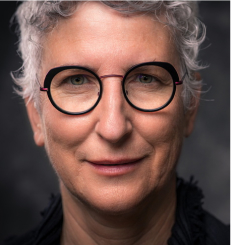
Millions of women experience the loss of a pregnancy every year. Yet too often these individuals are not afforded the same dignity, support, and reverence we extend to other people facing grief after the death of a loved one. “We, too, are postpartum after pregnancy and infant loss,” says grief educator and doula Eileen Santos Rosete. “And we deserve the same care all who give birth need.” 

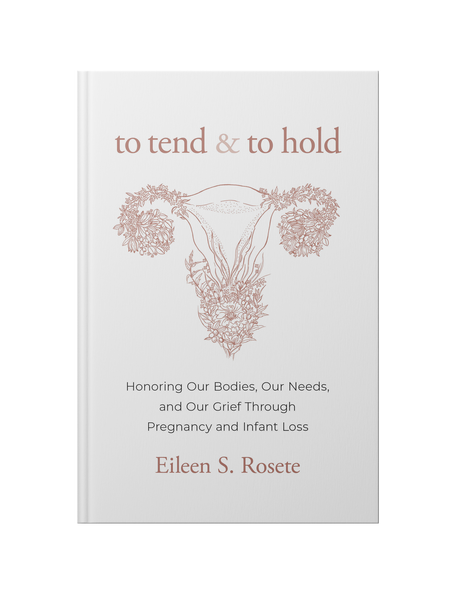
In this podcast, Tami Simon speaks with Eileen about her new book, To Tend and To Hold. Tune in to hear how this groundbreaking educator is helping initiate a cultural shift in our understanding and attitude toward this sensitive and largely misunderstood topic, as Tami and Eileen discuss: the term “womb loss” as a respectful alternative to “miscarriage”; releasing the guilt that is so prevalent during pregnancy loss; choosing more respectful language to describe women’s reproductive health; integrating grief- and trauma-sensitive care into our medical system; affording reverence to someone who is grieving; self-tending practices to support relaxation and healing; feeling at home in your body; connecting with the womb space; self-trust and honoring what is most meaningful to you; approaches to soften the acute pain of grief; the candle-lighting ritual; and more.

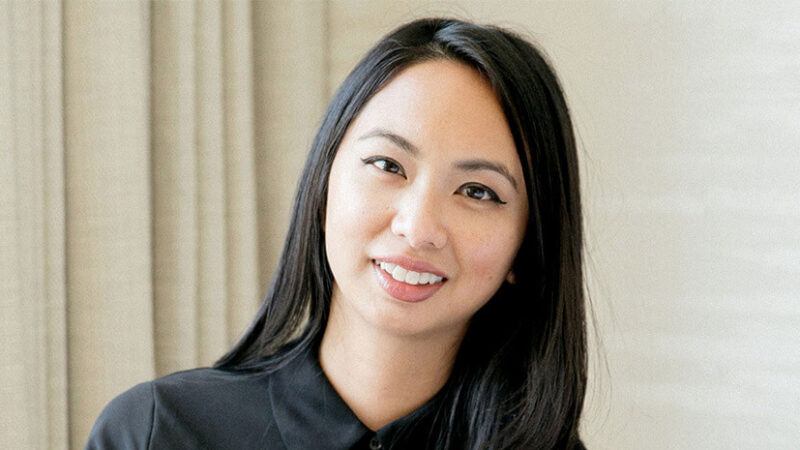
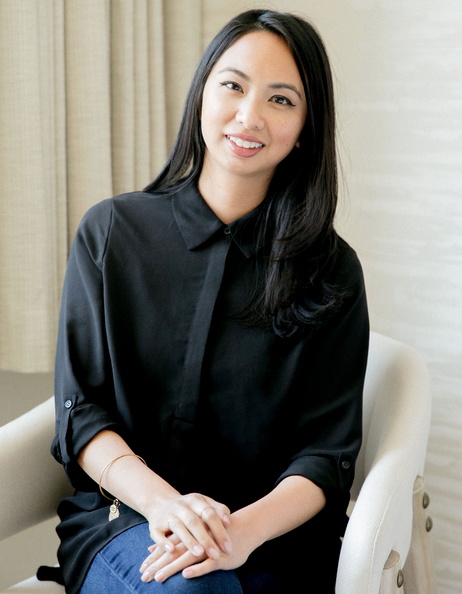
Eileen Santos Rosete, MSMFT, PCD(DONA), CYT 200, holds a master of science in marriage and family therapy from Northwestern University and is certified as a DONA International postpartum doula, trauma-informed yoga teacher, and grief educator. Her brand, Our Sacred Women®, is known for its elevated offerings that help women feel seen, held, and honored. She is especially passionate about supporting all who give birth and are postpartum both after live births and after loss. To learn more, visit eileensantosrosete.com.

Author photo © Erin Scabuzzo

600 Podcasts and Counting…

Subscribe to Insights at the Edge to hear all of Tami’s interviews (transcripts available too!), featuring Eckhart Tolle, Caroline Myss, Tara Brach, Jack Kornfield, Adyashanti, and many more.

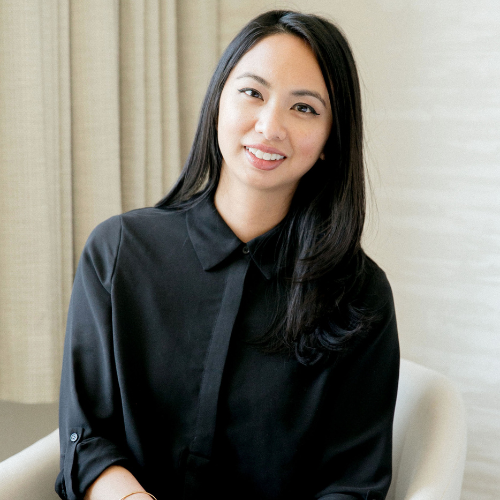
Meet Your Host: Tami Simon

Founded Sounds True in 1985 as a multimedia publishing house with a mission to disseminate spiritual wisdom. She hosts a popular weekly podcast called Insights at the Edge, where she has interviewed many of today's leading teachers. Tami lives with her wife, Julie M. Kramer, and their two spoodles, Rasberry and Bula, in Boulder, Colorado.

Photo © Jason Elias

Also By Author

If You Are Postpartum and Bereaved, Know You Are Not A...

An Excerpt From To Tend And To Hold: Honoring Our Bodies, Our Needs, and Our Grief Through Pregnancy and Infant Loss

For as long as there has been life, there has been death. For as long as we have birthed life, we have also birthed death. What you feel has been felt since time immemorial, and it has been felt by many, though womb loss is still not widely known or acknowledged. Consider that even in the most optimal conditions, there is only a 30 to 40 percent chance that a clinically recognized pregnancy will occur in a given menstrual cycle, and only about 30 percent of conceived pregnancies progress to live birth.1 Globally, approximately one in four pregnancies end in miscarriage and 2.6 million pregnancies end in stillbirth.2 In 2022, 2.3 million newborns died in the first month of life,3 and approximately 73 million induced abortions occur every year.4 Womb loss in and after pregnancy is, in fact, a common and regular occurrence, though many of us may struggle with feelings of inadequacy and shame as if such loss is atypical and we are deserving of blame. The prevailing stigma surrounding womb loss makes enduring it all the more challenging as we may feel reluctant to reach out for support and hold on to harmful ideas about our worth. You are not alone, nor are you any less precious and deserving of support. You are not alone as the anguish of womb loss has been felt, is being felt at this very moment, and will continue to be felt the world over.

Before we go any further, let us reconnect with our breath. It can be hard to breathe if you’ve recently learned about your womb loss or impending loss and feel pressure to make decisions right away. Or if you have learned of the potential for a loss and have to endure a waiting period before you know for certain. It can be hard to breathe even as you process a loss long since passed. The following practice is an invitation to make the resilient choice to slow down and allow yourself a moment to breathe. So that you can feel grounded. So that you can have the capacity to be present to your grief. So that you can tend to your needs.

GROUNDING BREATHING PRACTICE

Three Deep Breaths
This offering is a simple and short breathing practice. Because you deserve breathing room, and because there is power in the pause. In that fleeting moment between what was and what can be, if you can breathe deeply and connect with your body, you may find yourself more able to understand what you feel and then what you need. Allow yourself this pause so you can make a more intentional decision about what comes next.

The Invitation

When you are ready, take three deep breaths at your own pace and in your own way. You might inhale and exhale through the nose or inhale through the nose and exhale audibly through the mouth. You might close your eyes or soften your gaze as you do so, allowing your awareness to gently follow each breath, letting everything else fade to the background. You might even think the following words as you breathe, allowing them to help you feel grounded in this moment.

Inhale. Exhale. One.

Inhale. Exhale. Two.

Inhale. Exhale. Two.

Your body may want to continue breathing this way, or it may feel like this was enough. Honor what feels right for you.

Sometimes breathing is the most we can bring ourselves to do, the best we can do, when our whole being is overcome. Deciding what comes next may feel like too much to ask of ourselves. If so, breathe, and trust that it is enough for this moment.


Eileen Santos Rosete, MSMFT, PCD(DONA), CYT 200, holds a master of science in marriage and family therapy from Northwestern University and is certified as a DONA International postpartum doula, trauma-informed yoga teacher, and grief educator. Her brand, Our Sacred Women®, is known for its elevated offerings that help women feel seen, held, and honored. She is especially passionate about supporting all who give birth and are postpartum both after live births and after loss. To learn more, visit eileensantosrosete.com.

Eileen Santos Rosete: Tending to Womb Loss

Millions of women experience the loss of a pregnancy every year. Yet too often these individuals are not afforded the same dignity, support, and reverence we extend to other people facing grief after the death of a loved one. “We, too, are postpartum after pregnancy and infant loss,” says grief educator and doula Eileen Santos Rosete. “And we deserve the same care all who give birth need.” 

In this podcast, Tami Simon speaks with Eileen about her new book, To Tend and To Hold. Tune in to hear how this groundbreaking educator is helping initiate a cultural shift in our understanding and attitude toward this sensitive and largely misunderstood topic, as Tami and Eileen discuss: the term “womb loss” as a respectful alternative to “miscarriage”; releasing the guilt that is so prevalent during pregnancy loss; choosing more respectful language to describe women’s reproductive health; integrating grief- and trauma-sensitive care into our medical system; affording reverence to someone who is grieving; self-tending practices to support relaxation and healing; feeling at home in your body; connecting with the womb space; self-trust and honoring what is most meaningful to you; approaches to soften the acute pain of grief; the candle-lighting ritual; and more.

Turning to my Filipino Roots to Tend to Womb Loss

October is a meaningful month for me as it honors two important parts of my identity. It is Filipino American History Month, a time to acknowledge and honor the presence and contributions of Filipino Americans. Although my parents immigrated to the United States from the Philippines in 1980, records show that Filipinos were present here as early as 1587, landing in present-day Morro Bay, California as part of a Spanish galleon. In an interesting moment of alignment, I am writing this to you from Morro Bay, feeling the palpable power of the land and seeing the sacred 600-foot-tall Morro Rock–known as Lisamu’ in the Chumash language and Lesa’mo’ by the Salinan people–standing proudly just outside the window of our Airstream trailer. October is also Pregnancy and Infant Loss Awareness Month, a time to increase awareness about and honor those of us who have endured such loss- what I often refer to as womb loss.

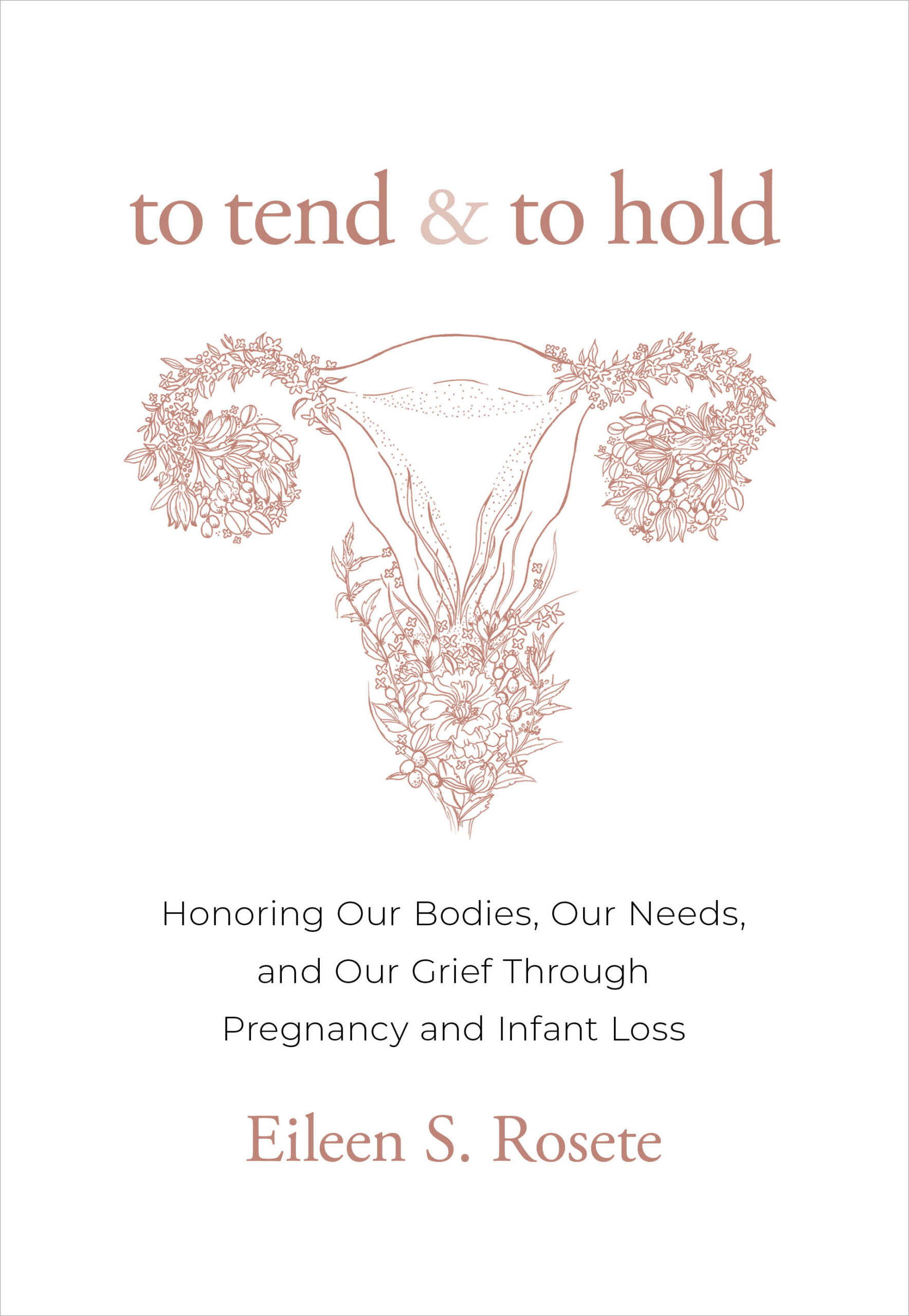
This October is particularly meaningful with my book, To Tend and To Hold: Honoring Our Bodies, Our Needs, and Our Grief Through Pregnancy and Infant Loss, officially launching on October 22. In it I share how my identities as a Filipina American and bereaved mother intertwine, and how valuable it can be for survivors of womb loss to turn to their cultural traditions for support as they grieve and as their postpartum bodies return to a non-pregnant state. How I came across this online essay and found solace in the language of my ancestors who use terms to describe miscarriage as “someone from whom something was taken away” rather than placing blame with the prefix mis- which means wrongly or badly. I did not carry my pregnancies wrongly or badly. Loss was something that my body experienced.

The following is an excerpt from To Tend and To Hold that I hold dear as it shares a traditional Filipino dish I grew up eating and that I share now as a postpartum doula to offer comfort and nourishment to those who are postpartum, both with living children and after loss. I hope it may offer you comfort as well, no matter if your experience of womb loss was recent, in the past weeks, months or even many years ago. My heart is with you and please know that you are not alone as you grieve and as you heal- at your own pace and in your own way.

~

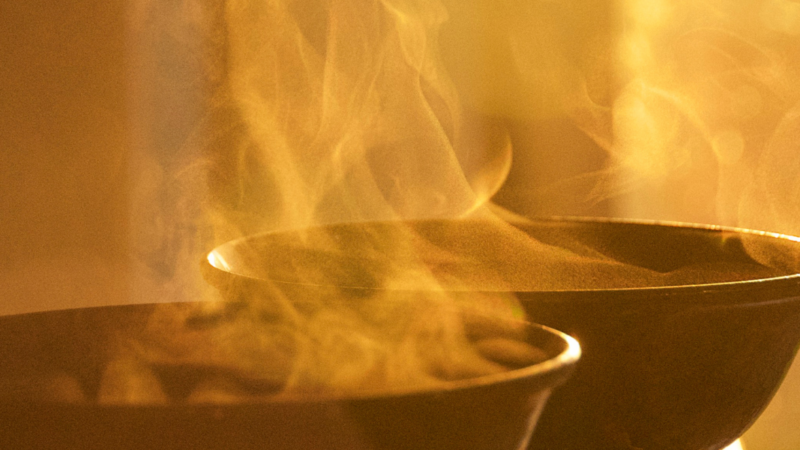
I recently cooked this recipe for champorado, a Filipino rice porridge, for my beloved friend Katrina on a very tender anniversary, the due date of one of her children and the death date of another. Her child, Zeo Thomas, would have been born that day had he not died in the womb at five months gestation. It was within the same year of his death that her second child, Solis Vida, died in the womb in the first trimester. In truth, Katrina had been bleeding for over a week to release her second pregnancy, but as she bled through Zeo’s due date, she felt an intuitive pull to honor this same date as Solis’s death date. I thought of my friend as I made my way slowly through the grocery store. Though it was crowded and busy, I felt cocooned in my thoughts and intentions for her—how I wanted to help her feel seen and held during this difficult time—and I found myself gathering each of the ingredients in a mindful way that felt like the beginning of a bigger ritual. Knowing I was going to cook for her to honor her, her babies, her grief, and also her longings added a layer of reverence to what would otherwise be a standard grocery run. Later as I cooked the porridge in her home, I channeled my love and condolences into each step. And when I finally brought the warm bowl of champorado to her and saw her reaction, it was my turn to feel honored. Honored  to be there with her. Honored to tend to her. And with a dish we both knew from our childhoods. She dubbed it “postpartum champorado,” and so it shall be known.

Warm and soft, rice porridge is one of the best postpartum foods as it is easy to eat, warming to the body, and gentle on the digestive system. Its very nature is to offer comfort. In my opinion, champorado, a Filipino chocolate rice porridge I grew up savoring, is one of the most heartwarming dishes, with the cacao tending as much to the emotional heart as to the physical body. It can be offered any time of day for both a filling meal and a gentle reminder that there is still sweetness in life even amidst grief.

In this nourishing version, cacao powder is used in place of cocoa so that we may benefit from all that this superfood has to offer, including iron to help rebuild red blood cells, flavonoids to improve blood flow, and magnesium to ease anxiety and depression. In addition to being nutrient-rich, cacao is also known to lift the mood. If the thought of preparing food feels beyond your current capacity at this moment, consider sharing this recipe with a partner, postpartum doula, or other support person and asking them to cook it for you. Additionally, if you are currently pregnant, please consult your health-care provider before consuming cacao as it contains caffeine.

Champorado: Filipino chocolate rice porridge

  • 1 cup sweet rice (also called glutinous or sticky rice) or sushi rice
  • 5 cups water
  • 1/4 cup cacao powder
  • 1/2 cup brown sugar
  • 1 tablespoon unflavored protein powder (optional)
  • Condensed coconut milk for topping
  • Cacao nibs (optional)

Rinse the sweet rice several times until the water runs clear when drained.

Combine rice and water in a pot over medium-high heat. Bring to a boil, then reduce heat to medium and continue to cook until the rice is soft and the porridge thickens (about 20 minutes), stirring often to keep from sticking to the bottom of the pot.

Add cacao powder, brown sugar, and unflavored protein powder. Stir to combine, then remove from heat.

Drizzle condensed coconut milk (or other milk of choice) and top with cacao nibs. Serve hot.

To Tend and to Hold

Amazon | Barnes & Noble | Bookshop | Sounds True

Eileen S. Rosete

You Might Also Enjoy

Kristin Neff & Caverly Morgan: Self-Compassion as...

Can the simple act of being kind to yourself actually be a doorway to awakening?

In this special episode of Insights at the Edge, Tami Simon brings together two remarkable teachers whose friendship has sparked a revolutionary approach to inner transformation. Kristin Neff—the researcher who first measured self-compassion and author of Fierce Self-Compassion—joins Caverly Morgan, a meditation teacher and former Zen monk, to explore how self-compassion practices can become what they call “a lifeboat” to our deepest nature.

Together, they reveal why self-compassion isn’t just a psychological tool for feeling better—it’s a direct path to recognizing who we really are beyond our limited sense of self.

In this interview, Tami, Kristin, and Caverly explore:

  • Why every moment of self-compassion is a moment of “letting go of identification with the small, separate, limited self”
  • The difference between witnessing awareness and embodied loving awareness—and why it matters
  • How gender conditioning shapes our relationship to both compassion and awakening practices
  • The power of “relational dharma” and why we sometimes need another person to help us access self-compassion
  • A guided practice for moving from suffering into the “stance-less stance” of presence

If you’ve practiced self-compassion but sensed there’s something deeper available, or if awakening teachings have felt too abstract or disembodied, this conversation offers a bridge between heart and awareness that could transform your practice.

This conversation offers genuine transmission—not just concepts about awakening, but the palpable presence of realized teachers exploring the growing edge of spiritual understanding together. Originally aired on Sounds True One.

Mark Nepo: Age Like a Meteor

What if aging isn’t about decline, but about becoming brighter—like a meteor that grows more luminous even as it falls through the atmosphere?

Tami Simon speaks with beloved poet-philosopher Mark Nepo about his deeply moving new book, The Fifth Season: Creativity in the Second Half of Life. Drawing from Chinese wisdom traditions and his own journey through chronic pain and back surgery, Mark illuminates aging as the “heavenly pivot” (love that phrase) which is the transformative shift from living outwardly to inhabiting life from the inside out.

Join Mark and Tami for this episode to explore:

  • The meteor metaphor: how we grow brighter as our outer casing flakes away • “Entering time” versus moving through it—and why slowing down opens the eternal moment • The paradox of limitation: how loss simultaneously deepens and expands us • Breaking through to joy as the depth of being that holds all the waves • Why the heart, not the mind, must lead in the second half of life • Living with chronic pain and learning to let beauty in while suffering • The difference between being victims of life versus initiates into life • How grief changes everything and why we don’t get over it, we get under it • Being swift of heart—living without hesitation from the inside out

Mark’s wisdom arises from decades of spiritual practice, surviving cancer, and facing the inevitable losses that come with a long life—essential listening for anyone navigating aging, chronic pain, loss, or simply seeking to live more fully present to the life they have.

Listen now to discover how the second half of life can be your most luminous yet.

This conversation offers genuine transmission—not just concepts about awakening, but the palpable presence of realized teachers exploring the growing edge of spiritual understanding together. Originally aired on Sounds True One.

Michael Singer: Living Untethered

What would change if you could witness your thoughts and emotions without being consumed by them? What if the energy you seek through external circumstances has been flowing within you all along, simply waiting to be untethered?

This week, Tami Simon revisits a beloved conversation with Michael Singer—bestselling author of The Untethered Soul and its profound sequel, Living Untethered: Beyond the Human Predicament. Michael is also the author of The Surrender Experiment and the creator of Sounds True’s transformative online course Living From a Place of Surrender.

Join Tami and Michael to explore:

  • The seat of awareness and what it means to truly be “in there” • The three-ring circus of consciousness: sense perceptions, thoughts, and emotions • Shakti—the energy flow within that either expands or contracts based on our internal blockages • Samskaras: the stored impressions from past experiences that shape our present reactions • Practical techniques for letting go: positive thinking, mantra repetition, and witness consciousness • The profound process of transmutation—how blocked energy transforms into love when we stop resisting • The difference between the conditional lower heart and the boundless spiritual heart • Why “you must die to be reborn”—letting go of who you think you are to discover who you really are

If you’re ready to stop bothering yourself about the moments in front of you, to untether from patterns that no longer serve you, and to discover the inexhaustible source of energy already flowing within—this conversation offers a clear, practical roadmap home.

Listen now and discover what it means to live untethered.

>
Share via
Copy link
Powered by Social Snap