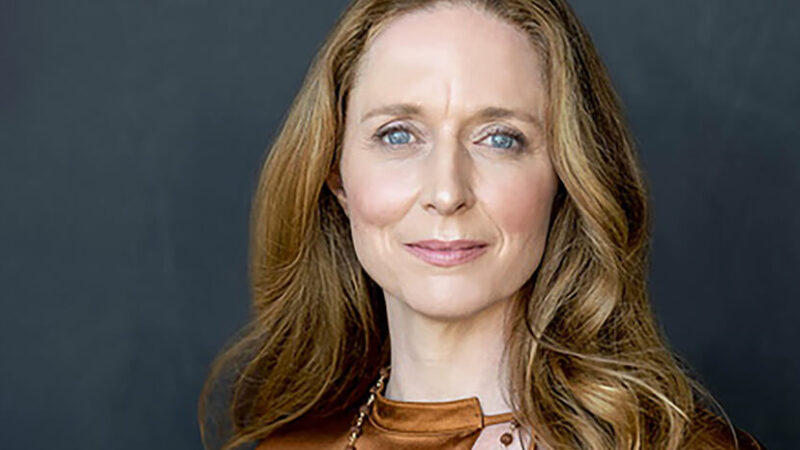
Kristin Neff & Caverly Morgan: Self-Compassion as a Lifeboat

February 24, 2026

Kristin Neff & Caverly Morgan: Self-Compassion as a Lifeboat

Caverly Morgan & Kristin Neff February 24, 2026

Can the simple act of being kind to yourself actually be a doorway to awakening?

In this special episode of Insights at the Edge, Tami Simon brings together two remarkable teachers whose friendship has sparked a revolutionary approach to inner transformation. Kristin Neff—the researcher who first measured self-compassion and author of Fierce Self-Compassion—joins Caverly Morgan, a meditation teacher and former Zen monk, to explore how self-compassion practices can become what they call “a lifeboat” to our deepest nature.

Together, they reveal why self-compassion isn’t just a psychological tool for feeling better—it’s a direct path to recognizing who we really are beyond our limited sense of self.

In this interview, Tami, Kristin, and Caverly explore:

  • Why every moment of self-compassion is a moment of “letting go of identification with the small, separate, limited self”
  • The difference between witnessing awareness and embodied loving awareness—and why it matters
  • How gender conditioning shapes our relationship to both compassion and awakening practices
  • The power of “relational dharma” and why we sometimes need another person to help us access self-compassion
  • A guided practice for moving from suffering into the “stance-less stance” of presence

If you’ve practiced self-compassion but sensed there’s something deeper available, or if awakening teachings have felt too abstract or disembodied, this conversation offers a bridge between heart and awareness that could transform your practice.

This conversation offers genuine transmission—not just concepts about awakening, but the palpable presence of realized teachers exploring the growing edge of spiritual understanding together. Originally aired on Sounds True One.
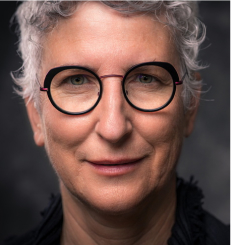
Caverly Morgan was named one of 2025's powerful women of the mindfulness movement, Caverly Morgan is a spiritual teacher, nonprofit founder, speaker, and writer whose practice began in 1995 and has included eight years of training in a silent Zen monastery. She is the author of “The Heart of Who We Are: Realizing Freedom Together” as well as “A Kids Book About Mindfulness.” Caverly is the founder of Peace in Schools, a nonprofit that created the nation’s first for-credit mindfulness class in public high schools. She is also the founder of Realizing Freedom Together, a nonprofit organization dedicated to making practices that lead to liberation for all, accessible to all. Caverly leads meditation retreats, workshops, and online classes internationally. Learn more at caverlymorgan.org.

Dr. Kristin Neff is an Associate Professor of Educational Psychology at the University of Texas at Austin. She is a pioneer in the field of self-compassion research, conducting the first empirical studies on self-compassion more than twenty years ago. She has been recognized as one of the most influential researchers in psychology worldwide. Kristin runs the Self-Compassion Community, an online learning platform where people can learn the skill of self-compassion with the help of others. She is author of the bestselling books Self-Compassion and Fierce Self-Compassion. Along with her colleague Chris Germer, she developed the empirically-supported Mindful Self-Compassion program and co-founded the Center for Mindful Self-Compassion. They co-wrote the best-selling “The Mindful Self-Compassion Workbook” and have a new book called “Mindful Self-Compassion for Burnout” coming out in Fall 2024. For more info go to self-compassion.org.

600 Podcasts and Counting…

Subscribe to Insights at the Edge to hear all of Tami’s interviews (transcripts available too!), featuring Eckhart Tolle, Caroline Myss, Tara Brach, Jack Kornfield, Adyashanti, and many more.

Meet Your Host: Tami Simon

Founded Sounds True in 1985 as a multimedia publishing house with a mission to disseminate spiritual wisdom. She hosts a popular weekly podcast called Insights at the Edge, where she has interviewed many of today's leading teachers. Tami lives with her wife, Julie M. Kramer, and their two spoodles, Rasberry and Bula, in Boulder, Colorado.

Photo © Jason Elias

Also By Author

Kristin Neff & Caverly Morgan: Self-Compassion as...

Can the simple act of being kind to yourself actually be a doorway to awakening?

In this special episode of Insights at the Edge, Tami Simon brings together two remarkable teachers whose friendship has sparked a revolutionary approach to inner transformation. Kristin Neff—the researcher who first measured self-compassion and author of Fierce Self-Compassion—joins Caverly Morgan, a meditation teacher and former Zen monk, to explore how self-compassion practices can become what they call “a lifeboat” to our deepest nature.

Together, they reveal why self-compassion isn’t just a psychological tool for feeling better—it’s a direct path to recognizing who we really are beyond our limited sense of self.

In this interview, Tami, Kristin, and Caverly explore:

  • Why every moment of self-compassion is a moment of “letting go of identification with the small, separate, limited self”
  • The difference between witnessing awareness and embodied loving awareness—and why it matters
  • How gender conditioning shapes our relationship to both compassion and awakening practices
  • The power of “relational dharma” and why we sometimes need another person to help us access self-compassion
  • A guided practice for moving from suffering into the “stance-less stance” of presence

If you’ve practiced self-compassion but sensed there’s something deeper available, or if awakening teachings have felt too abstract or disembodied, this conversation offers a bridge between heart and awareness that could transform your practice.

This conversation offers genuine transmission—not just concepts about awakening, but the palpable presence of realized teachers exploring the growing edge of spiritual understanding together. Originally aired on Sounds True One.

Caverly Morgan: The Heart of Who We Are

When Caverly Morgan reentered society after eight years as a Zen monk, she was confronted with a question many of us are asking these days: Considering the enormity of the problems before us, how can one individual’s spiritual practice make a tangible difference in our world? 

In this podcast, Tami Simon speaks with Caverly about her new book, The Heart of Who We Are, and the connection between self-realization and collective transformation. Tune in as they explore these topics and more: the difference between the absolute and the relative; introducing teens to inquiry practice; self-improvement vs. self-realization; the core experience of who we are in our depths; the power of community; meeting our deepest needs; “changing costumes within the dance of suffering”; connecting with others “essence to essence”; broadening public access to contemplative practices; escaping the trap of perfectionism; letting go of our conditioning, individually and collectively; egoic behaviors versus “acts of being.”

This episode first aired live and on video on Sounds True One. To watch Insights at the Edge episodes live and on video, and to access additional bonus Q&A, please visit join.soundstrue.com to learn more.

You Might Also Enjoy

Mirabai Starr on Ordinary Mysticism: Finding the Sacre...

What if the sacred is not something distant, but something quietly present in everyday life? Ordinary mysticism invites us to notice moments of connection, stillness, and even challenge as meaningful. Through Mirabai Starr’s perspective, mysticism spirituality becomes simple and human, grounded in awareness and the experience of being fully present.

We have spent decades sharing the voices of trusted spiritual teachers and preserving their teachings in their most authentic form. Our work centers on offering living wisdom that supports real transformation and makes spiritual insight accessible to all.

Here, we look at ordinary mysticism, the everyday sacred, and how mysticism, spirituality, and the dark night soul meaning unfold in daily life.

Key Takeaways:

  • Everyday Sacred: Ordinary moments hold spiritual depth when met with presence and awareness.
  • Mysticism Spirituality: Spiritual experience is lived through connection, not limited to tradition.
  • Inner Transformation: Even the dark night soul’s meaning supports growth and deeper understanding.

Awaken Your Inner Healing Power with Guided Practices by Sounds True

Ordinary Mysticism with Mirabai Starr and Mysticism Spirituality

We share living wisdom through the authentic voices of spiritual teachers. In this conversation with Mirabai Starr, ordinary mysticism is revealed as a lived experience, grounded in presence and found within everyday life.

Ordinary mysticism does not require stepping away from daily responsibilities. It recognizes the sacred within each moment, expressed through connection, reflection, and the natural rhythms of being.

This approach reflects a heart-led, accessible path where spirituality is not distant, but something we experience through awareness, honesty, and presence.

Mirabai Starr on Ordinary Mysticism and the Everyday Sacred

Ordinary mysticism begins by noticing the sacred within everyday life. Mirabai Starr invites a simple shift toward presence and awareness.

Recognizing the Everyday Sacred in Simple Moments

The sacred appears in quiet, ordinary moments when we slow down and pay attention. These experiences reveal depth within daily life.

Letting Go of the Need for Extraordinary Spiritual Experiences

Spiritual life does not depend on dramatic experiences. Ordinary mysticism values presence in what is already here.

Exploring Mysticism Spirituality Through the Everyday Sacred

Mysticism spirituality is often associated with distant traditions or specialized practices. Yet within this conversation, it is presented as something deeply accessible, grounded in the shared human experience of connection and awareness.

Mysticism Spirituality Across Traditions and Teachings

Mirabai Starr draws from a wide range of spiritual lineages, yet her approach remains inclusive and open. Mysticism spirituality is not confined to a single belief system. It is a universal thread that runs through many traditions, pointing toward direct experience of the sacred.

This perspective allows us to engage with teachings in a way that feels personal rather than prescriptive. The focus shifts from adherence to doctrine toward an embodied understanding. What matters is not the form the teaching takes, but the depth of connection it invites.

In this way, mysticism spirituality becomes a bridge. It connects different paths through a shared recognition of presence, love, and awareness. It invites us to honor the diversity of spiritual expression while recognizing the common ground beneath it.

Making the Everyday Sacred a Spiritual Practice

The everyday sacred becomes a form of practice when we bring intention and awareness to our actions. Simple activities begin to take on new depth when approached with presence. Preparing a meal, listening fully to another person, or stepping outside for a moment of stillness can all become expressions of ordinary mysticism.

This kind of practice does not require additional time or elaborate structure. It is integrated into the flow of daily life. What changes is not the activity itself, but the quality of attention we bring to it.

Over time, this approach begins to reshape our relationship with experience. We become more attuned to subtle shifts, more responsive to what is unfolding, and more connected to the sense of sacredness that permeates even the simplest moments.

The Dark Night Soul Meaning in Ordinary Mysticism and Spiritual Growth

Spiritual life is not limited to moments of clarity or peace. It also includes periods of uncertainty, loss, and disorientation. Within ordinary mysticism, these experiences are not seen as interruptions but as essential parts of the journey.

Understanding the Dark Night Soul Meaning

The dark night soul meaning refers to a phase in which familiar structures begin to fall away. What once provided a sense of stability may no longer feel reliable. This can create a sense of emptiness or confusion, as if the ground beneath us is shifting.

In mysticism and spirituality, this experience is understood as a process of transformation. It invites us to release attachments and assumptions that no longer serve us. While it can feel challenging, it also opens space for a deeper and more authentic connection to emerge.

Mirabai Starr speaks to this phase with compassion and honesty. She acknowledges the difficulty while also recognizing the potential it holds. The dark night is not something to be avoided. It is something to be met with presence.

Transformation Through Grief and Uncertainty

Grief often plays a central role in the dark night experience. It can arise from loss, change, or the recognition that something important has shifted. Within ordinary mysticism, grief is not something to be pushed aside. It is something to be felt fully.

By allowing grief to move through us, we begin to access a deeper layer of awareness. There is a kind of clarity that emerges when we stop resisting what is present. The everyday sacred becomes visible even within difficulty.

This transformation is not immediate. It unfolds gradually, shaped by patience and willingness. As we remain present to uncertainty, we begin to discover a quiet resilience that supports us through the process.

Discover the Hidden Power of Daily Meditation

Mirabai Starr on the Everyday Sacred and Mysticism Spirituality

Ordinary mysticism is lived through small, consistent acts of awareness and care. Mirabai Starr offers simple yet meaningful ways to remain connected to the everyday sacred within mysticism and spirituality.

  • Presence serves as the foundation. Returning attention to the breath and the body allows us to anchor ourselves in what is real and immediate.
  • Deep listening opens space for genuine connection. When we listen without interruption or judgment, we create room for something sacred to emerge.
  • Devotion appears in daily actions. Acts of kindness, care, and attentiveness become expressions of spiritual practice.
  • Emotional honesty supports growth. Allowing feelings to arise without suppression creates space for deeper understanding.
  • Returning to awareness again and again strengthens the practice. Each moment offers a new opportunity to reconnect with the everyday sacred.

These practices reflect a grounded and compassionate approach to mysticism and spirituality. They remind us that the path is not about achieving perfection but about staying present to life as it unfolds. In this way, the sacred becomes something we live with rather than something we seek outside ourselves.

Ordinary Mysticism, the Everyday Sacred, and Inner Transformation

Inner transformation within ordinary mysticism unfolds through attention and openness. It is not defined by dramatic change but by a gradual deepening of awareness. As we begin to recognize the everyday sacred, we also begin to notice patterns within ourselves.

Mirabai Starr’s teachings encourage a gentle approach to this process. Rather than trying to fix or change what we see, we are invited to meet it with curiosity. This creates space for insight to arise naturally. Over time, this way of relating begins to shift how we experience ourselves and others.

Mysticism spirituality, in this sense, is not about becoming something new. It is about uncovering what has always been present. The layers that once obscured our awareness begin to soften, revealing a deeper sense of connection and presence.

Understanding the Dark Night Soul Meaning in Mysticism and Spirituality

The dark night soul’s meaning is not limited to a single experience. It can appear in different forms throughout life, each time inviting a deeper level of surrender. Within mysticism and spirituality, this process is understood as part of ongoing growth.

During these periods, the everyday sacred may feel less visible. There can be a sense of distance or disconnection. Yet even in these moments, something remains. A quiet presence continues beneath the surface.

Learning to trust this presence becomes an important part of the path. It requires patience and a willingness to remain open, even when clarity is not immediately available. Over time, this trust begins to deepen, supporting a more grounded and resilient sense of being.

Living Ordinary Mysticism Through the Everyday Sacred with Mirabai Starr

Living ordinary mysticism is a practice of returning to the present moment through awareness and intention. The everyday sacred offers ongoing opportunities to reconnect, wherever we are.

Mirabai Starr’s teachings show that mysticism and spirituality unfold within daily life, expressed through how we listen, respond, and care.

Ordinary mysticism invites a way of living rooted in presence, compassion, and connection, where the sacred is found within each moment.

Learn How your Mind Really Works with Sounds True

Final Thoughts

Ordinary mysticism invites us to recognize the sacred within everyday life. Through presence and openness, even moments of challenge and the dark night soul, meaning becomes part of a deeper unfolding.

Over time, the sacred is no longer something distant. It becomes the way we live and experience each moment.

Frequently Asked Questions About Ordinary Mysticism

What is ordinary mysticism in simple terms?

Ordinary mysticism refers to experiencing the sacred within everyday life rather than seeking it in rare or extraordinary moments. It emphasizes awareness, presence, and connection in daily experiences.

How is ordinary mysticism different from traditional mysticism?

Traditional mysticism is often associated with formal practices or religious frameworks. Ordinary mysticism focuses on direct, lived experience and does not require adherence to a specific tradition.

Who is Mirabai Starr, and why is she relevant to this topic?

Mirabai Starr is a contemporary spiritual teacher and author known for making mystical teachings accessible. Her work emphasizes compassion, interspiritual understanding, and embodied spirituality.

Can anyone practice ordinary mysticism?

Yes, ordinary mysticism is accessible to anyone. It does not depend on background, belief system, or level of experience, only a willingness to be present and attentive.

How does mysticism spirituality relate to daily routines?

Mysticism spirituality can be integrated into daily routines by bringing awareness to ordinary actions such as listening, working, or resting, turning them into moments of connection.

What role does silence play in ordinary mysticism?

Silence creates space for awareness and reflection. It allows individuals to notice subtle experiences and deepen their connection to the present moment.

Is ordinary mysticism connected to any religion?

It can be found within many religious traditions, but it is not limited to any single one. It is a universal approach to experiencing the sacred.

How does the dark night soul’s meaning relate to personal growth?

The dark night soul meaning reflects periods of inner difficulty that can lead to deeper understanding, emotional resilience, and spiritual maturity.

What are some signs of experiencing the everyday sacred?

Signs may include a sense of calm, deeper appreciation for simple moments, increased empathy, and a feeling of connection with others and the environment.

Can ordinary mysticism support mental and emotional well-being?

Yes, by encouraging presence and acceptance, ordinary mysticism can help reduce stress, improve emotional awareness, and support a more grounded sense of well-being.

Michelle Cassandra Johnson is an author, activist, spiritual teacher, racial equity consultant, and intuitive healer. She is the author of six books, including Skill in Action and Finding Refuge. Amy Burtaine is a leadership coach and racial equity trainer. With Robin DiAngelo, she is the coauthor of The Facilitator's Guide for White Affinity Groups. For more, visit https://www.michellecjohnson.com/wisdom-of-the-hive.

How to Find Fulfillment in a Purpose Larger Than Yours...

Finding purpose often begins as a quiet question. It can show up in moments when life feels uncertain or when something familiar no longer feels meaningful. There is a natural pull toward something deeper, a sense that fulfillment is connected to more than personal success. A purpose driven life starts to emerge when we begin to notice this pull and stay open to meaning beyond self in our everyday experience.

At Sounds True, we have spent decades sharing spiritual wisdom and amplifying the voices of teachers who guide people toward deeper awareness and authentic living. Through our living library of teachings, we support individuals in connecting with life purpose, spiritual insight, and experiencing fulfillment and purpose in a grounded and meaningful way.

Here, we look at how finding purpose can unfold through alignment with something larger than ourselves and how that shapes the way we live each day.

Key Takeaways:

  • Purpose as Practice: Finding purpose is an ongoing experience shaped by awareness, not a one-time realization.
  • Beyond the Self: Meaning beyond self deepens fulfillment and purpose through connection and contribution.
  • Daily Alignment: A purpose driven life is built through small, consistent choices rooted in presence.

Learn How your Mind Really Works with Sounds True

Finding Purpose Through a Purpose Driven Life and Meaning Beyond Self

A quiet question often guides our choices, even if we cannot fully name it. Finding purpose begins not by searching outward, but by listening more deeply to life itself.

A purpose driven life grows from this shift. Instead of asking what we can gain, we begin to sense what is being asked of us, opening us to meaning beyond self through connection and presence.

Fulfillment purpose unfolds through this participation. It is not a fixed destination, but an ongoing experience shaped by our willingness to stay present and respond to what is emerging.

Life Purpose Spiritual Insights for a Purpose Driven Life

A life purpose spiritual path often begins with a quiet sense that something deeper is calling. This awareness invites us to look beyond surface-level goals and move toward a purpose driven life rooted in meaning beyond self.

Listening Beyond the Surface

Clarity comes from slowing down and listening within. As we become more present, meaning beyond self begins to emerge naturally, supporting a deeper sense of fulfillment and purpose.

Recognizing Inner Alignment

Inner alignment often feels steady and grounded, even during uncertainty. A purpose driven life grows as we trust this feeling and allow fulfillment to unfold over time.

How Fulfillment Purpose Emerges When You Embrace Meaning Beyond Self

There comes a point when personal achievement no longer feels like enough. This shift opens the door to meaning beyond self and a deeper sense of fulfillment and purpose.

Expanding Beyond Personal Identity

As we move beyond roles and labels, we begin to see ourselves as part of something larger. A purpose driven life grows from this awareness, allowing fulfillment to emerge naturally.

Allowing Contribution to Arise Naturally

Contribution becomes more authentic when it is not forced. By embracing meaning beyond self, fulfillment purpose unfolds through simple, genuine ways of showing up.

Living a Purpose Driven Life Rooted in Life Purpose Spiritual Awareness

Living a purpose driven life does not require us to step away from our everyday responsibilities. It invites us to meet them with a different quality of awareness. A life purpose spiritual perspective brings attention to how we are being, not just what we are doing.

Bringing Awareness Into Daily Life

Meaning beyond self is not limited to major decisions or life transitions. It is present in the ordinary moments that make up our day. In how we listen to someone. In how we respond when something does not go as planned.

When we bring awareness into these moments, we begin to see that fulfilling purpose is already woven into our lives. Finding purpose becomes less about searching and more about noticing.

A purpose driven life grows through this kind of attention. It is shaped by small, consistent moments of presence.

Staying Grounded in What Matters

Distraction is a natural part of being human. We are constantly pulled in different directions, both externally and internally. A life purpose spiritual path invites us to return, again and again, to what feels meaningful.

This return does not require perfection. It asks for willingness. When we stay connected to meaning beyond self, we create a foundation for fulfilling purpose to deepen over time.

A purpose driven life is sustained not by constant clarity, but by a steady commitment to what matters most.

Discover the Hidden Power of Daily Meditation

Meaning Beyond Self as the Heart of Fulfillment Purpose

As our awareness deepens, we begin to recognize that fulfilling purpose is not separate from meaning beyond self. It is rooted in it. This understanding gently reshapes how we move through our lives and how we relate to our choices.

  • We begin to notice where our attention is going and gently guide it toward what feels aligned with meaning beyond self. This supports a purpose driven life that is intentional and responsive.
  • We create space for reflection, allowing life purpose spiritual insight to arise without pressure. In this openness, the fulfillment of purpose becomes clearer over time.
  • We recognize that contribution does not need to be large to be meaningful. Small, sincere actions can carry a deep sense of connection.
  • We allow our understanding of purpose to evolve, rather than holding it too tightly. A purpose driven life is not fixed. It is living and dynamic.
  • We stay connected to our inner experience, using it as a guide as we continue finding purpose in an ongoing way.

As these ways of being take root, fulfilling purpose becomes less something we seek and more something we live. Meaning beyond self is no longer an idea. It becomes a quiet, steady presence in how we relate to the world.

In this way, a purpose driven life is not defined by a single direction. It is defined by the quality of attention we bring to each moment and the sincerity with which we respond.

Life Purpose Spiritual Practices That Support a Purpose Driven Life

A life purpose spiritual path is supported by simple, consistent practices that help us return to ourselves. These moments create space to listen and notice what is true.

A purpose driven life grows through this steady awareness. As we pause and stay present, meaning beyond self becomes more accessible.

Fulfillment purpose develops gradually. Finding purpose becomes less about searching and more about staying connected to life as it unfolds.

Finding Purpose by Aligning With Meaning Beyond Self and Fulfillment Purpose

Finding purpose is often described as a goal, something we eventually arrive at. Yet in lived experience, it feels more like an ongoing alignment. It is something we return to again and again, especially in moments when we feel disconnected or uncertain.

When we orient toward meaning beyond self, we begin to experience life differently. A purpose driven life is not defined by having everything figured out. It is defined by a willingness to stay open and engaged with what is present.

Life purpose spiritual awareness supports this openness. It reminds us that we do not need to control every step of the path. We can trust the unfolding, even when it is not clear. Fulfillment purpose reveals itself in moments of connection, in the quiet sense that what we are doing matters in a deeper way.

This alignment is not something we hold onto tightly. It is something we return to with care and attention. Each time we reconnect, we strengthen our relationship with purpose.

Purpose Driven Life as an Expression of Life Purpose Spiritual Growth and Fulfillment Purpose

A purpose driven life is not separate from our growth. It is one of the ways that growth expresses itself. As we deepen in life purpose spiritual awareness, we begin to see that fulfillment of purpose is not something outside of us. It is reflected in how we live, how we relate, and how we respond to the world.

Meaning beyond self becomes a quiet guide. It shapes our choices in ways that may not always be visible to others, but feel deeply true within us. Finding purpose is no longer about defining a single path. It becomes a living process that continues to evolve.

At Sounds True, we have seen again and again that this process is not about perfection. It is about sincerity. It is about showing up, listening deeply, and allowing ourselves to be shaped by something larger than our individual concerns.

Fulfillment purpose, in this sense, is not something we reach at the end of the journey. It is something we participate in, moment by moment. As we continue to live in alignment with a purpose driven life, we begin to recognize that the very act of being present, aware, and connected is already an expression of meaning beyond self.

Awaken Your Inner Healing Power with Guided Practices by Sounds True

Final Thoughts

Finding purpose is less about having clear answers and more about staying in a relationship with what feels true. A purpose driven life unfolds through presence, not perfection. As we return to meaning beyond self, fulfillment purpose becomes something we live into each day, shaped by awareness, sincerity, and a willingness to listen.

Frequently Asked Questions About Finding Purpose

What is the difference between finding purpose and setting goals?

Finding purpose is about aligning with a deeper sense of meaning, while goals are specific outcomes you aim to achieve. Purpose can guide your goals, but it is not limited to them or dependent on success.

Can your purpose change over time?

Yes, purpose can evolve as you grow and your awareness deepens. Different life stages may bring new expressions of purpose without losing the underlying sense of meaning.

Is finding purpose tied to a specific career or role?

Not necessarily. Purpose can be expressed through many areas of life, including relationships, creativity, and service. It is not confined to a job or title.

How do you know if you are living with purpose?

You may notice a sense of connection, engagement, or quiet fulfillment in what you do. It often feels less about external validation and more about inner resonance.

Can someone have more than one purpose?

Yes, purpose can have multiple expressions. Rather than a single fixed direction, it can show up in different ways across various parts of your life.

What if you feel lost and unsure about your purpose?

Feeling lost can be part of the process. It may signal a transition or an invitation to pause and reflect rather than push for immediate clarity.

Does finding purpose require spiritual belief?

No, although many people connect purpose with spirituality. It can also be experienced through personal values, connection, and a sense of contribution.

How does purpose relate to happiness?

Purpose and happiness are connected but not the same. Purpose can bring a deeper sense of fulfillment, even during challenging or uncomfortable moments.

Can purpose exist without helping others?

Purpose often includes some form of connection or contribution, but it does not always have to be outwardly focused. Inner growth and self-understanding can also be meaningful expressions.

How long does it take to find your purpose?

There is no set timeline. Finding purpose is often an ongoing process that unfolds gradually rather than something achieved at a specific moment.

Michelle Cassandra Johnson is an author, activist, spiritual teacher, racial equity consultant, and intuitive healer. She is the author of six books, including Skill in Action and Finding Refuge. Amy Burtaine is a leadership coach and racial equity trainer. With Robin DiAngelo, she is the coauthor of The Facilitator's Guide for White Affinity Groups. For more, visit https://www.michellecjohnson.com/wisdom-of-the-hive.

Being Single as Spiritual Practice: An Intentional Exp...

What if being single was not something to move past, but something to meet with awareness? Time alone can reveal patterns, emotions, and inner rhythms that are often missed in the presence of constant connection. In that space, being single can become a meaningful experience rather than an empty one.

For decades, we have shared spiritual wisdom from leading teachers and practitioners, offering a living library of insights that support presence, self-awareness, and transformation. Our work is rooted in real conversations and teachings that invite people to turn inward with honesty and care.

Here, we look at being single as a spiritual growth as an intentional practice, and how intentional singleness, self discovery alone, and spirituality support a deeper connection with yourself.

Key Takeaways:

  • Clarity Through Solitude: Being single, spiritual growth offers space to observe patterns and build deeper self-awareness without external influence.
  • Intentional Living: Intentional singleness supports emotional clarity, personal agency, and a stronger connection to your inner life.
  • Spiritual Alignment: Singleness and spirituality together foster presence, helping you cultivate a grounded sense of wholeness over time.

Awaken Your Inner Healing Power with Guided Practices by Sounds True

Being Single: Spiritual Growth Through Intentional Singleness

Being single, spiritual growth begins with a shift in perspective. Instead of something to move beyond, singleness becomes a space for awareness. Intentional singleness invites direct experience through presence, where we begin to notice our thoughts, emotions, and deeper patterns more clearly.

Without the pull of external expectations, a quiet honesty emerges. We start to see what has been beneath the surface, even when it feels uncomfortable. Staying with these experiences becomes a practice, helping us meet uncertainty and recognize moments of natural ease.

In this way, being single is less about becoming someone new and more about being present with who we already are, steady beneath changing circumstances.

Intentional Singleness as a Path to Self Discovery Alone

Intentional singleness opens a doorway into self discovery alone that feels spacious and grounded. It becomes a time not of isolation, but of listening more closely to the inner life.

Turning Inward with Clarity

As we settle into intentional singleness, attention shifts inward. Thoughts and emotions become clearer, making it easier to notice patterns like seeking approval or avoiding discomfort.

These insights arise through presence, not force. Self discovery alone unfolds naturally when we allow ourselves to simply observe what is here.

Creating Space for Authentic Growth

Growth unfolds differently when it is not shaped by external expectations. Intentional singleness creates room for experimentation, for curiosity, and for rest.

In this space, we can explore what truly feels aligned. This might include creative expression, spiritual practice, or simply learning how to be still. These explorations are not about achieving something. They are about discovering what feels real.

Over time, this kind of growth supports a deeper sense of authenticity. We begin to trust our own experience. We begin to move through life with a little more ease.

Self Discovery Alone in the Context of Singleness and Spirituality

Self discovery alone deepens when it is held within the wider field of singleness and spirituality. It becomes more than a reflection. It becomes a direct encounter with our lived experience.

Meeting Yourself Beyond Roles

Relationships often invite us into roles, some conscious, some not. When we step into singleness, those roles begin to soften. There is less structure around who we are supposed to be.

This can feel unfamiliar at first. Without those familiar identities, we may wonder who we are. Yet this question carries a quiet power. It opens a space where we can meet ourselves more directly.

In singleness and spirituality, this meeting is not about defining ourselves. It is about experiencing ourselves as we are, moment by moment.

Deepening Awareness Through Spiritual Practice

Spiritual practice naturally supports this process of self discovery alone. With more time and space, practices such as meditation or reflective writing can become part of daily life.

These practices invite us to stay with our experience. They help us notice the movement of the mind without becoming caught in it. They support a kind of awareness that is steady and open.

Over time, this awareness begins to extend beyond formal practice. It becomes part of how we live. Singleness and spirituality begin to feel less like separate ideas and more like a shared way of being.

Being Single, Spiritual Growth, and the Power of Being Single by Choice

Being single, spiritual growth takes on a deeper resonance when we are single by choice. There is a sense of alignment that comes from consciously entering this space.

Reclaiming Agency

Choosing to be single shifts the experience from something that is happening to us into something we are participating in. This shift can feel subtle, yet it changes the tone of the entire experience.

There is a sense of ownership in the choice. We begin to feel more grounded in our own lives. This does not mean everything feels certain. It means we are willing to be present with what is here.

This willingness becomes a form of strength. It supports a deeper trust in ourselves.

Honoring Your Own Timing

Being single by choice also allows us to step outside of timelines that may not truly belong to us. There is less pressure to move toward a particular outcome.

Instead, we can listen more carefully to what feels right in this moment. This listening is not always clear or immediate. It unfolds over time.

Honoring our own timing creates space for growth that feels organic. It allows us to move at a pace that supports genuine understanding rather than urgency.

Discover the Hidden Power of Daily Meditation

Single by Choice: A Deeper Look at Intentional Singleness and Spirituality

Choosing to be single by choice within intentional singleness and spirituality creates a supportive and meaningful path for inner work.

  • It offers space to build a steady relationship with your inner world, one that is not shaped by external validation
  • It supports a deeper engagement with spiritual practices that nurture presence and awareness
  • It allows you to observe relational patterns with greater clarity, without being inside them
  • It encourages a sense of wholeness that arises from within rather than from circumstance
  • It invites a compassionate relationship with your emotional experience

These elements come together in a way that feels both grounding and expansive. Intentional singleness is not separate from spirituality. It is an expression of it, a way of meeting life directly and allowing it to teach us.

Singleness and Spirituality as Foundations for Self Discovery Alone

Singleness and spirituality create a natural foundation for self-discovery to unfold on its own. Without the constant movement of relationships, there is more space to notice the subtle layers of experience. Thoughts, emotions, and sensations become easier to observe.

Spirituality, in this sense, is not about reaching for something beyond ourselves. It is about becoming more intimate with what is already here. It invites us to stay present with our experience, even when it feels uncertain or incomplete.

Through this presence, self discovery alone becomes less about finding answers and more about deepening awareness. We begin to trust that understanding will emerge in its own time. This trust creates a sense of ease that supports continued growth.

Intentional Singleness and Being Single: Spiritual Growth in Daily Practice

Intentional singleness and being single spiritual growth unfold through small moments of awareness woven into daily life. Simple pauses, quiet reflection, and mindful attention help you stay connected to your inner experience.

Each moment becomes an opportunity to observe and learn, gradually deepening your connection with yourself. This awareness continues to evolve, supported by the space intentional singleness creates.

Self Discovery Alone While Living Single by Choice with Spiritual Awareness

Self discovery alone while living single by choice with spiritual awareness brings a sense of coherence to the experience of singleness. There is less tension between where we are and where we think we should be.

Spiritual awareness supports us in meeting each moment as it arises. It allows us to stay present with both ease and discomfort. This presence creates a kind of stability that does not depend on external conditions.

As we continue to live in this way, self discovery alone becomes an ongoing process rather than a destination. There is always more to notice, more to understand, more to feel.

Over time, a quiet recognition begins to emerge. There is a sense that nothing essential is missing. There is a feeling of being at home within ourselves, even as life continues to change.

Learn How your Mind Really Works with Sounds True

Final Thoughts

Being single, approached with intention, becomes a space for awareness rather than absence. It invites a quieter kind of attention, where self discovery alone unfolds through presence and honesty, allowing you to meet your inner world with greater clarity and care.

Intentional singleness supports a deeper connection with your inner life, creating a sense of steadiness that is not dependent on circumstance. Singleness and spirituality remind us that growth comes from how we meet our experience, and in that meeting, a grounded sense of wholeness begins to take shape.

Frequently Asked Questions About Being Single: Spiritual Growth

What does being single, spiritual growth actually mean in daily life?

It refers to using your time alone as a space for awareness and reflection. In daily life, this can look like noticing your reactions, spending time in stillness, and building a relationship with your inner experience rather than avoiding it.

Can intentional singleness improve emotional resilience?

Yes, intentional singleness can strengthen emotional resilience by helping you stay present with difficult feelings instead of immediately seeking distraction or reassurance from others.

How is intentional singleness different from simply being single?

Intentional singleness involves a conscious choice to engage with your inner life. It is less about circumstance and more about how you relate to your experience while you are single.

Is self discovery alone possible without spiritual practices?

Self discovery alone can happen without formal practices, but spiritual tools like meditation or journaling often support deeper awareness and consistency in the process.

Does being single by choice affect future relationships?

Being single by choice can lead to healthier future relationships because it allows you to understand your patterns, needs, and boundaries more clearly before entering a partnership.

How do singleness and spirituality influence decision-making?

Singleness and spirituality can create more space to reflect before making decisions. This often leads to choices that feel more aligned with your values rather than reactive or rushed.

What challenges might arise during intentional singleness?

Common challenges include facing loneliness, restlessness, or uncertainty. These experiences are part of the process and can offer insight when approached with awareness.

Can being single support spiritual growth and life purpose?

Yes, it can create the space needed to reflect on what feels meaningful to you, helping clarify your direction without external pressure.

How long should someone practice intentional singleness?

There is no set timeline. The duration depends on your personal needs and what feels supportive for your growth at a given time.

Is self discovery alone a continuous process or a phase?

Self discovery alone is ongoing. Even if your relationship status changes, the awareness you develop continues to evolve over time.

Michelle Cassandra Johnson is an author, activist, spiritual teacher, racial equity consultant, and intuitive healer. She is the author of six books, including Skill in Action and Finding Refuge. Amy Burtaine is a leadership coach and racial equity trainer. With Robin DiAngelo, she is the coauthor of The Facilitator's Guide for White Affinity Groups. For more, visit https://www.michellecjohnson.com/wisdom-of-the-hive.