Jack Kornfield and Tara Brach: Big Insights: The Power of Awareness to Change Your Life

May 23, 2017

Jack Kornfield and Tara Brach: Big Insights: The Power of Awareness to Change Your Life

Jack Kornfield & Tara Brach May 23, 2017

Jack Kornfield and Tara Brach are two of the leading authorities on mindfulness and meditation in the West. Jack is the bestselling author and teacher widely credited with combining mindfulness with modern western psychology. Tara has been teaching meditation for more than four decades and is the author of Radical Acceptance and True Refuge. In this special edition of Insights at the Edge originally recorded in 2015, Tami Simon sits down with both Jack and Tara to discuss the big insights that form the foundation of mindfulness practice. They speak on the concept of awareness itself and how to distinguish “awareness” from “thinking.” Tara and Jack share some of the everyday benefits of a meditation practice, including personal clarity and more conscious relationships. Finally, Jack, Tara, and Tami have a frank conversation on how awareness training could affect the state of the world. (60 minutes)

Jack Kornfield, PhD, trained as a Buddhist monk in Thailand, Burma, and India and has taught worldwide since 1974. He is one of the key teachers to introduce Buddhist mindfulness practices to the West. He is the co-founder of the Insight Meditation Society and of Spirit Rock Center in Woodacre, California. He is a husband, grandfather, and activist and holds a PhD in clinical psychology. He has written more than fifteen books including The Wise Heart; A Path with Heart; After the Ecstasy, the Laundry; and more. For more, visit jackkornfield.com.

Listen to Tami Simon's in-depth audio podcast interviews with Jack Kornfield:
Big Insights: The Power of Awareness to Change Your Life »
Difficult Times & Liberation »

Tara Brach has been practicing and teaching meditation since 1975, as well as leading workshops and meditation retreats at centers throughout North America and Europe. She has a PhD in clinical psychology, is the founder of the Insight Meditation Community of Washington (IMCW), and is the author of Radical Acceptance, True Refuge, Radical Compassion, and Trusting the Gold. Tara’s weekly podcasts of talks and meditations are downloaded more than three million times each month. For more, visit tarabrach.com.

Author photo © Jonathan Foust

600 Podcasts and Counting…

Subscribe to Insights at the Edge to hear all of Tami’s interviews (transcripts available too!), featuring Eckhart Tolle, Caroline Myss, Tara Brach, Jack Kornfield, Adyashanti, and many more.

Meet Your Host: Tami Simon

Founded Sounds True in 1985 as a multimedia publishing house with a mission to disseminate spiritual wisdom. She hosts a popular weekly podcast called Insights at the Edge, where she has interviewed many of today's leading teachers. Tami lives with her wife, Julie M. Kramer, and their two spoodles, Rasberry and Bula, in Boulder, Colorado.

Photo © Jason Elias

Also By Author

3 Simple Habits of a Loving Kindness Practice

3 Simple Habits of a Loving Kindness Practice Header Image

Are you interested in studying loving kindness more in-depth? Check out Jack Kornfield and Tara Brach’s The Power of Awareness, a 7-week mindfulness training and community mentoring program beginning February 18, 2020. Can’t wait? Take advantage of the free video teachings.


“A little kingdom I possess, where thoughts and feelings dwell; and very hard the task I find of governing it well.”
—Louisa May Alcott

In his video Seeing the Goodness, Jack Kornfield refers to the practice of loving kindness as “seeing the original innocence, dignity, and beauty of another.”

At first glance, this might sound like a simple thing to do. But what makes loving kindness (also known as lovingkindness) a practice rather than a feeling?

I believe we all have the capacity to embrace loving kindness in our daily lives. Of course, that doesn’t mean it’s an easy task. When I sat down to do one of Jack Kornfield’s loving kindness meditations (find it here), I found it surprisingly difficult. Cross-legged on the carpet, I pushed my headphones into my ears and listened carefully to every word—until I couldn’t anymore, and I turned it off.

For the rest of the day, I wondered, why? I think of myself as a kind person. Plus, I meditate fairly regularly. So what was it about this practice I found so difficult?

I ruminated and ruminated. Finally, as I lay in bed drifting off to sleep the other night, the answer came to me at once. My whole life, I’ve been doing it backward—extending love to others and then, only at the end, if there was space left, extending it out to myself. And there isn’t always space left.

WHAT IS LOVING KINDNESS?

loving kindness practice hand

Loving kindness is not just about empathy, presence, and listening in regards to others. It is part of the difficult inner work we all face. This is the work of finding self-forgiveness, releasing shame and guilt, and loving ourselves for exactly who we are. Loving kindness is kind of like looking at ourselves and expressing love—then letting that love reverberate, like two mirrors reflecting one another into infinity.

“Everything has beauty, but not everyone sees it.”
—Confucius

It’s a practice of recognizing our own inner beauty and watching it manifest as love and healthy attachment in our relationships. It’s about embracing compassion as a state of enlightenment, as the highest nature of ourselves and the true nature of God. It’s about seeing beyond guilt and shame to the fundamental, universal innocence of all beings.

The origins of the word innocent are various. They are even more fascinating when taken together. In the 12th century, the word inocent (Old French) meant simply “harmless; not guilty; pure.” The prefix, in, meaning not or un-, is attached to the suffix nocere (Latin), meaning “to harm.” Nocere itself originated from the root nek-, meaning “death.” In that regard, we can read innocence as meaning not harmful or not deathful; not yielding death. Infinite.

GENTLE HABITS FOR CULTIVATING LOVING KINDNESS

loving kindness practice habitsI don’t think I’m alone in finding it easier to extend compassion to others than to myself. And I don’t think I’m alone in experiencing repeated bouts of resentment and sadness toward people I love—probably partly from expecting to receive my self-worth from them.

So, how do you get started on something that seems so simple, but isn’t?

Here are three small, but profound, ways to gently maintain a lovingkindness practice.

GROUNDING

What helps you relax? Write down a list of things that help you feel calm, creative and focused. Maybe you feel better after a long shower or bath. I know people who absolutely love puzzling, coloring and Sodoku for this. It can be talking to a good friend, taking a walk, spending some time in nature, or curling up with a good book, watching television, meditating, or yoga. The list can be as long as you want!

As you practice loving kindness, begin to recognize whenever you feel uprooted: instead of compassionate, you might feel irritated, resentful, or bitter. You might feel afraid instead of loving. You might feel defensive instead of communicative. Hold these grounding practices close to your heart and use them whenever needed. They are for you.

SELF-COMPASSION

Jack Kornfield writes in A Path with Heart: A Guide Through the Perils and Promises of Spiritual Life, “Much of spiritual life is self-acceptance, maybe all of it.” One of the things that’s hard about lovingkindness, I think, is that it’s possible to feel loving of others while quietly holding onto self-doubt. Whether it’s daily, weekly, or multiple times a day, make a plan for checking in with yourself: How are those inner voices speaking to you right now?

Once you do this enough, it becomes a habit, maybe even automatic. You can get to know these voices, and they can get to know you. They will learn what can and cannot be tolerated and that you value being treated gently, just as you wish to treat others. It is a vital first step on the path toward loving kindness—one that, for many, is the most difficult, but affects our spiritual practice from every direction.

GRATITUDE

Gratitude is like an orb of everything you want from loving kindness. It is a way to thank yourself, others, and the Universe all at once.  The closest to real peace I’ve ever felt was in a moment of gratitude. I felt suspended in the air.

In a grateful space of consciousness, it is much easier to have compassion for others. We can see further into different perspectives. We can have mercy on ourselves. Gratitude is not about removing boundaries, but about understanding this moment as an irreplaceable one. It’s about comprehending that each person is infinitely unique, including you.


ABOUT JACK KORNFIELD

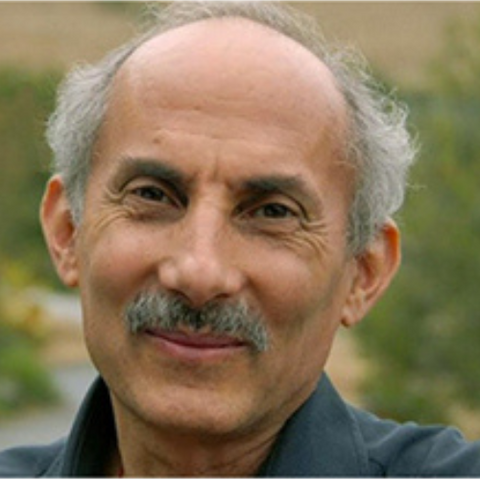
Jack Kornfield Author Photo
Jack Kornfield, PhD, trained as a Buddhist monk in Thailand, Burma, and India and has taught worldwide since 1974. He is one of the key teachers to introduce Buddhist mindfulness practices to the West. He holds a PhD in clinical psychology and is the co-founder of the Insight Meditation Society and of Spirit Rock Center in Woodacre, California. He has written more than a dozen books including The Wise Heart; A Path With HeartAfter the Ecstasy, the Laundry; and more.

ABOUT THE AUTHORDani Ferrara Blogger Author Photo

When she isn’t writing, playing music or teaching, Dani Ferrara blogs at Sounds True and researches the alchemy of healing. Explore her art at daniferrarapoet.com.

Jack Kornfield and Tara Brach: Big Insights: The Power...

Jack Kornfield and Tara Brach are two of the leading authorities on mindfulness and meditation in the West. Jack is the bestselling author and teacher widely credited with combining mindfulness with modern western psychology. Tara has been teaching meditation for more than four decades and is the author of Radical Acceptance and True Refuge. In this special edition of Insights at the Edge originally recorded in 2015, Tami Simon sits down with both Jack and Tara to discuss the big insights that form the foundation of mindfulness practice. They speak on the concept of awareness itself and how to distinguish “awareness” from “thinking.” Tara and Jack share some of the everyday benefits of a meditation practice, including personal clarity and more conscious relationships. Finally, Jack, Tara, and Tami have a frank conversation on how awareness training could affect the state of the world. (60 minutes)

Jack Kornfield: Difficult Times & Liberation

Jack Kornfield is a world-renowned teacher and one of the key figures to introduce Buddhist mindfulness practice to the West. He is the author of many books and audio programs, including The Wise Heart and After the Ecstasy, the Laundry. In this episode of Insights at the Edge, Jack and Tami Simon discuss Buddhist views of how best to navigate periods of difficulty and heartache. Jack reflects on four decades of personal meditation practice and how this has informed how he works with students. Jack and Tami also explore insights into the nature of suffering, whether or not it is possible to be liberated even in spite of our neuroses, and what is meant by ”the crystal of liberation.”
(49 minutes)

You Might Also Enjoy

Richard Davidson & Cortland Dahl: “Flourishing ...

The world’s mental health crisis is real, but so is your capacity to meet it. What if the skills that lead to genuine flourishing are already built into you, waiting to be activated?

This week, Tami Simon speaks with Richard Davidson—one of the most highly cited scientists in the world and a pioneer in the neuroscience of emotion and meditation—and Cortland Dahl, contemplative scientist, Buddhist translator, and co-founder of Tergar International, about their new book, Born to Flourish: How New Science and Ancient Wisdom Reveal a Simple Path to Thriving. Drawing on decades of research with long-term meditators, guidance from the Dalai Lama, and the world’s wisdom traditions, they offer a science-backed framework for wellbeing that is both profound and surprisingly accessible.

Join Tami, Richard, and Cortland to explore:

  • Why flourishing is a skill—not a personality trait or a stroke of luck—and how we know this from hard scientific data
  • The four pillars of wellbeing: awareness, connection, insight, and purpose—and why two of them have been largely ignored by Western science
  • What it means to be “born to flourish” and the research on infants that proves it
  • How just five minutes a day of intentional practice—piggybacked onto everyday activities—can produce measurable changes in behavior and biology
  • Why flourishing doesn’t mean happiness: you can grieve, rage, or struggle and still be flourishing
  • The role of neuroplasticity in reshaping our relationship to anxiety, reactivity, and negative narrative
  • Why flourishing is contagious—and why that matters more than ever right now

If the world feels like it’s falling apart, Richard and Cortland make a compelling, evidence-based case that the path forward is not as hard as you think.

Listen now and discover what you were born to do. →

This conversation offers genuine transmission—not just concepts about awakening, but the palpable presence of realized teachers exploring the growing edge of spiritual understanding together. Originally aired on Sounds True One.

Peter Russell: Meeting Exponential Change with a Quiet...

We live in a world accelerating faster than the human mind was built to handle. So what do we do with that?

This week, Tami Simon speaks with Peter Russell—author, speaker, and leading thinker on consciousness and spirituality, with degrees in theoretical physics, psychology, and computer science from Cambridge—about his new book, How to Meditate Without Even Trying, featuring a foreword by Eckhart Tolle. Decades after coining the term “global brain” and predicting the internet, Russell turns his visionary lens on the present moment: a world of staggering technological power and equally staggering stress.

Join Tami and Peter to explore:

  • From global brain to global mind: how AI represents the next threshold in humanity’s collective evolution
  • Why exponential change is not going away—and the hidden costs it’s placing on our personal and planetary systems
  • Forgiving Humanity: why the crises facing our species may be the inevitable result of accelerating development, not human failure
  • Accepting the possibility of extinction—and how that acceptance can paradoxically free us to live and serve more fully
  • The shift from “saving the world” to navigating these times with grace, compassion, and groundedness
  • Why meditation is more necessary now than ever—and how effortlessness, not discipline, is the key
  • “Letting in” before letting go: a practice for metabolizing emotion and releasing tension at its root
  • The tension in thinking—and how noticing it during meditation changes how we think outside of it

Whether you’re overwhelmed by the pace of the world or simply looking for a steadier way to move through it, Peter Russell offers both perspective and practice.

Listen now and find your way back to the quiet.

This conversation offers genuine transmission—not just concepts about awakening, but the palpable presence of realized teachers exploring the growing edge of spiritual understanding together. Originally aired on Sounds True One.

Dream Yoga: The Tibetan Path to Awakening Through Drea...

Dreams are more than just fleeting images from the unconscious. For centuries, Tibetan traditions have understood that what happens during sleep holds real potential for inner transformation. When we bring awareness into the dream state, we begin to see that the mind doesn’t rest just because the body does. This space normally lost to unconsciousness can become a place of deep clarity, emotional insight, and even awakening. Dream yoga shows us how.

At Sounds True, we’ve spent decades sharing wisdom teachings that help people connect more deeply with themselves and the world. Our digital learning programs feature trusted voices in meditation, mindfulness, spiritual practice, and embodiment. We partner with teachers who live what they teach, offering guidance that is both grounded and transformative.

In this piece, we’ll discuss dream yoga, its roots in Tibetan Buddhism, and how the dream state can become a powerful path for spiritual practice, one night at a time.

Key Takeaways:

  • Practice Approach: Dream yoga uses nighttime awareness to support personal insight, not entertainment or dream control.
  • Tradition: Rooted in Tibetan Buddhism, dream yoga is a serious spiritual practice that integrates dreaming and waking life.
  • Accessible Tools: Anyone can start with simple techniques such as intention-setting, mindfulness, and guided instruction.

Awaken Something Greater

What Is Dream Yoga?

Dream Yoga is a Tibetan Buddhist practice that uses the dream state as a platform for spiritual awakening. It’s not about controlling your dreams or chasing fantasy. Instead, it invites you to bring conscious awareness into your dreaming experience, to recognize the dream as a dream while it’s happening.

Rooted in the ancient teachings of the Bön and Nyingma traditions, dream yoga is part of a larger system of “night practices” that also includes sleep yoga. Where many forms of meditation are anchored in stillness during the day, dream yoga extends that mindfulness into the night. In essence, your sleep hours are just as valuable for practice as your waking hours.

At its heart, dream yoga is about recognizing that all experiences, even waking ones, are like dreams: fleeting, insubstantial, and dependent on the mind. By working directly with the dream state, practitioners develop deep insight into the nature of reality and the habits of the self.

How Tibetan Dream Practice Guides Awareness At Night

Tibetan dream practices are not about escaping the world but deepening how we relate to it, even in sleep. These techniques offer a way to cultivate presence in the dream state, creating a bridge between meditation, sleep, and spiritual insight. Here’s how this ancient path guides awareness at night:

Building Awareness During The Day

Lucid dreaming doesn’t start at night; it begins with mindfulness in waking life. Tibetan teachings emphasize that the more aware we are during the day, the more likely we are to recognize when we’re dreaming. Practicing presence moment to moment becomes a form of preparation for nighttime awareness.

Intention-Setting Before Sleep

Before falling asleep, practitioners often set a clear, heartfelt intention to recognize the dream state. This isn’t a rigid command but a gentle commitment. Over time, this mental imprint conditions the mind to notice the subtle shift into dreaming.

Using Visualization And Subtle Body Practices

Some lineages incorporate visualizations of light or deities before sleep, along with subtle breathwork. These methods calm the nervous system and align the subtle body, making it easier to carry awareness into the dream. They also prime the practitioner to stay present as the physical body rests.

Lucidity As A Tool For Insight

In dream yoga, becoming lucid is just the beginning. Once you’re aware within a dream, the practice shifts to observing how thoughts, fears, and attachments arise. The dream becomes a mirror, revealing inner patterns that often remain hidden during the day.

Lucid Dreaming In Buddhism: Beyond Entertainment

Lucid dreaming is often portrayed as a playground for the mind: flying, shape-shifting, rewriting the story. In Tibetan Buddhism, however, lucidity is treated with more depth. It’s a method for cultivating wisdom and compassion, not just personal adventure.

Waking Up Within The Dream

In Buddhist dream yoga, lucidity is defined not simply by knowing you’re dreaming, but by using that awareness to wake up more fully, to recognize the impermanence and dreamlike quality of all experience. This shift reveals that what feels solid is actually fluid, shaped by perception.

Observing The Mind Without Distraction

When lucid, you’re placed in a unique position: the senses are quiet, the body is asleep, and the mind is fully active. It’s a rare window to observe mental habits, fear, craving, and grasping without external distraction. Practicing mindfulness here helps loosen the grip of those habits in waking life.

Practicing Compassion Within The Dream

Some advanced practitioners use lucid dreams as a space to cultivate compassion. By intentionally helping dream characters or practicing loving-kindness, they reinforce these qualities in daily life. The dream becomes a rehearsal for how we want to show up in the world.

Dreams As A Path To Enlightenment

In Tibetan Buddhism, dreams aren’t just mental byproducts of sleep; they’re considered a legitimate path to awakening. When approached with awareness, the dream state becomes a direct mirror for emptiness, interdependence, and the illusory nature of the self.

Seeing The Dreamlike Nature Of Reality

One of the core teachings in Buddhism is that all phenomena are empty of fixed identity. Dreams give us a firsthand experience of this truth. When we realize we’re dreaming, we also realize how easily the mind constructs entire worlds, just like it does during the day.

Dissolving The Sense Of A Solid Self

In lucid dreams, the usual boundaries of identity soften. You might shift forms, speak with aspects of yourself, or interact with people who represent parts of your inner life. These encounters help break down the fixed idea of “me,” pointing instead to a more fluid, interconnected experience of being.

Practicing Non-Attachment In The Dream State

Because dreams are so vivid yet intangible, they offer a natural training ground for non-attachment. You can enjoy the beauty of the dream without clinging to it. You can face fear without being trapped by it. This balance, of presence without grasping, is at the heart of the Buddhist path.

Build Relationships That Nourish And Sustain

Night Yoga: Transforming Sleep Into Spiritual Practice

Night yoga invites us to turn something we do every day, sleep, into a space for deep inner work. In Tibetan traditions, the boundary between day and night dissolves. Sleep becomes not a pause in practice, but a continuation of it.

What Is Night Yoga?

Night yoga refers to integrating practices like dream yoga and sleep yoga into the hours of rest. Instead of drifting into unconsciousness, the practitioner maintains a thread of awareness. This may happen during dreaming, or in deeper states of sleep where even the dream dissolves.

The Continuity Of Consciousness

In daily life, we tend to think of sleep as the “off” switch for awareness. But night yoga challenges that view. With training, practitioners begin to experience a continuity of consciousness, one that gently carries through all states: waking, dreaming, and deep sleep.

Bringing Gentleness Into The Dark

Night yoga isn’t about force or control. It’s a subtle, heart-centered practice rooted in curiosity and compassion. Even the effort to become more aware at night begins with kindness toward yourself, your patterns, and whatever the night reveals.

Learning Dream Yoga With Sounds True

For those feeling called to explore dream yoga more deeply, Sounds True offers trusted digital programs taught by seasoned practitioners who walk this path with sincerity and depth. These offerings make the wisdom of Tibetan dream practice accessible, even if you’re just beginning.

One of the most comprehensive introductions is Dream Yoga by Andrew Holecek, which lays out the foundational principles and guided techniques for bringing awareness into the dream state. His follow-up course, Dreams of Light, goes deeper into the more advanced stages of the practice, including sleep yoga and the luminosity of awareness itself.

If you’re starting from the basics, Buddhist Meditation for Beginners offers grounding practices that support mindfulness, an essential preparation for any night practice. And for cultivating lucidity itself, The Lucid Dreaming Training Program provides step-by-step instruction in becoming aware within dreams.

These programs aren’t just about learning techniques. They are invitations into deeper presence, clearer seeing, and a more compassionate relationship with all states of being.

Awaken Your Inner Healing Power

Final Thoughts

Dream yoga isn’t reserved for advanced meditators or monastics. It’s a living tradition available to anyone willing to meet their inner world with curiosity and care. By turning inward at night, we begin to see how the mind creates not only our dreams but also our waking reality.

Tibetan dream practice reminds us: awareness doesn’t need to sleep when we do. With patience, intention, and a gentle approach, the dream state can become a space of insight, healing, and spiritual growth. Whether you’re just beginning or already exploring lucid dreaming, each night offers an opportunity to wake up a little more, both in your dreams and in your life.

Frequently Asked Questions About Dream Yoga

What’s the difference between dream yoga and lucid dreaming?

While lucid dreaming focuses on becoming aware within a dream, dream yoga goes further by using that awareness for spiritual development, insight, and inner transformation.

Can anyone practice dream yoga, or is it only for advanced meditators?

Anyone can begin dream yoga. While having some meditation experience helps, the practice starts with simple awareness and intention that anyone can build over time.

Does dream yoga require belief in Buddhism?

Not at all. Dream yoga originates in Tibetan Buddhism, but its core practices, such as mindfulness in dream,s can benefit people of any belief system.

How long does it take to experience lucidity in dream yoga?

It varies. Some may gain lucidity within days, while for others it may take weeks or longer. Regular practice, consistency, and patience are key.

Can dream yoga help with nightmares or recurring dreams?

Yes. By becoming aware during the dream, practitioners can respond more skillfully to difficult dream content and begin to shift recurring patterns.

Is dream yoga practiced during deep sleep or just in dreams?

Dream yoga focuses on the REM dream state, while a related practice, sleep yoga, engages with deep sleep awareness. Both are part of the Tibetan night teachings.

Do I need special rituals or objects to begin dream yoga?

No special tools are required. While some traditions include visualizations or symbols, the practice begins simply with your own awareness and intention.

Can dream yoga improve sleep quality?

It can, especially as it brings more calm and clarity to the mind before sleep. However, it’s not a replacement for addressing underlying sleep issues if they exist.

Is dream yoga the same as astral projection or out-of-body experiences?

They are different. Dream yoga focuses on conscious dreaming and inner awareness, not leaving the body or entering separate realms.

Can children or teens practice dream yoga?

Yes, in age-appropriate ways. Teaching young people how to gently observe and reflect on their dreams can support emotional and spiritual growth.

Michelle Cassandra Johnson is an author, activist, spiritual teacher, racial equity consultant, and intuitive healer. She is the author of six books, including Skill in Action and Finding Refuge. Amy Burtaine is a leadership coach and racial equity trainer. With Robin DiAngelo, she is the coauthor of The Facilitator's Guide for White Affinity Groups. For more, visit https://www.michellecjohnson.com/wisdom-of-the-hive.

>
Share via
Copy link
Powered by Social Snap