Mark Nepo: Age Like a Meteor

    —
February 17, 2026

Mark Nepo: Age Like a Meteor

Mark Nepo February 17, 2026

What if aging isn’t about decline, but about becoming brighter—like a meteor that grows more luminous even as it falls through the atmosphere?

Tami Simon speaks with beloved poet-philosopher Mark Nepo about his deeply moving new book, The Fifth Season: Creativity in the Second Half of Life. Drawing from Chinese wisdom traditions and his own journey through chronic pain and back surgery, Mark illuminates aging as the “heavenly pivot” (love that phrase) which is the transformative shift from living outwardly to inhabiting life from the inside out.

Join Mark and Tami for this episode to explore:

  • The meteor metaphor: how we grow brighter as our outer casing flakes away • “Entering time” versus moving through it—and why slowing down opens the eternal moment • The paradox of limitation: how loss simultaneously deepens and expands us • Breaking through to joy as the depth of being that holds all the waves • Why the heart, not the mind, must lead in the second half of life • Living with chronic pain and learning to let beauty in while suffering • The difference between being victims of life versus initiates into life • How grief changes everything and why we don’t get over it, we get under it • Being swift of heart—living without hesitation from the inside out

Mark’s wisdom arises from decades of spiritual practice, surviving cancer, and facing the inevitable losses that come with a long life—essential listening for anyone navigating aging, chronic pain, loss, or simply seeking to live more fully present to the life they have.

Listen now to discover how the second half of life can be your most luminous yet.

This conversation offers genuine transmission—not just concepts about awakening, but the palpable presence of realized teachers exploring the growing edge of spiritual understanding together. Originally aired on Sounds True One.

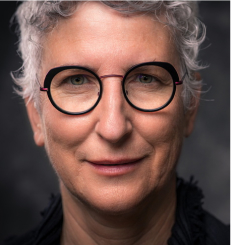
Mark Nepo is a poet and philosopher who has taught in the fields of poetry and spirituality for over 40 years. A New York Times #1 bestselling author, he has published 21 books and recorded 14 audio projects. Mark has been interviewed several times by Oprah Winfrey as part of her Super Soul Sunday TV show, and was interviewed by Robin Roberts on Good Morning America. As a cancer survivor, Mark devotes his writing and teaching to the journey of inner transformation and the life of relationship. His work has been translated into more than 20 languages. For more, see marknepo.com.

Author photo © Brian Bankston

Listen to Tami Simon's in-depth audio podcast interviews with Mark Nepo:
Holding Nothing Back »
Becoming the Poem »
Writing Is Listening with Your Heart and Taking Notes »

600 Podcasts and Counting…

Subscribe to Insights at the Edge to hear all of Tami’s interviews (transcripts available too!), featuring Eckhart Tolle, Caroline Myss, Tara Brach, Jack Kornfield, Adyashanti, and many more.

Meet Your Host: Tami Simon

Founded Sounds True in 1985 as a multimedia publishing house with a mission to disseminate spiritual wisdom. She hosts a popular weekly podcast called Insights at the Edge, where she has interviewed many of today's leading teachers. Tami lives with her wife, Julie M. Kramer, and their two spoodles, Rasberry and Bula, in Boulder, Colorado.

Photo © Jason Elias

Also By Author

Mark Nepo: Age Like a Meteor

What if aging isn’t about decline, but about becoming brighter—like a meteor that grows more luminous even as it falls through the atmosphere?

Tami Simon speaks with beloved poet-philosopher Mark Nepo about his deeply moving new book, The Fifth Season: Creativity in the Second Half of Life. Drawing from Chinese wisdom traditions and his own journey through chronic pain and back surgery, Mark illuminates aging as the “heavenly pivot” (love that phrase) which is the transformative shift from living outwardly to inhabiting life from the inside out.

Join Mark and Tami for this episode to explore:

  • The meteor metaphor: how we grow brighter as our outer casing flakes away • “Entering time” versus moving through it—and why slowing down opens the eternal moment • The paradox of limitation: how loss simultaneously deepens and expands us • Breaking through to joy as the depth of being that holds all the waves • Why the heart, not the mind, must lead in the second half of life • Living with chronic pain and learning to let beauty in while suffering • The difference between being victims of life versus initiates into life • How grief changes everything and why we don’t get over it, we get under it • Being swift of heart—living without hesitation from the inside out

Mark’s wisdom arises from decades of spiritual practice, surviving cancer, and facing the inevitable losses that come with a long life—essential listening for anyone navigating aging, chronic pain, loss, or simply seeking to live more fully present to the life they have.

Listen now to discover how the second half of life can be your most luminous yet.

This conversation offers genuine transmission—not just concepts about awakening, but the palpable presence of realized teachers exploring the growing edge of spiritual understanding together. Originally aired on Sounds True One.
Mark Nepo: The Half-Life of Angels

How do we know our own authenticity? How can we return to our hearts when we find we’ve left them? As we evolve and change along our journey, how do we relate to the “former selves” in our past? In this podcast, Tami Simon and poet-philosopher Mark Nepo address these questions and more, as they discuss his creative process; his new book, The Half-Life of Angels; and how we can each touch the ever-present and wholly miraculous “spark of becoming” waiting to guide our lives. 

Tune in as Tami and Mark talk about the introspective nature of the creative process; the metaphor of the soul as an inlet; congruency; how the heart shatters but inevitably heals; becoming a student to the mystery of life; the meaning of the word “admit,” and the practice of return; seeing through the lens of the miraculous; the intersection of meditation and creativity; the art of re-visioning; how a commitment to truthfulness grows in concentric circles; living from the deep versus diving and coming back up; the shift from being driven to being drawn; impermanence and perseverance; how the life of expression is one of discovery, relationship, and inquiry; why “there’s always a teacher next to you”; “becoming the poem”; and more.

Note: This episode originally aired on Sounds True One, where these special episodes of Insights at the Edge are available to watch live on video and with exclusive access to Q&As with our guests. Learn more at join.soundstrue.com.

Mark Nepo: Authentic Expression is Heart-Based

“All my work is about devotion to the messy, magnificent human journey”

—Mark Nepo

Every day, we learn. We take in more of the new. And yet, we can only respond to situations based on what we know already. We rely on the old.

Mark Nepo seems to be asking about the space between. What does it mean to grow and change with grace? What does it mean to have faith in that process? And what does this have to do with writing and expression?

We are constantly tasked to face the unknown using tools that may have only worked for us in the past (and that is freaking scary).

I believe that asking questions is elemental to human nature. But, it is impossible to truly know any of the answers.

For Mark, there is no one right way forward. There is no way out of fear. There is only a sensibility that can be adopted: that is, the willingness to listen. 

In other words, there are no objectives. There are no end products. The “answer” is in letting go of resistance to what we know, have, and are.

That way, the invisible can make itself known.

WITNESSING

“How do we talk about the things that matter that you really can’t see?”

—Mark Nepo

The ephemeral connection between ourselves and the world of essence exists within our hearts. With this practice—this practice of inner trust, perhaps even surrender—we can begin to gesture at expressing the unsayable.

What’s clear about Mark Nepo is that he is first and foremost a writer. However, his ideas can be applied to any form of expression.

To bear witness in writing, Mark advises giving full attention to whatever is in front of you, then describing it in as much detail as possible. It’s important not to make it seem magnificent or assign it “a bunch of meaning.”

Don’t evaluate it.

We are the observers and not yet the translators.

There is another part to it. Look inward. Feel what is moving through you at that moment. “Paint” that feeling with words. Don’t judge. Don’t bother with meaning. This disposition is inherently freeing. 

In this state (and I fall in and out of it even as I write this), reality moves up to our eyes like a mirror. We can look at it and hear it, be part of it.

THE INVISIBLE WORLD

“You can’t see light except for what it illuminates. All the forces that hold us and support us are invisible”

—Mark Nepo

We name things all the time. We have to. It keeps chaos at bay.

But, naming things tends to keep us separate from them. That is this and I am this and you are there and I am here.

In his Insights at the Edge episode with Tami, Mark mentions that we are accustomed to listening in this way.

We immediately assign names, places, spaces, reasons, meaning and significance to everything we see and feel. We judge and assume (partly because it is efficient; partly because we are so used to doing it).

This is in stark contrast to the “essence of wholehearted presence, however and whenever that appears.”

IMMERSION

“The truth is, I barely understand half of what comes through me. The other half leads me”

—Mark Nepo

Immersion is a different kind of listening.

Rather than naming, one engages in a mutual conversation with the world. Discovery and creation unite as the byproduct of participation in oneness.

For Mark, immersion is a way to stop resisting our naturalness and be… whatever it is we were meant to be, as humans.

When he talks about “the things that matter,” what he seems to mean is the invisible world, “that which holds us together.” In immersion, we have the chance to interact with the invisible source of our unity.

Like the fiery and untouchable sun from which our individual experiences emanate.

WHOLEHEARTEDNESS

“It’s a gift that we can’t reach what we’re trying to say or what we see, because of all that it gives us”

—Mark Nepo

In his interview, Mark says to Tami about art-making, “What matters more is our wholeheartedness than whether we do it well.”

Tami’s response struck me. “I notice, as you offer that answer, there’s a part of me that really softens.”

Creation can be a meeting place. Rather than prescribing, you meet something somewhere, and then you embrace whatever happens. You accept what is present—and in return, you are accepted just as you are.

Wholeheartedness: letting go of expectation for the sake of the unsayable.

SELF-EXPRESSION

“Just because I write it doesn’t mean that I have the meaning of it all”

—Mark Nepo

As a writing teacher, I often tell my students that if they’re stuck, they may not be empty of ideas. In fact, they may be too full.

Creating space for the heart allows the bubbles to rise up. Like attracts like. We see what we see.

“If you’re not quite there, go back to the heart of whatever the expression is about, and get closer, and get stiller, and put your defenses down, and get closer. … Go back and have a more open heart, and see what comes then.”

Sometimes, it’s unpleasant.

Sometimes, it’s utterly nonsensical.

Poetry, as one possible example of this art, has long emptied itself of pragmatic purpose and precise meaning for the sake of beauty and potentiality.

You may end up with something that you don’t understand for years. You may just take that thing out later and realize what you meant. Authentic expression is not a product. It’s a message from you to you, from the universe to the universe.

And it is always miraculous.

You Might Also Enjoy

Cody Cook-Parrott: Attention is a Creative Act

What are you paying attention to—and is it the life you actually want to be living?

This week, Tami Simon speaks with Cody Cook-Parrott—writer, artist, movement practitioner, and author of the new Sounds True book The Practice of Attention: Cultivating Presence in a Distracted World—about what it takes to reclaim focus in an age engineered to steal it.

Cody’s path to this book wasn’t theoretical. It began with their own Instagram addiction, a recovery from alcohol, and the growing realization that fractured attention isn’t just an inconvenience—it’s a creative crisis. What emerged is a deeply personal and practical guide to getting back to yourself.

Join Tami and Cody to explore:

  • The attention audit: a simple, powerful practice for noticing where your time and energy actually go
  • Why social media addiction and alcohol addiction can mirror each other—and what “zero” looks like as a choice
  • Structure with softness: building devotional creative habits that flex without breaking
  • Agency over urgency—and why that principle is especially vital for neurodivergent and queer creators
  • The emotional car: how to bring difficult inner parts along for the ride without letting them take the wheel
  • Consistency over intensity: why a 25-minute Pomodoro session beats an eight-hour grind
  • What’s really driving the urge to distract—and how asking “what am I avoiding?” changes everything
  • Why attention, taken to its highest degree, is the same thing as prayer

Whether you’re a creative trying to protect your focus or someone who’s quietly wondered what you’d make if you could actually sit with yourself, Cody offers both the tools and the permission to begin.

This conversation offers genuine transmission—not just concepts about awakening, but the palpable presence of realized teachers exploring the growing edge of spiritual understanding together. Originally aired on Sounds True One.

Brené Brown on Vulnerability: Why It’s Your Gre...

Vulnerability is often misunderstood. Many of us were taught to associate it with weakness, as if showing emotion or uncertainty somehow discredits our strength. But the truth is, some of our most meaningful human experiences, love, trust, connection, and creativity can’t exist without it. Vulnerability isn’t a flaw to fix. It’s the starting place for everything that gives life depth.

At Sounds True, we’ve spent decades creating teachings that support emotional wellness, spiritual depth, and authentic living. Our programs are rooted in the belief that transformation happens when we meet life as it is, with honesty and heart. We’re proud to collaborate with voices like Brené Brown, whose work opens the door to wholehearted conversations about what it means to be human.

In this piece, we’ll discuss Brené Brown’s insights into vulnerability, why it’s not only necessary but also one of the greatest strengths we can bring to our lives and relationships.

Key Takeaways:

  • Vulnerability Is Courage: Choosing vulnerability means facing emotional risk, not weakness. It is the foundation of authentic strength.
  • Connection Needs Openness: True connection requires emotional honesty, not perfection or control. Vulnerability builds trust and belonging.
  • Daily Practice Matters: Small, intentional acts of honesty and self-compassion help make vulnerability a sustainable part of everyday life.

Discover The Power Of Daily Meditation

What Brené Brown Teaches Us About Vulnerability

For many of us, vulnerability feels like exposure to something to avoid, something unsafe. But Brené Brown offers a different lens. Through her research and teaching, she reveals that vulnerability is the birthplace of courage, creativity, belonging, and love. It’s not a flaw to be hidden. It’s the very fabric of human connection.

Rather than defining vulnerability as weakness, Brené invites us to see it as uncertainty, risk, and emotional openness. These aren’t liabilities. They are the core of what it means to show up fully in our lives. Whether it’s sharing a hard truth, asking for help, or allowing ourselves to be truly seen, she reminds us that vulnerability is the measure of real courage.

In her programs with Sounds True, including The Power of Vulnerability, Brené breaks down years of research into stories and insights that are as relatable as they are transformative. What emerges is a message that stays with you: vulnerability isn’t something we need to fix. It’s something we can honor.

Why Vulnerability Is A Sign of Strength, Not Weakness

Vulnerability often carries a false reputation. We’re taught to hide it, control it, or overcome it, but Brené Brown reminds us that the willingness to be vulnerable is not a weakness to correct, but a strength to live by. Here’s why it holds such power:

It Takes Strength To Show Up Without Certainty

There’s nothing easy about stepping into the unknown. Whether we’re starting something new, speaking our truth, or navigating conflict, we rarely have a guaranteed outcome. Choosing to show up anyway, that’s strength.

Authenticity Is Braver Than Perfectionism

Pretending to have it all together is a defense. Authenticity is a decision. It’s vulnerable to say “this is who I really am,” and that act of truth-telling builds resilience, not fragility.

Emotional Openness Builds Inner Resilience

Brené teaches that emotional exposure isn’t the opposite of strength. It’s the training ground for it. Each time we allow ourselves to feel, to share, or to ask for support, we build a deeper kind of courage.

Letting Go Of The Armor Creates Deeper Connection

When we drop the need to appear invulnerable, we invite others to do the same. This is where true connection begins. Vulnerability becomes the bridge, not just to others, but to ourselves.

The Courage To Be Vulnerable In Everyday Life

Vulnerability isn’t reserved for big life events or dramatic turning points. It lives in the everyday, in the small, honest moments where we choose to be real instead of safe. Brené Brown reminds us that courage doesn’t always roar. Sometimes, it simply sounds like telling the truth, setting a boundary, or asking for help. Here’s how it shows up in daily life:

Speaking Honestly, Even When It’s Uncomfortable

Whether it’s a difficult conversation with a partner or sharing feedback at work, honesty often comes with risk. Vulnerability means saying what’s true, even when it might not land perfectly. Trust that honesty creates space for growth.

Letting Others See The Real You

We all carry parts of ourselves we’d rather keep hidden. Choosing to share your true feelings, stories, or struggles takes courage. It opens the door to deeper connection and trust.

Asking For Support Without Shame

One of the most human things we can do is need each other. Still, many of us hesitate to ask for help, fearing judgment or rejection. Brené’s work encourages us to see asking not as weakness, but as brave, wholehearted living.

Saying No To What Doesn’t Feel Right

Boundaries are an act of vulnerability, too. They require clarity, honesty, and a willingness to disappoint others in order to stay aligned with ourselves. It’s not always easy. But it is courageous.

How Embracing Vulnerability Deepens Connection

At the heart of every meaningful relationship is one simple truth: connection requires openness. When we allow ourselves to be seen, truly seen, we create the conditions for intimacy, trust, and belonging. Brené Brown’s research points to vulnerability as the key ingredient in relationships that feel real, grounded, and lasting. Here’s why:

  • We Build Trust by Letting Others In: Trust isn’t built through perfection. It’s built in moments of mutual openness. When we’re honest about our fears, hopes, or boundaries, we give others permission to meet us with the same level of care and honesty.
  • Vulnerability Makes Empathy Possible: When someone shares a raw, human moment with us, we don’t respond with solutions. We respond with presence. That space for empathy can only exist when we stop hiding behind a polished version of ourselves.
  • Belonging Grows Where Masks Come Off:True belonging isn’t about fitting in. It’s about being accepted as you are. And that can only happen when we’re willing to show who we really are. Vulnerability invites that kind of acceptance.
  • Relationships Thrive on Emotional Honesty: Whether it’s with a partner, friend, colleague, or family member, emotional honesty strengthens the fabric of connection. It helps us repair misunderstandings, express needs clearly, and stay grounded in compassion.

Learn To Treat Yourself With The Care You Offer Others

The Role Of Self-Compassion In Vulnerability

Being vulnerable with others begins with how we relate to ourselves. Without self-compassion, vulnerability can feel unbearable. Like opening a door without any sense of safety on the other side. Brené Brown often highlights that we cannot offer ourselves to the world authentically if we’re busy beating ourselves up inside. Here’s how self-compassion supports the courage to be vulnerable:

Self-Kindness Softens The Fear Of Judgment

When we’re harsh with ourselves, we naturally fear that others will be, too. Practicing self-kindness allows us to face vulnerability without bracing for shame or criticism. It builds the internal safety to take emotional risks.

Awareness Without Harshness Builds Resilience

Self-compassion isn’t about ignoring our flaws. It’s about seeing ourselves clearly, but with warmth. This kind of mindful awareness strengthens us from the inside and helps us stay open even when things feel shaky.

Letting Go Of Perfectionism Starts With Self-Acceptance

We often armor up with perfectionism to avoid being seen as “not enough.” But the more we accept ourselves as we are, the less we need that armor. Self-compassion clears the way for more honest, human moments.

Our Inner Dialogue Shapes Our Outer Courage

What we say to ourselves matters. When our internal voice is critical, we shrink. When it’s gentle, we grow. Brené speaks to this often in The Power of Self-Compassion, inviting us to cultivate a relationship with ourselves that supports our vulnerability.

Bringing Vulnerability Into Your Own Practice

Vulnerability isn’t a one-time act. It’s a daily choice to live with openness, even when it’s uncomfortable. It shows up differently for everyone, but the practice begins the same way: with intention. Brené Brown encourages us to turn toward our lives with more presence, honesty, and willingness to be seen. Here are a few ways that might look:

  • Start by Noticing Where You Hold Back: Awareness is the first step. Pay attention to the places where you avoid speaking up, asking for help, or showing emotion. Those quiet pullbacks often signal moments when vulnerability seeks a voice.
  • Practice Small Acts of Emotional Honesty: You don’t have to make sweeping changes. Try sharing how you’re feeling with someone you trust, or saying no to something that doesn’t align with you. These small, everyday choices build your capacity for wholehearted living.
  • Let Vulnerability Be Part of Your Spiritual Life: In Rising Strong as a Spiritual Practice, Brené explores how spiritual growth and emotional honesty go hand in hand. Your inner work deepens when you stop trying to appear invulnerable and start showing up as you are.
  • Remember That Vulnerability Is a Process: This is a practice, not a performance. Some days you’ll feel brave. Other days, you might want to retreat. That’s okay. Keep coming back to the intention to live more openly, gently, and honestly.

Learn More Through Brené’s Courses

Brené Brown’s teachings offer more than insights. They offer tools for living. If you’re ready to explore vulnerability not just as an idea but as a lived experience, her digital courses with Sounds True are a meaningful place to begin. Each program is rooted in research and delivered with the honesty and heart that make her work so resonant.

In The Power of Vulnerability, you’ll hear six sessions of Brené’s most essential teachings, filled with stories and guidance that bring the research to life.

Courage and Vulnerability invites you to walk the path of openness with greater clarity and compassion, an experiential course that supports real change.

If you’re working on how you treat yourself while you open up to others, The Power of Self-Compassion can be a gentle but transformative companion.

And for those who want to go deeper spiritually, Rising Strong as a Spiritual Practice offers a grounded way to explore healing, courage, and emotional honesty from within.

Each course is an invitation. Not to be perfect, but to be present.

Insight Is The First Step Toward Transformation

Final Thoughts

Vulnerability isn’t about spilling everything or being unguarded with everyone. It’s about choosing to show up honestly, on purpose, and with heart. As Brené Brown reminds us, vulnerability is where our courage lives. It’s not the easy way. But it’s the real one.

Living this way doesn’t mean we won’t get hurt. It means we’re willing to be alive, to love, to try, and to keep going. And in that willingness, there is strength. Not loud or flashy, but steady, grounded, and deeply human.

At Sounds True, we hold space for that kind of living. Not perfect. But present. Not polished. But wholehearted.

Frequently Asked Questions About Brené Brown Vulnerability

What does Brené Brown say is the biggest myth about vulnerability?

She identifies the biggest myth as the idea that vulnerability equals weakness. Instead, she emphasizes that vulnerability is the most accurate measure of courage.

Is vulnerability always appropriate in every situation?

Brené notes that vulnerability involves boundaries. It’s not about oversharing or being emotionally unfiltered with everyone, but about being open with people who’ve earned your trust.

How does Brené Brown define vulnerability?

She defines it as uncertainty, risk, and emotional exposure, the willingness to show up and be seen even when there are no guarantees.

Does Brené Brown connect vulnerability with leadership?

Yes. She teaches that courageous leadership requires vulnerability. Leaders who embrace emotional honesty create environments where innovation and trust thrive.

What role does shame play in preventing vulnerability?

According to Brené, shame is a major barrier. It tells us we’re not worthy of connection, which keeps us silent and hidden. Naming and understanding shame helps us move through it.

Can vulnerability be practiced without talking about emotions?

Not really. Vulnerability often involves acknowledging emotions, even if they’re not discussed in detail. Emotional awareness is a part of wholehearted living.

How does vulnerability relate to creativity and innovation?

Brené explains that without vulnerability, there is no creativity. Trying something new always carries risk, and vulnerability is what allows us to take those creative leaps.

What practices help build vulnerability over time?

She recommends daily self-reflection, self-compassion, and building trust in small ways. These help develop the muscle to stay open over time.

Is vulnerability the same as transparency?

Not exactly. Transparency is sharing information. Vulnerability is about emotional risk. You can be transparent without being vulnerable, and vice versa.

Why does Brené Brown say vulnerability is essential to connection?

Because connection requires authenticity. Without vulnerability, relationships stay on the surface. Real connection happens when we let people see who we truly are.

Michelle Cassandra Johnson is an author, activist, spiritual teacher, racial equity consultant, and intuitive healer. She is the author of six books, including Skill in Action and Finding Refuge. Amy Burtaine is a leadership coach and racial equity trainer. With Robin DiAngelo, she is the coauthor of The Facilitator's Guide for White Affinity Groups. For more, visit https://www.michellecjohnson.com/wisdom-of-the-hive.

Anne Lamott & Neil Allen: Write Toward the Really...

What if the secret to better writing isn’t more technique—but more truth?

This week, Tami Simon speaks with Anne Lamott—beloved author of Bird by Bird, Traveling Mercies, and more than twenty books—and her husband Neal Allen, writer and spiritual coach, about their new collaborative book, Good Writing: 36 Ways to Improve Your Sentences. Together, they unpack the craft of writing as both a technical discipline and a deeply human practice.

Join Tami, Anne, and Neal to explore:

  • The three-draft process: from the “child’s draft” to the “dental draft”—and where the real work of writing begins
  • How to find your natural writing voice and stop trying to sing someone else’s song
  • Writing as melody, rhythm, and harmony—and what the Beatles can teach us about our own creative strengths
  • Why the rules of good writing are really about respect: for the reader, for truth, and for your own story
  • The power of writing “toward the really real”—and why plain-spoken, heart-centered writing connects more deeply than literary pyrotechnics
  • Rule 33: writing the hard stuff—life, death, mystery, and the things that are difficult to say but essential to try
  • Why writing is collaborative, not solitary—and how talented editors and trusted readers can save your work (and your skin)

Whether you’re a lifelong writer or someone who has always wanted to tell your story, Anne and Neal offer practical tools and generous encouragement to help you get your words on the page—and make them matter.

Listen now and start writing toward the really (really) real.

This conversation offers genuine transmission—not just concepts about awakening, but the palpable presence of realized teachers exploring the growing edge of spiritual understanding together. Originally aired on Sounds True One.

>
Share via
Copy link
Powered by Social Snap