Neurosculpting

    —
March 4, 2014

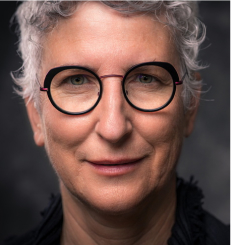
Founder of the Neurosculpting® Institute Lisa Wimberger speaks with Tami Simon about how people can change their ingrained beliefs and conditioned behaviors using her revolutionary method. Neurosculpting takes a whole-brained approach to changing the way we deal with stress. Lisa relates how to “set up our brains for change” by calming our fight, flight, and freeze response, and guides us through a Neurosculpting session so we can see how we might respond in a new way to a stressful situation. (66 minutes)

Photo of ()\

Lisa Wimberger is the founder of the Neurosculpting Institute and author of New Beliefs, New Brain. A member of the National Center for Crisis Management and other care associations, she has a private practice in Denver, CO, specializing in helping clients with stress disorders. For more, visit neurosculptinginstitute.com.

600 Podcasts and Counting…

Subscribe to Insights at the Edge to hear all of Tami’s interviews (transcripts available too!), featuring Eckhart Tolle, Caroline Myss, Tara Brach, Jack Kornfield, Adyashanti, and many more.

Meet Your Host: Tami Simon

Founded Sounds True in 1985 as a multimedia publishing house with a mission to disseminate spiritual wisdom. She hosts a popular weekly podcast called Insights at the Edge, where she has interviewed many of today's leading teachers. Tami lives with her wife, Julie M. Kramer, and their two spoodles, Rasberry and Bula, in Boulder, Colorado.

Photo © Jason Elias

Also By Author

5 Neurosculpting Practices for Lasting Brain Change

Incorporating these five best neuroplasticity practices can open the doors to a more graceful, resilient, and lasting experience of change.

Neurosculpting

Founder of the Neurosculpting® Institute Lisa Wimberger speaks with Tami Simon about how people can change their ingrained beliefs and conditioned behaviors using her revolutionary method. Neurosculpting takes a whole-brained approach to changing the way we deal with stress. Lisa relates how to “set up our brains for change” by calming our fight, flight, and freeze response, and guides us through a Neurosculpting session so we can see how we might respond in a new way to a stressful situation. (66 minutes)

You Might Also Enjoy

What Is Brainspotting? David Grand on Using Eye Positi...

What happens when healing needs to go deeper than words can reach? For many people, the most profound emotional experiences resist easy articulation. Brainspotting is a therapeutic approach developed by David Grand that uses specific eye positions to access what the brain and body hold onto, even when language falls short.

At Sounds True, we’ve spent more than 40 years sharing trusted teachings from therapists, authors, and spiritual teachers whose work nurtures healing, personal growth, and lasting transformation. From online courses and in-depth programs to podcasts and digital resources, we bring the voices that matter most directly to you.

We cover what brainspotting is, how David Grand developed the approach, the role of eye position in trauma therapy, and how brainspotting compares with EMDR.

Key Takeaways:

  • Healing Beyond Words: Brainspotting uses specific eye positions to access unresolved trauma and emotional experiences stored in the brain and body, creating a path forward that doesn’t require verbal storytelling alone.
  • David Grand’s Path to Healing: David Grand developed brainspotting after observing that a client’s eye position reflected deeper emotional processing during trauma treatment, giving rise to an approach built around the brain’s natural capacity to heal.
  • EMDR vs. Brainspotting: While both approaches help people process trauma, brainspotting and EMDR differ in structure and session style. The right fit depends on your history, goals, and therapeutic relationship.

Discover the Power of Daily Meditation and Inner Stillness

What Is Brainspotting?

Brainspotting is designed to help people access and process unresolved trauma through focused attention on specific eye positions. The method rests on the idea that where a person looks can correspond to where difficult experiences are stored in the brain and body. Staying with a brainspot while remaining aware of physical sensations and emotions, people can work through material that language alone might not reach.

Since David Grand developed this approach, brainspotting therapy has been applied broadly, with athletes, artists, business leaders, and survivors of large-scale events, among others. Grand also offers an online course through Sounds True that walks through the core principles behind brainspotting therapy, available to those who want to learn directly from the source.

His insights align with the conversations we host on the Insights at the Edge Podcast, where therapists, teachers, and practitioners share what healing really looks like from the inside out.

David Grand and the Development of Brainspotting Therapy

Brainspotting therapy came out of a significant clinical observation. During trauma treatment, David Grand noticed that a client’s eye position seemed to shift when deeper emotional material surfaced. That moment became the foundation for a method built around the brain’s own capacity to process and release what it has long held in place.

Since its introduction, brainspotting therapy has been used by clinicians around the world to help people facing trauma, anxiety, grief, chronic stress, and performance-related challenges. Grand’s work continues to shape the field by drawing attention to the connection between the brain, the body, and emotional healing.

Sounds True is home to teachers like David Grand alongside hundreds of other practitioners, healers, and visionaries whose work spans a wide range of healing traditions. Those who want to trace that full breadth can visit our All Teachers & Authors collection, where every teacher’s body of work is gathered in one place.

Trauma Therapy Eye Position and the Brain-Body Connection

Trauma therapy eye position describes the relationship between where someone directs their gaze and what emotional or physical experiences become accessible as a result. During a session, a therapist guides the client to a specific visual point and invites them to notice what arises in the body as they hold that focus. Sensations, emotions, and memories can surface as the nervous system begins to process material it has held in place for years.

The body carries what the mind sometimes can’t articulate. A shift in eye position can open access to experiences held below conscious awareness, gently creating conditions for the nervous system to complete what was once interrupted. Healing, in this way, becomes a process the whole person takes part in, not just the thinking mind.

The teachers and practitioners gathered in our Health & Healing collection share this same orientation: that real healing often begins when we learn to listen to what the body already knows.

How the Brainspotting Technique Uses Eye Position to Access Trauma

The brainspotting technique begins with identifying an eye position linked to an emotional or physical response. From there, the therapist invites the client to rest their attention on that visual point while remaining aware of what arises in the body. The process creates space for the nervous system to do what it naturally knows how to do, without demanding that memories surface on command.

A concrete example might be this: someone working through anxiety tied to an experience might start by calling that experience to mind. As the therapist slowly moves a pointer across their field of vision, the client notices a position where a physical sensation intensifies, perhaps tightness in the chest or a change in breath. That’s the brainspot. The session then focuses there while the client tracks what unfolds internally, allowing the nervous system to process what it has previously stored.

Awaken Your Inner Healing Power: Your Wellness Journey Starts Now

EMDR vs Brainspotting: Understanding the Key Differences

EMDR follows a standardized eight-phase protocol and uses bilateral stimulation, typically through guided eye movements, sounds, or tapping, to help the brain reprocess traumatic memories. Brainspotting focuses on identifying one significant eye position and following the client’s internal experience from there. Sessions tend to be more open-ended, allowing the individual’s nervous system to lead.

Neither method is universally better than the other. A qualified therapist can help determine which fits a person’s history, goals, and comfort level. Many clinicians receive training in both and draw on each as the situation calls for it.

Those who want to go deeper into trauma healing and related practices can find immersive learning through our In-Depth Programs, where experienced practitioners bring both clinical knowledge and heart to each course.

Discover how your mind really works

Final Thoughts

Brainspotting offers a distinctive perspective on trauma healing, one that trusts the body’s capacity to know where attention is needed. Working with eye position rather than narration alone, this approach creates conditions for healing to happen at the body’s own pace.

As David Grand has shown through decades of clinical work, healing is often less about forcing change and more about creating the conditions for it to unfold. That belief is at the heart of what we do at Sounds True. We share the work of practitioners and teachers who honor the full range of human experience, including the places where language falls short, and the body quietly holds the way forward.

Frequently Asked Questions About Brainspotting

Is brainspotting backed by research?

Brainspotting is supported by a growing body of clinical research and case studies. While research continues to evolve, many mental health professionals use it as part of trauma-informed care for emotional and psychological concerns.

Who can benefit from brainspotting?

Brainspotting may benefit adults and adolescents experiencing trauma, anxiety, grief, stress, or performance-related challenges. A qualified mental health professional can determine whether it is an appropriate approach for an individual’s needs.

Do I have to talk about my trauma during brainspotting?

Not necessarily. While some people choose to discuss their experiences, brainspotting can also focus on physical sensations and emotions, allowing processing without requiring detailed verbal storytelling.

Can brainspotting be combined with other therapies?

Yes. Many therapists integrate brainspotting with other evidence-based approaches, such as cognitive behavioral therapy, mindfulness practices, or somatic therapies, to create a personalized treatment plan.

Is brainspotting only used for trauma?

No. Although it is widely recognized for trauma treatment, brainspotting is also used to support people dealing with anxiety, creative blocks, chronic stress, and performance enhancement in sports, music, and public speaking.

What should I expect after a brainspotting session?

Some people feel calm or relieved after a session, while others may continue processing emotions or physical sensations for a short time. Therapists often recommend rest, hydration, and self-reflection between sessions.

Is brainspotting suitable for everyone?

Brainspotting may not be the best fit for every individual or situation. A licensed therapist can evaluate your mental health history and recommend the most appropriate treatment approach.

Michelle Cassandra Johnson is an author, activist, spiritual teacher, racial equity consultant, and intuitive healer. She is the author of six books, including Skill in Action and Finding Refuge. Amy Burtaine is a leadership coach and racial equity trainer. With Robin DiAngelo, she is the coauthor of The Facilitator's Guide for White Affinity Groups. For more, visit https://www.michellecjohnson.com/wisdom-of-the-hive.

Why Willpower Fails and What the Brain Actually Needs ...

Most of us know the feeling: you set a goal, feel committed, make progress for a week or two, and then find yourself back at square one. And almost immediately, the inner critic arrives. You start wondering what is wrong with you, why you cannot seem to follow through, why change feels so hard when you want it so deeply.

At Sounds True, we have spent four decades sharing teachings from leading voices in neuroscience, mindfulness, psychology, and personal growth. Through our courses, audio programs, and conversations with teachers who have devoted their lives to this work, we help people better understand the inner processes that guide lasting change.

Below, we look at why willpower has limits, what the neuroscience of change reveals about the brain, and how habit formation and neuroplasticity can support sustainable behavior change.

Key Takeaways:

  • Your Brain Craves the Familiar: The brain conserves energy by defaulting to established patterns, which is why new behaviors can feel harder to sustain than old ones.
  • Repetition Rewires the Brain: Every time you practice a new behavior, you strengthen the neural pathways that gradually make it more automatic over time.
  • Small Steps Create Real Change: Sustainable transformation grows from consistent, supported practice, not from sheer force of will. 

Awaken Your Inner Healing Power: Your Wellness Journey Starts Now

Why Willpower Fails Despite Good Intentions

Willpower can help us decide in the moment, but the willpower habit formation brain connection is more layered than it first appears. The brain naturally seeks efficiency. Rather than rethinking every action from scratch, it relies on established routines to conserve energy and reduce the need for constant decision-making.

When we try to force change through effort alone, we are often working against neural pathways that have been reinforced through years of repetition. This is why motivation can feel electric one day and completely absent the next. The challenge is rarely a lack of commitment; more often than not, the brain is simply following familiar patterns that have become automatic. Shifting from self-criticism to a more compassionate, brain-aware approach is where real progress begins.

The Neuroscience of Change: What the Brain Actually Needs

The neuroscience of change shows that the brain is always adapting. Every thought we have, every action we take, and every emotional response we move through contributes to neural activity that can grow stronger or fade. 

Change becomes possible when we create consistent experiences that reinforce new patterns. Rather than relying on motivation alone, the brain benefits from three core conditions:

  • Repetition: New behaviors become more automatic the more they are practiced. Learning to drive is a useful example: it demanded full concentration at first, requiring deliberate focus through every turn and decision, and then gradually became second nature as the brain shifted it from effortful to automatic.
  • Awareness: Noticing our automatic reactions creates a moment of genuine choice. Teachers like Robert Augustus Masters have long explored how honest self-awareness, including the willingness to sit with discomfort and shadow, opens us to real growth. At Sounds True, their teachings and many others serve as a portal to presence, offering tools for the kind of inner work that lasting transformation requires.
  • Supportive environments: The spaces we inhabit and the people around us quietly shape our behavior. Reducing friction in our environment lowers the effort required to practice something new, making consistency far more sustainable.

Many of the conversations on the Insights at the Edge Podcast return to this theme: lasting transformation begins when we stop trying to override our inner world and start getting curious about it.

Habit Formation, Brain Research, and Why Habits Stick

Research on habit formation brain processes shows that habits are built through repetition. As a behavior is practiced consistently, the brain gradually shifts it from conscious effort to automatic response. Typing is a clear example of this: what once required careful attention to every keystroke eventually becomes a fluid, nearly effortless process. That same neurological shift is at work any time a new habit takes hold.

Once a behavior becomes familiar, the brain performs it with far less energy and attention. Old habits persist for this very reason, and new ones can develop the same way. Small, consistent actions repeated gradually begin to feel like a natural part of daily life.

Our in-Depth programs are built around this reality, offering structured teachings that bridge the gap between knowing and practicing and give the brain the kind of guided, repeated exposure that fosters lasting change.

Uncover Hw Your Mind Really Works With Sounds True

Neuroplasticity Habits and the Process of Rewiring Behavior

Neuroplasticity refers to the brain’s lifelong ability to reorganize itself. This capacity allows us to learn new skills, develop healthier patterns, and respond differently to situations that once triggered automatic reactions. 

Research has shown that consistent meditation practice can physically change the brain’s structure by strengthening areas linked to attention, emotional regulation, and self-awareness. This is evidence that the inner work we do has real, measurable effects on who we become.

When it comes to neuroplasticity habits, what matters most is repeated experience. Every time we practice a new response, we strengthen the neural pathways associated with that behavior, and the older, automatic pathway gradually becomes less dominant.

Meditation and mindful awareness reinforce this process by creating space to notice our reactions before acting on them. Our Meditation & Mindfulness collection offers guidance for building this kind of presence, drawing on teachers who understand what sustained inner practice needs.

How to Change Behavior Through Behavior Change Science

When we look at how to change behavior, behavior change science points toward one consistent insight: work with the brain, not against it. Sustainable change tends to grow from small adjustments practiced consistently, supported by motivation that connects to something we value. A few approaches that align with how the brain learns:

  • Reduce friction: The easier a new behavior is to begin, the more likely the brain is to repeat it. Pairing a new habit with something already in your routine, like a short breathing practice before your morning coffee, lowers the activation energy required and makes consistency far more sustainable.
  • Practice awareness: Noticing the triggers that lead to automatic behavior creates room to choose a different response. This means becoming more conscious of which habits serve your growth, including the willingness to sit with reactivity and discomfort rather than avoid it, because that kind of honest attention is often where the deepest change begins.
  • Celebrate small wins: The brain responds to positive reinforcement. Acknowledging incremental progress, even quietly and privately, reinforces new patterns and signals that the behavior is worth repeating.

With time, these approaches become integrated into the brain’s existing networks. Growth begins to feel less like an uphill effort and more like a natural expression of who you are becoming. Our Health & Healing collection offers resources that nurture this kind of whole-person well-being, drawing on teachings across neuroscience, somatic practices, and spiritual wisdom.

Discover the Power of Daily Meditation and Inner Stillness

Final Thoughts

Lasting change is rarely the result of stronger willpower alone. The neuroscience of change shows that transformation happens when we work with the brain’s natural capacity to learn, adapt, and form new patterns. By understanding habit formation, embracing neuroplasticity, and applying insights from behavior change science, we can create sustainable shifts that support growth. 

Frequently Asked Questions About Why Willpower Fails and What the Brain Needs to Change

What is the difference between willpower and self-regulation?

Willpower is the ability to resist immediate impulses, while self-regulation involves managing thoughts, emotions, and actions. Self-regulation relies on a broader set of skills and strategies than willpower alone. 

Can stress affect the brain’s ability to change?

Yes. Chronic stress can make it harder for the brain to form new patterns because it shifts attention toward immediate survival needs rather than long-term growth and learning.

How long does it take for the brain to adapt to a new behavior?

There is no universal timeline. The process varies depending on the complexity of the behavior, the frequency of practice, and individual circumstances.

Does age limit the brain’s ability to change?

No. Although learning may occur differently across stages of life, the brain remains capable of adapting and creating new neural connections throughout adulthood.

Why do old habits sometimes return after making progress?

Old neural pathways do not disappear completely. During periods of stress, fatigue, or major life changes, the brain may default to familiar patterns that previously felt rewarding or safe.

Can mindfulness improve behavior change efforts?

Mindfulness can increase awareness of thoughts, emotions, and automatic reactions. This awareness creates space to make intentional choices instead of acting on habit alone.

What role do emotions play in behavior change?

Emotions influence attention, motivation, and memory. Behaviors connected to meaningful emotional experiences are often easier for the brain to remember and repeat.

How does sleep influence the neuroscience of change?

Sleep supports learning, memory consolidation, and brain recovery. Consistent sleep can strengthen the brain’s ability to retain new information and reinforce behavioral changes.

Michelle Cassandra Johnson is an author, activist, spiritual teacher, racial equity consultant, and intuitive healer. She is the author of six books, including Skill in Action and Finding Refuge. Amy Burtaine is a leadership coach and racial equity trainer. With Robin DiAngelo, she is the coauthor of The Facilitator's Guide for White Affinity Groups. For more, visit https://www.michellecjohnson.com/wisdom-of-the-hive.

Sharon Salzberg on Real Happiness: The Myth of Permane...

Happiness is often seen as a destination, but Sharon Salzberg reminds us that it is a practice we cultivate each day. Rather than seeking a life free from challenges, she encourages us to meet every experience with mindfulness, compassion, and an open heart. Her teachings offer a practical path toward greater peace and emotional resilience.

At Sounds True, we have been sharing the wisdom of trusted spiritual teachers for more than four decades, making transformational teachings accessible through audio recordings, digital courses, and programs that nurture personal growth and mindful living. 

In this piece, we’ll discuss Sharon Salzberg’s perspective on real happiness, the myth of permanent happiness, and how loving kindness meditation and metta meditation can help cultivate lasting well-being.

Key Takeaways:

  • Happiness Is a Daily Practice: Sharon Salzberg describes real happiness not as a fixed emotional state but as a living practice grown through awareness, presence, and an open heart.
  • Metta Opens Your Heart: Loving-kindness meditation and metta meditation build a foundation for compassion, soften self-judgment, and deepen your connection with those around you.
  • Consistency Builds Resilience: A regular loving kindness practice, even just a few quiet minutes each day, can reshape how you move through difficulty and strengthen the relationships that matter most.

Awaken Your Inner Healing Power: Your Wellness Journey Starts Now

Sharon Salzberg on Real Happiness and the Myth of Permanent Happiness

Sharon Salzberg has been a student of Buddhism since 1971 and began leading meditation retreats worldwide in 1974. Drawing on more than twenty-five years of deep study with Burmese, Indian, and Tibetan teachers, her work centers on two foundational traditions: vipassana, also known as insight meditation, and the cultivation of lovingkindness and compassion, called the Brahma Viharas. 

As one of the most respected insight meditation teachers, she brings ancient wisdom into language that is warm, accessible, and deeply practical for the rhythms of modern life.

The Foundations of Insight Meditation

Insight meditation is a practice rooted in direct observation of experience. Instead of trying to control or silence the mind, practitioners learn to witness thoughts, sensations, and emotions with steady, non-reactive awareness. That quality of clear seeing allows us to recognize that all experience, including the uncomfortable kind, is impermanent. 

Sharon Salzberg says that expecting permanent happiness often creates unnecessary suffering. Joy and sorrow naturally come and go, and trying to hold onto pleasant experiences only leads to frustration. Rather than measuring life by how often we feel happy, she encourages developing the inner stability to face every experience with openness and care.

Real happiness, in Sharon’s view, grows from acceptance rather than control. As we grow more aware of our thoughts and emotions, we come to see that difficult moments do not define us. Sharon’s teachings on this topic are part of an ongoing conversation we host through the Insights at the Edge Podcast, where leading spiritual teachers share practical wisdom for navigating everyday life with greater awareness and heart.

Loving Kindness Meditation and the Path to Inner Peace

One of Sharon’s most influential teachings is loving kindness meditation. This practice invites us to cultivate goodwill toward ourselves before extending that same warmth outward to others. Rather than forcing positive emotions, loving kindness meditation strengthens our capacity to respond with patience and compassion, even when life makes that difficult.

Sharon’s Loving-kindness program gets at something essential about why this practice matters. Metta meditation is a way to dissolve the mental barriers that quietly separate us from the people around us, and from ourselves. Through consistent practice, we can release feelings of isolation and awaken real compassion. We free ourselves from cycles of needless suffering while learning to trust the loving, wise heart that lives within each of us. 

Loving kindness meditation also helps soften self-criticism while opening the door to more connected, authentic relationships. The shift may be gradual, but it is real and lasting.

Discover the Power of Daily Meditation and Inner Stillness

How Metta Meditation Supports Compassion and Connection

Metta meditation is a structured practice of silently repeating phrases of well-being directed first toward yourself, then extending outward to a close friend, a neutral person, someone with whom you feel friction, and eventually to all beings. The phrases themselves are simple, something like “May you be safe. May you be at peace.” 

Sharon explains that these intentions may seem small at first, yet they reshape how we respond to ourselves and those around us. Rather than waiting for compassion to arise naturally, metta meditation gives us a way to practice it every day. With patience, kindness becomes less of an idea and more of a natural response to life’s changing circumstances.

To see how this works in real life, consider someone navigating tension with a family member after a disagreement. Compassion can feel out of reach in the middle of that kind of friction. A metta practice offers a place to begin, not by pretending the conflict does not exist, but by silently extending well-being first to yourself, acknowledging your own hurt, and then, when ready, to the other person. 

Resources in our Meditation & Mindfulness collection bring together teachings from Sharon and other respected guides, exploring both the depth and the daily application of these traditions to help you build a sustainable practice.

Building a Loving Kindness Practice for Everyday Life

A loving kindness practice does not require long formal sessions. Even a few quiet moments offering kind wishes can create real shifts in daily life. Sharon encourages beginning where we are, knowing consistency matters far more than perfection:

  • Start With Yourself Each Morning. Kindness toward yourself is often the most challenging part of a metta practice. Sharon teaches self-compassion is the ground from which all other compassion grows. Try sitting quietly for five minutes, silently offering words of care: “May I be at peace. May I be well.”
  • Extend Kindness Into Your Relationships. Once the practice becomes familiar, extending it outward grows more natural. A few silent phrases during a commute or before a difficult conversation can shift the texture of an ordinary moment. Compassion is not demanded on a timeline. The practice simply sets the conditions for it to arise.
  • Build Consistency With Short, Daily Sessions. Five to ten minutes of metta practice each morning, paired with brief moments of conscious kindness throughout the day, creates more lasting change than occasional longer sessions. 

Those looking to develop greater gentleness and emotional balance alongside their meditation journey will find resources in our Self-Compassion collection, which brings together teachings from some of the most respected voices in this space.

Discover how your mind really works

Final Thoughts

As Sharon Salzberg shares, real happiness grows through presence, compassion, and a willingness to meet each experience with an open heart. By embracing practices like loving kindness meditation and metta meditation, we can develop greater resilience, deepen our connection with others, and cultivate a more peaceful way of living.

If you would like to continue learning from Sharon and many other respected teachers, visit our All Teachers & Authors page to find teachings that support your own path toward greater presence and compassion.

Frequently Asked Questions About Sharon Salzberg on Real Happiness

What inspired Sharon Salzberg to begin teaching meditation?

Sharon Salzberg’s interest in meditation began during her studies in India, where she encountered Buddhist teachings that shaped her lifelong commitment to mindfulness and compassion.

Why has Sharon Salzberg’s work remained influential for so many years?

Her teachings combine timeless Buddhist wisdom with practical guidance that is accessible, compassionate, and relevant to everyday life, making them meaningful for both new and experienced meditators.

Is loving kindness meditation connected to Buddhism?

Yes. Loving kindness meditation originates from the Buddhist tradition and is based on cultivating unconditional goodwill. Today, it is practiced by people of many backgrounds, regardless of religious belief.

How long should I practice metta meditation each day?

Even five to ten minutes a day can be beneficial. Building a regular habit is generally more effective than practicing for long periods only occasionally.

Can beginners practice loving kindness meditation?

Absolutely. Loving kindness meditation is one of the most approachable meditation practices because it focuses on simple intentions of kindness instead of trying to quiet every thought.

Why do some people find it difficult to offer kindness to themselves?

Many people are accustomed to self-criticism and may initially feel uncomfortable directing compassion inward. Like any skill, self-kindness becomes more natural with consistent practice.

What is the difference between mindfulness meditation and metta meditation?

Mindfulness meditation focuses on observing present-moment experience with awareness, while metta meditation intentionally cultivates feelings of kindness, compassion, and goodwill.

Michelle Cassandra Johnson is an author, activist, spiritual teacher, racial equity consultant, and intuitive healer. She is the author of six books, including Skill in Action and Finding Refuge. Amy Burtaine is a leadership coach and racial equity trainer. With Robin DiAngelo, she is the coauthor of The Facilitator's Guide for White Affinity Groups. For more, visit https://www.michellecjohnson.com/wisdom-of-the-hive.