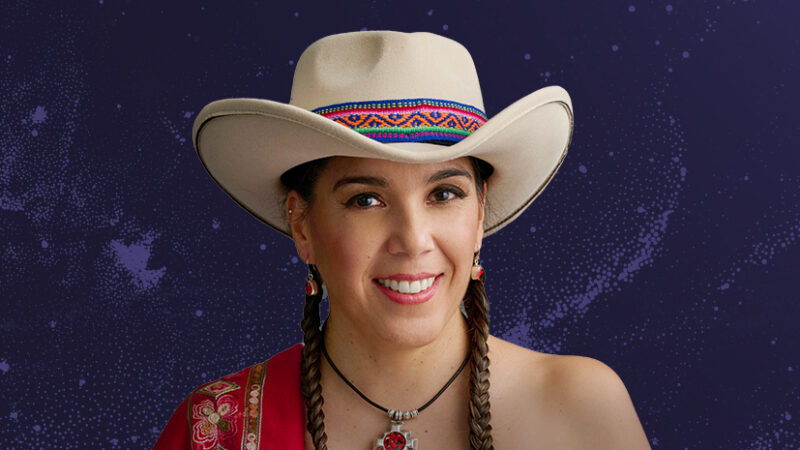
Sandra Ingerman: Walking in Light

    —
February 10, 2015

Sandra Ingerman: Walking in Light

Sandra Ingerman February 10, 2015

Sandra Ingerman is a licensed psychotherapist and shamanic practitioner who teaches workshops around the world on shamanism and environmental sustainability. With Sounds True, Sandra has written the book Walking in Light: The Everyday Empowerment of a Shamanic Life. In this episode, Sandra and Tami speak about spiritual light and a practice called “transfiguration,” in which one transforms into a radiant being. They also talk about working with ceremonies—in particular ceremonies that can be used when we feel blocked or stuck in life. Finally, they discussed the evolution of what shamanism can offer contemporary society—not just as a set of techniques and practices, but as a way of life. (64 minutes)

Sandra Ingerman, MA, is a licensed therapist and shamanic practitioner who has been teaching shamanism for more than 40 years. She teaches workshops internationally on shamanic journeying, healing, and reversing environmental pollution using spiritual methods. Her books include Shamanic Journeying and Awakening to the Spirit World (with Hank Wesselman). For more, visit sandraingerman.com.

Author photo © Jackie Mathey

600 Podcasts and Counting…

Subscribe to Insights at the Edge to hear all of Tami’s interviews (transcripts available too!), featuring Eckhart Tolle, Caroline Myss, Tara Brach, Jack Kornfield, Adyashanti, and many more.

Meet Your Host: Tami Simon

Founded Sounds True in 1985 as a multimedia publishing house with a mission to disseminate spiritual wisdom. She hosts a popular weekly podcast called Insights at the Edge, where she has interviewed many of today's leading teachers. Tami lives with her wife, Julie M. Kramer, and their two spoodles, Rasberry and Bula, in Boulder, Colorado.

Photo © Jason Elias

Also By Author

Sandra Ingerman: Healing with Spiritual Light

Sandra Ingerman is an internationally renowned shamanic teacher and the author of many books. Her published works include The Book of Ceremony, Walking in Light, and Awakening to the Spirit World. In this episode of Insights at the Edge, Tami speaks with Sandra about the upcoming online course Healing with Spiritual Light: The Shamanic Power of Transfiguration to Heal Ourselves, Each Other, and the Earth. Specifically, Sandra comments on transfiguration as a spiritual practice, highlighting how it can be a portal to both physical and environmental healing. Tami and Sandra talk about the inherently transforming power of light, as well as some of the scientific evidence around transfiguration. Finally, Sandra emphasizes the imperative to engage with transfiguration in the face of climate change and considers the future shape of human culture. (66 minutes)

A Ceremony to Greet the Cardinal Directions

Blog A Ceremony to Greet the Cardinal Directions Sounds True Blog

Greeting the cardinal directions is a common practice in shamanic cultures. There is no one right way shamans greet the directions. Honoring the directions was often based on weather patterns in the local area, specifically which direction the wind entered the land.

I encourage you to find your own way to greet the directions. We all know East is the direction of the rising sun and West is the direction of the setting sun. The direction away from the equator reminds us of winter and cold, while the opposite direction invokes a feeling of warmth.

Some people make medicine wheels that they stand within when doing ceremonial work. You might find objects in nature such as a feather, rock, or crystal. Or you might light a candle or put out a bowl of water to honor qualities you feel represent a given direction.

An Exercise to Call in the Directions

As you did when calling in helping spirits, take some time to reflect on the directions.

Stand and face East. Close your eyes and place your hands on your heart. As you focus your imagination on the East and the rising sun, what feelings emerge for you?

Turn South and let your imagination soak in the qualities that come to you associated with the South.

Face West and take a deep breath and exhale. In your mind’s eye, see and feel the sun setting. What associations does this bring to you?

Next, face North and observe how you feel in your heart. What meaning does the North hold for you?

In some cultures, the direction of Below is greeted to honor Earth.

And the direction of Above is welcomed to honor Sky.

Lastly, the direction of Within is acknowledged to honor the power of spirit and divine light that resides in each us.

Excerpted from The Book of Ceremony: Shamanic Wisdom for Invoking the Sacred in Everyday Life, by Sandra Ingerman.

___________________________________________________________________________________________________

Sandra Ingerman A Ceremony to Greet the Cardinal Directions Sounds True BlogSandra Ingerman, MA, is an award-winning author of 12 books, including Soul Retrieval: Mending the Fragmented Self, Medicine for the Earth, Walking in Light, and The Book of Ceremony. She is the presenter of several audio programs produced by Sounds True, and she is the creator of the Transmutation App. Sandra is a world-renowned teacher of shamanism and has been teaching for more than 30 years. She has taught workshops internationally on shamanic journeying, healing, and reversing environmental pollution using spiritual methods. Sandra is recognized for bridging ancient cross-cultural healing methods into our modern culture, addressing the needs of our times.

Sandra is known for gathering the global spiritual community together to perform powerful transformative ceremonies, as well as inspiring us to stand strong in unity so we do our own spiritual and social activism work while keeping a vision of hope and being a light in the world.

She is passionate about helping people to reconnect with nature. Since the 1980s, thousands of people have healed from past and present traumas through the classic cross-cultural shamanic healing method Sandra teaches called “Soul Retrieval.”

She is a licensed marriage and family therapist and professional mental health counselor. She is also a board-certified expert on traumatic stress. She was awarded the 2007 Peace Award from the Global Foundation for Integrative Medicine. Sandra was chosen as one of the Top 10 Spiritual Leaders of 2013 by Spirituality and Health magazine.

Sandra has had two new books released in 2018. The Hidden Worlds was co-written with Katherine Wood and is a novel written for young adults to help them navigate the changing world. The Book of Ceremony was written for a shamanic and general audience on how to bring the sacred into daily life by performing shamanic ceremonies designed for our times and the challenges we are facing today.

sandraingerman.com

The Book of Ceremony A Ceremony to Greet the Cardinal Directions Sounds True BlogBuy your copy of The Book of Ceremony at your favorite bookseller!

Sounds True | Amazon | Barnes & Noble | Indiebound


Pinterest A Ceremony to Greet the Cardinal Directions Sounds True Blog

Sandra Ingerman: The Power of Ceremony

Sandra Ingerman is an award-winning author and internationally recognized teacher of shamanism and ceremony. Sandra will soon join many other leading shamanic teachers—including don Oscar Miro-Quesada, Luisah Teish, and José Luis Stevens—for Year of Ceremony, a Sounds True-hosted online gathering that will take place each full moon for the next 13 months. Intended to form an international community devoted to the power of ceremony, each gathering will highlight different shamanic concepts, rituals, and diverse traditions. In this episode of Insights at the Edge, Tami Simon speaks with Sandra Ingerman about the preparations essential for and the role intention plays in an effective ceremony. They also discuss the advantages of calling in the aid of the primal elements and their invaluable role in ceremonies of transformation. Finally, Sandra shares stories of some of the most powerful ceremonies she has presided over—as well as the pitfalls that can impede shamanic practice.
(60 minutes)

You Might Also Enjoy

Core Shamanism vs. Traditional Shamanism: Understandin...

Shamanism can mean different things depending on the tradition, culture, or spiritual path being discussed. As interest in spiritual healing and self-discovery grows, many people are asking questions about core shamanism vs indigenous traditional shamanism and what separates the two approaches. While they may share similar practices, their origins, purpose, and cultural foundations are often very different.

At Sounds True, we have spent decades sharing wisdom teachings that support spiritual growth, mindfulness, and deeper self-awareness. Through books, audio programs, courses, and events, we continue to create space for meaningful conversations around spiritual traditions and modern practice.

Below, we’ll compare core shamanism and traditional indigenous shamanism, including their origins, practices, and cultural differences.

Key Takeaways

  • Cultural Roots: Traditional indigenous shamanism is deeply connected to ancestral lineage, ceremony, community, and sacred cultural traditions.
  • Modern Adaptation: Core shamanism explained through contemporary practice focuses on universal spiritual techniques accessible outside Indigenous cultures.
  • Respectful Practice: Understanding core shamanism vs indigenous traditional shamanism encourages more thoughtful and culturally aware spiritual learning.

Center Yourself With Meditation Resources to Support Your Inner Stillness

What Is Traditional Indigenous Shamanism?

Traditional indigenous shamanism refers to spiritual traditions rooted in specific cultures, lands, and ancestral lineages. Across regions such as Siberia, the Amazon, Mongolia, and parts of North America, shamans have historically served as healers, ceremonial leaders, mediators between spiritual and physical worlds, and caretakers of community wisdom. These practices are not separate from daily life. They are woven into language, ritual, storytelling, music, seasonal cycles, and relationships with the natural world. Traditional Indigenous shamans often undergo years of apprenticeship, spiritual initiation, or community recognition before stepping into their roles. While each tradition carries its own beliefs and ceremonial practices, many share a deep understanding that healing involves restoring balance between people, spirit, nature, and community. For Indigenous communities, these teachings are living sacred systems passed from generation to generation rather than spiritual methods disconnected from cultural identity.

Core Shamanism Explained: Understanding the Modern Spiritual Approach

Core shamanism emerged as a contemporary spiritual framework designed to make shamanic practices accessible outside Indigenous cultural traditions. Rather than following one specific lineage, it focuses on techniques believed to appear across multiple shamanic cultures, particularly journeying, drumming, visualization, and spirit communication. Many people encounter core shamanism through workshops, books, meditation groups, or personal spiritual exploration.

The Foundations of Core Shamanism

Core shamanism was largely developed through the work of anthropologist Michael Harner, who studied Indigenous ceremonial traditions during his field research. Harner identified recurring spiritual practices among different cultures and adapted them into a universal system that could be practiced without belonging to a specific tribe or community. His teachings emphasized direct spiritual experience rather than religious doctrine or cultural initiation.

Many modern practitioners are drawn to this approach because it offers flexibility and accessibility. People interested in meditation, energy healing, personal growth, or spiritual connection may find the practices approachable even without prior exposure to shamanic traditions.

Why Core Shamanism Appeals to Modern Seekers

Modern spiritual seekers often look for practices that help them reconnect with intuition, inner guidance, and a sense of meaning. Core shamanism offers structured methods for exploring altered states of consciousness through rhythmic drumming, guided imagery, and meditation practices.

For some, the appeal lies in personal transformation. Others are interested in spiritual healing or building a stronger relationship with nature and the unseen world. Because core shamanism is not tied to one religion or culture, many practitioners feel it creates space for individual exploration while still drawing inspiration from ancient spiritual wisdom.

Michael Harner Core Shamanism and Its Influence on Contemporary Practice

Michael Harner core shamanism became widely influential during the late twentieth century as interest in alternative spirituality and holistic healing expanded throughout North America and Europe. His work introduced many people to concepts such as spirit journeying, power animals, and energetic healing practices that had previously been unfamiliar to mainstream audiences.

Michael Harner’s Role in Modern Shamanic Practice

In 1985, Michael Harner founded the Foundation for Shamanic Studies, an organization dedicated to teaching core shamanic methods. Through workshops, books, and training programs, Harner helped shape what many now recognize as modern shamanic practice.

His approach focused on experiential learning. Participants were encouraged to engage directly with spiritual practices through drumming journeys and guided exercises rather than studying theology or cultural systems academically. This hands-on approach helped make core shamanism accessible to people from many different backgrounds.

Criticism and Cultural Conversations

At the same time, Michael Harner core shamanism has also sparked ongoing conversations about cultural respect and appropriation. Some Indigenous teachers and scholars express concern that separating spiritual practices from their original cultural context can oversimplify sacred traditions or overlook the communities that continue to preserve them.

These conversations invite modern practitioners to approach shamanic learning with humility and awareness. Respecting Indigenous traditions includes recognizing that many ceremonial practices are connected to living cultures, histories, and responsibilities that cannot always be replicated outside those communities.

Core Shamanism vs Indigenous Traditional Shamanism: The Main Differences

Although both approaches may involve journeying, healing rituals, or spirit communication, there are important differences between core shamanism vs indigenous traditional shamanism. Understanding those distinctions can support a more respectful and informed spiritual path.

Cultural Lineage and Community Connection

Traditional indigenous shamanism exists within a living cultural framework. Practices are often connected to ancestral teachings, ceremonial responsibilities, and community relationships passed through generations. Shamans typically serve specific communities and carry cultural knowledge shaped by history, language, and land.

Core shamanism, by contrast, removes practices from a single cultural lineage and presents them as universal spiritual tools. Practitioners generally learn through workshops, books, or independent study rather than through tribal or ancestral transmission.

Structure, Purpose, and Spiritual Responsibility

Another key difference involves the role of the practitioner. In traditional Indigenous cultures, shamans may hold responsibilities related to healing, rites of passage, conflict resolution, or communication with ancestors and spirits on behalf of the community.

Modern shamanic practice often centers more heavily on individual growth, self-discovery, or personal healing. While these intentions can still be meaningful, they differ from the communal role many traditional shamans hold within Indigenous societies.

Learn How Your Mind Operates With Psychologics on Trauma, Mindfulness, and More

How Traditional Indigenous Shamanism Preserves Lineage and Ceremony

Traditional indigenous shamanism continues to survive through the care, protection, and commitment of Indigenous communities around the world. Several elements help preserve these sacred traditions across generations:

  • Oral storytelling remains one of the primary ways teachings, histories, and ceremonial knowledge are passed forward.
  • Ritual songs, dances, and sacred language help maintain spiritual and cultural continuity within communities.
  • Apprenticeship and mentorship allow younger generations to learn directly from elders and ceremonial leaders.
  • Strong relationships with land and nature continue to shape spiritual practices and community identity.
  • Seasonal ceremonies and communal gatherings reinforce shared values, healing practices, and ancestral connection.
  • Cultural preservation efforts by Indigenous educators and activists help protect traditions from erasure and misunderstanding.

As interest in shamanic spirituality grows globally, many Indigenous voices continue to emphasize the importance of honoring the origins of these teachings. Respectful learning involves recognizing that these traditions are not relics of the past. They remain active spiritual systems carried by living communities today.

Why Modern Shamanic Practice Resonates With Spiritual Seekers Today

Many people feel drawn toward modern shamanic practice because it offers space for reflection, healing, and spiritual connection in a world that can often feel fragmented and disconnected. Practices such as drumming, meditation, visualization, and energy work may help individuals reconnect with intuition, emotional awareness, and a sense of relationship with nature. For some seekers, these practices provide a spiritual framework outside conventional religious structures while still encouraging mindfulness and personal growth. The emphasis on direct experience also appeals to people who value inner exploration over rigid doctrine. As interest in holistic wellness continues to expand, many individuals see shamanic practices as part of a broader search for meaning, presence, and transformation.

Ethical Considerations in Core Shamanism and Cultural Respect

As conversations around spirituality evolve, ethical questions remain an important part of discussing core shamanism explained within a modern context. Many practitioners strive to engage these teachings respectfully by learning about the Indigenous cultures connected to shamanic traditions and acknowledging their historical experiences. Listening to Indigenous voices can deepen understanding and encourage greater cultural sensitivity. Ethical engagement also involves recognizing the difference between appreciation and appropriation. While spiritual curiosity can open meaningful pathways for learning, respect requires awareness of how sacred traditions have been preserved, shared, and sometimes misunderstood throughout history. Approaching these teachings with humility helps create a more thoughtful relationship with spiritual practice overall.

Can Core Shamanism and Traditional Indigenous Shamanism Coexist?

The relationship between core shamanism and traditional indigenous shamanism is complex and continues to evolve. Some people see core shamanism as a gateway that introduces spiritual seekers to practices centered on healing, nature, and expanded awareness. Others believe important distinctions must remain visible so Indigenous traditions are not reduced to generalized spiritual concepts. Both perspectives reflect deeper questions about lineage, accessibility, and cultural stewardship. Meaningful dialogue begins with listening, respect, and a willingness to understand the roots of these traditions more fully. For modern seekers, thoughtful engagement may involve balancing personal spiritual exploration with an ongoing commitment to honoring the communities and histories connected to these sacred practices.

Awaken Your Inner Healing Power with Future Innovation

Final Thoughts

Understanding core shamanism vs indigenous traditional shamanism invites a deeper conversation about spirituality, cultural lineage, and respectful learning. While modern shamanic practice offers accessible pathways for personal exploration, traditional Indigenous teachings remain rooted in living communities, sacred histories, and ancestral wisdom. Approaching both with humility and awareness allows spiritual seekers to engage these practices thoughtfully while honoring the cultures that continue to carry them forward.

Frequently Asked Questions About Core Shamanism vs. Traditional Shamanism

Is core shamanism considered a religion?

Core shamanism is generally viewed as a spiritual practice rather than a formal religion. It does not require followers to adopt a specific belief system, deity, or organized doctrine.

Can someone practice core shamanism without a teacher?

Some people begin learning through books, recordings, or guided meditations, though many practitioners choose workshops or mentors for deeper support and structure.

Why do some Indigenous communities criticize modern shamanic practice?

Criticism often centers on concerns about cultural appropriation, commercialization, and the removal of sacred practices from their original cultural meaning and context.

Are shamanic journeys the same as meditation?

While both may involve altered states of awareness and introspection, shamanic journeying often includes intentional interaction with spiritual imagery, guides, or symbolic experiences.

Does traditional indigenous shamanism involve plant medicine ceremonies?

Certain Indigenous traditions include sacred plant medicine practices, though not all forms of traditional indigenous shamanism use plant medicines.

What tools are commonly used in core shamanism?

Practitioners may use drums, rattles, chanting, guided visualization, candles, or sacred objects during spiritual practices and ceremonies.

Is modern shamanic practice connected to nature spirituality?

Many forms of modern shamanic practice emphasize connection with nature, animals, seasonal cycles, and the spiritual dimension of the natural world.

Can core shamanism be combined with other spiritual practices?

Some practitioners integrate core shamanism with meditation, yoga, mindfulness, or other spiritual traditions as part of a personal spiritual path.

How long does it take to study traditional shamanic practices?

In many Indigenous traditions, learning may take years of mentorship, ceremonial participation, and community involvement before someone is recognized as a healer or spiritual guide.

Why is cultural context important in shamanism?

Cultural context shapes the meaning, purpose, and responsibility behind spiritual practices. Understanding that context helps preserve respect for the communities that carry these traditions.

Michelle Cassandra Johnson is an author, activist, spiritual teacher, racial equity consultant, and intuitive healer. She is the author of six books, including Skill in Action and Finding Refuge. Amy Burtaine is a leadership coach and racial equity trainer. With Robin DiAngelo, she is the coauthor of The Facilitator's Guide for White Affinity Groups. For more, visit https://www.michellecjohnson.com/wisdom-of-the-hive.

Sandra Ingerman on Shamanic Healing: Working with Spir...

Shamanic healing isn’t reserved for a select few or for the distant past. It’s a living, breathing practice that continues to offer guidance in how we heal, relate, and show up both for ourselves and for the world around us. More people are turning inward, seeking tools that reconnect them to their inner wisdom and to something greater than themselves. Working with spiritual light, as Sandra Ingerman teaches, offers one of the most direct and compassionate ways to begin that process. It’s not about fixing what’s wrong. It’s about remembering what’s whole.

At Sounds True, we’ve spent decades bringing forward wisdom that honors the whole human experience, mind, body, and spirit. Sandra Ingerman’s teachings have been part of that journey for many years. Her grounded, heart-led approach to shamanism offers not only insight but real transformation, and we’re honored to make her work available to those ready to step into their own spiritual path.

In this piece, we’ll be discussing Sandra Ingerman’s approach to shamanic healing, the role of spiritual light, and how these practices can help us reconnect, remember, and radiate healing in a modern world.

Key Takeaways:

  • Spiritual Light Healing: Sandra teaches that we already carry healing light within us, the practice is about remembering and radiating it.
  • Modern Shamanism: Her approach blends timeless wisdom with grounded tools suitable for daily life without cultural appropriation.
  • Collective Transformation: Personal healing becomes a way to support wider energetic shifts in the world through presence and intention.

Awaken Your Inner Healing Power

Who Is Sandra Ingerman?

Sandra Ingerman is a respected voice in modern shamanism, known for her grounded and accessible teachings that bridge ancient spiritual practices with everyday life. With decades of experience as a licensed therapist and shamanic practitioner, Sandra has helped bring the wisdom of indigenous healing into contemporary consciousness, without appropriation but with deep respect for its roots.

Her work centers on spiritual light, soul retrieval, transfiguration, and the power of intention. Through her teachings, she encourages people to reconnect with their innate ability to heal, not only themselves but also the world around them. Sandra’s path is not about seeking something outside of ourselves; it’s about remembering what already lives within.

What Is Shamanic Healing?

Shamanic healing is a spiritual practice rooted in the understanding that everything is interconnected: people, nature, spirit, and energy. Rather than focusing solely on symptoms, shamanic healing examines deeper spiritual imbalances that may contribute to emotional, physical, or energetic disharmony.

Traditionally, shamans act as intermediaries between the physical and spiritual realms. They journey into unseen worlds to receive guidance, retrieve lost parts of the soul, or bring healing energies back for individuals or communities. Sandra Ingerman teaches that anyone can learn to engage with these practices respectfully and ethically, especially when guided by clear intention and heart-centered presence.

At its core, shamanic healing invites us to remember that we are not separate from the Earth or from spirit. Healing comes through reconnection, not control.

The Role Of Spiritual Light In Healing

Sandra Ingerman speaks often about the healing power of spiritual light, not as a concept, but as a living energy that flows through each of us. Her approach reframes how we relate to pain, illness, and even the world itself. Rather than searching for what’s broken, she teaches us to return to what is already whole within us:

Remembering The Light Within

Sandra reminds us that spiritual light isn’t something we have to search for, it’s something we are. This inner radiance can be dimmed by life experiences, but it is never lost. By turning inward with intention and trust, we begin to reconnect with this light and allow it to guide our healing journey.

Radiating Light Instead Of “Fixing” Ourselves

Much of modern healing is focused on identifying and fixing problems. Sandra encourages a different path: to radiate light from within rather than constantly seeking to correct or cleanse something. This doesn’t deny our pain. It transforms how we hold it.

Healing Through Presence, Not Force

Spiritual light heals by holding space, not by pushing or fixing. It moves in harmony with love, stillness, and presence. Sandra often speaks of how this gentle light knows where to go, what to touch, and when to soften all without needing to control the process.

Shamanic Transformation In A Modern World

Modern life often pulls us away from deeper connection: to ourselves, to nature, and to spirit. Sandra Ingerman offers a perspective that shamanic transformation isn’t about escaping this world, but about meeting it more fully with presence and spiritual responsibility.

Bringing Ancient Wisdom Into Everyday Life

Sandra emphasizes that shamanism is not locked in the past. Its principles, connection, compassion, and intention are deeply relevant today. Whether you live in a city or closer to nature, these teachings can be woven into daily life through simple practices that restore balance and presence.

Inner Change As A Catalyst For Collective Healing

Transformation begins within. Sandra teaches that when we shift our consciousness by engaging with spiritual light or retrieving lost soul parts, the impact extends beyond the personal. Even subtle changes in energy and awareness ripple out into the collective field, influencing relationships, communities, and ecosystems.

Staying Rooted In Spirit Amid Global Challenges

In times of uncertainty, shamanic tools offer grounding rather than escape. Sandra encourages practitioners to return to the breath, to the Earth, and to the wisdom of helping spirits. Not to bypass reality, but to meet it with more resilience and heart.

Working With Spiritual Light: Sandra’s Approach

Sandra Ingerman’s approach to working with spiritual light is both simple and profound. It doesn’t rely on complex rituals or elaborate tools. Instead, it invites us into a direct relationship with the light that lives within and the clarity it can bring to the healing path.

Intention Is Everything

Sandra often says that intention shapes the entire experience. Whether you’re on a journey, engaged in a visualization, or simply sitting in silence, what matters most is the clarity and sincerity of your intent. This anchors the work and invites the support of spiritual allies.

Transfiguration As A Pathway

One of Sandra’s core teachings is transfiguration, a practice in which you become a vessel of divine light. Rather than sending healing outward, you embody light itself and allow it to emanate through you. The practice is not about doing, but about being.

This teaching is the foundation of her course Shamanic Transfiguration, which guides students through this process step-by-step, helping them experience transformation through presence rather than effort.

Healing Without Judgment

In working with spiritual light, Sandra emphasizes non-judgment. The light doesn’t label something as wrong or broken. It simply shines. From this perspective, healing becomes less about fixing and more about allowing, which opens space for genuine change.

Build Relationships That Nourish And Sustain

Shifting Collective Energy Through Inner Work

Sandra Ingerman often reminds us that our personal healing is never just personal. Every shift we make within ourselves, even quietly in private, contributes to the energetic fabric of the world. Through her teachings, she encourages us to recognize the deep ripple effect of inner work.

The Earth Feels What We Carry

One of Sandra’s long-standing teachings is that the Earth responds to our energy, not just our actions. When we carry unresolved anger, despair, or fear, it’s not only our bodies and minds that feel it. The Earth does, too. Inner transformation is a way of offering something cleaner and more coherent back to the collective field.

Radiating Healing Into The World

Instead of sending out solutions or trying to control outcomes, Sandra teaches that we can sit in stillness and radiate light. From this place, we offer an energetic frequency that supports harmony without attachment or force. Her course, The Power of Shamanism touches on this beautifully, guiding participants into a deeper relationship with the unseen support around and within them.

The Role Of Community Consciousness

Sandra also speaks about the importance of collective intention. When groups gather, even virtually, to hold the vision of spiritual light, the effects can be profound. This is not about imposing beliefs, but about co-creating an energetic field that supports healing on a larger scale.

Experiencing The Teachings Firsthand

Sandra Ingerman’s work is meant to be experienced, not just understood. Her teachings are rooted in practice: direct, embodied, and personal. For those feeling called to walk this path, there are accessible ways to begin.

Starting With The Basics Of Journeying

One of the most foundational tools Sandra offers is shamanic journeying, entering non-ordinary states of consciousness to receive guidance and healing. Her program, The Beginner’s Guide to Shamanic Journeying, offers clear instruction on how to begin this sacred work, even if you’re completely new to the practice.

Returning Lost Parts of the Self

Another core area of Sandra’s work is soul retrieval, the gentle process of inviting back parts of ourselves that may have become disconnected through stress, trauma, or loss. The Soul Retrieval Journey offers a guided path through this process, helping us return to wholeness with care and respect.

Letting The Work Change You

These practices aren’t quick fixes. They unfold over time and often in quiet ways. Sandra teaches that consistent, heart-led engagement with the spiritual realms will change how you relate to life, not through force, but through deep, subtle shifts in perception and presence.

Sandra Ingerman’s teachings offer more than techniques; they offer a way of being. Rooted in ancient wisdom and brought to life with modern clarity, her work reminds us that healing doesn’t always look dramatic. Sometimes, it’s as simple and powerful as sitting in stillness, remembering who we are, and letting our inner light shine.

Whether through journeying, transfiguration, or soul retrieval, Sandra invites us into a relationship with the unseen. Not to escape the world, but to show up in it with more heart, more presence, and more integrity.

Discover The Power Of Daily Meditation

Final Thoughts

Sandra Ingerman’s teachings offer more than techniques; they offer a way of being. Rooted in ancient wisdom and brought to life with modern clarity, her work reminds us that healing doesn’t always look dramatic. Sometimes, it’s as simple and powerful as sitting in stillness, remembering who we are, and letting our inner light shine.

Whether through journeying, transfiguration, or soul retrieval, Sandra invites us into a relationship with the unseen. Not to escape the world, but to show up in it with more heart, more presence, and more integrity.

Frequently Asked Questions About Sandra Ingerman

What sets Sandra Ingerman’s work apart from other modern shamanic teachers?

Sandra brings a unique blend of psychological training and deep spiritual practice, allowing her to teach shamanism in a way that’s accessible, trauma-aware, and rooted in ethical responsibility.

Is Sandra Ingerman affiliated with a specific indigenous tradition?

No, Sandra was trained by Western teachers of core shamanism and does not claim lineage from any one indigenous culture. She emphasizes honoring cultural roots while offering cross-cultural practices respectfully.

Can someone practice spiritual light healing without formal shamanic training?

Yes. Sandra encourages people to connect with spiritual light through simple practices such as visualization, meditation, and holding intention, even without formal journeying.

How does Sandra Ingerman define spiritual illness?

She views spiritual illness as disconnection from spirit, nature, or one’s own inner light. Reconnection, rather than intervention, becomes the central healing path.

Is Sandra Ingerman’s work religious?

No, her teachings are spiritual but not tied to any religion. Her work invites direct experience with spiritual energies, without dogma or doctrine.

Does Sandra Ingerman offer live teachings or only digital courses?

While she has led many live workshops globally, Sandra now primarily offers her teachings through online programs, especially via Sounds True.

What is the role of nature in Sandra Ingerman’s shamanic practice?

Nature is central. Sandra teaches that forming a deep, reciprocal relationship with the Earth and its elements strengthens our connection to spiritual allies and guides.

Can shamanic healing support emotional wellness?

Yes. Sandra often integrates emotional healing into her work by addressing soul loss, energetic fragmentation, and disconnection from inner truth.

Are Sandra Ingerman’s teachings suitable for skeptics or beginners?

Absolutely. Her approach is clear, grounded, and non-dogmatic, making it a safe entry point for those new to spiritual practices.

Does Sandra Ingerman work with plant medicines or psychedelics?

No, Sandra’s work focuses on non-psychoactive practices like journeying, meditation, and transfiguration. She does not incorporate plant medicine into her teachings.

Michelle Cassandra Johnson is an author, activist, spiritual teacher, racial equity consultant, and intuitive healer. She is the author of six books, including Skill in Action and Finding Refuge. Amy Burtaine is a leadership coach and racial equity trainer. With Robin DiAngelo, she is the coauthor of The Facilitator's Guide for White Affinity Groups. For more, visit https://www.michellecjohnson.com/wisdom-of-the-hive.

Spirit Guides: How to Connect and Communicate with You...

Many people feel, at some point, that they’re not alone even in silence. That there’s a deeper intelligence at work. Spirit guides are one way that people experience this support: as subtle, loving presences that walk with us through different seasons of life. Some appear in dreams. Others come as gentle inner voices, sensations, or signs. The way they show up is deeply personal, but the invitation is the same to listen, to trust, and to grow a relationship with something wiser than the thinking mind.

We’ve spent decades walking alongside teachers, shamans, energy workers, and intuitive elders who know this path intimately. At Sounds True, we don’t just talk about spiritual connection, we hold space for it. Our courses, teachings, and community have supported millions in coming home to themselves through intuitive guidance, inner listening, and sacred presence.

In this piece, we will discuss what spirit guides are, how to connect with them, and simple ways to begin building a trusting relationship with your spiritual helpers.

Key Takeaways:

  • Types of Guides: Readers will learn the common forms spiritual helpers take: ancestral, animal, wisdom-based, elemental, and inner self.
  • Building the Connection: The article outlines clear, repeatable ways to invite spirit guide communication through everyday mindfulness and intention.
  • Trust and Relationship: It emphasizes that this is a living relationship, built over time through presence, openness, and gentle attention.

Awaken Your Inner Healing Power

What Are Spirit Guides?

Spirit guides are unseen allies who walk with us throughout our lives. Some have been with us since birth. Others may come forward during certain life chapters when their support is most needed. They don’t control or direct us. Instead, they offer gentle nudges, energetic support, and wisdom when invited.

For many, the idea of spirit guides brings up images of ancestors, animal messengers, wise beings, or teachers from beyond the veil. These guides are not bound by physical form, yet their presence can feel deeply real. Sometimes, they arrive in dreams, meditation, or moments of quiet. Other times, they appear through synchronicities or inner knowing.

It’s important to know this: connecting with spirit guides isn’t about having psychic “powers.” It’s about a relationship. Like any relationship, it grows through attention, trust, and presence. At Sounds True, we honor the diversity of these connections. Some feel their guides as subtle impressions. Others may hear messages clearly. There’s no one right way.

At its heart, this is about remembering that you’re not alone. That, beyond what the eyes can see, support is always available and waiting for your invitation.

The Different Types Of Spiritual Helpers

Not all guides appear the same way. Some feel close, like an old friend. Others feel vast, like a presence holding a broader view. Becoming familiar with the different types of spiritual helpers can help you recognize who might be showing up for you and why.

Ancestral Guides

These are loved ones or distant ancestors who have crossed over. They often feel familiar and offer grounded, protective energy. Some may carry wisdom passed down through your lineage.

Animal Guides

Also called power animals or spirit animals, these guides bring qualities associated with their animal nature: courage, patience, intuition, speed, and playfulness. You might notice the same animal appearing repeatedly in dreams, visions, or nature.

Teacher Or Wisdom Guides

These guides often show up as wise beings, sometimes humanlike, sometimes not, who offer insight, teachings, or a sense of mentorship. Many feel these are guides from other dimensions, lifetimes, or soul realms.

Nature And Elemental Beings

Some people experience a connection with guides in the natural world trees, rivers, the wind, or elemental energies. These helpers often speak in feelings, sensations, or metaphors.

Higher Self Or Inner Guide

This one isn’t “other” at all. It’s the most expanded version of your own consciousness. Some traditions call this the Soul, Higher Self, or Divine Spark. Connecting here is often the doorway to all other guidance.

Not everyone resonates with each type. What matters is listening to how guidance shows up for you. It’s less about identifying every guide and more about recognizing the help that’s being offered and receiving it with humility and openness.

Why Connect With Your Spirit Guides?

The relationship with your spirit guides isn’t about fixing or escaping. It’s about remembering. Remembering that you are connected. That there’s wisdom available beyond your thinking mind. That life is more than what can be measured or explained.

People connect with their guides for many reasons. Some are seeking comfort in times of uncertainty. Others are looking for clarity, healing, or deeper alignment with their purpose. For many, it’s a way to cultivate a spiritual practice rooted in relationship rather than belief.

What often surprises people is how gentle this support can be. It doesn’t push. It doesn’t pressure. Instead, it often comes as a quiet suggestion, a gut feeling, or a dream you can’t quite forget. It’s a soft encouragement to keep listening to what you already know deep down.

This connection can also foster self-trust. As you learn to tune in to the presence of your guides, you may find that you’re also tuning in to yourself, your intuition, your energy, your truth. That’s where real transformation happens.

Courses like How to Communicate with Your Spirit Guides are designed to support this kind of inner connection. Not as a shortcut, but as a companion for the path.

How To Prepare For Spirit Guide Communication

Connecting with spirit guides begins with creating the right conditions both internally and externally. It’s less about technique and more about how present and receptive you are. Here are some foundational ways to prepare:

Create a Quiet Inner Space: Spirit guides communicate in subtle ways. A quiet mind and calm body make it easier to notice those quiet impressions. Try stepping away from noise, multitasking, or mental chatter before inviting connection.

Establish a Sense of Safety: Your nervous system needs to feel safe to open. Grounding practices like breathwork, gentle movement, or placing a hand on your heart can help you feel steadier. This makes it easier to receive intuitive impressions.

Set a Clear Intention: You don’t have to craft the perfect question, just be sincere. Try something simple like, “I invite the presence of my spirit guides,” or “Show me what I need to hear right now.” This helps direct your energy and opens a channel for communication.

Use Ritual as a Signal: Small, consistent actions like lighting a candle, using a journal, or sitting in a specific space can train your body to recognize this as sacred time. Over time, these cues act as a bridge between the physical and the energetic.

Develop Your Listening Muscles: The more you practice being present, the easier it becomes to notice subtle guidance. Meditative approaches like those in Meditations for the Inner Shaman can gently attune your awareness, making you more available to connection.

Build Relationships That Nourish And Sustain

Simple Ways To Start Connecting With Guides

The first steps don’t need to be complicated. Often, the most profound connections begin with the quietest invitations. These small, consistent practices can help you begin building trust and a relationship with your spiritual helpers:

Journaling As A Dialogue

Start by writing a simple question at the top of a page, something like, “What do you want me to know today?” Then allow your hand to write freely, without overthinking. What comes through may surprise you. It doesn’t need to be profound; it just needs to be honest.

Paying Attention To Subtle Signs

Spirit guide communication often shows up in the in-between moments: a recurring image, a meaningful coincidence, or a deep sense of knowing. These signs are like gentle nudges, asking you to stay open and curious.

Asking For Guidance Before Sleep

Before you go to bed, take a moment to ask your guides to speak through your dreams. You can even leave a journal on your nightstand, ready to write down any messages or impressions upon waking.

Meditative Connection

Even five minutes a day in quiet stillness can open a doorway. Simply sit, breathe, and invite your guides to be present. You don’t need to “hear” anything, just notice how your body and energy respond.

Trusting The Process

The early stages of connecting with guides may feel subtle or even uncertain. That’s okay. Trust builds over time. Each moment of quiet listening is part of that unfolding relationship.

Courses like The Three Levels of Intuition can also help you strengthen your inner awareness, which often goes hand in hand with deepening your connection to guides.

Deepening The Connection: Practices That Help

Once the door is open, the invitation becomes one of deepening. Spirit guide communication grows with consistency, patience, and a willingness to stay present even when it’s quiet. These ongoing practices can help you strengthen the bond:

Regular Check-Ins

Create a rhythm around your connection daily, weekly, or whatever feels sustainable. Even a short moment of greeting your guides with a “thank you for walking with me today” can reinforce your relationship over time.

Body Awareness

Guidance often comes through sensation. A tightness in the chest, a lightness in the belly, a gentle pull toward something, all of these can be messages. Practicing somatic awareness helps you tune into the body’s wisdom as a channel for communication.

Energy Clearing

Clearing your field through simple breathwork, sound, or movement can help release interference and open your channels to clearer connection. Think of it as cleaning the windows so the light can come through.

Spending Time In Nature

Nature has a way of quieting the mind and amplifying intuitive presence. Whether it’s a walk in the woods or simply sitting under the sky, time outdoors can enhance your sensitivity to subtle guidance.

Taking Aligned Action

Spirit guides often offer support when we’re willing to act on what we receive. Even small, intuitive steps help affirm the relationship. That action, however gentle, can deepen trust on both sides.

Courses like Intuition Your Electric Self explore how intuition flows through energy, embodiment, and presence, key elements in maintaining a clear and sustained connection.

Common Signs And Symbols From Spirit Guides

Spirit guides often speak in the language of signs, gentle, symbolic, and personal. You may not always receive words, but you will feel the presence of guidance when you start paying attention to what repeats or stands out.

Repeating Numbers or Patterns

Seeing the same numbers like 111, 444, or 1234 can feel like a tap on the shoulder. These patterns may not always carry a universal meaning, but they often signal alignment or presence. What matters most is what they mean to you in the moment.

Synchronicities

You think of a friend, and they text. A book falls off the shelf. A phrase keeps showing up everywhere. These seemingly small alignments can be messages, moments where the outer world reflects the inner guidance that’s already unfolding.

Physical Sensations

Some people feel a light touch, a warmth in the body, or a chill when a guide is near. These subtle sensations can be a sign that you’re not alone and that you’re being gently supported or protected.

Symbols In Dreams

Spirit guides often use dreamtime to communicate. Pay attention to recurring themes, animals, places, or characters. Even if a dream feels strange, it may carry a deeper message waiting to be explored with curiosity and trust.

Intuitive Knowing

Sometimes, the message isn’t in signs at all, it’s in your body’s response. A deep sense of “yes,” a pause that makes you reflect, or a gentle knowing that something is right or off. This inner compass is often one of the clearest ways your guides speak.

When You’re Not Hearing Anything: What To Do

It’s completely natural to go through quiet periods. Not hearing from your spirit guides doesn’t mean you’re disconnected or doing it wrong. In fact, silence is often part of the conversation.

Trust The Quiet

Sometimes, guidance is unfolding in ways that don’t yet have words. You might be integrating something new or being invited to lean into your own inner knowing before reaching out again. The quiet isn’t absence, it’s space.

Check In With Expectations

If you’re waiting for a booming voice or a dramatic sign, you might miss the gentler forms of communication already happening. Spirit guides often whisper. They speak in feelings, small nudges, and moments of peace. Loosening expectations can help you receive what’s actually being offered.

Reconnect Through Simplicity

Go back to basics: breathe, ground, sit in stillness. Invite connection without pressure. Even saying “I’m here and willing” is enough. The relationship doesn’t need to be forced it just needs room.

Be Open To Different Channels

Maybe your guides aren’t coming through in meditation right now. But what about in music, nature, or conversation? Guidance doesn’t always show up where we expect it. It often meets us where we are most open.

Above all, remember: spirit guide communication is a relationship. Like any relationship, it ebbs and flows. Patience, honesty, and presence are often more powerful than effort or striving.

Awaken Something Greater

Final Thoughts

At the heart of connecting with spirit guides is trust in what you feel, in what you receive, and in your own inner rhythms. Your guides are not here to take over or direct your life. They’re here to walk beside you, to support you in remembering who you are and what matters most.

The relationship grows with attention. The more you show up with openness and sincerity, the clearer the communication becomes. Not always in dramatic ways, but often in quiet, steady moments that bring a sense of peace, resonance, or direction.

You don’t need to be an expert. You don’t need to get it “right.” You just need to begin honestly, gently, and with curiosity. And if you’re ready to go deeper, How to Communicate with Your Spirit Guides is a beautiful companion to walk with you as the relationship unfolds.

Frequently Asked Questions About Spirit Guides

What is the difference between spirit guides and guardian angels?

Spirit guides are considered evolved spiritual beings who support your growth, while guardian angels are often viewed as divine protectors assigned to safeguard you. They may both offer guidance, but come from different spiritual traditions.

Can spirit guides change over time?

Yes, different guides may come in and out of your life depending on what you’re experiencing or learning. Some stay throughout your life, while others are more temporary.

How do I know if I’m imagining my spirit guide?

Imagination and intuition often work together. A guide’s message typically feels calm, nonjudgmental, and constructive, even when conveyed through imaginative imagery.

Is it possible to meet your spirit guide in a dream?

Yes. Many people report first encounters with spirit guides through dreams. These experiences often carry a feeling of clarity, familiarity, or peaceful intensity.

Do children naturally connect with spirit guides?

Children often have fewer mental blocks around intuitive connection and may be more open to perceiving guides, especially through imagination and play.

Can spirit guides help with decision-making?

They can offer insight or highlight inner truths, but they won’t make decisions for you. Their role is to support your clarity, not override your free will.

Is it necessary to know your spirit guide’s name?

Not at all. Some people receive names intuitively, but the connection doesn’t rely on formal identification. A feeling of presence is often more important.

Can spirit guides communicate through other people?

Yes, messages from guides can sometimes come through conversations, unexpected advice, or words that deeply resonate, especially when you weren’t looking for them.

Are there cultural differences in how spirit guides are understood?

Absolutely. Different traditions view spiritual helpers through unique lenses like ancestors, deities, or elemental spirits but the underlying idea of support is shared.

What should I do if I feel scared while trying to connect?

Pause, ground, and come back when you’re ready. You can always set clear boundaries and invite only guidance that comes in love, clarity, and alignment with your well-being.

Michelle Cassandra Johnson is an author, activist, spiritual teacher, racial equity consultant, and intuitive healer. She is the author of six books, including Skill in Action and Finding Refuge. Amy Burtaine is a leadership coach and racial equity trainer. With Robin DiAngelo, she is the coauthor of The Facilitator's Guide for White Affinity Groups. For more, visit https://www.michellecjohnson.com/wisdom-of-the-hive.

Leave a Reply

Your email address will not be published. Required fields are marked *