Sarah Blondin: Heart Minded

    —
February 21, 2023

Sarah Blondin: Heart Minded

Sarah Blondin February 21, 2023

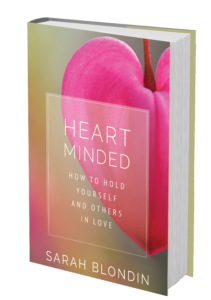
Is your heart asking you for a more meaningful conversation? Are you longing to engage a different kind of awareness than the thinking mind? Sarah Blondin is beloved by millions for her online guided meditations that invite us to come back home to our hearts and to embrace the fullness of our experience. In this podcast, Tami Simon speaks with Sarah about her new book, Heart Minded, and how we can each take up residence in the intelligence and strength of our hearts. 

Tune in as Tami and Sarah discuss the practice of softening and releasing inner rigidity, overcoming defensiveness and resistance, witnessing the rivalry between the emotional heart and the spiritual heart, discovering the voice of your own heart, the practice of flow writing, self-intimacy as the source of true safety, finding your authentic “yes to life,” trust in the face of initiatory experiences, normalizing the challenging nature of the spiritual journey, the mysterious force of grace, the interplay between our sensitivity and our strength, a meditation for welcoming joy, and more.

Note: This episode originally aired on Sounds True One, where these special episodes of Insights at the Edge are available to watch live on video and with exclusive access to Q&As with our guests. Learn more at join.soundstrue.com.

Sarah Blondin is an internationally beloved spiritual teacher. Her guided meditations on the app InsightTimer have received nearly 10 million plays. She hosts the popular podcast Live Awake, as well as the online course Coming Home to Yourself. Her work has been translated into many languages and is in use in prison, recovery, and wellness programs. For more, visit sarahblondin.com.

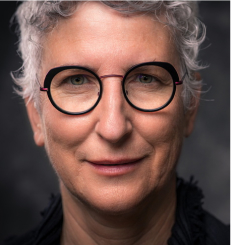
Author photo © Britgill Photography

600 Podcasts and Counting…

Subscribe to Insights at the Edge to hear all of Tami’s interviews (transcripts available too!), featuring Eckhart Tolle, Caroline Myss, Tara Brach, Jack Kornfield, Adyashanti, and many more.

Meet Your Host: Tami Simon

Founded Sounds True in 1985 as a multimedia publishing house with a mission to disseminate spiritual wisdom. She hosts a popular weekly podcast called Insights at the Edge, where she has interviewed many of today's leading teachers. Tami lives with her wife, Julie M. Kramer, and their two spoodles, Rasberry and Bula, in Boulder, Colorado.

Photo © Jason Elias

Also By Author

Sarah Blondin: Heart Minded

Is your heart asking you for a more meaningful conversation? Are you longing to engage a different kind of awareness than the thinking mind? Sarah Blondin is beloved by millions for her online guided meditations that invite us to come back home to our hearts and to embrace the fullness of our experience. In this podcast, Tami Simon speaks with Sarah about her new book, Heart Minded, and how we can each take up residence in the intelligence and strength of our hearts. 

Tune in as Tami and Sarah discuss the practice of softening and releasing inner rigidity, overcoming defensiveness and resistance, witnessing the rivalry between the emotional heart and the spiritual heart, discovering the voice of your own heart, the practice of flow writing, self-intimacy as the source of true safety, finding your authentic “yes to life,” trust in the face of initiatory experiences, normalizing the challenging nature of the spiritual journey, the mysterious force of grace, the interplay between our sensitivity and our strength, a meditation for welcoming joy, and more.

Note: This episode originally aired on Sounds True One, where these special episodes of Insights at the Edge are available to watch live on video and with exclusive access to Q&As with our guests. Learn more at join.soundstrue.com.

Building the Bridge Between the Heart and the Mind

How can we drop what we are holding on to, if we do not first look for the hand that is grasping so tightly?

Have you ever noticed that you have two distinctly different personae and tend to vacillate between them?

One is very rigid and concerned with the outcome of everything. It worries and frets, its gaze mostly downcast. It doesn’t rest easily, even keeps you up at night sometimes. It acts almost like a dog chasing its tail. It circles obsessively over every detail and unknowable outcome, chasing the same things in a constant repeated pattern. It is cunning, convincing, and tyrannical in nature. It is feverish and ungrounded. Changing, morphing, and flopping from one story or idea to the next. This is your unharnessed mind. The persona you take on when your mind is not connected to the compass of the heart.

For most of us, that’s the dominant persona. But the other aspect of you, as if by some divine intervention, will from time to time slip past the censor of the mind and cheerfully take over your being with its boundless and uninhibited spirit. This personality doesn’t worry. Its face is often lifted, looking in wonder at the shifting sky and swollen moon. Lips curled into a slight smile. It is fluid and flowing, as if it’s on a river of unending joy. It acts like water and reflects light. You feel buoyant. This is your heart-centered self, your true self.

Because most of us moved into our mind long, long ago as a way of protecting our hearts, we now live most of our time in that rigid, concerned first persona. Without even realizing it, we allow our minds to stand between us and our true nature. We have no (conscious) idea how much our minds are acting as a defensive block against our soft and tender core, constantly at work trying to find ways to keep us from feeling, from hurt, from heartache. The price we are paying, however, is that we are also kept from accessing source.

In order to be heart minded, we need to bring the heart and mind into harmony and partnership with one another. For this to happen, we have to train the mind not to fear and close off from the heart, and instead, serve our heart and implement its wishes. In order to do this, we have to undo our mind’s association of feelings of the heart with hurt and harm. In situations that would ordinarily have us retreat or retaliate, we need to remain conscious of what’s happening and choose to soften and lean into our heart’s center. Each time we practice this softening, we send a new message to the mind that signals that we are safe, willing, and wanting to live in this more open, more sensitive way.

Over time, if we are resolute in our intention to step into our heart, our mind will become less rigid in its defenses against feelings and tenderness, and gradually we will become more heart centered.

Remember, we are not trying to pit the heart and mind against one another; we are trying to marry their aptitudes.

Let’s say a wave of anxiety washes through you. You notice your mind begin to race and attach to fearful thoughts. The anxiety then morphs into panic, which courses through you and makes you feel like jumping out of your skin. You begin reaching for an escape, resorting to some form of substance or distraction that can act as a numbing balm.

What just happened? Because you avoided your distress, you are only slightly comforted. A part of you remains braced under the distraction, in fear of the next time this could happen. Your mind’s instinct to protect and defend has been confirmed.

Your heart is neglected and still aching.

But let’s say a wave of anxiety washes through you and instead of looking for an escape route, you go to a quiet room to confront the feeling. You let go of the notion that something is wrong and respond as if something very right is taking place. You know some part of you is calling out for your love and attention.

Let’s say you close your eyes and open your heart to the bigness of the feeling. You create space around it simply by looking without resistance at its contours. You know the only antidote is self-love and hospitality. The mind stops racing away from the distress, which makes room for the heart to begin healing and soothing the body. Your mind learns a new route. You are gifted with courage and resilience.

The only difference between these scenarios was one simple choice: to remain a bystander as the mind continues to ignore the call of the body and heart or to act in ways that support leading from the heart, so the mind can follow.

The two can be wonderful allies if we let them.

As we become heart minded, we begin transforming our human experience from something out of our hands to something very much in them. We begin to cultivate joy instead of haphazardly stumbling upon it when we are willing.

Each moment, our bodies are counseling us to make choices that bring us closer to love. The wisdom of the heart and body is there for us, always, if we listen and let it lead.

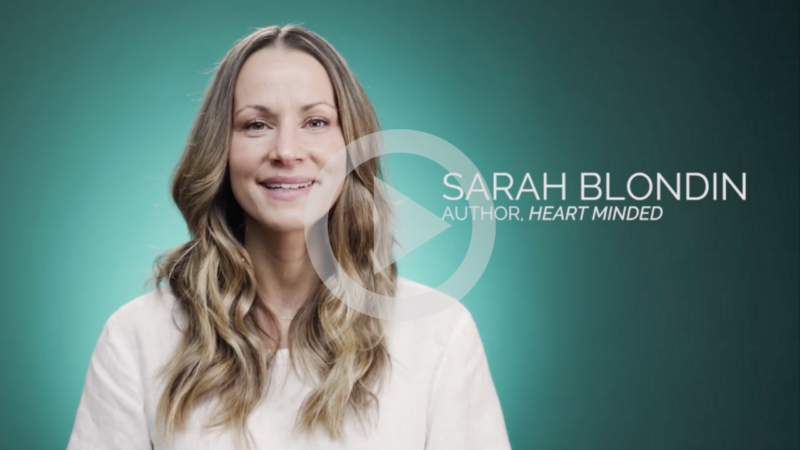
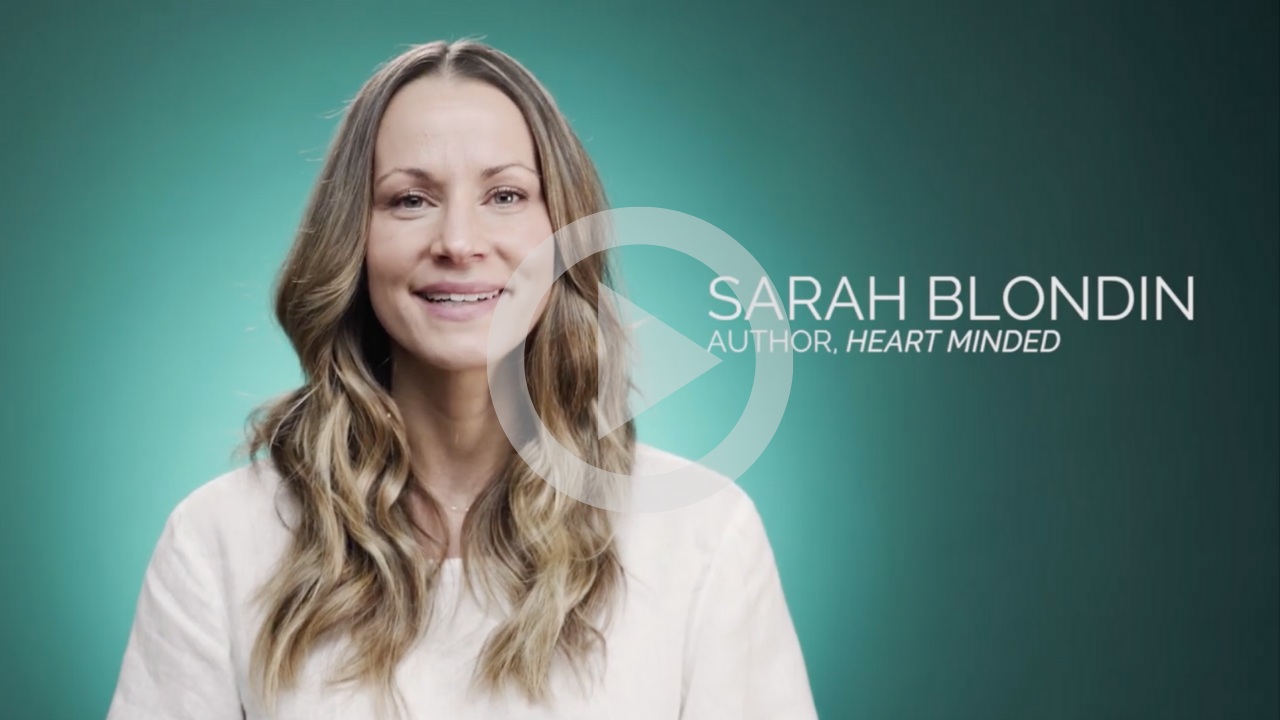
For a guided practice in learning to stay in our hearts during difficult times, follow along with Sarah in this video.


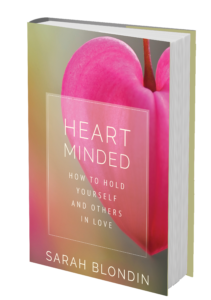
This is an adapted excerpt from Heart Minded: How to Hold Yourself and Others in Love by Sarah Blondin.


Sarah Blondin

Sarah Blondin is an internationally beloved spiritual teacher. Her guided meditations on the app InsightTimer have received nearly 10 million plays. She hosts the popular podcast Live Awake, as well as the online course Coming Home to Yourself. Her work has been translated into many languages and is in use in prison, recovery, and wellness programs. For more, visit sarahblondin.com.


Learn More

Sounds True | Amazon | Barnes & Noble | Bookshop

A Grounding Meditation to Start Living From Your Heart

I would like to open with a grounding meditation. Feel free to listen to the meditation here or you can read along with the text below.

If I may, I’d like to guide you someplace warm. To an island not too far away. It won’t take much effort, just a few conscious breaths. And all I need for you to do is to stop. For this moment, stop seeking, stop solving, stop gritting and grinding. All you need is to close your eyes and receive. 

Quiet now, like water or sand. Settle now, like dusk and dew drop. One breath in, one breath out. One breath in, one breath out. Reorient yourself to face toward what is immovable inside you. Just look now. Trust and you shall see. It is there, to the left of your right lung, tucked just under your left rib, a warm small island, beating like a drum.  If you stand here long enough, you will feel the song inside being written, maybe even prayed over you. Moment by moment, it never stops. 

Can you feel you are unlacing something? Or better, something is unlacing you? Can you feel the fight stopping? The fear quieting? Can you feel your edges becoming more like wind or water, rather than shale and stone? Can you feel the light coming? The waves of warmth rising? 

Now move into this current of grace that your heart has created for you, and feel the great hush wash over you. Feel the substance of love holding your very atoms together. This is your heart, dear one. Never forget this is yours. Kneel here, whenever you are thirsty, whenever your feet are tired, or your hands are sore. Kneel here when you can’t see love any longer. Kneel here, dear one. Reorient yourself toward what is immovable in you.

My new book, Heart Minded: How to Hold Yourself and Others in Love, was written to help remind us, reconnect us, reorient us with our hearts. Through story and guided meditation, I lead you through the fraught and sometimes frightening places holding you separate from your heart. It is a journey of healing that teaches you how to see and feel not from the mind, but from the wise seat of your very heart.

Now more than ever, we are being asked to move into the consciousness of the heart. Where love, compassion, “at-one-ment” become our governing virtues. When we see through the eyes of the heart, when we become heart minded, we stand as a beacon of light, burning back the dark.

Please join me in the heart-minded revolution. 

This originally appeared as an author letter to the Sounds True audience from Sarah Blondin.


sarah blondinSarah Blondin is an internationally beloved spiritual teacher. Her guided meditations on the app InsightTimer have received nearly 10 million plays. She hosts the popular podcast Live Awake, as well as the online course Coming Home to Yourself. Her work has been translated into many languages and is in use in prison, recovery, and wellness programs. For more, visit sarahblondin.com.


book cover

Learn More

Sounds True | Amazon | Barnes & Noble | Bookshop

You Might Also Enjoy

Gabor Maté on Trauma: Understanding the Roots of Heal...

Trauma is a word we hear often, yet many of us still wonder what it truly means. Is it only about extreme events, or can it take root in quieter moments of disconnection? Why do patterns like anxiety, addiction, or emotional shutdown persist even when we genuinely want change? Gabor Maté invites us to look beneath behaviors and symptoms to the deeper emotional wounds that shape how we relate to ourselves and others. His perspective reframes trauma not as a flaw in our character, but as an adaptation to experiences that once felt overwhelming.

At Sounds True, we have been recording and sharing the living wisdom of transformative teachers since 1985. With a library of thousands of titles and conversations with leading voices in psychology, spirituality, and human development, we are devoted to preserving teachings in their authentic, unscripted voice. Our mission is to support awakening and healing by offering resources that speak to the heart as well as the mind.

Here, we will discuss Gabor Maté’s insights on trauma, the connection between addiction and trauma, and how understanding the roots of healing can guide meaningful trauma healing grounded in compassion and awareness.

Key Takeaways:

  • Trauma Defined: Gabor Maté describes trauma as the internal impact of overwhelming experiences, not simply the event itself.
  • Addiction and Trauma Link: Addictive behaviors often serve as coping mechanisms for unresolved emotional pain rooted in early attachment wounds.
  • Roots of Healing: Compassionate awareness and relational safety form the foundation of sustainable trauma healing.

Build relationships that nourish and sustain

Gabor Maté on Trauma: A New Understanding of Emotional Wounds

In this conversation, Gabor Maté reframes trauma as an inner wound rather than a single external event. Trauma is not only what happened to us. It is what occurred inside us when we felt overwhelmed, unseen, or unsafe.

From this perspective, many of our adult patterns began as intelligent adaptations. A child who suppresses emotion to preserve attachment is not dysfunctional. That child is surviving. Over time, these survival strategies can become anxiety, self-criticism, emotional numbness, or people-pleasing.

Understanding Gabor Mate’s trauma means recognizing that these patterns are rooted in protection. When we ask, “What happened to you?” instead of “What is wrong with you?” shame loosens its grip. Compassion becomes possible.

At Sounds True, we have long been devoted to preserving the living wisdom of teachers like Dr. Maté. His work points us toward the roots of healing by inviting awareness, honesty, and self-compassion. Trauma healing begins with understanding how we adapted and gently reconnecting with the parts of ourselves that had to go into hiding.

Addiction and Trauma: Why Coping Mechanisms Begin in Childhood

Gabor Maté explains that addiction and trauma often begin long before adulthood. Coping mechanisms form in childhood as intelligent responses to emotional stress or disconnection.

Addiction as an Attempt to Regulate Pain

Addiction is not primarily about substances or behaviors. It is about relief. When children lack consistent emotional attunement, they may suppress overwhelming feelings. Later in life, compulsive behaviors can become ways to regulate what was never safely processed.

Seeing addiction through this lens shifts the focus from blame to understanding and supports meaningful trauma healing.

Attachment Wounds and the Roots of Healing

Children prioritize attachment over authenticity. If expressing anger, fear, or sadness threatens connection, those emotions are pushed aside. Over time, this creates internal disconnection that can fuel addiction and trauma patterns.

Recognizing these early attachment wounds reveals the roots of healing. With awareness and compassion, survival strategies can gradually give way to healthier forms of connection.

Awaken Your Inner Healing Power

The Roots of Healing: How Trauma Shapes the Developing Self

Gabor Maté explains that trauma shapes not only behavior, but identity. A child adapts to their environment in order to preserve attachment. Over time, these adaptations influence how the developing self relates to emotion, stress, and connection.

Adaptation and the Loss of Authenticity

When certain emotions threaten belonging, a child learns to suppress them. Anger, sensitivity, or fear may be hidden to maintain closeness with caregivers. These strategies protect attachment, yet they can create a lasting split between authenticity and connection.

Trauma healing begins by recognizing these patterns without judgment. As awareness grows, the parts of the self that were once silenced can gradually return.

Reclaiming the Self and the Roots of Healing

Healing involves reconnecting with the authentic self beneath survival strategies. With compassionate attention, individuals begin to see how early experiences shaped their beliefs and coping mechanisms. Trauma and the Embodied Brain offers a deeper look at how trauma lives in the nervous system and body, providing a somatic foundation for understanding why healing requires more than insight alone. As these insights unfold, the roots of healing become grounded in self-understanding, presence, and renewed connection.

Compassionate Inquiry: A Pathway to Trauma Healing

Gabor Maté presents Compassionate Inquiry as a gentle method for uncovering the beliefs and emotional patterns shaped by trauma. Rather than focusing only on symptoms, it brings awareness to the deeper wounds beneath them.

What Is Compassionate Inquiry?

This approach uses careful, attuned questioning to help individuals recognize how past experiences shape present reactions. By slowing down and listening inwardly, hidden narratives come into awareness, creating space for trauma healing.

Professionals seeking formal training can learn this modality through the Compassionate Inquiry Professional Training.

Compassion and the Roots of Healing

Compassion is central to this work. When shame softens, the nervous system feels safer, and authentic expression becomes possible. In this way, compassionate inquiry supports the roots of healing by restoring connection to the self. The Trauma Skills Program builds on this foundation, offering structured tools for developing the practical skills that support lasting nervous system regulation and emotional resilience.

Trauma Healing Through Presence, Awareness, and Self-Compassion

In this portion of the conversation, Gabor Maté emphasizes that trauma healing is not a technique to master but a way of relating to ourselves differently. Healing unfolds through steady awareness, nervous system regulation, and compassionate self-observation.

Core Elements of Trauma Healing

  • Presence with bodily experience: Trauma is stored in the body. Healing begins when we learn to notice physical sensations without immediately reacting or suppressing them.
  • Awareness of triggers: Emotional reactions often point to unresolved wounds. By observing triggers with curiosity, we trace them back to their origins in earlier experiences.
  • Self-compassion instead of self-judgment: Harsh inner criticism reinforces trauma patterns. Gentle acknowledgment helps restore internal safety.
  • Understanding addiction and trauma patterns: Recognizing how coping behaviors once protected us allows those patterns to soften rather than intensify.
  • Safe relational support: Healing deepens in the presence of attuned connection, where authenticity no longer threatens attachment.

Dr. Maté reminds us that trauma healing is gradual. It is not about erasing the past but about building capacity to stay present with ourselves. Through awareness and compassion, the nervous system learns that it no longer has to remain in survival mode.

Addiction and Trauma in Adults: Recognizing the Hidden Pain

In adulthood, addiction and trauma often show up as chronic stress, compulsive behaviors, or emotional numbness. What appears to be self-sabotage is frequently an attempt to regulate unresolved pain rooted in early attachment wounds. Gabor Maté invites us to look beneath the behavior and ask what the nervous system is trying to soothe. When addiction is seen as an adaptation rather than a failure, space for trauma healing opens.

For deeper insight and practical guidance, the Trauma Skills Summit brings together leading experts on trauma healing. Those seeking a structured approach to understanding how trauma lives in the body can turn to the Healing Trauma Online Course. Through awareness and informed support, the hidden pain beneath addiction and trauma can be met with compassion and clarity.

The Roots of Healing in Relationships and Community

Gabor Maté reminds us that trauma often forms in relationships and healing unfolds there as well. Early attachment patterns shape how we connect as adults, influencing trust, boundaries, and emotional expression.

When we experience safe, attuned relationships, the nervous system begins to settle. Authenticity no longer feels threatening to belonging. In a supportive community, addiction and trauma can be understood with compassion rather than shame.

The roots of healing deepen when we are seen, heard, and accepted as we are.

Compassionate Inquiry and the Future of Trauma Healing

In closing, Gabor Maté points toward a future of trauma healing grounded in compassion rather than pathology. If trauma is an adaptive response to disconnection, healing must center on reconnection to self and others.

Compassionate Inquiry reflects this shift. Instead of labeling symptoms, it listens beneath them. It recognizes that addiction and trauma arise from unmet needs and suppressed emotions. With awareness, long-held beliefs begin to soften.

The roots of healing are found in presence, relational safety, and authenticity. As we continue sharing these conversations at Sounds True, our intention remains clear: to support trauma healing that honors the whole person and restores connection at every level.

Discover the power of daily meditation

Final Thoughts

Gabor Maté reminds us that trauma is not a personal flaw but an adaptive response to pain and disconnection. When we understand the link between addiction and trauma, self-judgment begins to soften, and compassion takes its place.

The roots of healing are found in awareness, relational safety, and the courage to gently face what once felt overwhelming. Through compassionate inquiry and embodied presence, trauma healing becomes less about fixing ourselves and more about returning to who we have always been beneath survival patterns.

At Sounds True, we remain devoted to sharing conversations that support this return to wholeness.

Frequently Asked Questions About Gabor Maté Trauma and the Roots of Healing

What does Gabor Maté mean by trauma?

Gabor Maté defines trauma as the internal wound that forms when a person feels overwhelmed and unsupported. It is less about the event itself and more about the lasting impact on the nervous system and sense of self.

How does Gabor Maté connect trauma to physical health?

He suggests that chronic stress rooted in early trauma can affect the body over time. Emotional suppression and prolonged survival states may contribute to illness by keeping the nervous system in constant activation.

Is trauma always caused by extreme events?

No. Gabor Maté emphasizes that trauma can result from subtle, repeated experiences such as emotional neglect, lack of attunement, or pressure to suppress authentic feelings.

What role does authenticity play in trauma?

According to Maté, many people sacrifice authenticity to preserve attachment in childhood. This split between the true self and the adapted self becomes a core element of trauma.

How does Gabor Maté approach trauma differently from traditional models?

Rather than focusing only on symptoms or diagnoses, he looks at the emotional and relational roots beneath behaviors. His approach centers on compassion and curiosity rather than correction.

Can trauma exist even in loving families?

Yes. Trauma can occur even when caregivers have good intentions. Stress, distraction, or unresolved wounds in parents can limit emotional attunement, affecting a child’s development.

How does trauma affect decision-making in adulthood?

Unresolved trauma can influence choices through unconscious beliefs about worth, safety, and belonging. These beliefs may shape relationships, work patterns, and self-perception.

What is the relationship between stress and trauma?

Trauma often creates a heightened stress response. The body may remain on alert long after the original threat has passed, leading to chronic tension or emotional reactivity.

Is trauma healing a linear process?

No. Healing tends to unfold gradually and sometimes unevenly. Progress often involves increased awareness and capacity rather than a simple elimination of symptoms.

Why is compassion central to Gabor Maté’s view of trauma?

Compassion helps regulate shame and defensiveness. When individuals feel safe and understood, they are more willing to face painful memories and long-held beliefs.

Michelle Cassandra Johnson is an author, activist, spiritual teacher, racial equity consultant, and intuitive healer. She is the author of six books, including Skill in Action and Finding Refuge. Amy Burtaine is a leadership coach and racial equity trainer. With Robin DiAngelo, she is the coauthor of The Facilitator's Guide for White Affinity Groups. For more, visit https://www.michellecjohnson.com/wisdom-of-the-hive.

Radical Forgiveness: A Revolutionary Approach to Letti...

Forgiveness can sound simple in theory and nearly impossible in practice. Many of us know what it feels like to carry resentment long after a moment has passed. A conversation replays in the mind. A betrayal lingers in the body. Even when we want to move forward, something inside resists. Radical forgiveness offers another way to meet these experiences. It invites us to look beyond the surface of what happened and consider how our interpretation of the event shapes our inner life.

For more than three decades, we have been devoted to sharing the living wisdom of spiritual teachers in their own unscripted voices. From respected pioneers in mindfulness and compassion to contemporary leaders in personal transformation, our work has centered on teachings that support genuine awakening. Through thousands of audio programs, books, and in-depth conversations, we have witnessed how forgiveness becomes a doorway to freedom rather than a moral obligation.

Here, we will discuss radical forgiveness as a revolutionary approach to letting go, including how to forgive, how to release resentment, and how a steady forgiveness practice can support healing through forgiveness in everyday life.

Key Takeaways:

  • Perception Shift: Radical forgiveness reframes painful experiences as opportunities for spiritual growth rather than proof of victimhood.
  • Emotional Freedom: A steady forgiveness practice helps release resentment and restore inner balance without denying emotional truth.
  • Self-Inclusion: Healing through forgiveness deepens when we extend compassion to ourselves alongside others.

Awaken Something Greater

What Is Radical Forgiveness?

Radical forgiveness is a spiritual approach to letting go that shifts our perception of harm, blame, and victimhood. Rather than focusing solely on releasing anger toward someone who hurt us, radical forgiveness invites us to question the deeper meaning of the experience itself.

This perspective suggests that life is not happening against us, but for our awakening. That does not excuse harmful behavior. Instead, it calls us to release the story that we are powerless or defined by what happened.

In the teachings of Radical Forgiveness, we are encouraged to see painful events through a wider spiritual lens. When we loosen our grip on blame and resentment, we create space for peace. The shift is subtle but profound. We move from asking why something happened to asking what it is here to teach.

Radical forgiveness is not about bypassing emotion. It is about allowing anger, grief, and disappointment to move through us without building a permanent home inside us. It is a practice of reclaiming our inner freedom by choosing a new interpretation of our experience.

How to Forgive: Understanding Radical Forgiveness as a Spiritual Path

Learning how to forgive is rarely about forcing ourselves to move on. In radical forgiveness, it becomes a spiritual shift in perception. Instead of staying fixed on blame, we begin to ask what the experience is revealing within us.

Moving Beyond Blame

Radical forgiveness invites us to release the identity of the victim. While blame can feel justified, it often keeps us tied to the past. Forgiveness begins with curiosity. What belief was triggered? What fear surfaced?

This approach does not excuse harm. It restores our agency. Our healing no longer depends on someone else changing.

Choosing a New Interpretation

At the heart of a forgiveness practice is the willingness to see differently. We can interpret painful events through separation, or we can consider that they may hold meaning for our growth. Choosing a new interpretation takes repetition. It is a daily return to openness. Radical Compassion Challenge supports this process by helping cultivate the open-hearted awareness that makes a new interpretation possible. As we learn how to forgive in this way, resentment softens and our energy returns to the present.

Letting Go of Resentment Through a Conscious Forgiveness Practice

Letting go of resentment does not mean denying anger. It means choosing not to build our identity around past pain. A steady forgiveness practice helps us make that shift.

Recognizing the Cost of Resentment

Resentment can feel justified, yet it keeps us tethered to the story of what happened. Radical forgiveness invites us to ask: What is holding onto this anger costing us? Peace, connection, presence?

Awareness is often the first step toward release.

Practicing Release with Intention

Forgiveness becomes real through repetition. Journaling, guided reflection, and structured inquiry support us in reframing our experience and loosening blame. For deeper personal work, The Power of Self-Compassion provides practical tools for working with guilt, shame, and unresolved hurt — meeting ourselves with the same care we are learning to extend to others. Over time, letting go of resentment becomes less about a dramatic breakthrough and more about returning, again and again, to willingness.

Awaken Your Inner Healing Power

Healing Through Forgiveness: The Transformative Power of Radical Forgiveness

Healing through forgiveness is about changing how the past lives within us. Radical forgiveness offers a spiritual framework for that shift, helping us release emotional charge without denying our experience.

From Reaction to Reflection

Pain can leave lasting emotional patterns. Radical forgiveness encourages us to feel what arises while also asking a deeper question: What might this experience be teaching me? This shift moves us from automatic reaction to conscious reflection.

Through this lens, healing through forgiveness becomes an inner process rather than a negotiation with others.

Reclaiming Inner Freedom

As blame softens, we regain emotional space. The memory may remain, but its intensity begins to fade. Radical forgiveness restores our capacity to choose how we respond instead of reliving old pain. Whatever Arises, Love That deepens this work, offering a practice of meeting every experience — including pain and resentment — with unconditional openness rather than resistance. This is the transformative power of the practice. We are no longer defined by what happened, but strengthened by how we grow beyond it.

A Daily Forgiveness Practice for Radical Letting Go

Radical forgiveness becomes real through daily application. A consistent forgiveness practice supports radical letting go by helping us shift from reaction to reflection in the middle of ordinary life.

A Simple Structure for Daily Practice

You might begin with a few intentional steps:

  • Pause and name the feeling. Acknowledge anger, hurt, or disappointment without judgment.
  • Identify the story you are telling about what happened. Notice where blame or victimhood may be shaping your interpretation.
  • Ask what this experience is inviting you to see or learn. Stay open rather than forcing an answer.
  • Consciously choose willingness. You may not feel full forgiveness yet, but you can choose openness to it.
  • Close with reflection or meditation to anchor the shift in your body and breath.

For guided support, Forgiveness Meditation offers a structured way to sit with difficult emotions and gently release resentment.

A daily forgiveness practice does not require perfection. Some days the shift will feel natural. Other days, it may feel resistant. What matters is the steady return. Radical letting go unfolds through repetition, patience, and a growing trust that inner freedom is possible.

Radical Self-Forgiveness as the Foundation of Healing Through Forgiveness

Radical self-forgiveness is essential to healing through forgiveness. While we may focus on releasing resentment toward others, unresolved guilt and shame often remain beneath the surface. When we judge ourselves harshly, we reinforce the belief that we are defined by our mistakes. Healing Trauma Online Course offers gentle, structured support for this layer of the work — helping practitioners move through unresolved pain with care and build a more compassionate relationship with their own history.

Radical self-forgiveness invites a different response. It asks us to take responsibility with compassion rather than self-condemnation. We acknowledge what happened, learn from it, and allow ourselves to grow beyond it. When we include ourselves in the process of forgiveness, healing deepens. We stop replaying old regret and begin living with greater wholeness and self-trust.

Getting Unstuck: How to Forgive When You Feel Stuck in Resentment

There are times when forgiveness feels distant, even when we want it. Feeling stuck in resentment often means a deeper layer of hurt has not yet been acknowledged. Before we can release anger, we may need to fully admit how much something affected us.

How to forgive in these moments begins with gently questioning the story we are repeating. Is there another way to interpret what happened? What belief is keeping the resentment alive?

Getting unstuck is usually a gradual shift. With patience and a steady forgiveness practice, the emotional charge begins to soften, and space opens for a new response.

Forgiveness Meditation as a Practice for Letting Go of Resentment

Forgiveness meditation offers a steady way to practice letting go of resentment. Instead of replaying the story of what happened, we turn our attention to the emotions held in the body and meet them with awareness.

By sitting quietly, acknowledging the hurt, and extending compassion to ourselves and others, we begin to loosen the grip of anger. We are not forcing forgiveness. We are creating space for it.

Over time, this practice softens emotional reactivity and supports a deeper sense of inner peace.

Discover the power of daily meditation

Final Thoughts

Radical forgiveness invites us to live with a wider lens. It asks us to release resentment, question the stories that keep us stuck, and include ourselves in the circle of compassion. Through a steady forgiveness practice, healing through forgiveness becomes less about changing the past and more about reclaiming our inner freedom.

Letting go is rarely a single moment. It is a willingness we return to again and again. In that return, we begin to experience the quiet strength of a heart no longer defined by what has happened, but guided by what is possible now.

Frequently Asked Questions About Radical Forgiveness

What makes radical forgiveness different from traditional forgiveness?

Radical forgiveness shifts the focus from resolving interpersonal conflict to transforming personal perception. Instead of centering on apology or reconciliation, it emphasizes inner awareness and spiritual growth as the primary outcome.

Is radical forgiveness connected to a specific spiritual belief system?

Radical forgiveness can be practiced within many spiritual traditions, but it is not limited to one path. It rests on the idea that life events can hold meaning beyond surface appearances, allowing individuals to interpret experiences through a lens of consciousness rather than punishment.

Does radical forgiveness mean reconciling with someone who caused harm?

Not necessarily. Radical forgiveness is an internal process. Reconciliation may or may not be appropriate. The practice centers on releasing inner hostility, not forcing renewed relationships or trust.

Can radical forgiveness help with long-standing family conflict?

Yes. Because it addresses the internal narrative rather than external behavior, radical forgiveness can shift deeply rooted patterns. Even if family dynamics remain unchanged, one’s emotional experience of them can transform.

How long does it take to practice radical forgiveness effectively?

There is no fixed timeline. Some situations may soften quickly, while others require ongoing reflection. Radical forgiveness is less about speed and more about sustained willingness.

Is radical forgiveness psychologically safe for trauma survivors?

For individuals with significant trauma, it is important to proceed gently and, when needed, with professional support. Radical forgiveness is not about bypassing pain but integrating it consciously. Timing and readiness matter.

Can radical forgiveness improve physical health?

Chronic resentment has been linked to stress-related physical symptoms. While radical forgiveness is not a medical treatment, releasing emotional tension may support overall well-being by reducing stress responses.

What role does accountability play in radical forgiveness?

Accountability remains important. Radical forgiveness does not remove responsibility for harmful actions. Instead, it separates accountability from ongoing emotional entanglement.

How does radical forgiveness relate to personal boundaries?

Forgiveness and boundaries can coexist. Releasing resentment does not mean allowing repeated harm. Healthy boundaries often become clearer when resentment is no longer clouding perception.

Can radical forgiveness be practiced without meditation?

Yes. While meditation can support the process, radical forgiveness can also be practiced through journaling, dialogue, reflection, or guided inquiry. The essential element is a willingness to reinterpret the experience.

Michelle Cassandra Johnson is an author, activist, spiritual teacher, racial equity consultant, and intuitive healer. She is the author of six books, including Skill in Action and Finding Refuge. Amy Burtaine is a leadership coach and racial equity trainer. With Robin DiAngelo, she is the coauthor of The Facilitator's Guide for White Affinity Groups. For more, visit https://www.michellecjohnson.com/wisdom-of-the-hive.

Donna Eden’s Energy Medicine: Simple Techniques ...

Have you ever noticed how your energy can change in a matter of minutes? A tense moment can leave you feeling scattered, while a simple shift in breath or movement can restore steadiness. Donna Eden’s energy medicine is grounded in the understanding that the body is an energetic system. By learning a few practical energy healing techniques and establishing a daily energy routine, it becomes possible to uplift your energy and support balance in everyday life.

At Sounds True, we have been dedicated since 1985 to sharing living spiritual wisdom in the authentic voices of transformative teachers. Our library of thousands of titles and conversations with leading visionaries reflects our commitment to teachings that are experiential, grounded, and accessible. Working with pioneers like Donna Eden allows us to bring forward energy medicine practices that invite direct participation in your own healing process.

Here, we’ll discuss the foundations of Donna Eden energy medicine, outline simple techniques you can apply right away, and look at how a consistent daily energy routine can uplift your energy and support lasting well-being.

Key Takeaways:

  • Self-Healing Focus: Donna Eden energy medicine teaches practical techniques you can use daily to support your body’s natural balance.
  • Daily Practice Matters: A consistent daily energy routine strengthens resilience and helps uplift your energy over time.
  • Whole-Body Awareness: Energy healing techniques work with meridians, chakras, and subtle systems to support physical and emotional well-being.

Awaken Your Inner Healing Power

What Is Donna Eden Energy Medicine?

Donna Eden’s energy medicine teaches that the body is not only physical but energetic. Beneath organs and tissues flows a network of meridians, chakras, and subtle systems that shape how we feel and function. When energy is balanced, we feel steady and clear. When it is disrupted, we feel depleted or overwhelmed.

In this podcast conversation, Donna shares practical energy healing techniques such as tracing meridians and holding specific points on the body to restore flow. Practiced consistently, these methods form a daily energy routine that helps uplift your energy and strengthen resilience.

For guided instruction, Energy Healing provides foundational tools for working directly with your energy system. In The Science of Medical Intuition, the connection between subtle energy awareness and physical well-being is explored in greater depth, offering a compelling look at how the body communicates through its energetic systems.

Her message is simple: small, consistent actions can shift your state and reconnect you with your body’s natural healing capacity.

The Foundations of Energy Medicine Practices

Energy medicine practices are based on the understanding that the body’s energies respond to touch, movement, and focused attention. In our conversation with Donna Eden, she explains that stress can disrupt these systems, but simple interventions can help restore balance.

Understanding the Body’s Energy Systems

Donna highlights key systems such as meridians and chakras. Meridians distribute energy throughout the body, while chakras influence physical and emotional stability. When these systems are supported, the body functions with greater ease. For deeper work with these subtle layers, The Subtle Body Online Training Program provides guided instruction for understanding and balancing the energetic architecture that underlies physical and emotional health.

Practical Tools for Daily Support

Donna Eden’s energy medicine is designed for everyday use. Techniques like tracing meridians or holding calming points can quickly shift your state. Practiced consistently as a daily energy routine, these methods help uplift your energy and strengthen resilience over time.

How Energy Healing Techniques Restore Balance in the Body

Energy healing techniques work by helping the body correct energetic disruptions caused by stress, fatigue, or emotional strain. When specific points or pathways are stimulated, the nervous system begins to settle and reorganize.

Calming Stress Through the Energy System

Simple practices such as holding neurovascular points or tracing meridians can calm the stress response within minutes. As energy flow improves, breathing steadies, and mental clarity increases. Over time, these techniques support a more regulated and resilient system.

Rebalancing Energy to Uplift Your Energy

Movements like cross crawl exercises help coordinate energy patterns and support brain integration. When energy pathways are aligned, you feel more grounded and alert. Practiced consistently, these tools help uplift your energy and restore balance naturally.

Why a Daily Energy Routine Can Transform Your Well-Being

Donna Eden teaches that consistency matters more than intensity. A daily energy routine creates stability in the body’s energetic systems, helping prevent imbalance before it escalates.

Building Resilience Through Repetition

When practiced each day, even for a few minutes, energy medicine practices strengthen the body’s capacity to respond to stress. Simple movements, meridian tracing, and grounding exercises reinforce healthy energy flow.

Over time, this repetition builds resilience. Instead of reacting automatically to stress, the body learns to reset more efficiently. Many people notice improved focus, steadier moods, and increased vitality.

Creating Space to Uplift Your Energy

A daily energy routine also becomes a moment of intentional pause. Rather than pushing through fatigue or tension, you actively uplift your energy with tools that reconnect you to your body. For those who want to experience a range of teachers and approaches in this field, The Energy Healing Summit offers expanded insight into how energy work supports transformation and well-being. Practiced regularly, these techniques become less of a task and more of a way of living in partnership with your own vitality.

Discover the power of daily meditation

Simple Energy Healing Techniques to Uplift Your Energy

In our podcast conversation, Donna Eden shares that you do not need complex rituals to shift how you feel. Small, intentional movements can quickly restore flow and clarity. These energy healing techniques are designed to be simple enough for daily use.

  • Trace your meridians with your hands to stimulate energy pathways and encourage circulation throughout the body.
  • Hold neurovascular points on the forehead to calm stress and support emotional balance.
  • Practice cross crawl movements to integrate brain function and coordinate energy patterns.
  • Thump key meridian end points gently to awaken sluggish energy and increase alertness.
  • Smooth the aura with sweeping hand motions to settle scattered or tense energy.

Practiced consistently, these tools become part of a steady rhythm of care. Over time, they support a stronger daily energy routine and help uplift your energy in ways that feel tangible and grounded.

How to Build Energy Medicine Practices Into Everyday Life

Integrating Donna Eden energy medicine into daily life does not require large blocks of time. In our conversation, Donna emphasizes weaving energy medicine practices into ordinary moments. A few minutes in the morning can set the tone for the day. Tracing meridians before getting out of bed, practicing cross crawl movements while taking a break, or holding calming points during a stressful conversation can shift your internal state quickly.

Consistency is what transforms these tools into a lived daily energy routine. Rather than waiting for exhaustion or imbalance, you begin to check in with your body regularly. This awareness helps you uplift your energy before stress accumulates. Over time, the practices become intuitive. You notice when your energy dips and naturally reach for a technique that restores steadiness.

Energy medicine becomes less about adding something new to your schedule and more about changing how you move through the day. Small, repeated actions build trust in your body’s ability to rebalance and support your overall well being.

The Connection Between Chakras and Uplift Your Energy Work

Chakras play an important role in emotional and spiritual balance. These energy centers influence physical health, relationships, creativity, and purpose. When they are aligned, energy moves more smoothly throughout the body.

Donna explains that stress and unresolved emotions can disrupt chakra function. Simple energy healing techniques such as focused breathing, holding specific points, or directing awareness to a center can help restore balance. Even small shifts often lead to greater clarity and steadiness.

Working with the chakras strengthens your ability to uplift your energy intentionally. As chakra awareness becomes part of your daily energy routine, you build resilience while supporting both physical and emotional well-being.

Integrating Donna Eden Energy Medicine Into Your Spiritual Path

Donna Eden’s energy medicine is not only a set of techniques. It is a way of relating to your body as an intelligent partner in your spiritual life. In our conversation, Donna speaks about energy awareness as a bridge between physical vitality and deeper presence.

As you work consistently with energy medicine practices, you begin to notice subtle shifts in perception. You may feel more grounded during meditation, more centered in relationships, and more attuned to your intuition. A steady daily energy routine supports spiritual growth by stabilizing the body’s systems so awareness can expand without overwhelm.

This integration also reflects our larger mission at Sounds True. We are devoted to sharing living wisdom that invites direct experience. Energy healing techniques offer a practical entry point. They help uplift your energy so that inner work becomes embodied rather than abstract.

Over time, these practices become part of how you listen inwardly. You sense when something is off balance and respond with care. In that responsiveness, energy medicine becomes a spiritual discipline rooted in daily life.

Build relationships that nourish and sustain

Final Thoughts

Donna Eden’s energy medicine offers a practical way to care for your body’s natural intelligence. Through simple energy medicine practices and consistent attention, you can restore balance and uplift your energy in everyday moments.

A steady daily energy routine builds resilience over time, supporting both physical vitality and spiritual growth. These energy healing techniques remind us that healing is participatory, embodied, and available to us each day.

Frequently Asked Questions About Donna Eden Energy Medicine

What makes Donna Eden energy medicine different from other energy healing approaches?

Donna Eden’s energy medicine focuses on practical, body-based techniques that individuals can use on themselves. Rather than relying solely on a practitioner, it emphasizes daily self-care methods that support long-term balance and awareness.

Do I need prior experience in energy work to practice Donna Eden energy medicine?

No prior experience is required. The techniques are designed to be accessible to beginners while still offering depth for those familiar with energy healing techniques or other holistic modalities.

How long does it take to see results from energy medicine practices?

Many people report subtle shifts, such as feeling calmer or more alert, within minutes of practicing. Long-term benefits tend to develop through consistency and a steady daily energy routine.

Is Donna Eden’s energy medicine connected to a specific religion?

The work draws from multiple healing traditions but is not tied to any one religion. It can complement a wide range of spiritual paths or be practiced independently as a wellness modality.

Can energy medicine practices support emotional well-being?

Yes. Many techniques are designed to help regulate stress responses and encourage emotional steadiness by working directly with the body’s energetic patterns.

Is there scientific research supporting energy healing techniques?

While research in subtle energy fields is still evolving, related studies in stress reduction, nervous system regulation, and mind-body practices offer a supportive context for how these methods may benefit overall health.

How is a daily energy routine different from meditation?

Meditation often emphasizes stillness and awareness. A daily energy routine involves physical movements and touch-based techniques that actively stimulate and balance the body’s energy systems.

Can children or older adults practice Donna Eden energy medicine?

Yes. The techniques are generally gentle and adaptable, making them suitable for a wide range of ages when practiced mindfully.

Does practicing energy medicine replace medical treatment?

Energy medicine practices are intended to complement, not replace, appropriate medical care. They support the body’s natural balance alongside conventional treatment when needed.

What is the long-term benefit of learning to uplift your energy?

Over time, learning to uplift your energy fosters greater self-awareness, resilience, and responsiveness. It strengthens your ability to recognize imbalance early and respond with practical tools.

Michelle Cassandra Johnson is an author, activist, spiritual teacher, racial equity consultant, and intuitive healer. She is the author of six books, including Skill in Action and Finding Refuge. Amy Burtaine is a leadership coach and racial equity trainer. With Robin DiAngelo, she is the coauthor of The Facilitator's Guide for White Affinity Groups. For more, visit https://www.michellecjohnson.com/wisdom-of-the-hive.

>
Share via
Copy link
Powered by Social Snap