Tami Simon: Embracing Paradox: A special micro-episode

    —
February 5, 2019

Tami Simon: Embracing Paradox: A special micro-episode

Tami Simon February 5, 2019

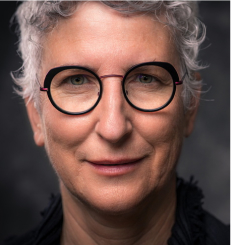
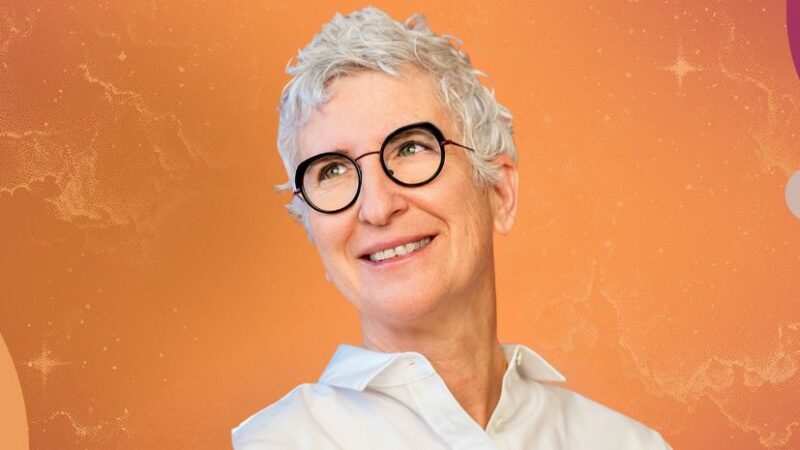
Tami Simon is the founder and CEO of Sounds True, as well as the host of Insights at the Edge. In this special episode, Tami celebrates an amazing milestone: her five-hundredth podcast. Speaking on her many years as an interviewer, Tami explains that she has been able to take in all the competing, often contradictory viewpoints of her subjects by embracing the concept of paradox. She shares numerous examples of contrasting ideas (such as the roles of anger and surrender in spiritual practice) that she has entertained as truth. Tami considers the paradox of becoming more in tune with herself over the years while also learning how interconnected she is with all other beings. Finally, Tami mulls the painful contradiction of brilliant teachers who also prey on the vulnerable and what this means for the overall quest for spiritual discovery. (36 minutes)

Tami Simon started Sounds True at the age of 22 with a dream and a tape recorder. Though she had no experience running a business and only a vague idea of what she wanted the company to be, Tami had her guiding principle strongly in place: to disseminate spiritual wisdom. Over its 36-year history, Sounds True has grown into a multimedia publisher that has produced over 6,000 titles, has been included twice in the Inc. 500 list of the fastest-growing companies, and is North America’s leading publisher of spoken-word spiritual teachings.

One of the world’s very first organizations to focus on multiple bottom lines as part of its founding mandate, Sounds True has expanded steadily over the years while staying true to its original mission. Partnering with the leading spiritual teachers of our time, Sounds True now has a successful book publishing program (distributed by Macmillan) and has grown to produce events, certification programs, and transformational online learning experiences.

Tami hosts the popular Sounds True podcast, Insights at the Edge, which has now been downloaded more than 20 million times. She is also the founder of the Sounds True Foundation, which is dedicated to bringing spiritual education to people who would otherwise not have access. She lives in Boulder, Colorado, and in British Columbia with her wife, Julie Kramer, and their two spoodles, Raspberry and Bula.

Author photo © Jason Elias

600 Podcasts and Counting…

Subscribe to Insights at the Edge to hear all of Tami’s interviews (transcripts available too!), featuring Eckhart Tolle, Caroline Myss, Tara Brach, Jack Kornfield, Adyashanti, and many more.

Meet Your Host: Tami Simon

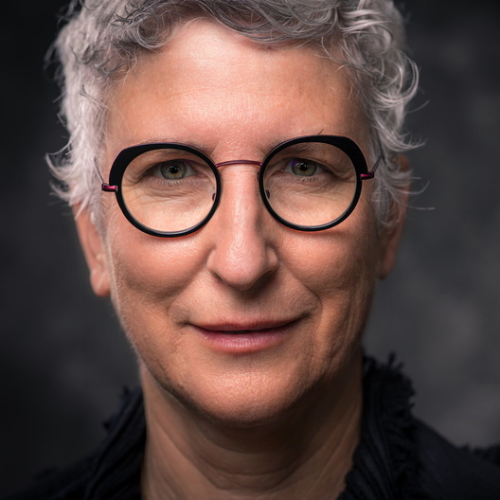
Founded Sounds True in 1985 as a multimedia publishing house with a mission to disseminate spiritual wisdom. She hosts a popular weekly podcast called Insights at the Edge, where she has interviewed many of today's leading teachers. Tami lives with her wife, Julie M. Kramer, and their two spoodles, Rasberry and Bula, in Boulder, Colorado.

Photo © Jason Elias

Also By Author

Once More: Reflections on Reincarnation and the Gap Be...

In this special reflection episode of Insights at the Edge host Tami Simon looks back on her seven-part series exploring reincarnation and the gap between lives. Drawing from personal experience and deep spiritual inquiry, Tami shares the motivations behind the series, the key questions that guided her journey, and the profound insights that emerged. Listeners are invited to consider new perspectives on identity, the continuity of consciousness, and the intersection of science and spirituality, while reflecting on their own most meaningful questions about life, death, and what may lie beyond. 

Note: This interview originally aired on Sounds True One, where these special episodes of Insights at the Edge are available to watch live on video and with exclusive access to Q&As with our guests. Learn more at join.soundstrue.com.

Bringing Your Soul Force to Work: Why Being Yourself C...

Each of us has a somewhat mysterious inner power that could be called a “soul force.” In my experience, our soul force feels unstoppable, and it carries with it our uniqueness and what we care the most about. You could say it is the most essential part of us, that which we cannot be “talked out of,” that which demands expression.

Many people believe that this soul force, if it even exists, is not necessarily related to our work in the world. I am proposing just the opposite: that if we are to find our deepest fulfillment at work and achieve the highest potential in our career, in whatever field that might be, we need to engage and unleash this power.

What does it feel like to “work from our soul”? In my experience, there is a sense of drawing on a source of pure potential that is self-renewing and feels electrically charged. I don’t feel like I am working from a thin and limited layer of thoughts or strategy, but instead, there is a sense of being tapped into a charged energetic system of support and creativity.

Your Belly, Heart, and Head

For many years, I practiced somatic meditation, a type of meditation where we practice (among other things) inhabiting the inner space of the body and developing what’s known as interoception (being aware of internal bodily sensations). One of the things I discovered was the felt experience of three energy centers—the belly, heart, and head—that are referenced in many different systems of spiritual practice, and how these three centers can help us in engaging our soul force at work.

This might sound esoteric, but I actually think these three inner energy centers (called the “three brains” or “tan tiens” in Chinese medicine or “elixir fields” in certain types of qigong) are very discoverable and accessible to people who start to turn their attention inward.

To say more, when our belly center is open and energy is flowing through it in an unimpeded way, we can feel a sense of grounded power. We feel anchored and sense that we can weather the storms of life like a strong tree that is rooted deeply in the earth.

When our heart center is open, we can feel a sense of love streaming from us in every direction. This stream carries with it our care and concern for others. You could even say that we sense a stream of well wishes pouring out from our heart. Our work becomes imbued with a motivation to be of service to others and our world.

And when the center of our head is open, energy and information flow in through the top of our head in a way that often feels, at least in my experience, quite mysterious. New ideas come to us that can feel sparkly, such that even we are surprised by what is occurring to us. We become endlessly innovative in our work.

The Power of Letting Go

What does it take to awaken the intelligence of these three “inner brains” and allow the full power of our soul force to stream through these three energy centers? In my experience, what is required is not what you might expect. We don’t need to add anything to us. What is needed is a whole lot of letting go.

What are we letting go of? All of the ways we block ourselves, all of the ways we hold back. We are letting go of all of the ways we seek approval and are twisted up trying to appeal to others to be liked by them, the many ways we try to find acceptance and success via the unspoken and sometimes spoken rules of the status quo. We let go of twisting ourselves to fit a norm that doesn’t fit the truth of who we are. We let go of the mental construct of who we are so we can be the unique expression of the truth of who we are.

One year at Sounds True, we decided to give T-shirts out to the staff as part of our holiday gifting. Not a particularly original idea, but something we thought people would like. And our creative director put this slogan on the T-shirt: “Sounds True: Here for the Weird.” And I loved it.

Now, not everyone likes the word “weird”but I do. A chapter was once written about me for a book on bringing your whole self to work, and the authors called it “Tami Simon: Flying Her Freak Flag.” I didn’t mind the use of the word “freak” either. The reason is that these are just words in popular culture that mean someone is willing to be themselves in all of their uniqueness and eccentricities. And that courage to step forward and be a brave truth-teller is something that I value.

Recently, I was in a discussion with a spiritual teacher about how interesting it is that we don’t become a blob of paste-like oneness when we drop deeply into what some people refer to as the “field of being,” the boundless, awake awareness that we share. Instead, we often become more uniquely expressive and can even appear a bit quirky. He shared his observation that it is our ego-construct, the veneer of “I’ve got it together,” that keeps us looking like copycats of others. When we allow that ego construct to lose its presentational grip, and perhaps even drop away, we make room for the emergence of our soul force, the innermost part of ourselves, to shine forth. We liberate our own “weird.”

As a leader of an organization, one of the things I have noticed is that when I present and speak from this innermost place without a lot of self-censorship, it naturally invites others to do the same. It is as if a “permission field” has been established. The company founder is telling it like it is—talking about what she learned in therapy this week, or something that occurred when talking with her wife (of the same sex), or a discovery that came through a sleepless night—and this sets up a new norm. This organization is actually a place where I don’t need to wear a mask at work; my truth-telling and uniqueness are welcome here. And this liberates a tremendous amount of energy and, dare I say, “soul power.”

What’s Your Genius Zone?

Several years ago, as the CEO at Sounds True, I found myself having difficulty figuring out how to best structure our organization (as our direct-to-consumer digital business began to grow rapidly with a different set of infrastructure needs from our traditional publishing business). I decided to hire an organizational consultant, Lex Sisney, the founder of Organizational Physics, whose expertise is helping midsize companies design to scale.

To my surprise, Lex started his assessment of Sounds True’s structural needs by having me do a deep-dive review of whether or not I was working in what he calls one’s “genius zone.” As I have come to understand Lex’s approach, part of what he believes contributes to organizational flourishing (and the ability to scale) is when people are in job functions that make the best use of their natural capacities and passions.

In a way, this seems utterly obvious. Like any good sporting team, you want people in the positions where they have the most natural affinity and talent. And when you have a whole team of people working in their genius zones, you have a much greater likelihood of having a winning team.

And yet as a founder, I have always had the attitude of “I will do whatever it takes. This isn’t about being in a ‘genius zone’; this is about getting done what needs to be done. All work is not enjoyable anyway, and just buck up and do the next thing needed.” This sounds very dutiful, and it is, but it is not the stance that creates the most high-functioning team, nor the most joy, nor the most soul engagement at work.

About a year and a half ago, I did an exercise where I went through my calendar for several weeks in a row and numbered every scheduled meeting on a 1-to-10 scale in terms of how excited I was for the meeting to take place. A very obvious pattern emerged: about half of the meetings in my calendar received the number 2 or 3, and about half of the meetings were an 8 or a 9 or even a 10.

The events in the calendar that received a high score related to interviews I was hosting, new partnerships that were being formed, and working directly with authors on new projects. The meetings that received a low score had to do with the business’s strategic execution in terms of finance, operations, and the coordination of various departments. This simple exercise presented a clear picture: I needed to shift my role and pass on a whole set of responsibilities so I could be free to focus on and expand the parts of my work that were exciting to me.

We have this notion that we need to trade what we really care about in order to make money. In a conversation with Rha Goddess, author of the book The Calling, I asked her about this. She said something to the effect of, “Why wouldn’t you earn the most money in your career doing what you are uniquely good at, what you excel at, what you uniquely have the ability to contribute?”

Her words landed. What if our greatest career achievement can only come from working in our area of natural genius, from letting go of all the ways we hold ourselves back and bringing our full soul force to work?

I believe that when we do, we find fulfillment at work. And also in life. And then, when our days come to an end, we find ourselves at peace, hands open and empty. We gave away all that we were given.

In support of your journey,

Tami Simon

Tami Simon

Tami Simon is the founder of Sounds True and the Sounds True Foundation, and cofounder of the Inner MBA online immersion learning program and conscious business community created in partnership with LinkedIn and Wisdom 2.0.

The Inner MBA program connects a global community from more than 90 countries. It includes teachings from conscious business leaders, influential CEOs, spiritual luminaries, and faculty from leading universities. Together, we engage in the inner work of growth and transformation, empowering ourselves and our organizations to contribute powerfully to our collective good.

A Message of Gratitude

Dear Sounds True friend,

At this time of thanks-giving, I want to thank you, a beloved member of our extended Sounds True community of listeners, readers, authors, and learners worldwide.

Thank you for your interest and willingness to be an explorer of your inner world.

Thank you for your perseverance, your willingness to be here, with all of life’s great joys and terrible griefs and sorrows. Thank you for being ”on the journey,” with all of the ways life breaks open our hearts and asks us to expand and hold a larger space of love.

Thank you for your courage to be you, beloved and singular, the you that carries a unique gift, some special look, a cry and a laugh never heard before, a contribution we need. Thank you for being yourself and extending yourself to others, even in small ways, which often turn out to be huge.

My own prayer this Thanksgiving is to remain steadfast and true. Please know that here at Sounds True we remain so—and we love doing so in connection with you. We are here because you are here. This thanks-giving, I bow to the strength and goodness of our human hearts.

With you on the journey,

Tami

P.S. Here is a thanks-giving offering, a classic poem from Mary Oliver:

Praying

It doesn’t have to be
the blue iris, it could be 
weeds in a vacant lot, or a few 
small stones; just 
pay attention, then patch

a few words together and don’t try
to make them elaborate, this isn’t 
a contest but the doorway

into thanks, and a silence, in which 
another voice may speak.

Mary Oliver, Thirst

Tami Simon

You Might Also Enjoy

Gabor Maté on Trauma: Understanding the Roots of Heal...

Trauma is a word we hear often, yet many of us still wonder what it truly means. Is it only about extreme events, or can it take root in quieter moments of disconnection? Why do patterns like anxiety, addiction, or emotional shutdown persist even when we genuinely want change? Gabor Maté invites us to look beneath behaviors and symptoms to the deeper emotional wounds that shape how we relate to ourselves and others. His perspective reframes trauma not as a flaw in our character, but as an adaptation to experiences that once felt overwhelming.

At Sounds True, we have been recording and sharing the living wisdom of transformative teachers since 1985. With a library of thousands of titles and conversations with leading voices in psychology, spirituality, and human development, we are devoted to preserving teachings in their authentic, unscripted voice. Our mission is to support awakening and healing by offering resources that speak to the heart as well as the mind.

Here, we will discuss Gabor Maté’s insights on trauma, the connection between addiction and trauma, and how understanding the roots of healing can guide meaningful trauma healing grounded in compassion and awareness.

Key Takeaways:

  • Trauma Defined: Gabor Maté describes trauma as the internal impact of overwhelming experiences, not simply the event itself.
  • Addiction and Trauma Link: Addictive behaviors often serve as coping mechanisms for unresolved emotional pain rooted in early attachment wounds.
  • Roots of Healing: Compassionate awareness and relational safety form the foundation of sustainable trauma healing.

Build relationships that nourish and sustain

Gabor Maté on Trauma: A New Understanding of Emotional Wounds

In this conversation, Gabor Maté reframes trauma as an inner wound rather than a single external event. Trauma is not only what happened to us. It is what occurred inside us when we felt overwhelmed, unseen, or unsafe.

From this perspective, many of our adult patterns began as intelligent adaptations. A child who suppresses emotion to preserve attachment is not dysfunctional. That child is surviving. Over time, these survival strategies can become anxiety, self-criticism, emotional numbness, or people-pleasing.

Understanding Gabor Mate’s trauma means recognizing that these patterns are rooted in protection. When we ask, “What happened to you?” instead of “What is wrong with you?” shame loosens its grip. Compassion becomes possible.

At Sounds True, we have long been devoted to preserving the living wisdom of teachers like Dr. Maté. His work points us toward the roots of healing by inviting awareness, honesty, and self-compassion. Trauma healing begins with understanding how we adapted and gently reconnecting with the parts of ourselves that had to go into hiding.

Addiction and Trauma: Why Coping Mechanisms Begin in Childhood

Gabor Maté explains that addiction and trauma often begin long before adulthood. Coping mechanisms form in childhood as intelligent responses to emotional stress or disconnection.

Addiction as an Attempt to Regulate Pain

Addiction is not primarily about substances or behaviors. It is about relief. When children lack consistent emotional attunement, they may suppress overwhelming feelings. Later in life, compulsive behaviors can become ways to regulate what was never safely processed.

Seeing addiction through this lens shifts the focus from blame to understanding and supports meaningful trauma healing.

Attachment Wounds and the Roots of Healing

Children prioritize attachment over authenticity. If expressing anger, fear, or sadness threatens connection, those emotions are pushed aside. Over time, this creates internal disconnection that can fuel addiction and trauma patterns.

Recognizing these early attachment wounds reveals the roots of healing. With awareness and compassion, survival strategies can gradually give way to healthier forms of connection.

Awaken Your Inner Healing Power

The Roots of Healing: How Trauma Shapes the Developing Self

Gabor Maté explains that trauma shapes not only behavior, but identity. A child adapts to their environment in order to preserve attachment. Over time, these adaptations influence how the developing self relates to emotion, stress, and connection.

Adaptation and the Loss of Authenticity

When certain emotions threaten belonging, a child learns to suppress them. Anger, sensitivity, or fear may be hidden to maintain closeness with caregivers. These strategies protect attachment, yet they can create a lasting split between authenticity and connection.

Trauma healing begins by recognizing these patterns without judgment. As awareness grows, the parts of the self that were once silenced can gradually return.

Reclaiming the Self and the Roots of Healing

Healing involves reconnecting with the authentic self beneath survival strategies. With compassionate attention, individuals begin to see how early experiences shaped their beliefs and coping mechanisms. Trauma and the Embodied Brain offers a deeper look at how trauma lives in the nervous system and body, providing a somatic foundation for understanding why healing requires more than insight alone. As these insights unfold, the roots of healing become grounded in self-understanding, presence, and renewed connection.

Compassionate Inquiry: A Pathway to Trauma Healing

Gabor Maté presents Compassionate Inquiry as a gentle method for uncovering the beliefs and emotional patterns shaped by trauma. Rather than focusing only on symptoms, it brings awareness to the deeper wounds beneath them.

What Is Compassionate Inquiry?

This approach uses careful, attuned questioning to help individuals recognize how past experiences shape present reactions. By slowing down and listening inwardly, hidden narratives come into awareness, creating space for trauma healing.

Professionals seeking formal training can learn this modality through the Compassionate Inquiry Professional Training.

Compassion and the Roots of Healing

Compassion is central to this work. When shame softens, the nervous system feels safer, and authentic expression becomes possible. In this way, compassionate inquiry supports the roots of healing by restoring connection to the self. The Trauma Skills Program builds on this foundation, offering structured tools for developing the practical skills that support lasting nervous system regulation and emotional resilience.

Trauma Healing Through Presence, Awareness, and Self-Compassion

In this portion of the conversation, Gabor Maté emphasizes that trauma healing is not a technique to master but a way of relating to ourselves differently. Healing unfolds through steady awareness, nervous system regulation, and compassionate self-observation.

Core Elements of Trauma Healing

  • Presence with bodily experience: Trauma is stored in the body. Healing begins when we learn to notice physical sensations without immediately reacting or suppressing them.
  • Awareness of triggers: Emotional reactions often point to unresolved wounds. By observing triggers with curiosity, we trace them back to their origins in earlier experiences.
  • Self-compassion instead of self-judgment: Harsh inner criticism reinforces trauma patterns. Gentle acknowledgment helps restore internal safety.
  • Understanding addiction and trauma patterns: Recognizing how coping behaviors once protected us allows those patterns to soften rather than intensify.
  • Safe relational support: Healing deepens in the presence of attuned connection, where authenticity no longer threatens attachment.

Dr. Maté reminds us that trauma healing is gradual. It is not about erasing the past but about building capacity to stay present with ourselves. Through awareness and compassion, the nervous system learns that it no longer has to remain in survival mode.

Addiction and Trauma in Adults: Recognizing the Hidden Pain

In adulthood, addiction and trauma often show up as chronic stress, compulsive behaviors, or emotional numbness. What appears to be self-sabotage is frequently an attempt to regulate unresolved pain rooted in early attachment wounds. Gabor Maté invites us to look beneath the behavior and ask what the nervous system is trying to soothe. When addiction is seen as an adaptation rather than a failure, space for trauma healing opens.

For deeper insight and practical guidance, the Trauma Skills Summit brings together leading experts on trauma healing. Those seeking a structured approach to understanding how trauma lives in the body can turn to the Healing Trauma Online Course. Through awareness and informed support, the hidden pain beneath addiction and trauma can be met with compassion and clarity.

The Roots of Healing in Relationships and Community

Gabor Maté reminds us that trauma often forms in relationships and healing unfolds there as well. Early attachment patterns shape how we connect as adults, influencing trust, boundaries, and emotional expression.

When we experience safe, attuned relationships, the nervous system begins to settle. Authenticity no longer feels threatening to belonging. In a supportive community, addiction and trauma can be understood with compassion rather than shame.

The roots of healing deepen when we are seen, heard, and accepted as we are.

Compassionate Inquiry and the Future of Trauma Healing

In closing, Gabor Maté points toward a future of trauma healing grounded in compassion rather than pathology. If trauma is an adaptive response to disconnection, healing must center on reconnection to self and others.

Compassionate Inquiry reflects this shift. Instead of labeling symptoms, it listens beneath them. It recognizes that addiction and trauma arise from unmet needs and suppressed emotions. With awareness, long-held beliefs begin to soften.

The roots of healing are found in presence, relational safety, and authenticity. As we continue sharing these conversations at Sounds True, our intention remains clear: to support trauma healing that honors the whole person and restores connection at every level.

Discover the power of daily meditation

Final Thoughts

Gabor Maté reminds us that trauma is not a personal flaw but an adaptive response to pain and disconnection. When we understand the link between addiction and trauma, self-judgment begins to soften, and compassion takes its place.

The roots of healing are found in awareness, relational safety, and the courage to gently face what once felt overwhelming. Through compassionate inquiry and embodied presence, trauma healing becomes less about fixing ourselves and more about returning to who we have always been beneath survival patterns.

At Sounds True, we remain devoted to sharing conversations that support this return to wholeness.

Frequently Asked Questions About Gabor Maté Trauma and the Roots of Healing

What does Gabor Maté mean by trauma?

Gabor Maté defines trauma as the internal wound that forms when a person feels overwhelmed and unsupported. It is less about the event itself and more about the lasting impact on the nervous system and sense of self.

How does Gabor Maté connect trauma to physical health?

He suggests that chronic stress rooted in early trauma can affect the body over time. Emotional suppression and prolonged survival states may contribute to illness by keeping the nervous system in constant activation.

Is trauma always caused by extreme events?

No. Gabor Maté emphasizes that trauma can result from subtle, repeated experiences such as emotional neglect, lack of attunement, or pressure to suppress authentic feelings.

What role does authenticity play in trauma?

According to Maté, many people sacrifice authenticity to preserve attachment in childhood. This split between the true self and the adapted self becomes a core element of trauma.

How does Gabor Maté approach trauma differently from traditional models?

Rather than focusing only on symptoms or diagnoses, he looks at the emotional and relational roots beneath behaviors. His approach centers on compassion and curiosity rather than correction.

Can trauma exist even in loving families?

Yes. Trauma can occur even when caregivers have good intentions. Stress, distraction, or unresolved wounds in parents can limit emotional attunement, affecting a child’s development.

How does trauma affect decision-making in adulthood?

Unresolved trauma can influence choices through unconscious beliefs about worth, safety, and belonging. These beliefs may shape relationships, work patterns, and self-perception.

What is the relationship between stress and trauma?

Trauma often creates a heightened stress response. The body may remain on alert long after the original threat has passed, leading to chronic tension or emotional reactivity.

Is trauma healing a linear process?

No. Healing tends to unfold gradually and sometimes unevenly. Progress often involves increased awareness and capacity rather than a simple elimination of symptoms.

Why is compassion central to Gabor Maté’s view of trauma?

Compassion helps regulate shame and defensiveness. When individuals feel safe and understood, they are more willing to face painful memories and long-held beliefs.

Michelle Cassandra Johnson is an author, activist, spiritual teacher, racial equity consultant, and intuitive healer. She is the author of six books, including Skill in Action and Finding Refuge. Amy Burtaine is a leadership coach and racial equity trainer. With Robin DiAngelo, she is the coauthor of The Facilitator's Guide for White Affinity Groups. For more, visit https://www.michellecjohnson.com/wisdom-of-the-hive.

Love Beyond Death: Cynthia Bourgeault on Eternal Conne...

Love is one of the deepest forces we know. When someone we love dies, it can feel as though that bond has been broken beyond repair. Yet many spiritual traditions suggest something different. They point to the possibility that love after death is not a fantasy or a coping mechanism, but a mystery woven into the fabric of existence itself. The question is not only what happens to us when we die, but what happens to the love we have shared.

For more than four decades, we have been devoted to sharing the living wisdom of the world’s great spiritual teachers. From contemplative Christianity to Buddhist psychology and beyond, our work preserves authentic, heart-led teachings in the voices of those who embody them. Through our books, audio programs, and podcasts, we offer a trusted space for seekers to engage life’s most profound questions with depth and clarity.

Here, we will reflect on love after death through Cynthia Bourgeault’s mystical understanding of eternal connection, and consider how spiritual practice reshapes our experience of grief, relationships, and enduring love.

Key Takeaways:

  • Divine Source: Love after death is rooted in divine life, not limited to physical existence.
  • Inner Communion: Spiritual connection with the deceased may be experienced through prayer and contemplative awareness.
  • Transformative Grief: Mystical love reshapes grief, allowing sorrow to deepen trust in eternal love.

Build relationships that nourish and sustain

Love After Death: A Spiritual Vision of Eternal Love

What does love after death truly mean? For Cynthia Bourgeault, it is not sentimentality or denial of loss. It is a spiritual insight rooted in the Christian mystical tradition.

Mystics teach that love does not originate in personality or physical presence. Love arises from the divine ground itself. If love is rooted in God, then it is not subject to decay. Death may change the form of a relationship, but it does not erase the essence of what was shared.

This vision reframes grief. We still mourn the absence of voice, touch, and daily companionship. Yet beneath that sorrow, there can be a quiet recognition that the bond continues in another way. Eternal love is not about clinging to memory. It is about trusting that what was real in love participates in something timeless.

In Love Is Stronger Than Death, we share teachings that echo this truth: love belongs to a deeper order of reality than mortality. When two people meet in authentic love, they participate in a current of divine life that does not end at the grave.

Cynthia invites us to see death not as a severing, but as a threshold. The outer form changes. The inner communion remains. In this sense, mystical love reveals that what is grounded in God cannot be undone by death.

How Love Transcends Death in the Christian Mystical Tradition

Cynthia Bourgeault approaches love after death through the lens of Christian mysticism. In this tradition, love is not limited to emotion or memory. It is participation in divine life. If love arises from God, then love transcends death because its source is eternal.

Love as Participation in Divine Being

Mystics teach that our deepest identity is rooted in God. When we love from that depth, the bond is more than attachment. It becomes communion grounded in being itself.

In Is There Life After Death, we reflect on what continues beyond the body. Cynthia shifts the focus toward the quality of love we share. If it is rooted in divine presence, it already belongs to eternity.

The Contemplative Path and Spiritual Connection with the Deceased

Contemplative practice helps us experience this truth directly. In silence, we rest in the presence that holds both the living and the departed. Through Centering Prayer Course, many begin to sense a peaceful spiritual connection with the deceased. This is not about clinging or attempting to retrieve the past. It is about recognizing shared participation in eternal love. Grief remains, but it is held within a wider field of trust.

Mystical Love and the Ongoing Spiritual Connection with the Deceased

Cynthia Bourgeault teaches that mystical love is not confined to time. When someone dies, the outer relationship changes, but the deeper communion remains. Love rooted in God continues because its source is eternal.

Moving from Memory to Living Presence

Grief often begins in memory, yet mystical love invites us beyond recollection into living presence. A spiritual connection with the deceased is not about imagination or clinging. It arises from shared participation in divine life. Whatever Arises, Love That reflects this same invitation — to meet every experience, including loss and grief, with unconditional openness rather than resistance. That inner transformation does not disappear at death. What love has formed within us continues.

Love Transcends Death Through Inner Transformation

Love changes our being. When we have loved deeply, we are altered at the core. That change remains part of us.

In this sense, love transcends death because its imprint endures. The beloved’s physical absence is real, yet the communion grounded in eternal love continues to unfold within the heart.

Awaken Your Inner Healing Power

Eternal Love as a Living Reality, Not a Memory

In Cynthia Bourgeault’s teaching, eternal love is not confined to the past. It is not something we visit only through recollection. It is a present reality grounded in divine life.

When we reduce love after death to memory alone, we unintentionally limit it. Memory can comfort us, but mystical love points to something deeper. Love that is rooted in God continues to live and move, even when the beloved is no longer physically here.

Beyond Sentimentality Toward Spiritual Maturity

There is a difference between holding onto sentiment and growing into spiritual maturity. Sentimentality can keep us tethered to what was. Spiritual maturity invites us to trust what still is. The Great Transformation speaks directly to this deepening, offering a framework for the kind of inner shift that allows grief to open the heart rather than close it. As we mature spiritually, we begin to sense that eternal love is not fragile. It does not depend on circumstances. It abides because it participates in divine being.

Living in Relationship Across the Threshold

To live in a relationship across the threshold of death requires inner stillness and trust. It does not mean attempting to recreate the old dynamic. Instead, it means allowing the relationship to assume a new form. Presence Online Course supports this quality of awareness, cultivating the steady inner attentiveness through which love after death becomes a quiet companionship carried in prayer, silence, and daily awareness of God’s presence. The connection is no longer defined by physical exchange, yet it remains real.

The Spiritual Connection Deceased Loved Ones Continue to Offer

Cynthia Bourgeault reminds us that a spiritual connection with the deceased is not a one-sided longing. Love continues to shape and guide us. While the physical presence is gone, the inner bond often deepens in subtle and meaningful ways.

This ongoing connection may express itself through:

  • A deepened capacity for compassion, as the love you shared softens your heart toward others
  • Inner guidance that arises in prayer or quiet reflection, reflecting the wisdom of the relationship
  • A renewed commitment to live with integrity, inspired by the life and values of the one who has passed
  • A sense of companionship in solitude, especially during moments of contemplationA widening trust in eternal love, as grief gradually opens into surrender

These expressions are not fantasies. They are signs that love after death continues to bear fruit. The relationship evolves, yet its spiritual essence remains active. In this way, love transcends death by continuing to shape who we are and how we walk our path.

Love Transcends Death: Insights from Contemplative Prayer

Cynthia Bourgeault teaches that contemplative prayer reveals how love transcends death. In silence, we shift from surface thoughts into deeper awareness. From that depth, separation feels less absolute.

Prayer does not attempt to prove what happens after death. Instead, it grounds us in the divine presence that holds both the living and the departed. As we rest there, grief is steadied by trust.

Through this contemplative awareness, love after death becomes less an idea and more a lived knowing that what is rooted in God endures.

Mystical Love and the Transformation of Grief

Cynthia Bourgeault does not dismiss grief. In the mystical path, grief is honored as the natural response to deep love. The pain of loss reflects the depth of the bond.

Over time, mystical love reshapes how grief is carried. Sorrow may soften into gratitude and quiet companionship. The relationship is no longer expressed through physical presence, yet it continues inwardly.

In this way, love after death does not erase grief. It transforms it, allowing eternal love to widen the heart even in loss.

Love After Death and the Mystery of Eternal Connection

Love after death invites us into mystery rather than certainty. Cynthia Bourgeault reminds us that eternal love is not something we control or define. It is something we participate in.

The form of the relationship changes at death, yet the deeper bond remains within divine life. What was shared in truth is not erased but gathered into a larger communion.

In this mystery of eternal connection, we are asked to trust that love transcends death because it is rooted in something greater than time.

Discover the power of daily meditation

Final Thoughts

Love after death invites us into mystery. Through Cynthia Bourgeault’s teaching, we see that eternal love is rooted in divine life, not limited by physical form.

Grief remains real, yet mystical love widens our trust. What is grounded in God endures, and the spiritual connection with the deceased continues within that greater communion.

Frequently Asked Questions About Love Beyond Death and Love After Death

What does love after death mean in spiritual terms?

Love after death refers to the understanding that love is not limited to physical existence. Spiritually, it suggests that love continues as a form of connection rooted in divine reality rather than the body alone.

Is love after death a belief or a mystical experience?

For many contemplatives, it is both. Some approach it as a belief grounded in faith, while others describe it as a lived mystical experience of ongoing communion through prayer and inner awareness.

How is eternal love different from romantic attachment?

Eternal love points to a deeper spiritual bond that is not dependent on physical closeness or emotional intensity. It reflects a connection grounded in shared being rather than circumstance.

Can grief coexist with trust in love after death?

Yes. Trusting that love continues does not remove sorrow. Grief and faith can exist together, allowing mourning to unfold within a wider spiritual framework.

What role does prayer play in sensing a continued connection?

Prayer creates inner stillness and receptivity. In that space, some people report a quiet awareness of connection that feels peaceful rather than driven by longing.

Is the idea that love transcends death unique to Christianity?

No. While Cynthia Bourgeault speaks from the Christian mystical tradition, many spiritual paths affirm that love transcends death in different theological languages.

Does believing in love after death prevent healthy grieving?

Not necessarily. When grounded in spiritual maturity, this belief can support healing by offering hope without denying emotional reality.

What is meant by a spiritual connection with the deceased?

It refers to an inward sense of continued relationship that may arise through memory, prayer, intuition, or moral inspiration, without requiring physical interaction.

How does mystical love shape our understanding of mortality?

Mystical love reframes mortality as a transition rather than an absolute ending. It encourages seeing life as participation in something larger than the individual self.

Why does the topic of love after death resonate so deeply?

Because love is central to human identity. Questions about its endurance touch our deepest fears and hopes about meaning, continuity, and belonging.

Michelle Cassandra Johnson is an author, activist, spiritual teacher, racial equity consultant, and intuitive healer. She is the author of six books, including Skill in Action and Finding Refuge. Amy Burtaine is a leadership coach and racial equity trainer. With Robin DiAngelo, she is the coauthor of The Facilitator's Guide for White Affinity Groups. For more, visit https://www.michellecjohnson.com/wisdom-of-the-hive.

Radical Forgiveness: A Revolutionary Approach to Letti...

Forgiveness can sound simple in theory and nearly impossible in practice. Many of us know what it feels like to carry resentment long after a moment has passed. A conversation replays in the mind. A betrayal lingers in the body. Even when we want to move forward, something inside resists. Radical forgiveness offers another way to meet these experiences. It invites us to look beyond the surface of what happened and consider how our interpretation of the event shapes our inner life.

For more than three decades, we have been devoted to sharing the living wisdom of spiritual teachers in their own unscripted voices. From respected pioneers in mindfulness and compassion to contemporary leaders in personal transformation, our work has centered on teachings that support genuine awakening. Through thousands of audio programs, books, and in-depth conversations, we have witnessed how forgiveness becomes a doorway to freedom rather than a moral obligation.

Here, we will discuss radical forgiveness as a revolutionary approach to letting go, including how to forgive, how to release resentment, and how a steady forgiveness practice can support healing through forgiveness in everyday life.

Key Takeaways:

  • Perception Shift: Radical forgiveness reframes painful experiences as opportunities for spiritual growth rather than proof of victimhood.
  • Emotional Freedom: A steady forgiveness practice helps release resentment and restore inner balance without denying emotional truth.
  • Self-Inclusion: Healing through forgiveness deepens when we extend compassion to ourselves alongside others.

Awaken Something Greater

What Is Radical Forgiveness?

Radical forgiveness is a spiritual approach to letting go that shifts our perception of harm, blame, and victimhood. Rather than focusing solely on releasing anger toward someone who hurt us, radical forgiveness invites us to question the deeper meaning of the experience itself.

This perspective suggests that life is not happening against us, but for our awakening. That does not excuse harmful behavior. Instead, it calls us to release the story that we are powerless or defined by what happened.

In the teachings of Radical Forgiveness, we are encouraged to see painful events through a wider spiritual lens. When we loosen our grip on blame and resentment, we create space for peace. The shift is subtle but profound. We move from asking why something happened to asking what it is here to teach.

Radical forgiveness is not about bypassing emotion. It is about allowing anger, grief, and disappointment to move through us without building a permanent home inside us. It is a practice of reclaiming our inner freedom by choosing a new interpretation of our experience.

How to Forgive: Understanding Radical Forgiveness as a Spiritual Path

Learning how to forgive is rarely about forcing ourselves to move on. In radical forgiveness, it becomes a spiritual shift in perception. Instead of staying fixed on blame, we begin to ask what the experience is revealing within us.

Moving Beyond Blame

Radical forgiveness invites us to release the identity of the victim. While blame can feel justified, it often keeps us tied to the past. Forgiveness begins with curiosity. What belief was triggered? What fear surfaced?

This approach does not excuse harm. It restores our agency. Our healing no longer depends on someone else changing.

Choosing a New Interpretation

At the heart of a forgiveness practice is the willingness to see differently. We can interpret painful events through separation, or we can consider that they may hold meaning for our growth. Choosing a new interpretation takes repetition. It is a daily return to openness. Radical Compassion Challenge supports this process by helping cultivate the open-hearted awareness that makes a new interpretation possible. As we learn how to forgive in this way, resentment softens and our energy returns to the present.

Letting Go of Resentment Through a Conscious Forgiveness Practice

Letting go of resentment does not mean denying anger. It means choosing not to build our identity around past pain. A steady forgiveness practice helps us make that shift.

Recognizing the Cost of Resentment

Resentment can feel justified, yet it keeps us tethered to the story of what happened. Radical forgiveness invites us to ask: What is holding onto this anger costing us? Peace, connection, presence?

Awareness is often the first step toward release.

Practicing Release with Intention

Forgiveness becomes real through repetition. Journaling, guided reflection, and structured inquiry support us in reframing our experience and loosening blame. For deeper personal work, The Power of Self-Compassion provides practical tools for working with guilt, shame, and unresolved hurt — meeting ourselves with the same care we are learning to extend to others. Over time, letting go of resentment becomes less about a dramatic breakthrough and more about returning, again and again, to willingness.

Awaken Your Inner Healing Power

Healing Through Forgiveness: The Transformative Power of Radical Forgiveness

Healing through forgiveness is about changing how the past lives within us. Radical forgiveness offers a spiritual framework for that shift, helping us release emotional charge without denying our experience.

From Reaction to Reflection

Pain can leave lasting emotional patterns. Radical forgiveness encourages us to feel what arises while also asking a deeper question: What might this experience be teaching me? This shift moves us from automatic reaction to conscious reflection.

Through this lens, healing through forgiveness becomes an inner process rather than a negotiation with others.

Reclaiming Inner Freedom

As blame softens, we regain emotional space. The memory may remain, but its intensity begins to fade. Radical forgiveness restores our capacity to choose how we respond instead of reliving old pain. Whatever Arises, Love That deepens this work, offering a practice of meeting every experience — including pain and resentment — with unconditional openness rather than resistance. This is the transformative power of the practice. We are no longer defined by what happened, but strengthened by how we grow beyond it.

A Daily Forgiveness Practice for Radical Letting Go

Radical forgiveness becomes real through daily application. A consistent forgiveness practice supports radical letting go by helping us shift from reaction to reflection in the middle of ordinary life.

A Simple Structure for Daily Practice

You might begin with a few intentional steps:

  • Pause and name the feeling. Acknowledge anger, hurt, or disappointment without judgment.
  • Identify the story you are telling about what happened. Notice where blame or victimhood may be shaping your interpretation.
  • Ask what this experience is inviting you to see or learn. Stay open rather than forcing an answer.
  • Consciously choose willingness. You may not feel full forgiveness yet, but you can choose openness to it.
  • Close with reflection or meditation to anchor the shift in your body and breath.

For guided support, Forgiveness Meditation offers a structured way to sit with difficult emotions and gently release resentment.

A daily forgiveness practice does not require perfection. Some days the shift will feel natural. Other days, it may feel resistant. What matters is the steady return. Radical letting go unfolds through repetition, patience, and a growing trust that inner freedom is possible.

Radical Self-Forgiveness as the Foundation of Healing Through Forgiveness

Radical self-forgiveness is essential to healing through forgiveness. While we may focus on releasing resentment toward others, unresolved guilt and shame often remain beneath the surface. When we judge ourselves harshly, we reinforce the belief that we are defined by our mistakes. Healing Trauma Online Course offers gentle, structured support for this layer of the work — helping practitioners move through unresolved pain with care and build a more compassionate relationship with their own history.

Radical self-forgiveness invites a different response. It asks us to take responsibility with compassion rather than self-condemnation. We acknowledge what happened, learn from it, and allow ourselves to grow beyond it. When we include ourselves in the process of forgiveness, healing deepens. We stop replaying old regret and begin living with greater wholeness and self-trust.

Getting Unstuck: How to Forgive When You Feel Stuck in Resentment

There are times when forgiveness feels distant, even when we want it. Feeling stuck in resentment often means a deeper layer of hurt has not yet been acknowledged. Before we can release anger, we may need to fully admit how much something affected us.

How to forgive in these moments begins with gently questioning the story we are repeating. Is there another way to interpret what happened? What belief is keeping the resentment alive?

Getting unstuck is usually a gradual shift. With patience and a steady forgiveness practice, the emotional charge begins to soften, and space opens for a new response.

Forgiveness Meditation as a Practice for Letting Go of Resentment

Forgiveness meditation offers a steady way to practice letting go of resentment. Instead of replaying the story of what happened, we turn our attention to the emotions held in the body and meet them with awareness.

By sitting quietly, acknowledging the hurt, and extending compassion to ourselves and others, we begin to loosen the grip of anger. We are not forcing forgiveness. We are creating space for it.

Over time, this practice softens emotional reactivity and supports a deeper sense of inner peace.

Discover the power of daily meditation

Final Thoughts

Radical forgiveness invites us to live with a wider lens. It asks us to release resentment, question the stories that keep us stuck, and include ourselves in the circle of compassion. Through a steady forgiveness practice, healing through forgiveness becomes less about changing the past and more about reclaiming our inner freedom.

Letting go is rarely a single moment. It is a willingness we return to again and again. In that return, we begin to experience the quiet strength of a heart no longer defined by what has happened, but guided by what is possible now.

Frequently Asked Questions About Radical Forgiveness

What makes radical forgiveness different from traditional forgiveness?

Radical forgiveness shifts the focus from resolving interpersonal conflict to transforming personal perception. Instead of centering on apology or reconciliation, it emphasizes inner awareness and spiritual growth as the primary outcome.

Is radical forgiveness connected to a specific spiritual belief system?

Radical forgiveness can be practiced within many spiritual traditions, but it is not limited to one path. It rests on the idea that life events can hold meaning beyond surface appearances, allowing individuals to interpret experiences through a lens of consciousness rather than punishment.

Does radical forgiveness mean reconciling with someone who caused harm?

Not necessarily. Radical forgiveness is an internal process. Reconciliation may or may not be appropriate. The practice centers on releasing inner hostility, not forcing renewed relationships or trust.

Can radical forgiveness help with long-standing family conflict?

Yes. Because it addresses the internal narrative rather than external behavior, radical forgiveness can shift deeply rooted patterns. Even if family dynamics remain unchanged, one’s emotional experience of them can transform.

How long does it take to practice radical forgiveness effectively?

There is no fixed timeline. Some situations may soften quickly, while others require ongoing reflection. Radical forgiveness is less about speed and more about sustained willingness.

Is radical forgiveness psychologically safe for trauma survivors?

For individuals with significant trauma, it is important to proceed gently and, when needed, with professional support. Radical forgiveness is not about bypassing pain but integrating it consciously. Timing and readiness matter.

Can radical forgiveness improve physical health?

Chronic resentment has been linked to stress-related physical symptoms. While radical forgiveness is not a medical treatment, releasing emotional tension may support overall well-being by reducing stress responses.

What role does accountability play in radical forgiveness?

Accountability remains important. Radical forgiveness does not remove responsibility for harmful actions. Instead, it separates accountability from ongoing emotional entanglement.

How does radical forgiveness relate to personal boundaries?

Forgiveness and boundaries can coexist. Releasing resentment does not mean allowing repeated harm. Healthy boundaries often become clearer when resentment is no longer clouding perception.

Can radical forgiveness be practiced without meditation?

Yes. While meditation can support the process, radical forgiveness can also be practiced through journaling, dialogue, reflection, or guided inquiry. The essential element is a willingness to reinterpret the experience.

Michelle Cassandra Johnson is an author, activist, spiritual teacher, racial equity consultant, and intuitive healer. She is the author of six books, including Skill in Action and Finding Refuge. Amy Burtaine is a leadership coach and racial equity trainer. With Robin DiAngelo, she is the coauthor of The Facilitator's Guide for White Affinity Groups. For more, visit https://www.michellecjohnson.com/wisdom-of-the-hive.

>
Share via
Copy link
Powered by Social Snap