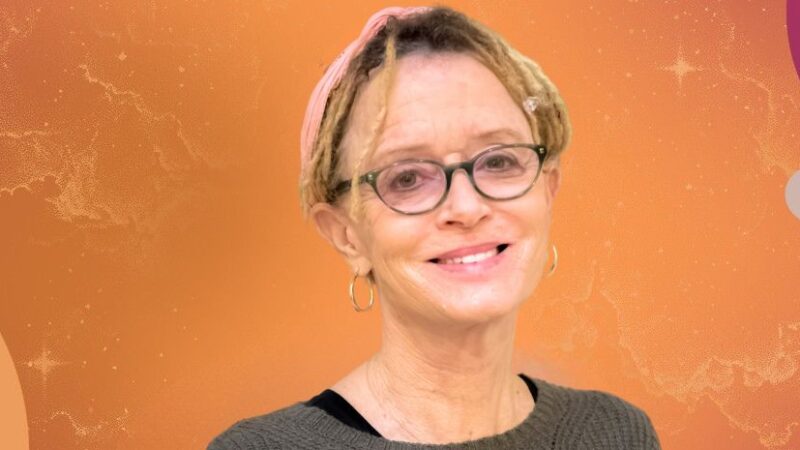
Mara Glatzel: What Do You Need?

    —
April 4, 2023

Mara Glatzel: What Do You Need?

Mara Glatzel April 4, 2023

We all have needs. Yet why is it so difficult to honor them? In this podcast, Tami Simon speaks with Mara Glatzel about her book, Needy: How to Advocate for Your Needs and Claim Your Sovereignty, and how we might begin to answer the profound question: What happens when we take radical responsibility for our needs? 

Tune in for an empowering and indeed much-needed conversation about “giving ourselves permission to take up space in the center of our lives,” exploring: building a working vocabulary around needs and feelings, the disempowering stories we carry about what it means to have needs, the daily practice of identifying your needs, the harmful habit of consistently putting your needs aside, asking for the fullness of what you want, developing a strong self-partnership, shifting from people-pleasing to setting boundaries, Mara’s practice of “staying low and open and receptive,” self-care and “staying in the game,” making commitments that matter, knowing your job and their job when it comes to conversations about needs, the fallacy that one person alone can meet another’s vast and myriad needs, accessing your body’s intelligence, working in your inner landscape, sovereignty amid relationship and interdependency, the challenge of receiving everything you’re asking for, and more.

Note: This episode originally aired on Sounds True One, where these special episodes of Insights at the Edge are available to watch live on video and with exclusive access to Q&As with our guests. Learn more at join.soundstrue.com.

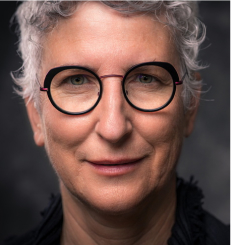
Mara Glatzel, MSW, (she/her) is an intuitive coach, writer, and podcast host. She is a needy human who helps other needy humans stop abandoning themselves and start reclaiming their humanity through embracing their needs and honoring their natural energy cycles. Her superpower is saying what you need to hear when you need to hear it, and she is here to help you believe in yourself as much as she believes in you. She resides on the tip of Cape Cod, Massachusetts. Find out more at maraglatzel.com.

Author photo © Emily Tebbetts

600 Podcasts and Counting…

Subscribe to Insights at the Edge to hear all of Tami’s interviews (transcripts available too!), featuring Eckhart Tolle, Caroline Myss, Tara Brach, Jack Kornfield, Adyashanti, and many more.

Meet Your Host: Tami Simon

Founded Sounds True in 1985 as a multimedia publishing house with a mission to disseminate spiritual wisdom. She hosts a popular weekly podcast called Insights at the Edge, where she has interviewed many of today's leading teachers. Tami lives with her wife, Julie M. Kramer, and their two spoodles, Rasberry and Bula, in Boulder, Colorado.

Photo © Jason Elias

Also By Author

Give Yourself Permission to Take Up Space

Dearest Friend,

We live in a world full of deadlines. Alarms. Screaming kids. Nagging bosses. More on our to-do lists than we could accomplish in three lifetimes. It’s easy for your needs to get buried underneath the rubble of daily life, and figuring out how to reconnect with your authentic self can feel touch and go… at best.

I wrote Needy: How to Advocate for Your Needs and Claim Your Sovereignty to lovingly provide the space for you to better understand your needs, experiment with new habits that help you meet those needs each day, and build a resilient connection with yourself that you can rely upon for good.

You have needs—your needs matter. And yet, you’ve been taught that pushing your needs to the back burner is the only way to get things done, that your needs are an overwhelming burden, or that self-care is a luxury you can’t afford. But the presence of your needs is a fact and not a flaw. You can reclaim your energy and give yourself permission to take up space in the center of your own life.

In Needy, I share my unique approach to identifying, honoring, and advocating for the most tender and true parts of yourself that yearn to be acknowledged. It is an invitation to embody self-acceptance, which leads to meaningful growth in self-responsibility, self-care, self-trust, and self-love.

This book will be a delicious companion for your journey, but you actually can begin caring for yourself with greater tenderness and open communication right now.

I invite you to take the next three minutes to check in with yourself.

Put down your phone, close your computer, and put your hand on your heart.

Breath deeply into your belly and ask yourself:

How do I feel?

What do I need?

What does my body need from me?

What is ONE, doable need that I am ready, able, and willing to meet?

Real self-care is responsive, not prescriptive. The care you are aching for right now will be found in asking yourself those four questions. Give yourself permission to start with one, tangible action.

And repeat as necessary.

Need more? I will see you between the pages of Needy. I am so grateful to be able to share this book with you, and I hope you will share it with the humans in your life who struggle to take up space in this way.

xx Mara

Mara Glatzel, MSW, (she/her) is an intuitive coach, writer, and podcast host. She is a needy human who helps other needy humans stop abandoning themselves and start reclaiming their humanity through embracing their needs and honoring their natural energy cycles. Her superpower is saying what you need to hear when you need to hear it, and she is here to help you believe in yourself as much as she believes in you. Find out more at maraglatzel.com.

Mara Glatzel: What Do You Need?

We all have needs. Yet why is it so difficult to honor them? In this podcast, Tami Simon speaks with Mara Glatzel about her book, Needy: How to Advocate for Your Needs and Claim Your Sovereignty, and how we might begin to answer the profound question: What happens when we take radical responsibility for our needs? 

Tune in for an empowering and indeed much-needed conversation about “giving ourselves permission to take up space in the center of our lives,” exploring: building a working vocabulary around needs and feelings, the disempowering stories we carry about what it means to have needs, the daily practice of identifying your needs, the harmful habit of consistently putting your needs aside, asking for the fullness of what you want, developing a strong self-partnership, shifting from people-pleasing to setting boundaries, Mara’s practice of “staying low and open and receptive,” self-care and “staying in the game,” making commitments that matter, knowing your job and their job when it comes to conversations about needs, the fallacy that one person alone can meet another’s vast and myriad needs, accessing your body’s intelligence, working in your inner landscape, sovereignty amid relationship and interdependency, the challenge of receiving everything you’re asking for, and more.

Note: This episode originally aired on Sounds True One, where these special episodes of Insights at the Edge are available to watch live on video and with exclusive access to Q&As with our guests. Learn more at join.soundstrue.com.

The End of All-or-Nothing, Emergency Self-Care

What message are you giving to yourself when you wait until you’re in crisis before you begin caring for yourself? I used to be deeply entrenched in this pattern. I’d care for myself just enough so that I could be productive again and then get back to work until my next care emergency. I’d crash from striving and producing without a thought to my needs and then stop just long enough to treat myself just kindly enough to nurse myself back to health so that I could resume my breakneck speed.

Those days were exhilarating because even in my burnout I felt so purposeful, high on how good I was at pushing my needs aside to tackle whatever needed tackling. Exceptionally good in a crisis, I felt born for running myself into the ground and then picking up the pieces just enough to get back to work. Even as this pattern started to break down for me, I could feel my ego attachment to it. I was good at getting things done. I was good at helping others. I was good at putting everyone else’s needs ahead of my own. I was good. I was good. I was good.

The tricky thing about this pattern is that needs will get met one way or another. They don’t just vanish or disappear when you ignore them. They become rowdier and rowdier, nipping at your heels as you try to outrun them. Your body is infinitely wise and makes more noise as your ache for care compounds itself. When you ignore your needs long enough, you will be forced to prioritize yourself by circumstance, illness, or burnout, bringing you abruptly to the crisis point of having to slow down.

But even in the face of that, attending to the need for sustenance can sometimes still feel impossible if you are exhausted from a lifetime of holding it all together. While the need for sustenance might seem to come before rest, [in my book Needy] I ordered these chapters deliberately [“Rest” coming before “Sustenance”] because having the energy to start asking big questions about what you need requires energy too. You’re crumbling beneath the weight of your conditioned expectations for yourself and others, and you judge yourself for not being about to do it all without a thought for the energetic capacity necessary to prioritize joy, pleasure, or satiety.

You might think, Well if it’s right, it should feel good or it should be easy. But tending to your needs can be almost boring, and having the capacity to investigate the larger picture of what you are hungry for requires energy. It requires stamina and self-awareness to develop a healthy relationship with yourself after being in a dysfunctional relationship—one that’s chaotic, intense, familiar, thrilling, and compelling even when you know there is no way it will all work out in the long run. After a dramatic relationship like that, a relationship in which you are respectful of each other, loyal, trustworthy, and committed to each other can feel boring—but that kind of steadfast love heals and rebuilds a steady foundation of trust. The same is true for your relationship with yourself.

Self-love so often isn’t a flash-in-the-pan,
Instagram-worthy, wait-until-the-moment
is-perfect-and-the-stars-align kind of love.

It’s about showing up for yourself each and every day and doing what needs to be done. Maybe that’s resting. Maybe that’s calling your lawyer. Maybe that’s dealing with the window that is leaking and the moldy floorboards. Taking care of yourself is showing up for your relationship with yourself each day, asking what needs to be done and doing that to the best of your abilities.

It can be mundane, but as you begin making these shifts for your own sustenance, you might find yourself softening into a rhythm and routine of caring for yourself this way. 

There is a deliciousness in knowing you will be there when you need yourself. There is a sense of safety in the self-trust you build each time you choose not to abandon yourself. This work can be messy but also joyful, silly, sexy, creative, and playful. You might find yourself enjoying the celebration of infusing pleasure and sovereignty where there was none before.

And with time, you might realize that the purpose of your life is not to be good, productive, or approved by others. The purpose of your life is for YOU to live it. For you to take up space in your own thoughts and actions. For you to tend to your needs, devoting yourself to your own wholeness each and every day. For you to contribute to the world in the way that only you can. For you to love and be loved. For you to play. For your utter enjoyment and wholehearted pleasure. The purpose of your life is not to be nice and polite. It is for living—messily, humanly, in whatever way you feel is good and right for you.

Excerpted from Needy: How to Advocate for Your Needs and Claim Your Sovereignty by Mara Glatzel.

Mara Glatzel, MSW, (she/her) is an intuitive coach, writer, and podcast host. She is a needy human who helps other needy humans stop abandoning themselves and start reclaiming their humanity through embracing their needs and honoring their natural energy cycles. Her superpower is saying what you need to hear when you need to hear it, and she is here to help you believe in yourself as much as she believes in you. Find out more at maraglatzel.com.

You Might Also Enjoy

Feeding Your Demons: Lama Tsultrim Allione on Turning ...

Fear, self-doubt, and emotional pain have a way of showing up uninvited, and most of us spend enormous energy trying to push them away. What would shift for you if turning toward those experiences, with curiosity and care, became the most healing thing you could do? 

At Sounds True, we have spent four decades connecting people with teachers who ask exactly that kind of question. Our library of transformational teachings, digital courses, and programs exists to help you move through life’s harder moments with greater awareness and inner strength.

We will cover the feeding your demons practice, Lama Tsultrim Allione’s approach to turning towards difficulty, the ancient roots of Machig Labdron Chod and Tibetan shadow work, and how relating to demons as teachers can open a path toward lasting inner growth.

Key Takeaways:

  • Meet Fear with Compassion: The feeding your demons practice invites us to turn toward emotional pain with openness, creating a path toward genuine self-awareness and healing.
  • Ancient Roots, Modern Healing: Rooted in the Tibetan Buddhist lineage of Machig Labdrön, this practice draws from centuries of contemplative wisdom to help transform fear into freedom.
  • Demons Become Your Greatest Teachers: Lama Tsultrim Allione’s teachings reveal that our most difficult inner struggles often hold the most important lessons about where genuine growth is possible.

Discover how your mind really works

Lama Tsultrim Allione: Turning Towards Difficulty 

Lama Tsultrim Allione is a recognized Buddhist teacher, author, and the founder of Tara Mandala, a mountain retreat center dedicated to contemplative practice and spiritual study. She has spent decades teaching within the lineage of Machig Labdrön, the 11th-century Tibetan yogini who founded the Chöd tradition, and has brought her work on Dzogchen teachings to students around the world.

When we treat challenging emotions as teachers, space opens for greater awareness, resilience, and emotional freedom. Her teachings show that turning towards difficulty is one of the most courageous acts of self-care we can practice. Her work sits alongside that of many respected voices we are proud to carry, all of whom you can find on our All Teachers & Authors page.

What Is Feeding Your Demons and Why Do We Avoid What We Fear?

Most of us instinctively turn away from difficult emotions, painful memories, or persistent inner struggles. The practice of feeding your demons offers a different path. Meeting fear, anger, or shame with curiosity and compassion, and asking what those feelings truly need, can begin to shift even the most entrenched patterns.

Lama Tsultrim Allione developed a five-step process for working with disowned emotions without becoming pulled into spirals of negativity. Rooted in both shamanic and Buddhist traditions, this approach weaves ancient practices into a form that feels accessible to modern practitioners. 

Our Spirituality & Awakening collection brings together teachings like these, spanning presence, healing, and inner exploration for those ready to go deeper. Now, let’s see what makes this practice possible.

Map Your Inner Landscape

The practice teaches you to map your demons and recognize how they interconnect. A fear of failure, for example, often links to a deeper sense of unworthiness that surfaces across professional and personal life, creating patterns that repeat until they are met with awareness and care.

Tend, Don’t Fight

One of the practice’s most compelling insights is that tending to your demons can yield real physical results. Chronic tension, restless sleep, and emotional exhaustion often ease when we begin to meet what is present with openness. Practitioners describe a quality of release that resistance alone never creates.

A Gateway to Awakening 

Working with your demons can become a potent gateway to spiritual awakening. When we stop avoiding what frightens us, those very struggles often reveal where we are clinging, where healing is needed, and what genuine growth looks like in practice. These skills help subdue fear and embrace openness, laying the groundwork for deeper spiritual engagement.

Tibetan Shadow Work and Inner Growth 

Tibetan shadow work offers a compassionate framework for working with the parts of ourselves we often reject or ignore. When we meet uncomfortable thoughts with openness, we begin to recognize them as invitations for insight and transformation. The more willing we become to face these hidden aspects, the more inner balance we can cultivate.

The feeding your demons practice is rooted in the ancient tradition of Machig Labdron Chod, a Tibetan Buddhist lineage that teaches transformation through generosity and openness. Machig Labdrön’s teachings hold that we can learn to relate to suffering in a new way, meeting it with care. Symbolically offering nourishment to our fears softens habitual avoidance and creates conditions for lasting healing.

Alongside Chöd, other exercises within this tradition draw from both shamanic and Buddhist practice, including visualization techniques, body-centered awareness, and practices that help us move toward what we would avoid. 

Addressing our demons directly is one of the most powerful commitments we can make to personal growth and transformation. Our Subtle Energy collection supports this kind of inner work, bringing together teachings on energetic awareness for those ready to go deeper.

Discover the Power of Daily Meditation and Inner Stillness

Bringing the Feeding Your Demons Practice into Everyday Life

The principles behind this practice are available in ordinary moments, during daily challenges and quiet pauses alike. When stress surfaces in a difficult conversation, when anxiety arises before something uncertain, or when a familiar pattern pulls at you, meeting what is present with kindness and curiosity can create a real shift.

Start with Simple Awareness 

Begin by noticing when a difficult emotion arises, without immediately trying to resolve it. Naming what you are experiencing, whether fear, grief, or frustration, loosens its hold and creates just enough space to respond with care. This small pause can become one of the most transformative habits.

Work with a Structured Process

Returning to Lama Tsultrim Allione’s five-step approach during moments of emotional intensity gives the practice a clear container. Working with it consistently, even briefly, builds an inner capacity that makes responding to difficulty with compassion feel more natural. Pairing this with regular meditation can deepen the effects.

Engage with Teaching and Community

Connecting with teachers who share this path makes the practice feel less solitary. Many of our teachers share this kind of practical wisdom on the Insights at the Edge Podcast, where leading spiritual voices discuss awareness, compassion, and how to bring transformation into daily life.

Demons as teachers become most vivid when we commit to meeting them consistently, with the same warmth and curiosity we bring to any other form of inner work.

Awaken Your Inner Healing Power: Your Wellness Journey Starts Now

Final Thoughts

The practice of feeding your demons reminds us that lasting transformation often begins by turning toward the parts of ourselves we would rather avoid. Through Lama Tsultrim Allione’s teachings, the wisdom of Machig Labdron Chod, and the tools of Tibetan shadow work, we can learn to meet fear with compassion and recognize demons as teachers. 

As that relationship shifts, more space opens for healing, self-awareness, and inner peace. We are here to walk alongside you in that journey, with teachings, digital courses, and a community that meets you wherever you are on the path. 

Frequently Asked Questions About Feeding Your Demons

What is the purpose of practicing how to feed your demons?

The purpose of feeding your demons is to change your relationship with fear, emotional pain, and inner conflict. Instead of trying to eliminate these experiences, the practice encourages understanding and compassion as a path toward healing.

Do I need to be Buddhist to practice “befriending my demons?”

No. Many people practice feeding their demons regardless of their religious or spiritual background. The method focuses on self-awareness and emotional healing, making it accessible to anyone interested in personal growth.

Can facing your fears head-on help with anxiety?

Many practitioners find the practice helpful for understanding anxious thoughts and emotional patterns. It is intended to complement personal growth and is not a substitute for professional mental health care.

Why are demons described as teachers?

The term “demons as teachers” reflects the idea that our greatest challenges often reveal important lessons about our fears, habits, and unmet emotional needs.

Is feeding your demons the same as shadow work?

They share similar intentions but differ in approach. Tibetan shadow work draws from Buddhist teachings and guided visualization, while other forms of shadow work may use psychological or therapeutic methods.

Can beginners learn how to face their demons through practice?

Yes. Beginners can start by learning the core principles through books, guided audio practices, workshops, or teachings from qualified instructors before developing a regular practice.

How often should I practice Lama Tsultrim Allione’s spiritual exercises?

There is no fixed schedule. Some people use the practice during periods of emotional difficulty, while others include it as part of their ongoing spiritual or mindfulness routine.

Michelle Cassandra Johnson is an author, activist, spiritual teacher, racial equity consultant, and intuitive healer. She is the author of six books, including Skill in Action and Finding Refuge. Amy Burtaine is a leadership coach and racial equity trainer. With Robin DiAngelo, she is the coauthor of The Facilitator's Guide for White Affinity Groups. For more, visit https://www.michellecjohnson.com/wisdom-of-the-hive.

Matthew Fox on Original Blessing: Why You Were Born Go...

What if the first step on your spiritual path wasn’t about fixing something broken in you, but about recognizing how whole you already are? Matthew Fox has spent decades asking this question, and his answer, rooted in the teaching of original blessing, invites us to begin our spiritual lives with wonder rather than with shame.

At Sounds True, we are dedicated to sharing the living wisdom of trusted spiritual teachers through immersive podcasts, digital courses, and transformational programs that support personal growth and awakening.

Here, we’ll walk through Matthew Fox’s teachings on original blessing, creation spirituality, the influence of Meister Eckhart, and how these ideas offer a grounded, compassionate path forward for anyone who longs for a more reverent relationship with life.

Key Takeaways:

  • Learn Why You Were Born Good: Original blessing reframes the spiritual journey by centering humanity’s inherent goodness, offering a life-affirming path rooted in wonder rather than shame.
  • Creation as Sacred Ground: Creation spirituality teaches that the divine is woven into nature, community, and everyday life, inviting us to meet the sacred right where we are.
  • The Mystic Who Shaped Fox: Meister Eckhart’s vision of a God present in all things continues to shape Matthew Fox’s teachings on creativity, compassion, and sacred connection.

Awaken Your Inner Healing Power: Your Wellness Journey Starts Now

Matthew Fox and the Meaning of Original Blessing

Many spiritual traditions begin with the idea that humanity arrived in this world already broken, separated from the divine through original sin. Matthew Fox gently but firmly challenges this starting point. His teaching of original blessing asks us to return to the very beginning, to the opening pages of Genesis, where something far warmer is waiting.

In the first chapter of the Bible, God’s spirit hovers over the waters like a brood hen watching over her eggs, nurturing and alive with creative energy. Fox sees this image as living, not static. God here is a verb, a dynamic creator who calls all of life good. This reading opens with vitality, growth, and a love that precedes any misstep. When we begin from goodness, the spiritual journey takes on a different quality.

Readers who feel called to go deeper into this kind of spiritually grounded inquiry will find our Spirituality & Awakening collection brings together teachings that help cultivate that sense of sacred connection in daily life.

Original Blessing as an Original Sin Alternative

The original sin alternative that Fox offers is a reorientation, not a rejection of accountability or depth. Original blessing invites us to arrive in this life carrying a gift to live, and to let that gift be the foundation. This shifts the entire atmosphere of the spiritual journey.

When we start from goodness, compassion flows more naturally. Responsibility becomes something we can embrace openly. Care for the Earth, for one another, and for ourselves becomes an act of reverence. Fox honors the full complexity of being human. His invitation is simply to stop making the hard parts the foundation.

What Is Creation Spirituality?

Creation spirituality teaches that the sacred is woven into creation itself, present in a forest, in a conversation, in a piece of music that stops you mid-step. The divine isn’t something we reach only by turning away from the physical world. This path invites us to encounter God within it.

Fox describes creation spirituality as a recovery project, a return to the awe that the earliest humans felt standing inside a world too vast and beautiful to explain. That sense of wonder is still available to us. Readers drawn to practices that cultivate this kind of felt presence may find resonance in the teachings within our Subtle Energy collection, which opens pathways into the deeper dimensions of human experience.

Fall Redemption vs Creation Spirituality

The conversation around fall redemption vs creation spirituality highlights two distinct starting points. The fall/redemption framework begins with human failure, emphasizing original sin and the need for rescue. Creation spirituality begins with God’s creative energy already alive and generous in the world. While one starts in the wound, the other starts with the gift.

In fall redemption theology, faith centers on trust in an external authority to restore what was lost. Creation spirituality offers something complementary: faith as trust in the aliveness already present within you and around you. Compared to the fall redemption theory, creation spirituality is feminist and gender-balanced. To hear this conversation in Fox’s own voice, visit our Insights at the Edge Podcast, where he and other teachers speak openly about these ideas in conversation with host Tami Simon.

Uncover Hw Your Mind Really Works With Sounds True

How Meister Eckhart Shaped Matthew Fox’s Teachings

Few thinkers have shaped Matthew Fox’s work as deeply as Meister Eckhart, the 14th-century German Dominican mystic whose writings continue to stir spiritual imagination centuries after his death. Eckhart taught that the divine is not remote or indifferent but present at the very ground of every soul, a living God who dwells within all things.

Fox engaged with Eckhart as a living guide. He saw in Eckhart’s teachings a confirmation of what creation spirituality already sensed: that the sacred pervades the world, that creativity is a form of prayer, and that every person carries a spark of the divine. Fox’s deep engagement with Eckhart helped bring these 700-year-old ideas to contemporary seekers in language they could feel and act on.

Those who want to learn more about Matthew Fox and the many teachers whose work touches these themes can visit our All Teachers & Authors page for a full look at the voices in our community.

Living Original Blessing Through Creation Spirituality

Receiving original blessing isn’t a single moment of insight. Living it is an ongoing practice, a way of meeting each day with a different set of assumptions. Fox’s vision of creation spirituality gives us language for that practice and a few grounded ways to begin.

  • Start the Day with Gratitude: Pause before the mental inventory of what needs fixing. Acknowledge what is already here: your breath, the light, the life moving through you. This is a choice to place goodness at the center of the day before anything else takes over.
  • Let Nature Be a Teacher: Creation spirituality invites us to treat the natural world as a living text. A walk outside, a moment watching clouds shift, or tending a small garden becomes an act of communion. Fox’s work reminds us that the Earth participates in the sacred, and that paying attention to it is itself a form of prayer.
  • Create Without an Agenda: Fox views creativity as one of the most direct expressions of divine energy available to us. Cooking, drawing, writing, singing, building — any act of making can become a form of spiritual practice when approached with presence and care.

Discover the Power of Daily Meditation and Inner Stillness

Final Thoughts

Matthew Fox’s teachings ask us to do something both simple and radical: begin with ourselves as good. From that foundation, creation spirituality opens into a way of living that honors the sacred in everything, in other people, in the natural world, in the creativity and care we bring to ordinary days. The influence of Meister Eckhart runs through all of this as a reminder that this longing to find the divine close has deep roots.

Frequently Asked Questions About Matthew Fox on Original Blessing

What is Matthew Fox best known for?

Matthew Fox is a spiritual teacher, theologian, and author known for developing creation spirituality, a path that emphasizes the sacredness of creation and humanity’s inherent goodness.

Why did Matthew Fox write about original blessing?

Matthew Fox introduced the concept of original blessing to encourage a more life-affirming view of spirituality. His teachings invite people to begin with gratitude and sacred connection instead of focusing on human faults.

Is original blessing a religious belief?

Original blessing is a spiritual perspective that can resonate with people from many faith traditions. It emphasizes the goodness of creation and encourages a deeper relationship with the divine through everyday life.

How does creation spirituality relate to environmental care?

Creation spirituality teaches that the natural world is sacred. This perspective encourages respect for the Earth and inspires people to care for the environment as an expression of their spiritual values.

Who was Meister Eckhart, and why is he important?

Meister Eckhart was a Christian mystic whose teachings emphasized experiencing the divine within. His writings continue to influence spiritual thinkers, including Matthew Fox.

What can readers gain from Matthew Fox’s teachings?

Readers often find a renewed sense of purpose, compassion, and connection with the world. His teachings encourage a spiritual practice rooted in gratitude, creativity, and reverence for life.

Why does Matthew Fox emphasize creativity?

Matthew Fox views creativity as a reflection of the divine. Artistic expression, problem-solving, and innovation can all become meaningful spiritual practices that celebrate the gift of creation.

Michelle Cassandra Johnson is an author, activist, spiritual teacher, racial equity consultant, and intuitive healer. She is the author of six books, including Skill in Action and Finding Refuge. Amy Burtaine is a leadership coach and racial equity trainer. With Robin DiAngelo, she is the coauthor of The Facilitator's Guide for White Affinity Groups. For more, visit https://www.michellecjohnson.com/wisdom-of-the-hive.

All Healing Begins With Safety: Why Nervous System Reg...

Many of us spend years searching for healing through insight and understanding, only to find that a part of us still feels unsettled, much like a compass that cannot find true north even when the map is clear.

At Sounds True, we share transformational teachings, online courses, and learning experiences from trusted spiritual teachers to support people in cultivating greater awareness, connection, and inner growth throughout every stage of their journey.

In this piece, we’ll look at why feeling safe in your body after trauma is a foundational step in healing and how nervous system regulation can help create the conditions for lasting change.

Key Takeaways:

  • Safety Supports Healing: A nervous system that recognizes safety is better able to support connection, presence, and personal growth.
  • The Body Responds Before the Mind: The nervous system continually responds to cues in the environment, often before conscious awareness.
  • Small Moments Matter: Consistent experiences of safety, connection, and support can help strengthen regulation over time.

Why Safety Is The Foundation Of Healing

Many of us assume healing begins when we understand our experiences, yet the nervous system often needs something more fundamental before deeper change can take root. According to the teachings of Stephen Porges and Karen Onderko, the body is constantly scanning for cues that signal safety, danger, or protection.

When the nervous system is working hard to keep us protected, it can be difficult to access qualities like connection, curiosity, presence, and compassion. Healing becomes possible when the body begins to recognize that it no longer needs to stay on high alert and can gradually return to a state of greater balance and connection.

Browse Spirituality Collection

Understanding Nervous System Safety Through Everyday Experience

Safety is not simply an idea we hold in the mind; it is something the body experiences moment by moment. You may notice this in the presence of a trusted friend, a gentle voice, or a quiet place where you can finally take a full breath.

Stephen Porges describes this process as neuroception, the nervous system’s ability to detect cues of safety and protection without conscious effort. Long before we think about how we feel, the body has already begun responding to the signals around us.

This helps explain why two people can experience the same situation in very different ways. What supports a sense of calm and connection for one person may not feel the same for another, which is why learning to recognize your own cues of safety can be such an important part of the healing journey.

What Polyvagal Theory Healing Teaches Us About Protection and Connection

Polyvagal Theory offers a compassionate way to understand why our bodies respond the way they do and how healing can unfold through experiences of safety and connection.

Your Nervous System Is Trying To Protect You

The reactions we often struggle with are not signs that something is wrong with us. From a polyvagal perspective, these responses are adaptive strategies the nervous system developed to help us navigate challenges and stay safe.

Connection Is A Biological Need

Human beings are wired for connection, and our nervous systems respond to cues from the people around us. A warm voice, a kind expression, or a sense of being understood can help the body settle in ways that words alone cannot.

Safety Creates The Conditions For Growth

When the nervous system begins to recognize safety, it can shift out of protective states and become more available for learning, healing, and meaningful connection. This is why creating experiences of safety is often a vital first step on the path toward lasting transformation.

Discover the Power of Daily Meditation and Inner Stillness

The Path To Feeling Safe Somatic Practices Can Support

Somatic practices invite us to gently turn toward the wisdom of the body and notice what helps us feel more grounded in the present moment. Simple experiences such as mindful breathing, gentle movement, spending time in nature, or listening to a calming voice can offer cues of safety that the nervous system recognizes.

For many people, the journey of feeling safe in your body trauma can seem distant at first because the nervous system has become accustomed to staying protective and alert. With patience, compassionate attention, and supportive practices, it becomes possible to build a new relationship with the body that is rooted in trust, connection, and greater awareness.

Stephen Porges Polyvagal Insights For Returning To Regulation

Stephen Porges’ work reminds us that regulation is not something we force through effort alone but something that emerges when the nervous system encounters enough cues of safety. As those cues become more familiar, the body can begin shifting from protection toward connection and presence.

This perspective invites a gentler relationship with ourselves and our healing process. Rather than judging our responses, we can meet them with curiosity and recognize them as signals from a nervous system that has been working hard to keep us safe.

As we continue to cultivate moments of safety through supportive relationships, mindful awareness, and embodied practices, we strengthen our capacity to return to a more regulated state. Each small experience of connection becomes part of the foundation for greater resilience, healing, and spiritual growth.

Health And Healing

Final Thoughts

Healing often begins not with understanding more, but with helping the body rediscover a sense of safety and connection. As you gently nurture nervous system regulation through compassionate awareness and supportive experiences, you create the foundation for deeper healing, greater resilience, and a more trusting relationship with yourself.

Frequently Asked Questions About Feeling Safe In Your Body Trauma

Can spiritual practices support nervous system regulation?

Many spiritual practices encourage presence, awareness, and connection with the body. These qualities can support a greater sense of balance and inner steadiness over time.

Why do some people struggle to relax even during quiet moments?

The body can become accustomed to staying alert after long periods of stress. As a result, stillness may feel unfamiliar until the nervous system learns new patterns.

How long does it take to feel more regulated?

Every person’s experience is different. Progress often happens gradually through small, consistent moments of support and connection.

Can creativity help support healing?

Creative activities such as art, music, writing, or movement can help people reconnect with themselves in meaningful ways. These practices can also encourage self-expression and reflection.

What role does mindfulness play in healing?

Mindfulness helps us notice our thoughts, emotions, and physical sensations with greater awareness. This practice can strengthen our ability to stay present with our experiences.

Is healing a linear process?

Healing often unfolds in cycles rather than a straight line. Periods of growth, reflection, and challenge can all be part of the journey.

Why is self-compassion important during healing?

Self-compassion creates space for understanding instead of self-judgment. It can help us respond to difficult moments with greater kindness and patience.

Can spending time in nature support well-being?

Many people find that nature offers a sense of calm, perspective, and connection. Even brief moments outdoors can help us reconnect with the present moment.

What does it mean to build resilience?

Resilience is the ability to adapt and respond to life’s challenges while staying connected to what matters most. It develops through experience, practice, and supportive relationships.

How can I continue learning about nervous system regulation?

Learning from trusted teachers, guided programs, and supportive communities can deepen your understanding over time. Ongoing practice often brings the greatest insights.

Michelle Cassandra Johnson is an author, activist, spiritual teacher, racial equity consultant, and intuitive healer. She is the author of six books, including Skill in Action and Finding Refuge. Amy Burtaine is a leadership coach and racial equity trainer. With Robin DiAngelo, she is the coauthor of The Facilitator's Guide for White Affinity Groups. For more, visit https://www.michellecjohnson.com/wisdom-of-the-hive.