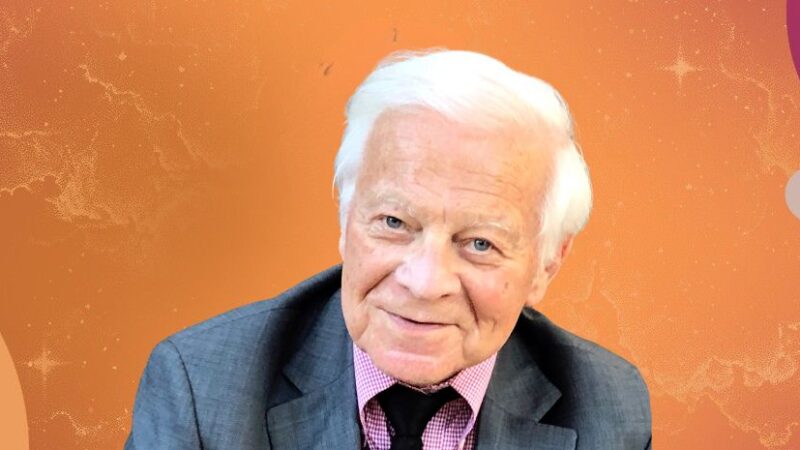
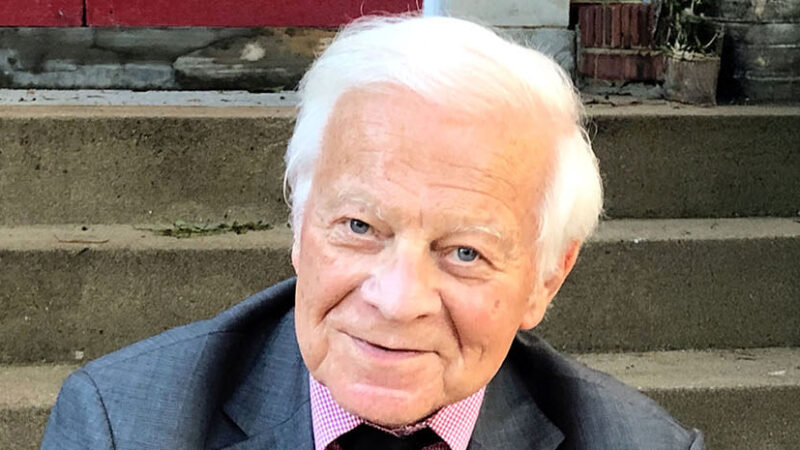
James Hollis: “Find What You Love and Let It Kill You”

    —
March 18, 2025

James Hollis: “Find What You Love and Let It Kill You”

James Hollis March 18, 2025

By what lights do you live your journey? What fires your imagination? What stirs your curiosity? What asks of you something that is so deep within you that perhaps it hurts, but you can’t let go of it because it won’t let go of you? These are some of the “large questions” explored by Tami Simon and her guest, Jungian teacher and author James Hollis. Hollis is one of those authors who’s beloved by everyone who works at Sounds True—especially those of us who’ve entered the second half of life—and in this podcast, you’ll discover why. 

Listen now as Tami and Jim discuss his new book, Living with Borrowed Dust, sharing thought-provoking insights about: the evanescence of our human journey; making your life luminous; asking large questions, and how we lose contact with the inquiries that serve our individuation; fate versus destiny; the independence of the psyche; the ego’s need for control; dreams as “health correctives” and an avenue to the numinous; showing up for your “appointment” in life; trusting the wisdom of nature; how psychoanalysis helps us rewrite the self-limiting narratives that hold us back; the worst damage of trauma: identifying who we are with what happened to us; why we can’t solve certain problems, but we can outgrow them; courage and perseverance; paying close attention to your inner life; living in a culture of distraction; dialoguing with your soul; the paradox of passion; facing the abyss; taking advantage of the precious moments; learning to live with ambiguity; and more.

Note: This episode originally aired on Sounds True One, where these special episodes of Insights at the Edge are available to watch live on video and with exclusive access to Q&As with our guests. Learn more at join.soundstrue.com.

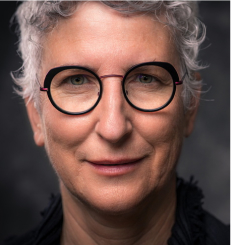
James Hollis, PhD, is a licensed Jungian analyst in private practice in Washington, DC. Originally from Springfield, Illinois, he graduated from Manchester University in 1962 and Drew University in 1967. He taught humanities for 26 years in various colleges and universities before retraining as a Jungian analyst at the Jung Institute of Zürich, Switzerland (1977–82). He served as executive director of the Jung Educational Center in Houston, Texas, for many years. He was executive director of the Jung Society of Washington until 2019, and now serves on its board of directors. He is a retired senior training analyst for the Inter-Regional Society of Jungian Analysts, was first director of training of the Philadelphia Jung Institute, and is vice-president emeritus of the Philemon Foundation. Additionally, he was a professor of Jungian Studies for Saybrook University of San Francisco.

He has written 20 books, available in translations around the world, including Living Between WorldsWhat Matters Most, and Living an Examined Life. He lives with his wife, Jill, an artist and retired therapist, near Washington, DC. Together they have three living children and eight grandchildren. For more, visit jameshollis.net.

Author photo © Oxana Holtmann 

600 Podcasts and Counting…

Subscribe to Insights at the Edge to hear all of Tami’s interviews (transcripts available too!), featuring Eckhart Tolle, Caroline Myss, Tara Brach, Jack Kornfield, Adyashanti, and many more.

Meet Your Host: Tami Simon

Founded Sounds True in 1985 as a multimedia publishing house with a mission to disseminate spiritual wisdom. She hosts a popular weekly podcast called Insights at the Edge, where she has interviewed many of today's leading teachers. Tami lives with her wife, Julie M. Kramer, and their two spoodles, Rasberry and Bula, in Boulder, Colorado.

Photo © Jason Elias

Also By Author

[ENCORE EPISODE] James Hollis: What Is Wanting to Find...

**SPECIAL ENCORE PRESENTATION IN SUPPORT OF WORLD MENTAL HEALTH DAY THIS OCTOBER**

Dr. James Hollis is a Jungian analyst, a former director of the Jung Society of Washington, DC, and a professor of Jungian Studies for Saybrook University of San Francisco/Houston. He is the author of The Middle PassageLiving an Examined Life, Through the Dark Wood, and Living Between Worlds, among many others. With Sounds True, he’s released the expansive audio program A Life of Meaning: Exploring Our Deepest Questions and Motivations.

In this episode of Insights at the Edge, Tami Simon speaks with James about the journey for personal fulfillment—how it starts, what it demands, and how it changes your life. James explains what it really means to take responsibility for your life’s path, as well as how you can rediscover and reclaim your innate authority. Tami and James discuss how childhood experiences shape our present behavior and what it takes to live fearlessly. Finally, they talk about overcoming lethargy and the joy of becoming comfortable with mysteries.

This episode is sponsored by BetterHelp. Listeners of Insights At The Edge get 10% off their first month at www.betterhelp.com/soundstrue.

James Hollis: “Find What You Love and Let It Kill Yo...

By what lights do you live your journey? What fires your imagination? What stirs your curiosity? What asks of you something that is so deep within you that perhaps it hurts, but you can’t let go of it because it won’t let go of you? These are some of the “large questions” explored by Tami Simon and her guest, Jungian teacher and author James Hollis. Hollis is one of those authors who’s beloved by everyone who works at Sounds True—especially those of us who’ve entered the second half of life—and in this podcast, you’ll discover why. 

Listen now as Tami and Jim discuss his new book, Living with Borrowed Dust, sharing thought-provoking insights about: the evanescence of our human journey; making your life luminous; asking large questions, and how we lose contact with the inquiries that serve our individuation; fate versus destiny; the independence of the psyche; the ego’s need for control; dreams as “health correctives” and an avenue to the numinous; showing up for your “appointment” in life; trusting the wisdom of nature; how psychoanalysis helps us rewrite the self-limiting narratives that hold us back; the worst damage of trauma: identifying who we are with what happened to us; why we can’t solve certain problems, but we can outgrow them; courage and perseverance; paying close attention to your inner life; living in a culture of distraction; dialoguing with your soul; the paradox of passion; facing the abyss; taking advantage of the precious moments; learning to live with ambiguity; and more.

Note: This episode originally aired on Sounds True One, where these special episodes of Insights at the Edge are available to watch live on video and with exclusive access to Q&As with our guests. Learn more at join.soundstrue.com.

What Is Wanting to Find Expression Through You?

Dr. James Hollis is a Jungian analyst, a former director of the Jung Society of Washington, DC, and a professor of Jungian Studies for Saybrook University of San Francisco/Houston. He is the author of The Middle Passage, Living an Examined Life, Through the Dark Wood, and Living Between Worlds, among many others. With Sounds True, he’s released the expansive audio program A Life of Meaning: Exploring Our Deepest Questions and Motivations. In this episode of Insights at the Edge, Tami Simon speaks with James about the journey for personal fulfillment—how it starts, what it demands, and how it changes your life. James explains what it really means to take responsibility for your life’s path, as well as how you can rediscover and reclaim your innate authority. Tami and James discuss how childhood experiences shape our present behavior and what it takes to live fearlessly. Finally, they talk about overcoming lethargy and the joy of becoming comfortable with mysteries.

You Might Also Enjoy

What Is Brainspotting? David Grand on Using Eye Positi...

What happens when healing needs to go deeper than words can reach? For many people, the most profound emotional experiences resist easy articulation. Brainspotting is a therapeutic approach developed by David Grand that uses specific eye positions to access what the brain and body hold onto, even when language falls short.

At Sounds True, we’ve spent more than 40 years sharing trusted teachings from therapists, authors, and spiritual teachers whose work nurtures healing, personal growth, and lasting transformation. From online courses and in-depth programs to podcasts and digital resources, we bring the voices that matter most directly to you.

We cover what brainspotting is, how David Grand developed the approach, the role of eye position in trauma therapy, and how brainspotting compares with EMDR.

Key Takeaways:

  • Healing Beyond Words: Brainspotting uses specific eye positions to access unresolved trauma and emotional experiences stored in the brain and body, creating a path forward that doesn’t require verbal storytelling alone.
  • David Grand’s Path to Healing: David Grand developed brainspotting after observing that a client’s eye position reflected deeper emotional processing during trauma treatment, giving rise to an approach built around the brain’s natural capacity to heal.
  • EMDR vs. Brainspotting: While both approaches help people process trauma, brainspotting and EMDR differ in structure and session style. The right fit depends on your history, goals, and therapeutic relationship.

Discover the Power of Daily Meditation and Inner Stillness

What Is Brainspotting?

Brainspotting is designed to help people access and process unresolved trauma through focused attention on specific eye positions. The method rests on the idea that where a person looks can correspond to where difficult experiences are stored in the brain and body. Staying with a brainspot while remaining aware of physical sensations and emotions, people can work through material that language alone might not reach.

Since David Grand developed this approach, brainspotting therapy has been applied broadly, with athletes, artists, business leaders, and survivors of large-scale events, among others. Grand also offers an online course through Sounds True that walks through the core principles behind brainspotting therapy, available to those who want to learn directly from the source.

His insights align with the conversations we host on the Insights at the Edge Podcast, where therapists, teachers, and practitioners share what healing really looks like from the inside out.

David Grand and the Development of Brainspotting Therapy

Brainspotting therapy came out of a significant clinical observation. During trauma treatment, David Grand noticed that a client’s eye position seemed to shift when deeper emotional material surfaced. That moment became the foundation for a method built around the brain’s own capacity to process and release what it has long held in place.

Since its introduction, brainspotting therapy has been used by clinicians around the world to help people facing trauma, anxiety, grief, chronic stress, and performance-related challenges. Grand’s work continues to shape the field by drawing attention to the connection between the brain, the body, and emotional healing.

Sounds True is home to teachers like David Grand alongside hundreds of other practitioners, healers, and visionaries whose work spans a wide range of healing traditions. Those who want to trace that full breadth can visit our All Teachers & Authors collection, where every teacher’s body of work is gathered in one place.

Trauma Therapy Eye Position and the Brain-Body Connection

Trauma therapy eye position describes the relationship between where someone directs their gaze and what emotional or physical experiences become accessible as a result. During a session, a therapist guides the client to a specific visual point and invites them to notice what arises in the body as they hold that focus. Sensations, emotions, and memories can surface as the nervous system begins to process material it has held in place for years.

The body carries what the mind sometimes can’t articulate. A shift in eye position can open access to experiences held below conscious awareness, gently creating conditions for the nervous system to complete what was once interrupted. Healing, in this way, becomes a process the whole person takes part in, not just the thinking mind.

The teachers and practitioners gathered in our Health & Healing collection share this same orientation: that real healing often begins when we learn to listen to what the body already knows.

How the Brainspotting Technique Uses Eye Position to Access Trauma

The brainspotting technique begins with identifying an eye position linked to an emotional or physical response. From there, the therapist invites the client to rest their attention on that visual point while remaining aware of what arises in the body. The process creates space for the nervous system to do what it naturally knows how to do, without demanding that memories surface on command.

A concrete example might be this: someone working through anxiety tied to an experience might start by calling that experience to mind. As the therapist slowly moves a pointer across their field of vision, the client notices a position where a physical sensation intensifies, perhaps tightness in the chest or a change in breath. That’s the brainspot. The session then focuses there while the client tracks what unfolds internally, allowing the nervous system to process what it has previously stored.

Awaken Your Inner Healing Power: Your Wellness Journey Starts Now

EMDR vs Brainspotting: Understanding the Key Differences

EMDR follows a standardized eight-phase protocol and uses bilateral stimulation, typically through guided eye movements, sounds, or tapping, to help the brain reprocess traumatic memories. Brainspotting focuses on identifying one significant eye position and following the client’s internal experience from there. Sessions tend to be more open-ended, allowing the individual’s nervous system to lead.

Neither method is universally better than the other. A qualified therapist can help determine which fits a person’s history, goals, and comfort level. Many clinicians receive training in both and draw on each as the situation calls for it.

Those who want to go deeper into trauma healing and related practices can find immersive learning through our In-Depth Programs, where experienced practitioners bring both clinical knowledge and heart to each course.

Discover how your mind really works

Final Thoughts

Brainspotting offers a distinctive perspective on trauma healing, one that trusts the body’s capacity to know where attention is needed. Working with eye position rather than narration alone, this approach creates conditions for healing to happen at the body’s own pace.

As David Grand has shown through decades of clinical work, healing is often less about forcing change and more about creating the conditions for it to unfold. That belief is at the heart of what we do at Sounds True. We share the work of practitioners and teachers who honor the full range of human experience, including the places where language falls short, and the body quietly holds the way forward.

Frequently Asked Questions About Brainspotting

Is brainspotting backed by research?

Brainspotting is supported by a growing body of clinical research and case studies. While research continues to evolve, many mental health professionals use it as part of trauma-informed care for emotional and psychological concerns.

Who can benefit from brainspotting?

Brainspotting may benefit adults and adolescents experiencing trauma, anxiety, grief, stress, or performance-related challenges. A qualified mental health professional can determine whether it is an appropriate approach for an individual’s needs.

Do I have to talk about my trauma during brainspotting?

Not necessarily. While some people choose to discuss their experiences, brainspotting can also focus on physical sensations and emotions, allowing processing without requiring detailed verbal storytelling.

Can brainspotting be combined with other therapies?

Yes. Many therapists integrate brainspotting with other evidence-based approaches, such as cognitive behavioral therapy, mindfulness practices, or somatic therapies, to create a personalized treatment plan.

Is brainspotting only used for trauma?

No. Although it is widely recognized for trauma treatment, brainspotting is also used to support people dealing with anxiety, creative blocks, chronic stress, and performance enhancement in sports, music, and public speaking.

What should I expect after a brainspotting session?

Some people feel calm or relieved after a session, while others may continue processing emotions or physical sensations for a short time. Therapists often recommend rest, hydration, and self-reflection between sessions.

Is brainspotting suitable for everyone?

Brainspotting may not be the best fit for every individual or situation. A licensed therapist can evaluate your mental health history and recommend the most appropriate treatment approach.

Michelle Cassandra Johnson is an author, activist, spiritual teacher, racial equity consultant, and intuitive healer. She is the author of six books, including Skill in Action and Finding Refuge. Amy Burtaine is a leadership coach and racial equity trainer. With Robin DiAngelo, she is the coauthor of The Facilitator's Guide for White Affinity Groups. For more, visit https://www.michellecjohnson.com/wisdom-of-the-hive.

Why Willpower Fails and What the Brain Actually Needs ...

Most of us know the feeling: you set a goal, feel committed, make progress for a week or two, and then find yourself back at square one. And almost immediately, the inner critic arrives. You start wondering what is wrong with you, why you cannot seem to follow through, why change feels so hard when you want it so deeply.

At Sounds True, we have spent four decades sharing teachings from leading voices in neuroscience, mindfulness, psychology, and personal growth. Through our courses, audio programs, and conversations with teachers who have devoted their lives to this work, we help people better understand the inner processes that guide lasting change.

Below, we look at why willpower has limits, what the neuroscience of change reveals about the brain, and how habit formation and neuroplasticity can support sustainable behavior change.

Key Takeaways:

  • Your Brain Craves the Familiar: The brain conserves energy by defaulting to established patterns, which is why new behaviors can feel harder to sustain than old ones.
  • Repetition Rewires the Brain: Every time you practice a new behavior, you strengthen the neural pathways that gradually make it more automatic over time.
  • Small Steps Create Real Change: Sustainable transformation grows from consistent, supported practice, not from sheer force of will. 

Awaken Your Inner Healing Power: Your Wellness Journey Starts Now

Why Willpower Fails Despite Good Intentions

Willpower can help us decide in the moment, but the willpower habit formation brain connection is more layered than it first appears. The brain naturally seeks efficiency. Rather than rethinking every action from scratch, it relies on established routines to conserve energy and reduce the need for constant decision-making.

When we try to force change through effort alone, we are often working against neural pathways that have been reinforced through years of repetition. This is why motivation can feel electric one day and completely absent the next. The challenge is rarely a lack of commitment; more often than not, the brain is simply following familiar patterns that have become automatic. Shifting from self-criticism to a more compassionate, brain-aware approach is where real progress begins.

The Neuroscience of Change: What the Brain Actually Needs

The neuroscience of change shows that the brain is always adapting. Every thought we have, every action we take, and every emotional response we move through contributes to neural activity that can grow stronger or fade. 

Change becomes possible when we create consistent experiences that reinforce new patterns. Rather than relying on motivation alone, the brain benefits from three core conditions:

  • Repetition: New behaviors become more automatic the more they are practiced. Learning to drive is a useful example: it demanded full concentration at first, requiring deliberate focus through every turn and decision, and then gradually became second nature as the brain shifted it from effortful to automatic.
  • Awareness: Noticing our automatic reactions creates a moment of genuine choice. Teachers like Robert Augustus Masters have long explored how honest self-awareness, including the willingness to sit with discomfort and shadow, opens us to real growth. At Sounds True, their teachings and many others serve as a portal to presence, offering tools for the kind of inner work that lasting transformation requires.
  • Supportive environments: The spaces we inhabit and the people around us quietly shape our behavior. Reducing friction in our environment lowers the effort required to practice something new, making consistency far more sustainable.

Many of the conversations on the Insights at the Edge Podcast return to this theme: lasting transformation begins when we stop trying to override our inner world and start getting curious about it.

Habit Formation, Brain Research, and Why Habits Stick

Research on habit formation brain processes shows that habits are built through repetition. As a behavior is practiced consistently, the brain gradually shifts it from conscious effort to automatic response. Typing is a clear example of this: what once required careful attention to every keystroke eventually becomes a fluid, nearly effortless process. That same neurological shift is at work any time a new habit takes hold.

Once a behavior becomes familiar, the brain performs it with far less energy and attention. Old habits persist for this very reason, and new ones can develop the same way. Small, consistent actions repeated gradually begin to feel like a natural part of daily life.

Our in-Depth programs are built around this reality, offering structured teachings that bridge the gap between knowing and practicing and give the brain the kind of guided, repeated exposure that fosters lasting change.

Uncover Hw Your Mind Really Works With Sounds True

Neuroplasticity Habits and the Process of Rewiring Behavior

Neuroplasticity refers to the brain’s lifelong ability to reorganize itself. This capacity allows us to learn new skills, develop healthier patterns, and respond differently to situations that once triggered automatic reactions. 

Research has shown that consistent meditation practice can physically change the brain’s structure by strengthening areas linked to attention, emotional regulation, and self-awareness. This is evidence that the inner work we do has real, measurable effects on who we become.

When it comes to neuroplasticity habits, what matters most is repeated experience. Every time we practice a new response, we strengthen the neural pathways associated with that behavior, and the older, automatic pathway gradually becomes less dominant.

Meditation and mindful awareness reinforce this process by creating space to notice our reactions before acting on them. Our Meditation & Mindfulness collection offers guidance for building this kind of presence, drawing on teachers who understand what sustained inner practice needs.

How to Change Behavior Through Behavior Change Science

When we look at how to change behavior, behavior change science points toward one consistent insight: work with the brain, not against it. Sustainable change tends to grow from small adjustments practiced consistently, supported by motivation that connects to something we value. A few approaches that align with how the brain learns:

  • Reduce friction: The easier a new behavior is to begin, the more likely the brain is to repeat it. Pairing a new habit with something already in your routine, like a short breathing practice before your morning coffee, lowers the activation energy required and makes consistency far more sustainable.
  • Practice awareness: Noticing the triggers that lead to automatic behavior creates room to choose a different response. This means becoming more conscious of which habits serve your growth, including the willingness to sit with reactivity and discomfort rather than avoid it, because that kind of honest attention is often where the deepest change begins.
  • Celebrate small wins: The brain responds to positive reinforcement. Acknowledging incremental progress, even quietly and privately, reinforces new patterns and signals that the behavior is worth repeating.

With time, these approaches become integrated into the brain’s existing networks. Growth begins to feel less like an uphill effort and more like a natural expression of who you are becoming. Our Health & Healing collection offers resources that nurture this kind of whole-person well-being, drawing on teachings across neuroscience, somatic practices, and spiritual wisdom.

Discover the Power of Daily Meditation and Inner Stillness

Final Thoughts

Lasting change is rarely the result of stronger willpower alone. The neuroscience of change shows that transformation happens when we work with the brain’s natural capacity to learn, adapt, and form new patterns. By understanding habit formation, embracing neuroplasticity, and applying insights from behavior change science, we can create sustainable shifts that support growth. 

Frequently Asked Questions About Why Willpower Fails and What the Brain Needs to Change

What is the difference between willpower and self-regulation?

Willpower is the ability to resist immediate impulses, while self-regulation involves managing thoughts, emotions, and actions. Self-regulation relies on a broader set of skills and strategies than willpower alone. 

Can stress affect the brain’s ability to change?

Yes. Chronic stress can make it harder for the brain to form new patterns because it shifts attention toward immediate survival needs rather than long-term growth and learning.

How long does it take for the brain to adapt to a new behavior?

There is no universal timeline. The process varies depending on the complexity of the behavior, the frequency of practice, and individual circumstances.

Does age limit the brain’s ability to change?

No. Although learning may occur differently across stages of life, the brain remains capable of adapting and creating new neural connections throughout adulthood.

Why do old habits sometimes return after making progress?

Old neural pathways do not disappear completely. During periods of stress, fatigue, or major life changes, the brain may default to familiar patterns that previously felt rewarding or safe.

Can mindfulness improve behavior change efforts?

Mindfulness can increase awareness of thoughts, emotions, and automatic reactions. This awareness creates space to make intentional choices instead of acting on habit alone.

What role do emotions play in behavior change?

Emotions influence attention, motivation, and memory. Behaviors connected to meaningful emotional experiences are often easier for the brain to remember and repeat.

How does sleep influence the neuroscience of change?

Sleep supports learning, memory consolidation, and brain recovery. Consistent sleep can strengthen the brain’s ability to retain new information and reinforce behavioral changes.

Michelle Cassandra Johnson is an author, activist, spiritual teacher, racial equity consultant, and intuitive healer. She is the author of six books, including Skill in Action and Finding Refuge. Amy Burtaine is a leadership coach and racial equity trainer. With Robin DiAngelo, she is the coauthor of The Facilitator's Guide for White Affinity Groups. For more, visit https://www.michellecjohnson.com/wisdom-of-the-hive.

Thomas Hübl on Collective Trauma: How History Lives i...

The past does not always stay in the past. Long after difficult events have occurred, their emotional and psychological weight can continue shaping how we think, respond, and relate to those around us. Thomas Hübl has spent decades illuminating a truth that is both sobering and hopeful: trauma extends beyond the individual. It moves through families, communities, and generations, often quietly and without conscious recognition. 

At Sounds True, we have spent more than four decades sharing transformational teachings from leading spiritual teachers, including Thomas Hübl, to support personal growth, emotional well-being, and lasting change.

In this piece, we discuss Thomas Hübl’s perspective on collective trauma, how history lives in the body, the impact of ancestral and intergenerational trauma, and collective healing practices that support healing together.

Key Takeaways:

  • History Lives in the Body: Collective and ancestral trauma can continue shaping individuals, families, and communities long after the original events have passed, often in ways that go unrecognized.
  • Hübl on Presence and Healing: Thomas Hübl teaches that healing collective trauma begins with the capacity to remain present with difficult emotions and to bring compassionate awareness to the patterns we carry within us.
  • Practices That Heal Across Generations: Collective healing practices and intergenerational trauma healing can strengthen resilience, relationships, and community well-being, creating the conditions for lasting transformation.

What Is Collective Trauma and Why Does It Matter?

Collective trauma refers to the emotional, psychological, and physiological impact of shared experiences that affect entire groups of people. Events such as war, forced migration, discrimination, natural disasters, and widespread violence often leave lasting effects that extend beyond those who directly lived through them. These experiences can continue to shape families, communities, and societies for generations.

Healing is rarely an individual process. The larger historical and social experiences that shape us run deeper than personal memory, affecting how people trust, connect, grieve, and find safety. Our Insights at the Edge Podcast brings these conversations forward, featuring teachers who examine the deeper dimensions of trauma, healing, and what it means to be fully human.

Discover the Power of Daily Meditation and Inner Stillness

Thomas Hübl on Healing Collective Trauma

Thomas Hübl, PhD, is a renowned teacher, author, and international facilitator who works within the complexity of systems and cultural change. He is the co-author of Healing Collective Trauma and Attuned, both written with Julie Jordan Avritt. 

In his work, Hübl describes collective trauma as an ecosystem that we all inhabit and affect. He teaches that the path forward centers on developing the capacity to remain present with what is difficult, bringing clear awareness to the patterns that linger within the nervous system.

When unresolved experiences live in the nervous system, they influence how individuals respond to stress, relationships, and change. Hübl explores what makes an effective community healing space and how such spaces help people integrate their past without being defined by it. Communities that cultivate this kind of presence, he argues, are better equipped to build societies that are more just and resilient. 

Our resources across the Health & Healing collection reflect this same commitment, spanning teachings on emotional well-being, nervous system health, and the practices that cultivate lasting inner change.

How Ancestral Trauma Shapes Our Lives

Ancestral trauma describes how significant life events experienced by parents, grandparents, or earlier generations can continue living within us. Survival strategies, emotional responses, and deeply held beliefs often develop in response to circumstances that existed long before we were born and persist long after those circumstances have changed.

The connection between ancestral and collective trauma is close, though each has its own character. Collective trauma moves through communities, cultures, and entire societies shaped by shared historical events. Ancestral trauma moves through family systems, carried in behavioral patterns, nervous system responses, and the stories and silences that define how families relate to one another. 

For example, a person raised in a family where showing vulnerability felt unsafe might find that this response traces back to a grandparent who survived extreme hardship and learned that emotional openness was dangerous. While the original threat is long gone, the adaptation has traveled forward through the generations. Recognizing this honors the resilience of those who came before while opening space to break this cycle.

Discover how your mind really works

Intergenerational Trauma Healing in Practice 

Intergenerational trauma healing focuses on bringing conscious attention to the inherited emotional patterns we carry. Thomas Hübl emphasizes that awareness, emotional regulation, and compassionate presence can interrupt cycles that would otherwise continue repeating. Practices like mindfulness, self-reflection, and honest communication all strengthen our capacity to remain grounded through difficult moments.

Recognizing What We Carry

The first movement in intergenerational trauma healing is recognition. When we begin noticing reactions that feel larger than the present moment calls for, we open the door to self-awareness. Body-centered practices, reflective journaling, and honest conversations with trusted people help bring inherited patterns into clearer view. 

Hübl’s audio program Releasing Our Burdens offers guided practices designed specifically for this process, helping listeners create more space within the nervous system for new responses. Working with these practices consistently allows something to shift, slowly and steadily, building the foundation for deeper healing.

Building Presence Through Compassionate Practice

Presence is at the heart of healing. Hübl teaches that trauma contracts our capacity to be fully here and that restoring presence is both an act of courage and an act of care. Breathwork, somatic awareness, and mindfulness practices build the internal resources needed to remain grounded through emotionally challenging experiences. 

The Self-Compassion collection gathers teachings from respected voices across traditions, supporting those who want to grow their capacity for inner kindness as they move through this work.

Awaken Your Inner Healing Power: Your Wellness Journey Starts Now

Final Thoughts

Healing collective trauma begins with the recognition that the past continues shaping the present in ways we may not always see. Thomas Hübl’s teachings invite us to meet these inherited patterns with awareness, compassion, and a genuine commitment to healing together. As individuals and communities grow their capacity for presence and connection, they create space for transformation that reaches across generations.

We carry more than our own stories. And in that carrying, there is also the possibility of release, renewal, and the kind of healing that strengthens entire communities. Our All Teachers & Authors page brings together Hübl’s work alongside offerings from many other respected teachers dedicated to personal and collective transformation.

Frequently Asked Questions About Collective Trauma

Can collective trauma affect people who did not experience the original event?

Yes. People can be influenced by collective trauma through family stories, cultural beliefs, social environments, and learned behaviors that continue long after the original event has passed.

Is collective trauma recognized in psychology?

Yes. While collective trauma affects groups rather than individuals alone, psychologists and trauma researchers acknowledge that shared traumatic experiences can have lasting emotional, behavioral, and social impacts.

How is collective trauma different from personal trauma?

Personal trauma results from an individual’s direct experiences, while collective trauma affects larger groups and becomes woven into the shared identity, memories, and relationships of communities or societies.

Why is the nervous system important in trauma healing?

The nervous system influences how people respond to stress and perceived threats. Supporting nervous system regulation can improve emotional resilience and help people respond better to difficult situations.

What role does compassion play in healing trauma?

Compassion creates emotional safety for ourselves and others. It encourages understanding instead of judgment, making it easier to process difficult emotions and build healthier relationships.

Does healing collective trauma erase painful memories?

No. Healing does not remove the past. Instead, it helps people relate to those experiences with greater awareness so they have less influence over present-day thoughts, emotions, and behaviors.

Why are relationships important during trauma recovery?

Healthy relationships provide connection, trust, and support. Feeling seen and understood by others can strengthen emotional resilience and contribute to lasting healing.

Michelle Cassandra Johnson is an author, activist, spiritual teacher, racial equity consultant, and intuitive healer. She is the author of six books, including Skill in Action and Finding Refuge. Amy Burtaine is a leadership coach and racial equity trainer. With Robin DiAngelo, she is the coauthor of The Facilitator's Guide for White Affinity Groups. For more, visit https://www.michellecjohnson.com/wisdom-of-the-hive.