Embrace the Hustle & Bustle with this “Shake it Off” Meditation

November 21, 2017

Sometimes life is complicated, especially during the hustle and bustle of the holiday season. We may be able to cope with everyday stresses, but when we have multiple traumatic events happening at once, we can feel frozen by fear and uncertainty, stuck in our painful circumstances. We may feel victimized and incapable of making a move. As our modern age speeds up, this feeling can intensify to the point that we make ourselves sick. What can we do when we feel so confused and empty that we become immobilized and exhausted?

This kundalini meditation is designed to help center your consciousness and channel all your confusion out of your psyche. You give your feelings of uncertainty, pain, and blame to the universe and replace them with the pure, clear light of your soul, accessing what was actually there all along.


  1. Sit up with your spine straight. Center yourself with your breath.
  2. Interlace your fingers in front of your heart with the index fingers pressed together pointing up.  Close your eyes, focusing internally on the third eye point.
  3. Begin chanting the mantra “Wahe Guru, Wahe Guru, Wahe Guru, Wahe Jio” (pronounced “wah-hey guh-roo, wah-hey guh-roo, wah-hey guh-roo, wah-hey jee-oh”). Our translation of this mantra is: “As in amazement, here and now, all darkness is transformed to illuminating light in my soul.” Practice doing this chant with the following visualization:
    • On the syllable of “wah,” feel the sound vibrating at your navel.
    • On the syllable of “hey,” feel the sound vibrating at your heart.
    • On the syllables of “gur-roo” and “jee-oh,” feel the sounds vibrating at your lips.
  4. Continue chanting the mantra for up to 11 minutes.
  5. Inhale deeply and hold your breath in. Feel the echo of the sounds still vibrating in your navel, heart, and lips. Suspend your breath for as long as you comfortably can and then exhale very consciously.
  6. Inhale a second time and again suspend your breath. Release the feeling of being trapped by circumstances. Surrender it to the universe. Surrender your pain and feelings of blame. Release your stress and your uncertainty. Give it all to God. Hold the breath for as long as you comfortably can and then exhale, still holding your concentration.
  7. Inhale a third time and give your life to God. Surrender. Whatever God means to you, offer your existence to that. Allow yourself to feel the purification this action creates in your psyche. When you are ready, exhale and sit for a while with the whole experience of this powerful meditation.


Looking for more great reads?


Excerpted from Essential Kundalini Yoga by Karena Virginia & Dharm Khalsa.

Karena Virginia brings 20 years of experience as a certified healer and registered instructor in the kundalini and hatha schools. Before her teaching career, she worked in the entertainment industry as an actress and model. She lives in the New York City area. For more information, visit karenavirginia.com.


Dharm Khalsa is a board member of the Siri Singh Sahib Corporation, the nonprofit overseeing kundalini yoga in the US since founder Yogi Bhajan’s passing. Trained directly by Yogi Bhajan, for whom he was a personal assistant for nearly a decade, Dharm has taught kundalini yoga since 1980. He lives in New Mexico.

Dharm Khalsa

Dharm Khalsa is a board member of the Siri Singh Sahib Corporation, the nonprofit overseeing kundalini yoga in the US since founder Yogi Bhajan’s passing. Trained directly by Yogi Bhajan, for whom he was a personal assistant for eight years, Dharm has taught kundalini yoga since 1980. He lives in New Mexico. 

Author photo © Saibi Khalsa

Karena Virginia

Photo of ()\

Karena Virginia is a certified healer and registered yoga instructor who has taught in the Kundalini and Hatha schools for nearly 20 years. Before her career as a spiritual teacher, she worked in the entertainment industry as an actor and model. Karena’s work encourages us to connect with our own personal truth through love, compassion, inner beauty, and radiance.

Listen to Tami Simon's in-depth audio podcast interview with Karena Virginia:
Tapping into the Light: Essential Kundalini Yoga »

Also By Author

Kundalini Yoga to Dissolve the Barriers of Fear

Each of us has amazing potential for creating health, happiness, love, and a life of fulfillment. Deep in our hearts, we know we have the ability to activate and generate a life of our highest calling. The question is: Are we allowing the magnificent brightness of our true selves to shine, or are we hiding the radiance we were born with? Just as a diamond needs light to sparkle, our own true self needs the release of its inner light to be fulfilled.

This book is about clearing our energetic restrictions so our true selves shine as wonderfully as they can, in accord with our natural, inherent ability. The ancient practices of kundalini yoga are incredibly effective tools in this modern age for activating the elusive, hidden release of magnetism we are born with. The exercises open up energy pathways within our body, so we can experience vibrant health, abundance, love, empathy, intuition, and an expanded sense of connection with others.

Many people are experiencing a tangible soul-level drive for self-actualization. It feels like a voice deeply connected with the center of our being that is waiting to be heard. But although we feel it calling inside, we suppress it with self-limiting beliefs, and our unique brilliance remains hidden beneath layers of politeness and emotional armor. We may distract ourselves with our busy lives, stifle our yearnings, and go to sleep feeling so unfulfilled night after night that we become used to it. There are a hundred ways to hide the sensitive, beautiful nature of who we are.

In this era, many of us are noticing an inner voice persistently reminding us to leave behind our fears and step into the magnificence that we naturally possess. And the urging, calling, and whispering of this inner voice can no longer be ignored. If you have picked up this book, chances are that you are hearing it yourself.

The Secret Yoga of Energy

Kundalini yoga is an ancient, time-tested system of exercise and meditation that boosts our energy, synchronizes the impulses of our nervous system, releases energetic blockages, balances our hormones, and uplifts our attitude to allow the pure radiance of our authentic self to shine. While other branches of yoga focus primarily on physical postures, kundalini yoga focuses on how the postures alter our energy and mind-set. Postures, movement, breathing, meditation, mantras, and lifestyle come together to bring about remarkable transformations of personal energy. The term kundalini refers to the concentrated living energy that opens up our potential. It is an energy that is dormant yet calls us to be awakened within. Once activated, it permeates us, energizes our cells to bring health and vitality, and connects our consciousness with the infinite. The techniques of kundalini yoga were developed over the course of thousands of years and are highly effective tools for opening up our energy pathways so the right amount of energy at the right frequency can flow smoothly through our entire being.

Kundalini yoga works on the principle that our physical body and our energy move hand in hand. What we do with our body has a parallel effect on our energy, and, likewise, what we do with our energy has a parallel effect on our body. For example, tightness in our hamstrings is actually a blockage in the energy that otherwise would be flowing through that area of our body. We call that tightness an opacity because it is blocking the flow of inner light. Using the ancient techniques of kundalini yoga to stretch the muscle or move a limb through the energy field that surrounds our body, we can release the corresponding blocked-up energy. Our inner light can then start flowing into an area where it was restricted before. The resulting effect on our body and mind is absolutely profound.

Not only does the muscle itself become more limber, but our consciousness shifts, our mind becomes clearer, and the new energy optimizes our functioning at the genetic level. As the light flows through our energy field, our awareness comes alive. Our energy level soars, and, like a flower emerging from the soil after a long, cold winter, we feel alive and hopeful.

Kundalini yoga was kept secret in India for thousands of years, taught only to devotees who were deemed worthy. In the 1960s, Yogi Bhajan moved from his home country of India to the United States. He began teaching kundalini yoga as a technology for self-improvement, and it quickly became popular. He authored more than thirty books and traveled extensively, teaching kundalini yoga around the globe until his passing in 2004. The authors have studied kundalini yoga extensively. In this book, for historical accuracy, we have sourced the exercises so you can see whether an exercise was taught by Yogi Bhajan, is a classic from the ages, or is a visualization we bring to help explain a topic.

The Kundalini Spirit

Practicing kundalini yoga often results in a natural sensation of oneness with a universal force greater than our limited sense of self. Yet kundalini yoga is not a religion, can be practiced by anyone with any spiritual belief, and does not require any particular spiritual philosophy. It is typical for the practices to enhance one’s feelings of spirituality, whether you belong to a formal religion or not. Flashes of insight, cosmic breakthroughs, tears of joy, and sobs of surrender are normal occurrences when the wondrous flood of our own energy is finally allowed to emerge through the layers of shielding we have put up all our lives. We encourage you to allow yourself to be swept up in the gift of spiritual experience rather than resisting out of fear. In fact, it is high time to give up the fear of your own brightness. Throughout this book, we use the terms God, the infinite, spirit source, and the universe to reflect the oneness of universal spirit in kundalini yoga. However, these are simply terms, and you are invited to carry the sense of spirit that works for you from this book into your life while leaving the rest behind.

You Are Invited

And the day came when the risk to remain tight in a bud was more painful than the risk it took to blossom.

ANAÏS NIN

We all have a choice: to access the core of light that our soul has been yearning to express, opening our inner passages to allow our luminescence fully into our life, or to hide our unique way of shining behind a facade of social acceptance that we often have spent many years building. When we make the choice to uncover our true self, kundalini yoga provides exceptional tools to help us. If we practice with courage, vulnerability, and dedication, we are able to entertain a calm, centered power far beyond the ordinary. 

We are inviting you to follow the path of least resistance—the path of flow. By removing energetic blocks and aligning our personal authenticity with the grace of the universe, we take the first step on the path of miracles. We invite you to begin your journey into the light of your own being.

Courage to Shine

If we honestly ask ourselves what in our day-to-day life prevents us from expressing the pure love at the core of our being, the answer is always fear. We hide our true selves to fit in, to be polite, and to avoid offending anyone. Rather than encouraging ourselves to transform, we find comfort in conforming to a world that is struggling. To break free of our challenges, we must be willing to live in our authentic expression of truth. This is our “Sat Nam,” the genuine truth of our manifestation vibrating at its highest frequency.

We are a new creation. All of us. It may be beyond our state of comprehension to acknowledge this in our minds, but our hearts know this truth. We are glowing and growing as a species, and it is essential that we do not fall back into entrenched patterns of fear. The inner light we tap into in quiet moments of connection to the soul is a reminder of the love the universe feels for us. Sometimes all we need is a few minutes to bring ourselves back into the quiet connection.

Kundalini Yoga to Dissolve the Barriers of Fear

Most of the things we fear are not real. Most of the things we fear never in fact happen. Fear is an emotion that gets stuck in the mind and resonates in our aura. It stimulates our sympathetic nervous system to go on high alert, and this takes a long time to settle back out of. The response to fear is hardwired into us from our cave person evolution, but the calling of the modern age is how to be courageous in living our truth as spiritual beings while we still carry the genes for survival from tiger attacks in every cell of our body.

The following set is a quick and potent one that works on releasing accumulated effects of fear that constrict the flow of energy through the life nerve, vagus nerve, and aura. It helps shake off the energetic debris that holds us back from living to our highest, fullest potential.

1 Lie on your back. Lift your left leg up in the air and shake it vigorously for one to three minutes. Lower it down. Lift the right leg up and shake it vigorously for the same length of time.
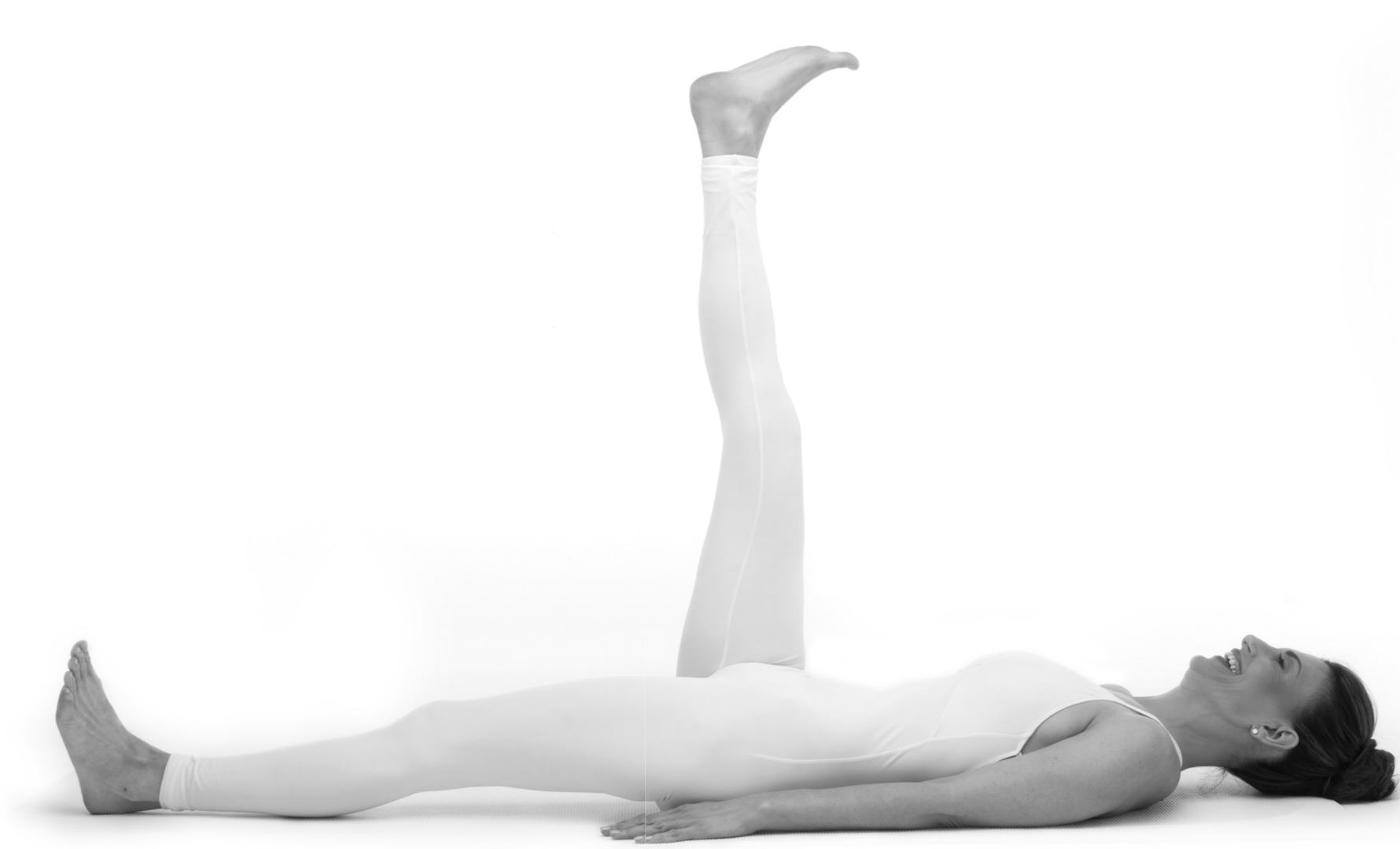
kundalini step 1

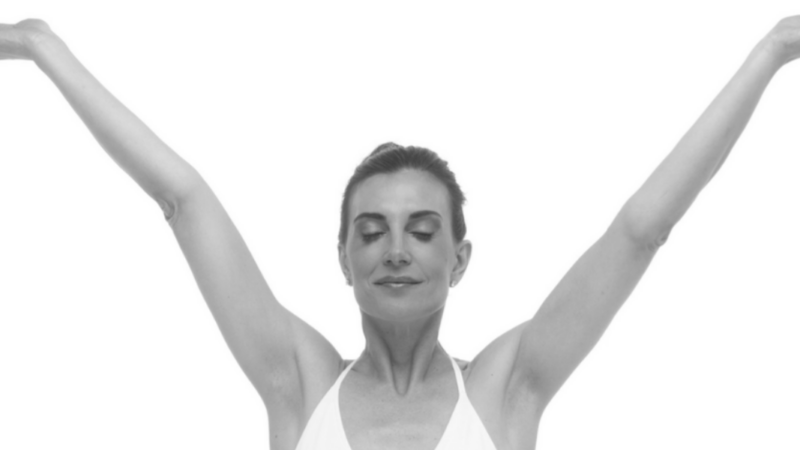
2 Come up to a seated position. Reach your arms up to sixty degrees on either side of your head, creating a V shape. Open your palms toward the sky and flop the hands open from the wrists. Breathe deeply and gaze at the tip of your nose. Feel yourself receiving the light of the divine while you surrender any barriers you hold inside. Let go. Continue for three minutes.

3 Bring your arms down, breathe gently, and relax. Feel yourself opening and allowing the full magnificence of your soul to shine.
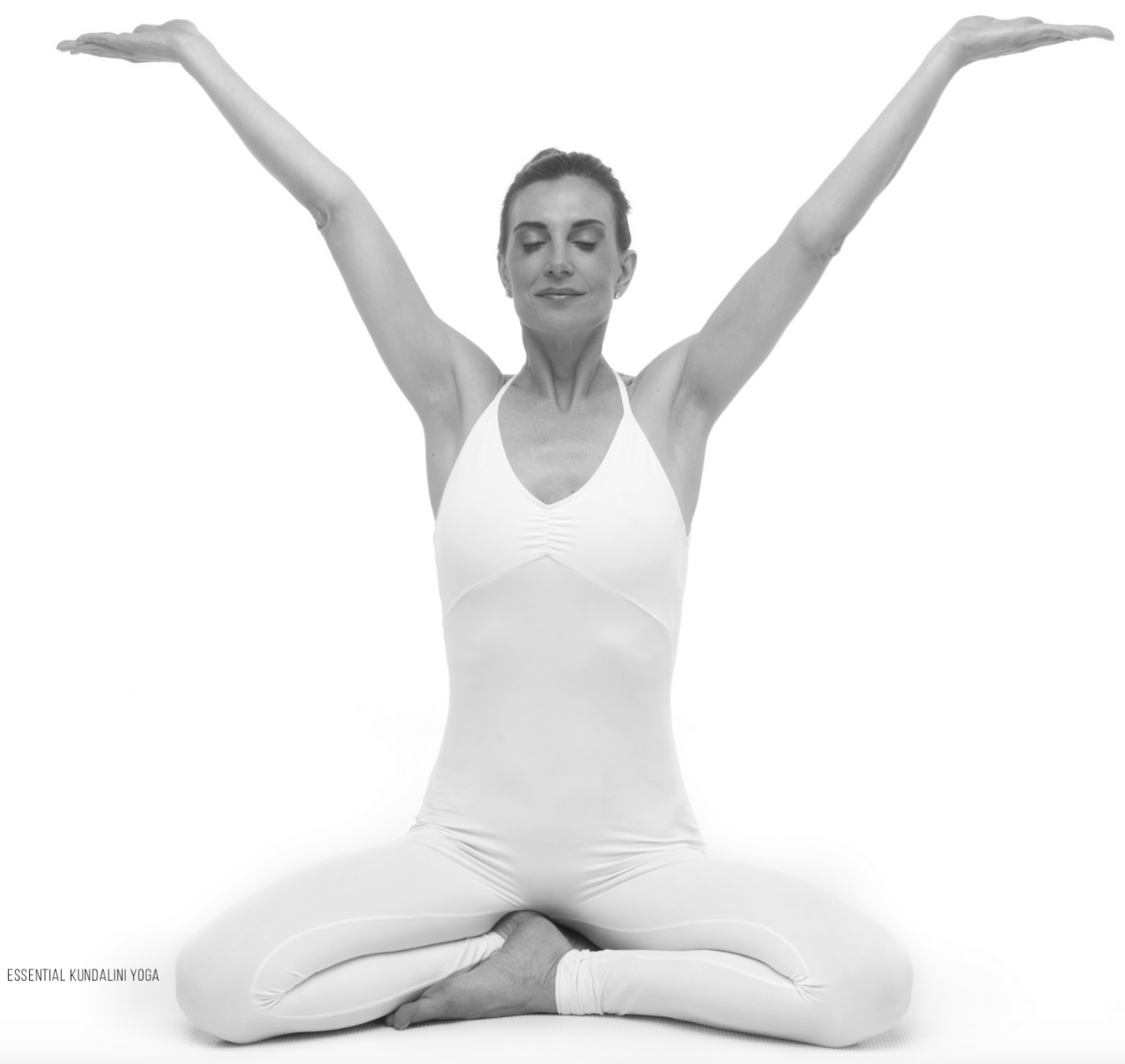
step 2 and 3

This is an excerpt from Essential Kundalini Yoga: An Invitation to Radiant Health, Unconditional Love, and the Awakening of Your Energetic Potential by Karena Virginia and Dharm Khalsa.

 

bio photoKarena Virginia is a certified healer and registered yoga instructor who has taught in the Kundalini and Hatha schools for nearly 20 years. Before her career as a spiritual teacher, she worked in the entertainment industry as an actor and model. Karena’s work encourages us to connect with our own personal truth through love, compassion, inner beauty, and radiance.


bio photo 2Dharm Khalsa is a board member of the Siri Singh Sahib Corporation, the nonprofit overseeing kundalini yoga in the US since founder Yogi Bhajan’s passing. Trained directly by Yogi Bhajan, for whom he was a personal assistant for eight years, Dharm has taught kundalini yoga since 1980. He lives in New Mexico.
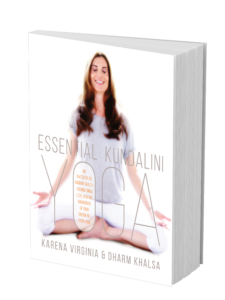


book cover

Learn More

Sounds True | Amazon | Barnes & Noble | Indiebound | Bookshop

Embrace the Hustle & Bustle with this “Shake it...

Sometimes life is complicated, especially during the hustle and bustle of the holiday season. We may be able to cope with everyday stresses, but when we have multiple traumatic events happening at once, we can feel frozen by fear and uncertainty, stuck in our painful circumstances. We may feel victimized and incapable of making a move. As our modern age speeds up, this feeling can intensify to the point that we make ourselves sick. What can we do when we feel so confused and empty that we become immobilized and exhausted?

This kundalini meditation is designed to help center your consciousness and channel all your confusion out of your psyche. You give your feelings of uncertainty, pain, and blame to the universe and replace them with the pure, clear light of your soul, accessing what was actually there all along.


  1. Sit up with your spine straight. Center yourself with your breath.
  2. Interlace your fingers in front of your heart with the index fingers pressed together pointing up.  Close your eyes, focusing internally on the third eye point.
  3. Begin chanting the mantra “Wahe Guru, Wahe Guru, Wahe Guru, Wahe Jio” (pronounced “wah-hey guh-roo, wah-hey guh-roo, wah-hey guh-roo, wah-hey jee-oh”). Our translation of this mantra is: “As in amazement, here and now, all darkness is transformed to illuminating light in my soul.” Practice doing this chant with the following visualization:
    • On the syllable of “wah,” feel the sound vibrating at your navel.
    • On the syllable of “hey,” feel the sound vibrating at your heart.
    • On the syllables of “gur-roo” and “jee-oh,” feel the sounds vibrating at your lips.
  4. Continue chanting the mantra for up to 11 minutes.
  5. Inhale deeply and hold your breath in. Feel the echo of the sounds still vibrating in your navel, heart, and lips. Suspend your breath for as long as you comfortably can and then exhale very consciously.
  6. Inhale a second time and again suspend your breath. Release the feeling of being trapped by circumstances. Surrender it to the universe. Surrender your pain and feelings of blame. Release your stress and your uncertainty. Give it all to God. Hold the breath for as long as you comfortably can and then exhale, still holding your concentration.
  7. Inhale a third time and give your life to God. Surrender. Whatever God means to you, offer your existence to that. Allow yourself to feel the purification this action creates in your psyche. When you are ready, exhale and sit for a while with the whole experience of this powerful meditation.


Looking for more great reads?


Excerpted from Essential Kundalini Yoga by Karena Virginia & Dharm Khalsa.

Karena Virginia brings 20 years of experience as a certified healer and registered instructor in the kundalini and hatha schools. Before her teaching career, she worked in the entertainment industry as an actress and model. She lives in the New York City area. For more information, visit karenavirginia.com.


Dharm Khalsa is a board member of the Siri Singh Sahib Corporation, the nonprofit overseeing kundalini yoga in the US since founder Yogi Bhajan’s passing. Trained directly by Yogi Bhajan, for whom he was a personal assistant for nearly a decade, Dharm has taught kundalini yoga since 1980. He lives in New Mexico.

Yoga for Activating the Heart

Dear friends,

Are you feeling it? Our planet is going through a major energetic shift. People all over the world are feeling called in a new way to align their deepest soul callings with their external lives. There is a global energetic shift contributing to both a magnificent spiritual longing as well as a lack of ease, and the everyday stresses of modern life—along with changes in the Earth’s electromagnetic field—can make us feel strangely separate from our own authenticity. It can feel like standing on the shore of a whitewater river, looking across to the calm green peace on the other side, and wondering how to get back over there. We know there is something genuine that we are missing, but we need a bridge over the separation to return to our own peaceful heart.

We are all spiritual beings expanding into the vastness of our potential. The connection to our heart is a reminder that we are so much more than our bodies and minds. The stillness is where the miracles come through us, and the chaos is the distraction. How do we return to the silence of the heart that gently guides us towards our destiny?

We have found an effective bridge in the simple techniques from Kundalini Yoga. In our new book, Essential Kundalini Yoga: An Invitation to Radiant Health, Unconditional Love, and the Awakening of our Energetic Potential, we explain how to use ancient tools from the Himalayas to shift the frequency of our prana, our inner energy, our bio-magnetic field, and our nervous system so we can align with our highest calling. These tools allow the beautiful energy of your own highest self to be directly accessed and the stillness of your heart to guide you. This form of yoga helps to clear energetic blocks and resistances so our natural brilliance can flow into our body and into our lives from the inside out.

Our goal in writing this book was to present deep concepts in a way that would be accessible, demystified, and easy to follow. We envisioned that the layout could evoke a sense of peace and depth. We wanted to get past the rigmarole and provide clear instructions so you can get to work actualizing the truth of your own vibration, and allow the beautiful shine of you to expand into your life.

YOGA FOR ACTIVATING THE HEART

Here is an example of a very effective exercise that can help you reduce stress and bring you back to your heart center at any time during your day. It works in a very short amount of time.


  1. Sit up straight, either cross-legged or in a chair. If in a chair, sit forward closer to the front of the chair so you do not lean back.
  2. Hook the fingers of both hands together in front of your chest and pull your elbows steadily and strongly to the sides.
  3. Close your eyes and inhale very slowly. Keep pulling on the grip. Breathe deeply into your abdomen. Exhale slowly as well.
  4. Imagine that with each breath you are drawing in light through the top of your head.
  5. Continue breathing long, deep breaths while pulling side to side for three minutes.
  6. To finish, inhale deeply, hold the breath, and shift your hands to push your palms firmly together, pressing as hard as you can. Focus your attention on the top of your head. Exhale and repeat two more times.
  7. Release your palms, place them on your knees facing up, and take time to connect with your breathing.

Inside each of us is a core of pure love. There is not a soul on Earth who is not feeling the effects of this shift in one way or another. Yet, through it all, our core energetic state is love. We truly believe this book can help navigate your journey back into love, hope, and miracles.

We thank you for being a part of this evolution. May you feel the light of love and the many blessings that are with you always.


With our love always,

Karena Virginia and Dharm Khalsa


You Might Also Enjoy

What Is Reverse Meditation? A Counterintuitive Path to...

Many people begin meditation hoping to quiet the mind, reduce stress, or create a sense of inner peace. Reverse meditation takes a different approach by encouraging people to turn toward the thoughts, emotions, and experiences they usually avoid. Instead of escaping discomfort, the practice invites awareness of it. Although this approach may feel unfamiliar at first, it can lead to deeper self-understanding, emotional honesty, and presence.

At Sounds True, we have spent decades sharing wisdom from leading spiritual teachers, meditation practitioners, and contemplative voices through books, audio programs, podcasts, and transformational learning experiences. Our mission has always been to support meaningful inner growth through teachings that are grounded, compassionate, and accessible.

Here, we discuss what reverse meditation is, how it differs from traditional mindfulness practices, and how it can support awakening through awareness, shadow work, and emotional openness.

Key Takeaways:

  • Emotional Awareness: Reverse meditation encourages people to stay present with difficult emotions instead of avoiding them.
  • Spiritual Insight: The practice helps uncover unconscious patterns that shape fear, identity, and emotional reactions.
  • Inner Freedom: Reverse meditation and shadow meditation support greater compassion, honesty, and emotional resilience.

Discover the Power of Daily Meditation and Inner Stillness

What Is Reverse Meditation and Why Is It So Counterintuitive?

Reverse meditation challenges the привычка to avoid discomfort during spiritual practice. Instead of trying to quiet difficult emotions or achieve constant calm, practitioners learn how to stay present with fear, uncertainty, and emotional tension. Thoughts and uncomfortable feelings are not treated as distractions but as part of the practice itself.

This counterintuitive approach encourages greater self-awareness and emotional honesty. Rather than chasing ideal spiritual states, reverse meditation focuses on presence, openness, and a deeper relationship with inner experience.

The Origins of Reverse Meditation in Spiritual and Contemplative Traditions

Reverse meditation draws from contemplative traditions that emphasize awareness without resistance. Although the language surrounding the practice may vary, the central principle remains similar across many teachings. Freedom develops when people stop struggling against their inner experience.

Ancient Teachings on Turning Toward Experience

Many contemplative traditions teach practitioners to observe thoughts and emotions without immediately reacting to them. In Tibetan Buddhism and nondual teachings, awareness is seen as spacious enough to include discomfort, confusion, and emotional intensity.

Rather than viewing difficult emotions as obstacles, these traditions suggest they can lead to deeper understanding. Reverse meditation reflects this approach by encouraging awareness of the emotions and patterns people usually avoid.

Why Modern Practitioners Are Drawn to Reverse Meditation

Many people are drawn to meditation practices that feel emotionally honest and grounded. While traditional mindfulness can be meaningful, some practitioners realize they are using meditation to avoid discomfort instead of understanding it.

Reverse meditation creates space for vulnerability, uncertainty, and difficult emotions without judgment. Rather than pretending discomfort does not exist, the practice encourages a more open and honest relationship with inner experience.

Andrew Holecek Reverse Meditation Teachings on Awareness and Awakening

The growing conversation around reverse meditation has been influenced by Andrew Holecek, whose teachings combine Tibetan Buddhism, dream yoga, and nondual contemplative wisdom. His work often focuses on the patterns people use to avoid discomfort and reinforce identity.

Reversing Habitual Patterns of Avoidance

Andrew Holecek reverse meditation teachings emphasize how deeply conditioned people are to seek comfort and avoid emotional pain. Fear, anxiety, and uncertainty are usually treated as problems that need immediate resolution.

Reverse meditation interrupts this pattern. Instead of escaping difficult emotions, practitioners learn how to remain present with them long enough to observe what exists beneath the surface. Fear may reveal vulnerability. Anger may uncover grief. Emotional resistance may expose attachment to control.

The practice does not encourage emotional overwhelm. Instead, it develops the capacity to remain aware without immediately turning away from discomfort.

Awakening Through Openness and Curiosity

A central insight within reverse meditation is that awakening begins through openness rather than control. Many people spend years trying to perfect themselves spiritually while remaining disconnected from unresolved emotional experience.

Reverse meditation shifts that orientation. Curiosity replaces judgment. Awareness becomes less focused on fixing experience and more focused on understanding it directly.

This creates a different relationship with meditation itself. Practitioners stop measuring progress according to how peaceful they feel. Instead, they begin developing the ability to remain present with changing emotional states without becoming consumed by them.

Over time, this openness can create greater emotional resilience, compassion, and clarity.

How a Reverse Meditation Practice Changes Your Relationship With Fear

Fear often becomes one of the central doorways within a reverse meditation practice. Most people instinctively move away from emotional discomfort as quickly as possible. Reverse meditation asks practitioners to slow down and examine that impulse instead of following it automatically.

Learning to Stay Present With Discomfort

One of the first things practitioners notice is how quickly the mind reaches for distraction. Restlessness, analysis, and mental storytelling often appear when vulnerability begins surfacing.

Reverse meditation encourages practitioners to remain present with those reactions rather than immediately escaping them. Fear is no longer treated as something that must disappear before peace can emerge.

This shift can feel uncomfortable at first. Yet many practitioners discover that difficult emotions become less overwhelming once they are approached with awareness instead of resistance.

Fear as a Gateway to Deeper Insight

Fear often protects deeper emotional experiences that have not been fully acknowledged. Beneath anxiety, there may be grief, loneliness, uncertainty, or attachment to identity and control.

A reverse meditation practice creates space to observe these hidden layers more clearly. Instead of reacting automatically, practitioners begin recognizing how much emotional energy is spent avoiding vulnerability.

This awareness can gradually transform the relationship with fear itself. Fear becomes less of an enemy and more of a signal pointing toward areas that require compassion, honesty, and attention.

Awaken Your Inner Healing Power: Your Wellness Journey Starts Now

Why Counterintuitive Meditation Challenges Traditional Mindfulness

Counterintuitive meditation often challenges familiar ideas about what meditation is supposed to accomplish. Many people begin meditation expecting calmness, focus, or emotional relief. Reverse meditation introduces another possibility by encouraging awareness of all experience, including discomfort.

  • Traditional mindfulness practices often emphasize concentration on the breath or bodily sensations, while counterintuitive meditation opens awareness toward thoughts, emotions, and emotional tension.
  • Counterintuitive meditation encourages practitioners to notice resistance itself rather than immediately trying to eliminate uncomfortable feelings.
  • Emotional difficulty is not viewed as failure within the practice. Difficult emotions become opportunities for deeper awareness and self-understanding.
  • The practice shifts attention away from spiritual achievement and toward emotional honesty.
  • Practitioners learn how to remain present with uncertainty instead of constantly seeking resolution or control.
  • Counterintuitive meditation encourages greater compassion by helping people recognize the shared vulnerability within human experience.

Although this approach may feel challenging, many practitioners eventually develop a more grounded relationship with meditation. Awareness becomes less dependent on achieving ideal states and more connected to direct experience as it unfolds naturally.

The practice reminds people that awakening does not require perfection. It begins through willingness to remain present with reality in all its complexity.

The Connection Between Shadow Meditation and Reverse Meditation

Shadow meditation and reverse meditation encourage awareness of the hidden parts of the self, including fear, grief, shame, anger, and emotional pain. These emotions often surface during meditation through thoughts, physical sensations, or emotional reactions that are usually avoided.

Instead of suppressing those experiences, reverse meditation invites practitioners to meet them with compassion and curiosity. Over time, this process can reduce emotional resistance and create a greater sense of wholeness, honesty, and self-understanding.

Common Challenges That Arise During a Reverse Meditation Practice

A reverse meditation practice can feel emotionally intense, especially for people who are accustomed to avoiding vulnerability through distraction or control. Difficult emotions may become more visible once awareness slows down and becomes more attentive.

One common challenge involves expectations. Many people believe meditation should always feel peaceful or calming. Reverse meditation asks practitioners to reconsider that assumption. Emotional discomfort does not necessarily mean something is wrong. In many cases, it reflects a growing willingness to encounter inner experience honestly.

Impatience can also become part of the process. People often want immediate transformation or clarity, yet reverse meditation unfolds gradually through consistent awareness and self-compassion.

Support can be valuable during this process. Teachers, contemplative communities, and trusted spiritual resources can help practitioners navigate emotionally complex experiences with steadiness and care.

How Reverse Meditation and Shadow Meditation Support Inner Freedom

Reverse meditation and shadow meditation encourage a more compassionate relationship with difficult emotions and inner experiences. Instead of resisting fear, vulnerability, or uncertainty, practitioners learn how to remain present with them in a more open and grounded way.

Over time, this awareness can create greater emotional freedom and self-understanding. Rather than escaping pain or discomfort, reverse meditation supports a deeper sense of clarity, steadiness, and connection with human experience.

Discover how your mind really works

Final Thoughts

Reverse meditation offers a different relationship with awareness. Instead of moving away from discomfort, practitioners learn how to meet fear, uncertainty, and emotional complexity with openness and compassion. Through this counterintuitive practice, difficult experiences become opportunities for greater clarity rather than obstacles to awakening.

By turning gently toward the parts of ourselves we often resist, reverse meditation and shadow meditation can support a deeper sense of presence, honesty, and inner freedom.

Frequently Asked Questions About What Is Reverse Meditation?

Can reverse meditation help with emotional overwhelm?

Reverse meditation may help people develop a healthier relationship with overwhelming emotions by encouraging awareness instead of immediate avoidance. The practice focuses on observing emotional experiences with patience and compassion.

Is reverse meditation suitable for daily practice?

Yes. Many practitioners incorporate reverse meditation into daily routines through short periods of self-inquiry, mindful observation, or reflective awareness. Consistency is often more important than duration.

Does reverse meditation require silence?

Not necessarily. While quiet environments can support concentration, reverse meditation can also involve awareness during ordinary daily experiences, emotional reactions, or moments of discomfort.

How is reverse meditation different from positive thinking?

Positive thinking often focuses on replacing difficult thoughts with encouraging ones. Reverse meditation does not attempt to replace or fix emotions. Instead, it encourages awareness of experience exactly as it appears.

Can reverse meditation improve self-awareness?

Yes. The practice can deepen self-awareness by helping practitioners notice unconscious habits, emotional patterns, and reactions that often operate automatically.

Is reverse meditation connected to nondual teachings?

Many reverse meditation teachings share similarities with nondual traditions because both emphasize direct awareness and reduced identification with thoughts and emotions.

What role does the body play in reverse meditation?

The body often becomes an important source of awareness during reverse meditation. Emotional tension, fear, and stress frequently appear as physical sensations that practitioners learn to observe more consciously.

Can reverse meditation support spiritual growth without religion?

Yes. Although some teachings draw from Buddhist and contemplative traditions, reverse meditation can be practiced in a nonreligious way focused on awareness, emotional honesty, and inner reflection.

Why do some people resist reverse meditation at first?

The practice challenges the instinct to avoid discomfort. Remaining present with difficult emotions can initially feel unfamiliar, especially for people accustomed to distraction or emotional suppression.

How long does it take to understand reverse meditation?

Understanding develops gradually through experience rather than intellectual study alone. Many practitioners notice subtle shifts in awareness over time as they continue practicing with openness and consistency.

Michelle Cassandra Johnson is an author, activist, spiritual teacher, racial equity consultant, and intuitive healer. She is the author of six books, including Skill in Action and Finding Refuge. Amy Burtaine is a leadership coach and racial equity trainer. With Robin DiAngelo, she is the coauthor of The Facilitator's Guide for White Affinity Groups. For more, visit https://www.michellecjohnson.com/wisdom-of-the-hive.

Wim Hof on Cold as a Noble Force: How Cold Exposure Re...

Many people spend their lives avoiding discomfort. Cold weather sends us indoors, stress pushes us toward distraction, and physical tension becomes something we ignore until it feels impossible to avoid. Wim Hof approaches discomfort differently. Through cold exposure and breathwork, he teaches that moments of intensity can become opportunities to reconnect with the body, calm the mind, and build greater resilience. His methods have sparked global interest because they encourage people to experience awareness directly rather than simply think about it.

At Sounds True, we have spent decades sharing transformational teachings from respected spiritual teachers, wellness experts, and visionaries who help people deepen self awareness and reconnect with meaningful practices for inner growth. Conversations with voices like Wim Hof continue that mission by offering grounded approaches to resilience, presence, and the connection between body and mind.

Here, we discuss Wim Hof method benefits, the role of cold exposure and breathwork, and how these practices may support resilience, focus, and emotional balance.

Key Takeaways:

  • Nervous System Response: Learn how cold exposure and conscious breathing may influence stress regulation and emotional resilience.
  • Mind-Body Awareness: Understand how the Wim Hof method encourages greater presence, focus, and connection with physical sensations.
  • Adaptation Through Discomfort: See how controlled cold exposure can help strengthen mental steadiness and the body’s natural adaptability.

Discover the Power of Daily Meditation and Inner Stillness

Why Wim Hof Calls Cold a Noble Force

Wim Hof sees cold as a way to reconnect with the body and sharpen awareness. The moment people encounter cold, breathing changes, attention focuses, and distractions fade. He believes modern comfort has weakened the body’s natural resilience, while cold exposure helps restore that connection. For Hof, learning to stay calm in the cold can also help people respond to stress and discomfort with greater steadiness in everyday life.

Wim Hof Method Benefits for Body and Mind

The Wim Hof method combines conscious breathing, cold exposure, and mental focus. Together, these practices are designed to strengthen the connection between body and mind while encouraging resilience under stress. Many people are drawn to the method because it feels deeply experiential rather than theoretical.

Before discussing specific benefits, it helps to understand that the method is rooted in adaptation. The body constantly responds to its environment, and Hof believes intentional exposure to manageable stress can help restore physical and emotional balance.

Physical Energy and Nervous System Support

One of the most discussed Wim Hof method benefits is increased energy and mental clarity. Many people report feeling more alert and refreshed after cold exposure practices. Cold immersion also activates the nervous system, encouraging people to regulate their breathing instead of reacting automatically to stress. Over time, this may support better focus, emotional steadiness, and recovery from stress.

Emotional Resilience Through Discomfort

The emotional side of the Wim Hof method is just as important as the physical practice. Through controlled discomfort, people learn to notice fear and stress without immediately reacting to them. By focusing on the breath and staying present, many practitioners develop greater emotional resilience and feel calmer during stressful situations in daily life. 

How Wim Hof Breathing Supports Mental Clarity and Focus

Wim Hof breathing forms the foundation of the method and serves as a bridge between physical sensation and mental awareness. The breathing exercises involve deep rhythmic breathing followed by periods of breath retention, creating noticeable shifts within the body and mind.

For many people, breathing becomes shallow and unconscious during stressful moments. Tension accumulates quietly, and the nervous system remains in a reactive state without conscious awareness. Hof’s breathing practices encourage people to reconnect with the breath in a more intentional way.

How Conscious Breathing Influences Stress

The breath has a direct relationship with the body’s stress response. Rapid, shallow breathing can reinforce anxiety and tension, while slower and more deliberate breathing often encourages relaxation and stability.

Wim Hof breathing teaches people to become aware of those patterns rather than remaining trapped inside them unconsciously. During the breathing exercises, many people experience a sense of release as physical tension softens and attention becomes more grounded in the present moment.

This shift may help support emotional regulation throughout daily life. When stressful situations arise, conscious breathing can become an anchor that creates space between reaction and response.

Breathwork as a Practice of Presence

Breathwork also supports greater awareness and presence in everyday life and relationships. Many people describe Wim Hof breathing as both calming and energizing because it encourages deeper attention to the body, emotions, and mental patterns. Rather than avoiding discomfort, the breath becomes a tool for moving through it with greater awareness and steadiness.

Cold Exposure Benefits for Stress and Emotional Resilience

Cold exposure benefits extend beyond physical endurance or athletic recovery. Many people become interested in cold showers or ice baths because of the emotional and psychological effects associated with the practice.

Building Calm During Intensity

Stepping into cold water immediately activates the body’s stress response. Muscles tighten, breathing becomes rapid, and the mind often searches for escape. Hof teaches people to notice these reactions without becoming consumed by them.

By consciously slowing the breath and remaining present, practitioners begin training the nervous system to stay calmer under stress. This practice may gradually influence emotional resilience outside the cold itself. Situations that once triggered panic or overwhelm can begin to feel less consuming.

The experience also encourages patience and trust. Instead of reacting impulsively, people learn how to remain steady within intensity.

Reconnecting With Bodily Awareness

Cold exposure also creates a stronger relationship with physical awareness. Many people move through daily life disconnected from bodily sensation, carrying stress without fully recognizing it.

Cold immersion interrupts that disconnection. The body becomes impossible to ignore, and attention naturally returns to breathing, sensation, and presence. For many practitioners, this creates a renewed appreciation for the body’s intelligence and adaptability.

Awaken Your Inner Healing Power: Your Wellness Journey Starts Now

Ice Bath Benefits Beyond Physical Recovery

Ice bath benefits are often associated with athletic recovery, but the practice can influence mental and emotional well being as well.

  • Ice baths may support circulation and physical recovery after intense activity.
  • Many people report increased alertness and energy following cold immersion.
  • Ice baths encourage awareness of breathing and stress patterns.
  • Cold exposure creates opportunities to practice calmness under pressure.
  • Some practitioners describe greater emotional steadiness through regular practice.
  • Ice baths may strengthen resilience by teaching the body and mind to adapt together.

Although the physical effects often receive the most attention, many people continue the practice because of the emotional clarity it creates. Ice baths become less about endurance and more about awareness, patience, and presence.

The Wim Hof Method and the Science of Adaptation

A central principle within the Wim Hof method is that the human body is naturally designed to adapt. Hof often speaks about modern comfort as something that has weakened this connection with innate resilience.

Controlled exposure to cold challenges the body in manageable ways, encouraging adaptation without overwhelming the system. This process reflects a broader truth about human growth. People often become stronger not by avoiding difficulty entirely, but by learning how to remain present within challenge.

The method encourages a different relationship with stress. Instead of treating discomfort as something purely negative, practitioners begin viewing it as an opportunity for awareness and transformation.

How Wim Hof Breathing and Cold Exposure Benefits Work Together

Breathing exercises and cold exposure are deeply connected within Hof’s teachings. The breath prepares the body and mind for intensity, while the cold creates an immediate environment in which those tools can be practiced.

Together, these methods encourage people to slow reactive patterns and remain grounded during stress. Breathwork supports nervous system regulation, while cold exposure strengthens the ability to apply that regulation in real situations.

Many practitioners describe this combination as empowering because it creates direct experience rather than abstract theory. The lessons are felt physically, emotionally, and mentally all at once.

Bringing Wim Hof Method Benefits Into Everyday Life

Wim Hof often emphasizes that transformation does not require extreme challenges. Small, consistent practices can create meaningful shifts over time. Brief cold showers, intentional breathing exercises, and moments of conscious stillness during stressful situations may gradually strengthen resilience in everyday life.

The Wim Hof method invites people to become more aware of how they relate to discomfort, stress, and uncertainty. Rather than immediately resisting difficult experiences, the practices encourage curiosity, presence, and adaptability.

For many people, the deeper value of the method is not simply enduring cold temperatures. It is learning how to remain connected to awareness during moments that would normally trigger fear, tension, or emotional reactivity. Through breath and cold, people may begin developing a steadier relationship with both the body and the mind.

Discover how your mind really works

Final Thoughts

Wim Hof’s teachings invite people to reconsider their relationship with discomfort, stress, and the body itself. Through conscious breathing and cold exposure, the Wim Hof method encourages greater awareness, resilience, and presence in everyday life. What begins as a physical practice often becomes something deeper: a reminder that the body and mind are capable of far more balance, adaptability, and inner strength than many people realize.

Frequently Asked Questions About Wim Hof Method Benefits

Is the Wim Hof method meant only for athletes?

No. While athletes often use cold exposure for recovery, the Wim Hof method is practiced by people from many different backgrounds who are interested in stress management, focus, and overall well being.

How long does it take to feel Wim Hof method benefits?

Some people notice increased alertness or energy after a single session, while others experience more gradual changes over several weeks of consistent practice.

Can beginners practice the Wim Hof method at home?

Yes. Many beginners start with short cold showers and simple breathing exercises before progressing to longer or more advanced practices.

Does Wim Hof breathing require special equipment?

No. Wim Hof breathing can be practiced without equipment, though it should always be done in a safe environment and never in water or while driving.

Why do people feel energized after cold exposure?

Cold exposure activates the body’s alertness response, which may increase circulation and create a feeling of heightened energy afterward.

Can the Wim Hof method help with daily stress?

Many practitioners use the method to support emotional balance and stress management by learning how to regulate breathing and remain calmer during challenging situations.

What makes ice baths mentally challenging?

Ice baths trigger an immediate stress response in the body, including rapid breathing and tension. Learning to stay calm within that discomfort is part of the practice.

Is the Wim Hof method connected to mindfulness?

Yes. The method encourages awareness of breathing, bodily sensation, and mental reactions, which aligns with many mindfulness-based practices.

How cold should beginners start with cold exposure?

Beginners are often encouraged to begin gradually with cool or cold showers rather than extreme temperatures, allowing the body to adapt slowly.

Can cold exposure improve focus and concentration?

Some people report improved mental clarity after cold exposure because the experience requires immediate attention and presence.

Michelle Cassandra Johnson is an author, activist, spiritual teacher, racial equity consultant, and intuitive healer. She is the author of six books, including Skill in Action and Finding Refuge. Amy Burtaine is a leadership coach and racial equity trainer. With Robin DiAngelo, she is the coauthor of The Facilitator's Guide for White Affinity Groups. For more, visit https://www.michellecjohnson.com/wisdom-of-the-hive.

Thomas Hubl on Healing Collective Trauma: How Intergen...

Many people carry emotional patterns they cannot fully explain. Anxiety, fear, and emotional distance can sometimes be rooted in experiences passed down through generations. Thomas Hübl’s teachings on collective trauma healing bring awareness to how unresolved pain continues shaping families, communities, and human connection.

At Sounds True, we have spent decades sharing transformational teachings that support mindfulness, healing, and conscious living. Thomas Hübl’s work on intergenerational trauma and collective wound work offers a compassionate perspective on inherited emotional pain and healing.

Here, we discuss how intergenerational wounds are passed down and how awareness can support collective trauma healing.

Key Takeaways:

  • Trauma Transmission: Collective and intergenerational trauma can influence emotional patterns, relationships, and nervous system responses across generations.
  • Healing Through Presence: Thomas Hübl’s teachings emphasize awareness, emotional regulation, and compassionate connection as essential parts of healing.
  • Collective Repair: Healing inherited wounds involves both personal reflection and shared conversations that restore trust, empathy, and human connection.

Discover how your mind really works

Collective Trauma Healing and the Hidden Patterns We Inherit

Collective trauma healing begins with recognizing that unresolved pain can continue shaping families and communities across generations. Thomas Hübl teaches that inherited emotional patterns, fear, and disconnection often stem from trauma that was never fully processed. Healing starts with awareness, compassion, and the willingness to acknowledge difficult experiences without turning away from them. 

How Intergenerational Trauma Shapes Families and Communities

Intergenerational trauma is often passed down through emotional patterns, behaviors, and nervous system responses that children absorb long before they fully understand language or history. Families communicate survival strategies in countless unconscious ways, including silence, emotional withdrawal, hypervigilance, or fear around intimacy and trust.

Emotional Patterns Learned Through Survival

Children are highly sensitive to the emotional states of caregivers. When parents or grandparents carry unresolved trauma, younger generations frequently adapt themselves around those conditions. A child may become overly responsible in response to instability within the home. Another may learn to suppress emotion because vulnerability feels unsafe within the family system.

Thomas Hübl teaches that trauma transmission often occurs not only through direct experiences but through emotional environments. Unspoken grief, unresolved fear, or chronic stress can quietly shape a child’s nervous system over time. These inherited responses may continue into adulthood, affecting relationships, work, communication, and emotional regulation.

The Community Impact of Intergenerational Trauma

Intergenerational trauma also appears collectively within communities shaped by historical suffering. Entire groups may carry inherited distrust, shame, or disconnection after generations of violence, discrimination, or displacement. These experiences can influence educational systems, economic opportunities, social structures, and cultural identity.

Hübl’s work encourages people to understand trauma through both personal and collective lenses. Healing becomes more meaningful when individuals recognize they are not isolated from larger social and historical experiences. Awareness creates the possibility for compassion rather than judgment, both toward oneself and toward others carrying visible or invisible pain.

Thomas Hübl Teachings on Trauma, Presence, and Emotional Repair

Thomas Hübl’s teachings often focus on the relationship between awareness, embodiment, and healing. Rather than approaching trauma as something to quickly fix or overcome, he encourages people to develop the inner capacity to remain present with difficult emotions and sensations.

Presence as a Foundation for Healing

According to Hübl, healing begins with the ability to stay connected to the present moment without becoming overwhelmed. Trauma frequently disrupts this capacity by pulling people into cycles of emotional reactivity, numbness, or dissociation. Developing presence allows individuals to observe these patterns with greater clarity and steadiness.

Practices such as meditation, conscious breathing, and relational dialogue can support nervous system regulation while helping people reconnect with parts of themselves that may have been suppressed for survival. Hübl emphasizes that healing is not about perfection. It is about increasing one’s ability to remain connected during moments of discomfort or vulnerability.

Why Emotional Repair Requires Connection

Hübl also speaks about the importance of relational healing. Trauma often creates separation, both internally and between people. Emotional repair becomes possible through authentic connection, compassionate witnessing, and shared humanity.

This perspective challenges the idea that healing happens entirely alone. While personal reflection matters, collective healing also requires supportive relationships and communities where people feel emotionally safe enough to tell the truth about their experiences. Through open dialogue and mindful listening, individuals begin rebuilding trust in themselves and others.

Ancestral Trauma Healing and the Stories Carried Through Generations

Ancestral trauma healing involves recognizing that emotional pain can move through generations in ways that are both visible and invisible. Families often carry stories of migration, loss, violence, or survival that continue shaping descendants long after the original events occurred.

How Ancestral Trauma Lives in the Body

Many people experience inherited trauma physically before they fully understand it intellectually. Chronic anxiety, emotional shutdown, tension, or heightened stress responses may reflect nervous system adaptations connected to earlier generations. Hübl teaches that the body often carries unfinished emotional experiences that were never fully processed.

This understanding helps people approach healing with greater compassion. Instead of viewing emotional struggles as personal failures, individuals can begin recognizing the deeper historical and relational contexts influencing their experiences.

Reconnecting With Compassion and Awareness

Ancestral trauma healing does not require romanticizing the past or becoming trapped in it. Instead, it invites people to acknowledge inherited pain while developing the awareness needed to respond differently in the present.

Thomas Hübl encourages practices that support reflection, emotional honesty, and embodied awareness. Through conscious attention, people can begin interrupting inherited cycles of fear, shame, or disconnection. This process creates space for healthier forms of connection that future generations may continue building upon.

Discover the Power of Daily Meditation and Inner Stillness

Why Collective Wound Work Requires Nervous System Awareness

Collective wound work asks people to engage trauma without becoming consumed by it. Thomas Hübl frequently highlights the importance of nervous system awareness because healing cannot happen when individuals remain in constant overwhelm or emotional shutdown.

Key elements of nervous system awareness within collective wound work include:

  • Recognizing physical signs of stress, such as tension, rapid breathing, or emotional numbness
  • Learning to pause before reacting impulsively during emotionally charged conversations
  • Developing practices that support grounding and emotional regulation
  • Building the capacity to stay present with discomfort instead of immediately avoiding it
  • Creating relationships and communities where emotional honesty feels safer
  • Understanding how unresolved trauma can shape perception, communication, and behavior
  • Allowing moments of rest and integration throughout the healing process

Hübl’s teachings remind people that collective wound work is not about endlessly revisiting pain. The goal is to create enough internal stability for difficult emotions and historical realities to be acknowledged without causing further fragmentation. Nervous system awareness supports this balance by helping individuals remain connected to themselves while engaging in meaningful healing work.

Thomas Hübl on Healing Silence, Grief, and Historical Trauma

Silence often becomes one of trauma’s most enduring legacies. Families and communities may avoid speaking about painful experiences because the emotions connected to them feel overwhelming or unresolved. Thomas Hübl teaches that what remains unspoken does not disappear. Instead, silence can deepen disconnection across generations.

Historical trauma frequently leaves emotional gaps where stories should exist. Children may sense grief or fear within a family system without fully understanding its origins. This uncertainty can create confusion, anxiety, or emotional distance that persists over time. Hübl encourages compassionate dialogue as a way of bringing awareness to these hidden dynamics while honoring the emotional weight they carry.

Grief also plays a central role in healing. Many collective wounds remain unresolved because people were never given the space or support needed to process profound loss. Allowing grief to be acknowledged collectively can help restore connection and humanity within communities shaped by suffering.

Collective Trauma Healing Through Connection and Shared Humanity

Collective trauma healing becomes more possible when people move beyond isolation and reconnect through honest conversation, compassionate presence, and shared humanity. Thomas Hübl’s teachings remind us that healing happens through connection, helping individuals, families, and communities rebuild trust and emotional understanding together. 

Intergenerational Trauma, Collective Wound Work, and the Path Forward

Intergenerational trauma and collective wound work require awareness, compassion, and presence. Thomas Hübl’s teachings help people understand how inherited pain shapes individuals and communities while offering a path toward healing. Through honest reflection and meaningful connection, collective trauma healing can help restore relationships and reconnect people with their shared humanity. 

Awaken Your Inner Healing Power: Your Wellness Journey Starts Now

Final Thoughts

Thomas Hübl’s teachings remind us that healing does not happen in isolation. The emotional wounds carried through families, communities, and cultures ask for awareness, compassion, and presence. By recognizing the ways intergenerational trauma shapes human experience, collective trauma healing becomes an opportunity to create a deeper connection with ourselves and with one another. Through conscious attention and shared humanity, it becomes possible to interrupt inherited cycles of pain and move toward greater understanding, resilience, and repair.

Frequently Asked Questions About Collective Trauma Healing

What is the difference between collective trauma and personal trauma?

Personal trauma relates to distressing experiences affecting an individual directly, while collective trauma impacts larger groups such as families, communities, or entire cultures. Collective trauma often shapes shared emotional patterns and social behaviors over time.

Can intergenerational trauma affect people who did not experience the original event?

Yes. Emotional responses, survival behaviors, and nervous system patterns can be passed down through generations, even when descendants did not directly experience the original trauma.

Why are people becoming more aware of ancestral trauma healing?

Many people are beginning to recognize connections between inherited emotional patterns and unresolved family histories. Increased awareness around mental health and nervous system regulation has also expanded conversations around ancestral trauma healing.

How does Thomas Hübl describe the role of the nervous system in healing?

Thomas Hübl teaches that the nervous system plays a central role in how people process stress, connection, and emotional experiences. Healing often involves developing greater capacity to remain grounded and present during difficult emotions.

Can collective wound work happen without revisiting painful memories?

Collective wound work does not always require reliving traumatic experiences in detail. Many healing approaches focus on creating safety, awareness, and emotional regulation while acknowledging the impact of past events.

What are some signs of unresolved intergenerational trauma?

Signs may include chronic anxiety, emotional numbness, difficulty trusting others, intense fear responses, people-pleasing behaviors, or patterns of emotional avoidance repeated within families.

How can mindfulness support collective trauma healing?

Mindfulness practices can help people become more aware of emotional reactions, physical stress responses, and unconscious patterns. This awareness creates space for more intentional responses instead of automatic survival behaviors.

Why is community important in trauma healing?

Supportive relationships can help restore a sense of safety and connection. Healing often deepens when people feel seen, heard, and emotionally supported within healthy communities.

Is collective trauma healing connected to social change?

Yes. Greater awareness of collective trauma can influence how societies approach justice, education, mental health, and community care. Healing often involves both personal transformation and broader cultural awareness.

How does Thomas Hübl’s teachings approach emotional accountability?

Thomas Hübl encourages people to meet emotional pain with honesty, presence, and compassion. His teachings focus on recognizing inherited patterns while taking responsibility for how individuals respond and grow in the present.

Michelle Cassandra Johnson is an author, activist, spiritual teacher, racial equity consultant, and intuitive healer. She is the author of six books, including Skill in Action and Finding Refuge. Amy Burtaine is a leadership coach and racial equity trainer. With Robin DiAngelo, she is the coauthor of The Facilitator's Guide for White Affinity Groups. For more, visit https://www.michellecjohnson.com/wisdom-of-the-hive.

Leave a Reply

Your email address will not be published. Required fields are marked *